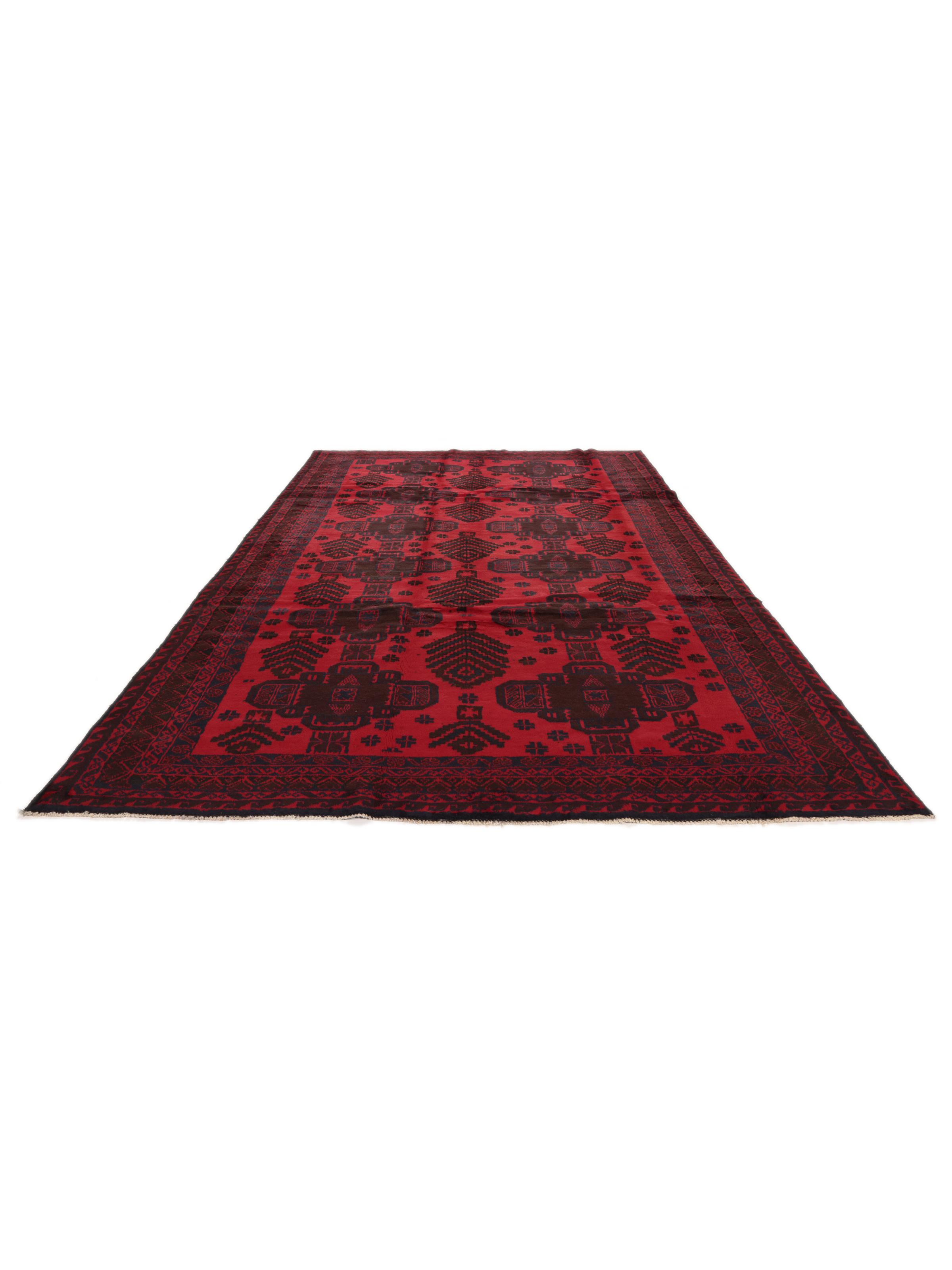
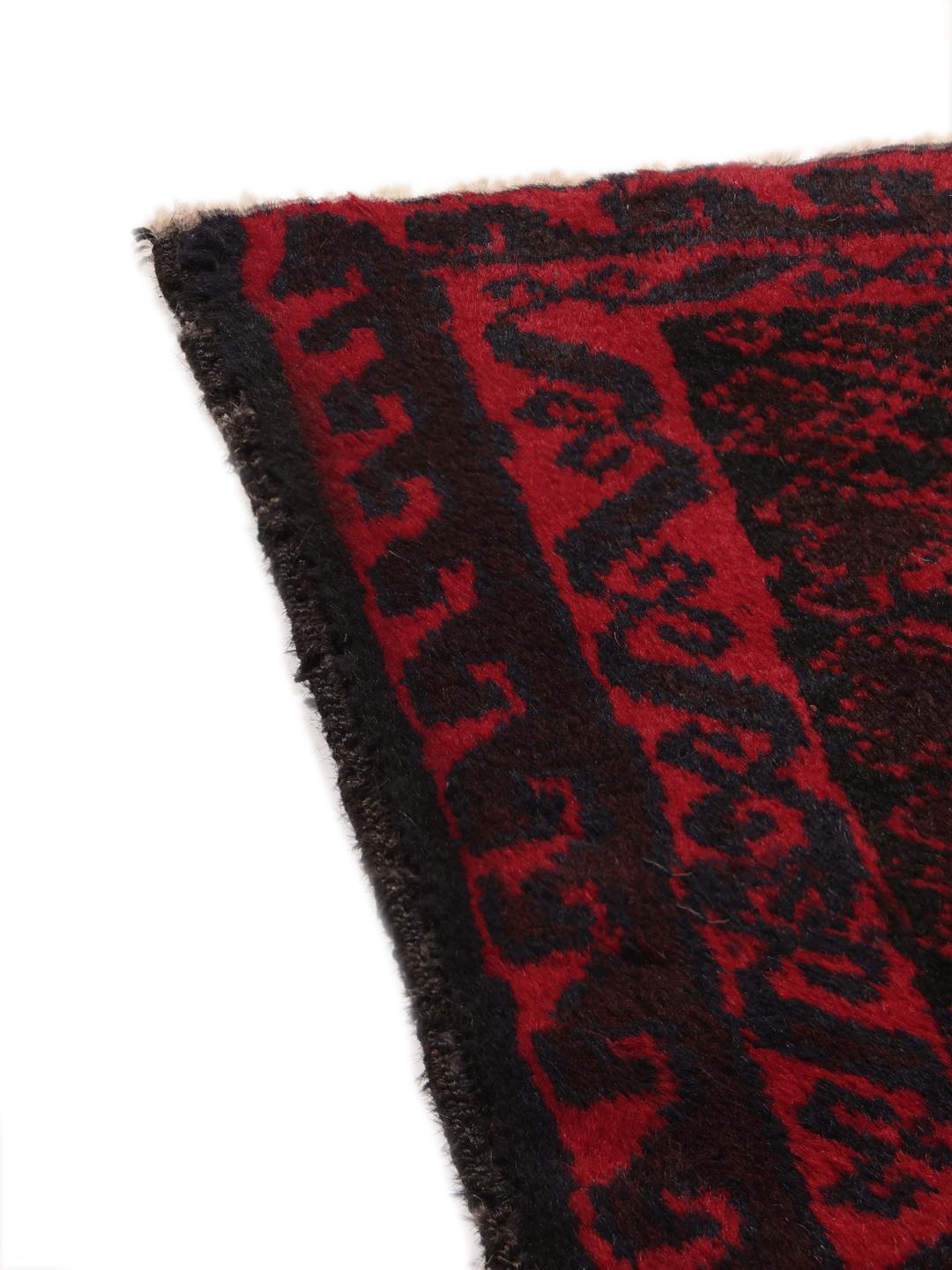
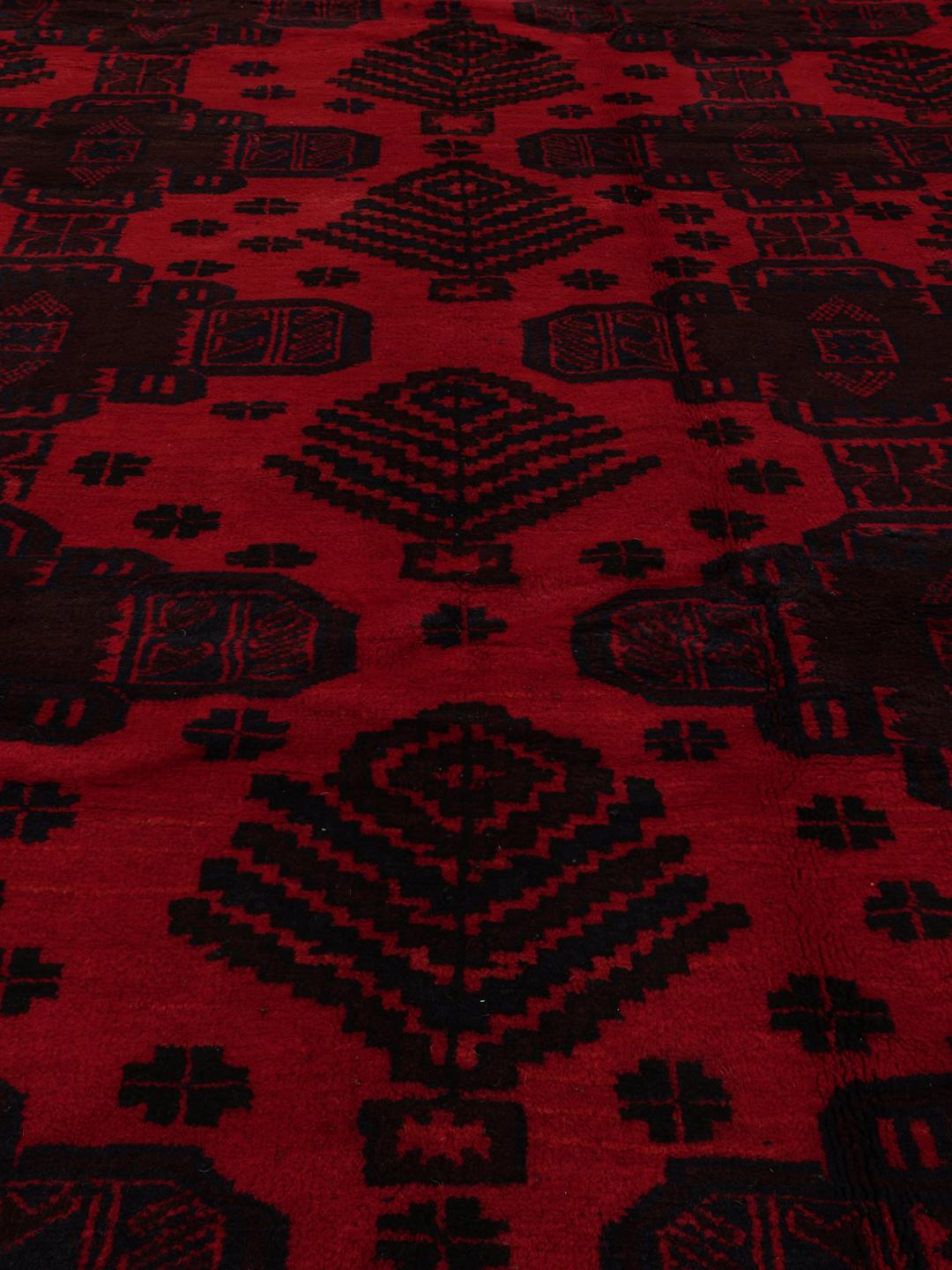
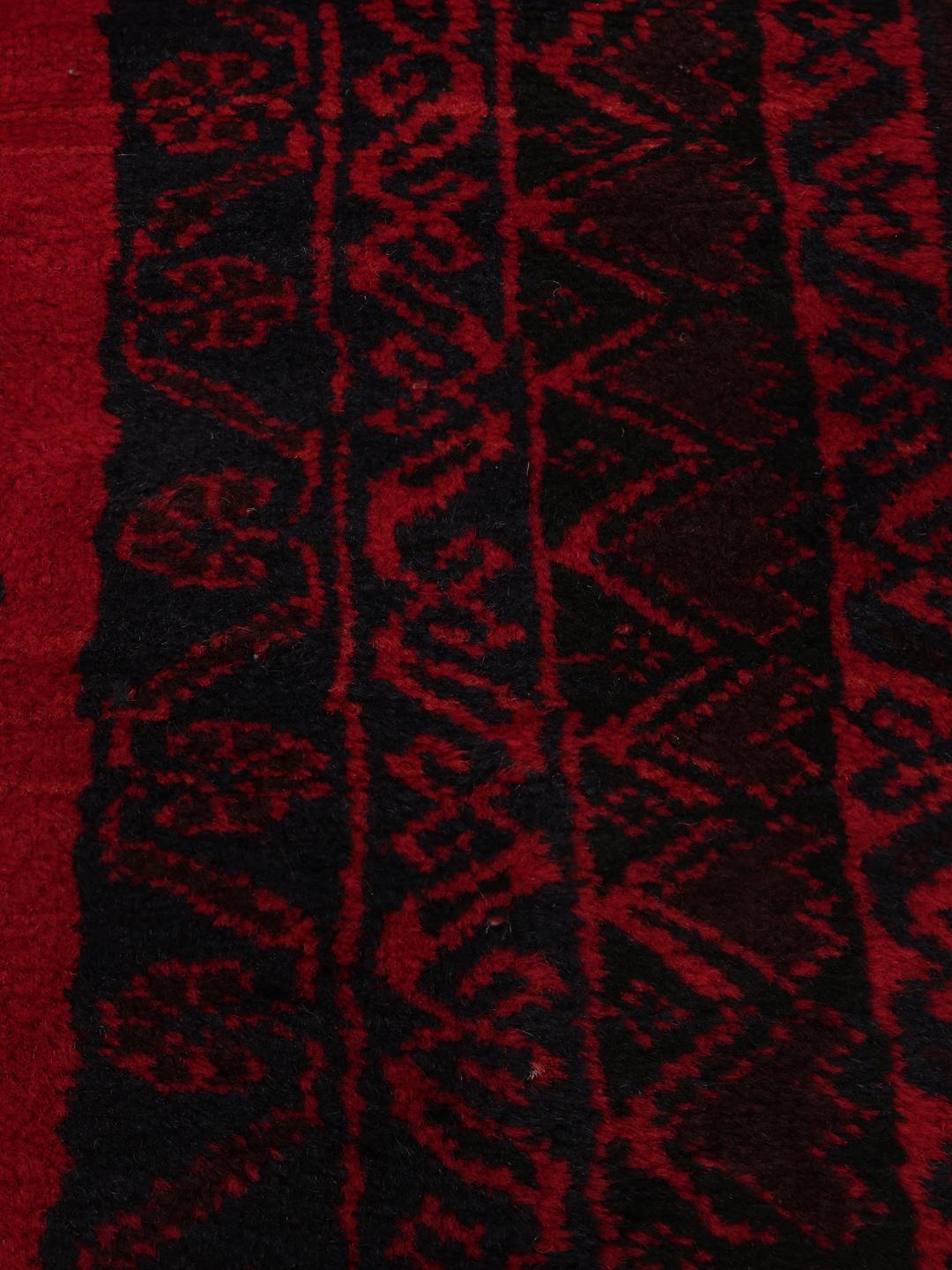
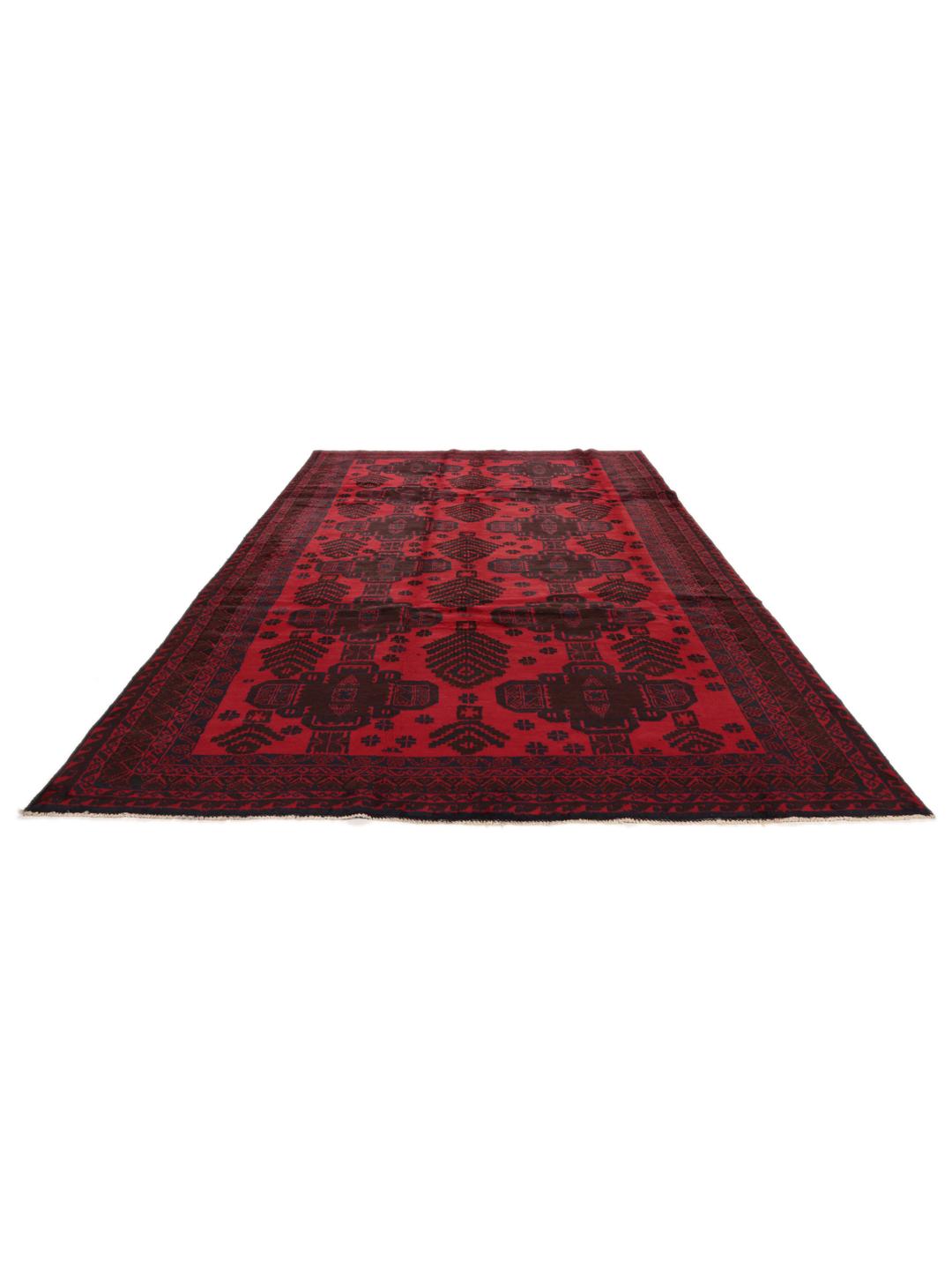
The Beluch rug tradition originates from the nomadic and semi-nomadic tribes of the Baluchistan region, an area spanning parts of Afghanistan, the Middle East, and Pakistan. For centuries, these communities have practised a craft deeply rooted in their migratory lifestyle, creating textiles that were designed to be portable yet durable enough to serve as the heart of a home. Today, the finest examples of these rugs are still produced in Afghanistan, where weavers maintain the ancient motifs and techniques of their ancestors.
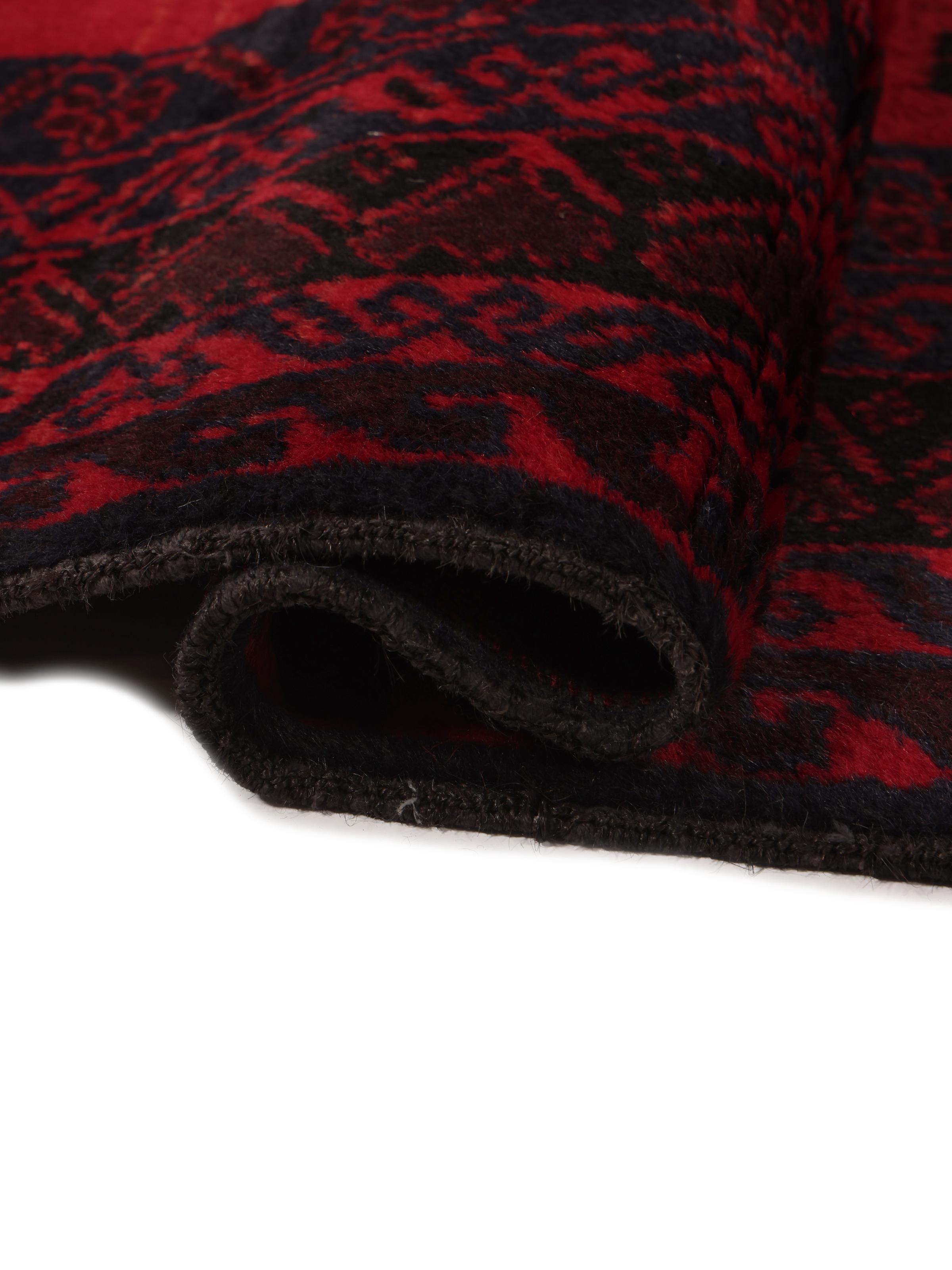
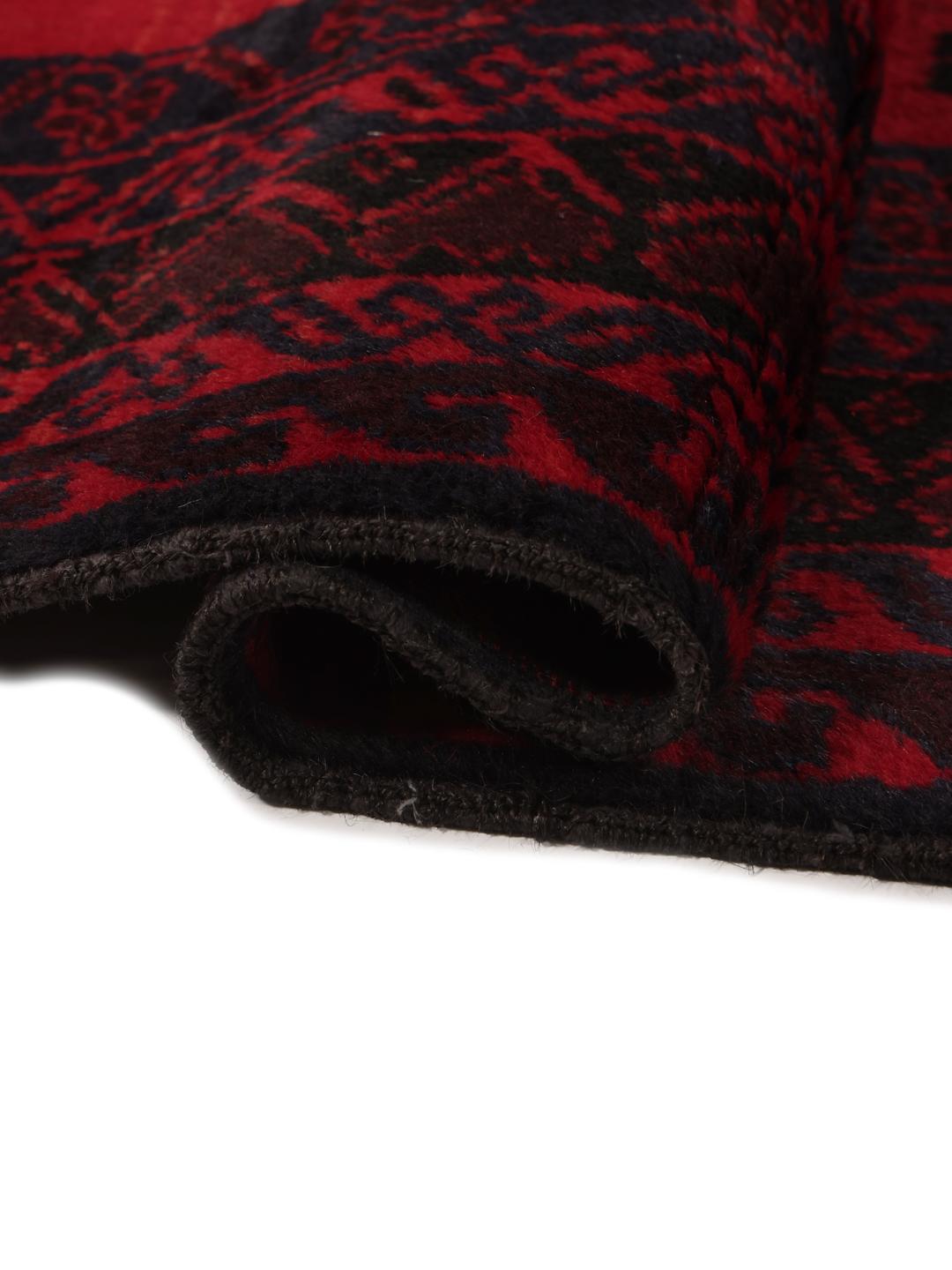
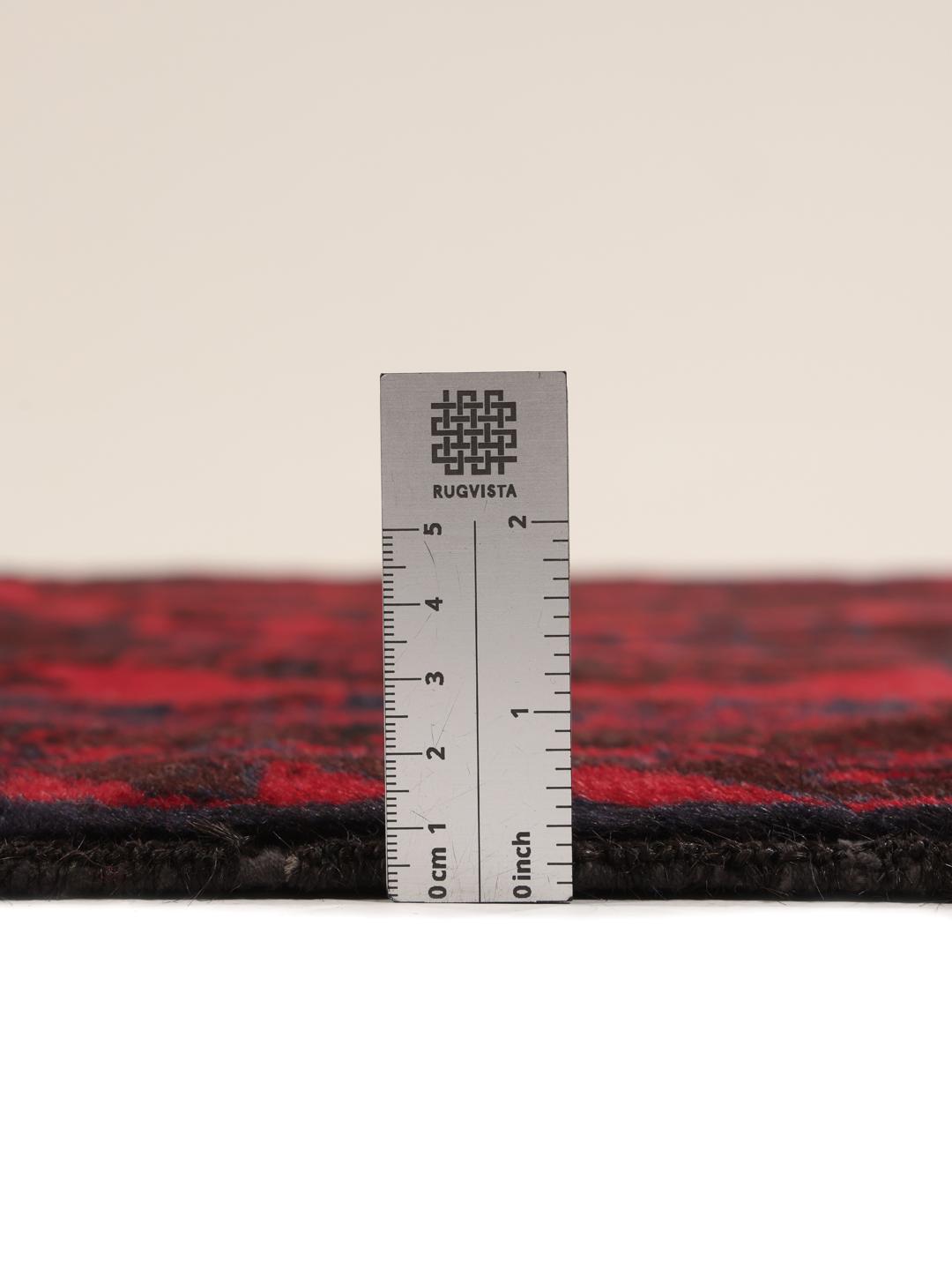
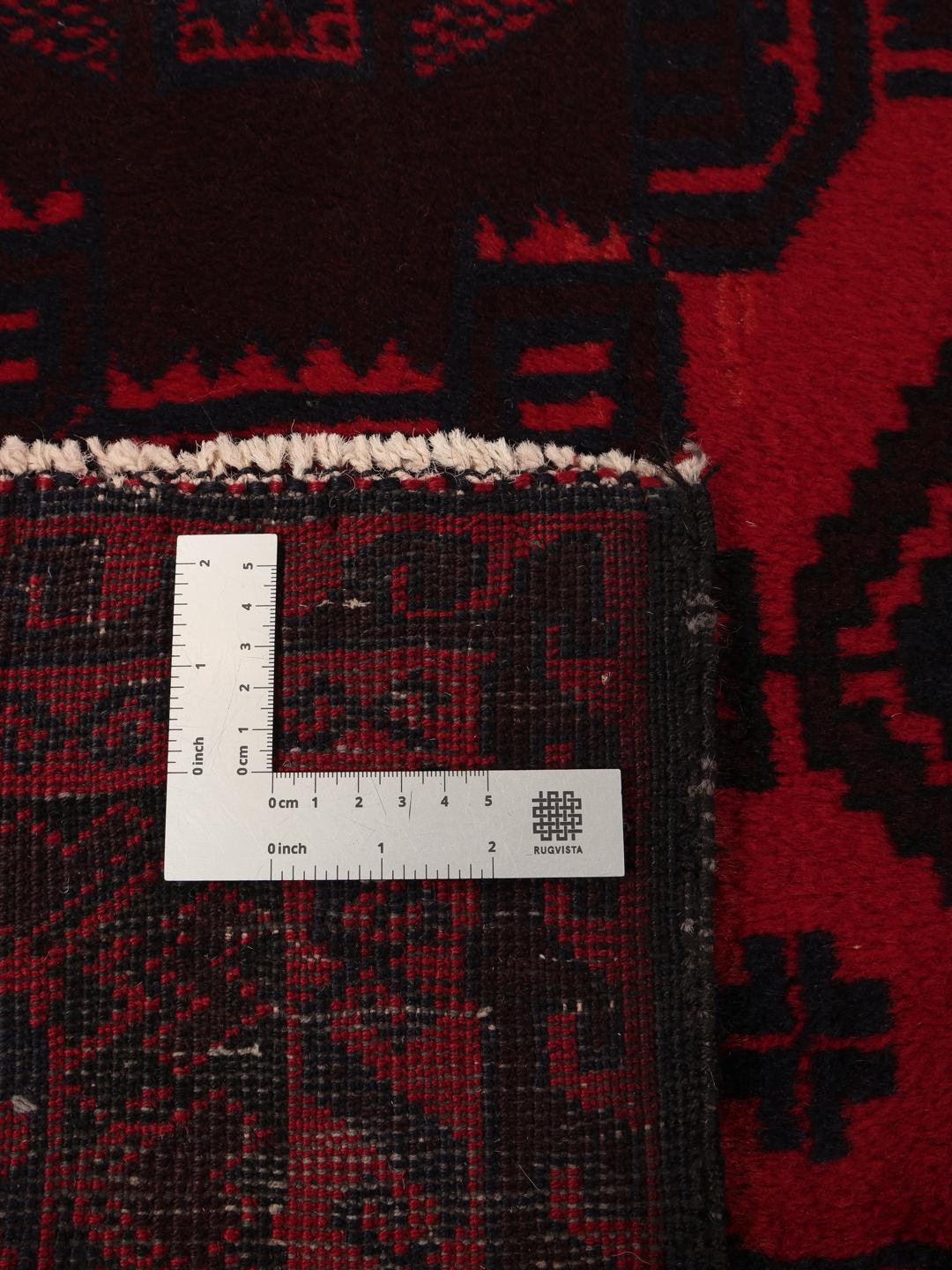
The term 'Beluch' refers not only to the tribal identity of the weavers but also to a specific aesthetic and construction quality. These rugs are known for their intricate geometric designs and the use of high-quality wool, which is often spun into a durable yarn that takes well to natural dyes. The construction is typically characterised by a dense, firm weave, ensuring that the finished product is both functional for everyday use and visually complex.
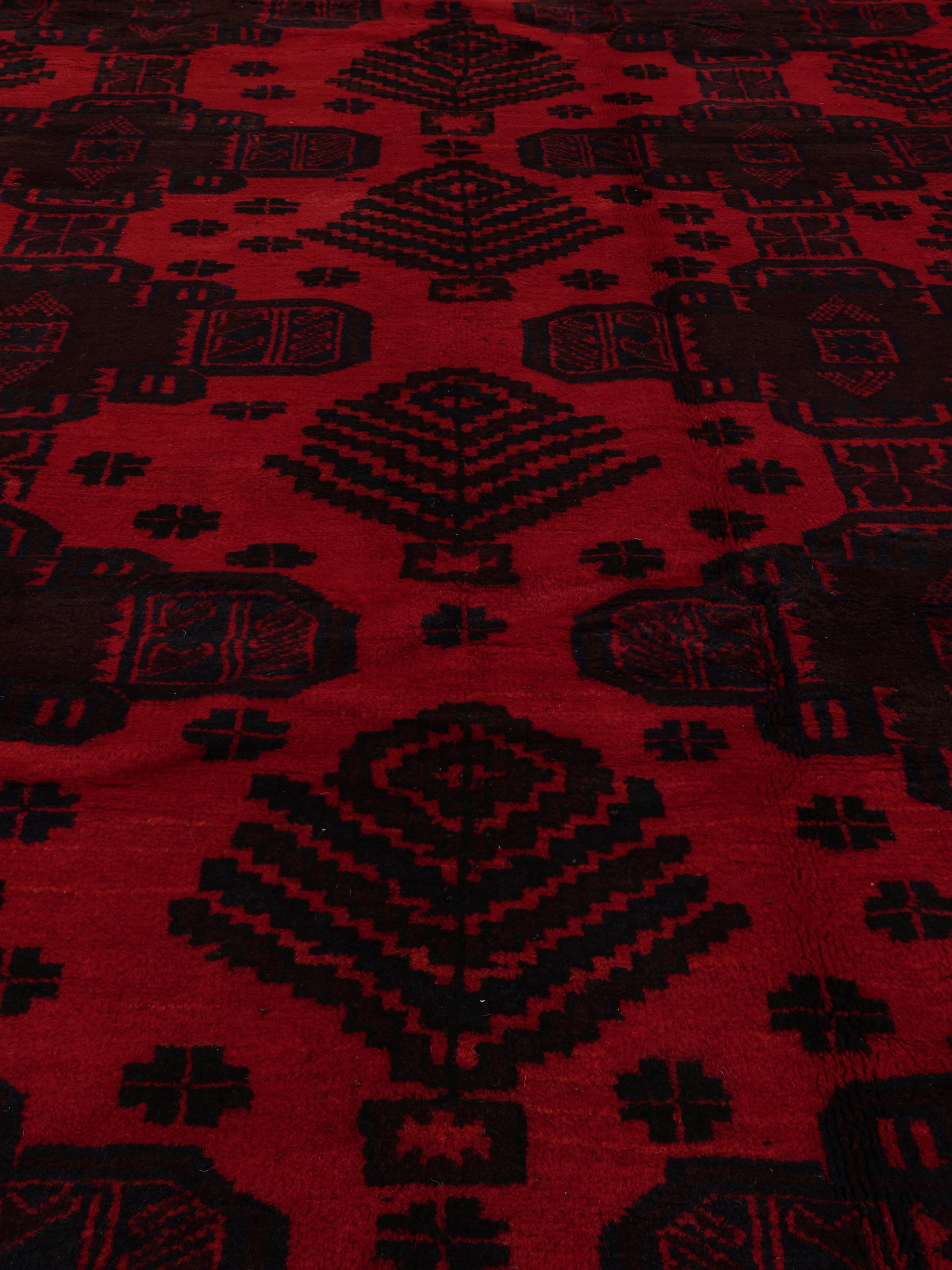
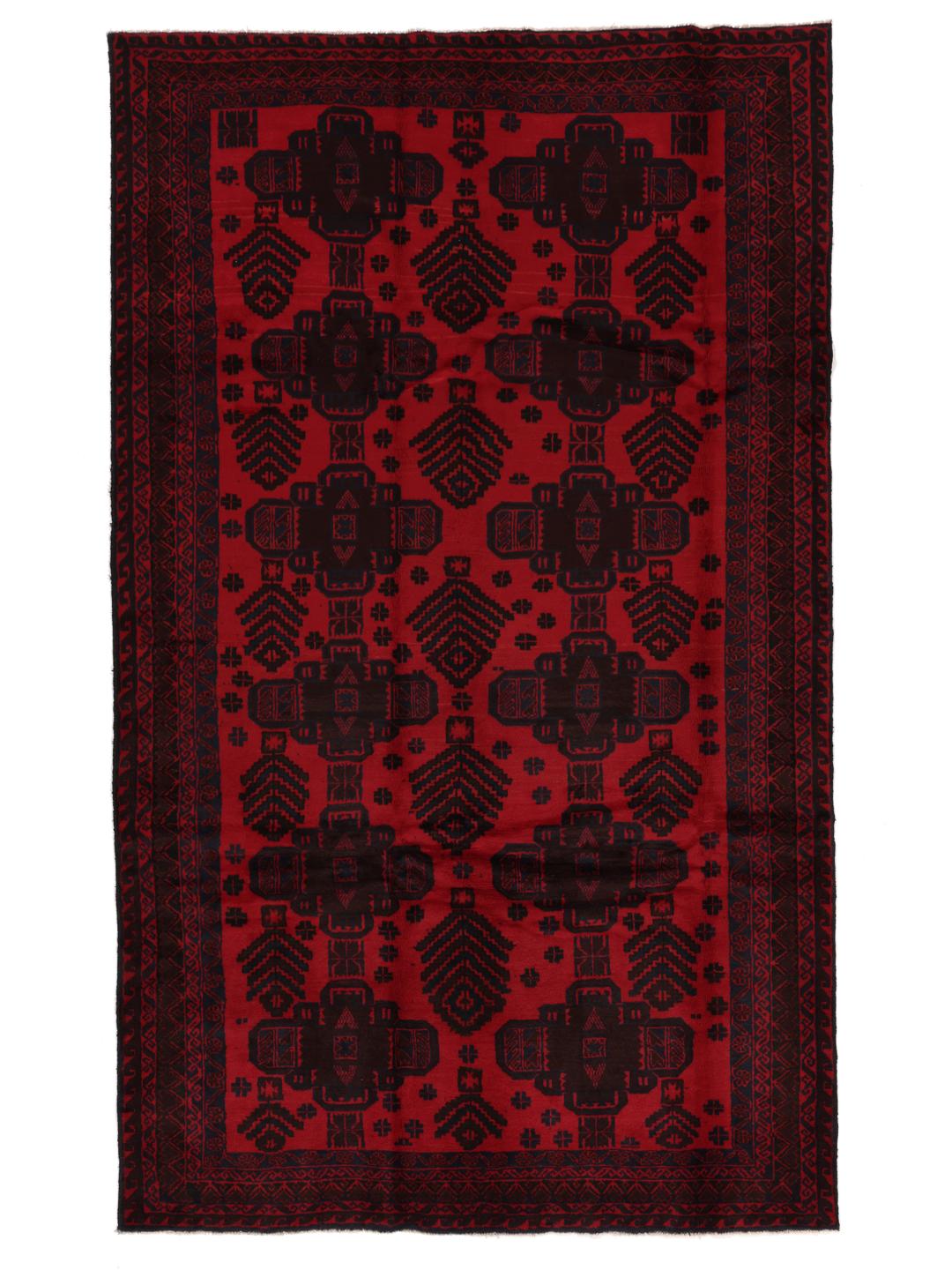
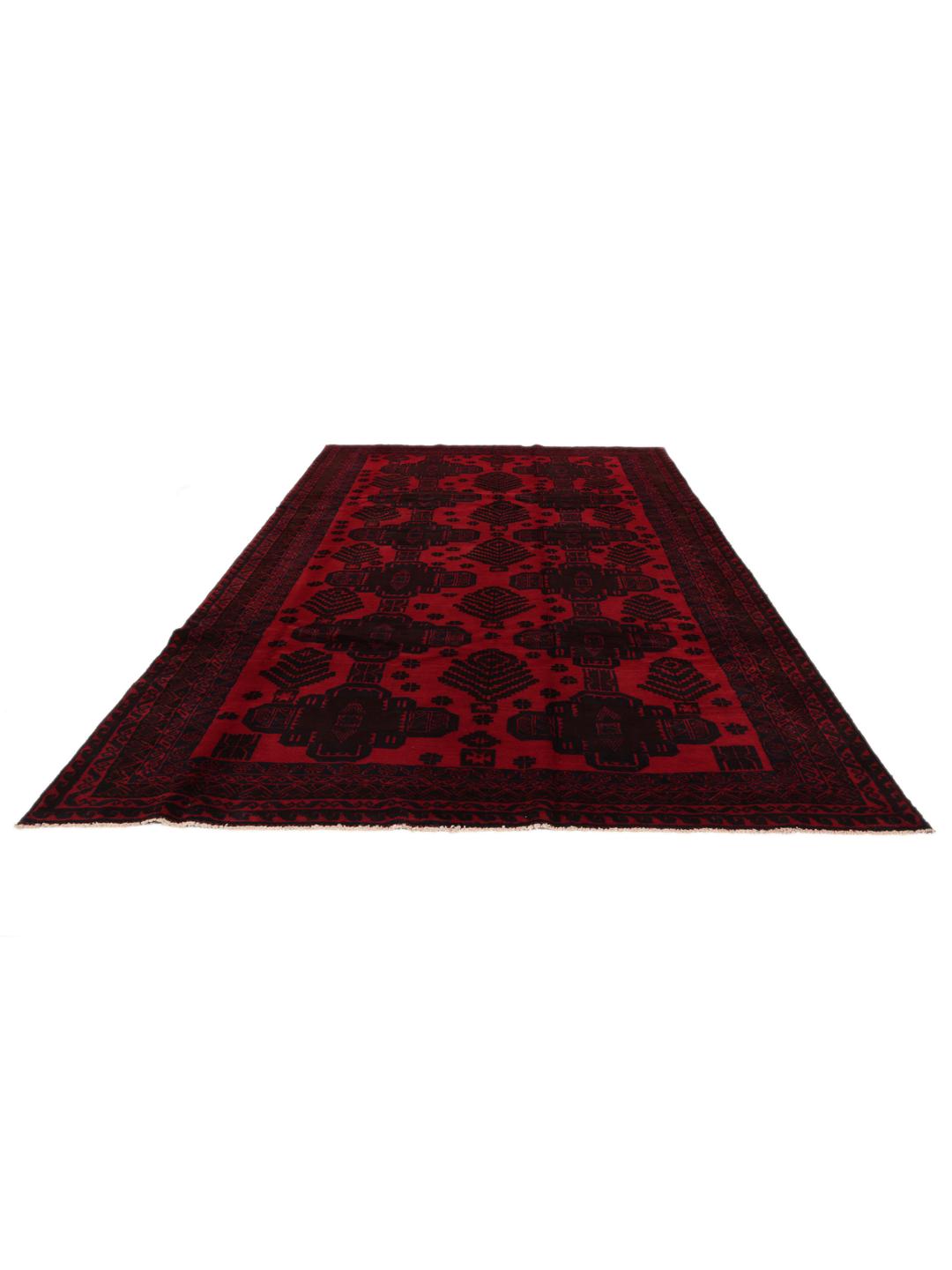
Visually, Beluch rugs are instantly recognisable for their dark, earthy colour palettes—often dominated by deep reds, browns, and blacks—and their highly detailed geometric patterns. You will frequently find repeating motifs, such as stylised trees, geometric medallions, or tribal symbols, framed by elaborate decorative borders. This specific rug captures that tradition perfectly, with a field that celebrates the classic symmetry and bold, dark lines typical of the best regional examples.
Beyond their striking appearance, Beluch rugs are highly valued by collectors for their cultural significance and the skill they represent. Owning one is an invitation to engage with a living history of nomadic craftsmanship. Each rug is a testament to the weaver's patience and eye for detail, serving as a reminder that true quality is measured by the heritage and tradition woven into every single knot.