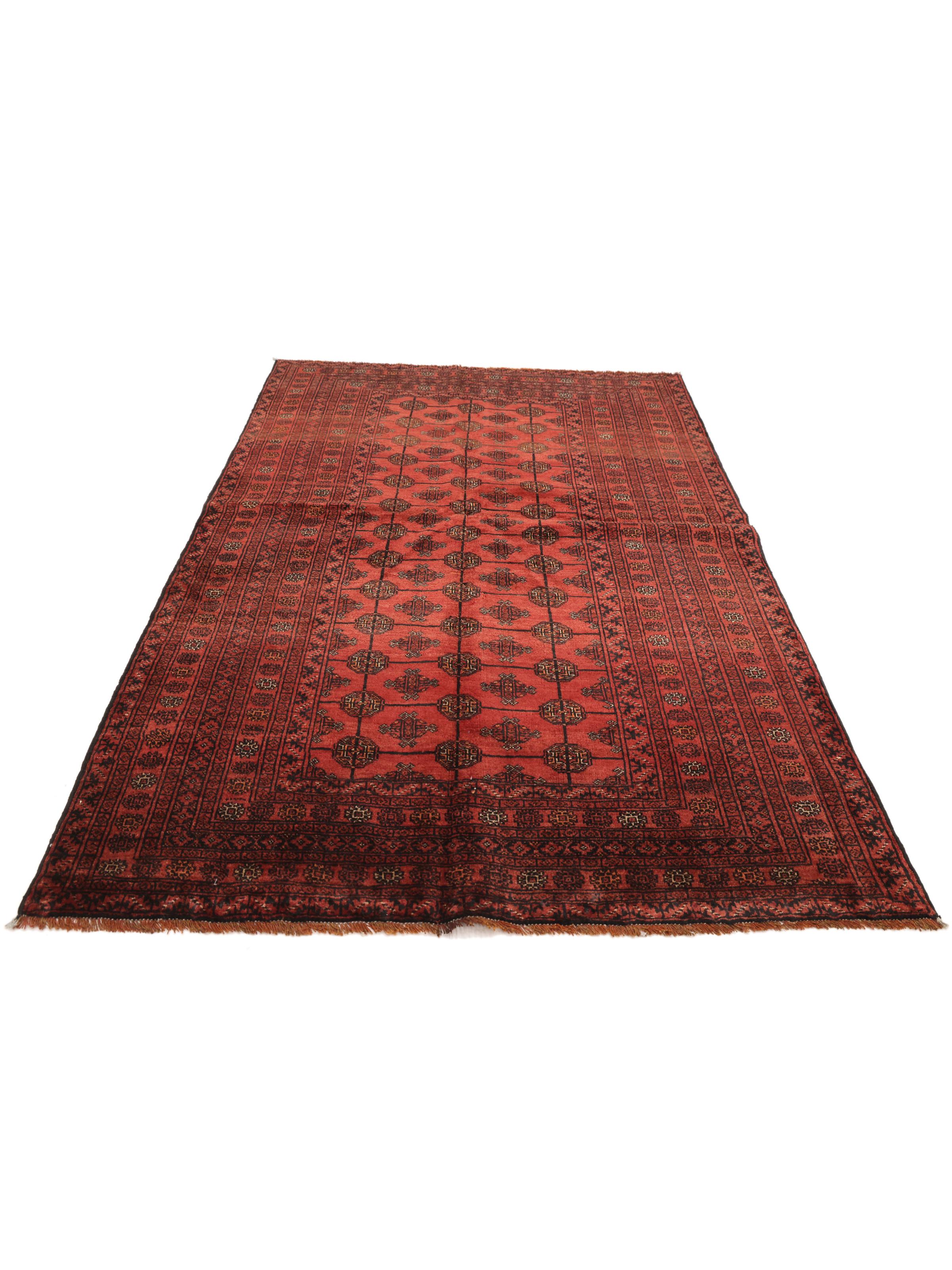
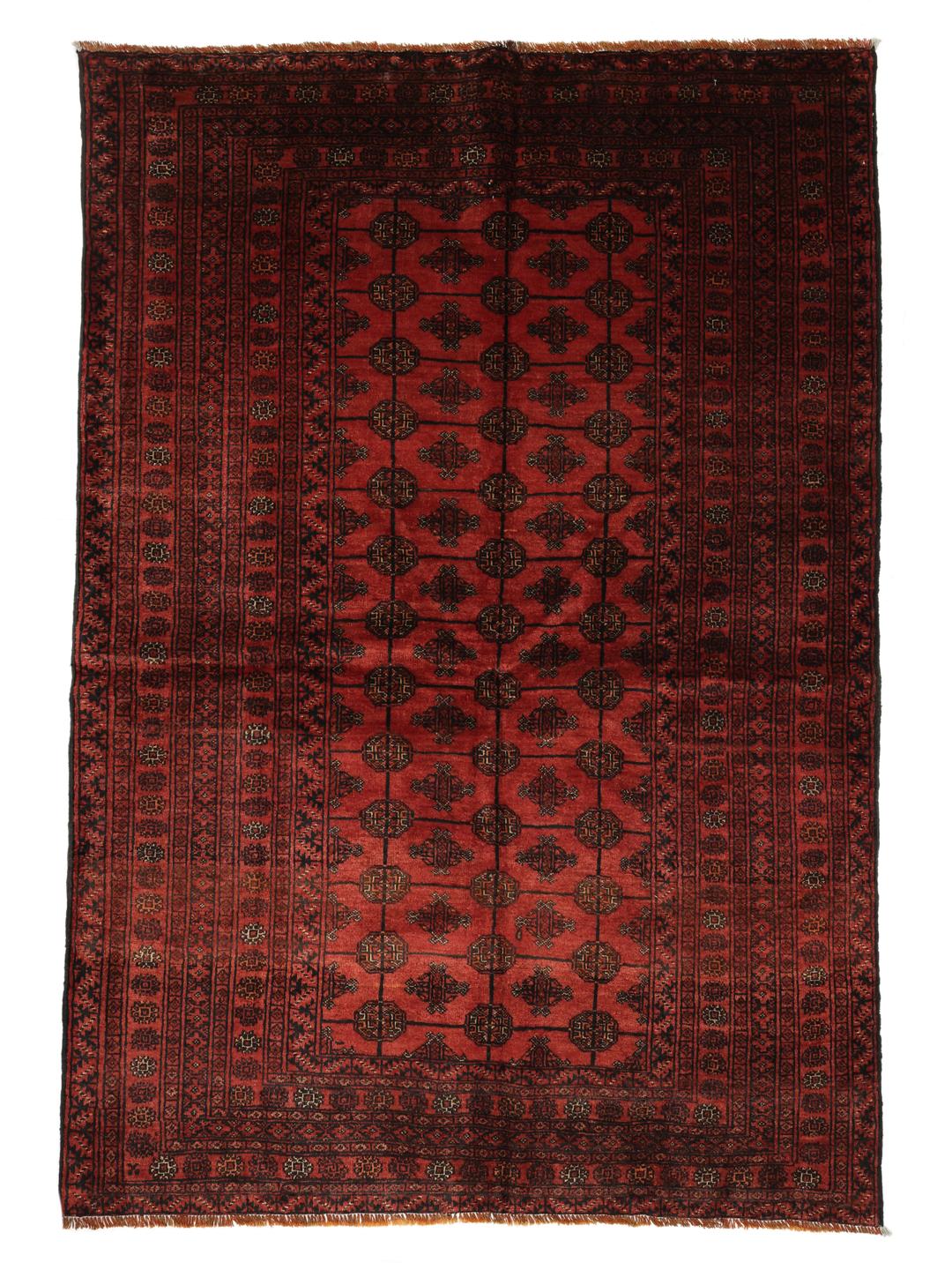
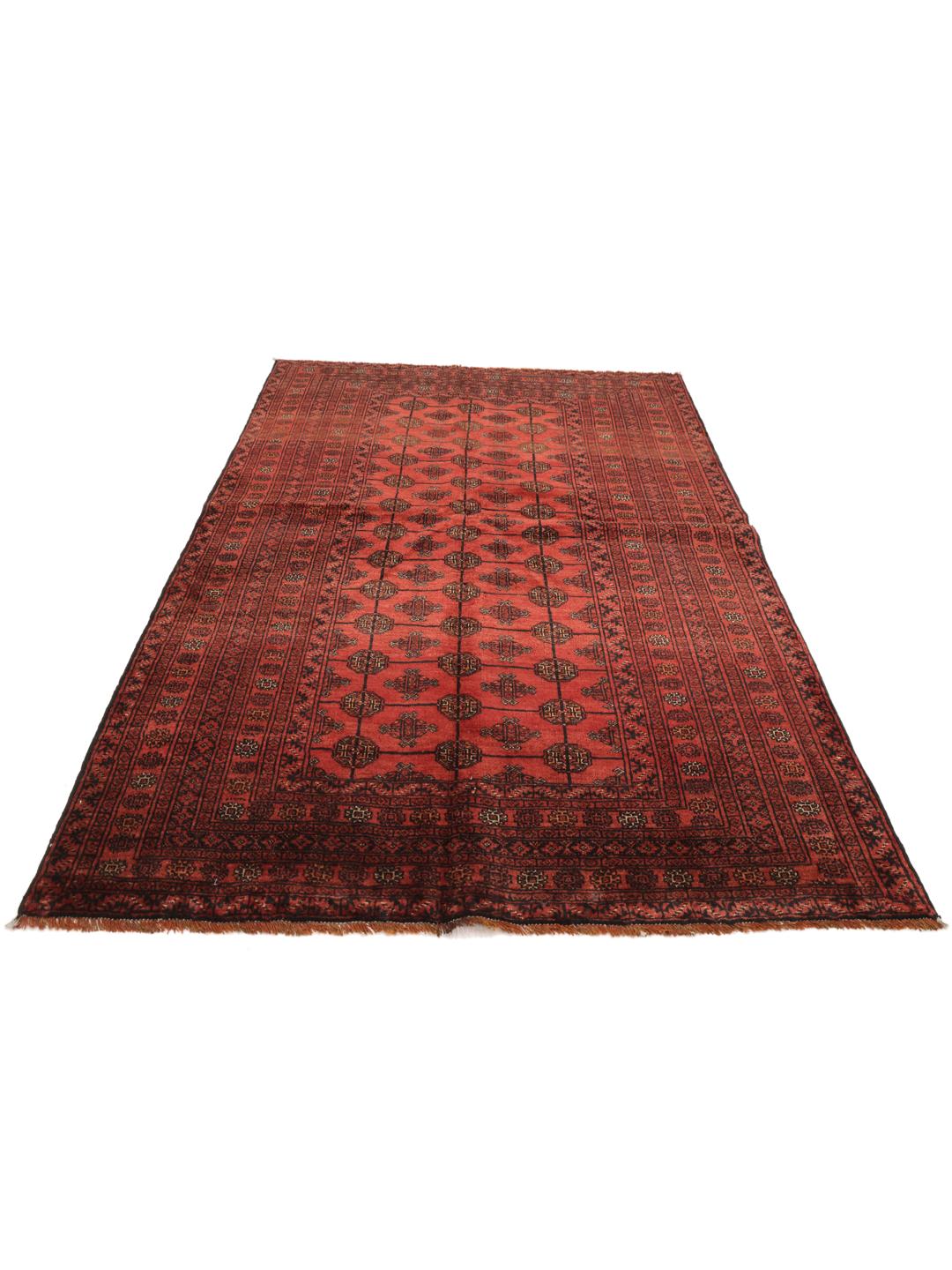
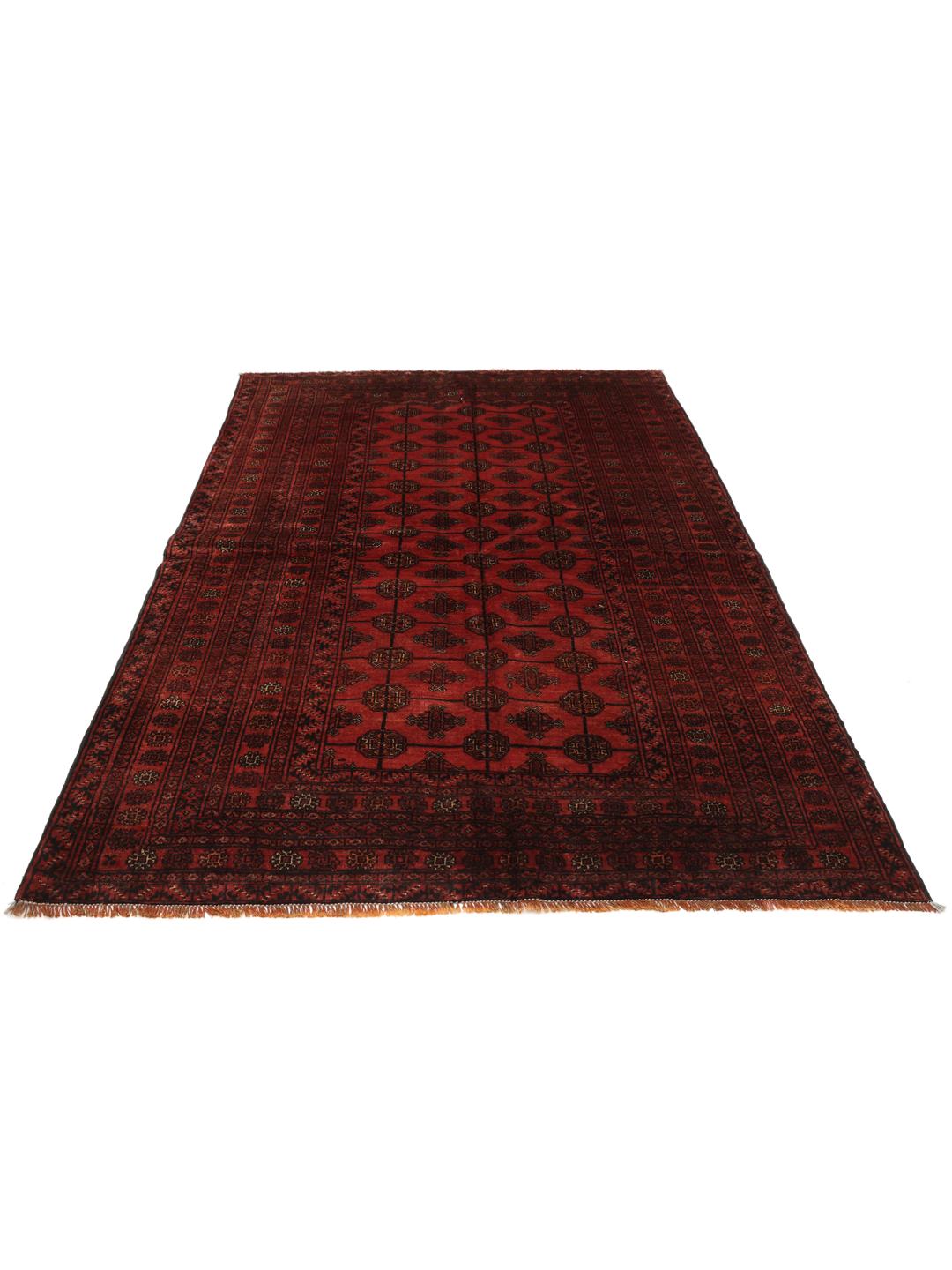
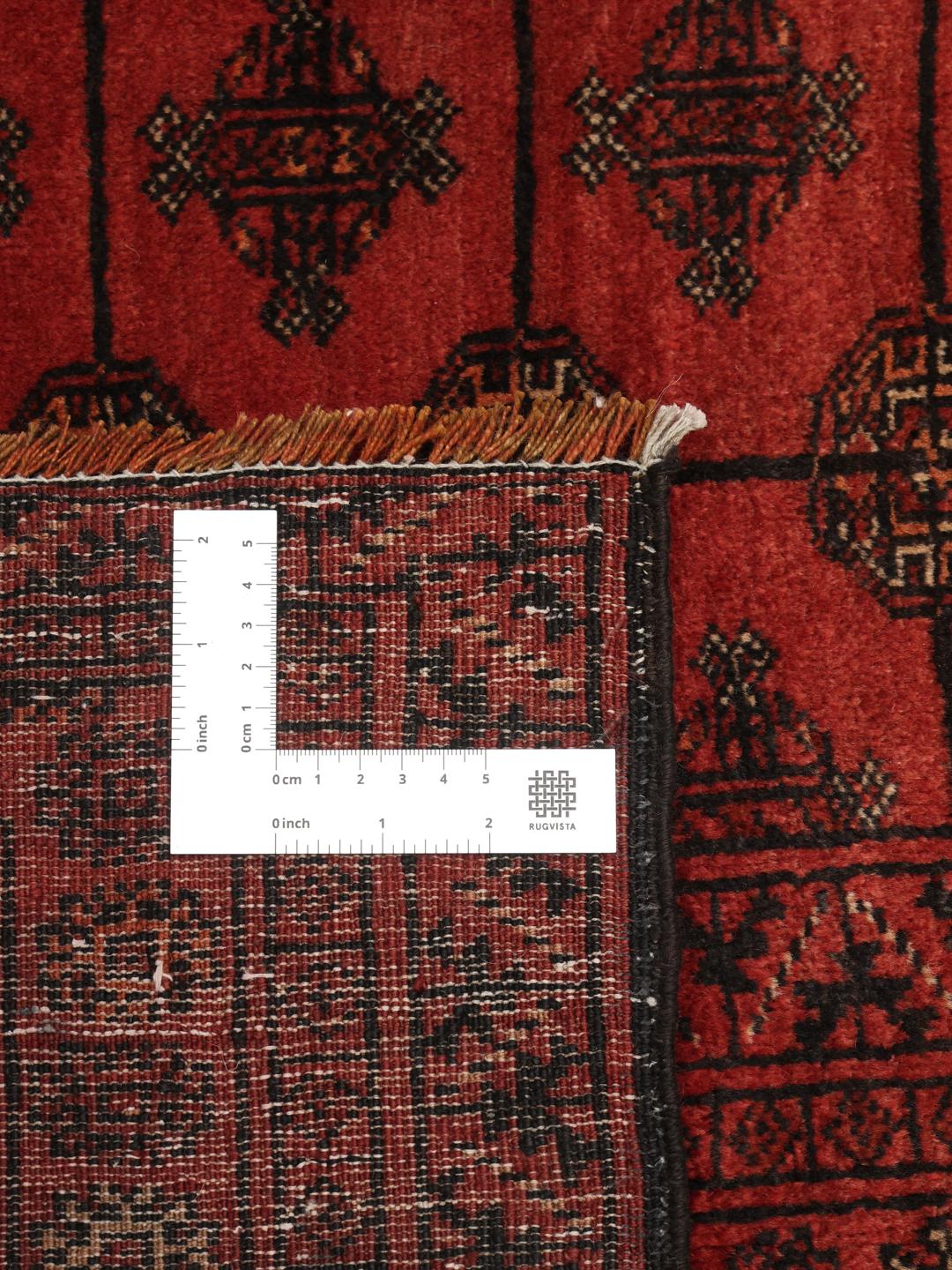
The Baluch rugs originate from the nomadic and semi-nomadic tribes residing in the border regions of the Middle East. These tribes have a long-standing tradition of weaving that is deeply connected to their lifestyle, environment, and cultural identity. Historically, these rugs were created for practical use in tents, serving as floor coverings, saddlebags, and storage containers, which required them to be both durable and portable.
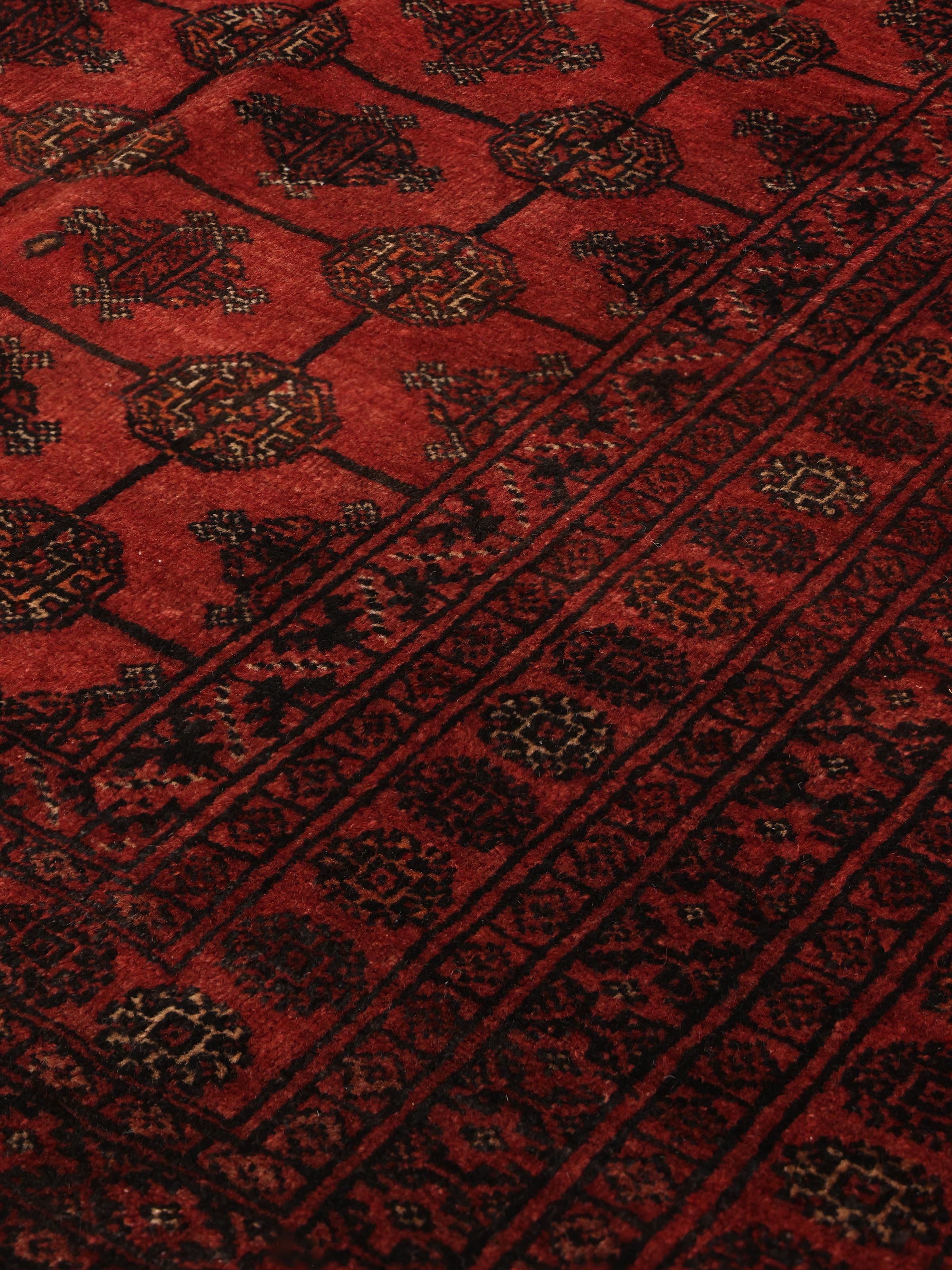
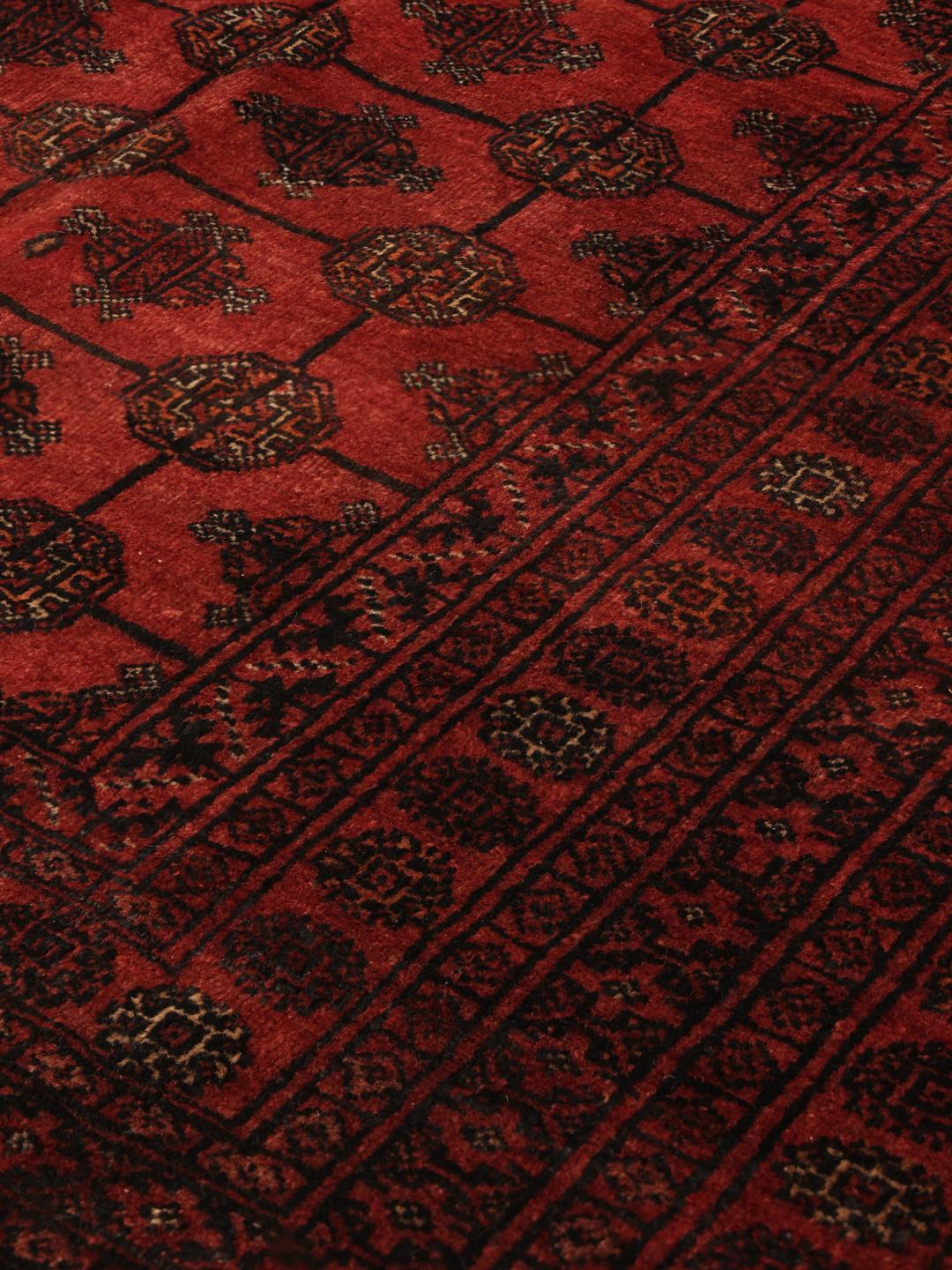
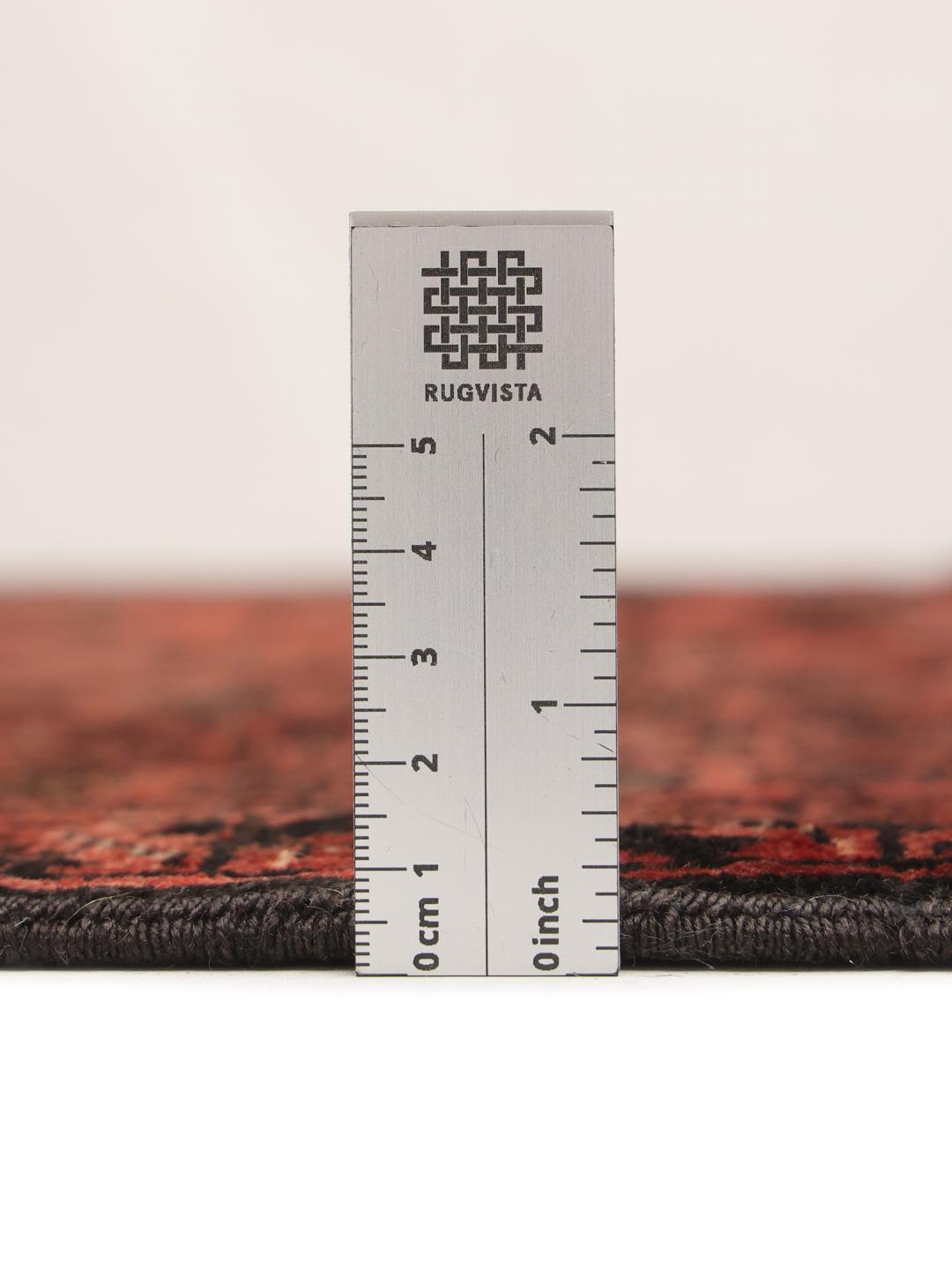
Technical excellence is at the heart of the Baluch tradition. The knotting technique used by these weavers is known for its tightness and precision, which allows for the creation of intricate, small-scale geometric designs. This dense construction is what gives these pieces their characteristic longevity and ability to withstand the rigors of nomadic life, qualities that remain highly valued by collectors today.
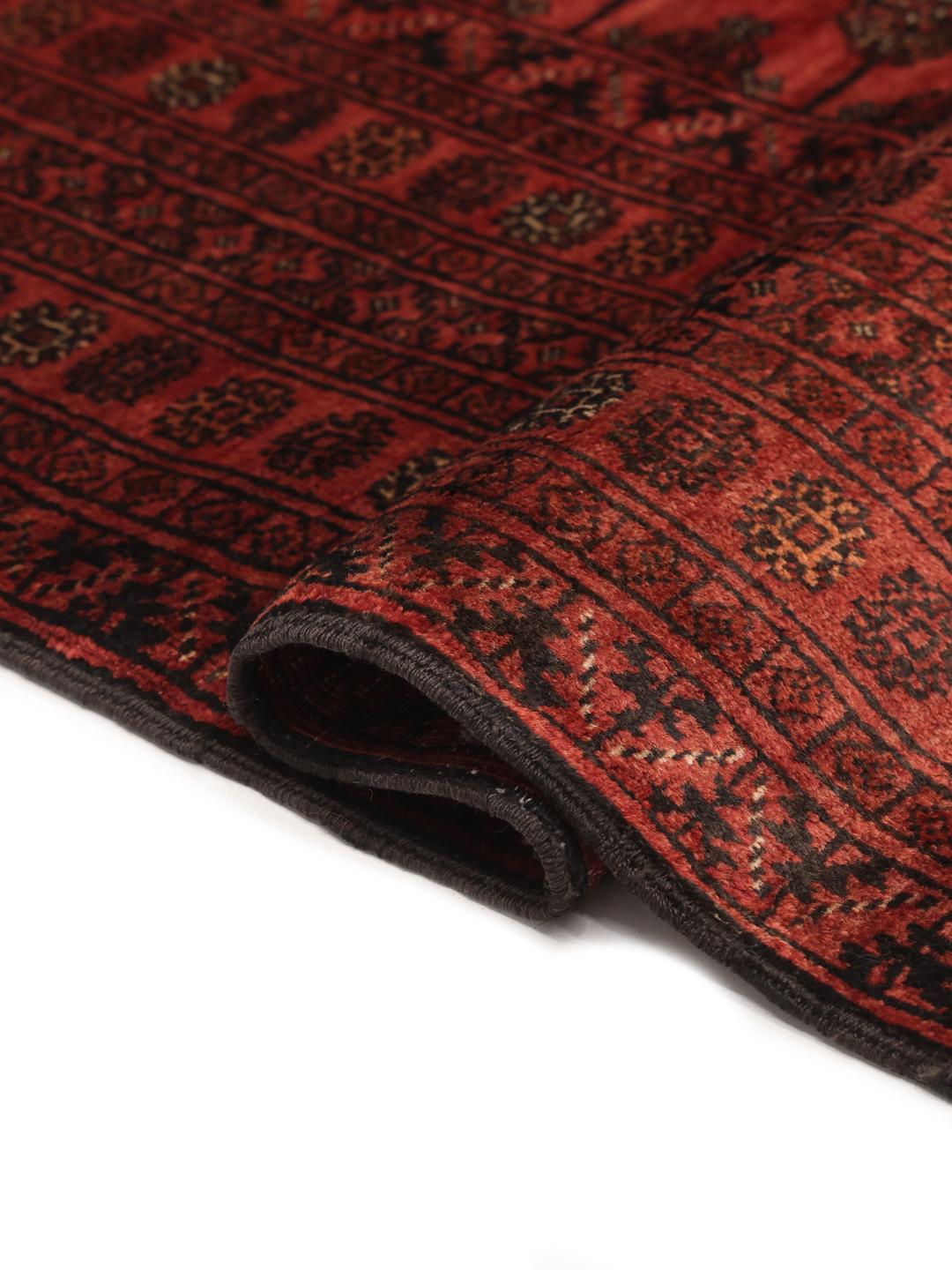
The visual language of these rugs is defined by a deep, earthy colour palette and recurring tribal motifs. You will often see variations of the gul, repeating geometric patterns, and stylised floral or animal forms that carry symbolic meaning for the weavers. Borders are typically highly detailed, framing the central field with precision and balance, creating a sense of harmony that is instantly recognisable.
Collecting a Baluch rug is an investment in a living tradition. These pieces are celebrated for their authenticity and the human story behind every knot. Owning one means preserving a piece of cultural history, as each rug reflects the specific environment and creative spirit of the artisan who made it, making it a cherished addition to any home.