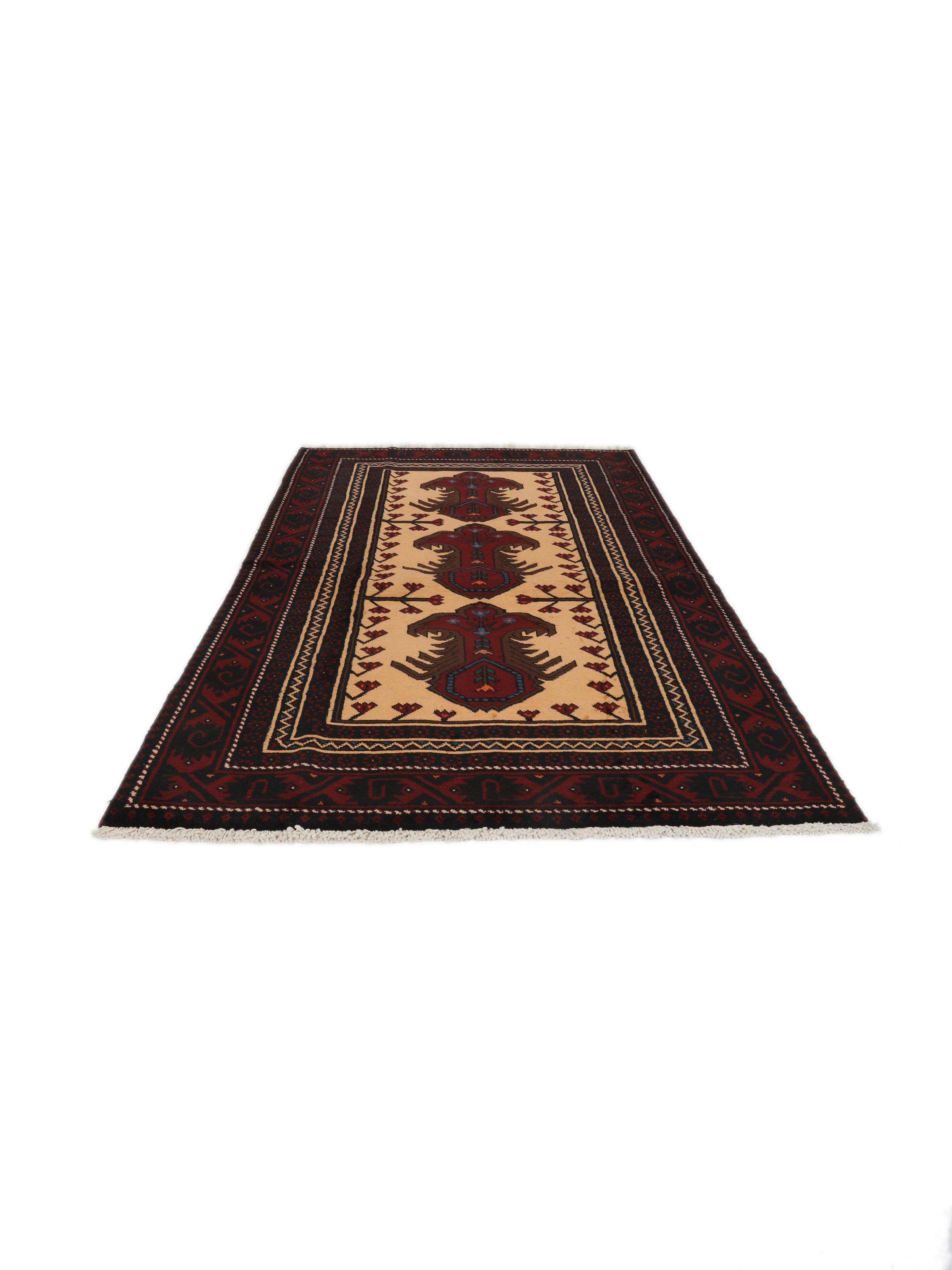
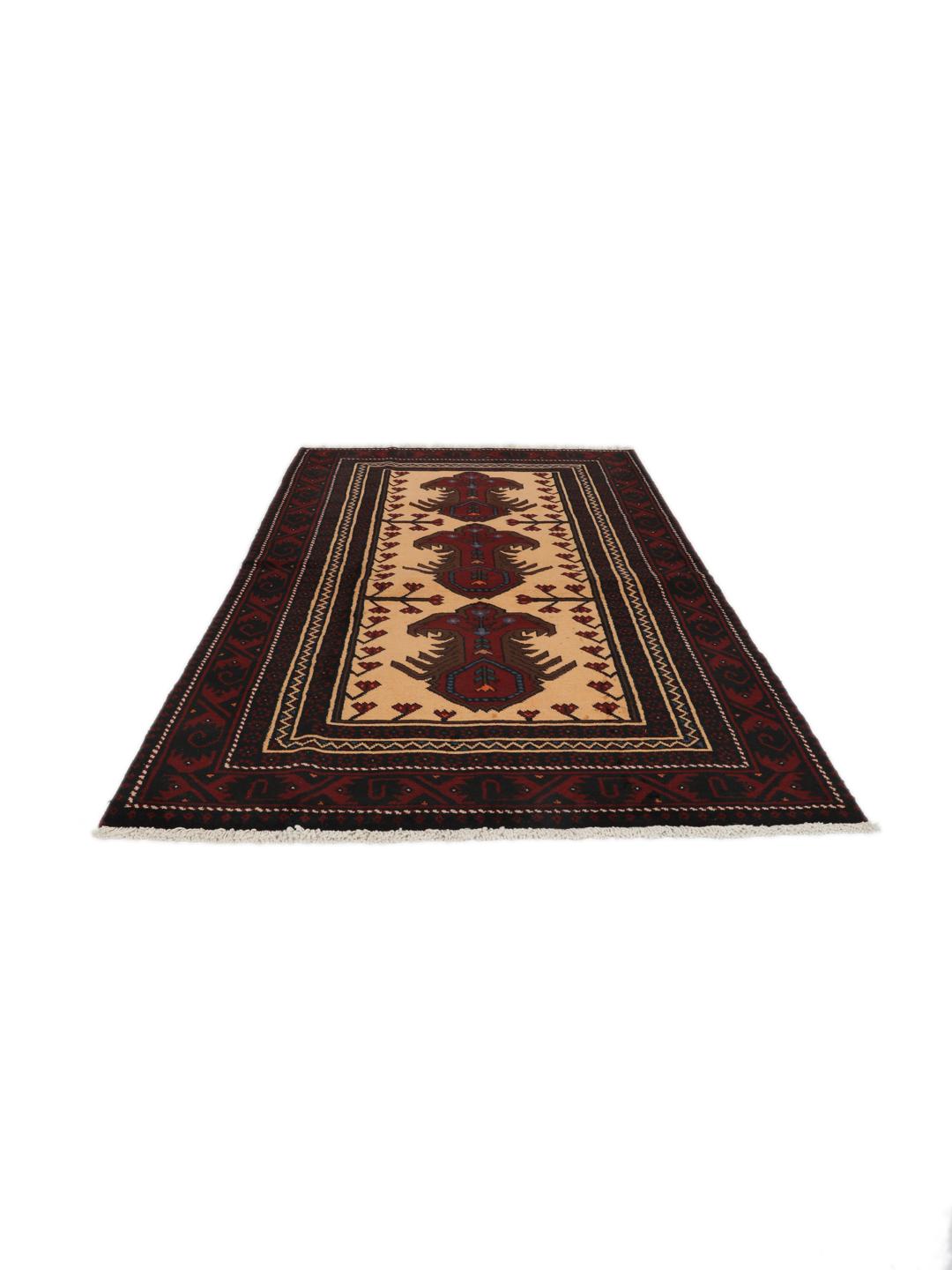
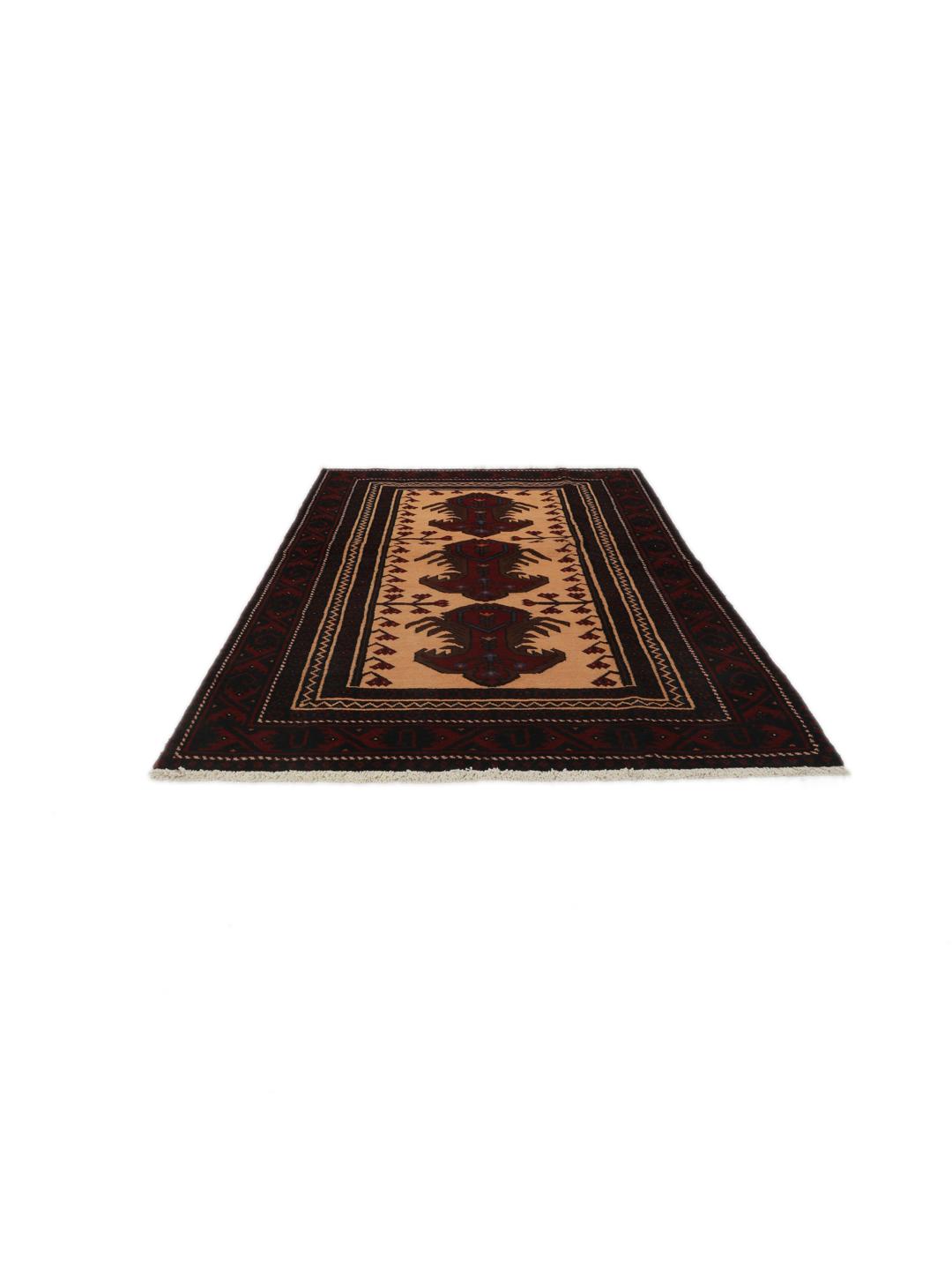
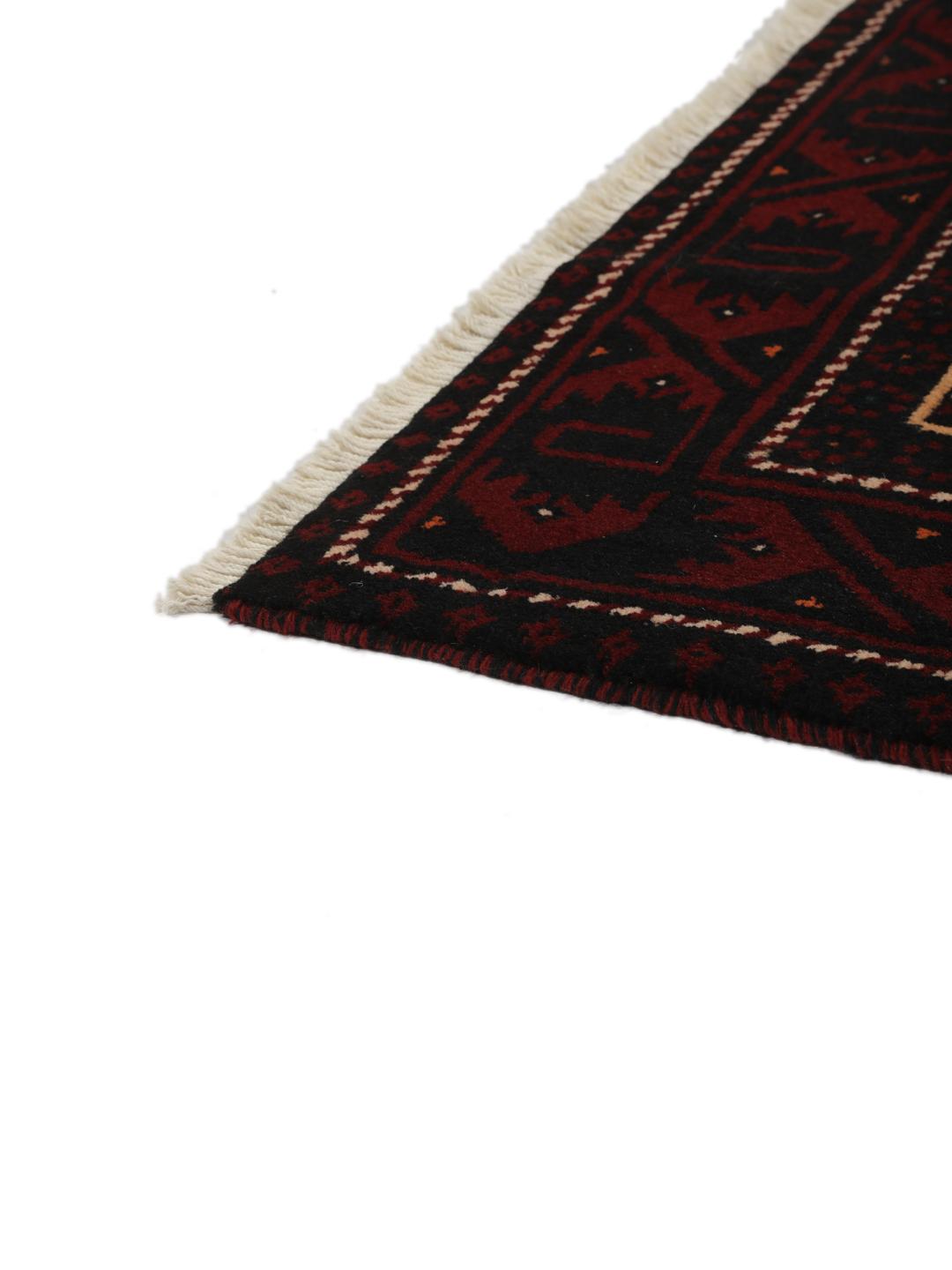
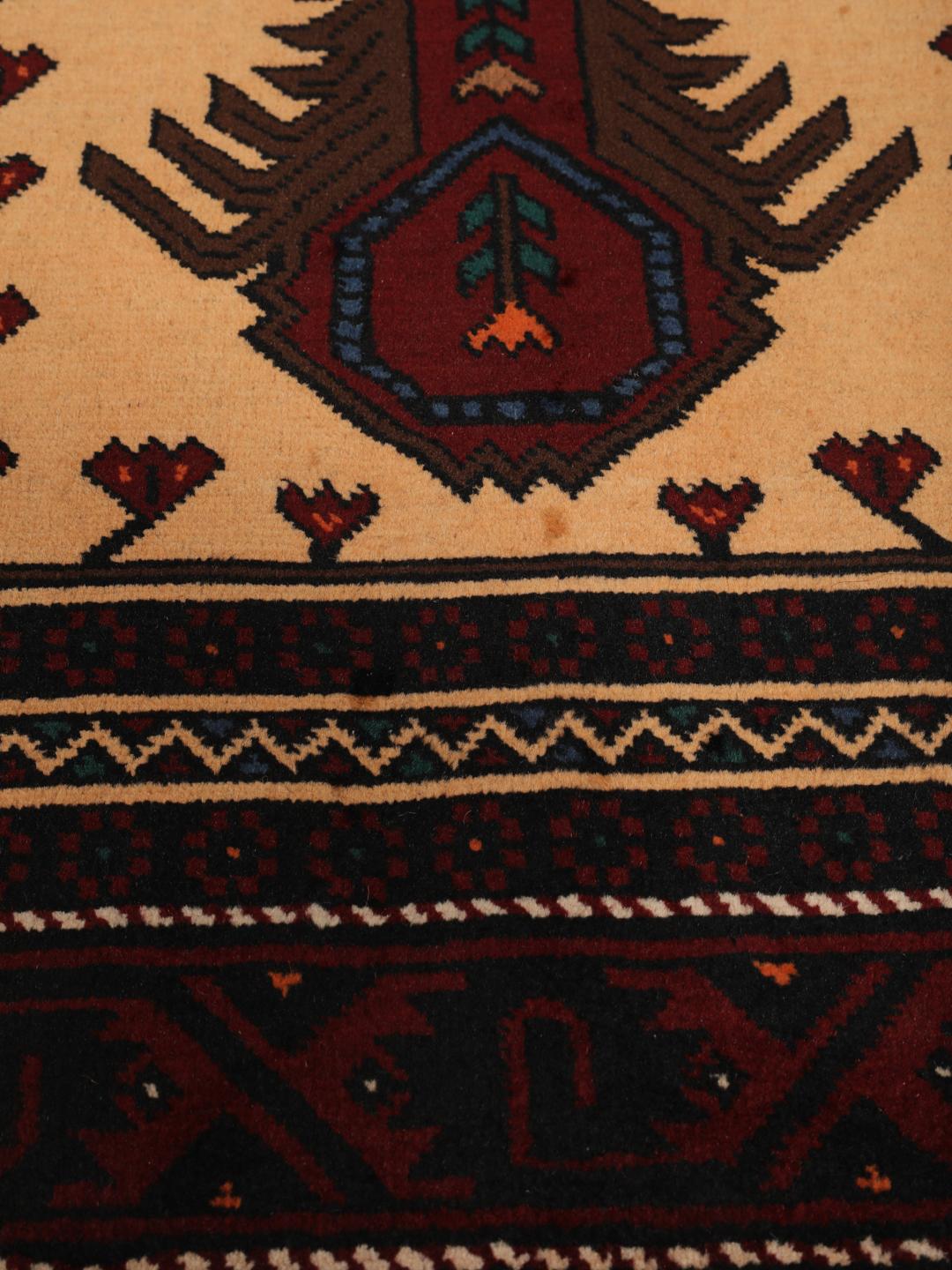
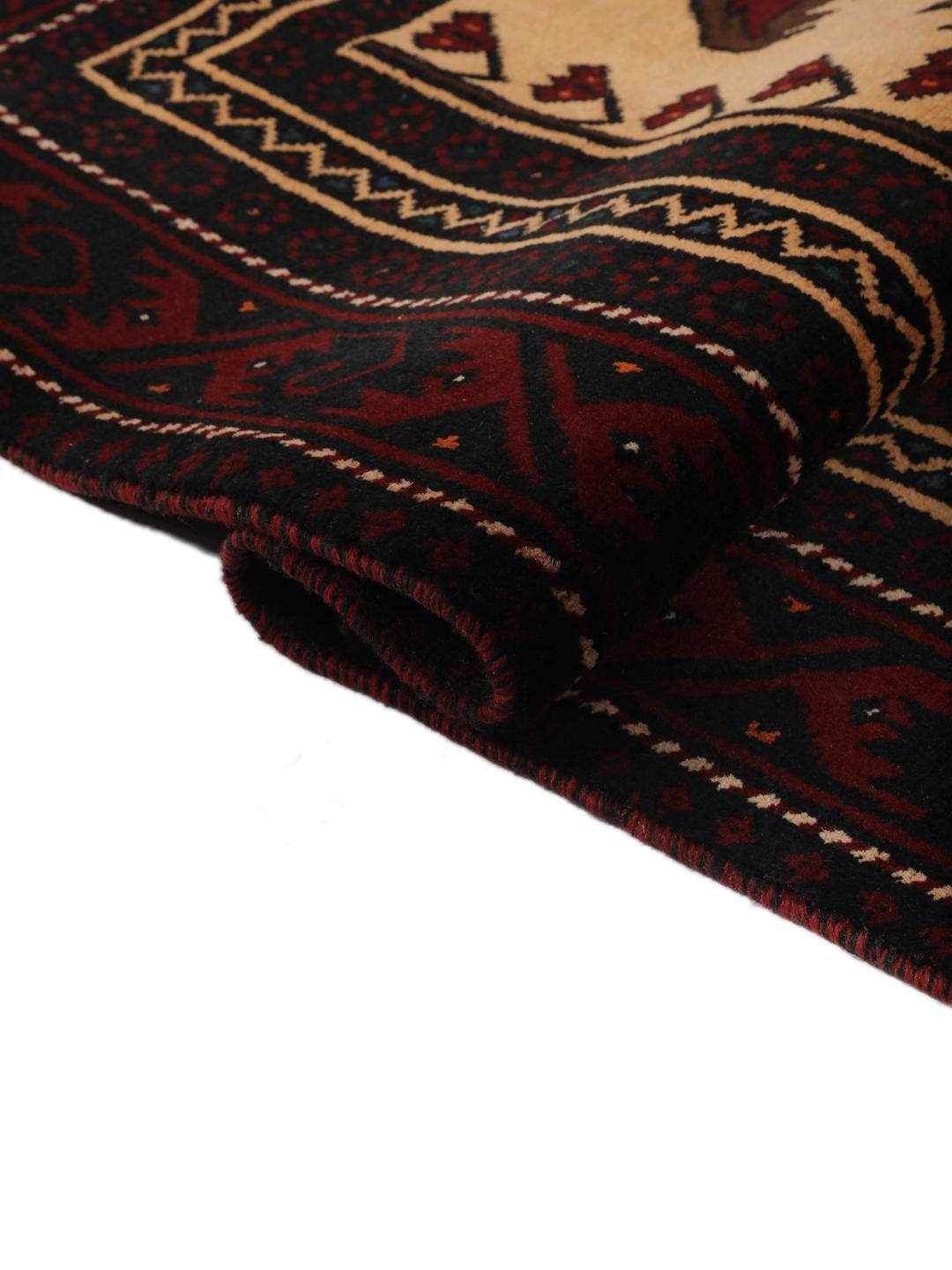
The Beluch rugs originate from the nomadic and semi-nomadic tribes residing in the border regions of the Middle East. These tribes have a long history of weaving, creating textiles that were originally designed for portable use in tents, such as saddlebags and floor coverings. Over generations, these functional items evolved into the highly sought-after rugs we recognise today for their intricate detail and cultural depth.
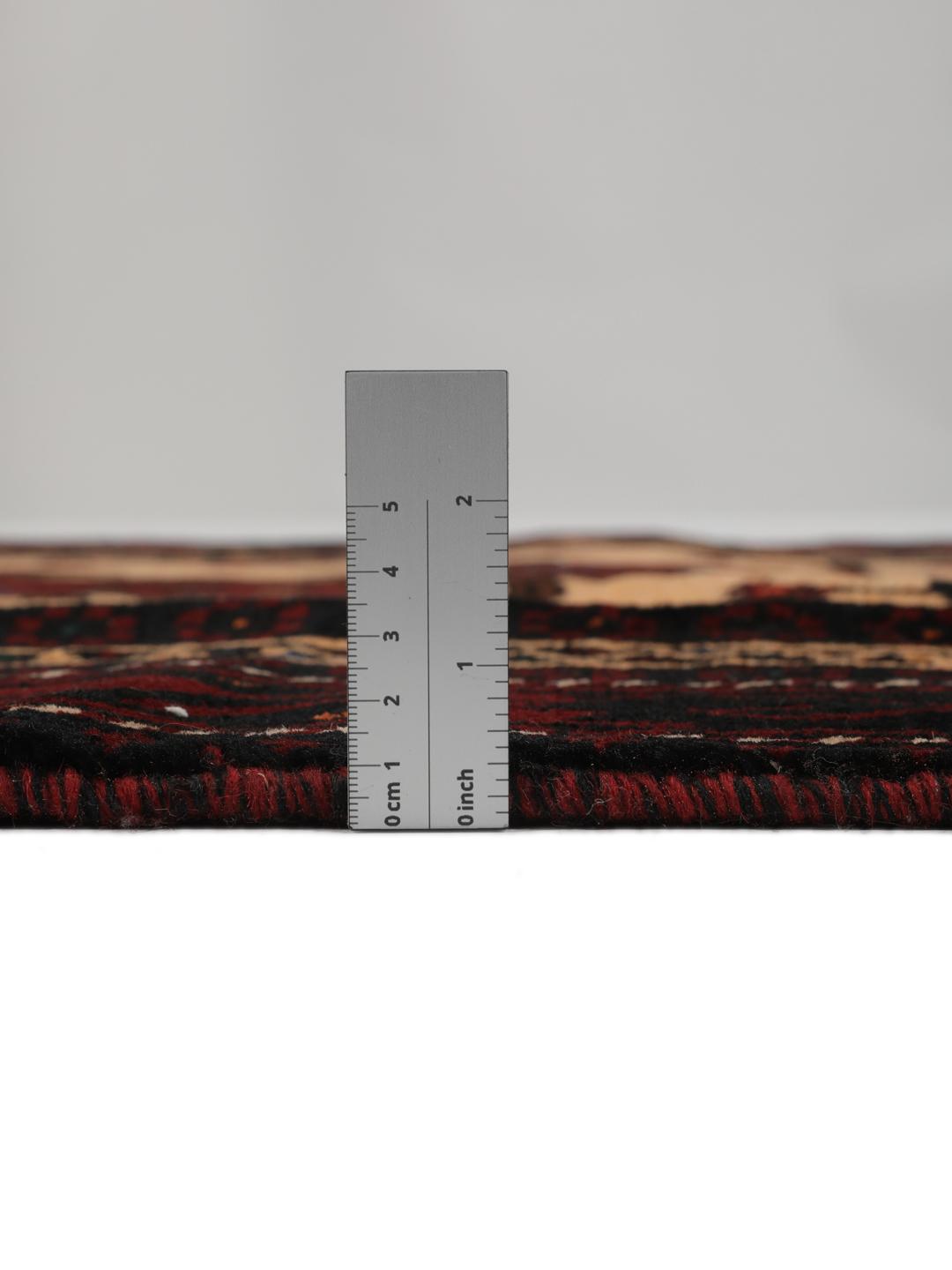
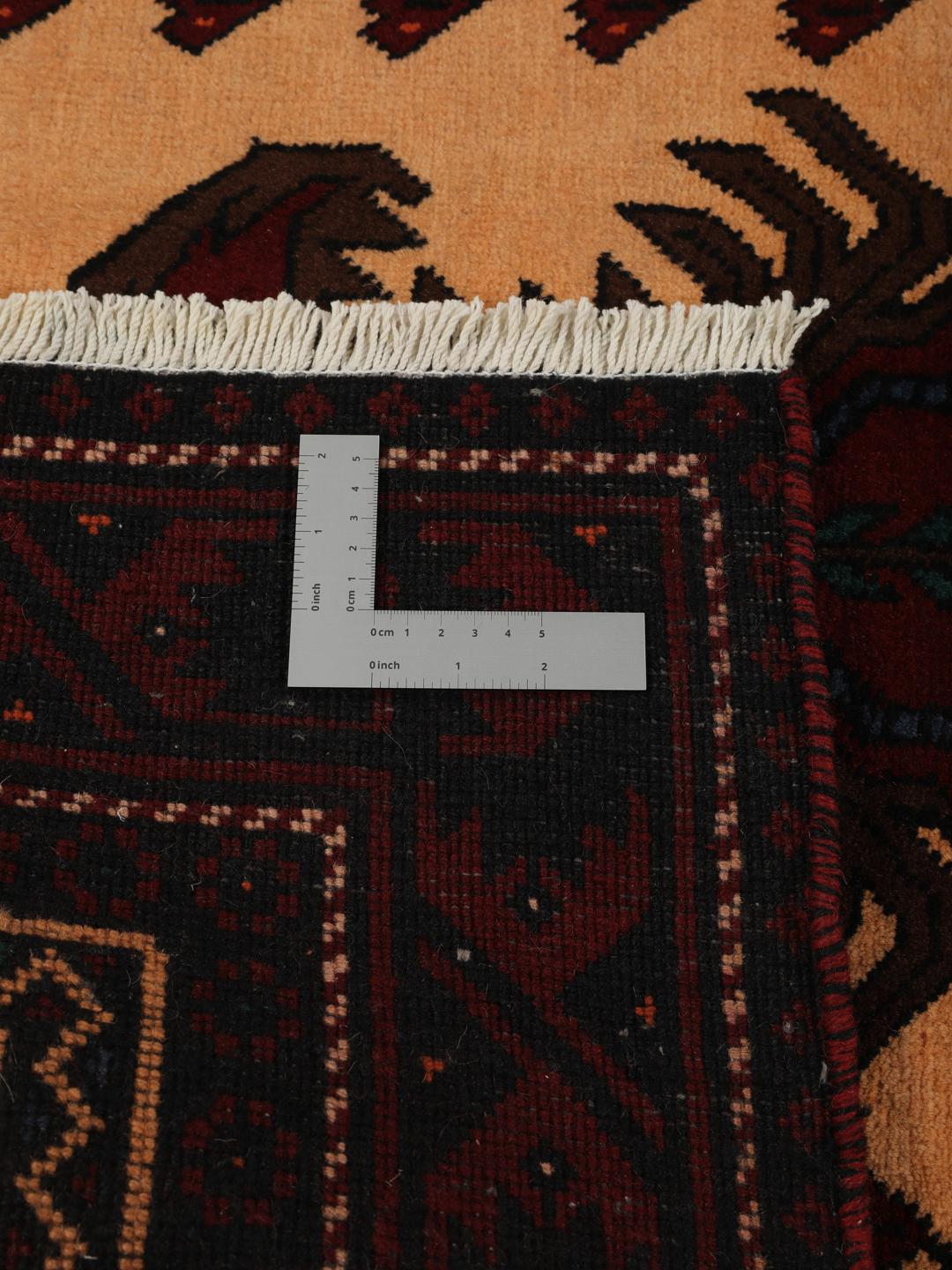
The term Beluch refers to the tribal identity of the weavers, who are known for their ability to translate complex geometric and pictorial motifs into dense, durable textiles. These rugs are typically characterised by a specific construction that prioritises strength, often utilising a robust foundation that allows the wool pile to stand up to consistent use while maintaining its lustre and soft feel.
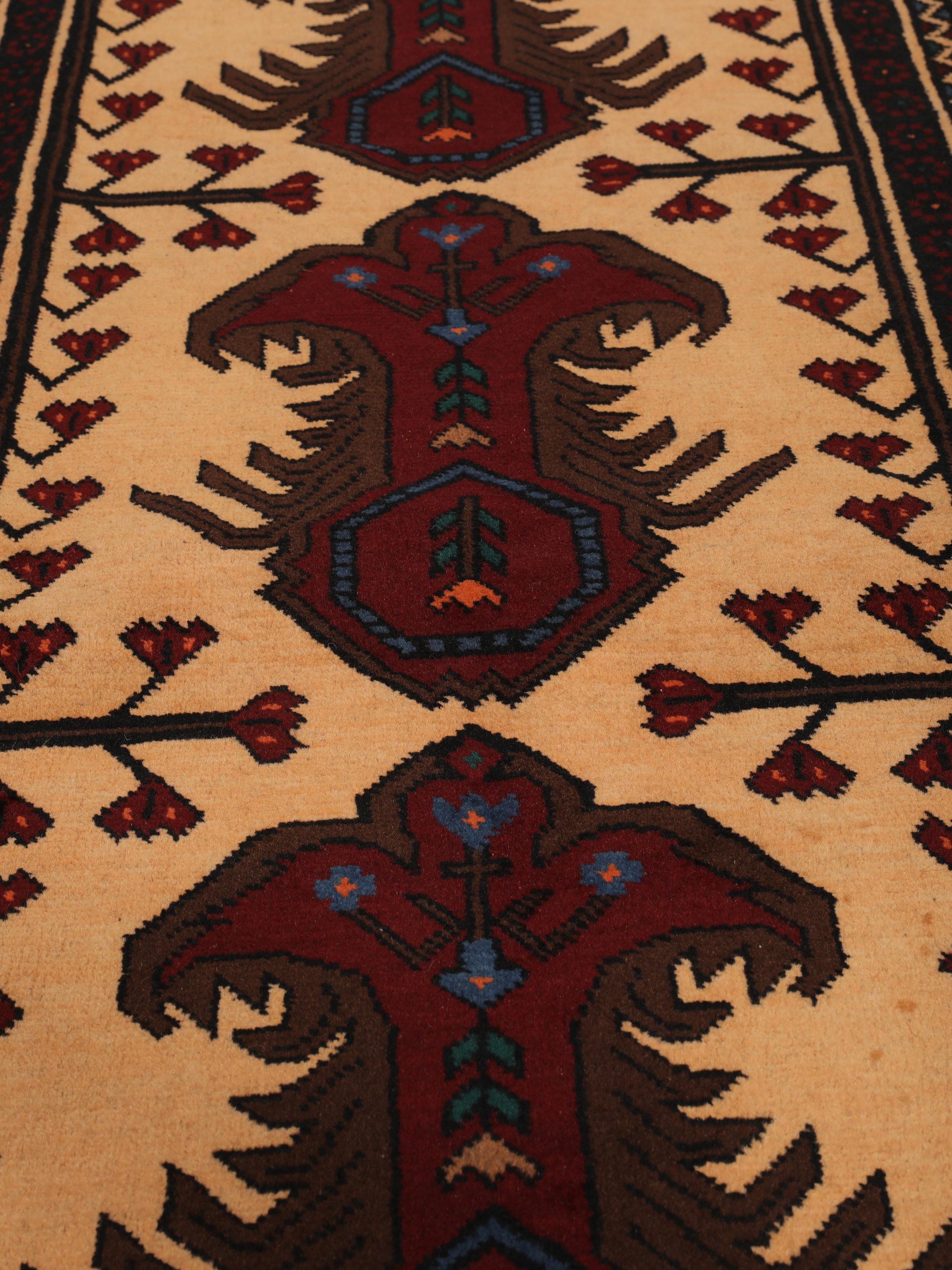
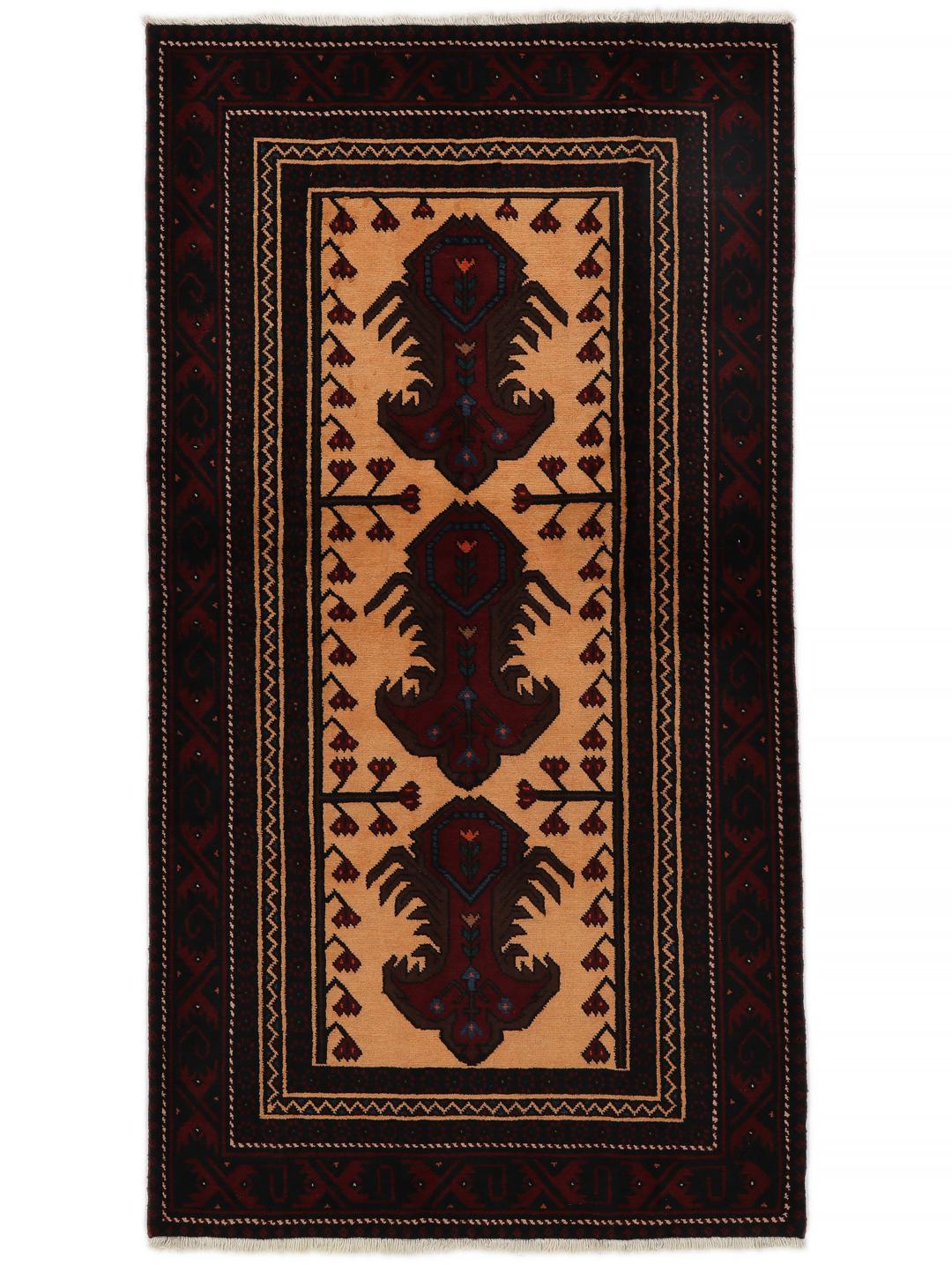
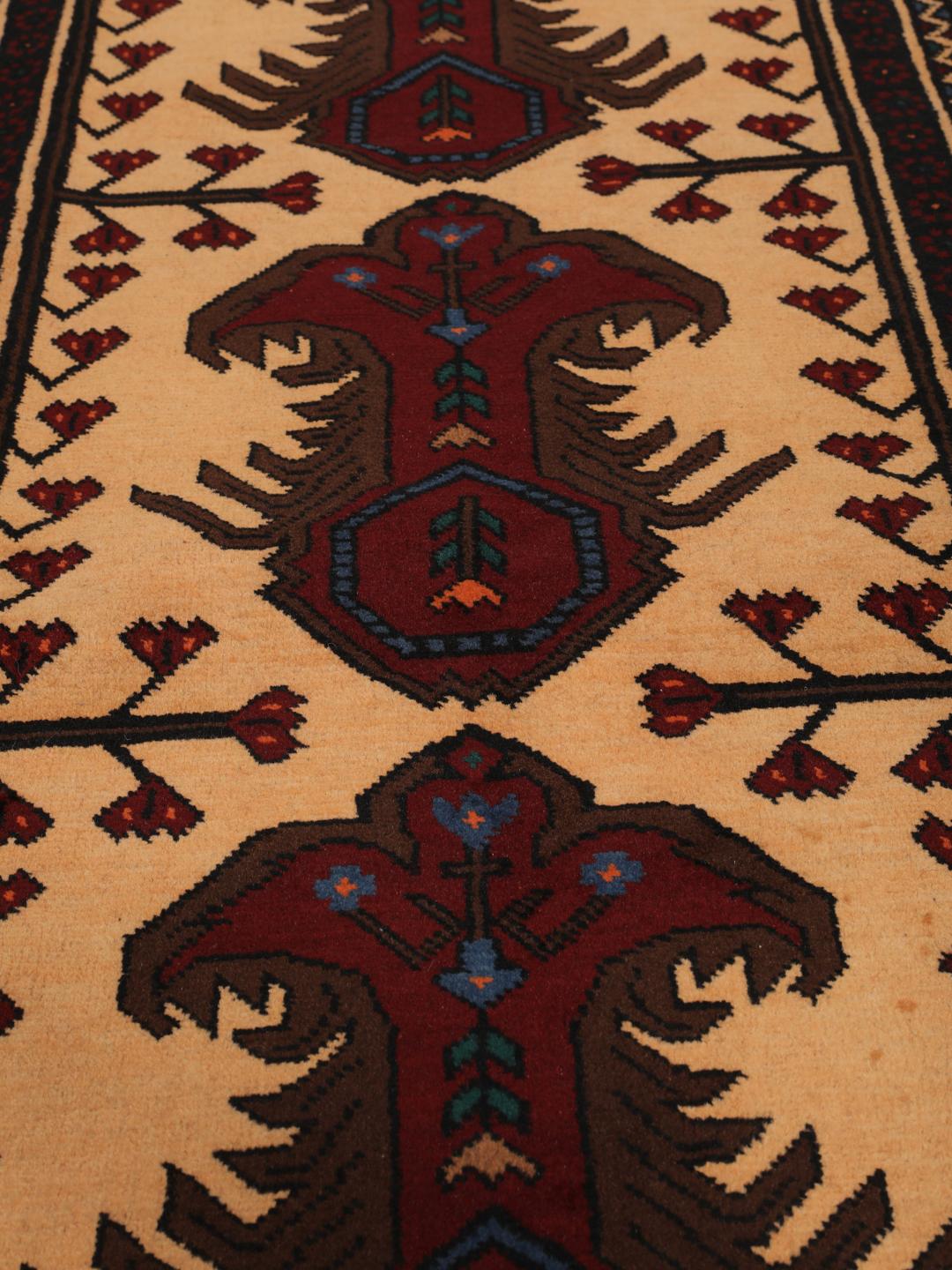
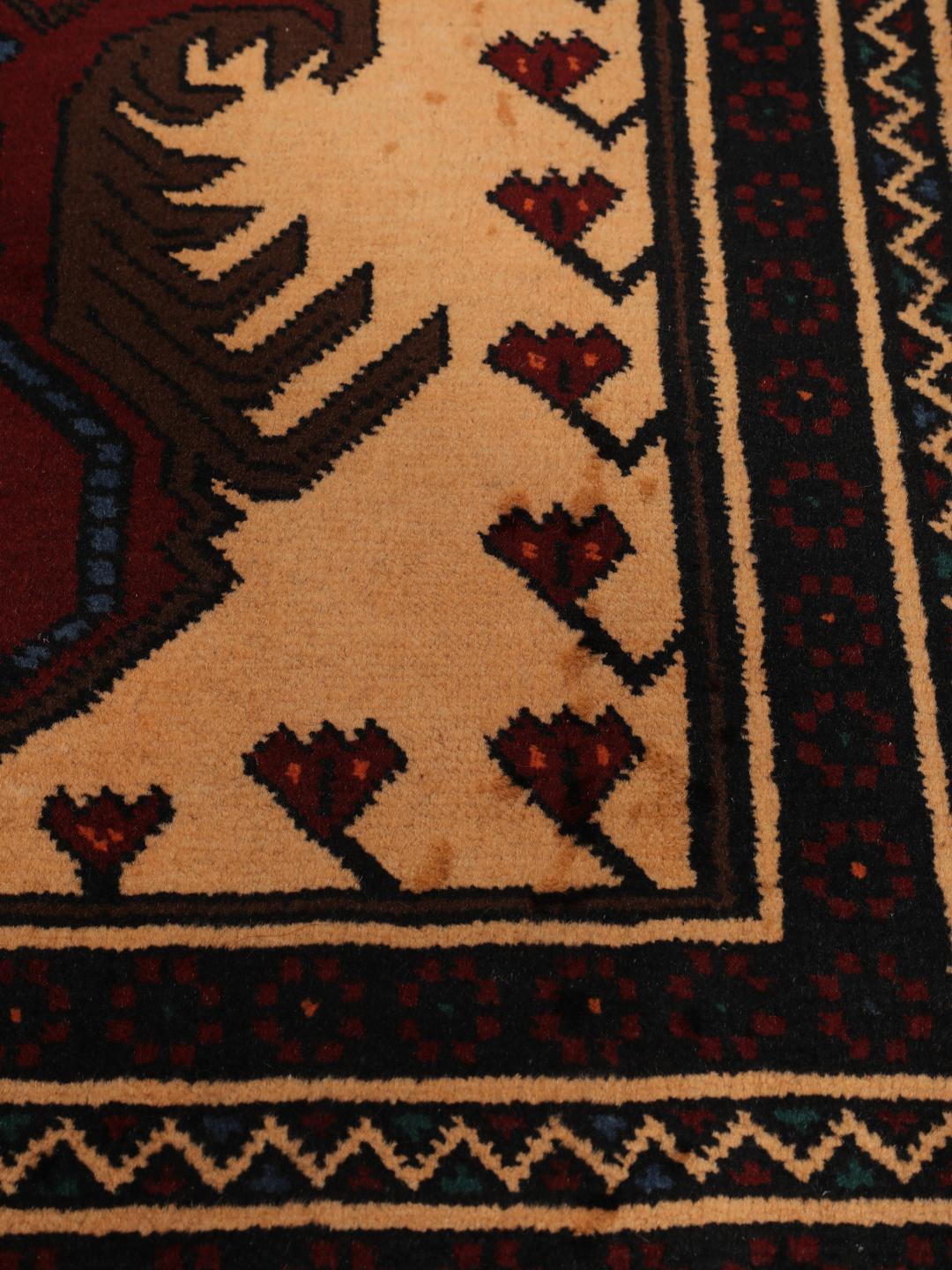
Design-wise, these rugs are famous for their deep, earthy colour palettes and repeat patterns. You will often see variations of guls, stylised floral motifs, and geometric borders that reflect the specific environment and spiritual beliefs of the weaver. The use of dark, moody tones like deep reds and browns is a hallmark of this tradition, creating a sense of drama and warmth that is instantly recognisable.
Collecting a Beluch rug is an investment in a living tradition. These pieces are valued not just for their aesthetic appeal, but for the skill and patience required to create them. Owning one is a way to connect with the history of the Middle East and the nomadic spirit that has shaped textile art for centuries, ensuring that this heritage continues to be celebrated in modern homes.