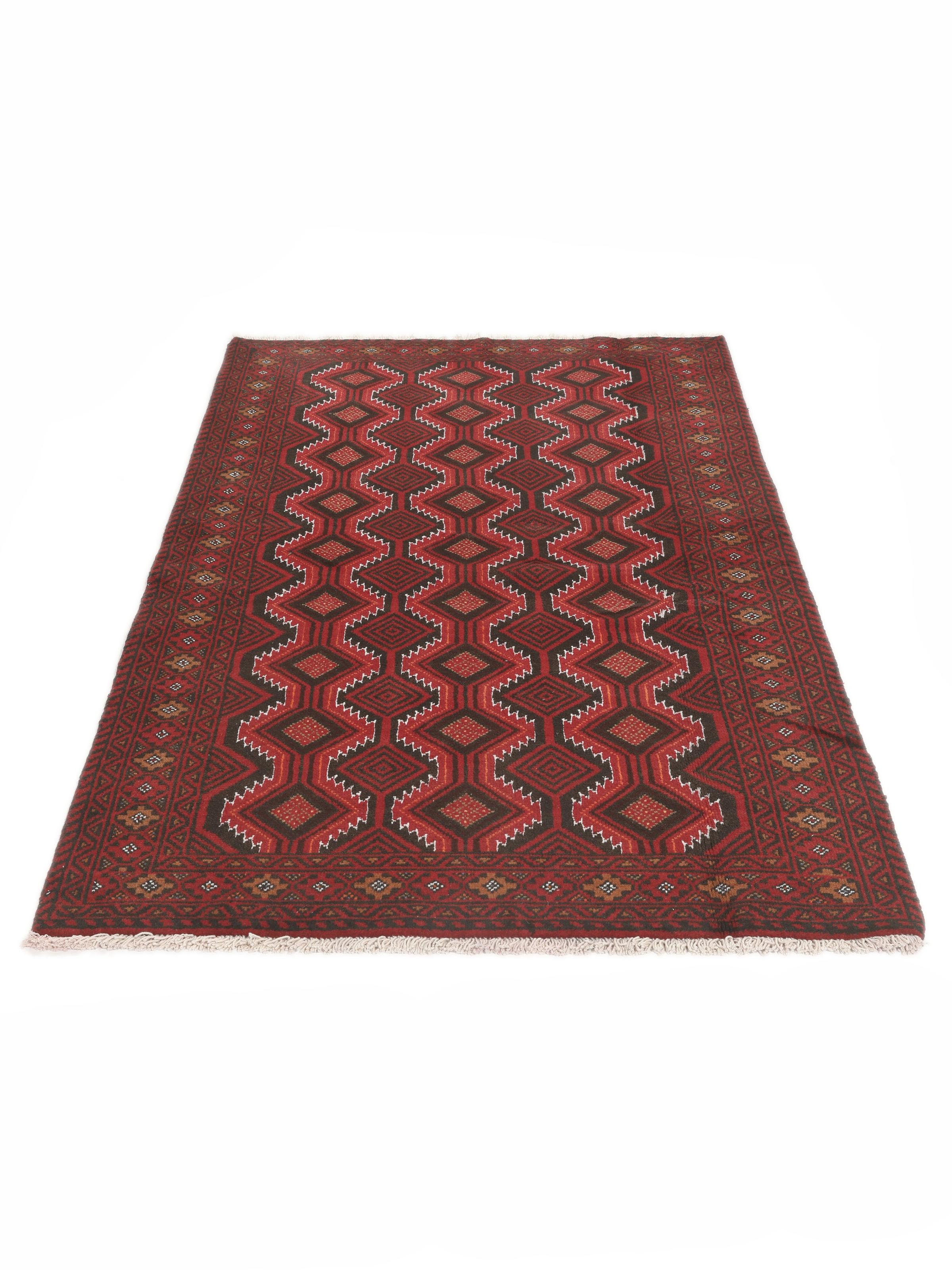
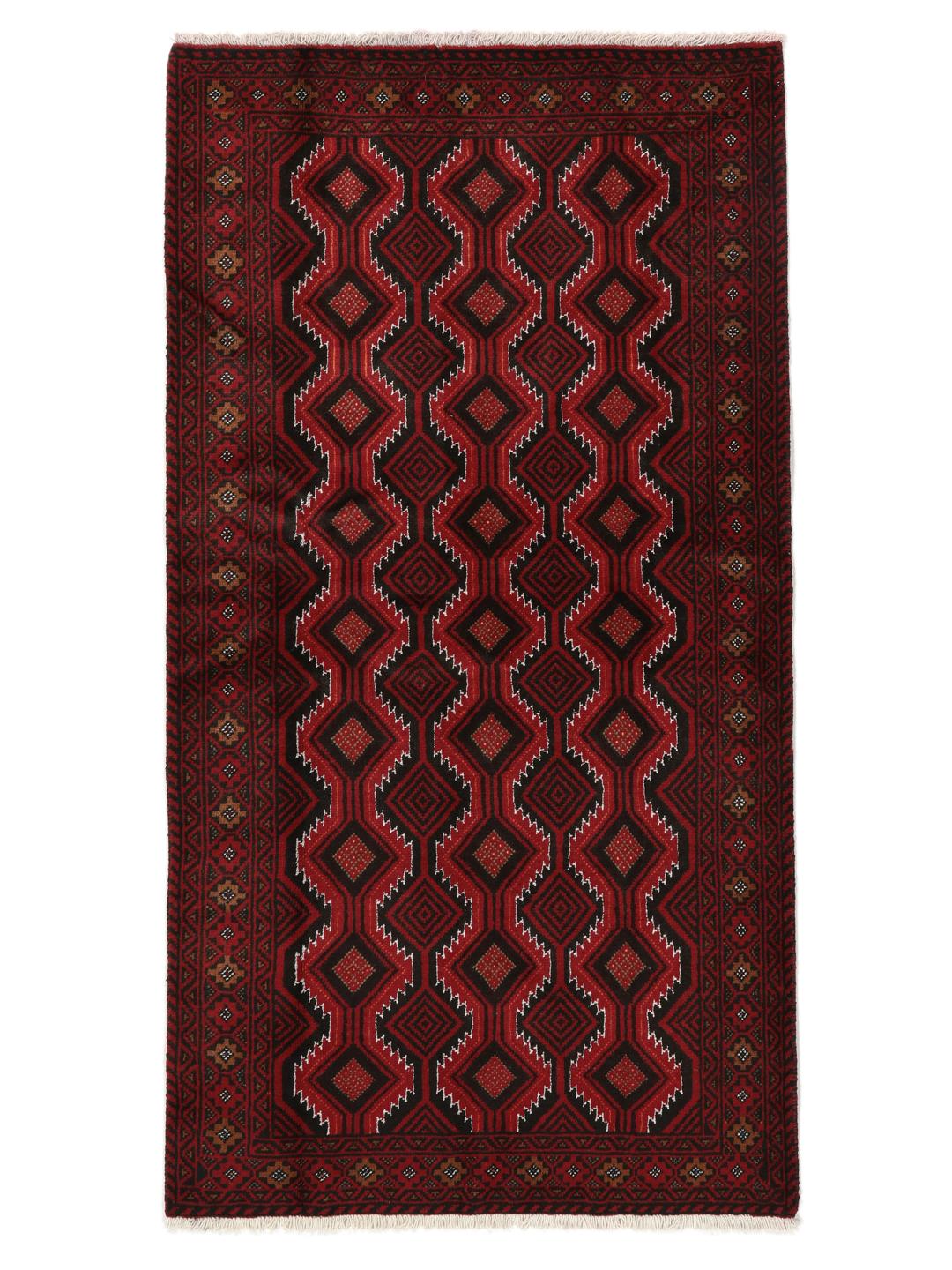
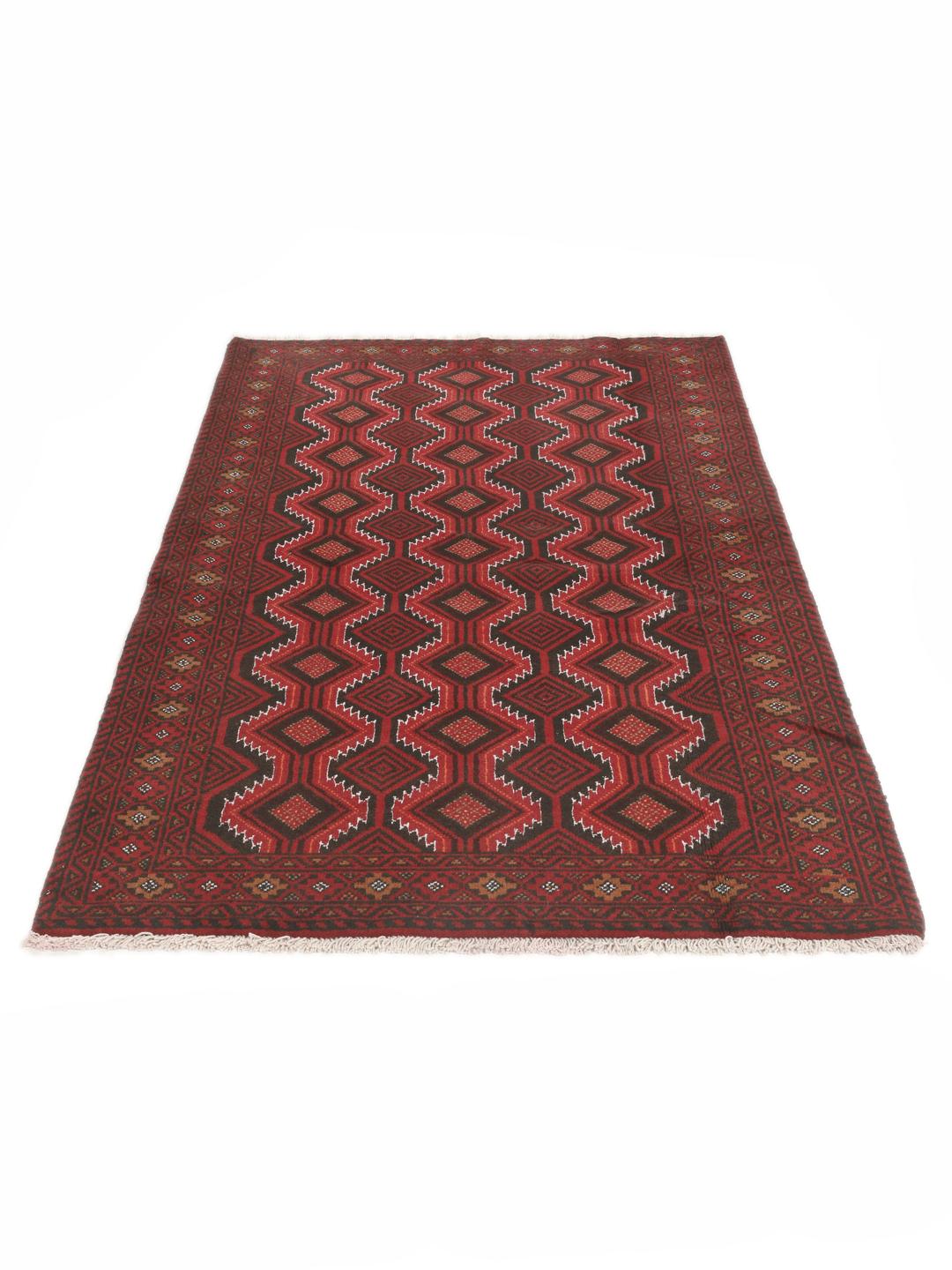
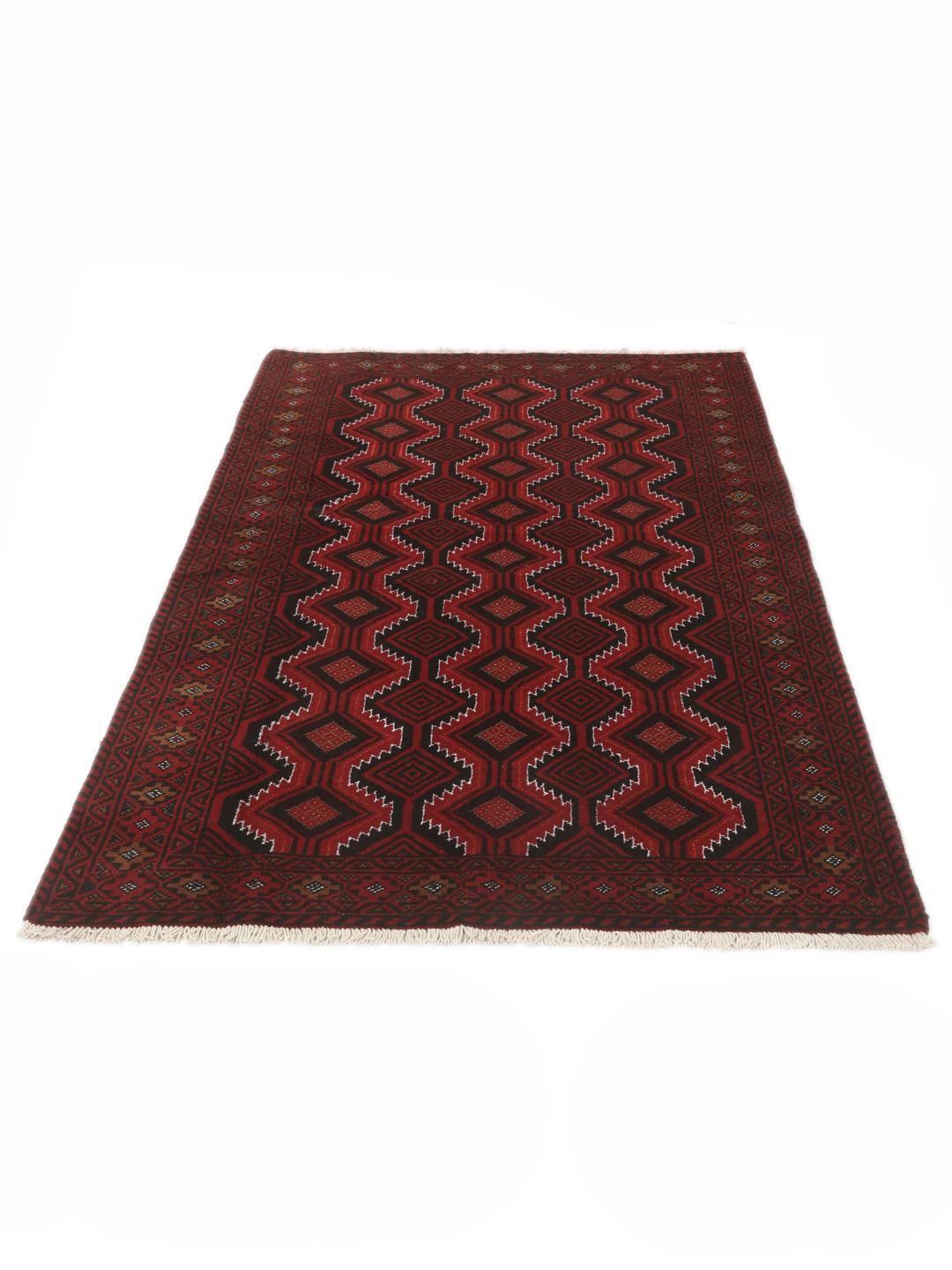
The Baluch rugs originate from the nomadic and semi-nomadic tribes residing in the border regions of the Middle East. These tribes have a long history of weaving, with their designs serving as a visual language that reflects their daily lives, environment, and ancestral stories. Historically, these rugs were created for personal use in tents, meaning they were designed to be both portable and highly durable.
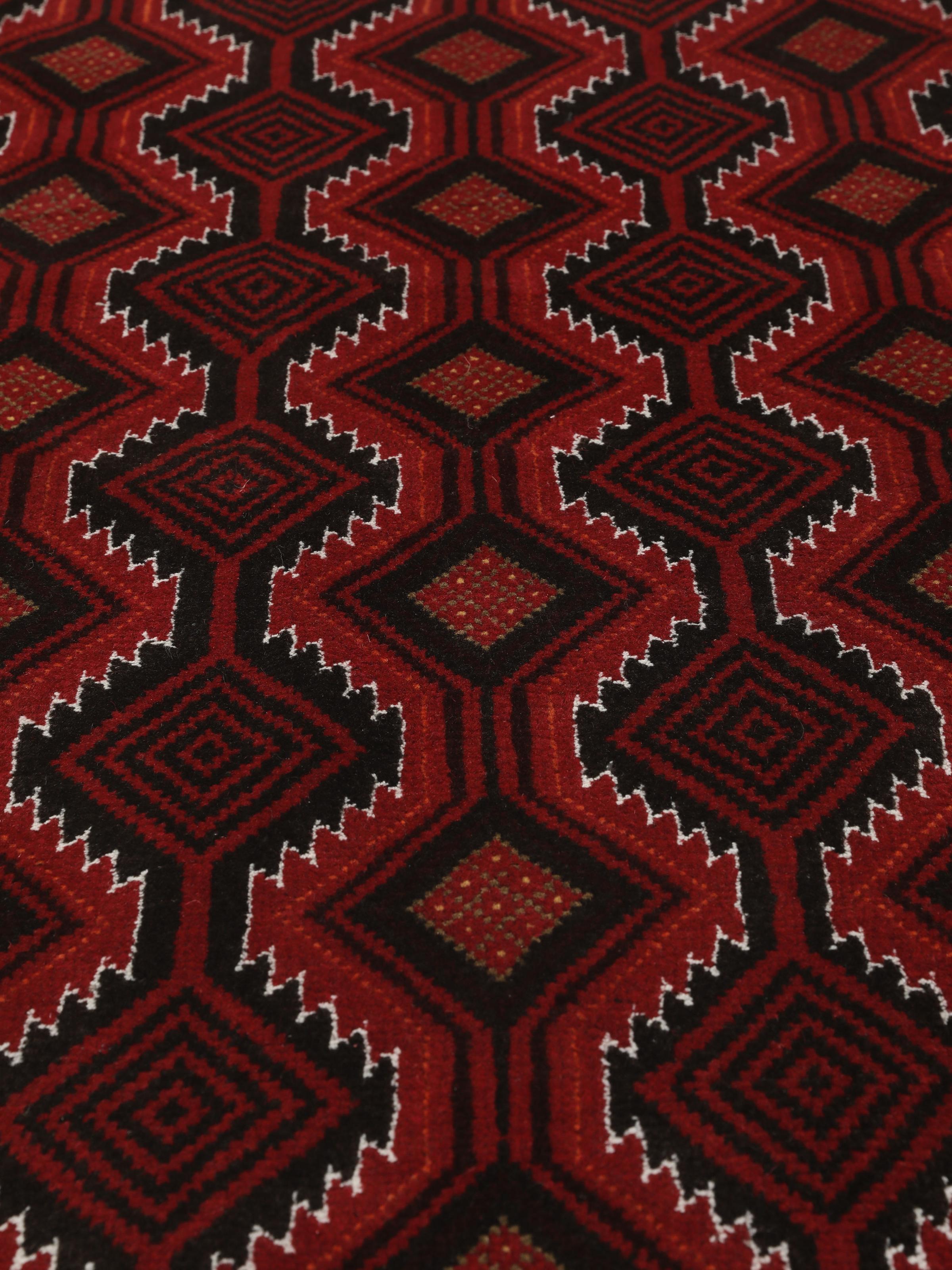
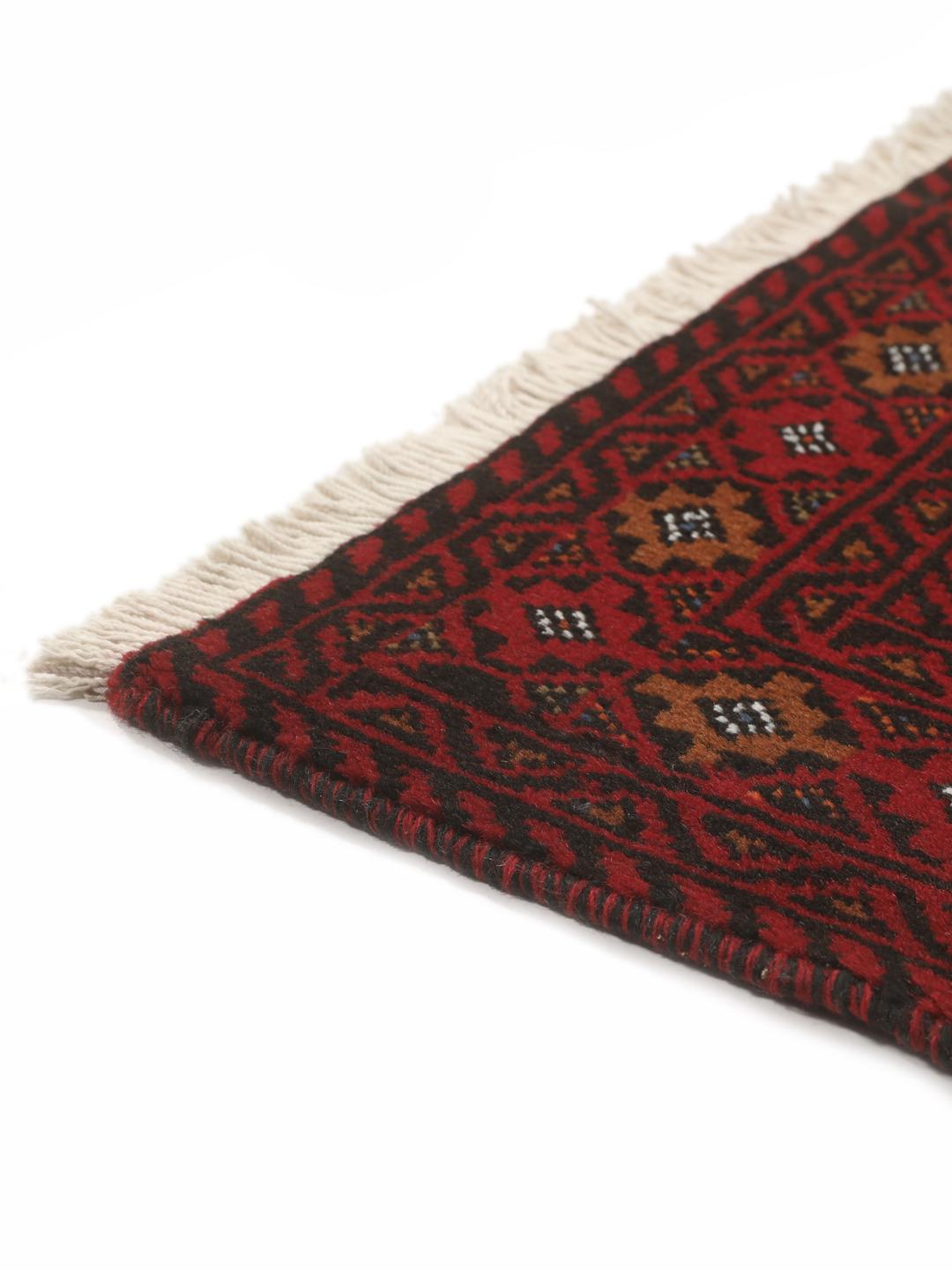
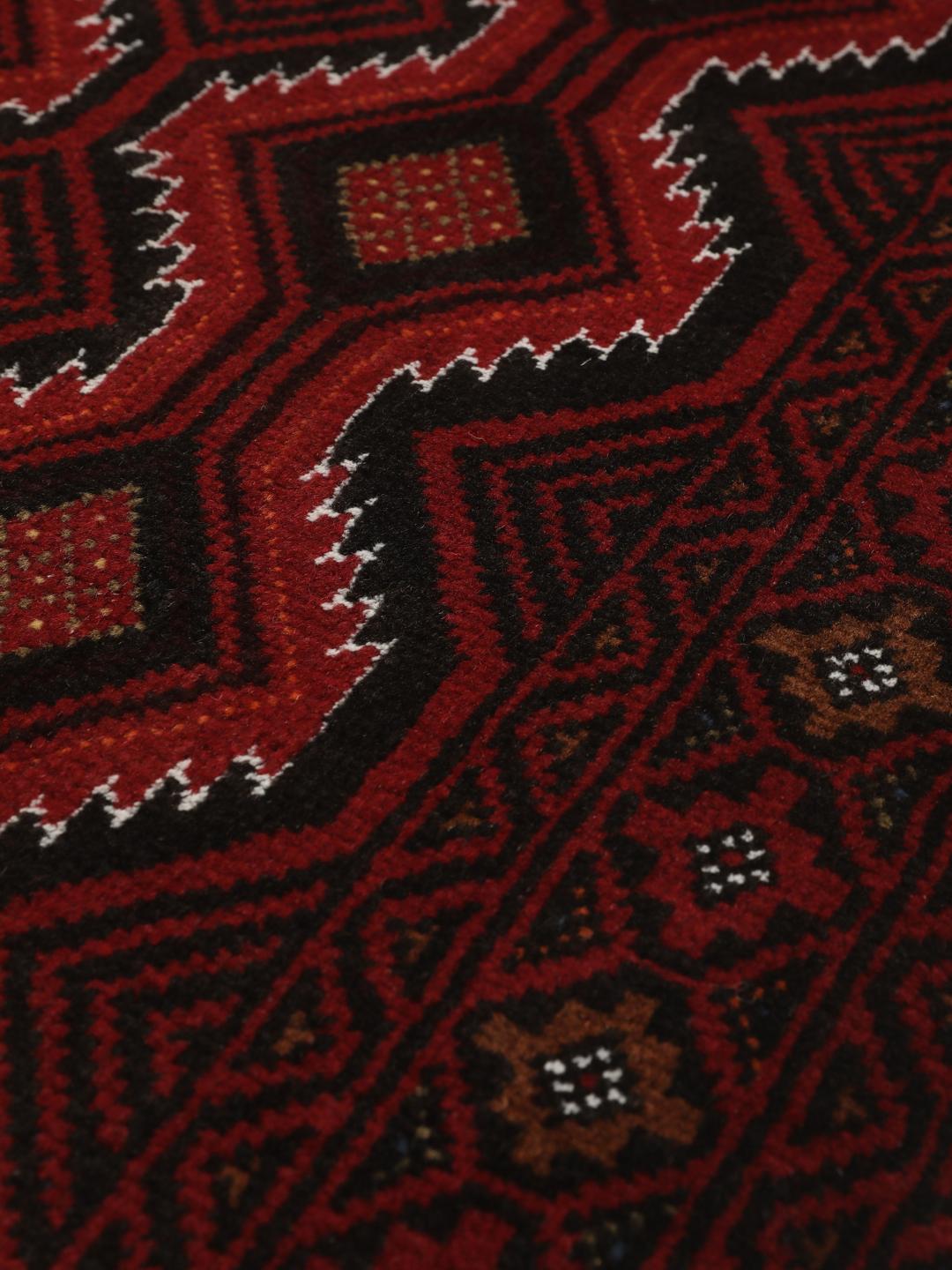
What defines the Baluch tradition is the use of rich, dark tones, often dominated by deep reds, browns, and blacks. These colours are traditionally derived from natural vegetable dyes, which age beautifully over time, developing a soft, muted patina. The wool used is often sourced from the tribes' own flocks, ensuring a high-quality, long-staple fibre that feels both resilient and soft.
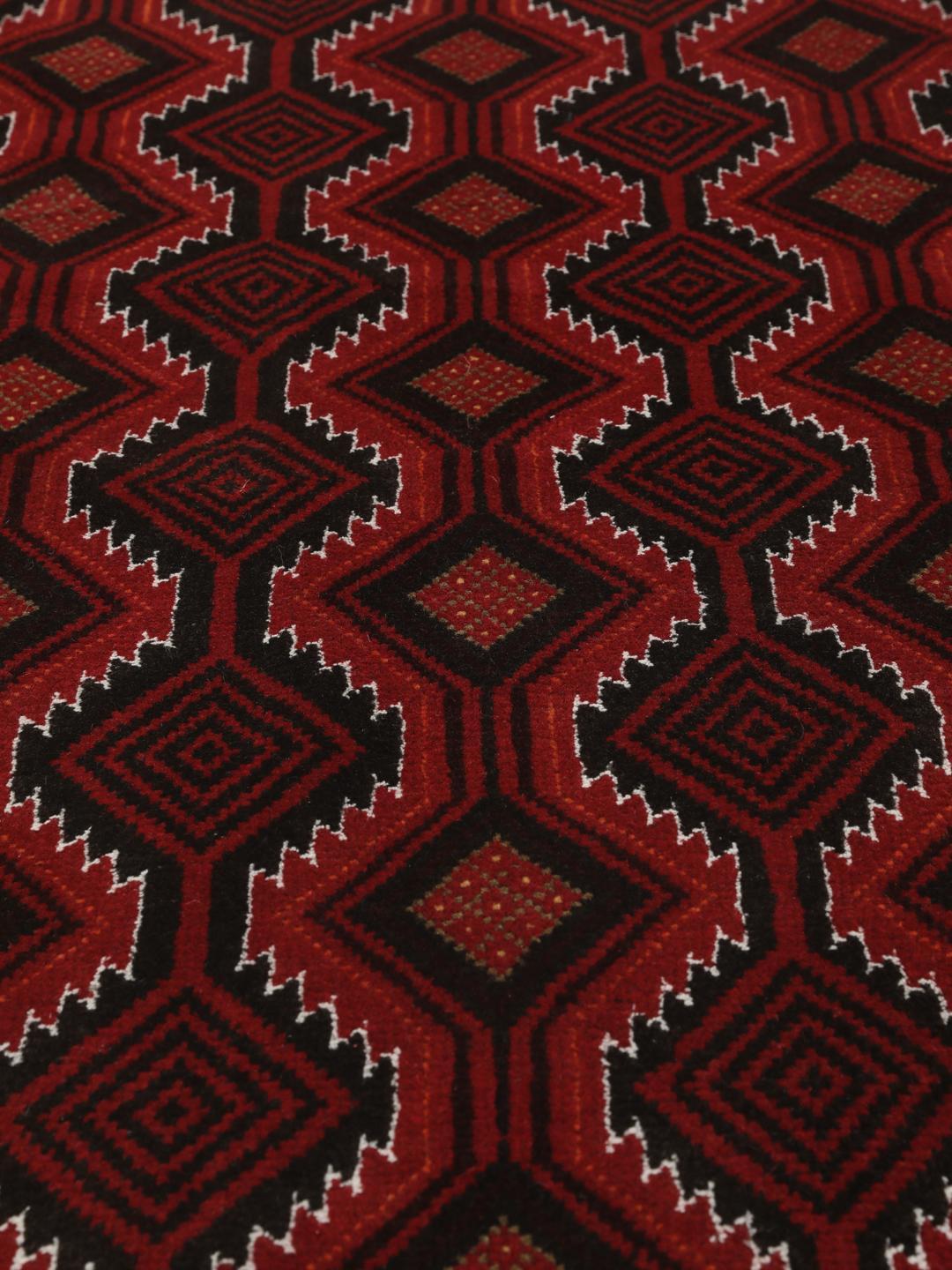
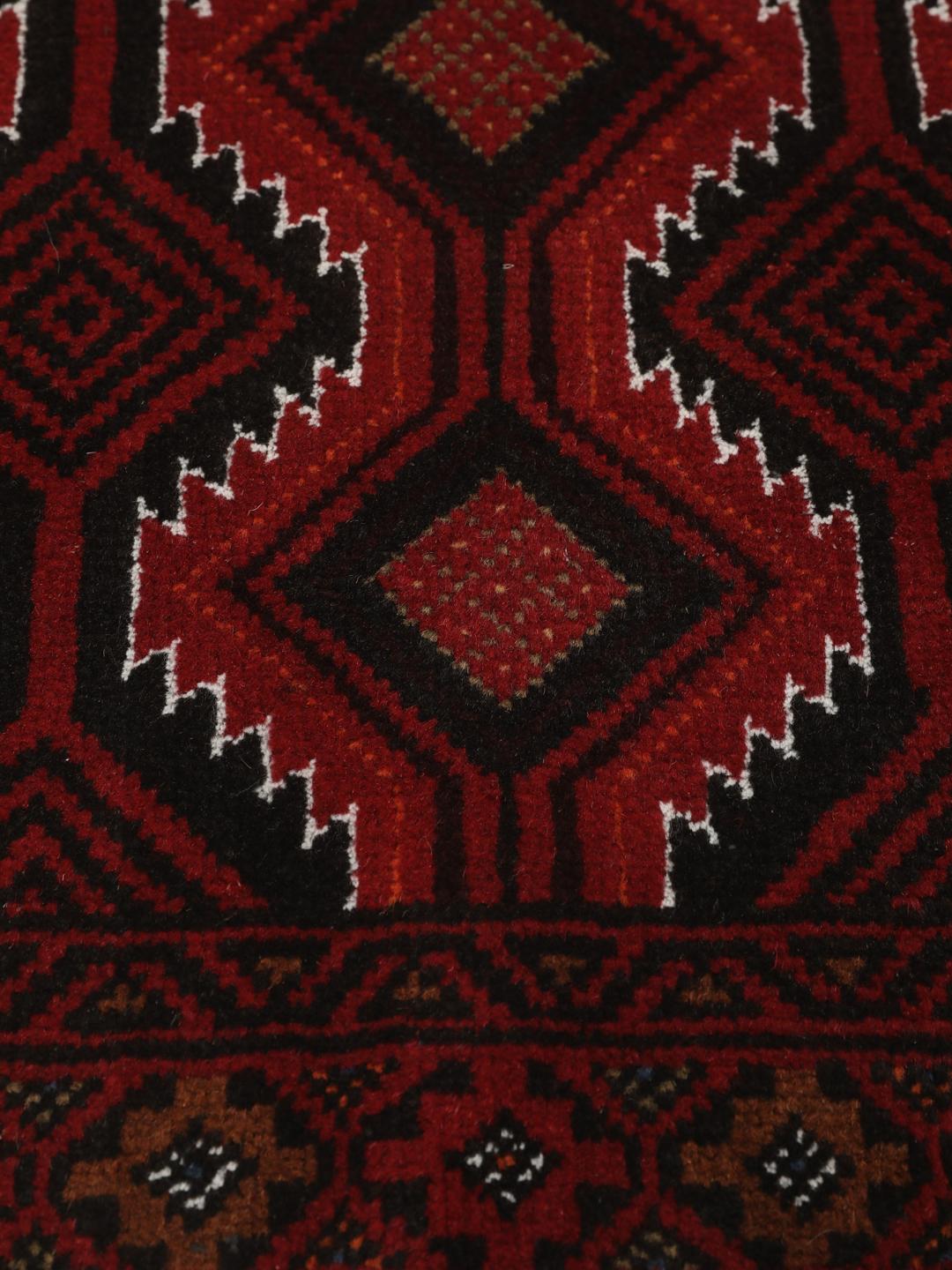
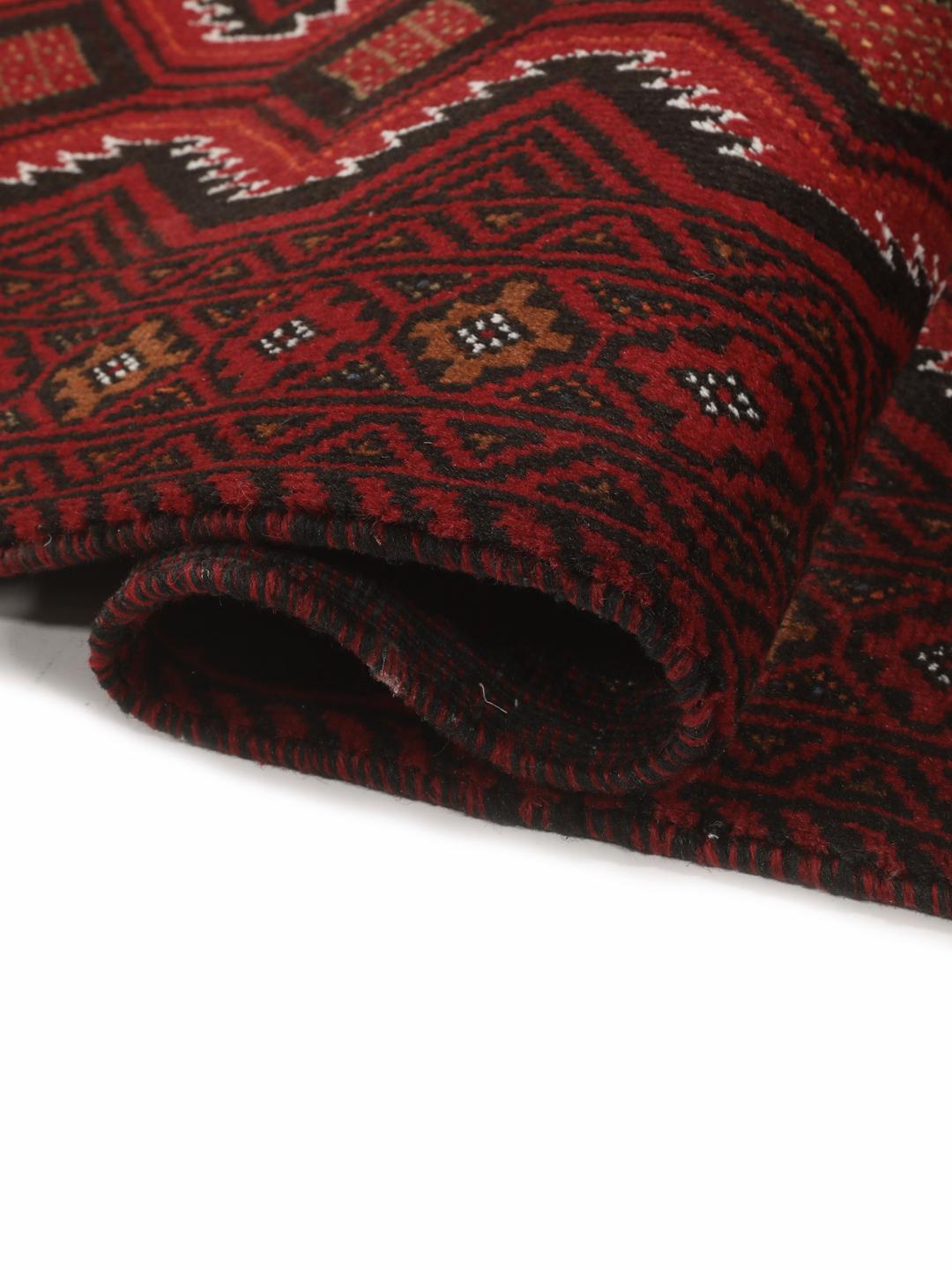
The visual language of these rugs is primarily geometric, often featuring repeating medallions, diamond shapes, or stylised floral motifs known as guls. The borders are typically complex, featuring multiple guard stripes that frame the central field. This particular piece showcases a striking geometric rhythm that is characteristic of the finest tribal weaving, highlighting the artistic precision of the creators.
For collectors and enthusiasts, Baluch rugs are highly valued for their authenticity and the human story behind every knot. Owning one is more than just a decor choice; it is an act of preserving a traditional craft that has survived for centuries. It represents a connection to a nomadic heritage where skill, patience, and a deep understanding of natural materials are the ultimate measures of quality.