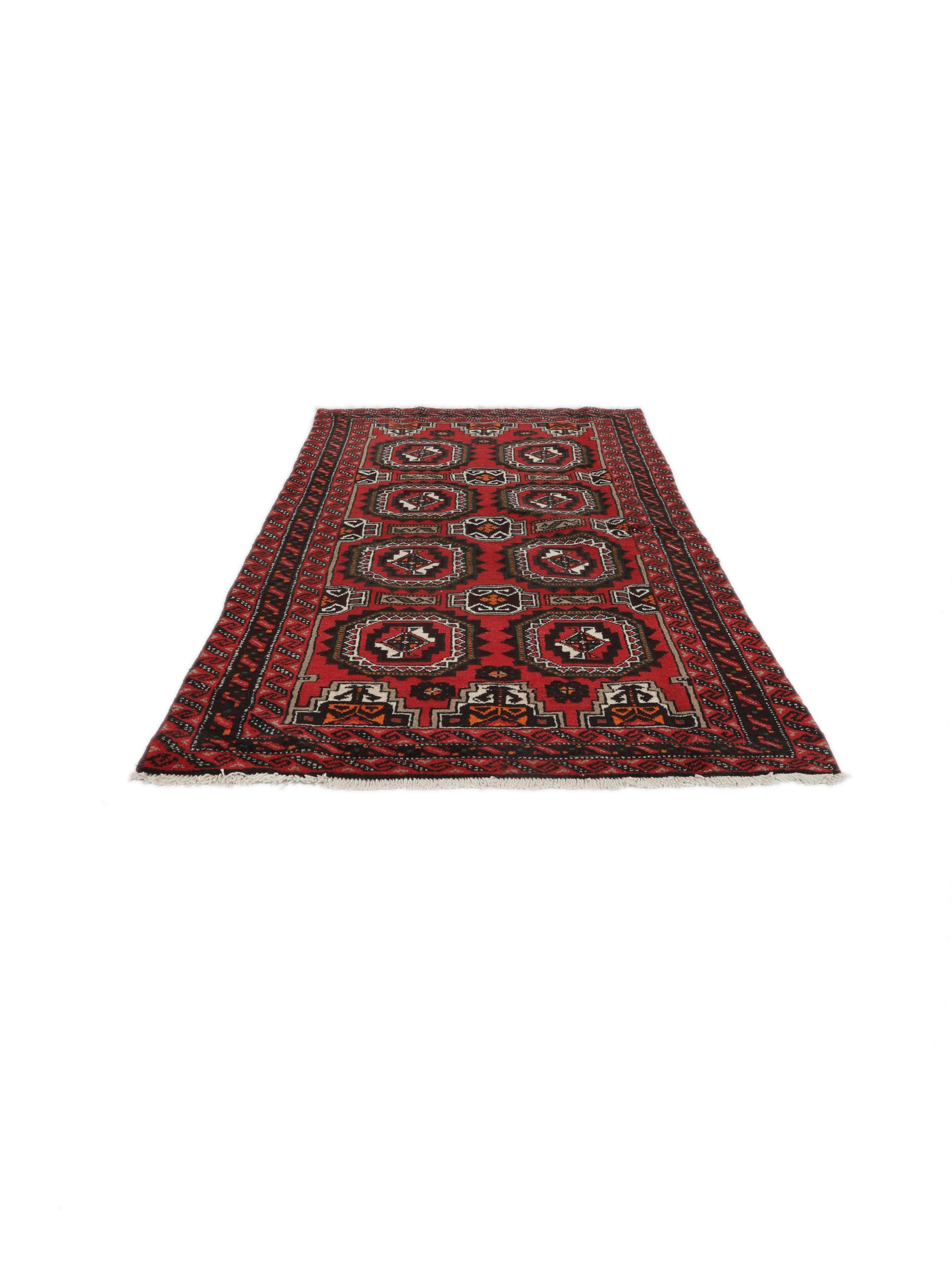
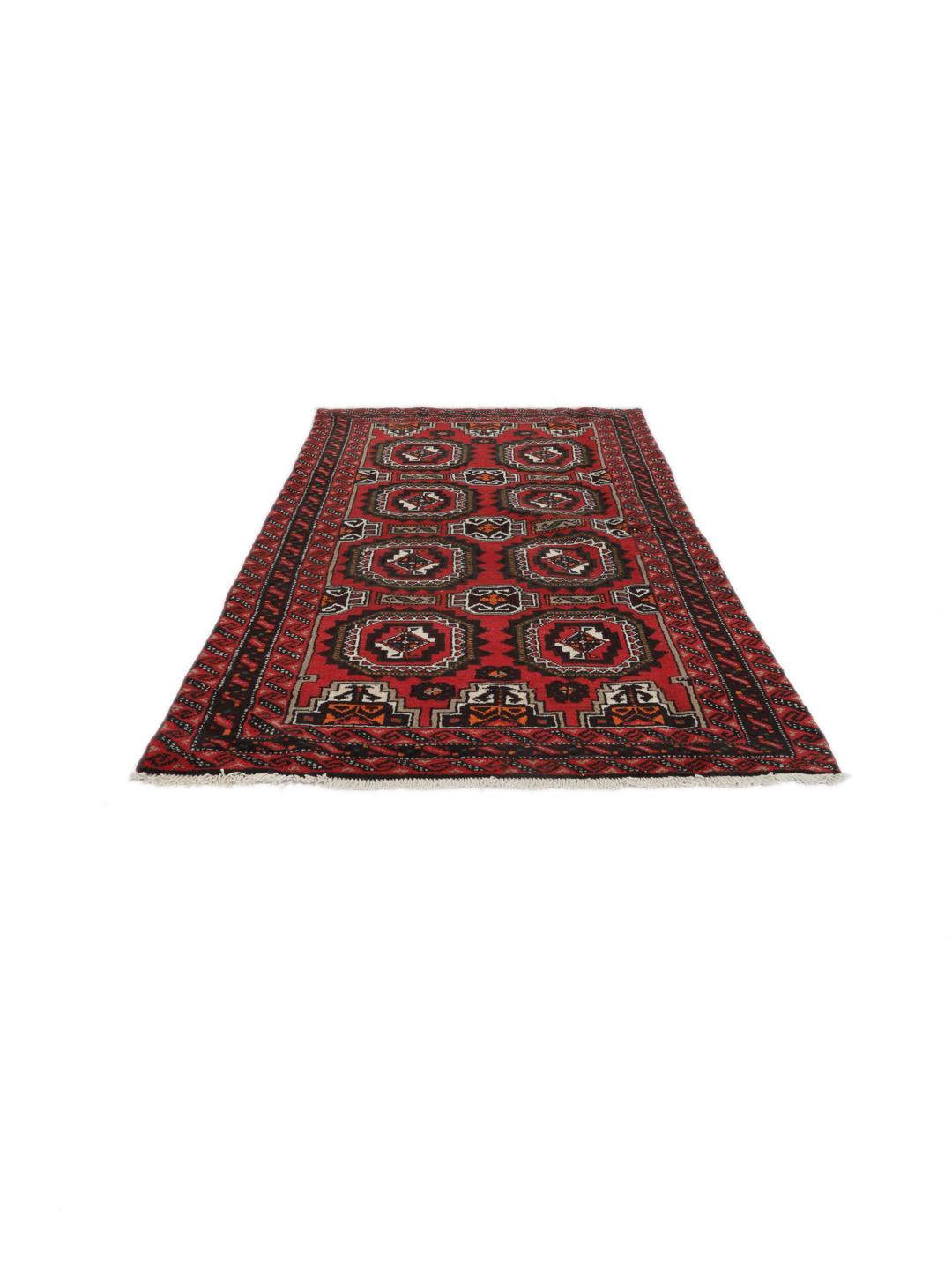
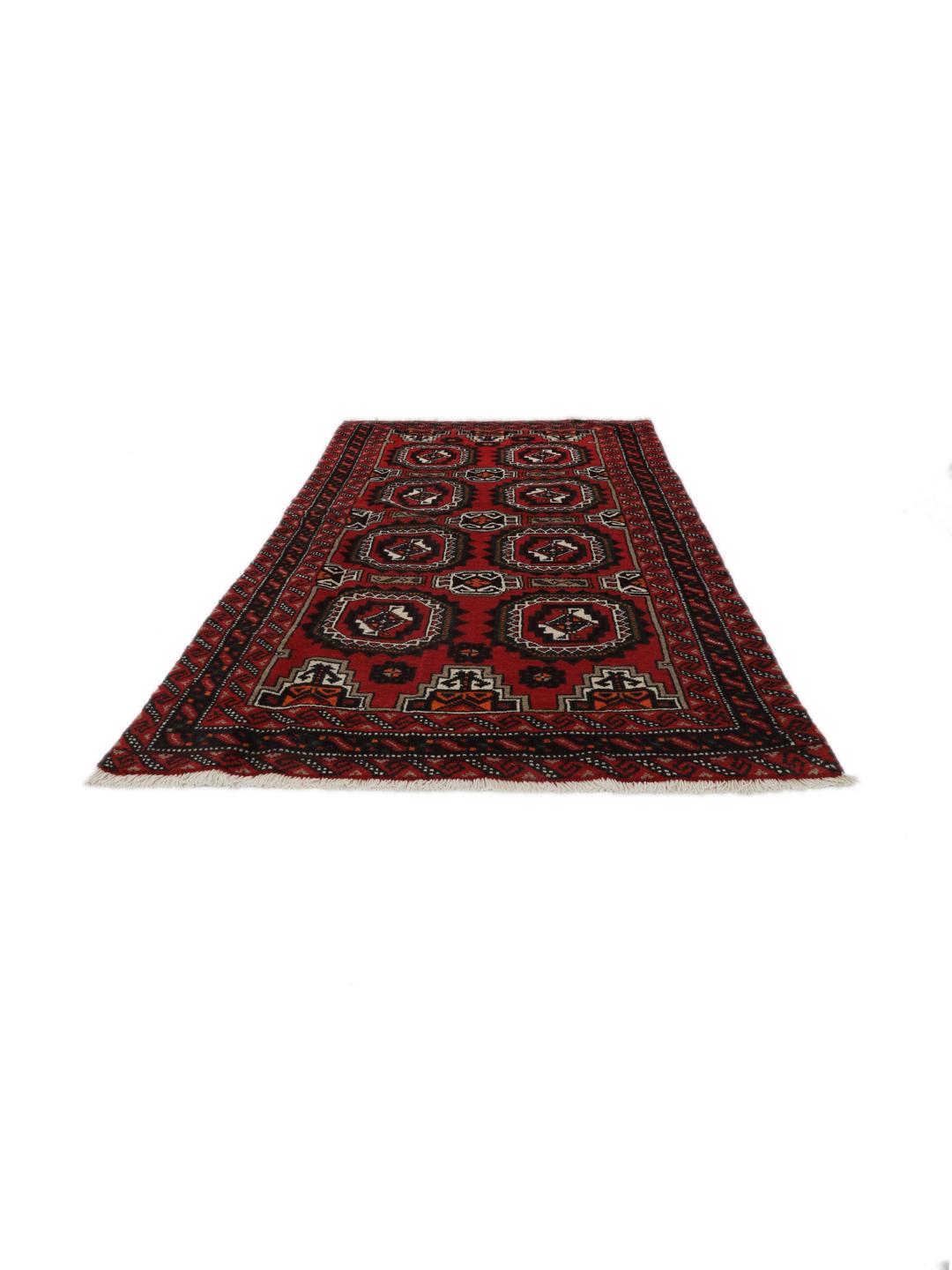
The Beluch rug tradition is deeply rooted in the nomadic history of the Baluchi people, a group that has historically traversed the vast landscapes of the Middle East. These rugs are born from a culture that values portability and utility, with designs originally created to serve as functional items for nomadic life, such as storage bags, floor coverings, and prayer mats.
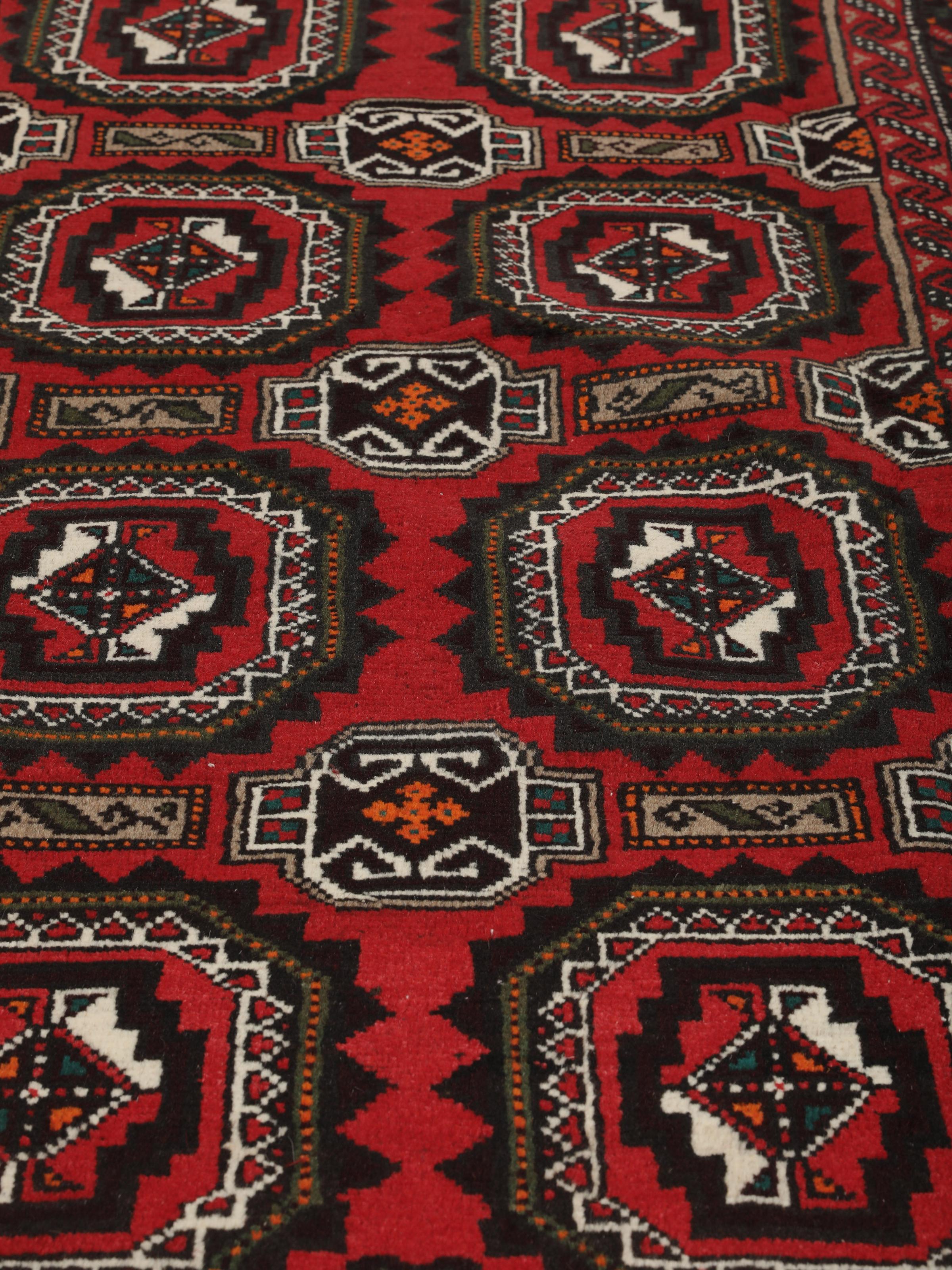
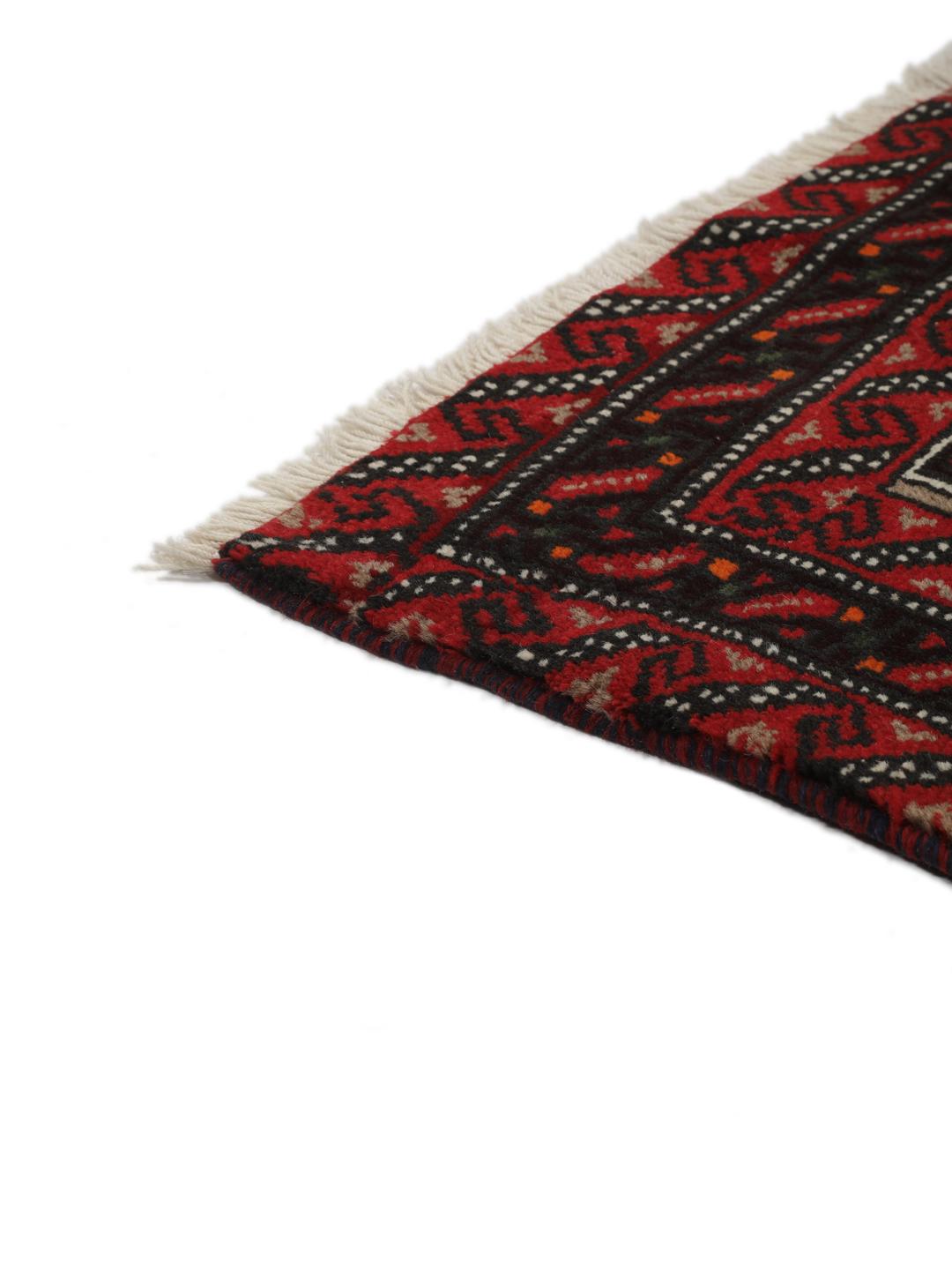
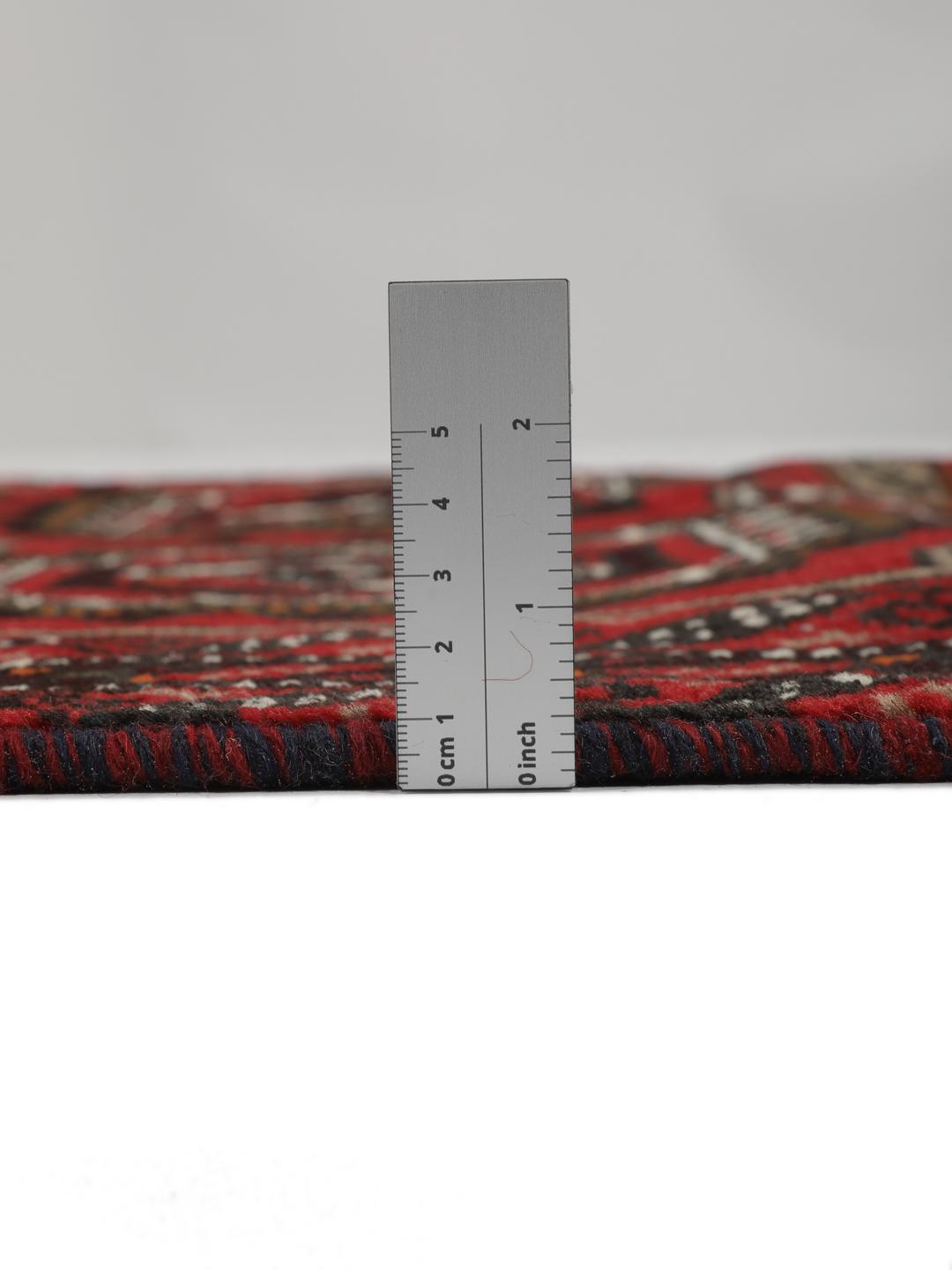
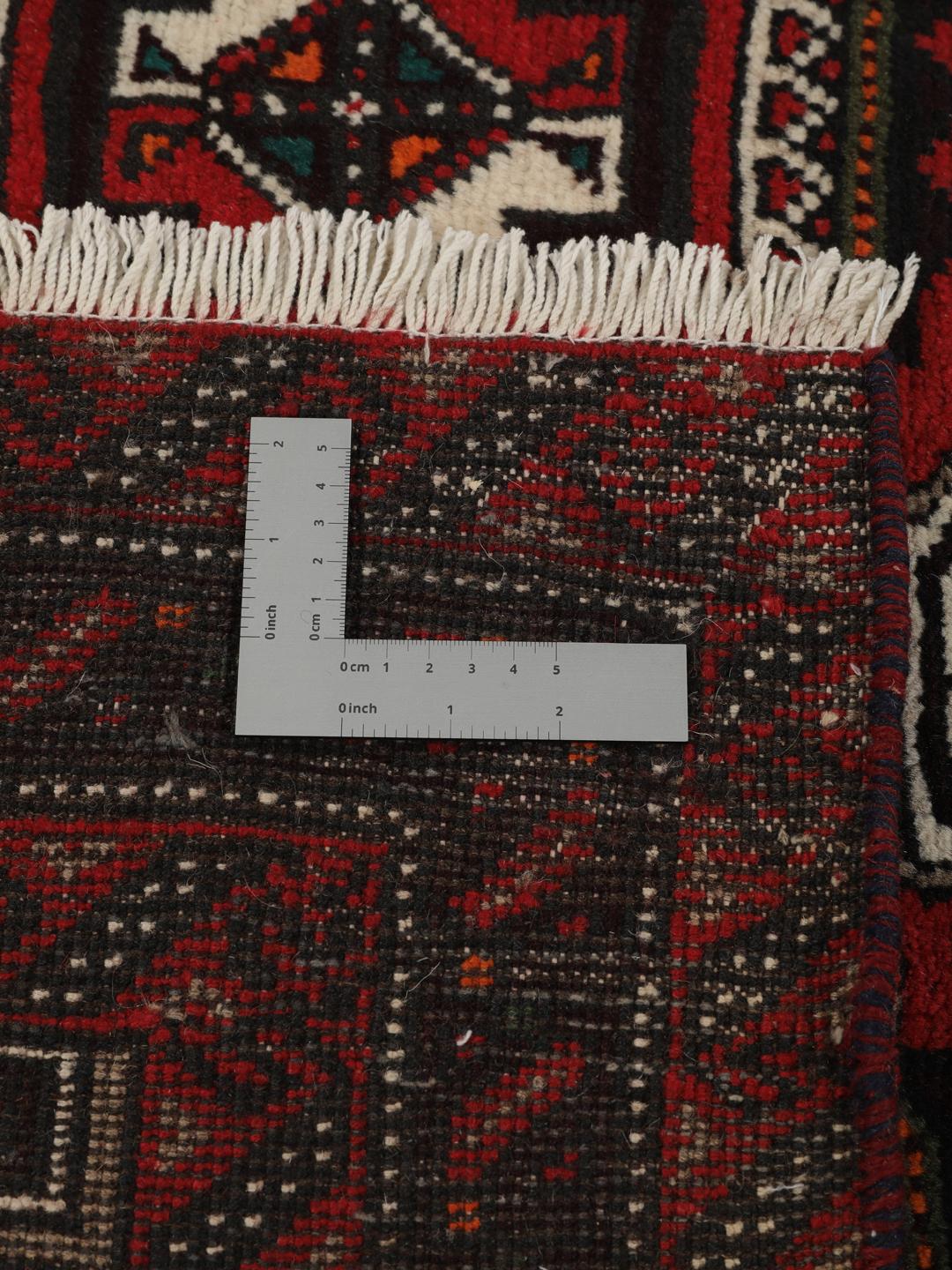
The term 'hand-knotted' refers to the intricate technique of tying individual strands of wool onto a base, a method that defines the longevity and value of these pieces. For a Beluch rug, this means that the resulting pile is dense, lustrous, and capable of withstanding generations of use. This construction is a hallmark of quality, reflecting a deep understanding of textile physics that has been passed down through centuries of family tradition.
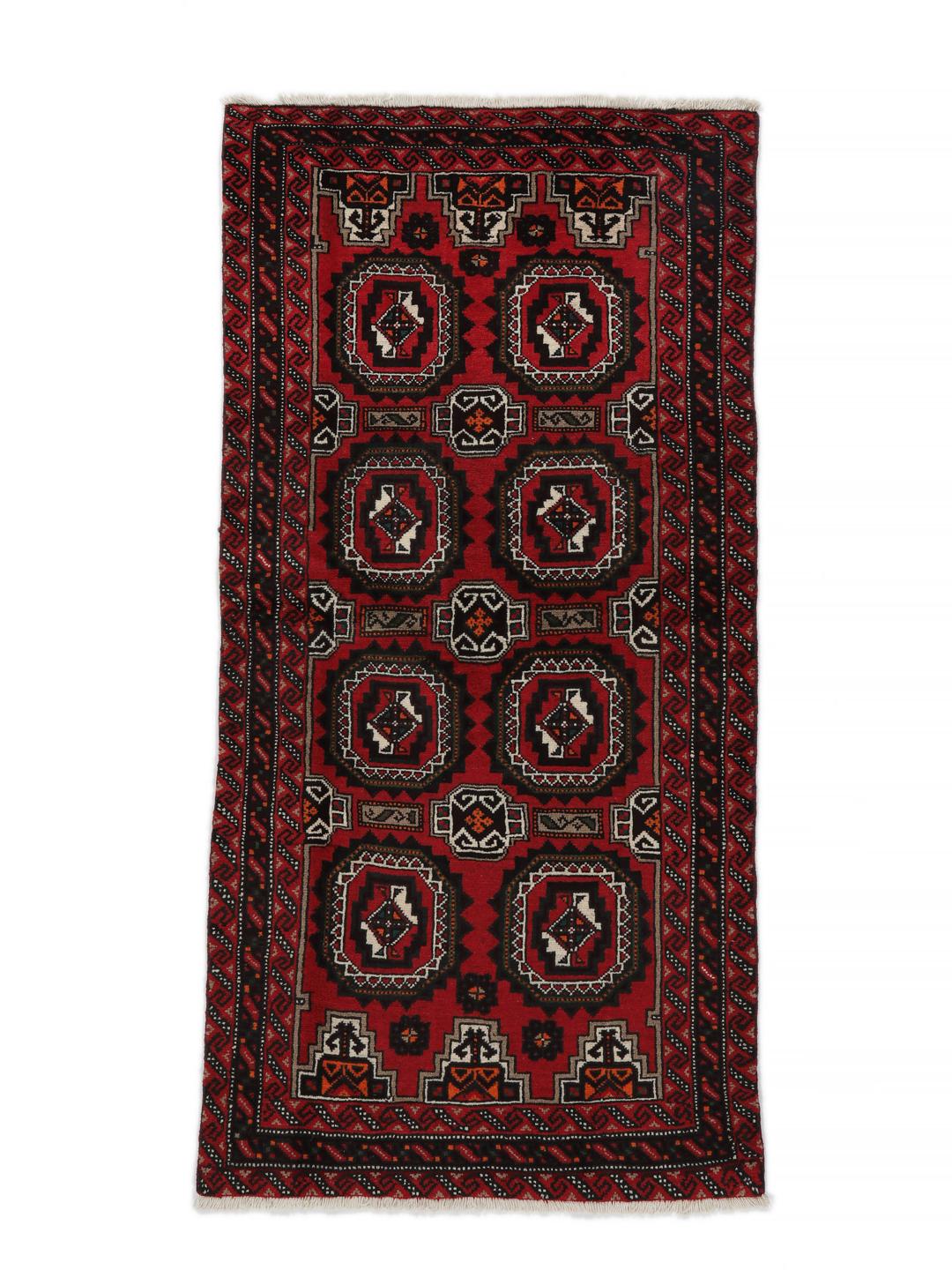
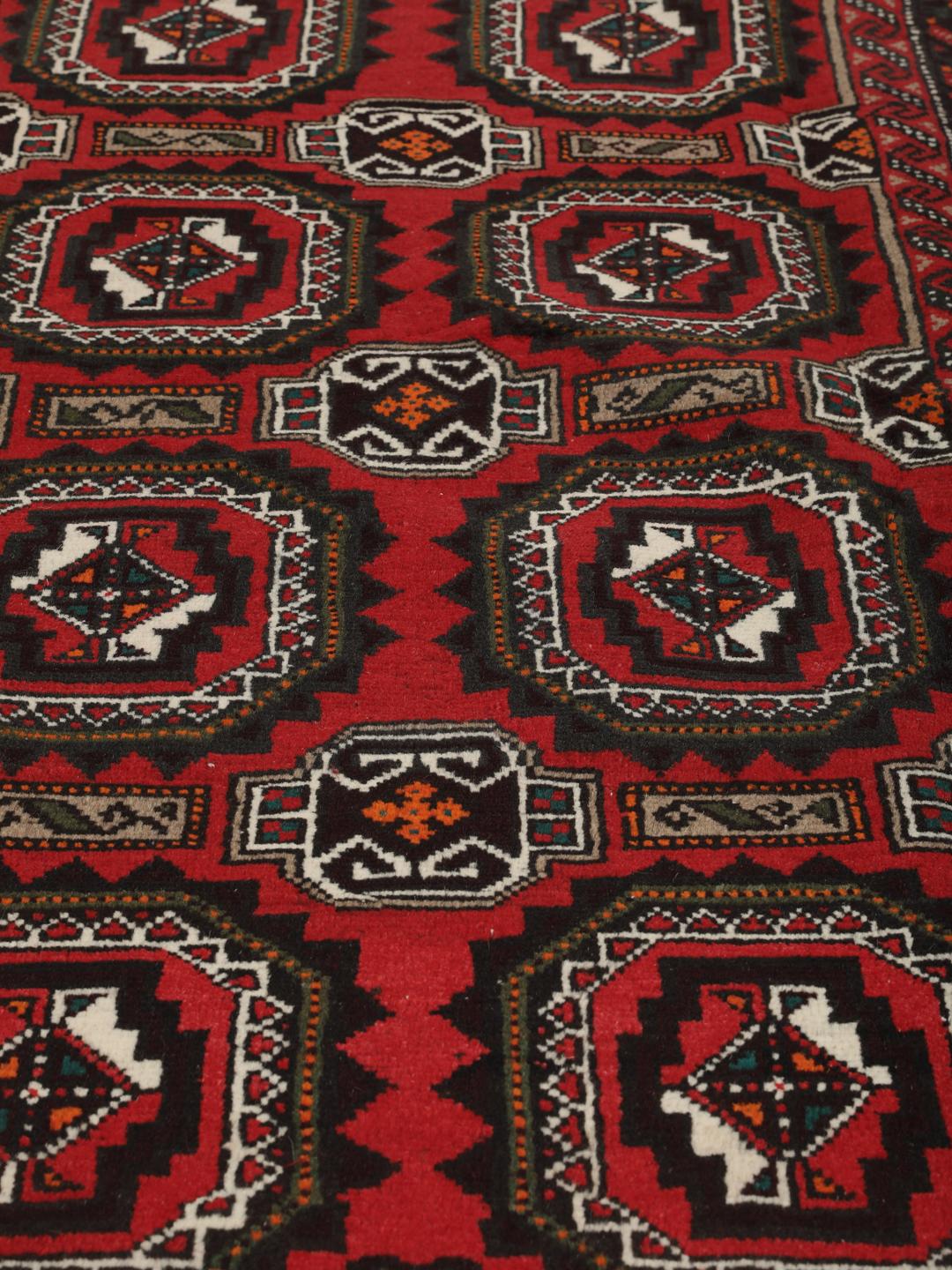
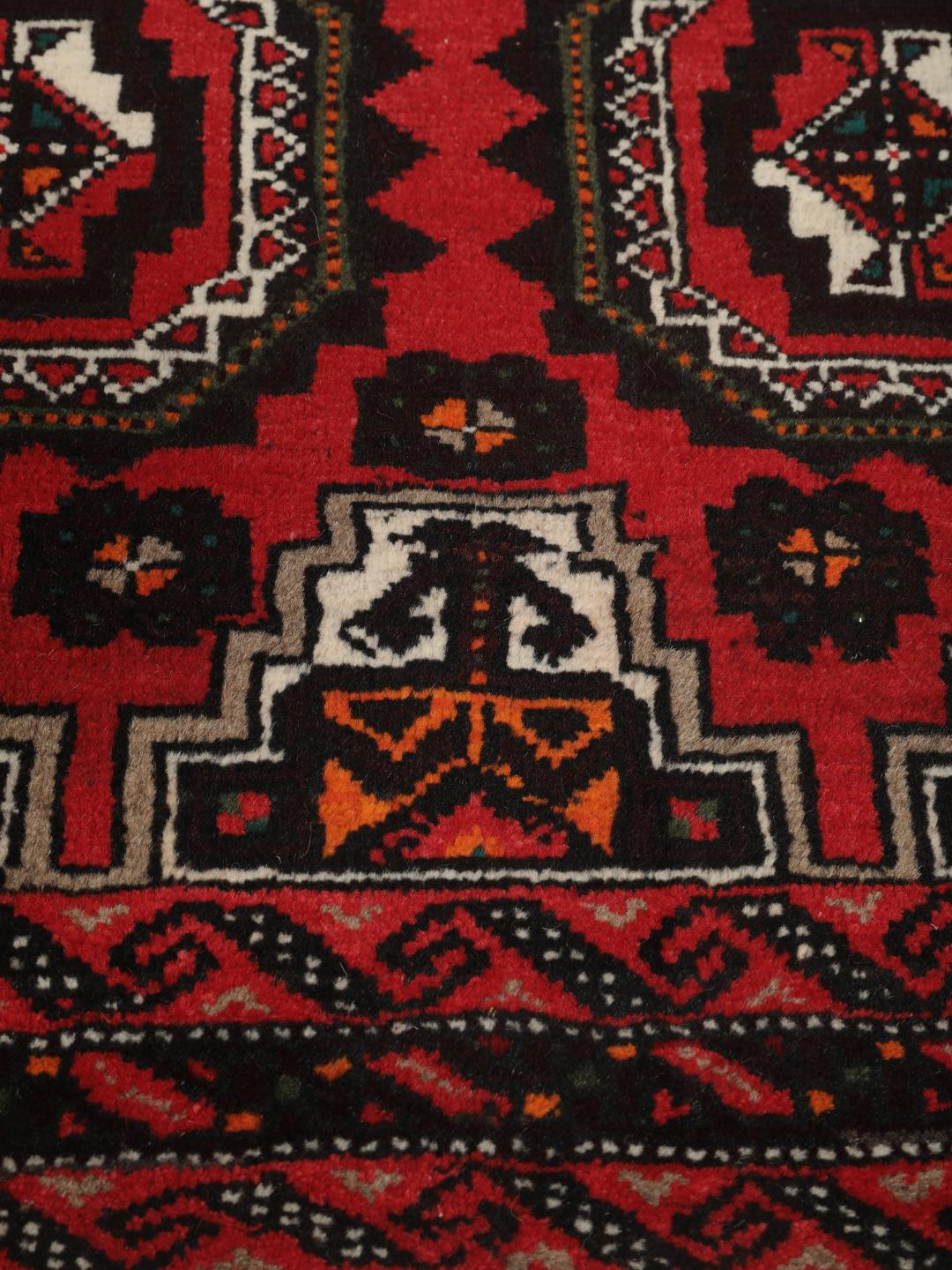
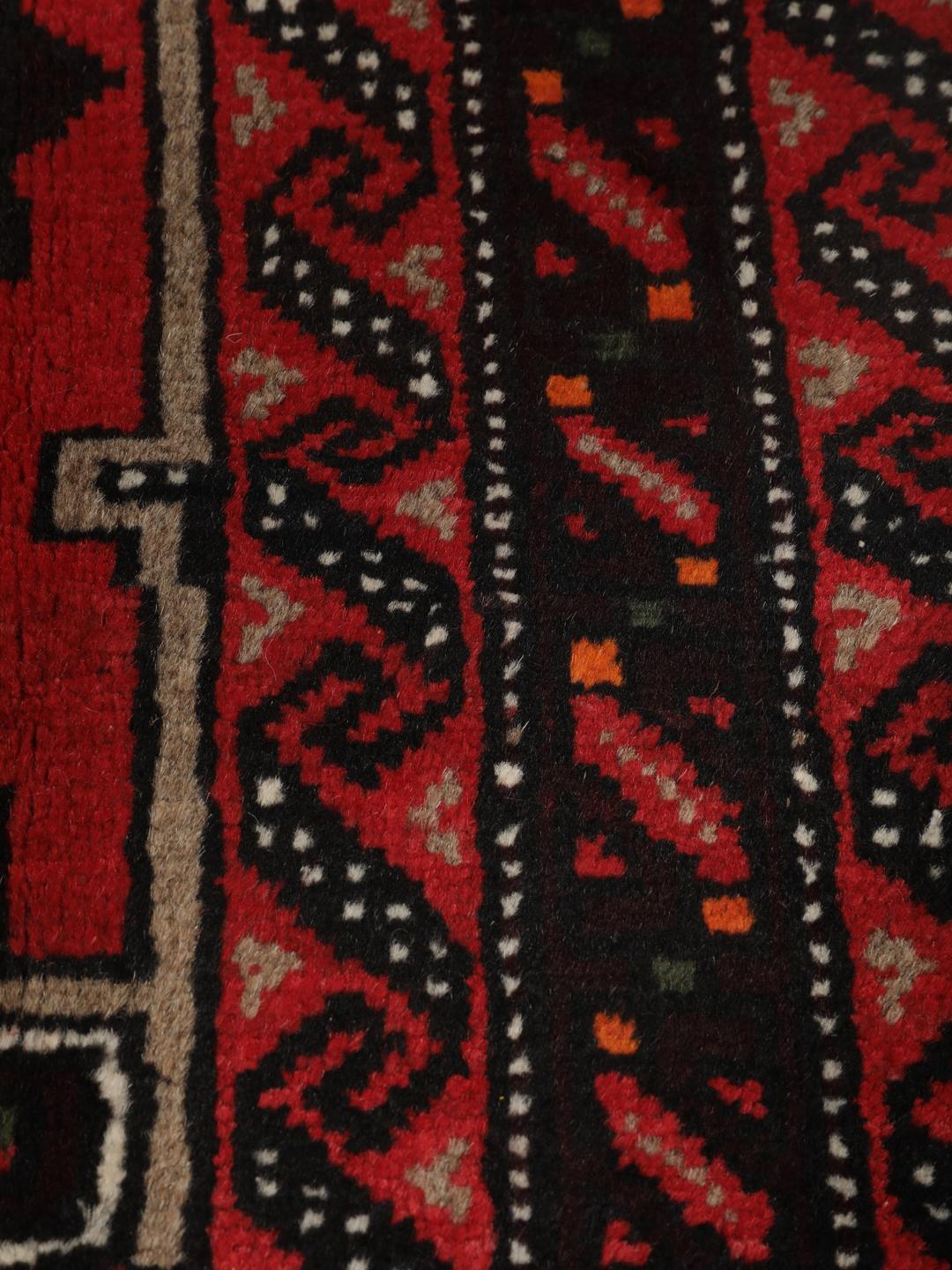
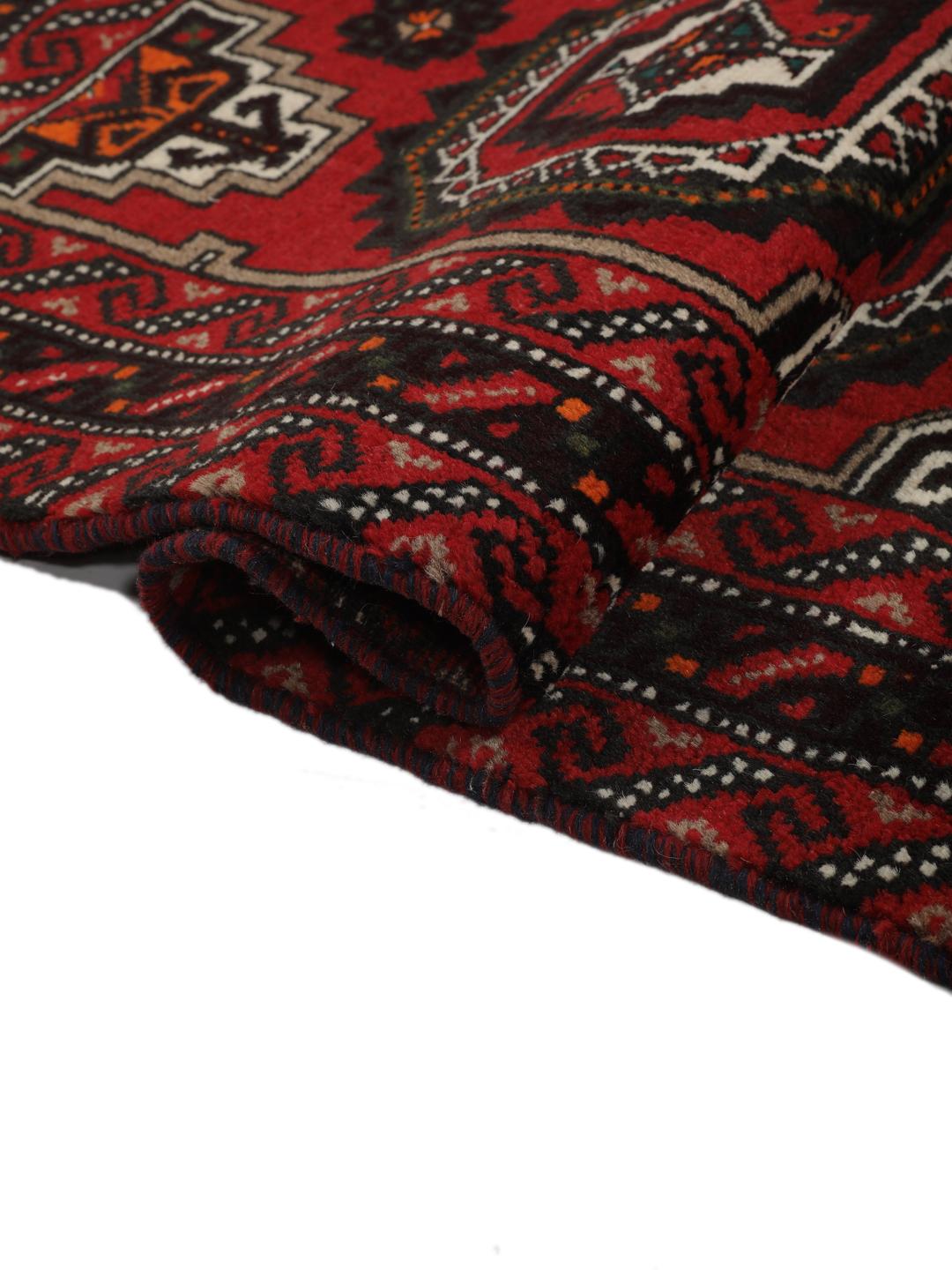
Visually, these rugs are defined by their deep, often dark colour palettes—frequently dominated by reds, deep browns, and black—and their strong focus on geometric abstraction. You will often see repeating motifs that hold symbolic significance, ranging from stylised animal forms to geometric interpretations of the natural world. These borders and central fields work in harmony to create a balanced, rhythmic design that is instantly recognisable to those familiar with the style.
Today, these rugs are highly sought after by collectors who value the intersection of tribal heritage and individual artistry. Owning a Beluch rug is more than just an interior design choice; it is an act of preserving a cultural practice that prioritises skill, patience, and visual storytelling. Each piece serves as a bridge to a historic way of life, offering a level of authenticity that remains unmatched in the modern world.