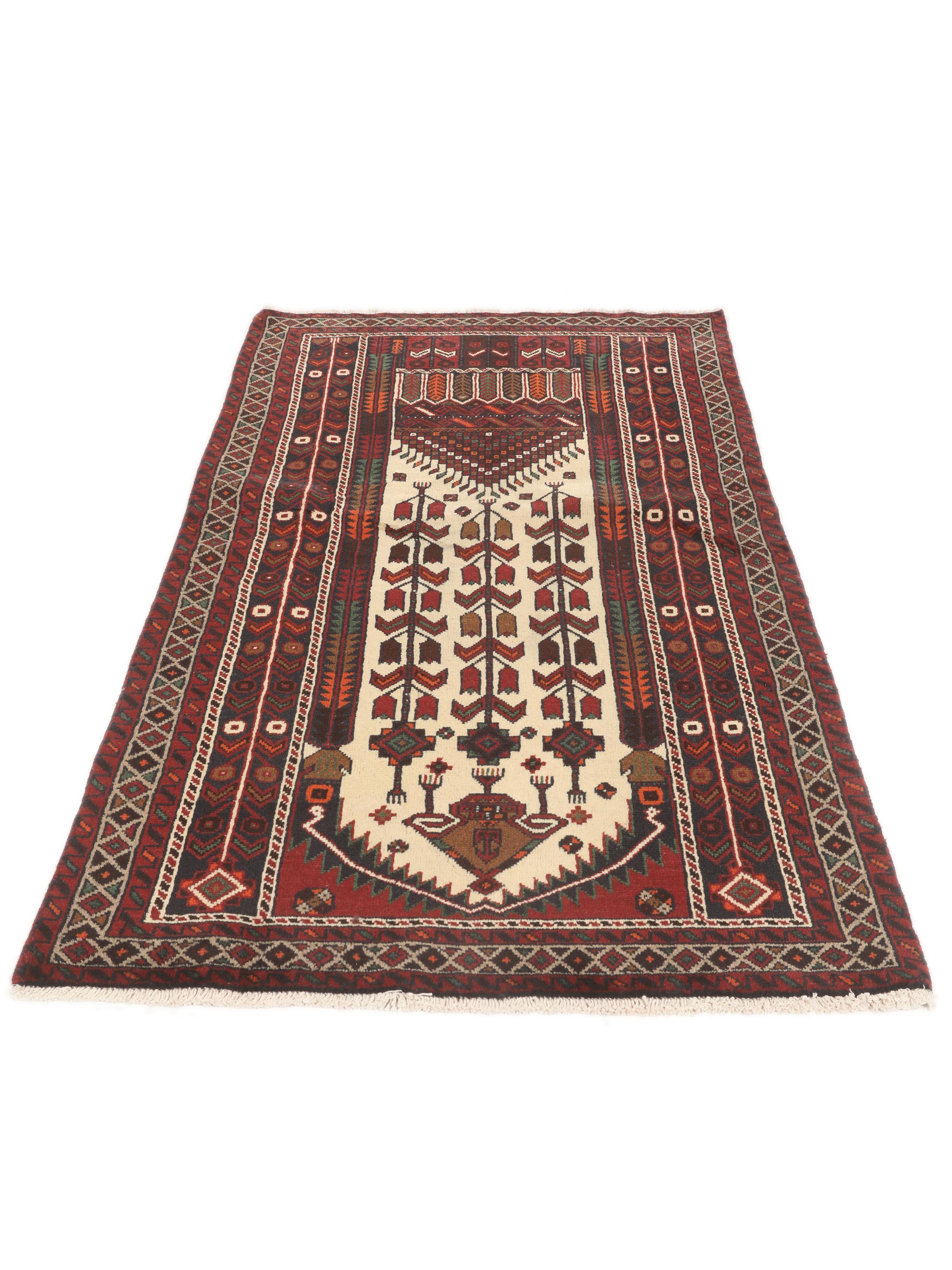
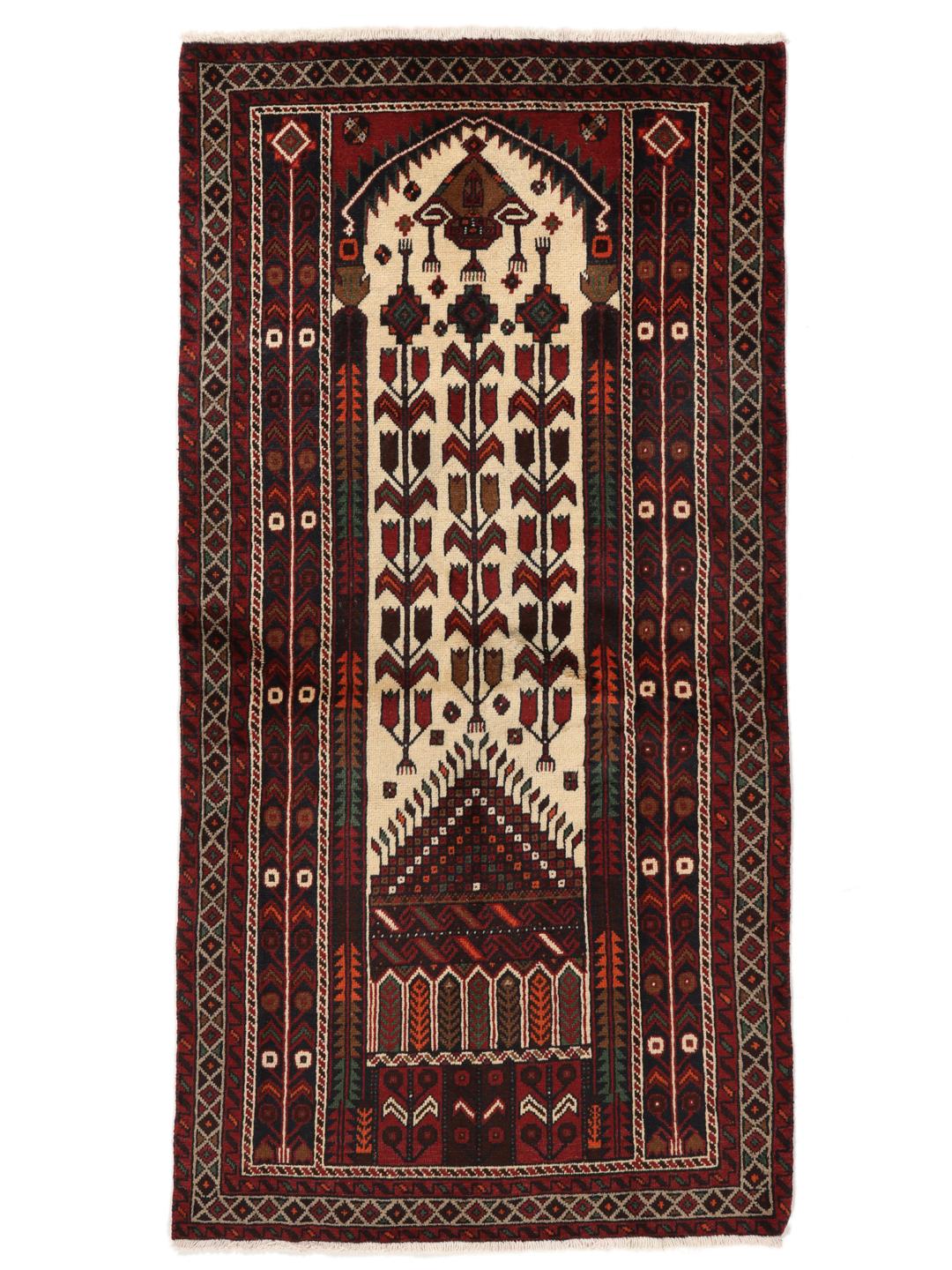
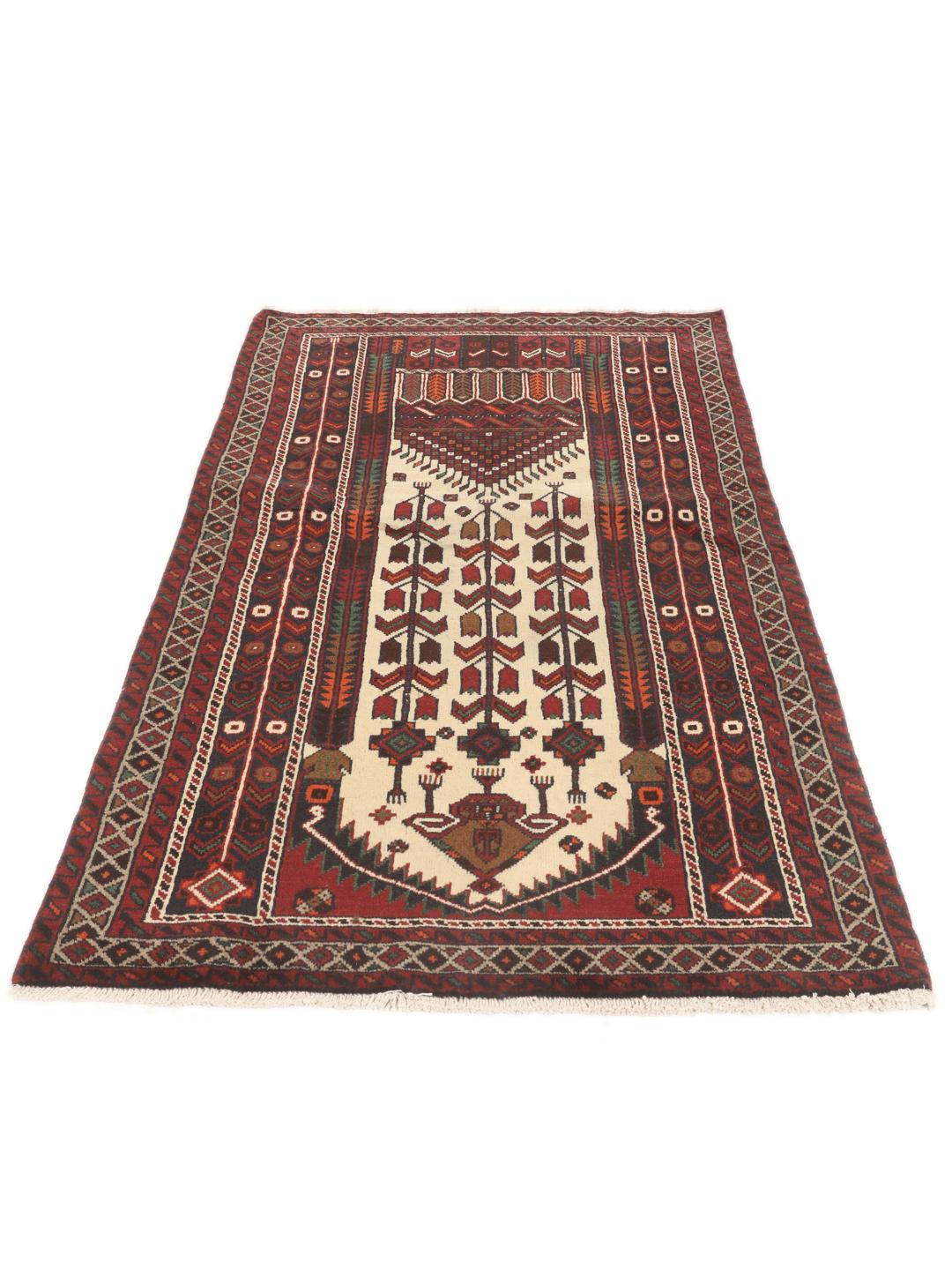
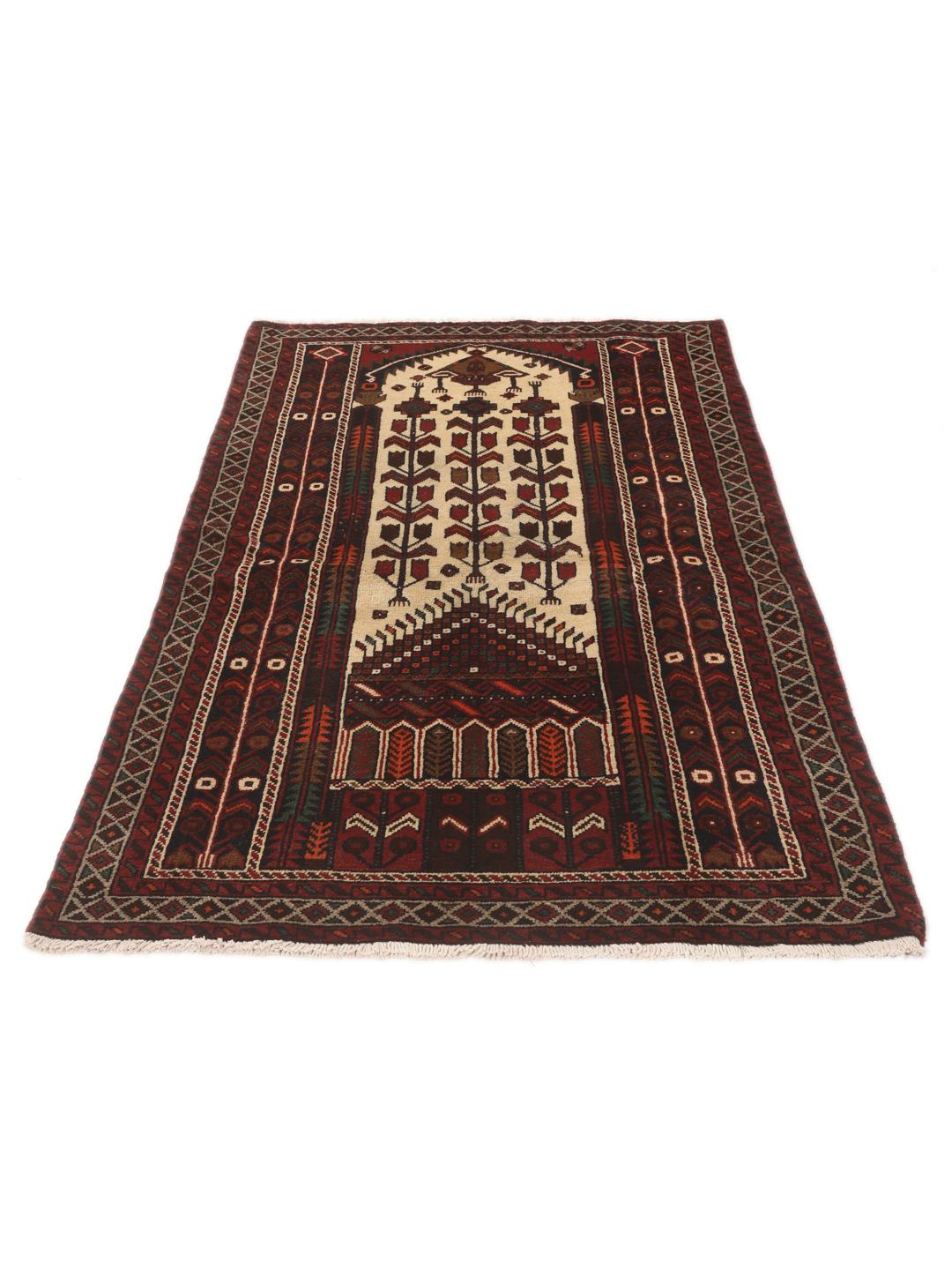
Baluch rugs originate from the nomadic and semi-nomadic tribes of the border regions between the Middle East, Afghanistan, and Pakistan. These rugs are deeply rooted in the cultural identity of the Baluchi people, who have historically travelled across vast, arid landscapes, carrying their weaving traditions with them. This migratory lifestyle has fostered a unique artistic expression that blends local influences into a distinct tribal identity.
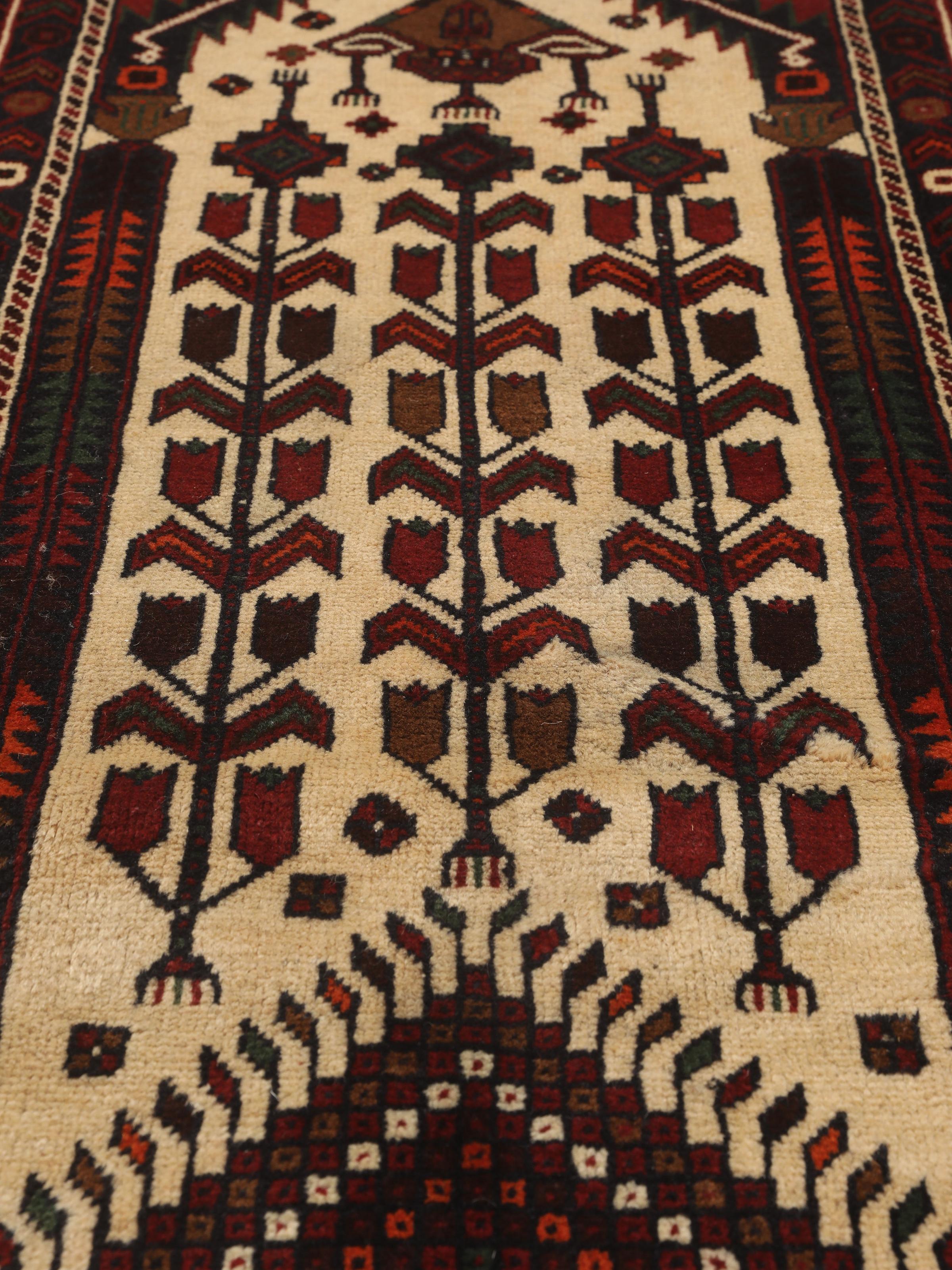
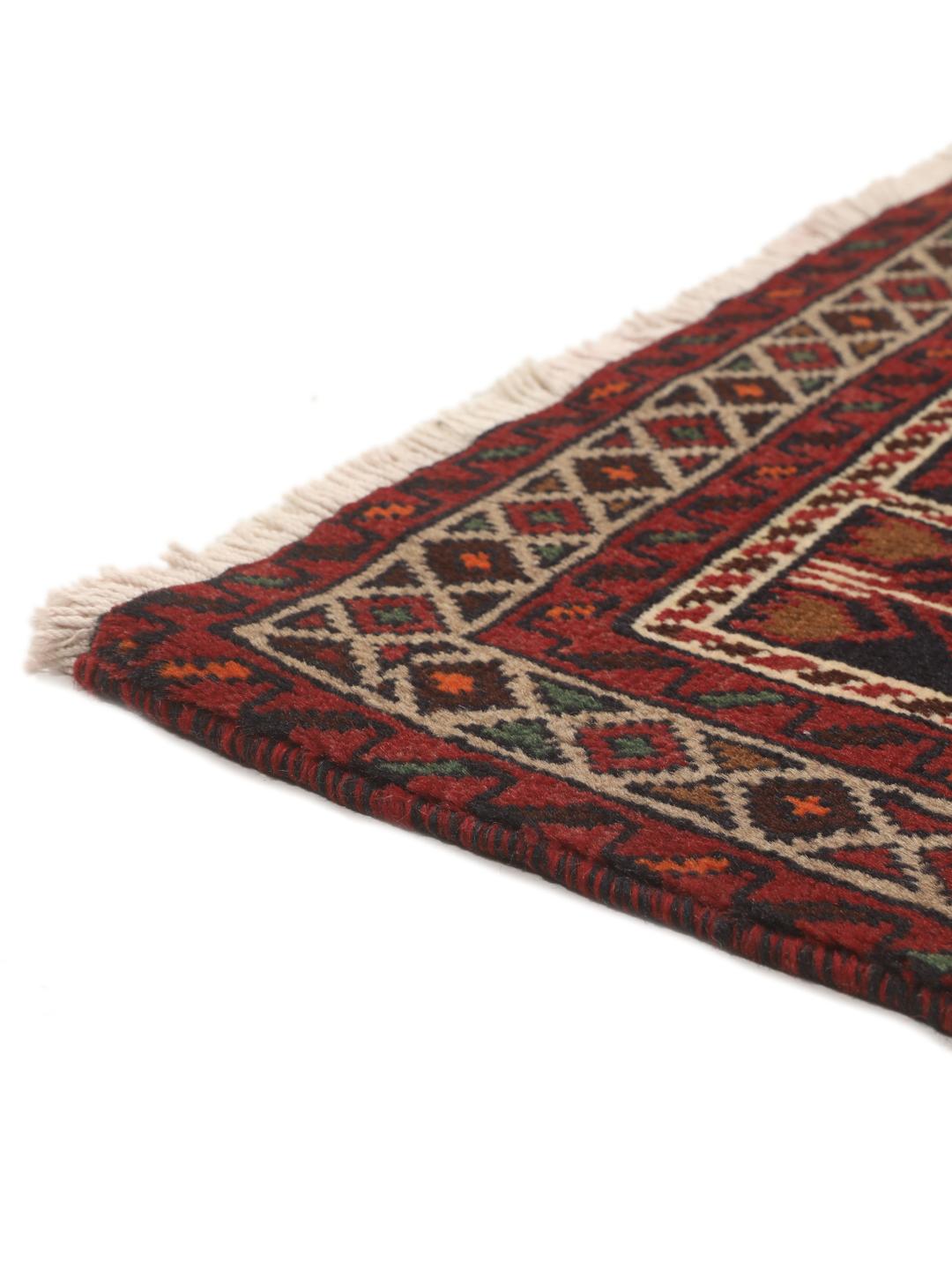
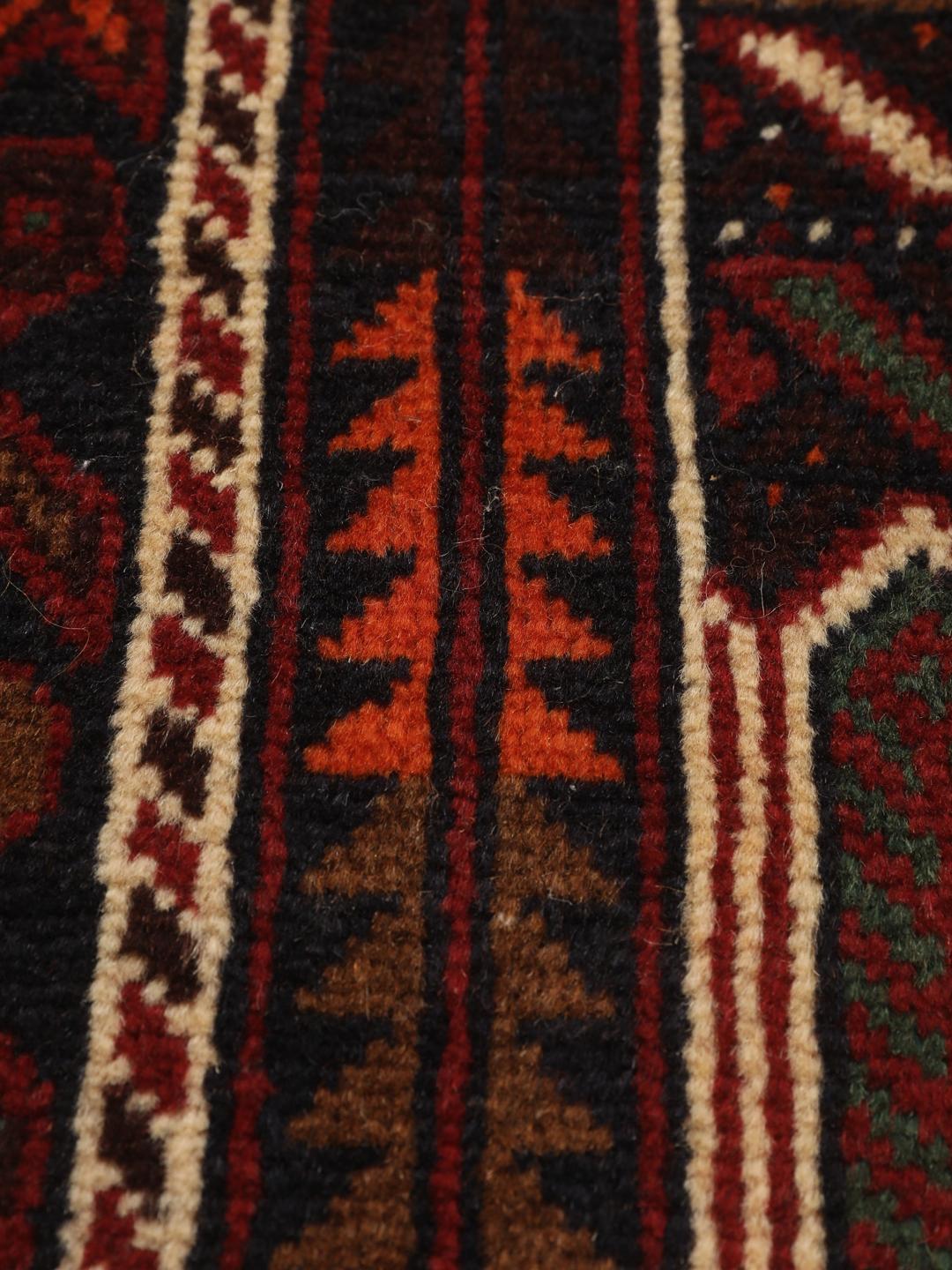
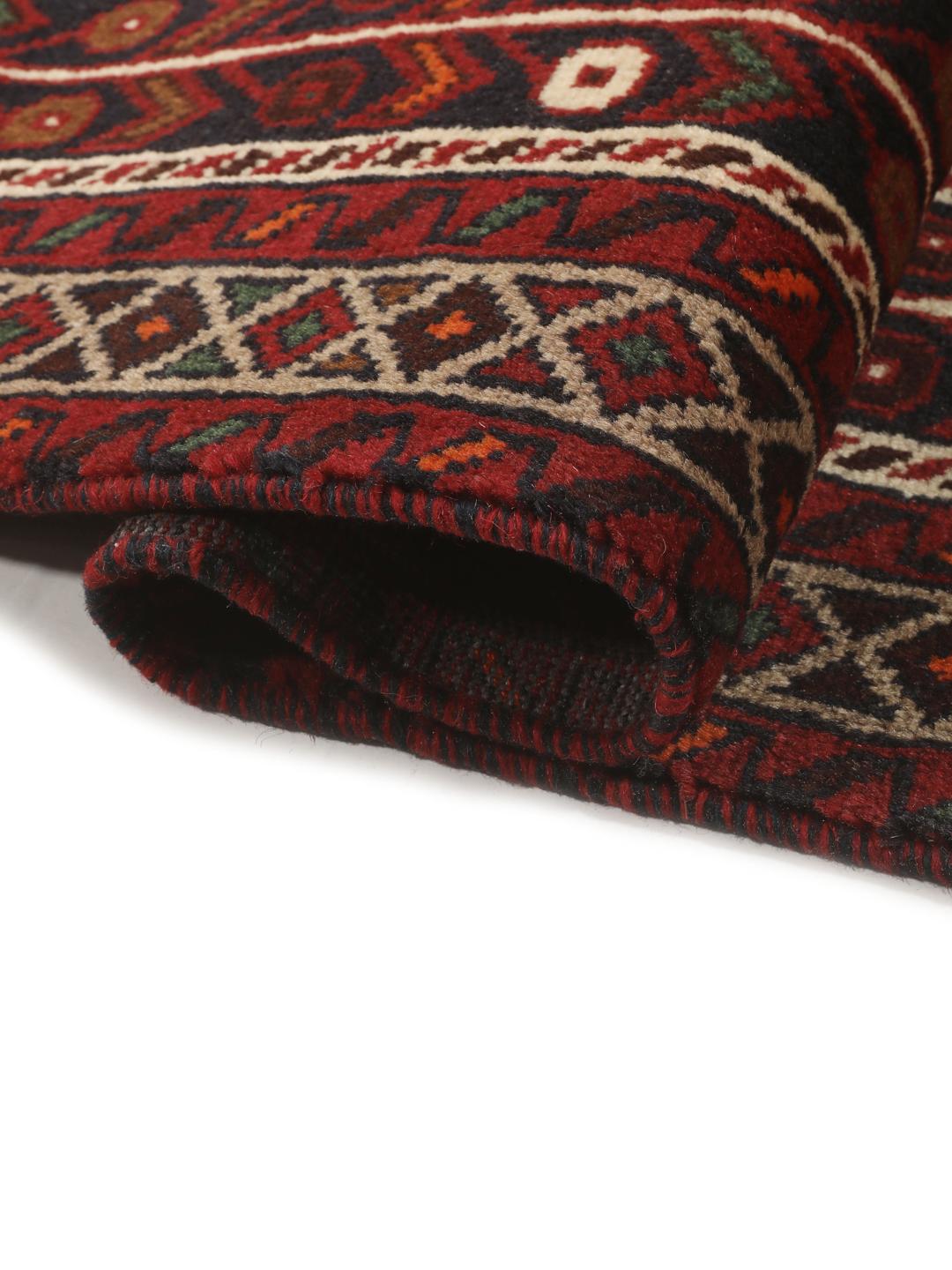
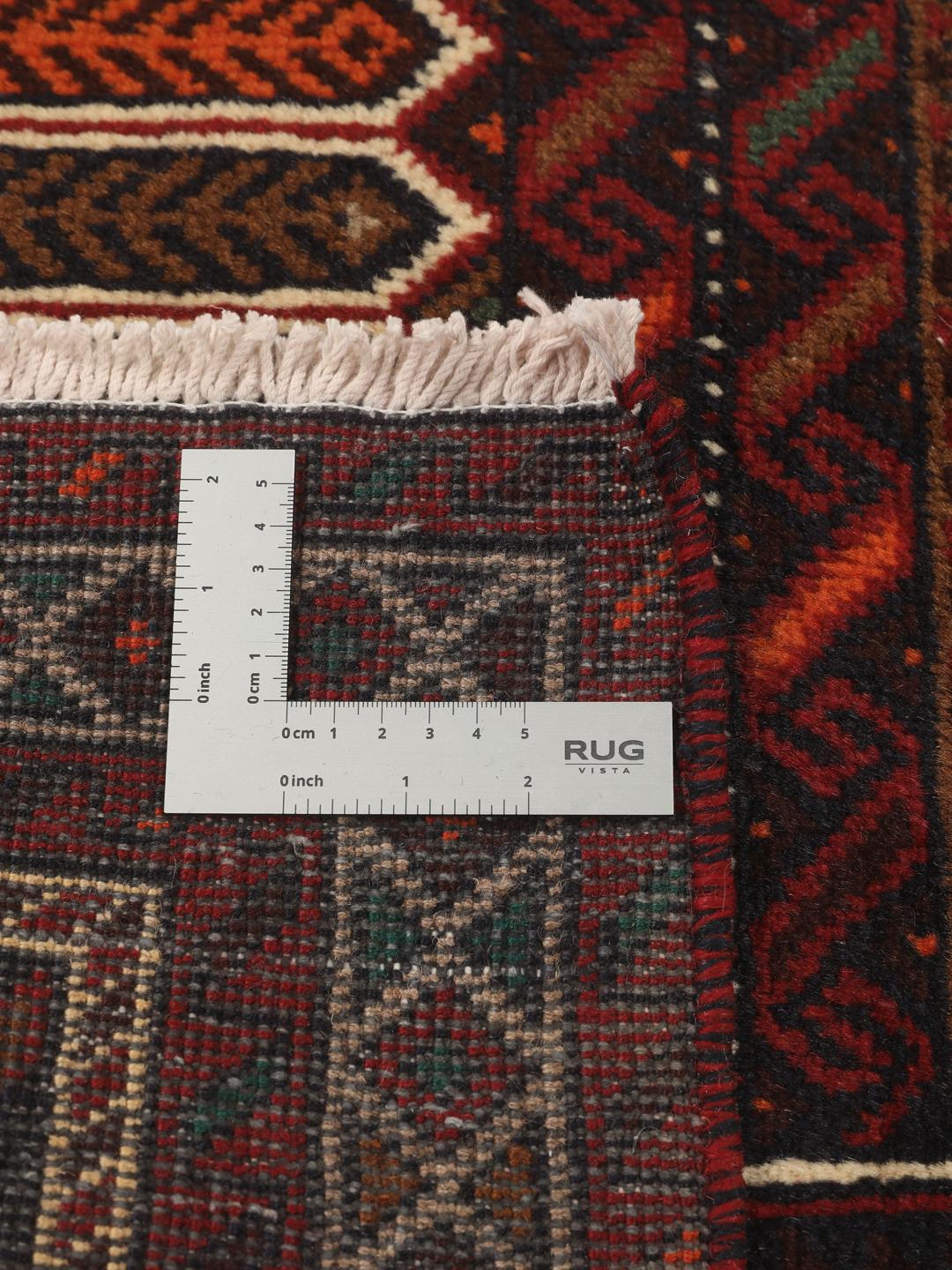
The term Baluch refers to the specific weaving tradition practised by these tribes, which is characterised by the use of high-quality, lustrous wool. This wool is often hand-spun and dyed using traditional methods, resulting in a rich, deep colour palette that ages beautifully over time. The construction is typically robust, designed to withstand the rigours of nomadic life, which translates into a durable and long-lasting product for the modern home.
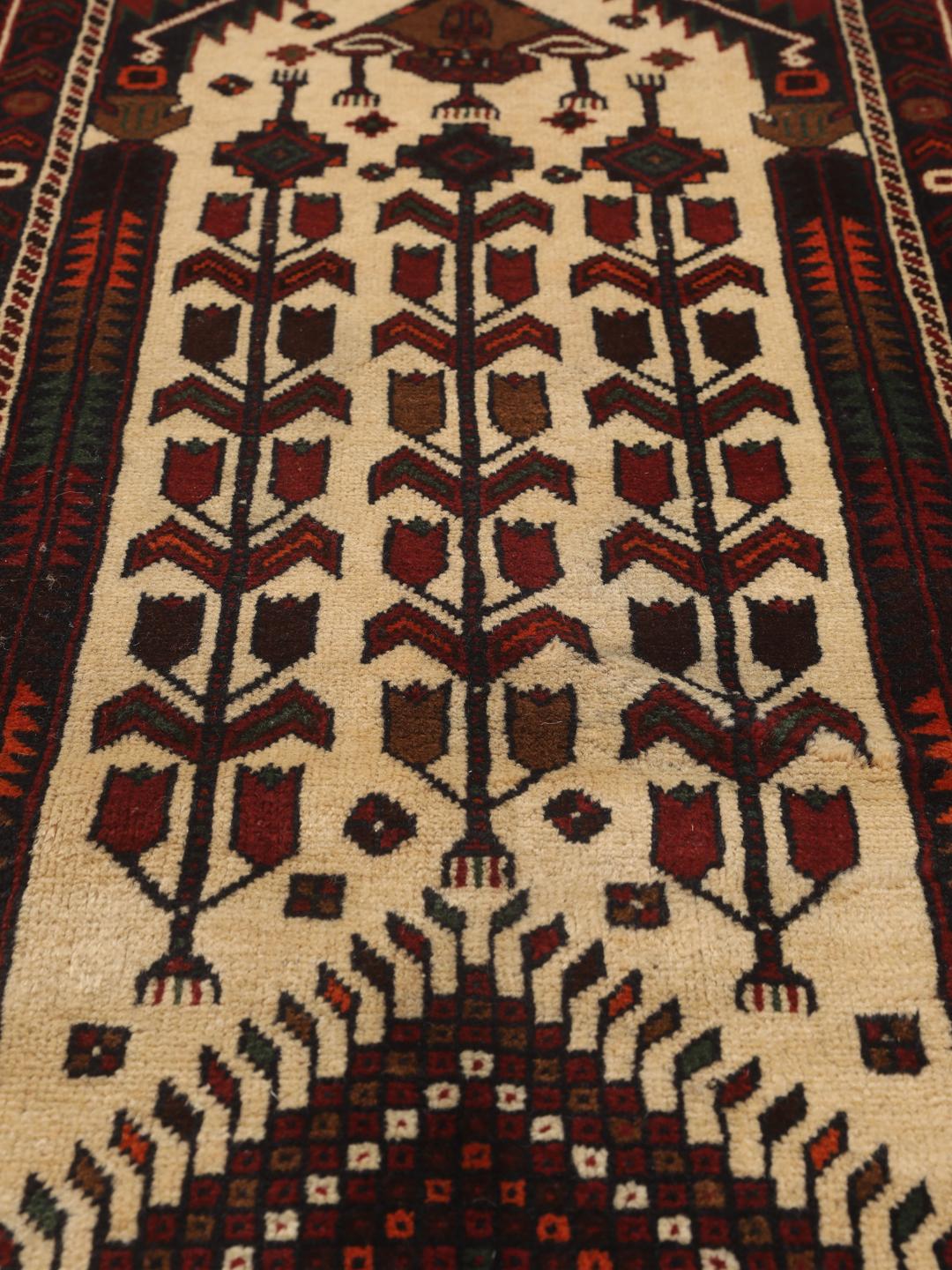
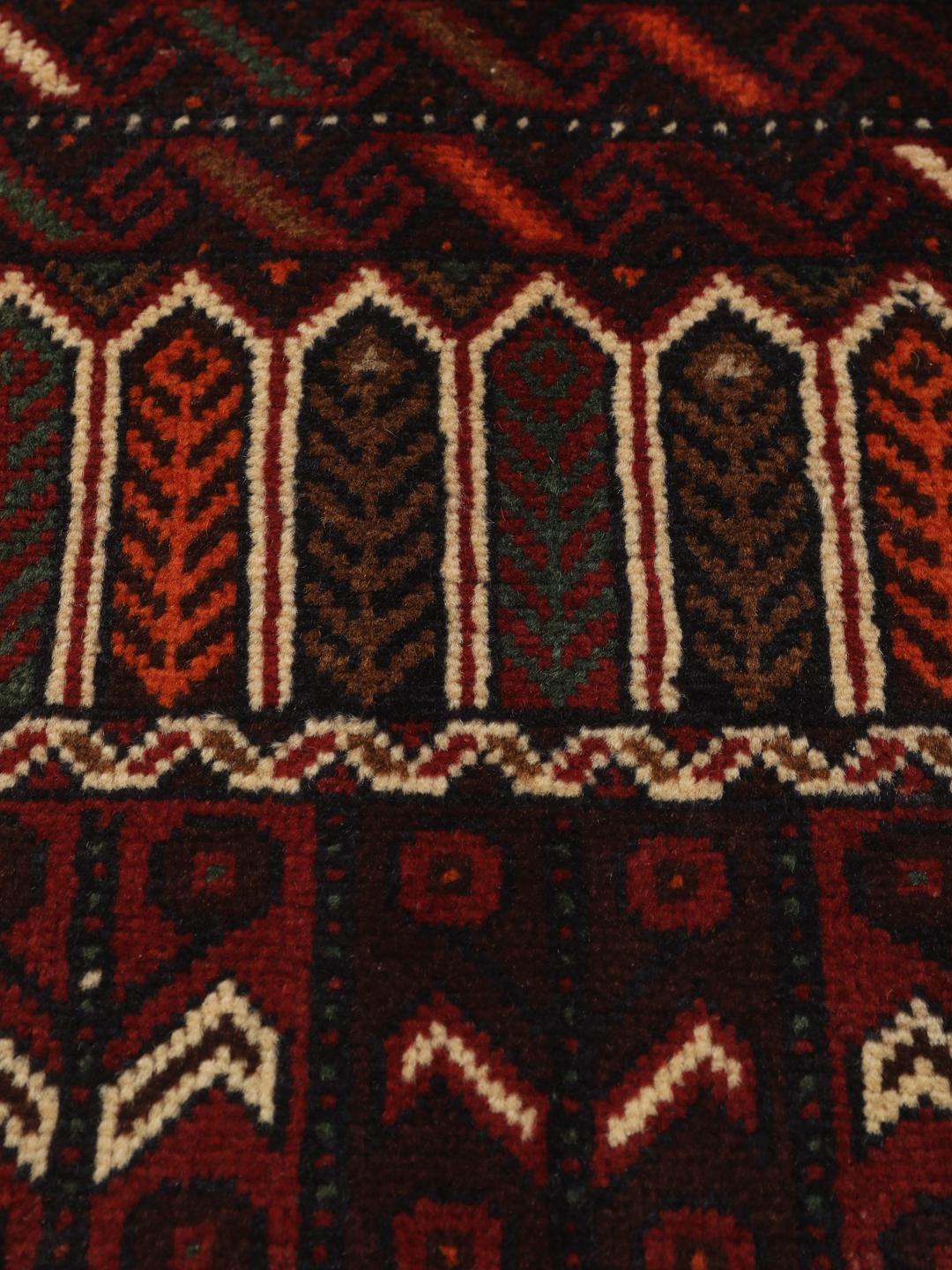
Signature design elements of Baluch rugs include geometric patterns and stylised floral or tree-of-life motifs, often framed by decorative borders. The use of dark-reds, browns, and cream tones is iconic to this tradition, creating a sense of warmth and depth. Often, the rugs incorporate subtle, symbolic motifs that reflect the weaver's environment and spiritual beliefs, making each piece a narrative document of tribal life.
Collectors value Baluch rugs for their authentic craftsmanship and the cultural weight they carry. Owning one is not merely about acquiring a floor covering; it is about preserving a piece of heritage that represents a specific time, place, and people. These rugs are highly sought after by those who appreciate the skill required to create such intricate, hand-made designs, serving as a bridge between ancient traditions and contemporary interior design.