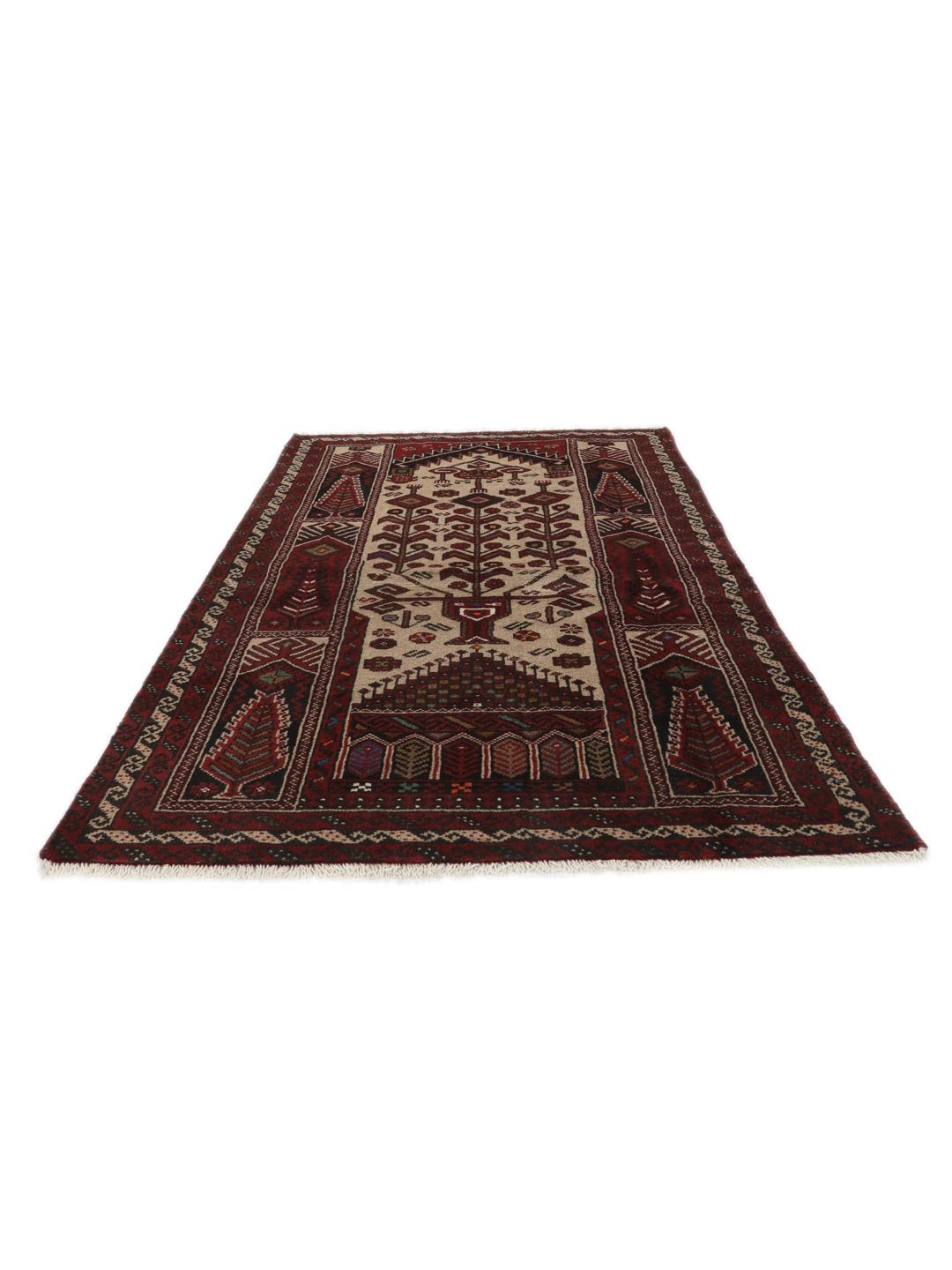
The Beluch rug tradition originates from the nomadic tribes of the Baluchistan region, which spans parts of the Middle East. These weavers have historically travelled across vast, arid landscapes, developing a unique style of rug-making that reflects their environment and cultural identity. The art form has been passed down through generations, with each tribe imbuing their work with specific tribal identifiers.
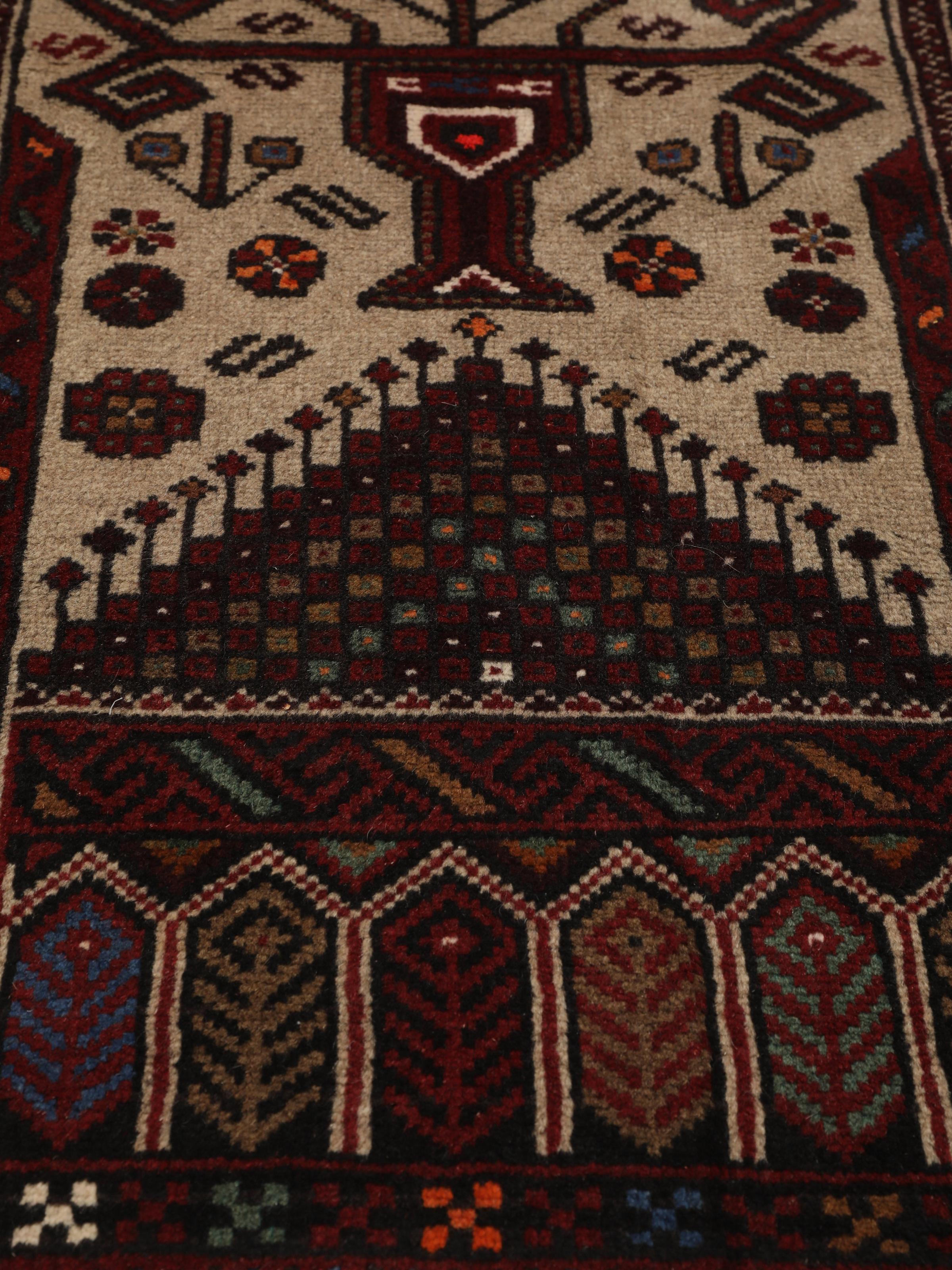
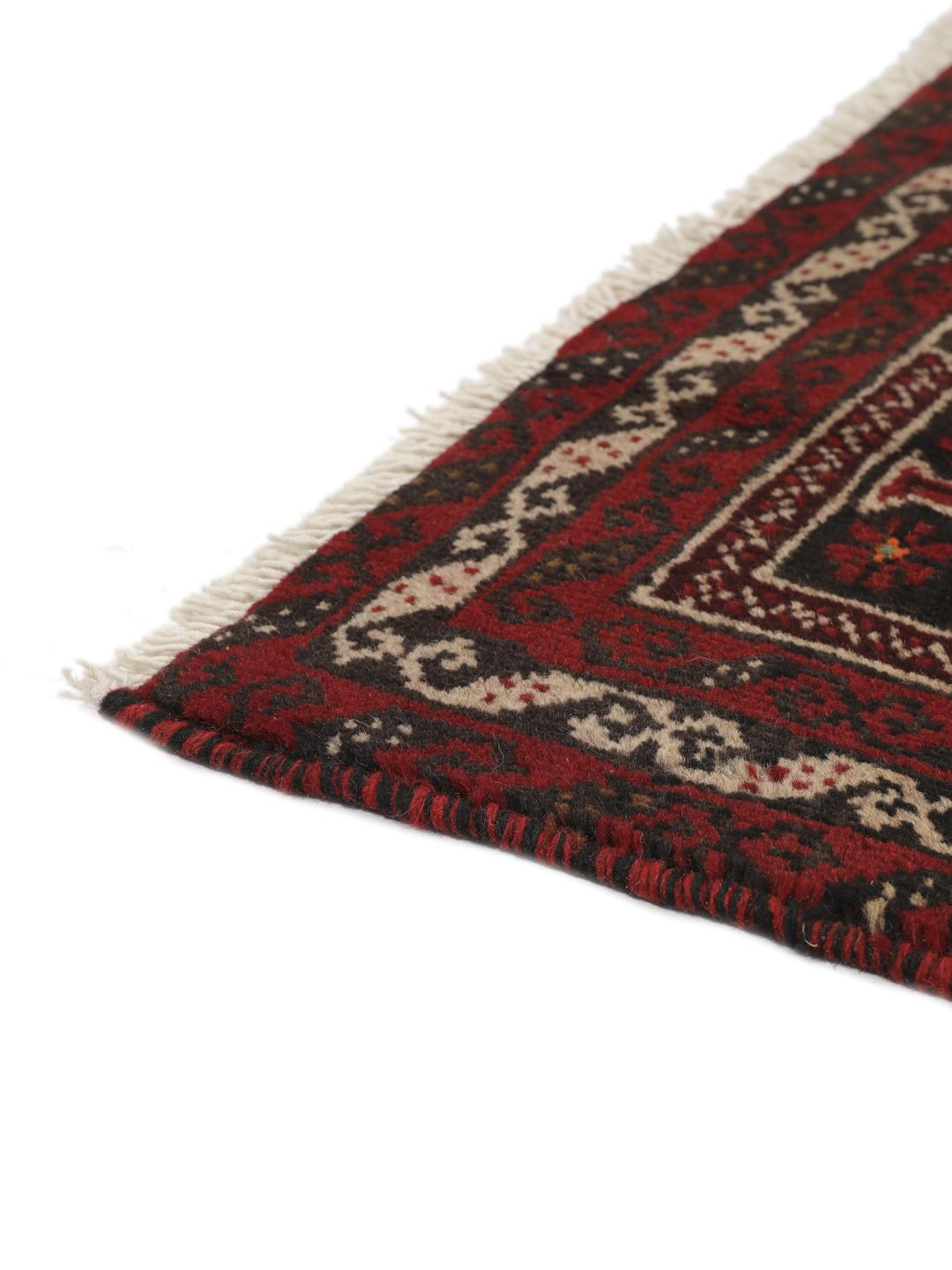
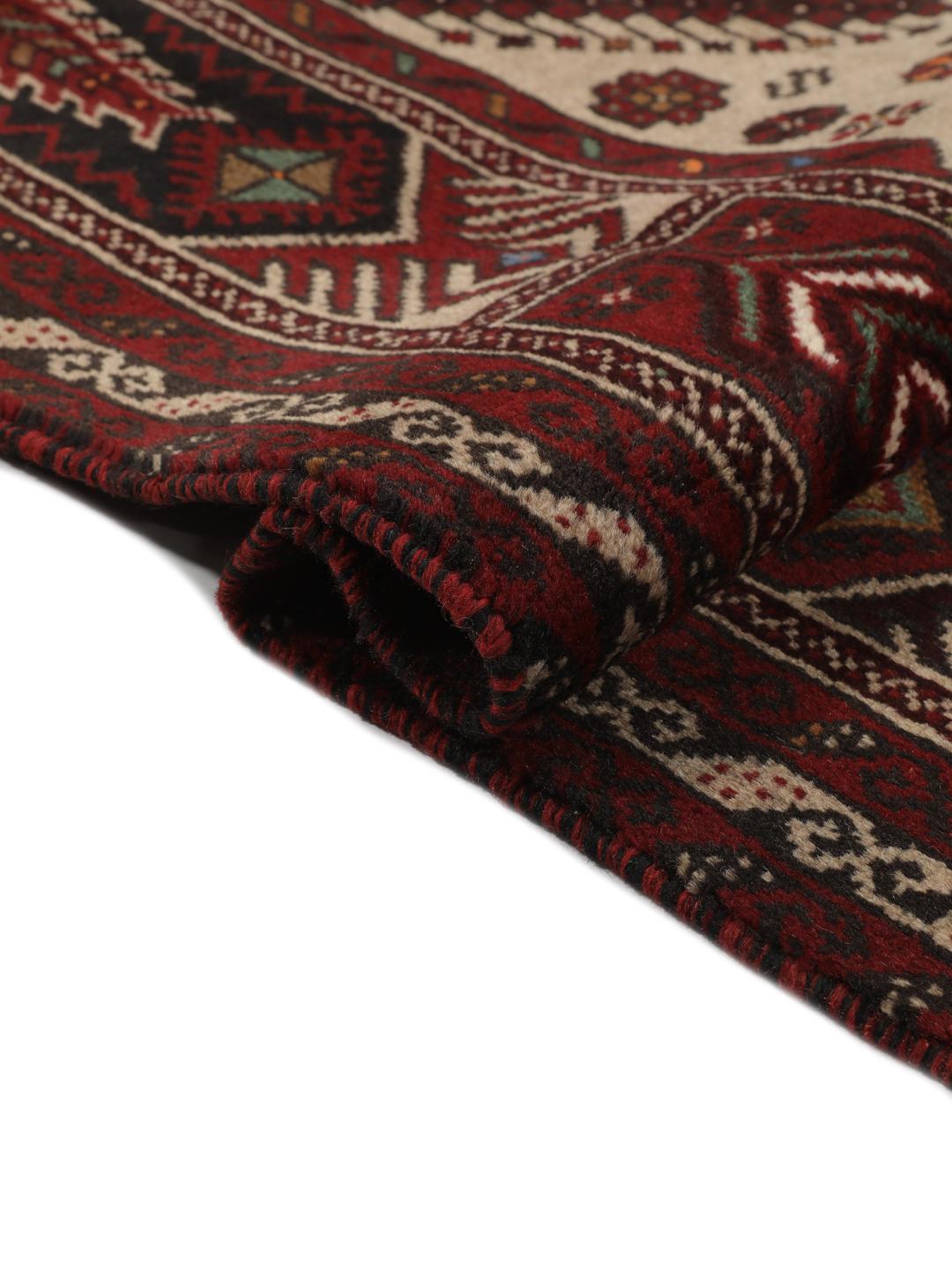
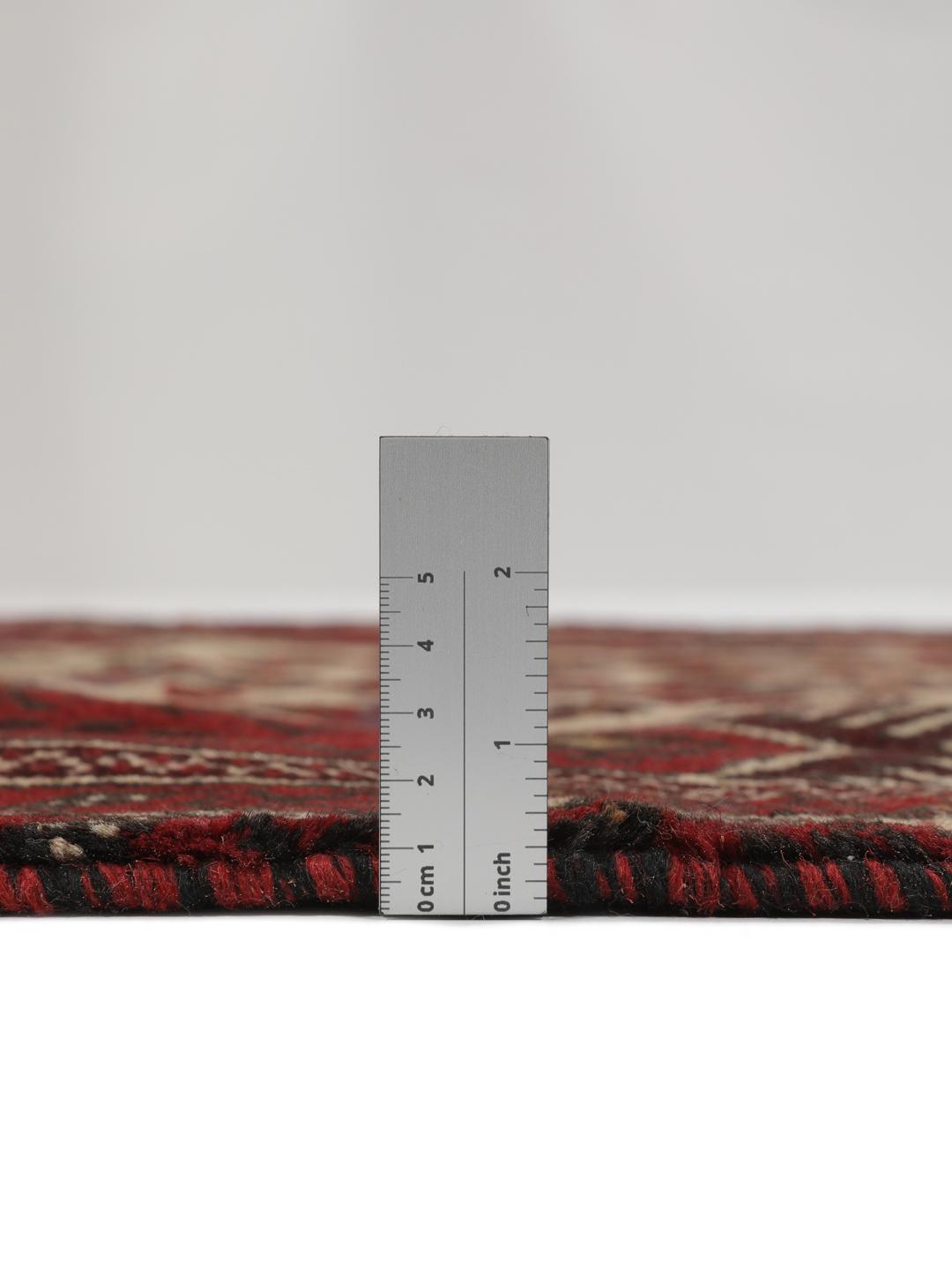
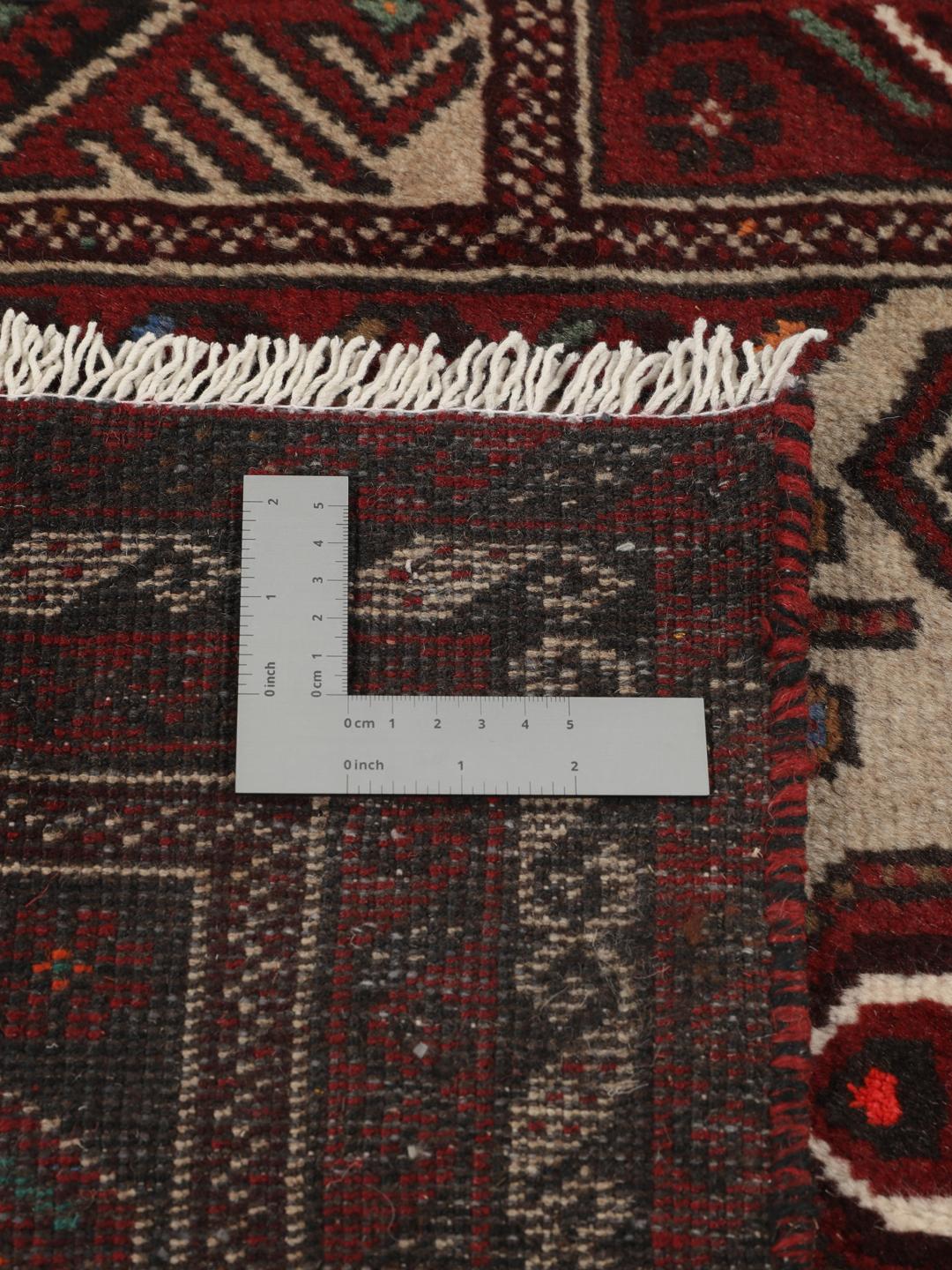
The term 'Beluch' refers to these distinct tribal styles, which are celebrated for their use of high-quality wool. The wool is often spun to create a durable, lustrous pile that is well-suited to the demands of nomadic life. This construction technique results in a rug that is both functional and aesthetically rich, capable of retaining its deep, saturated colours for decades.
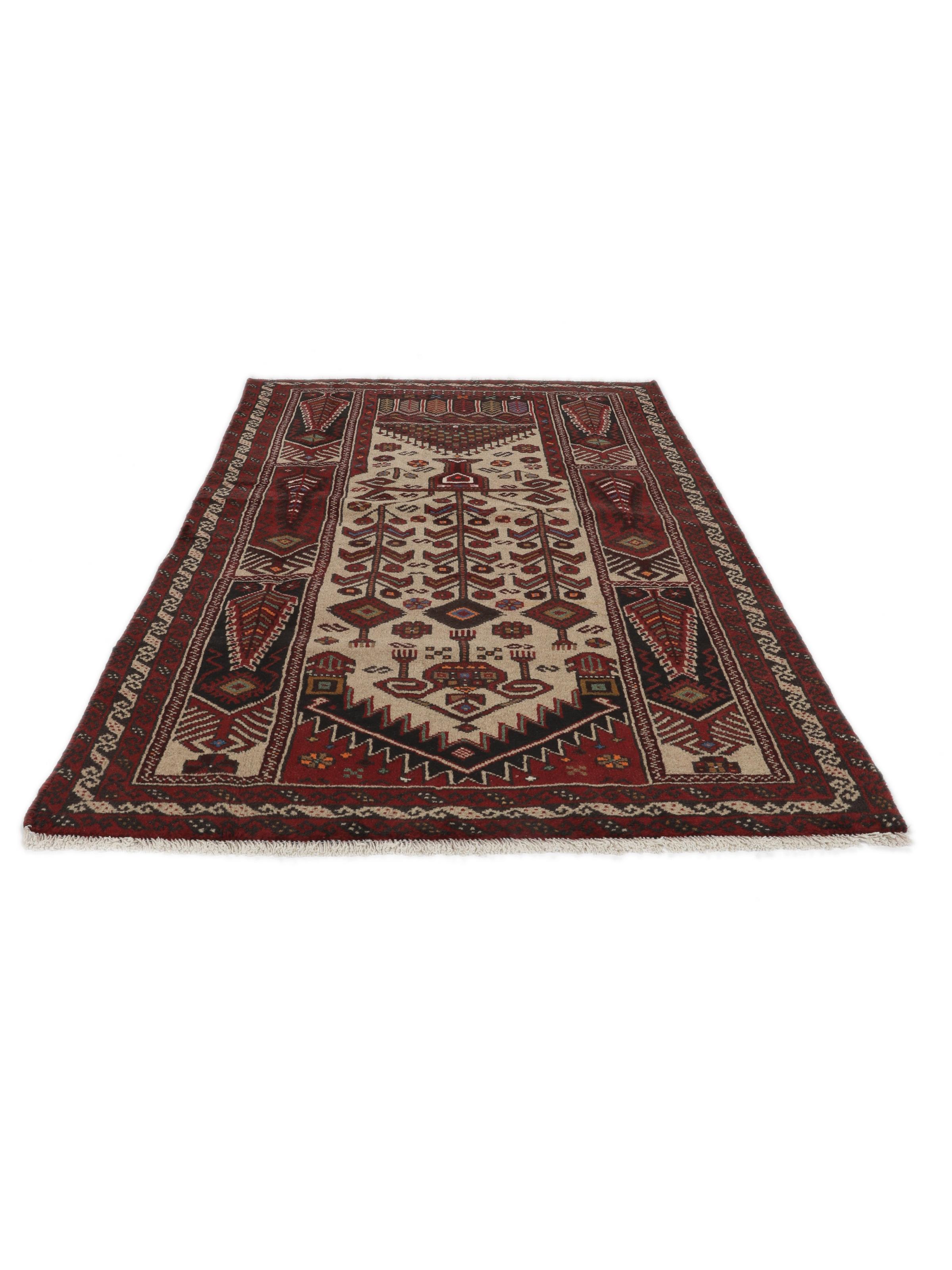
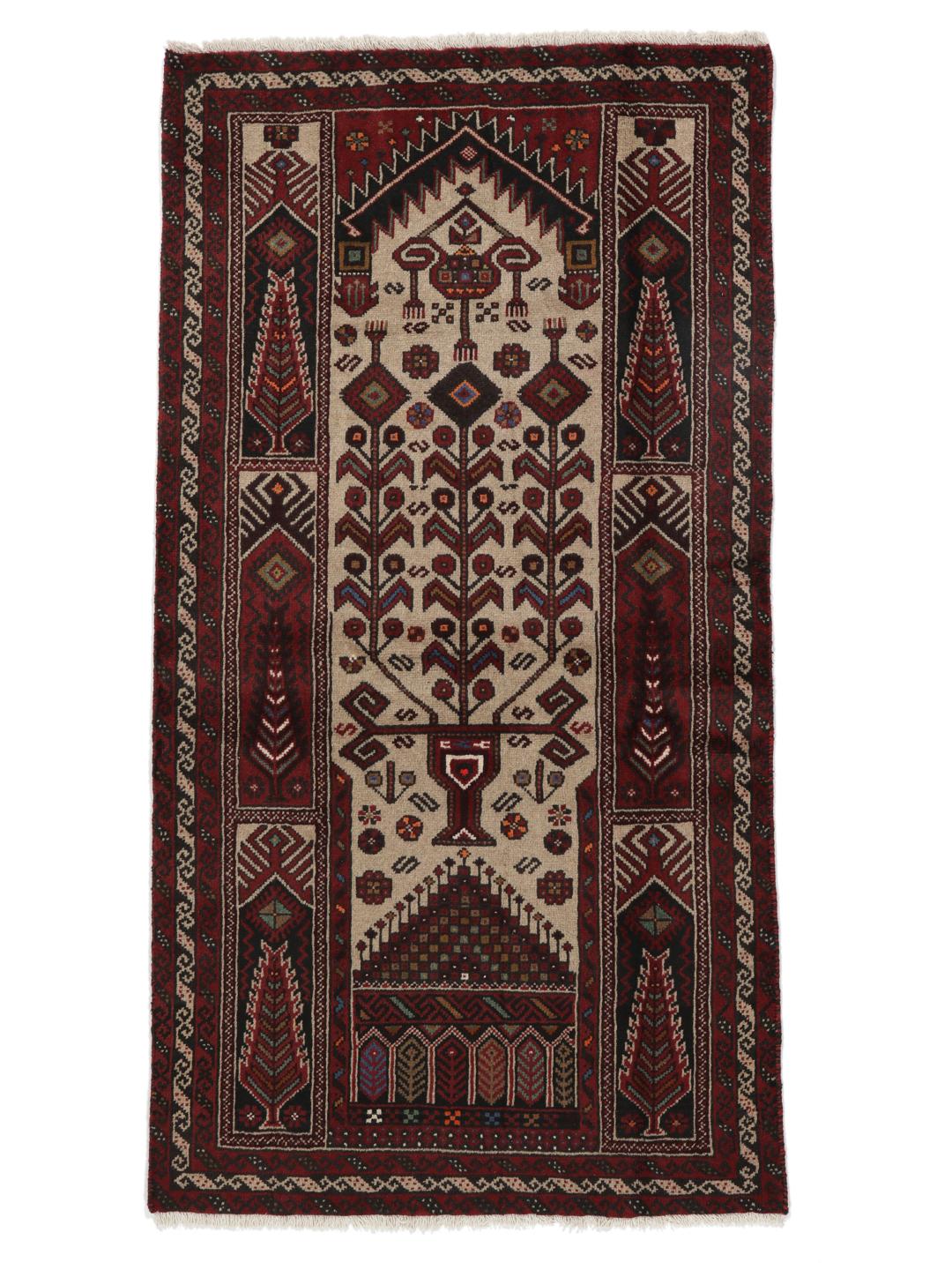
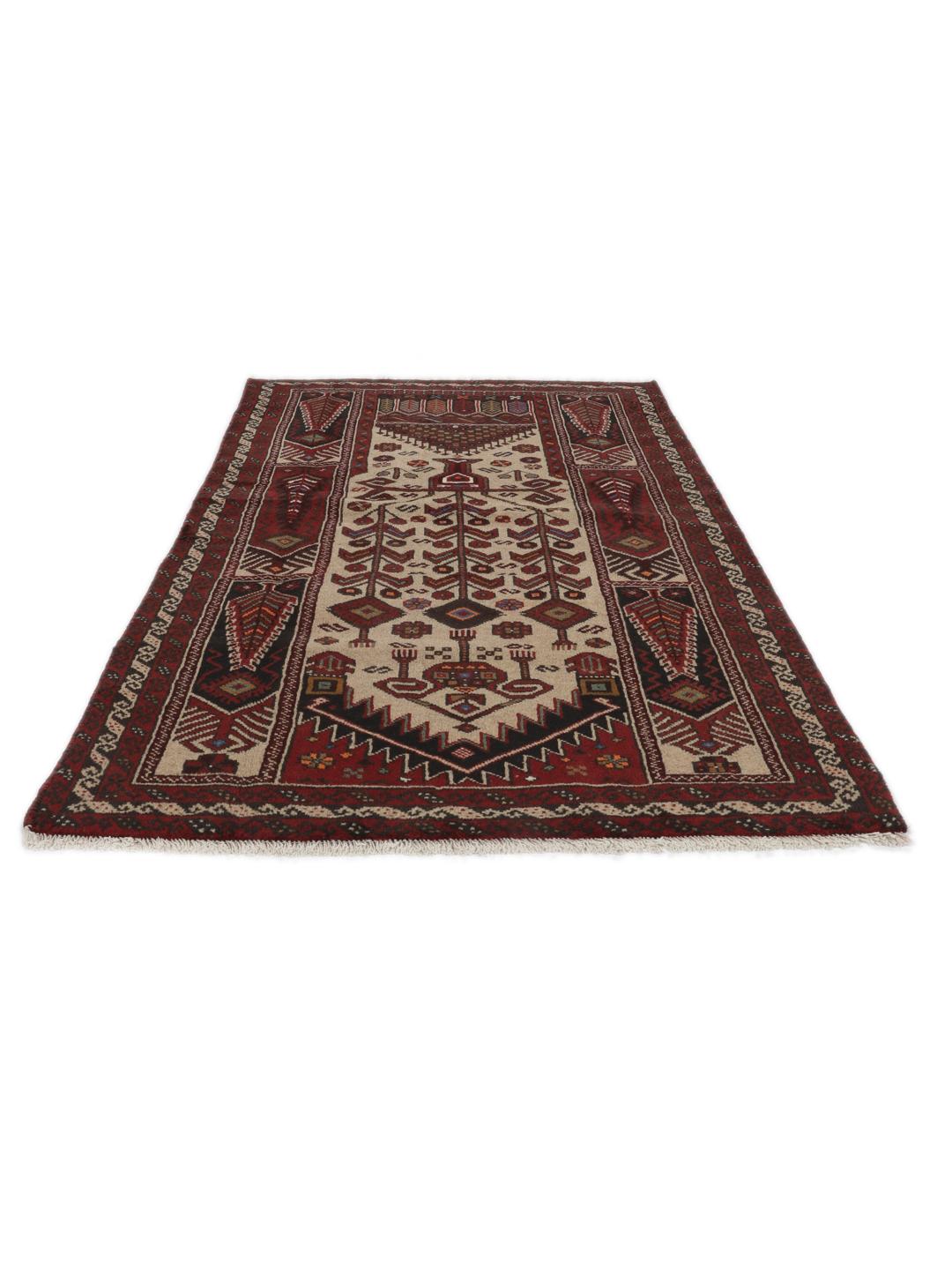
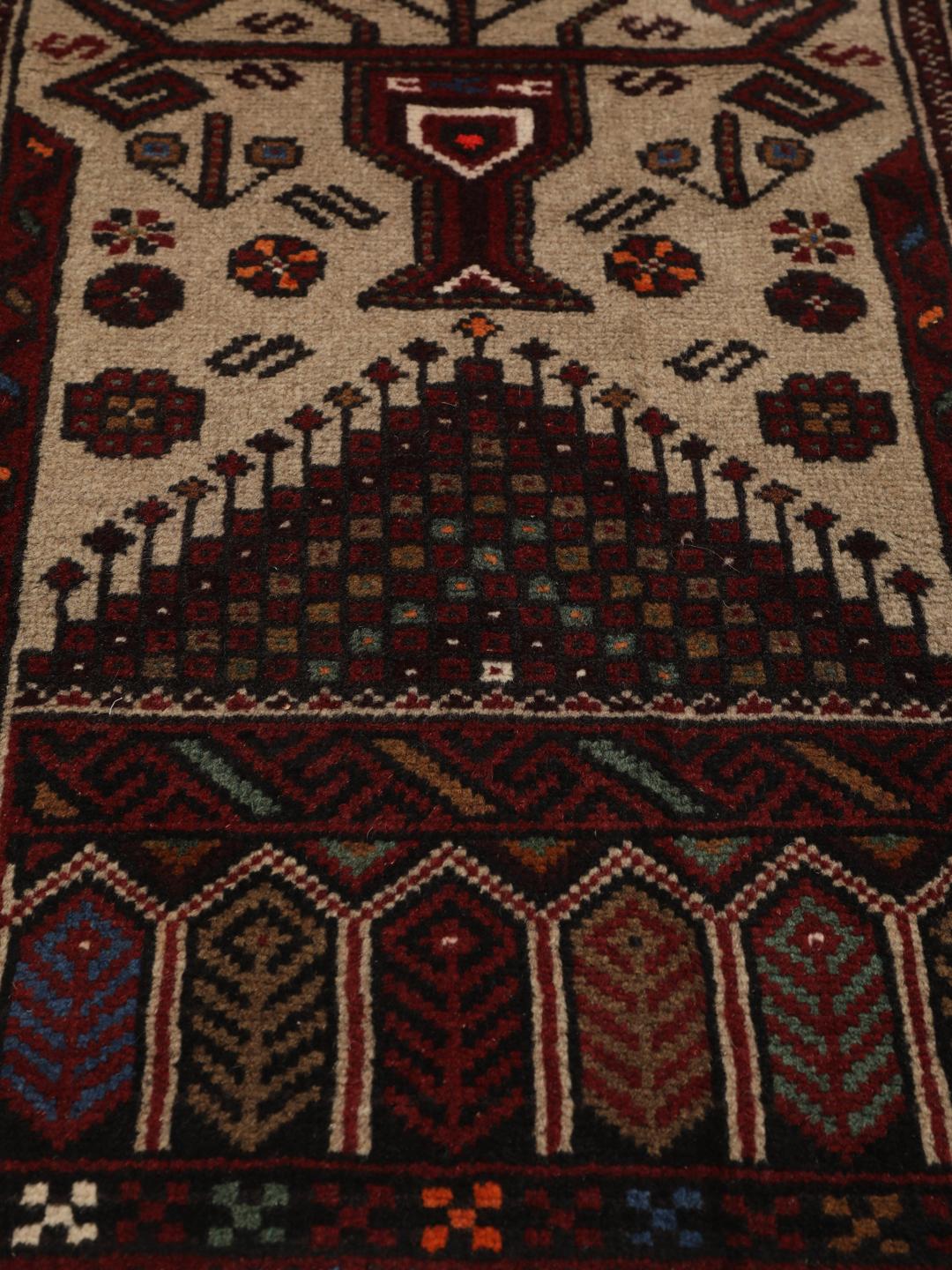
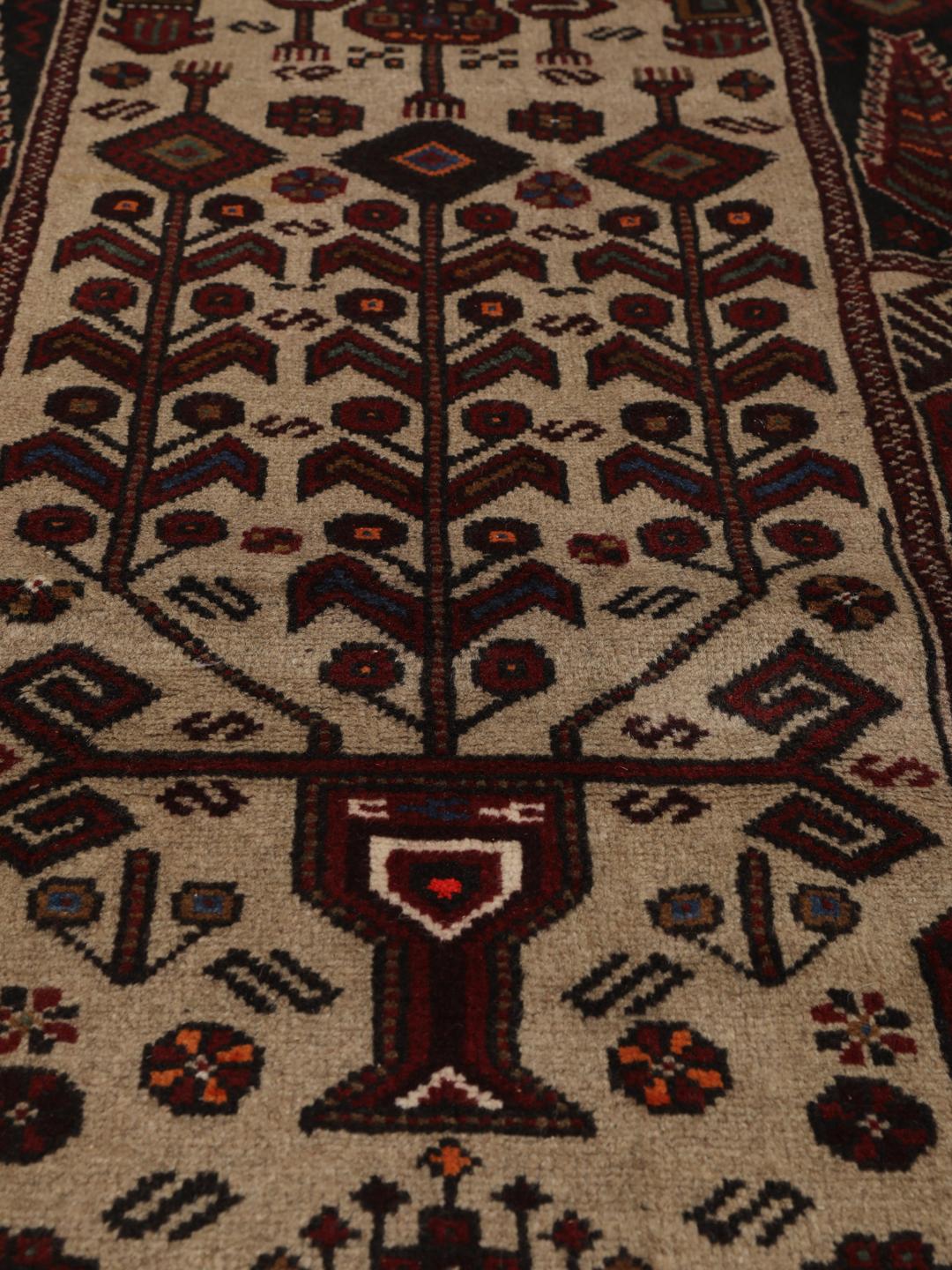
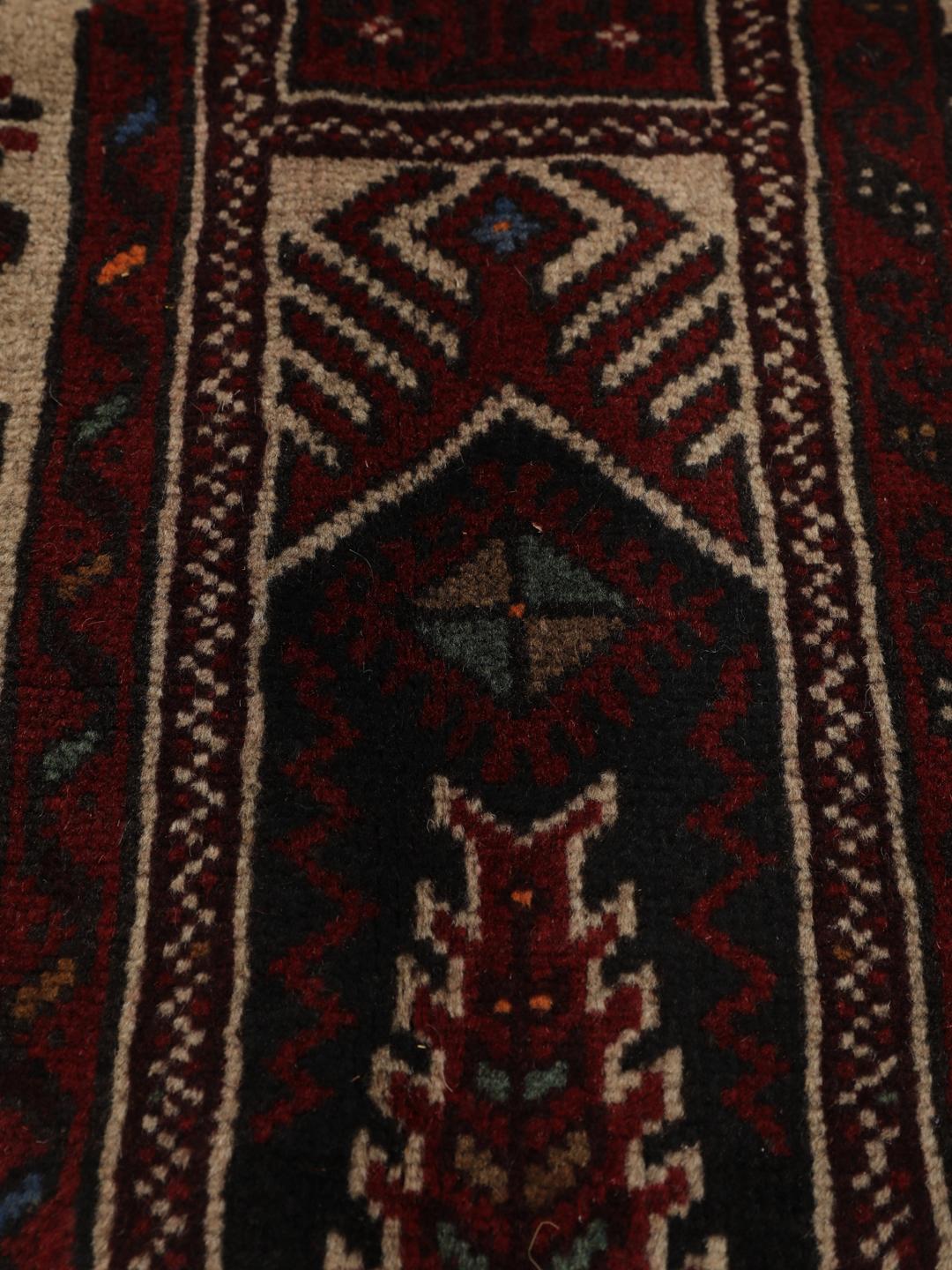
Visually, these rugs are known for their geometric precision and the use of symbolic motifs, often including stylized trees of life, prayer arches, and complex borders. The colour palette is typically deep and earthy, dominated by rich reds, dark browns, and soft beiges, which are traditionally derived from natural dyes. This specific rug features a balanced, harmonious composition that highlights the weaver's mastery of symmetry and detail.
Today, these rugs are highly sought after by collectors who value the authenticity and human element present in every piece. Owning a Beluch rug means preserving a piece of cultural heritage that has survived the transition from nomadic life to modern homes. It is a testament to the enduring skill of the artisans and the timeless appeal of traditional, hand-crafted design.