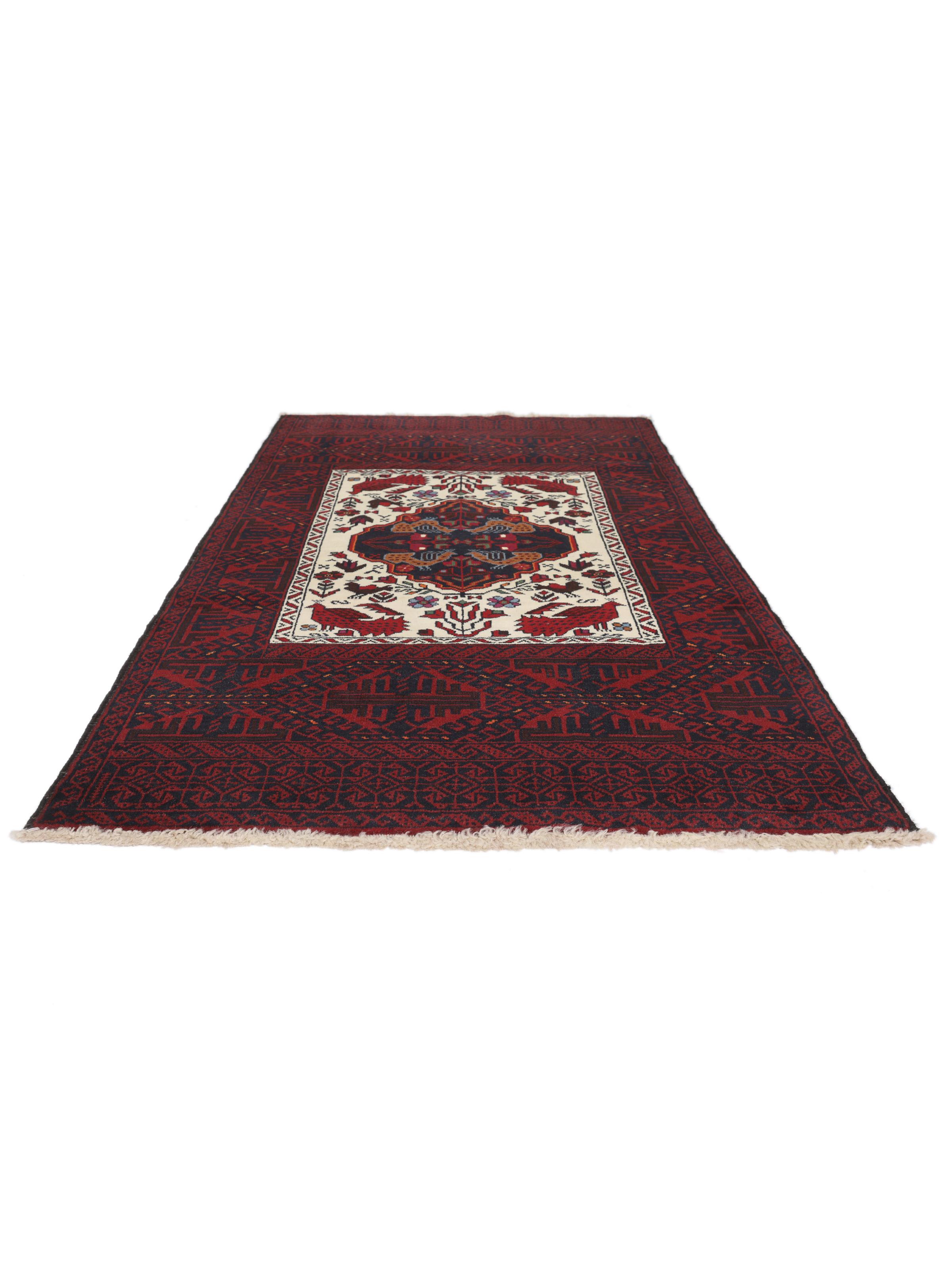
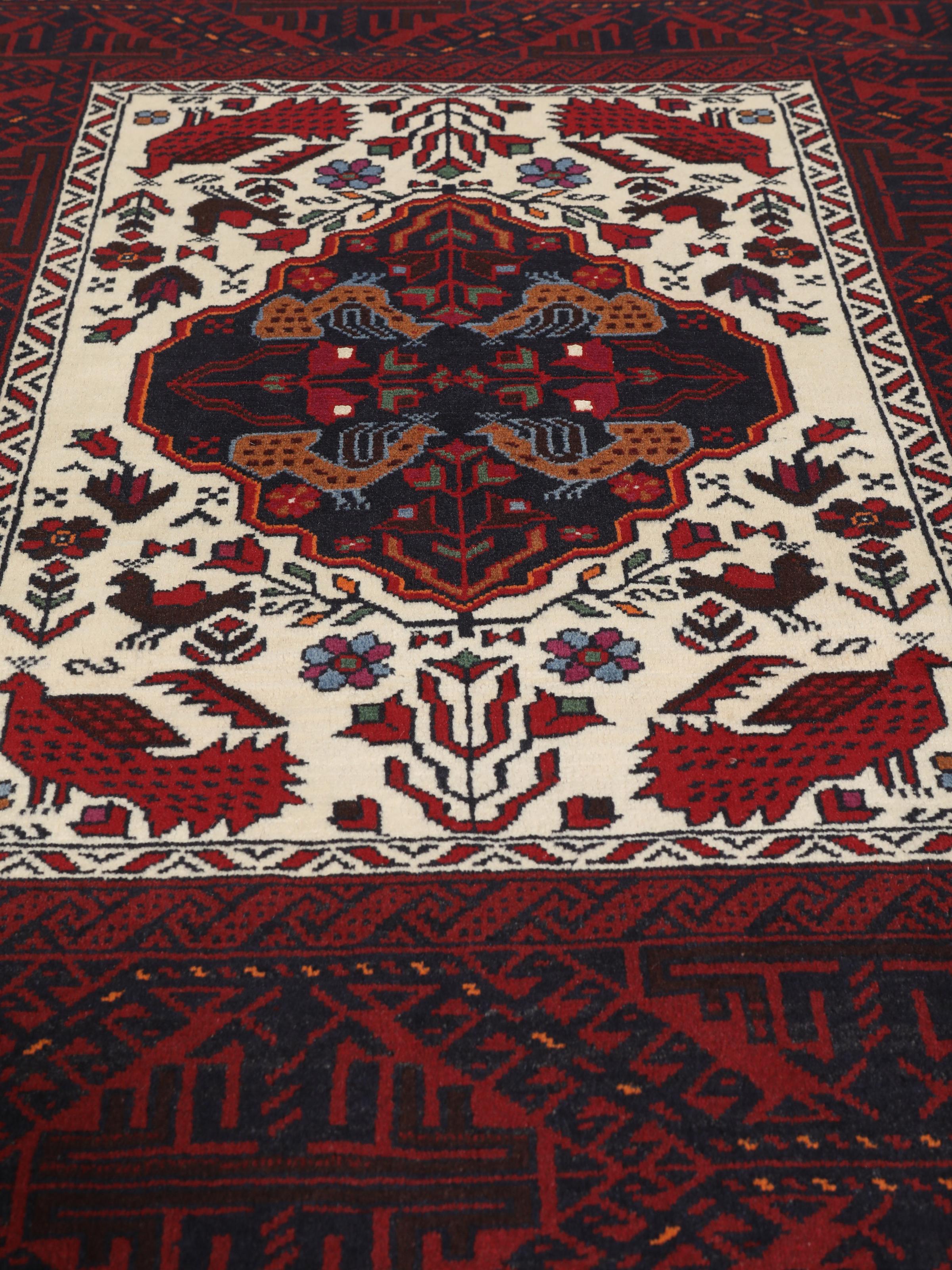
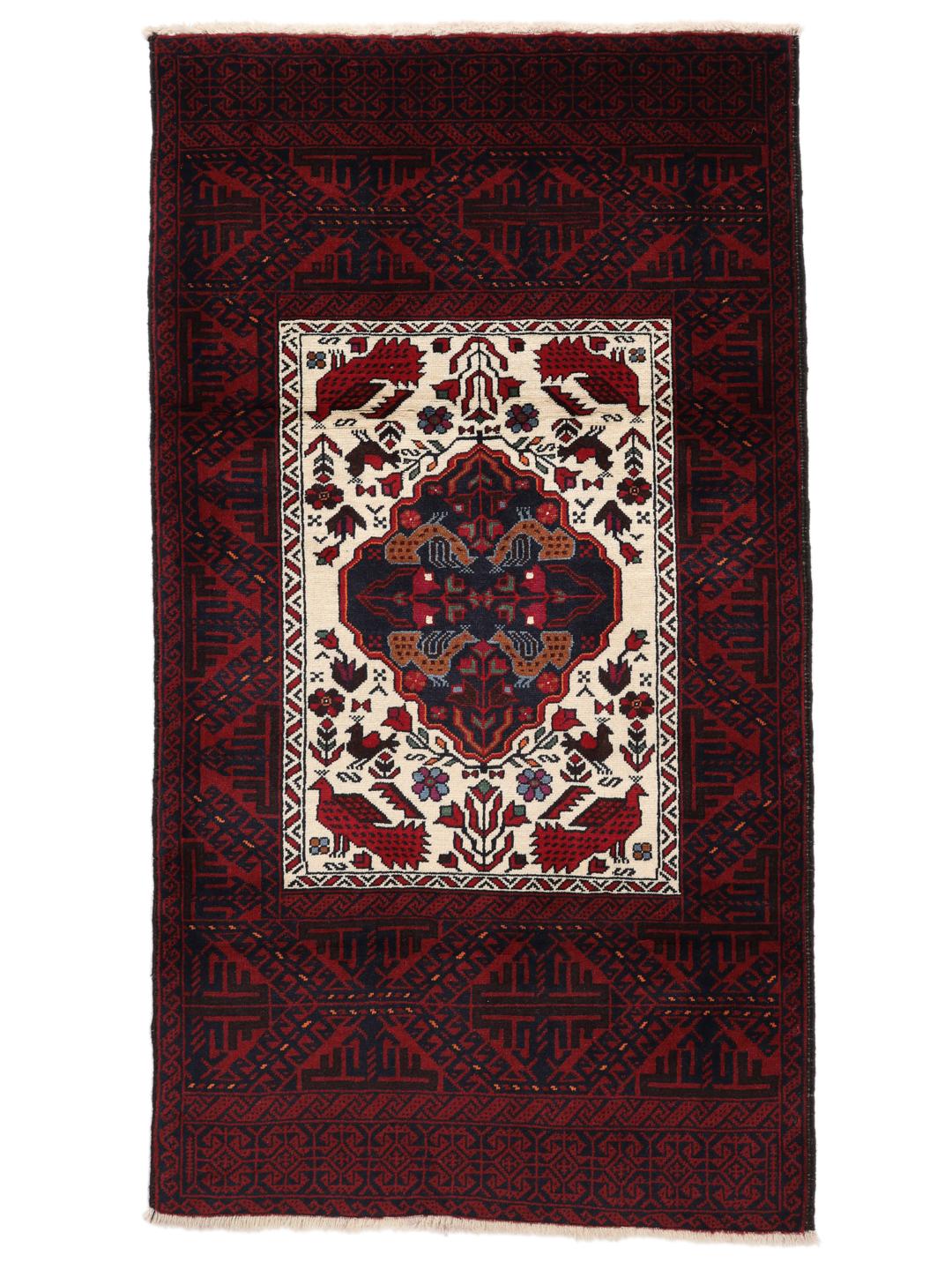
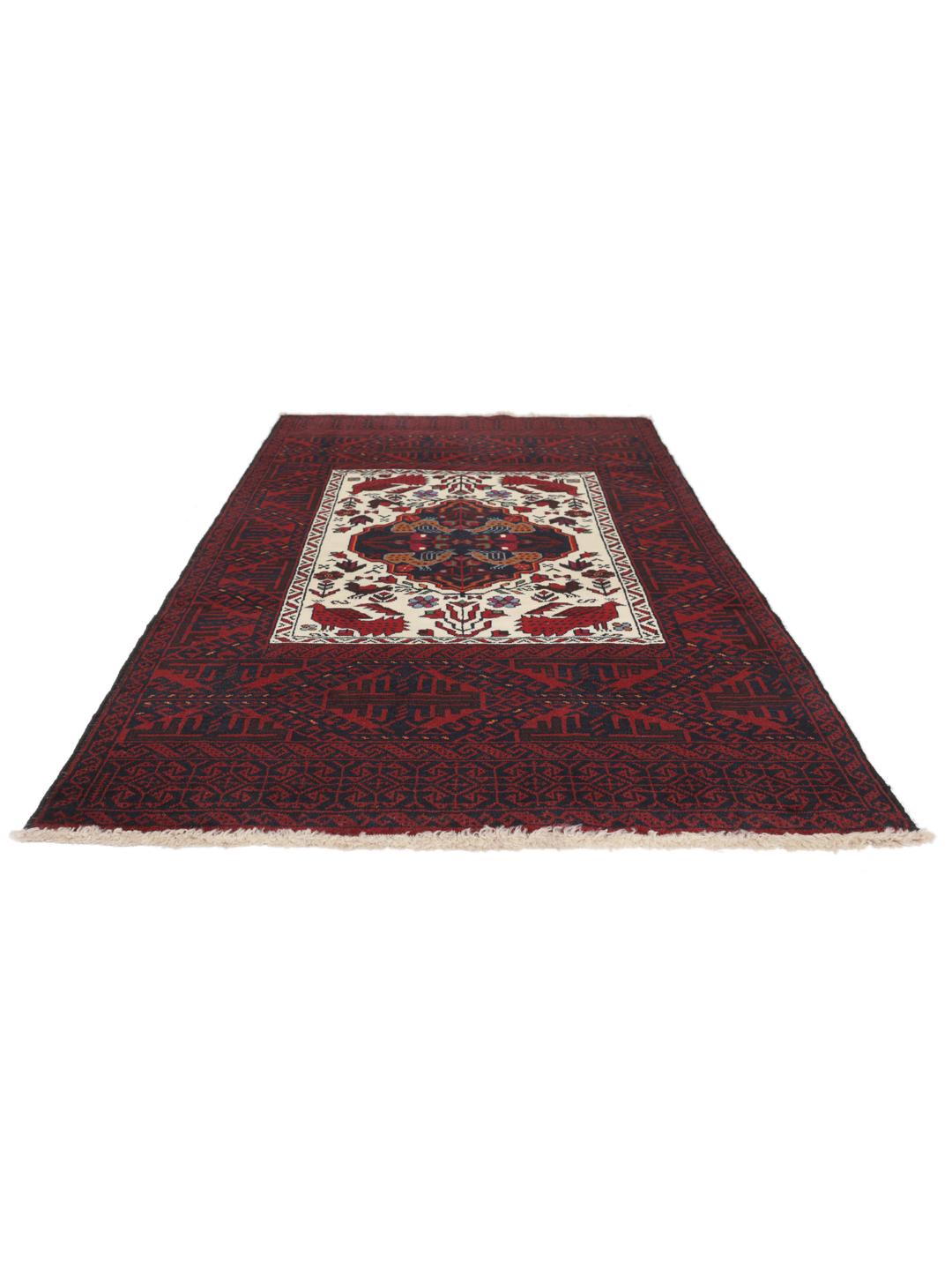
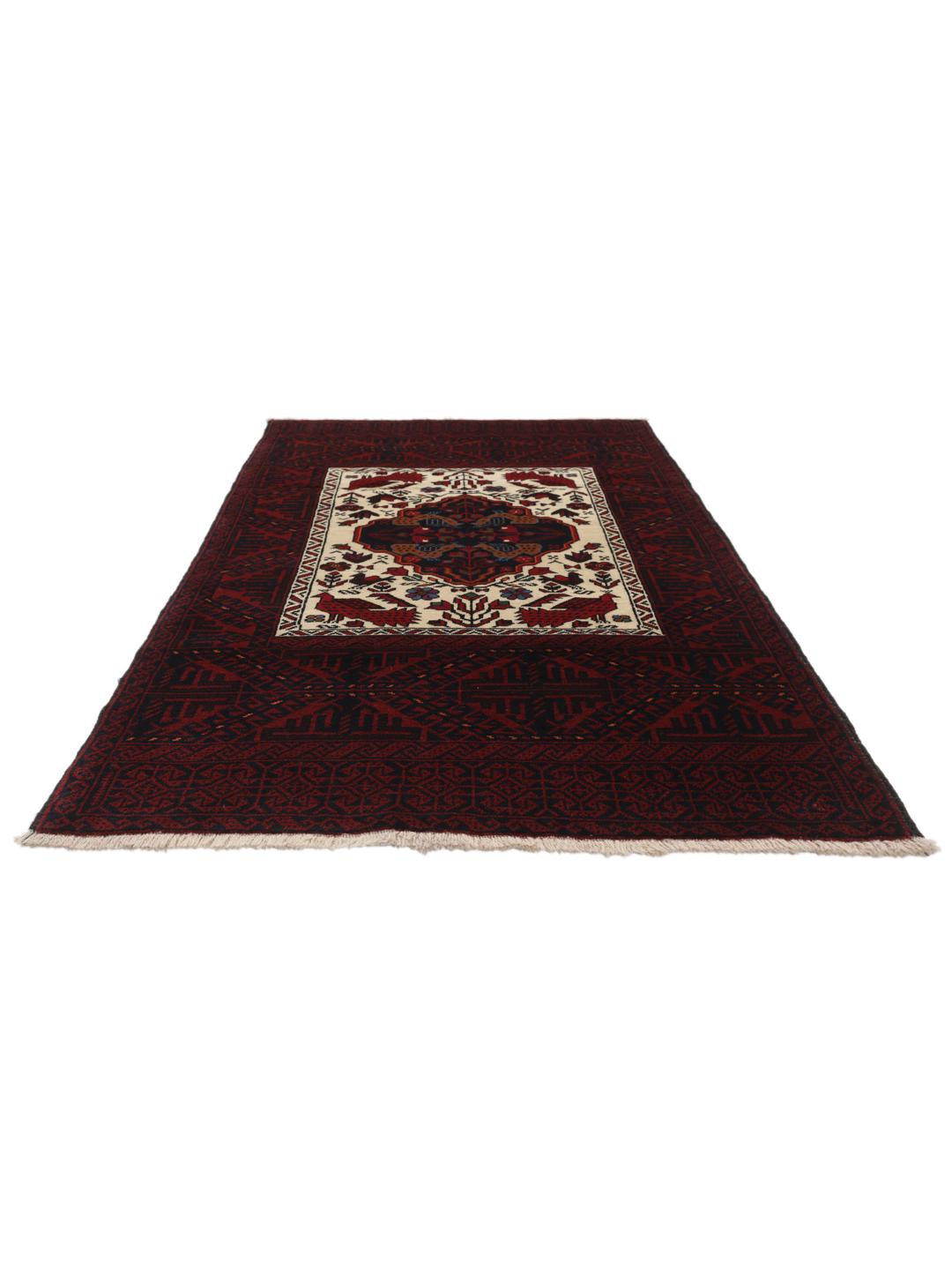
The Baluch rugs originate from the nomadic and semi-nomadic tribes inhabiting the border regions of the Middle East. These rugs are deeply connected to a lifestyle of movement and adaptation, where weaving was not merely a trade but a vital form of storytelling and cultural expression. The designs often reflect the surroundings of the weavers and the ancient motifs passed down through their lineage.
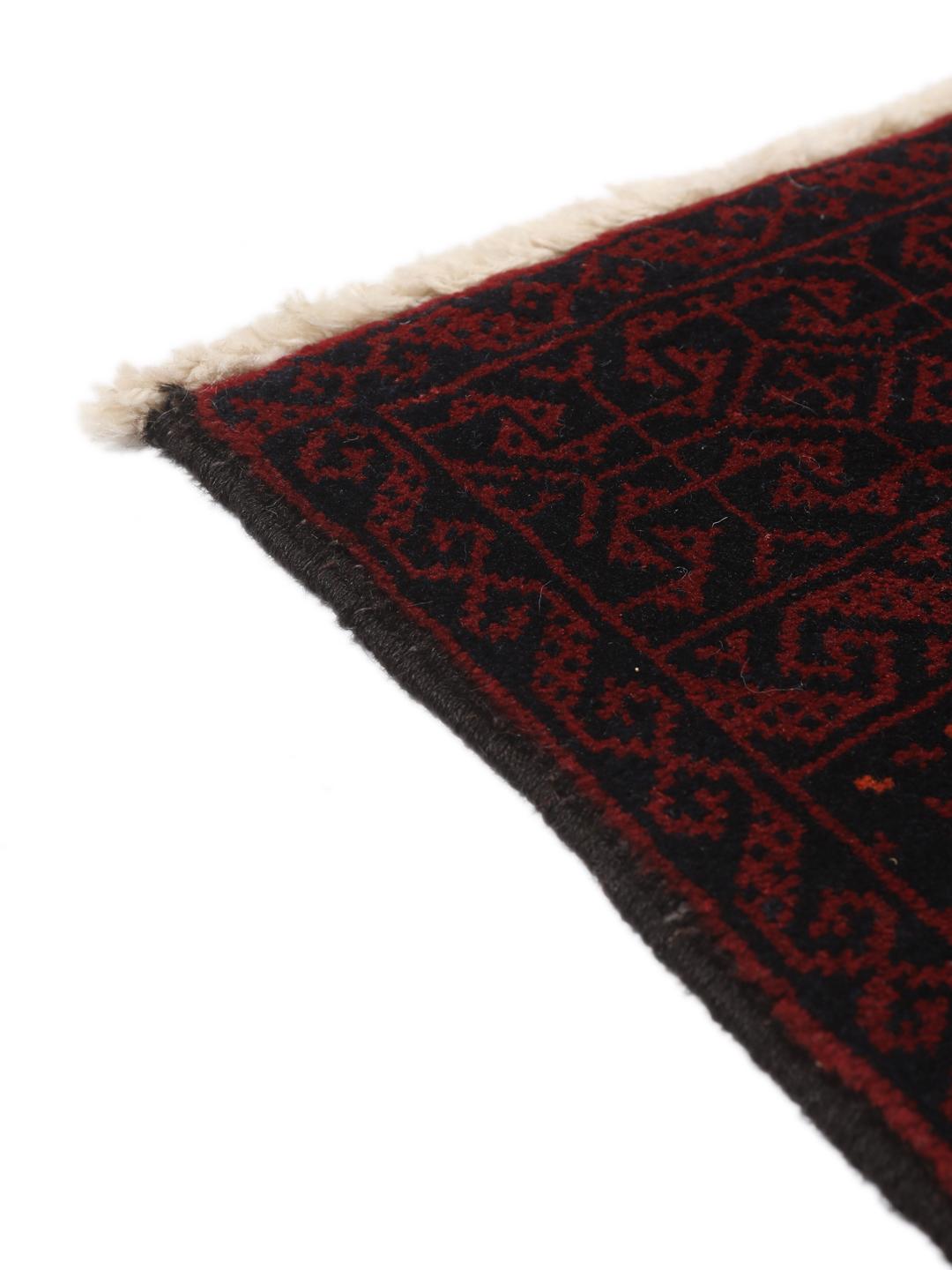
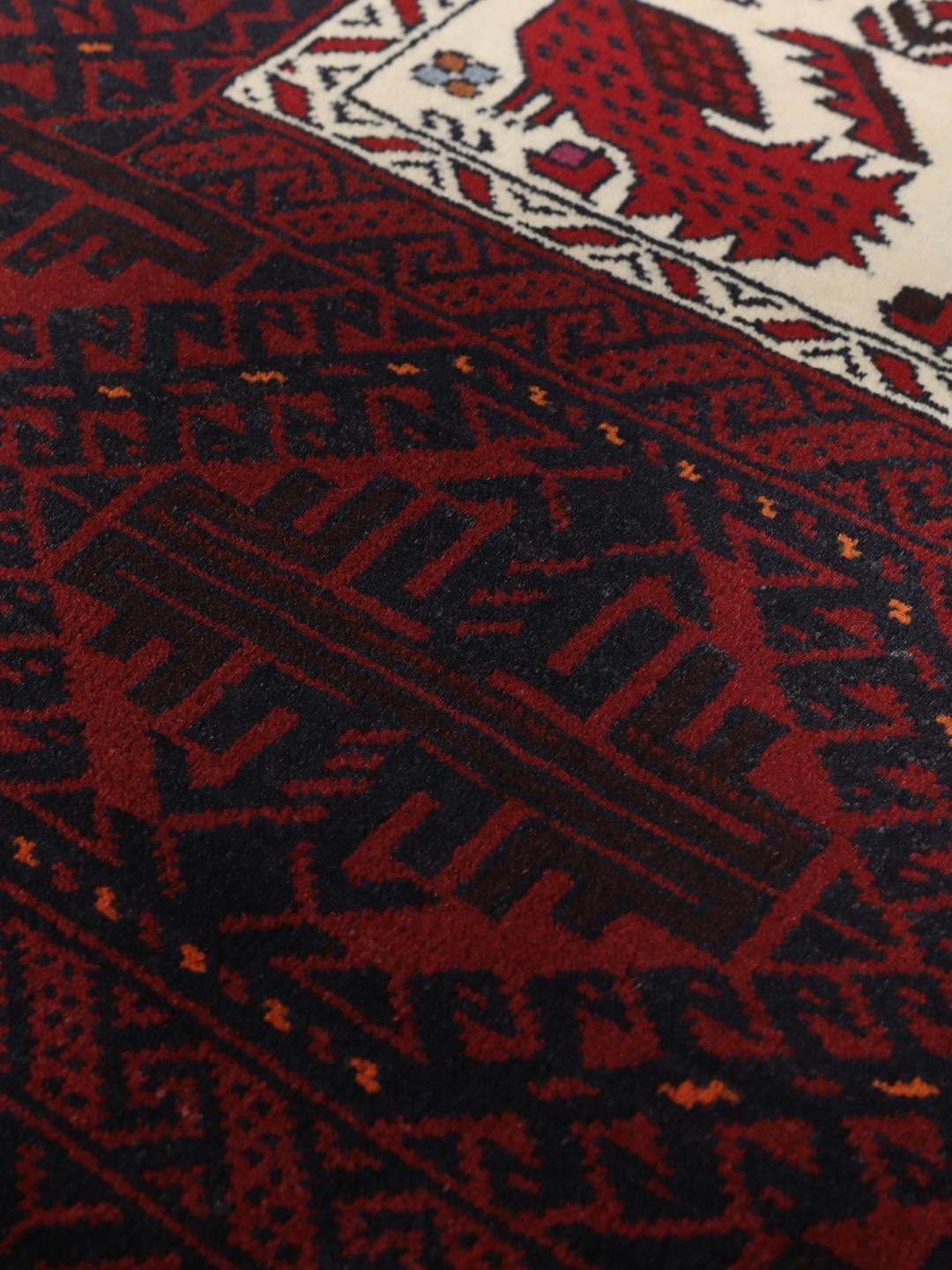
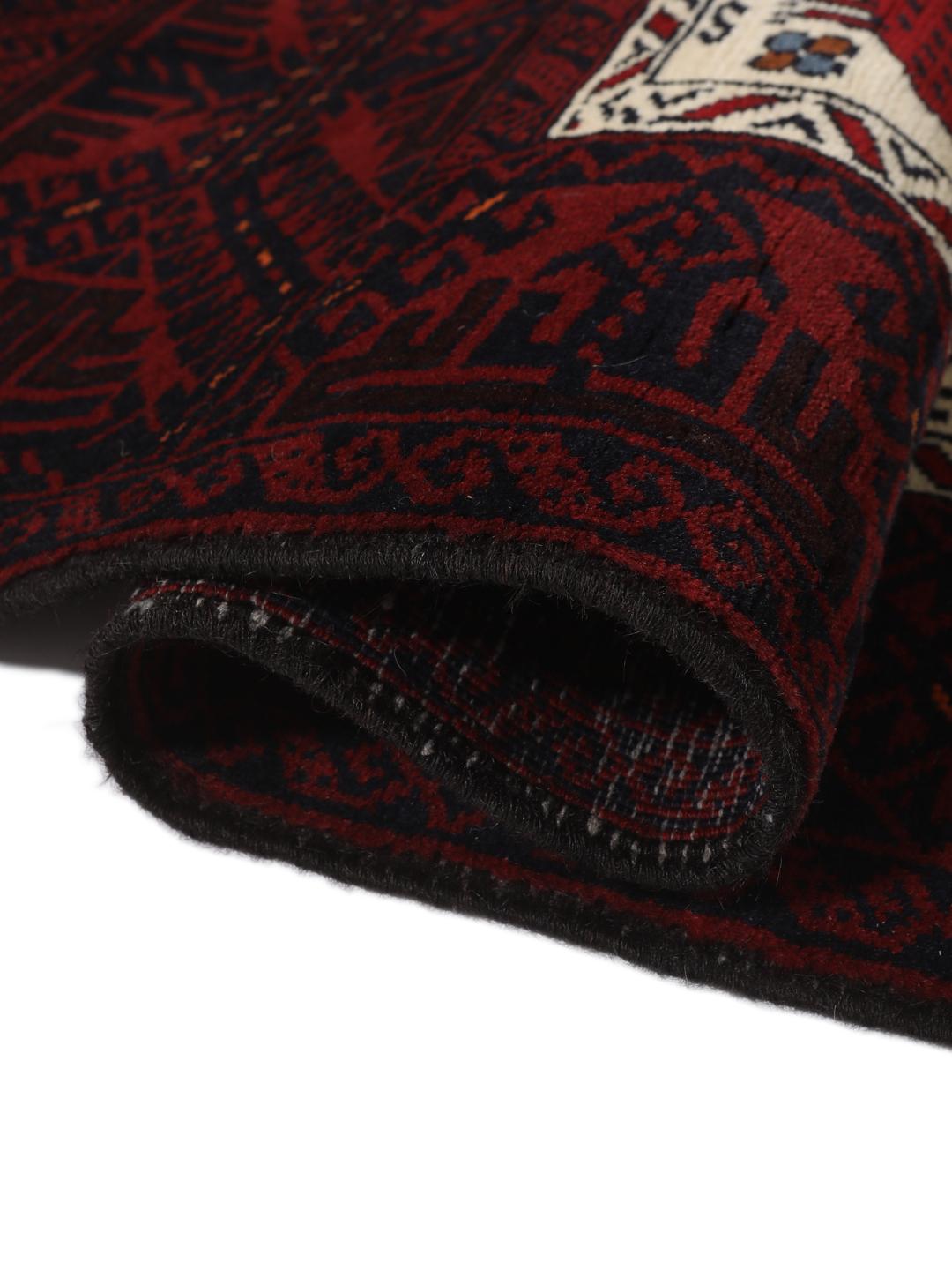
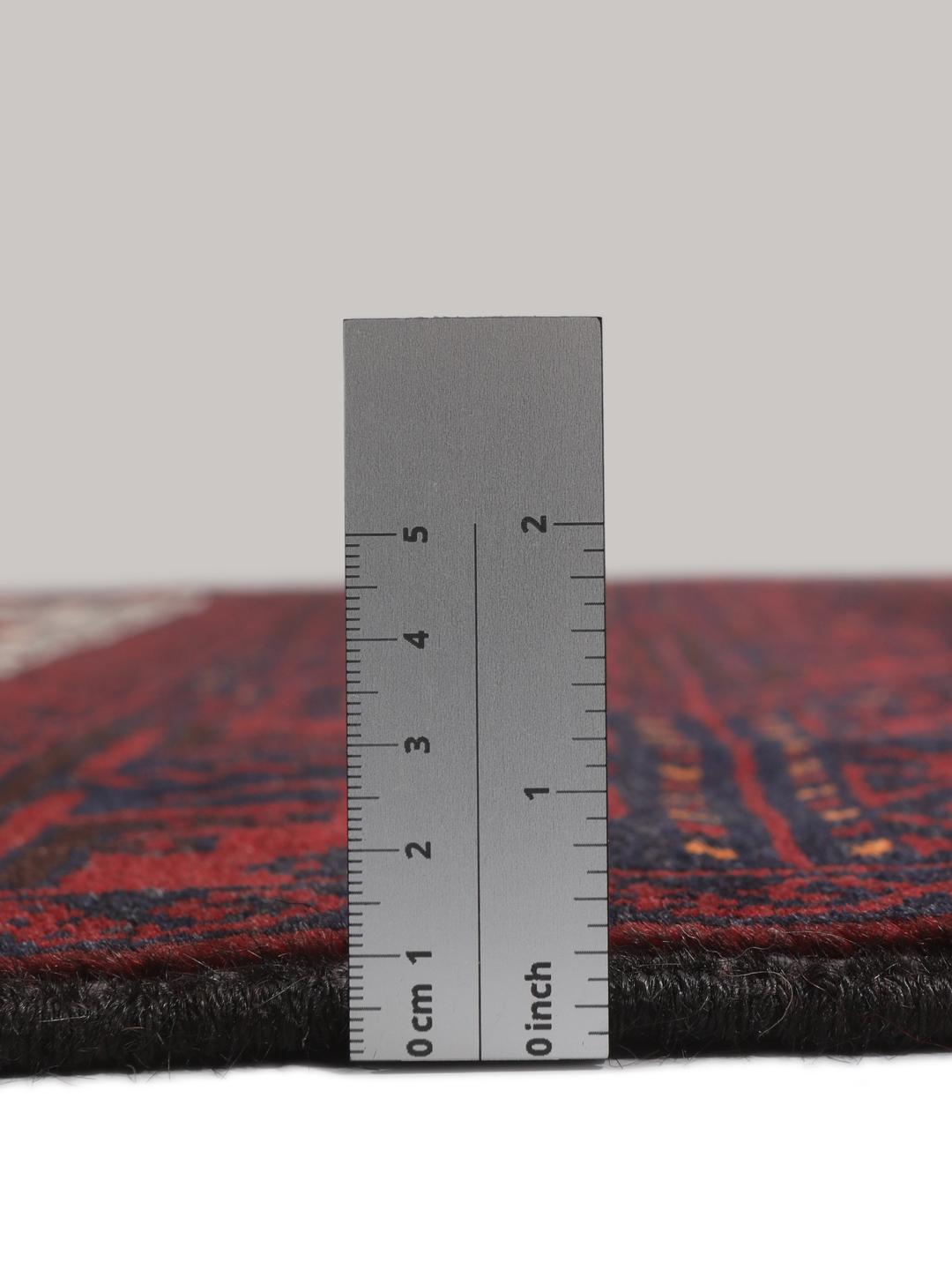
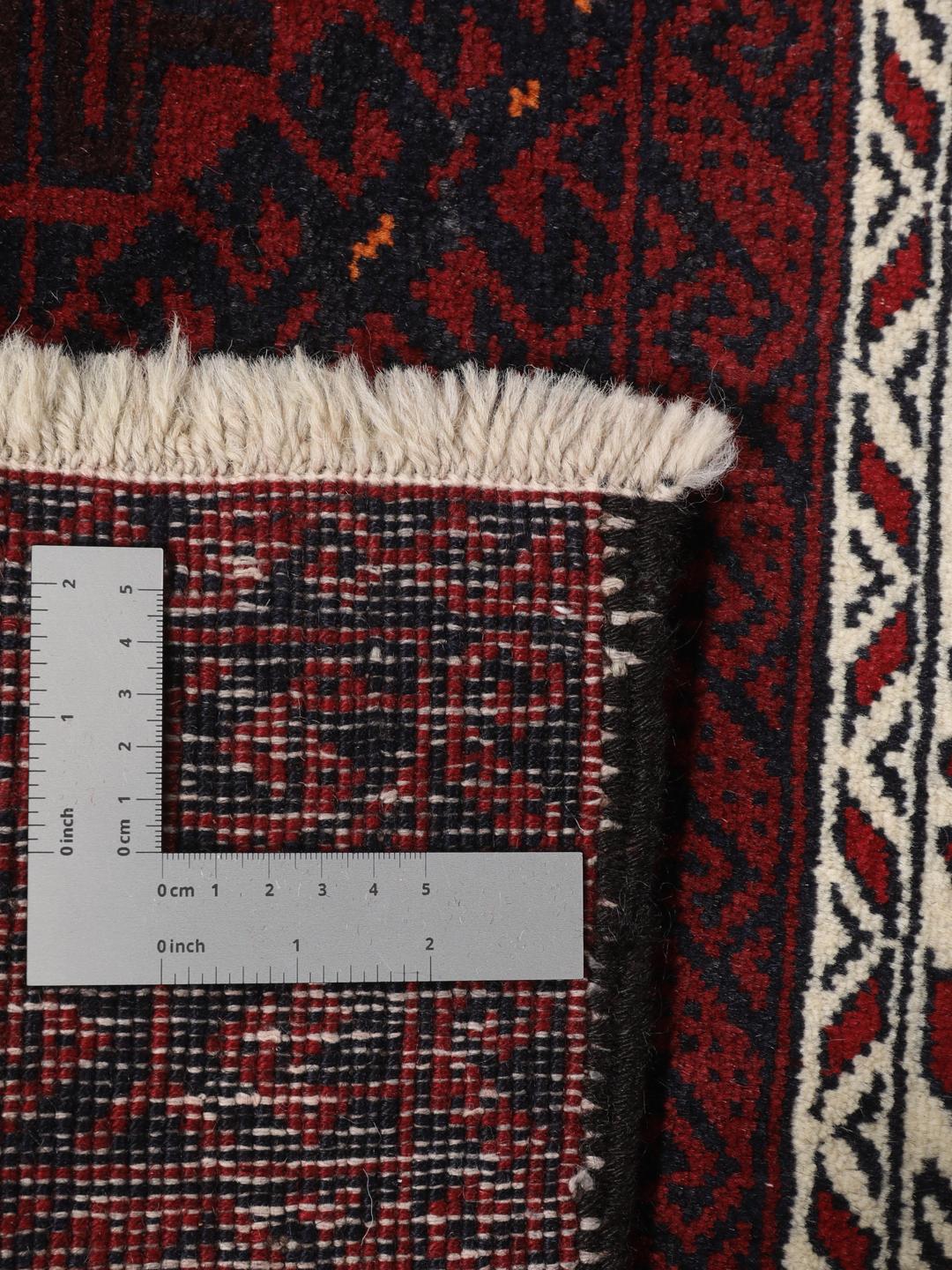
Baluch rugs are traditionally characterised by their use of high-quality Wool, which is often sourced directly from the weaver's own flocks. This results in a pile that is remarkably soft yet exceptionally robust. The techniques used are passed down through generations, ensuring that the specific knots and dyeing methods remain faithful to their origins while allowing for individual creative expression in each new creation.
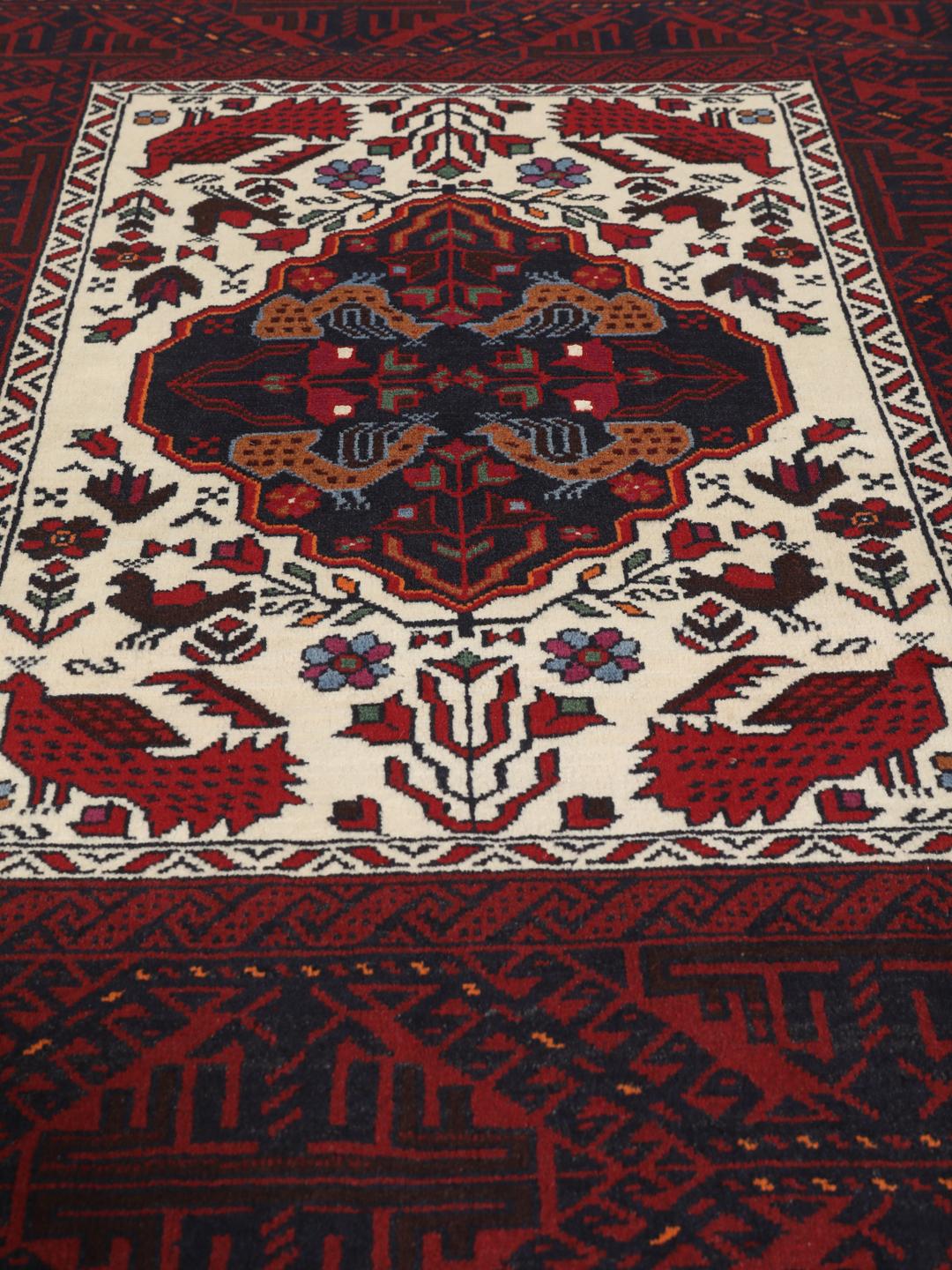
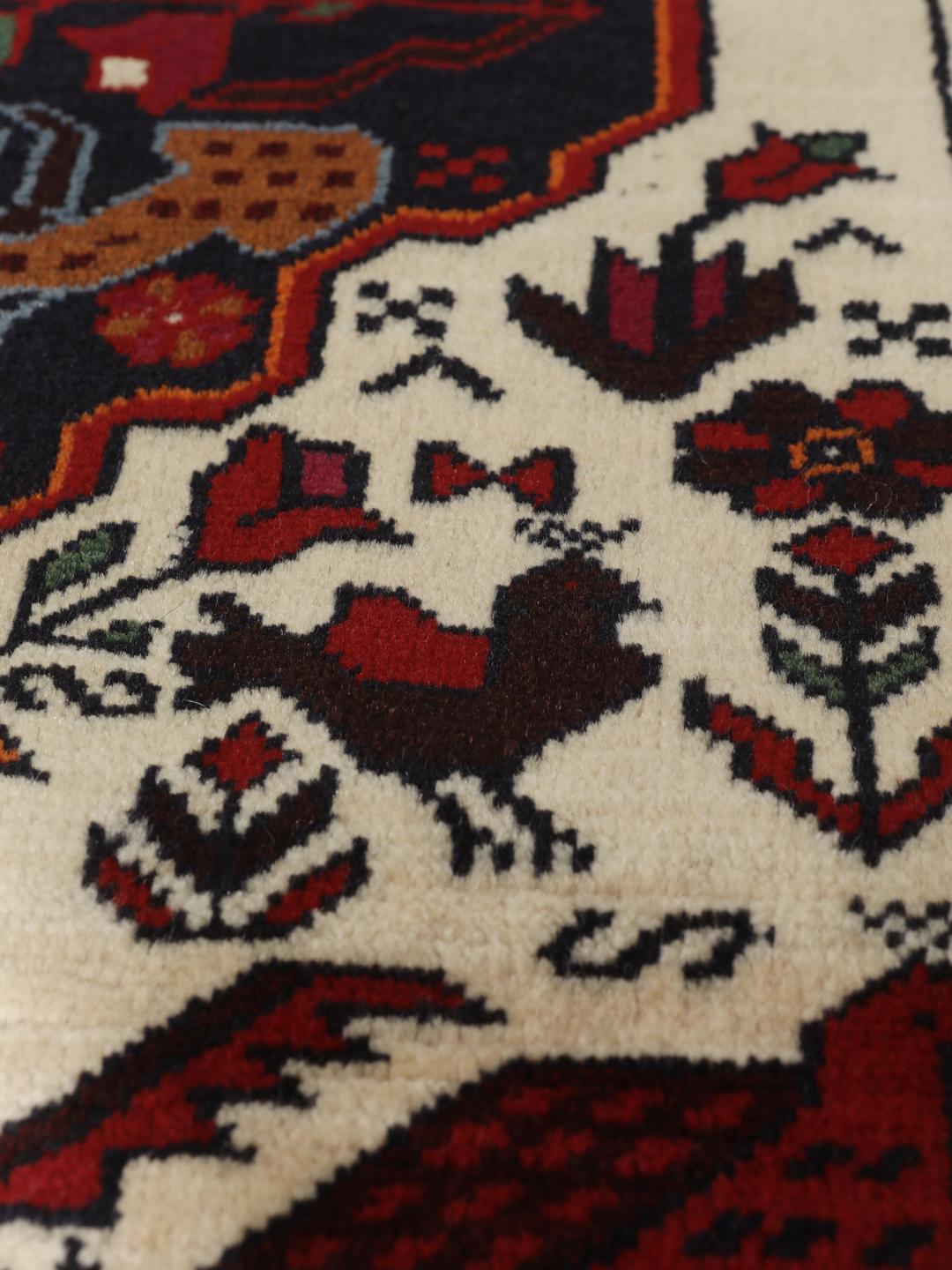
Visually, these rugs are known for their deep, earthy palettes, frequently utilising dark-reds, browns, and blacks. The motifs often include geometric medallions, stylised floral elements, and protective symbols that hold significance for the tribes. The interplay between the dark field and the lighter, intricate details in the centre is a classic hallmark of the style, showcasing a sophisticated balance of negative space and pattern.
Collectors value these rugs for their authenticity and the skill required to produce them. Owning a Baluch rug is a way of preserving a piece of cultural heritage that is increasingly rare in the modern world. They are seen as investments in human history, offering a level of character and depth that mass-produced items simply cannot emulate.