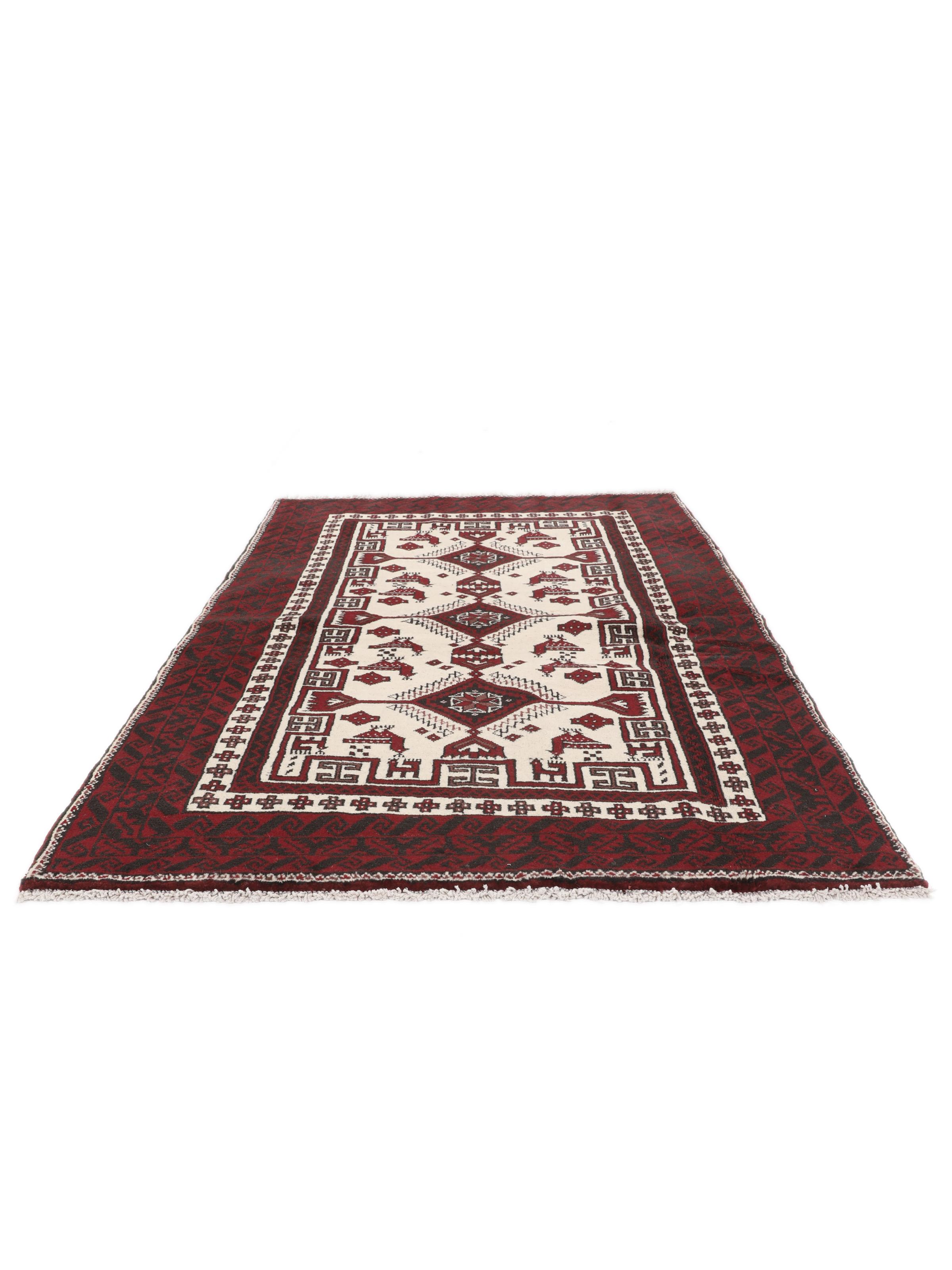
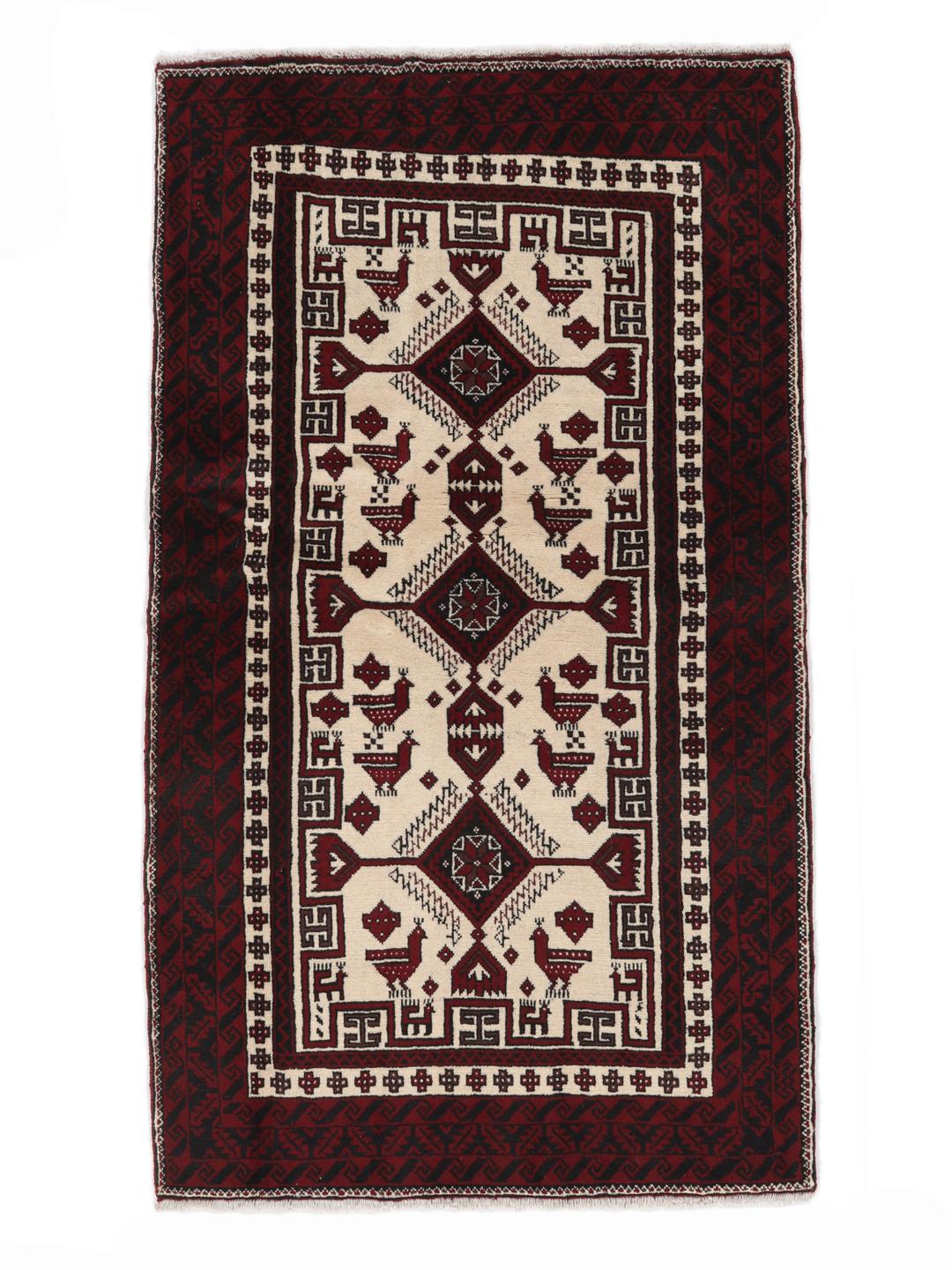
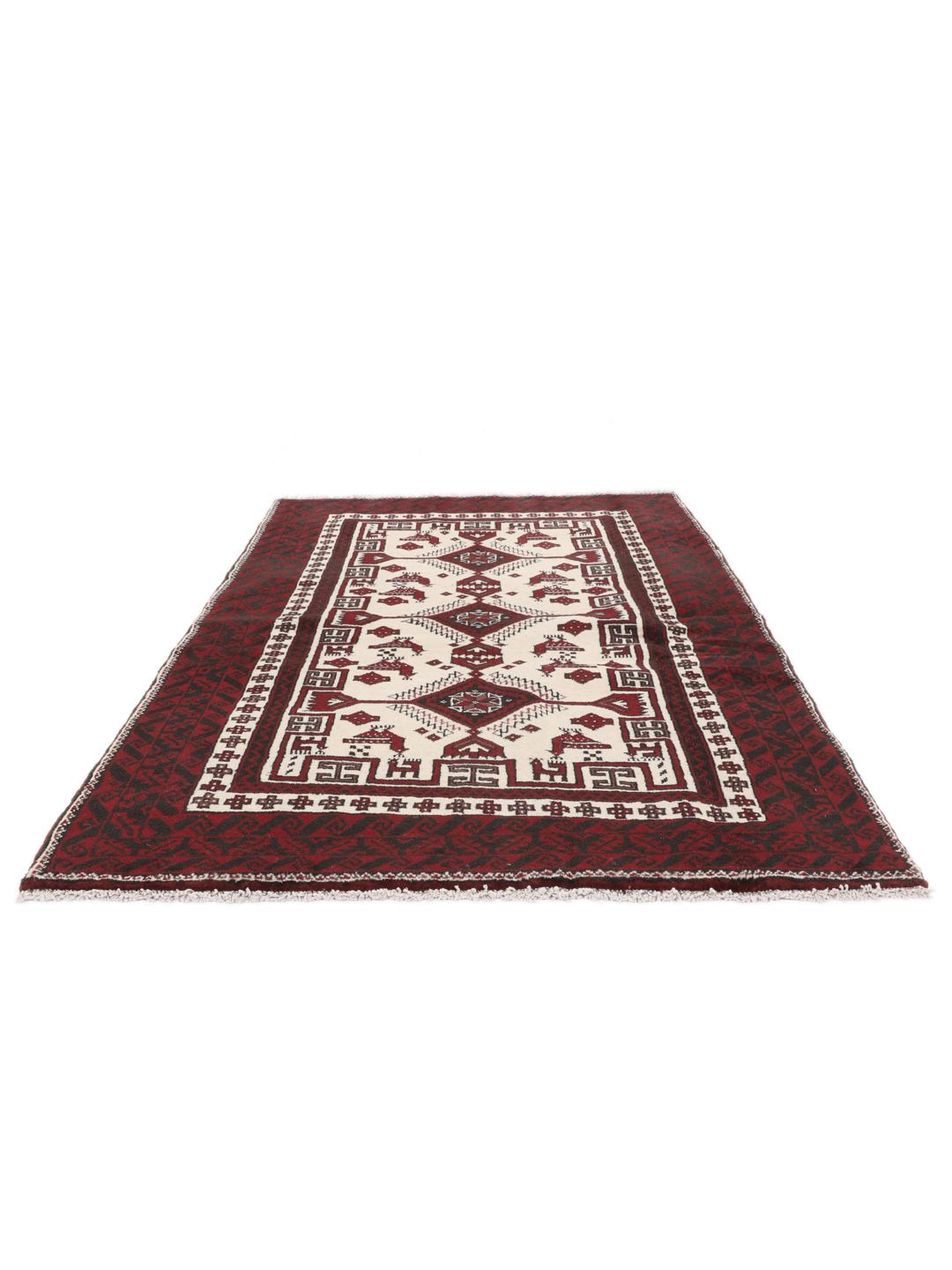
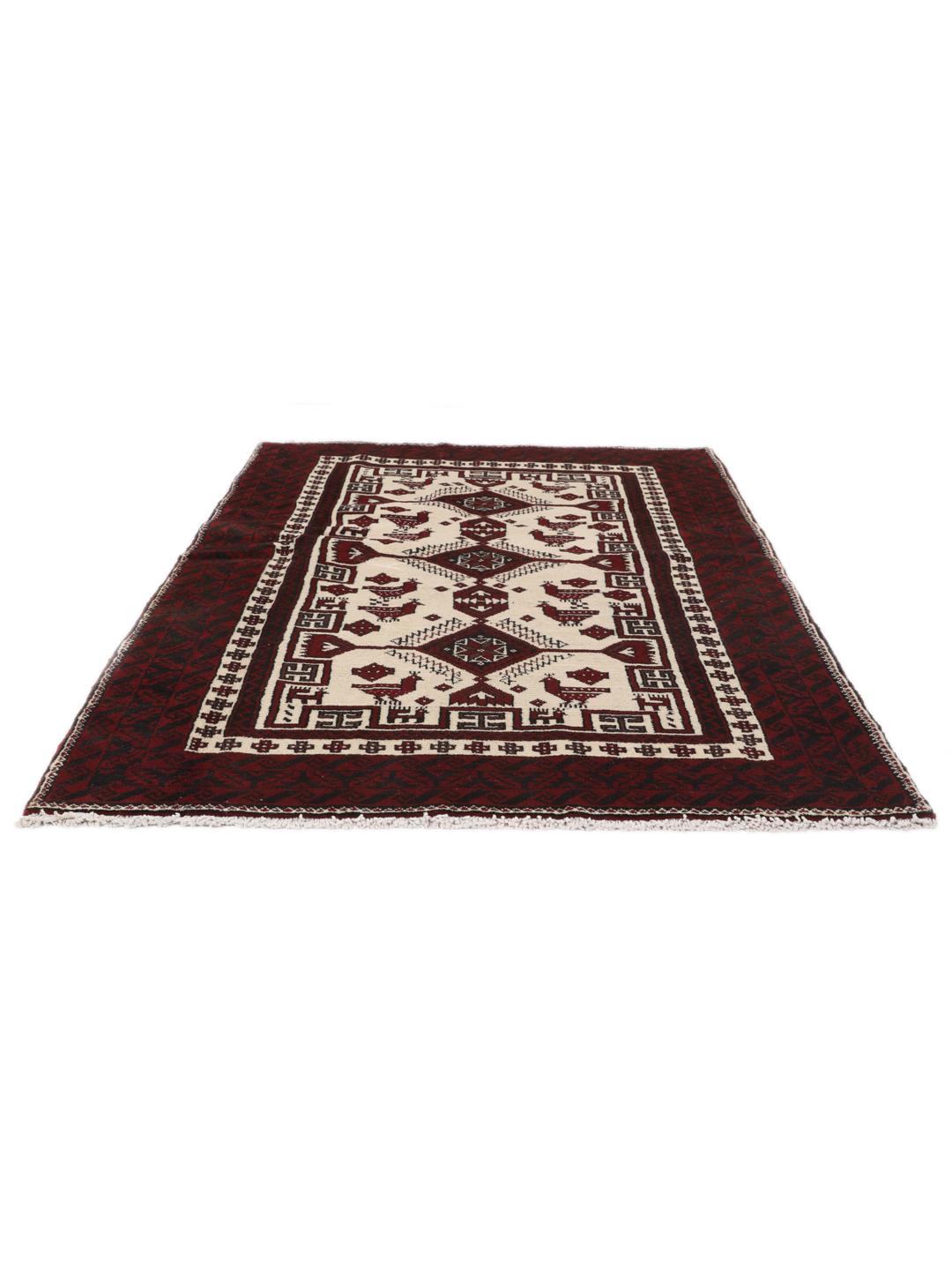
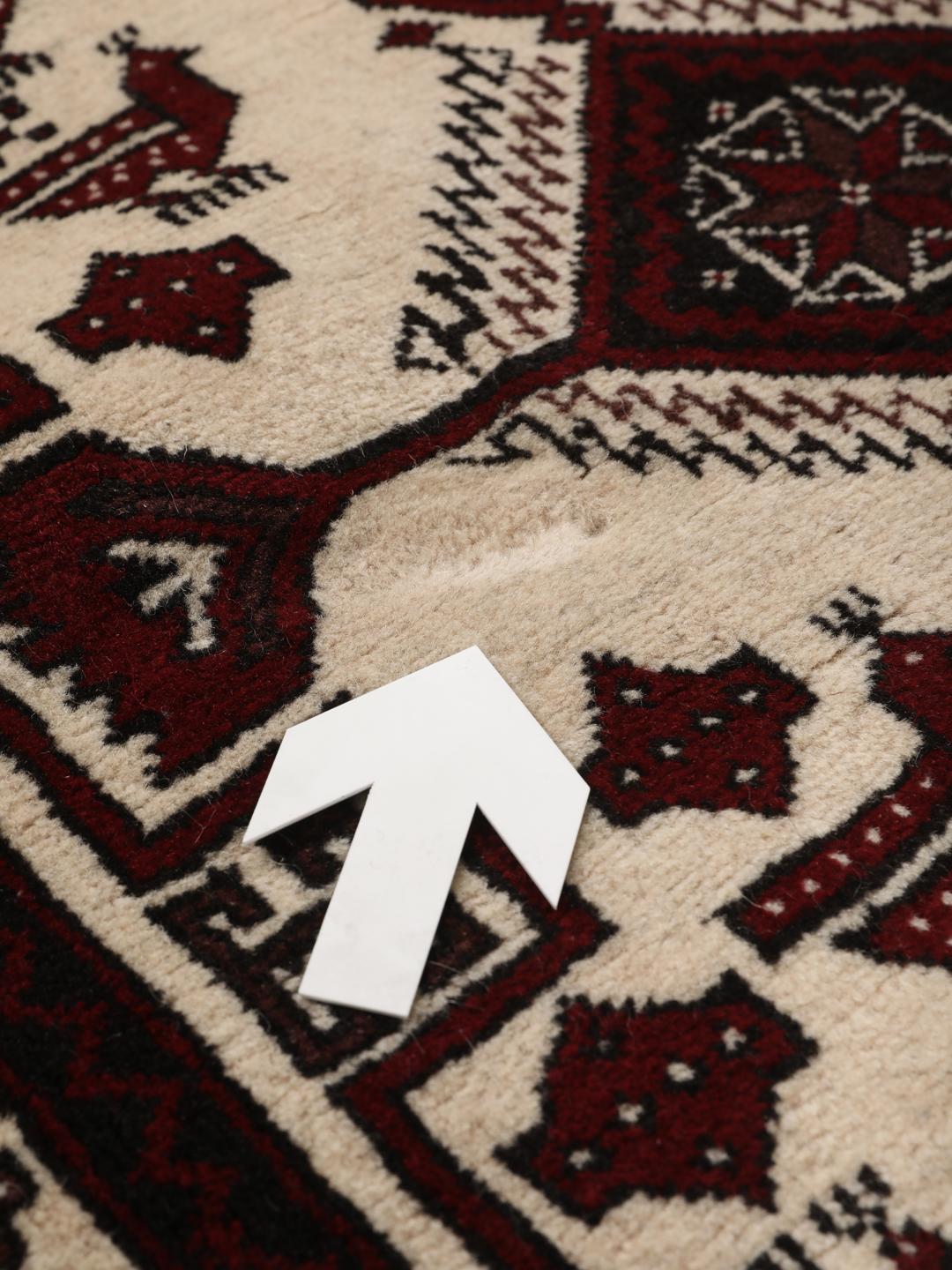
The Beluch rugs originate from the nomadic and semi-nomadic tribes of the border regions between the Middle East, Afghanistan, and Pakistan. These weavers have historically travelled across vast, rugged landscapes, carrying their looms with them. This migratory lifestyle has influenced the design of their rugs, which are typically smaller in size and portable, yet incredibly rich in detail and cultural significance.
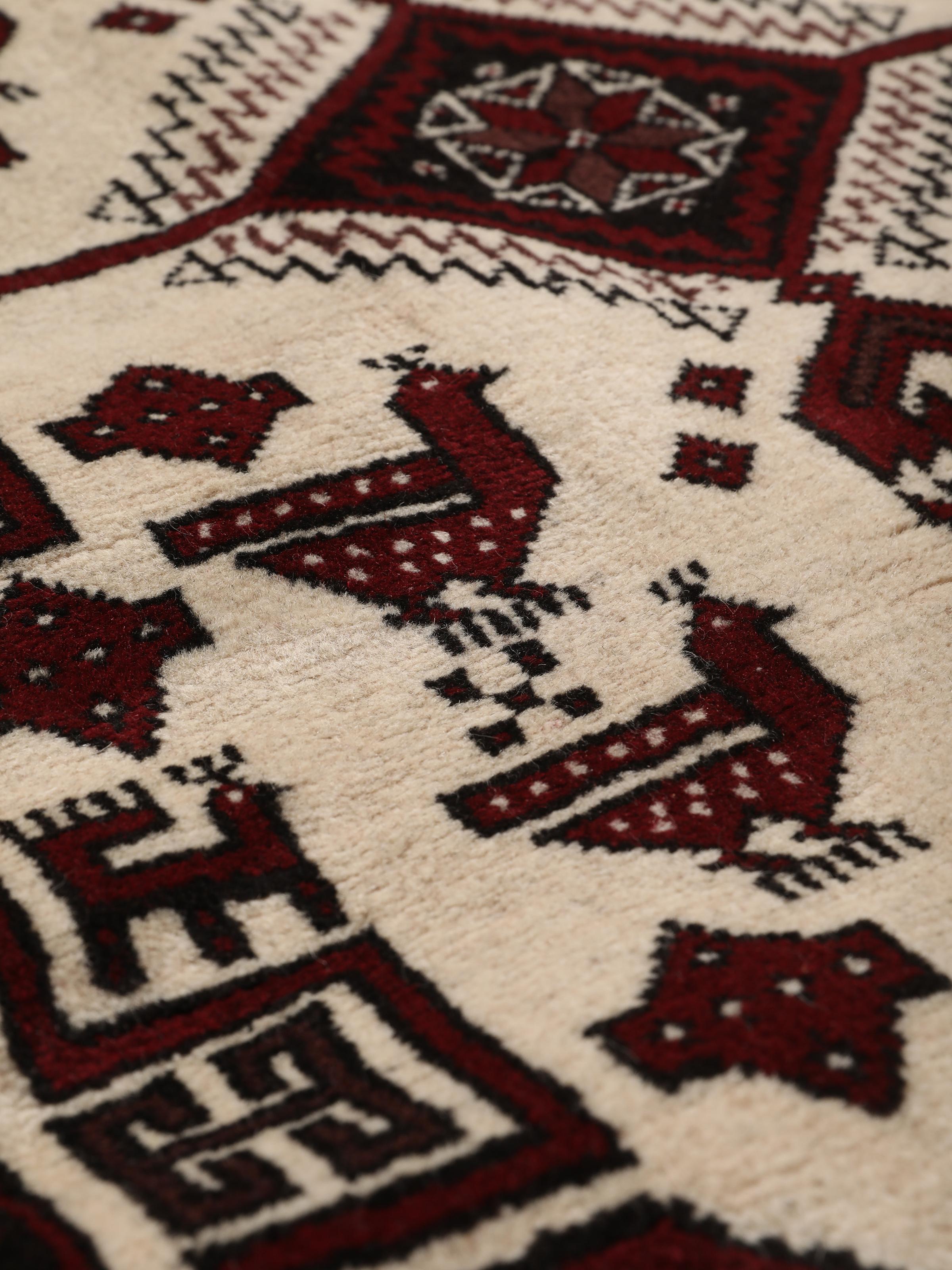
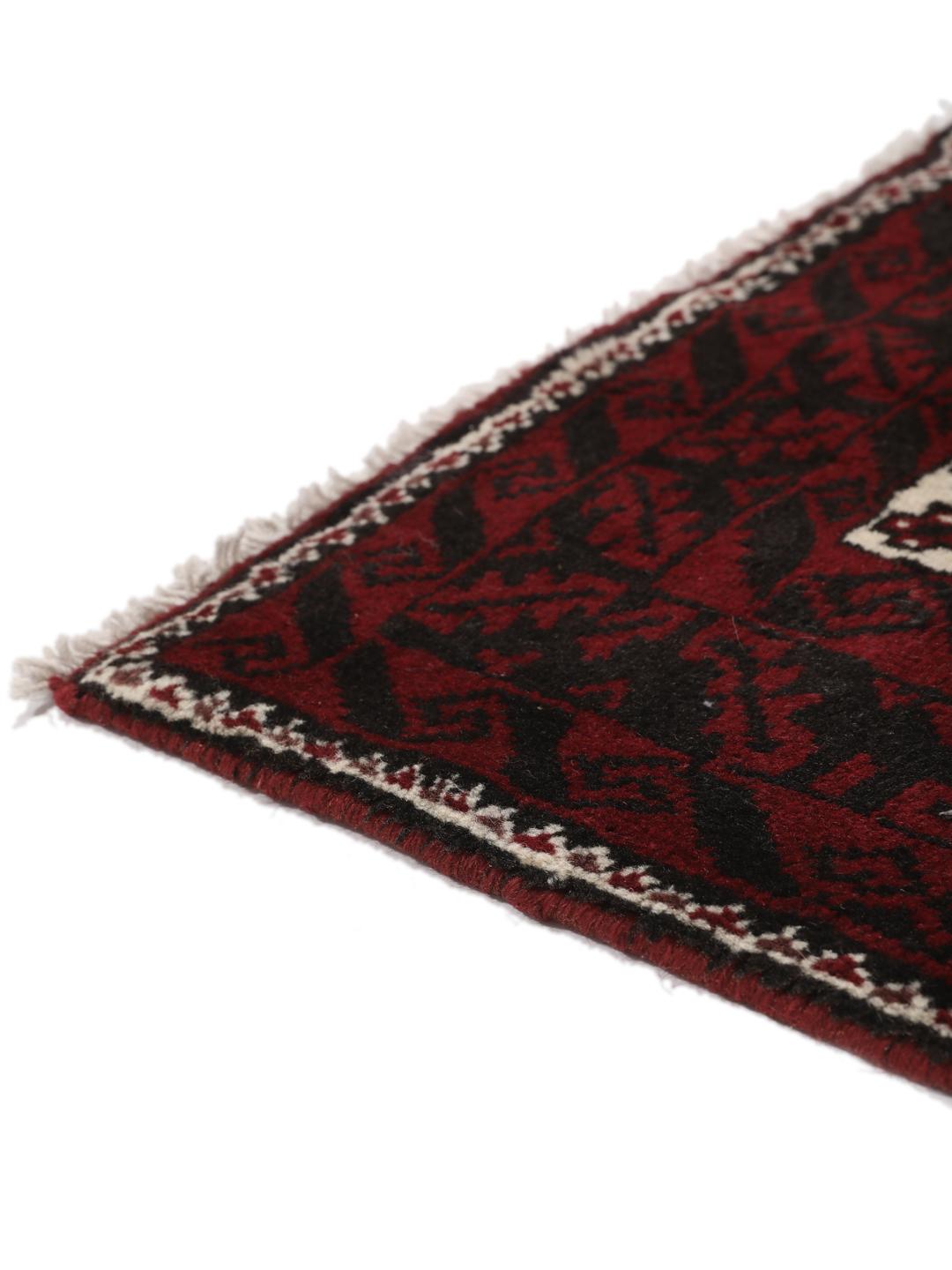
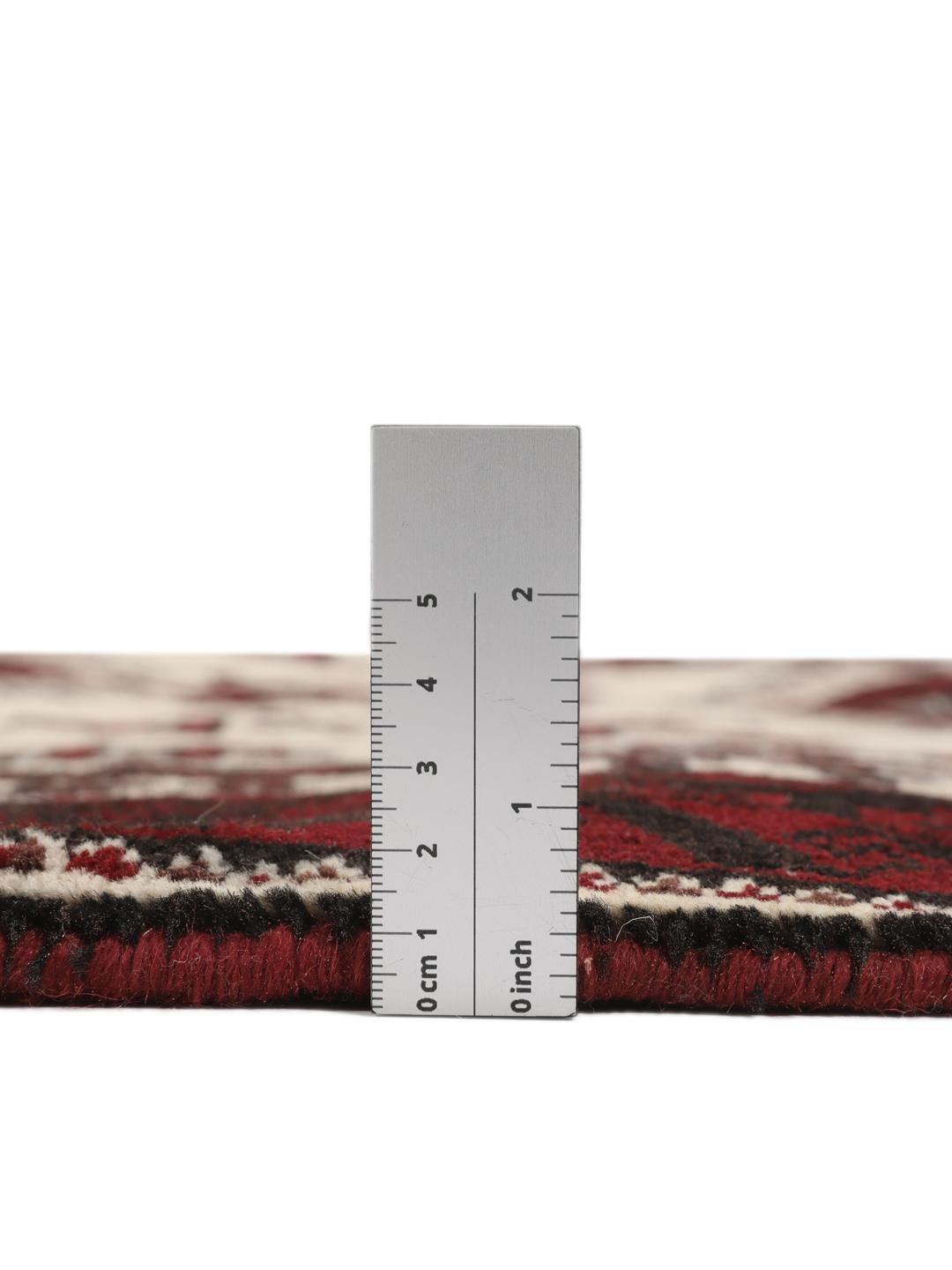
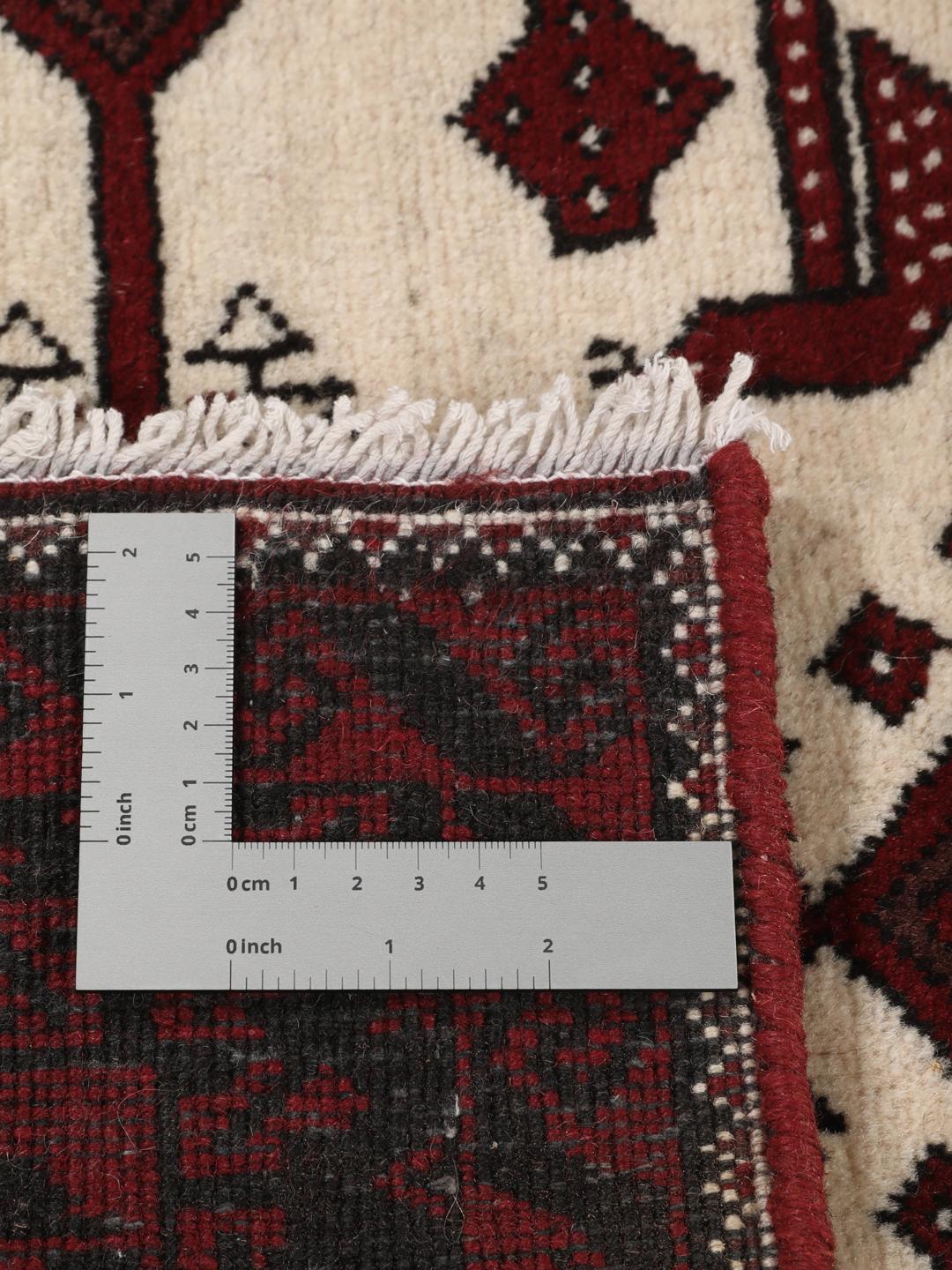
The construction of these rugs often involves a foundation of cotton, which provides the necessary stability and strength for the wool pile to be knotted into. This combination of materials is chosen for its durability and ability to hold deep, saturated dyes. The wool itself is often sourced from local sheep, resulting in a lustre and handle that is highly prized by collectors for its natural, unrefined beauty.
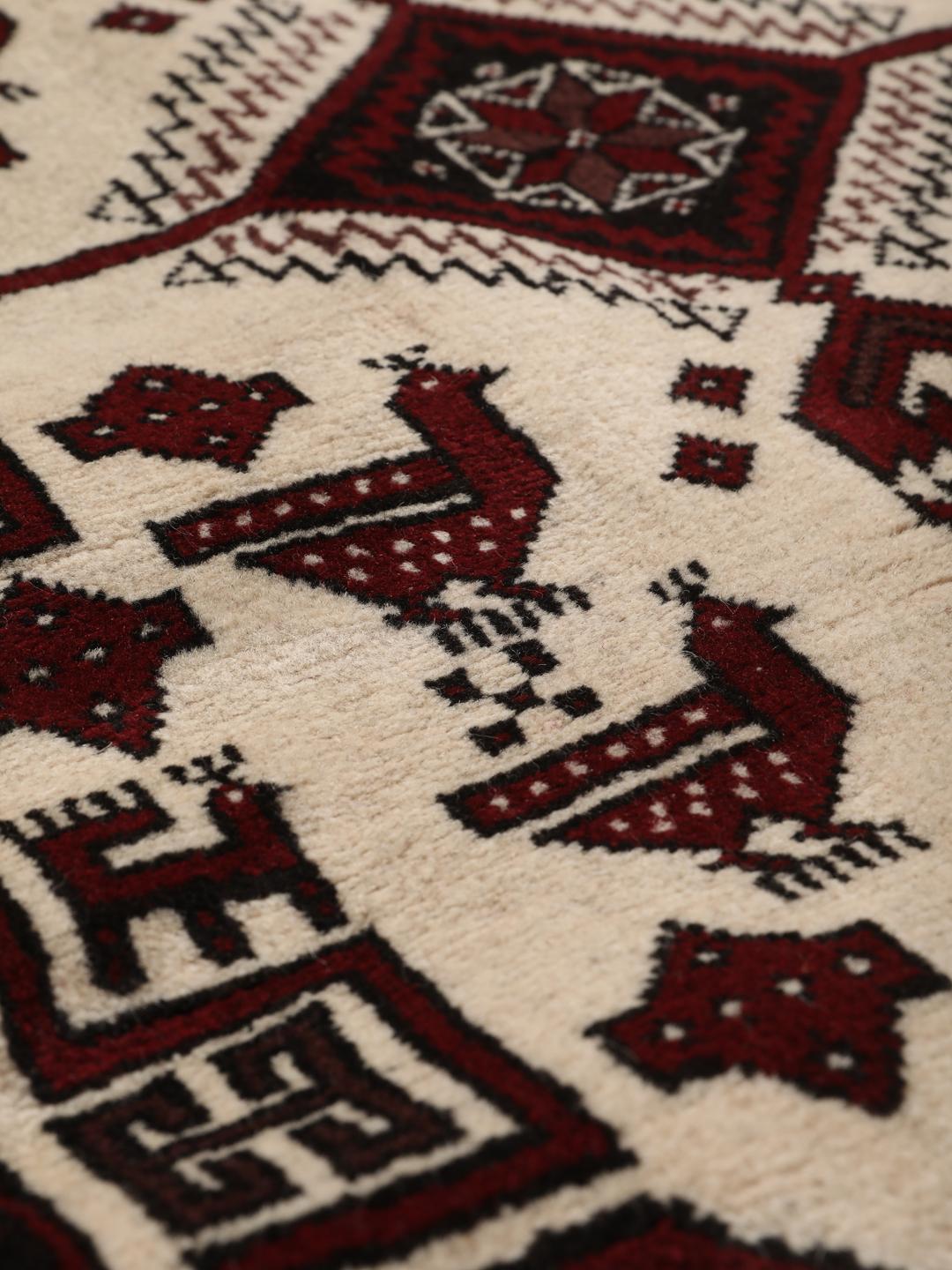
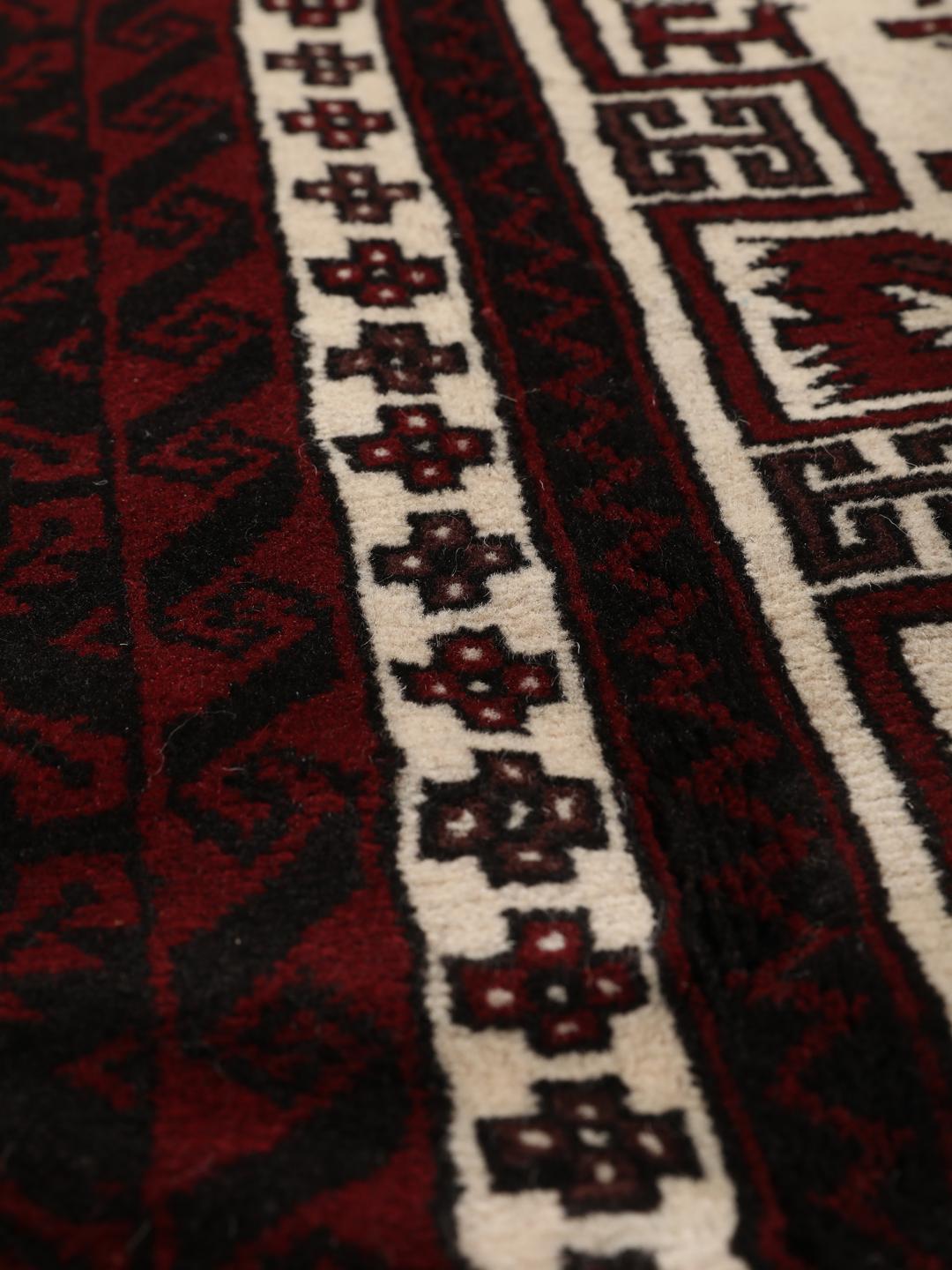
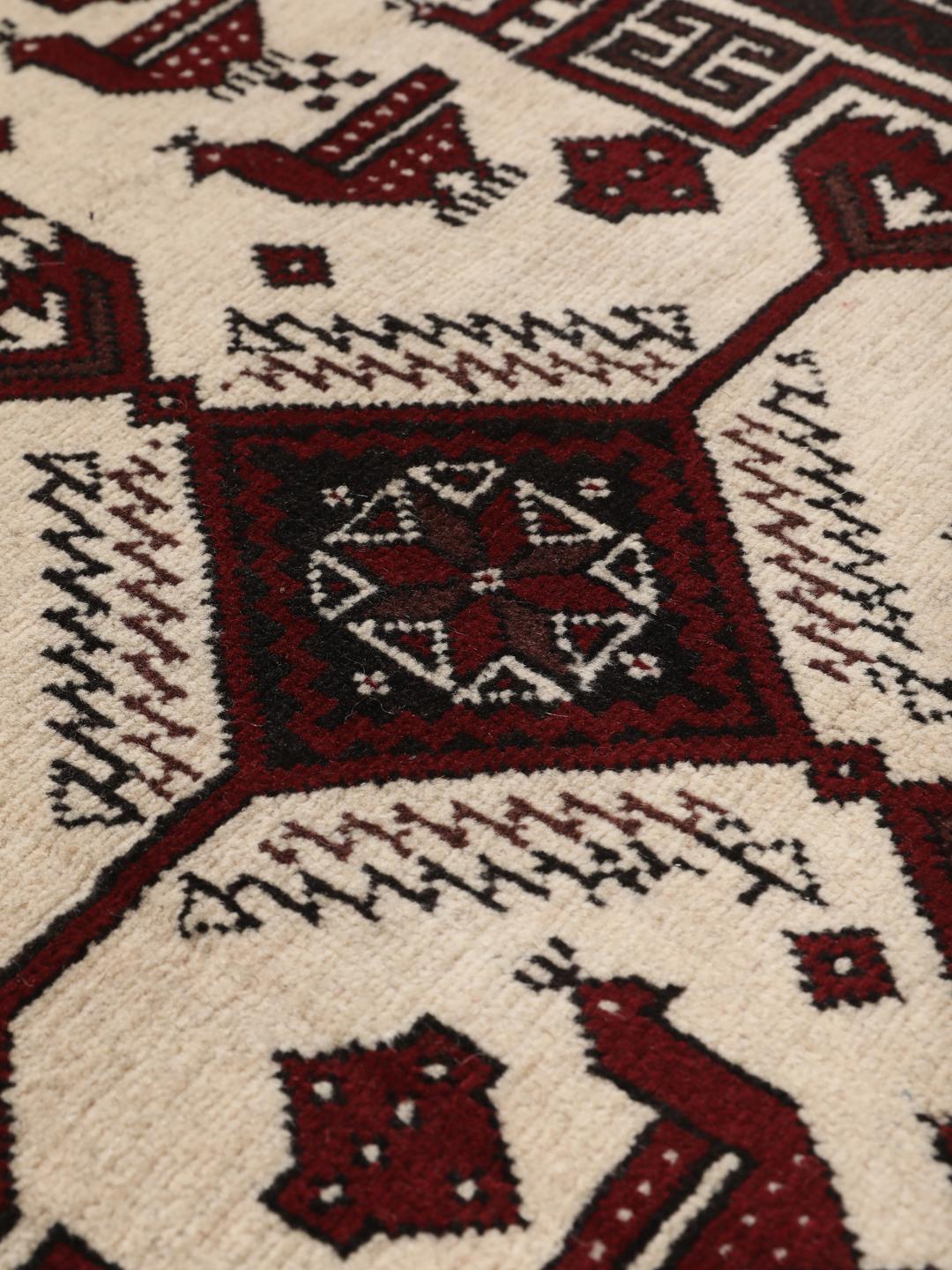
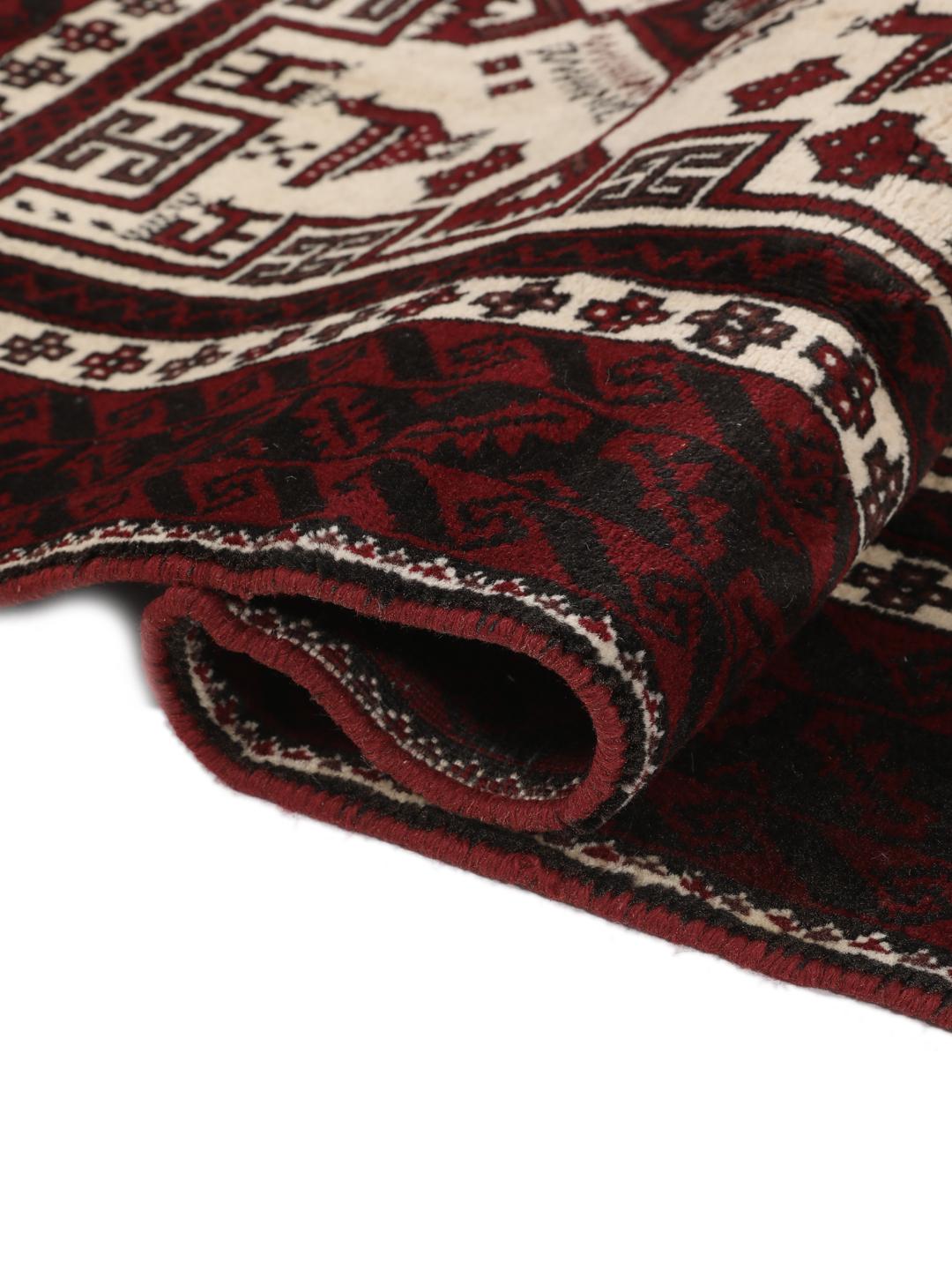
Visually, these rugs are defined by their signature geometric motifs, which often include stylised animals, tribal emblems, and repeating geometric shapes. The colour palette is traditionally restrained, favouring deep reds, browns, and dark blues, often contrasted with ivory or camel-coloured accents. These motifs are not merely decorative but are deeply rooted in the tribal identities and personal histories of the weavers.
Collecting these rugs is an exercise in preserving a vanishing way of life. Each piece represents a connection to a long-standing tradition of craft that values individual expression over mass production. By acquiring such a rug, you are not only adding a beautiful element to your home but also participating in the continuation of a vibrant cultural legacy that has been passed down through generations of skilled artisans.