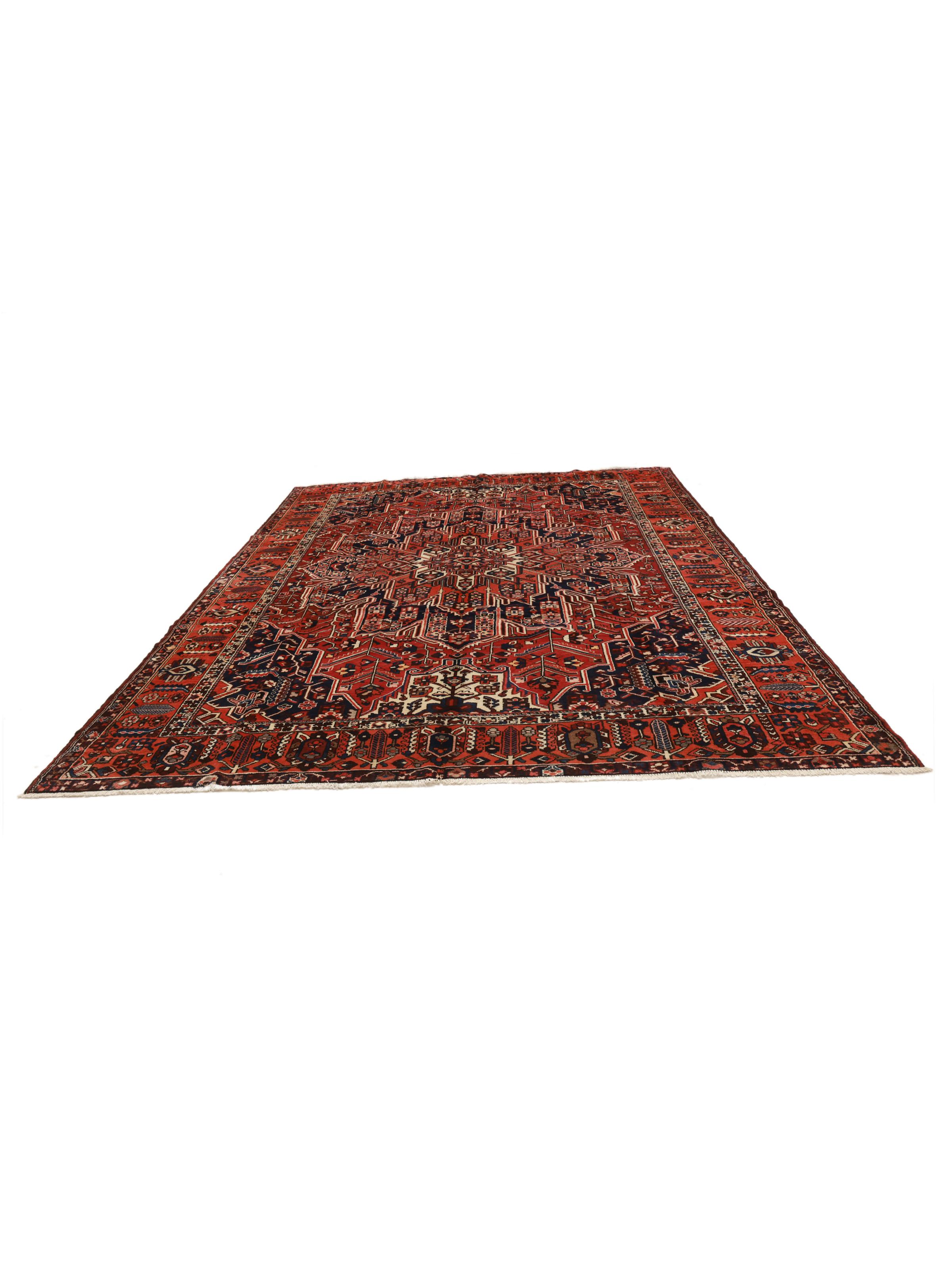
The Bakhtiari rug tradition originates from the mountainous regions of the Middle East, where the Bakhtiari tribes have honed their weaving skills for centuries. These rugs are deeply influenced by the nomadic lifestyle and the surrounding natural landscape, often incorporating motifs that reflect the flora and fauna of their rugged, high-altitude homeland.
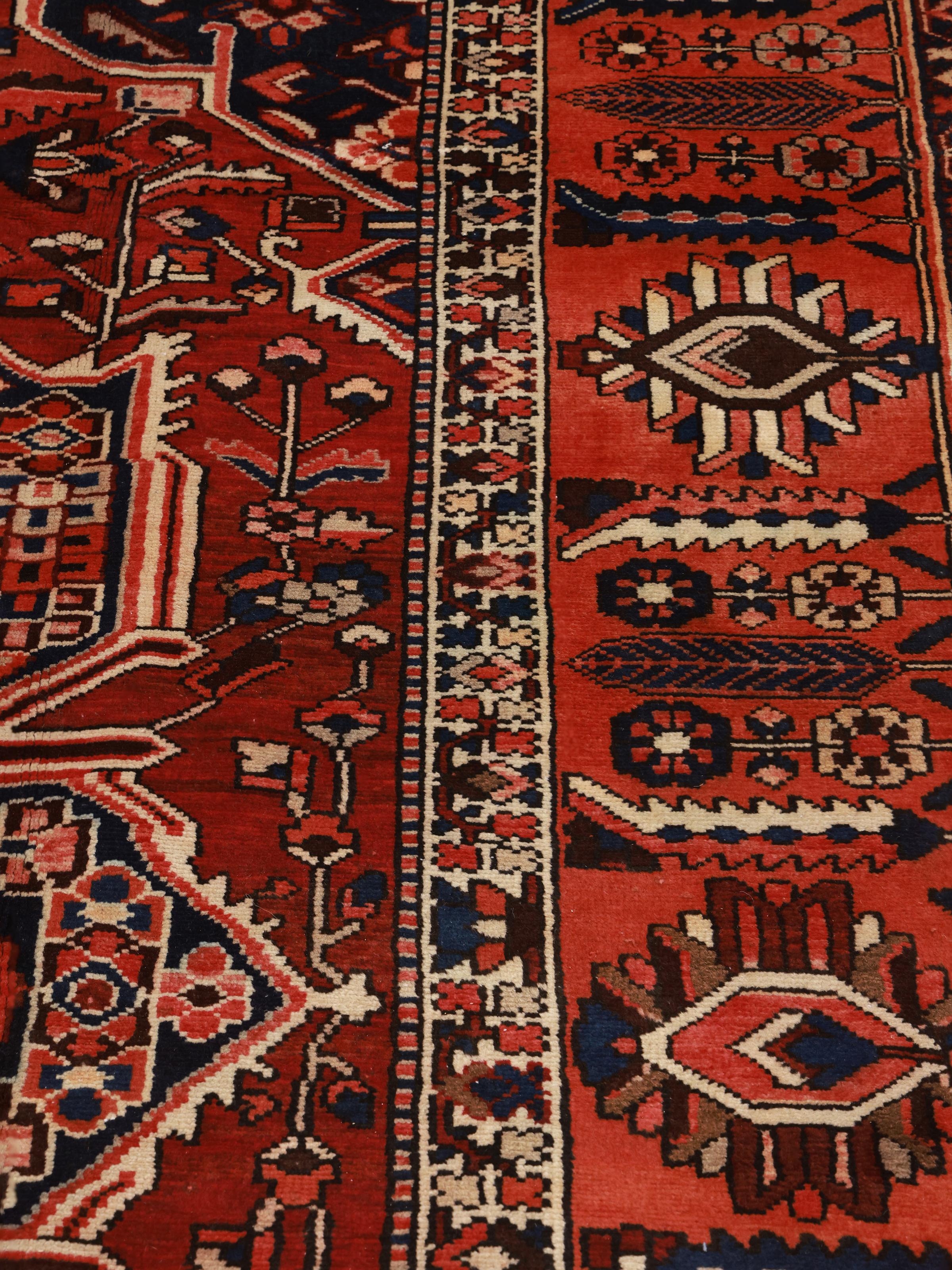
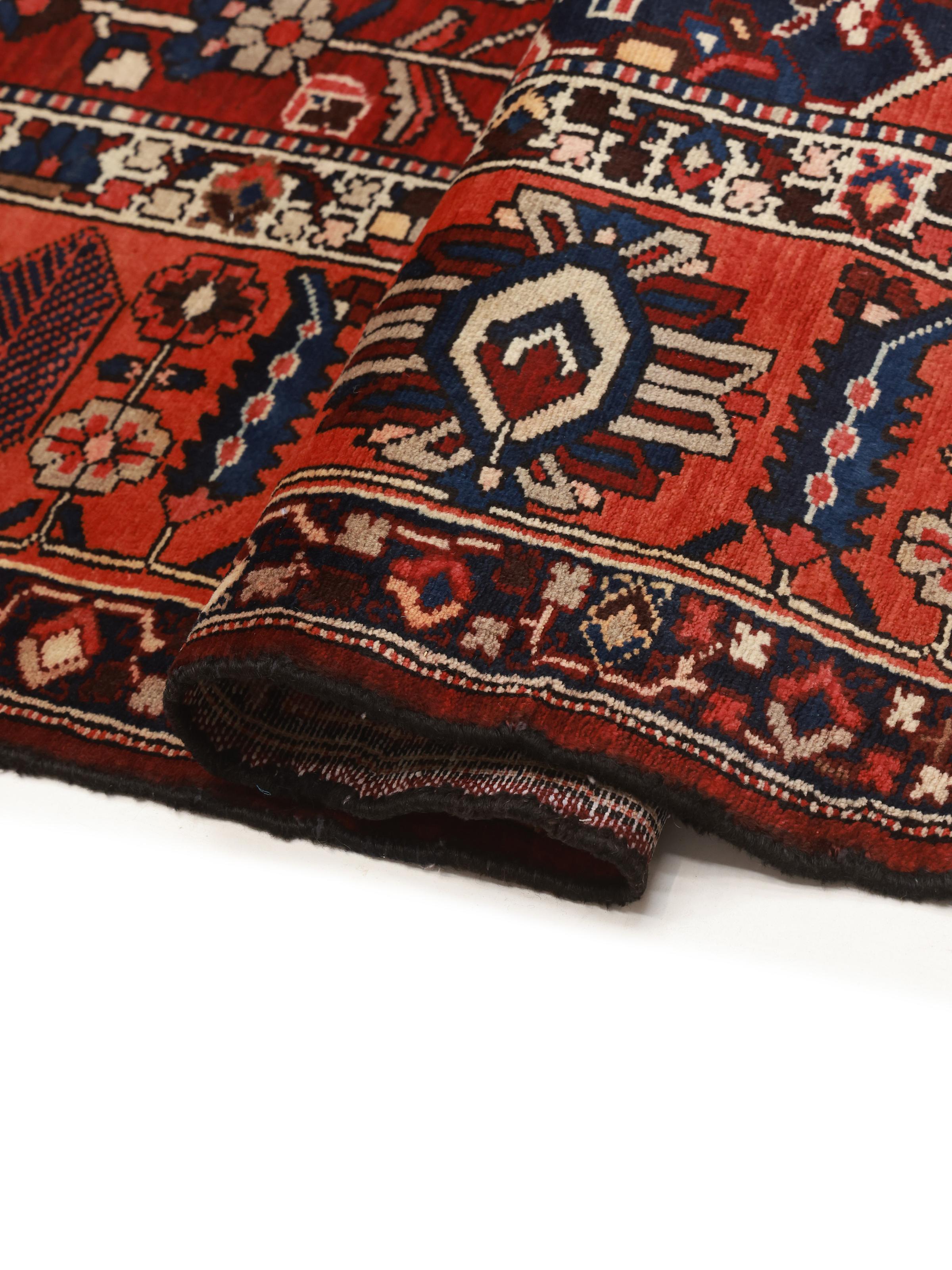
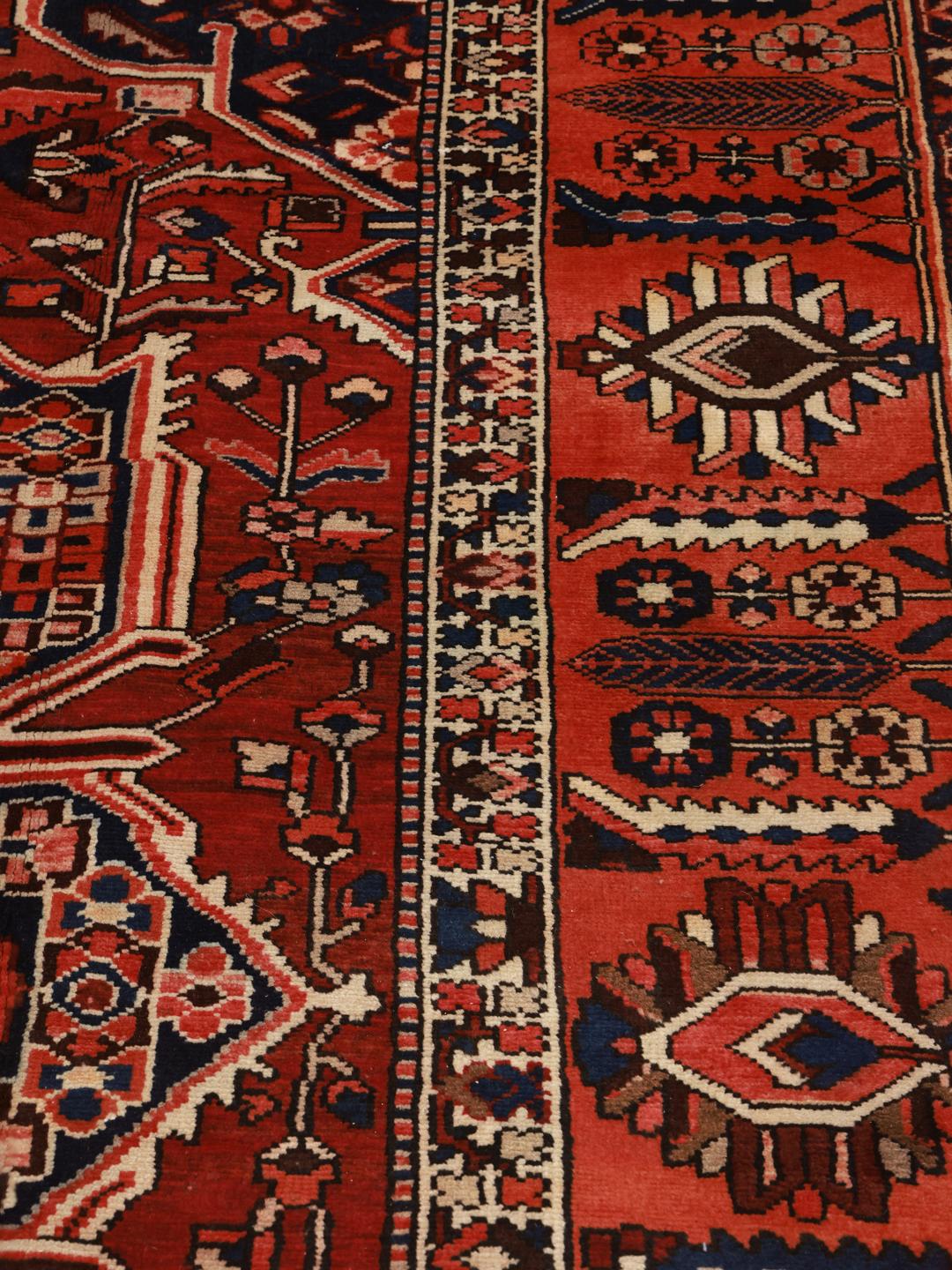
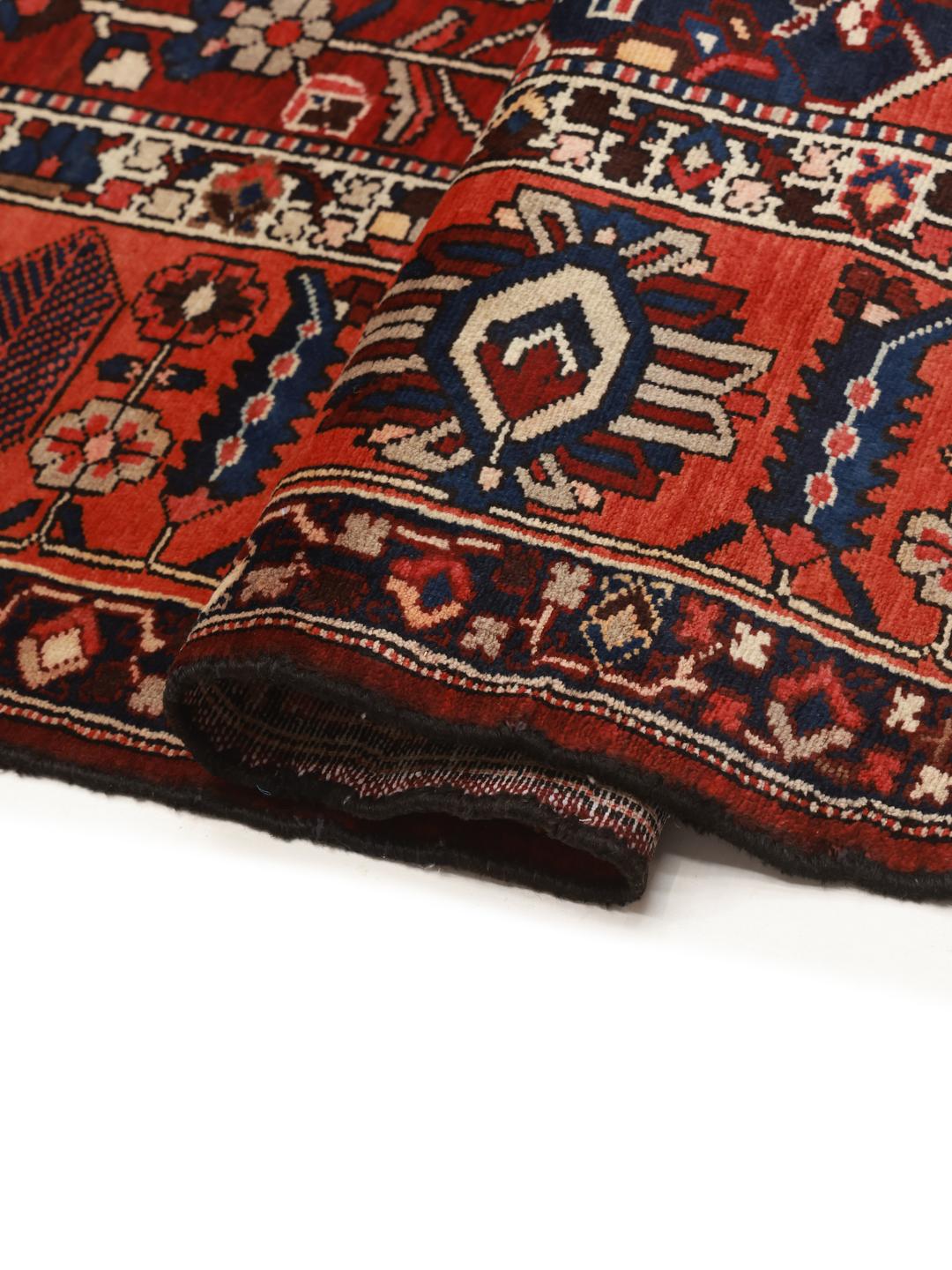
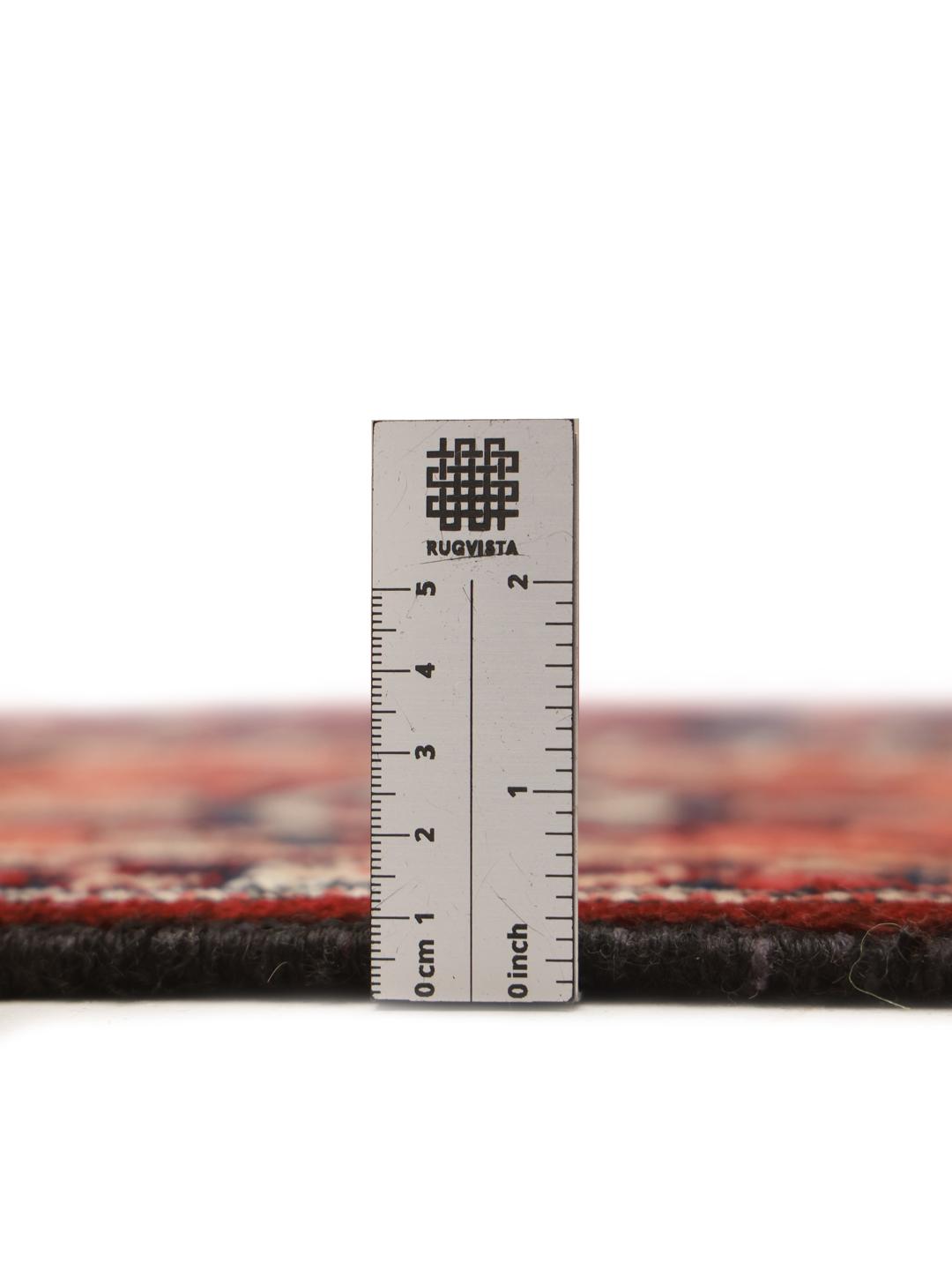
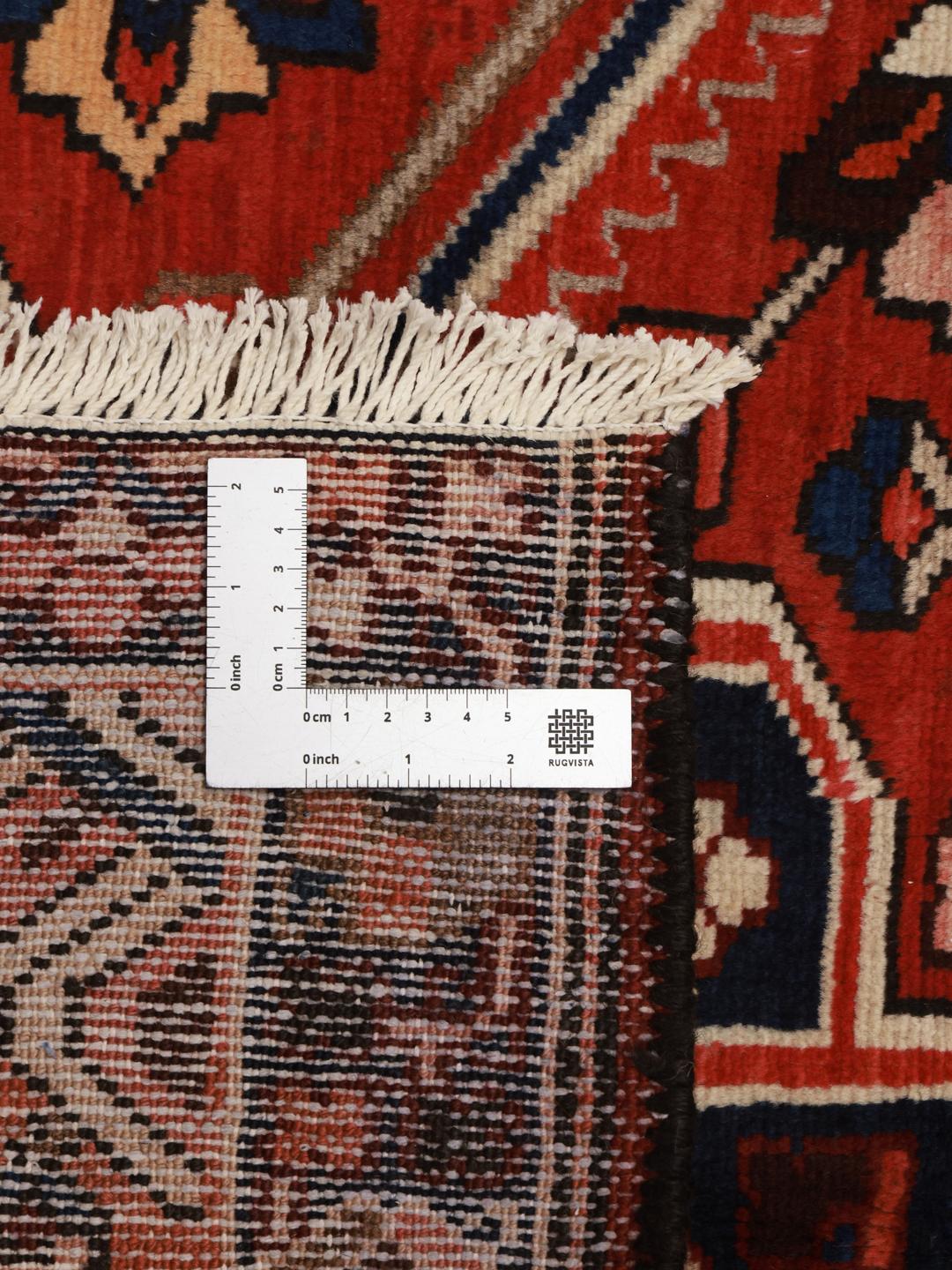
Bakhtiari rugs are celebrated for their structural integrity, which is achieved through a robust knotting technique. This method ensures that the pile is not only thick and luxurious but also incredibly hard-wearing. The strength of these rugs is a testament to the harsh environments in which they were traditionally used, where a floor covering had to serve as both insulation and a durable surface for daily life.
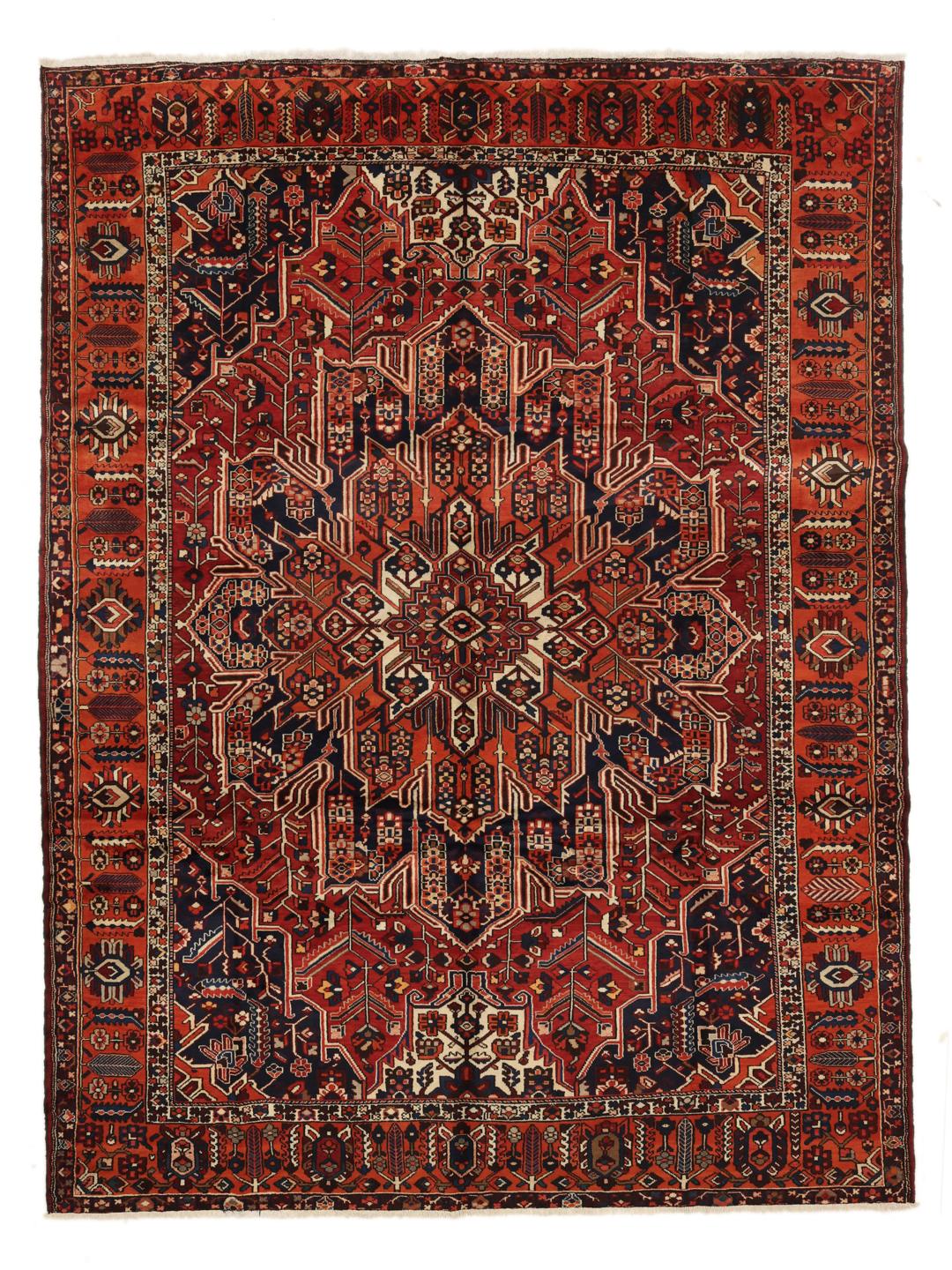
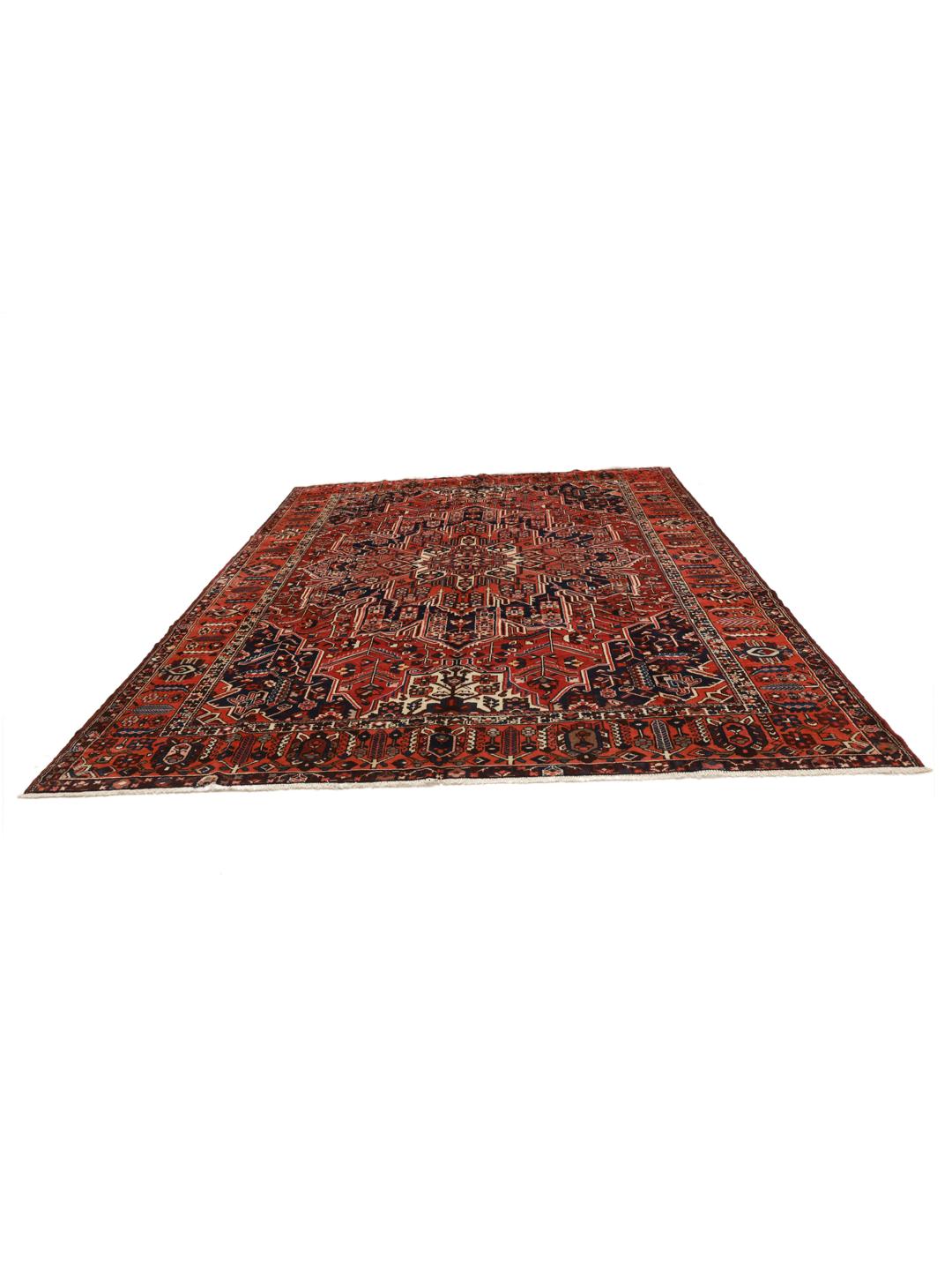
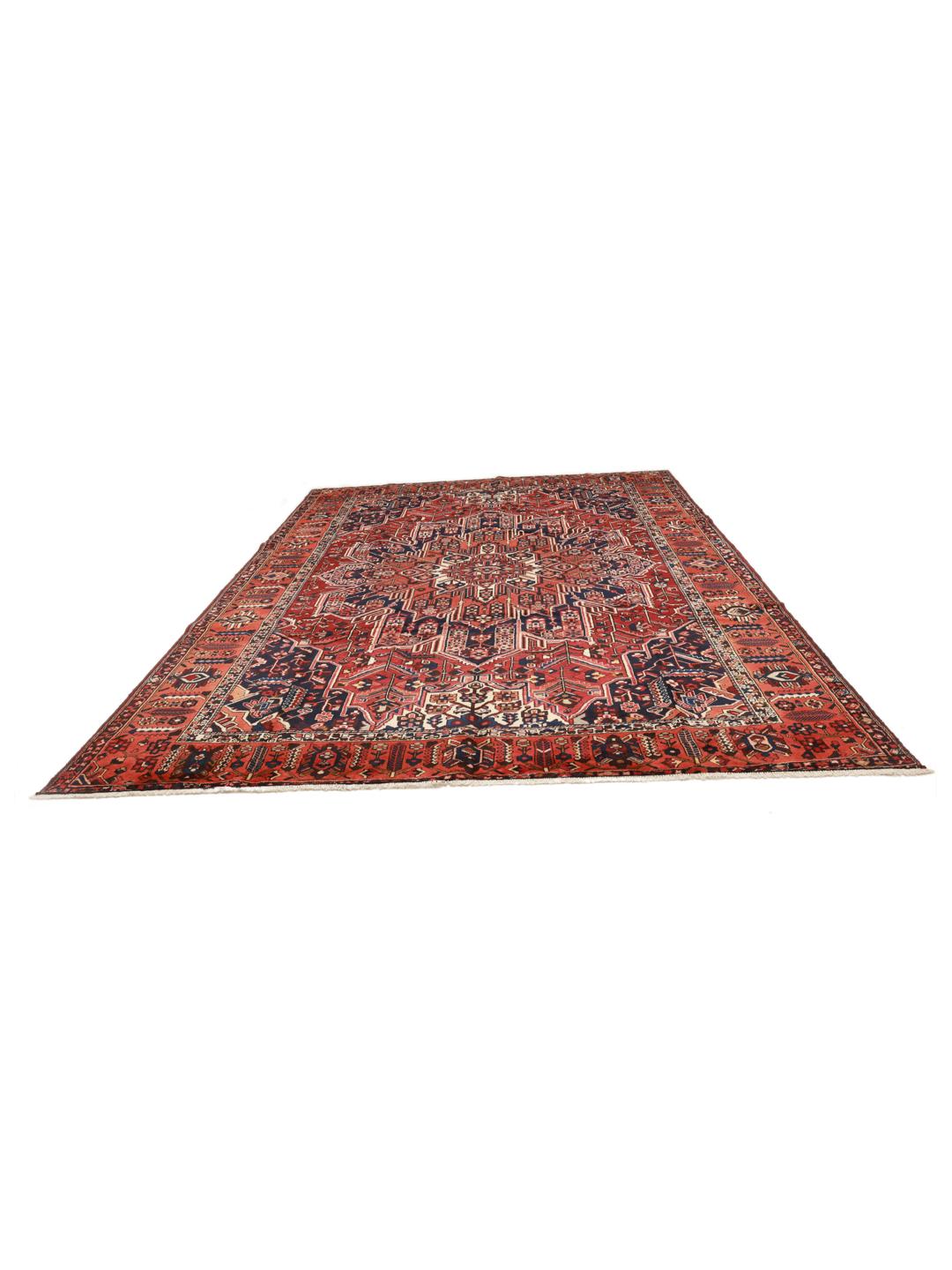
Visually, these rugs are often recognised by their bold, geometric interpretations of garden and floral themes. While many designs feature the iconic 'kheshti' or garden panel pattern, other examples, like this one, utilise intricate medallions and complex borders that showcase the weaver's ability to balance symmetry with artistic spontaneity. The use of deep, saturated tones is a hallmark of the tradition, relying on natural dyes that age beautifully over time.
Collecting a Bakhtiari rug is an investment in cultural heritage. These pieces are highly valued by enthusiasts for their authenticity and the sheer skill required to produce them. Owning one means participating in a legacy of craft that has survived for generations, bridging the gap between ancient tradition and modern home comfort.