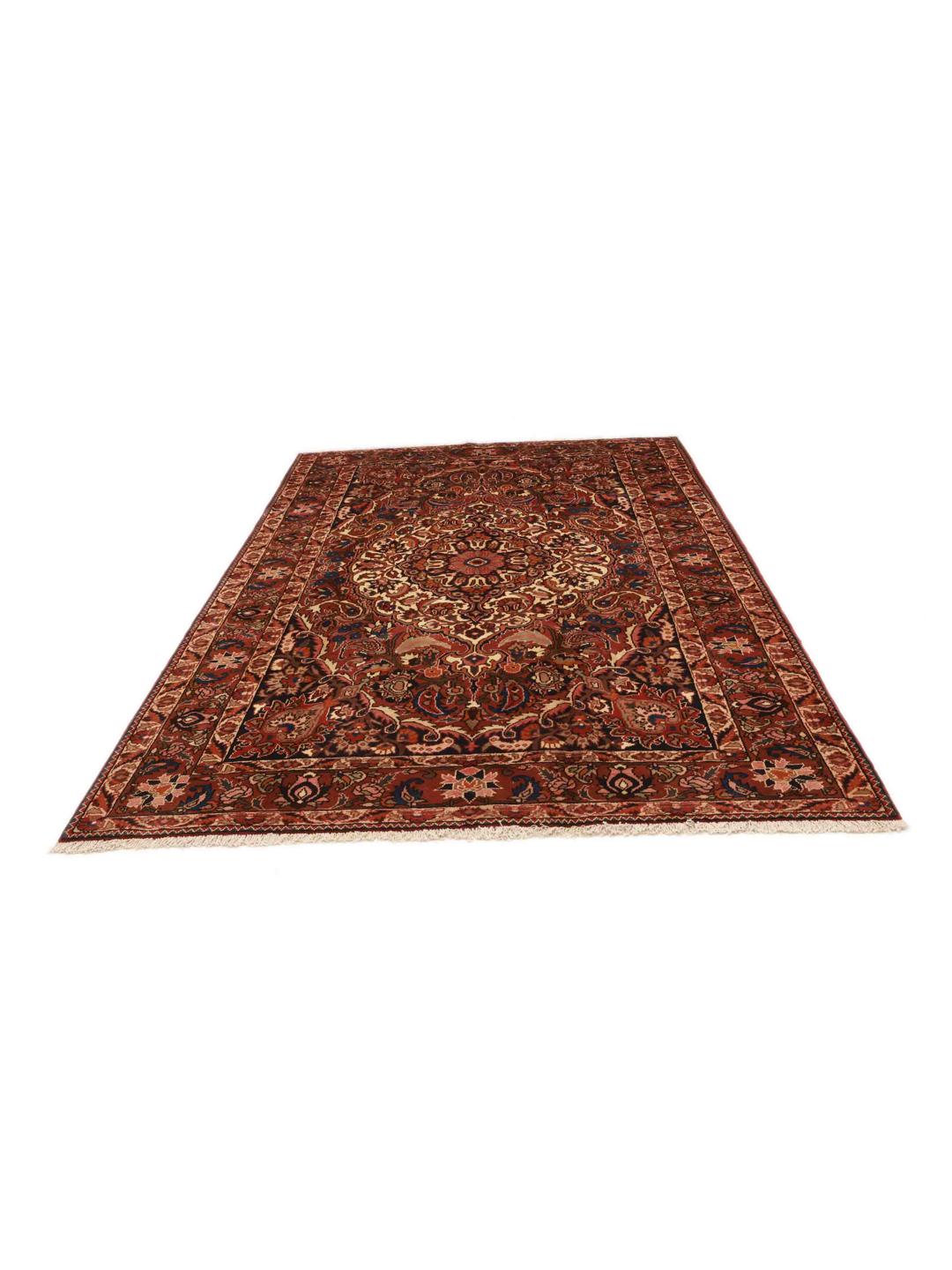
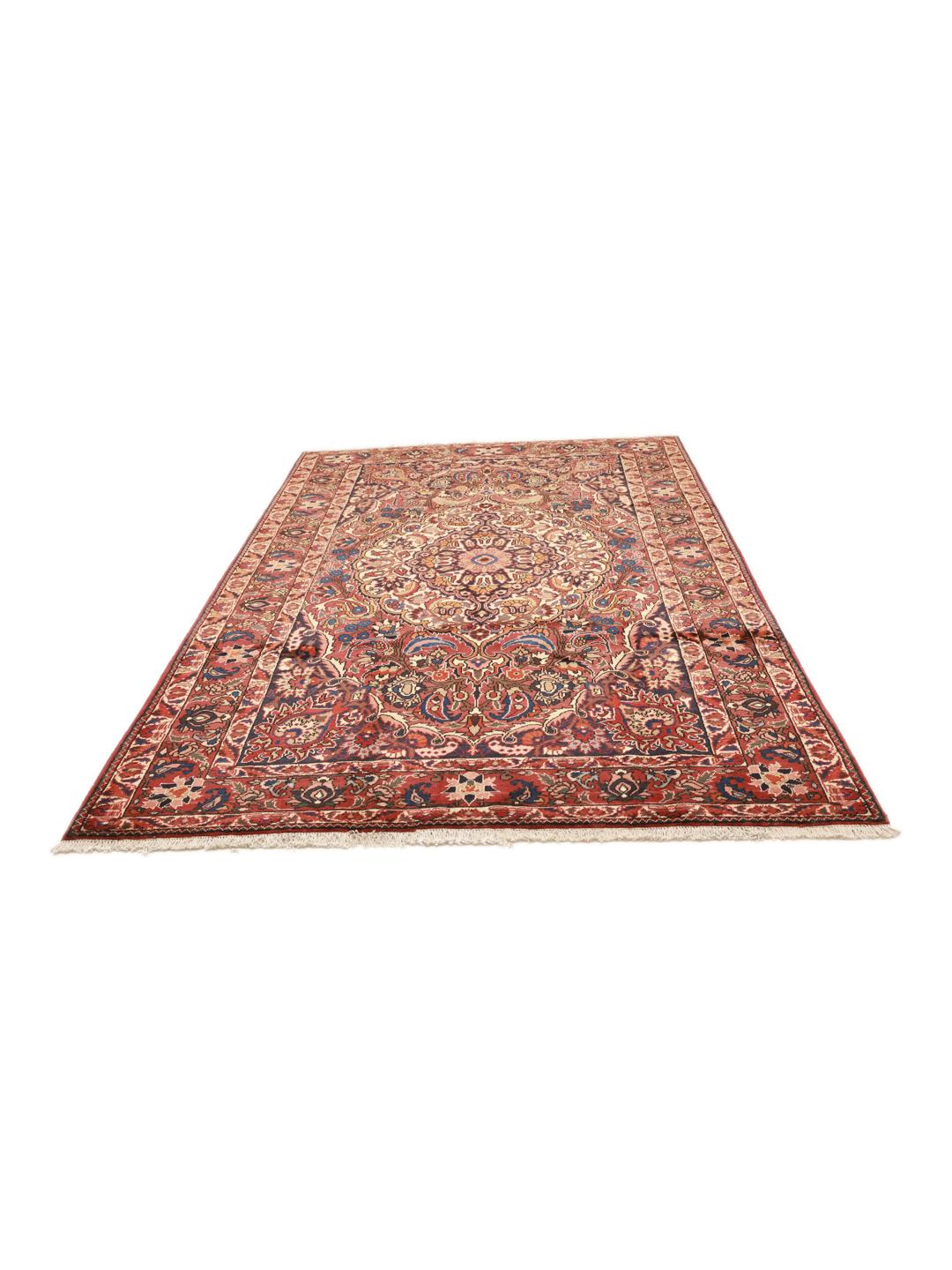
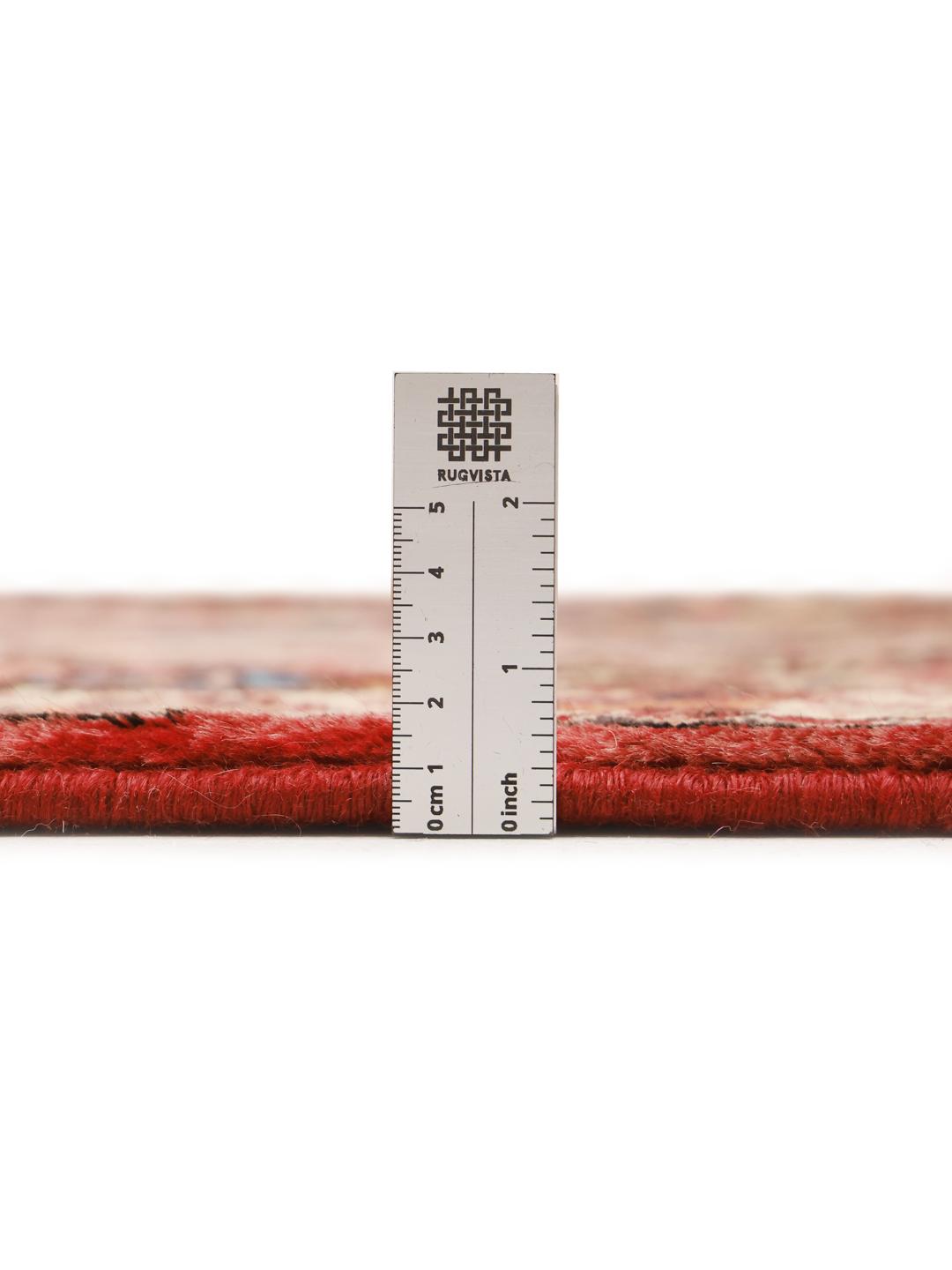
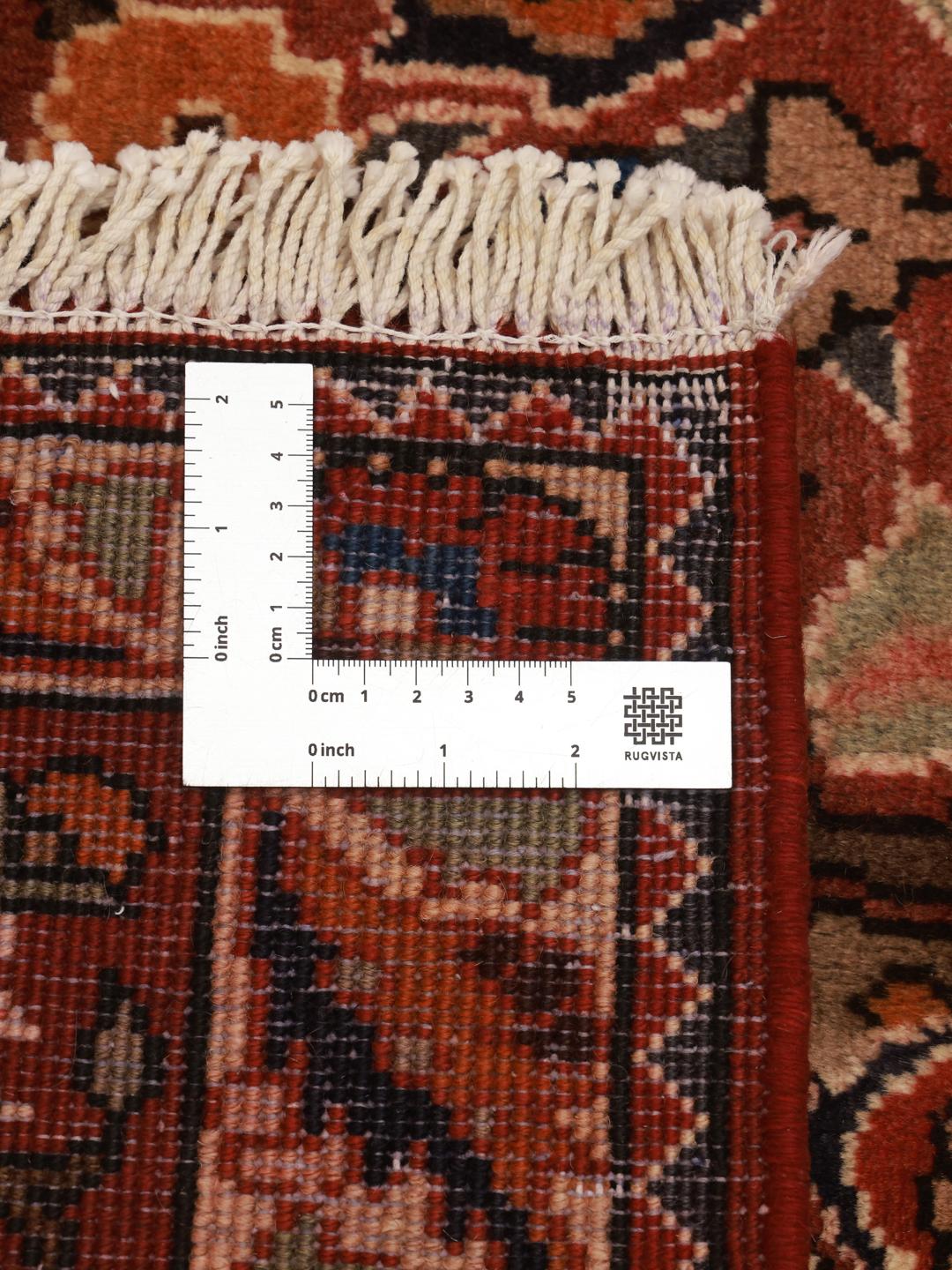
The Bakhtiar rug tradition finds its roots among the Bakhtiari tribes of the Middle Eastern mountain regions. Historically, these nomadic and semi-nomadic people were known for their resilience and their deep connection to the land, which is vividly reflected in their weaving. Over generations, these communities developed a distinct style that has gained international recognition for its robustness and complex, often garden-inspired, aesthetics.
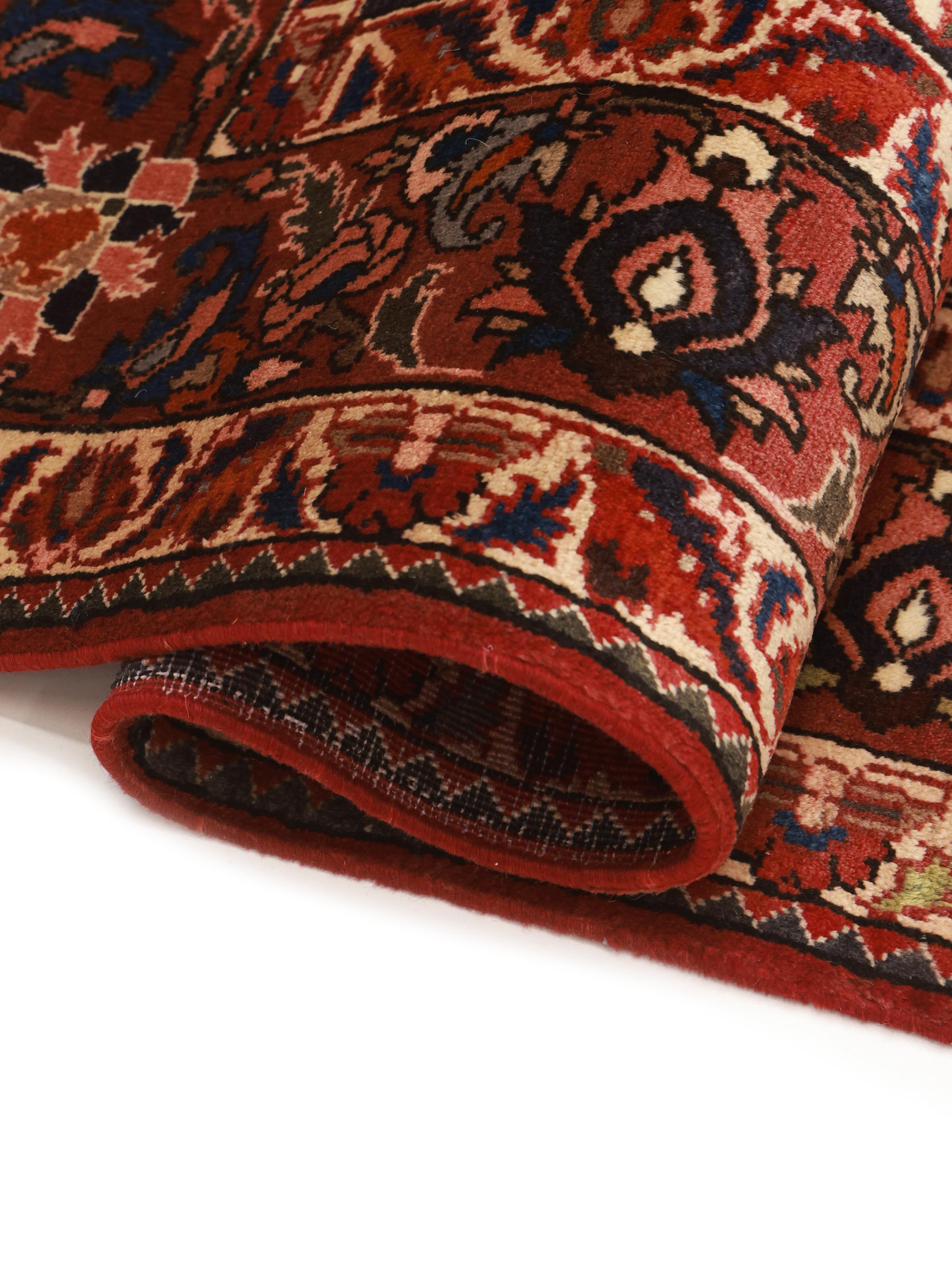
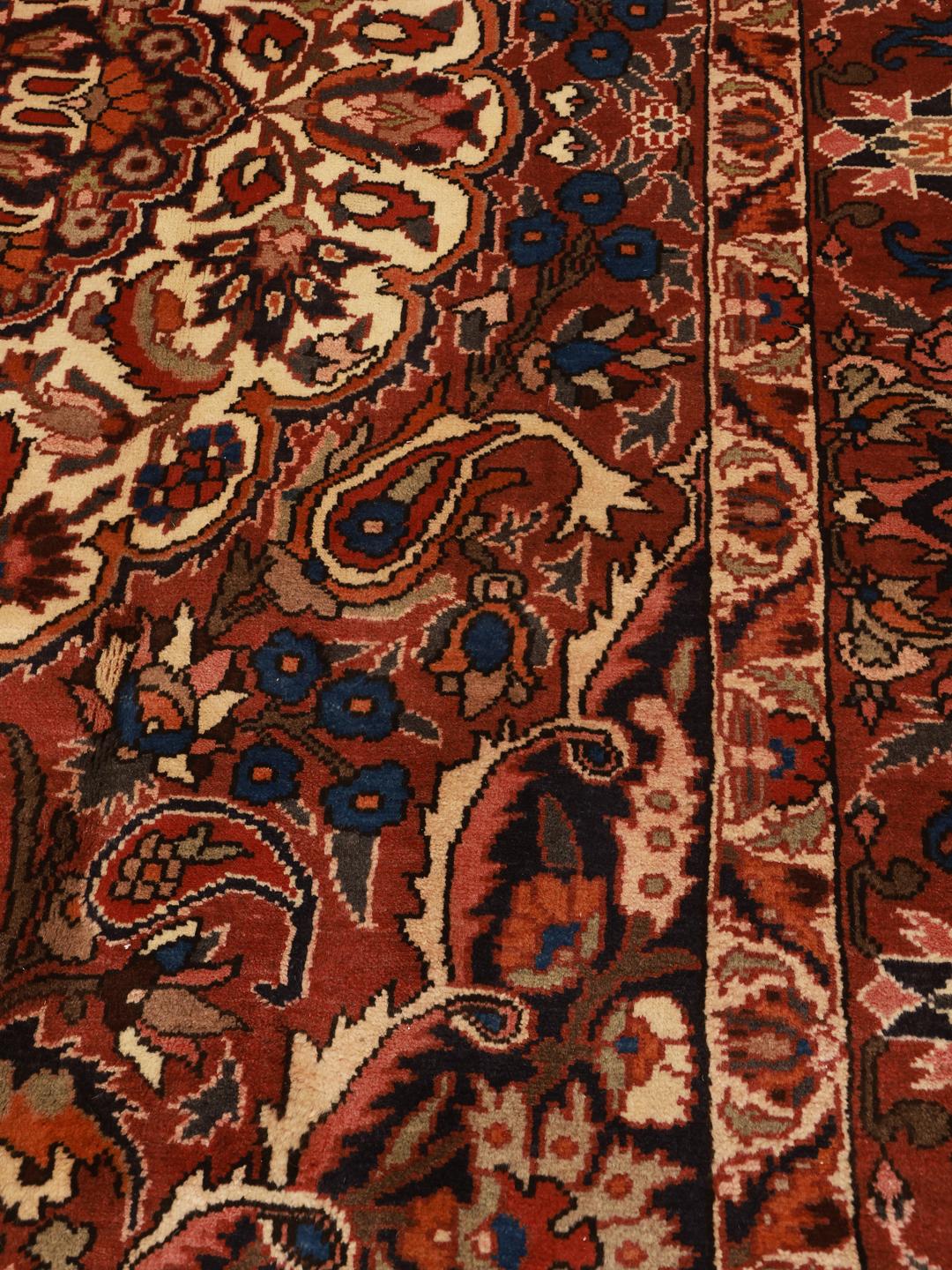
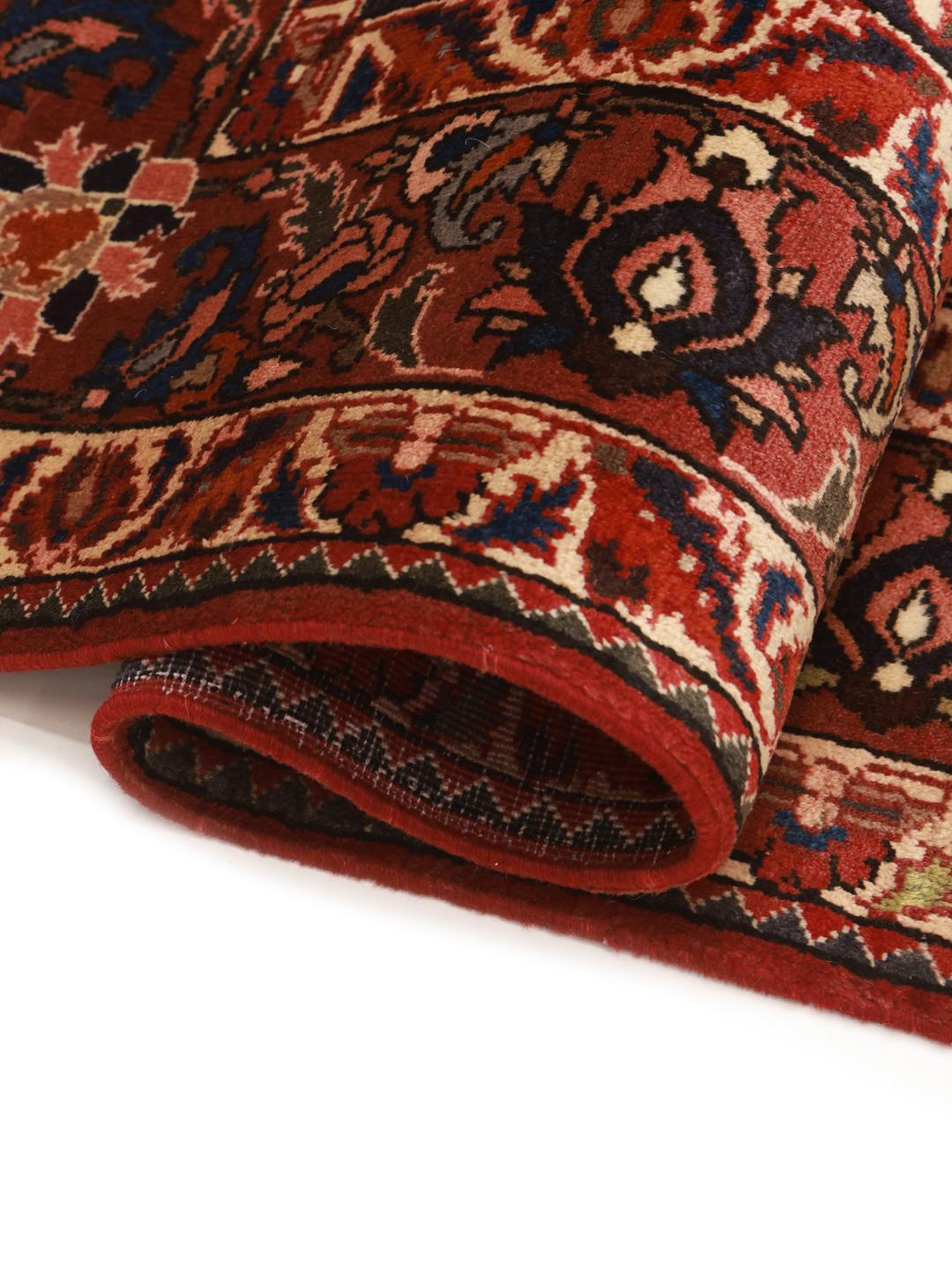
The term Bakhtiar refers not only to the tribal origin but also to the specific construction methods that define these pieces. The wool used is renowned for its durability, as it is sourced from sheep living in high-altitude climates, resulting in a lanolin-rich fibre that is naturally soft yet incredibly strong. This material choice is essential for the longevity of the rug, allowing it to withstand the rigors of nomadic life and, subsequently, the demands of modern homes.
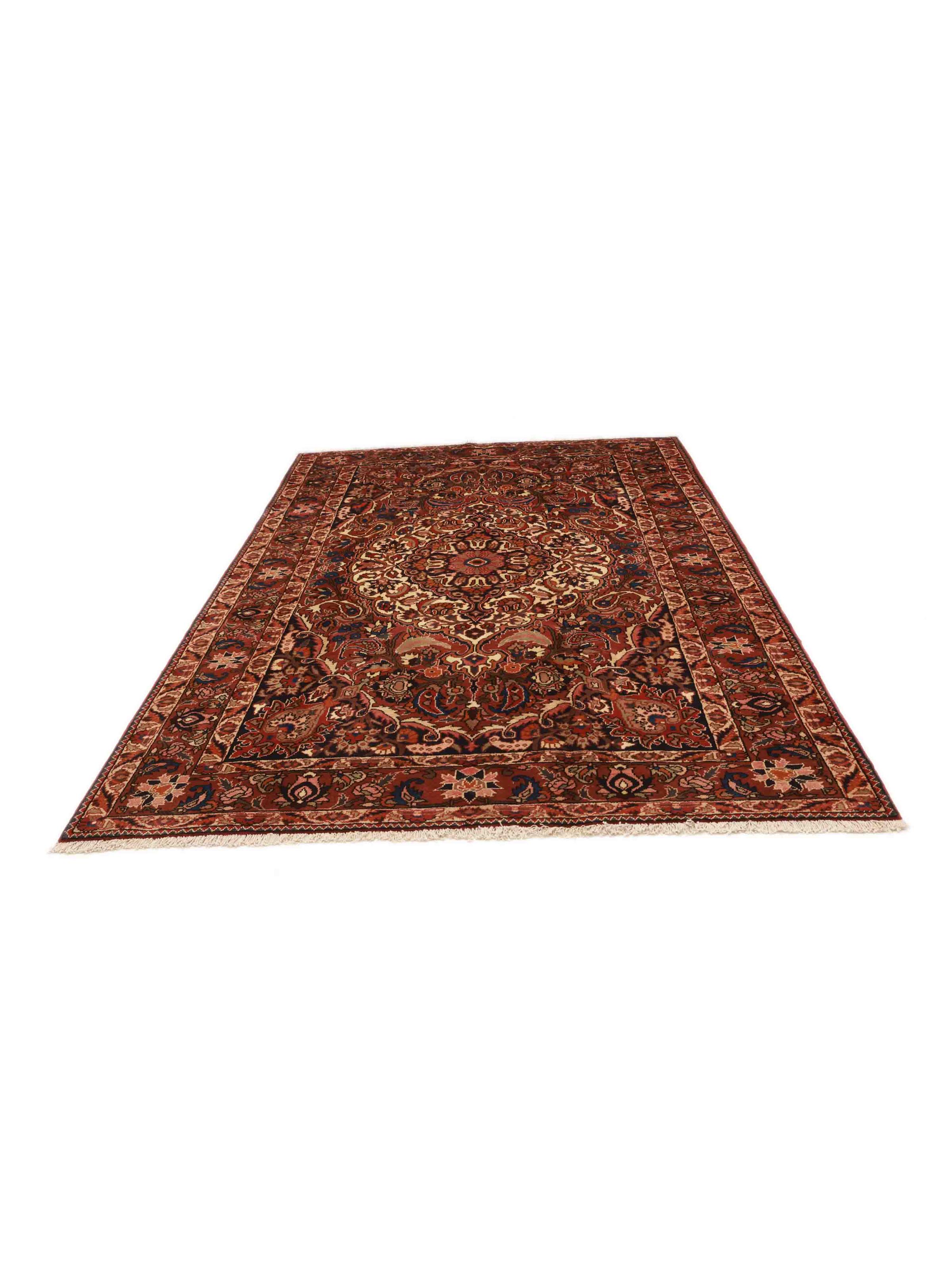
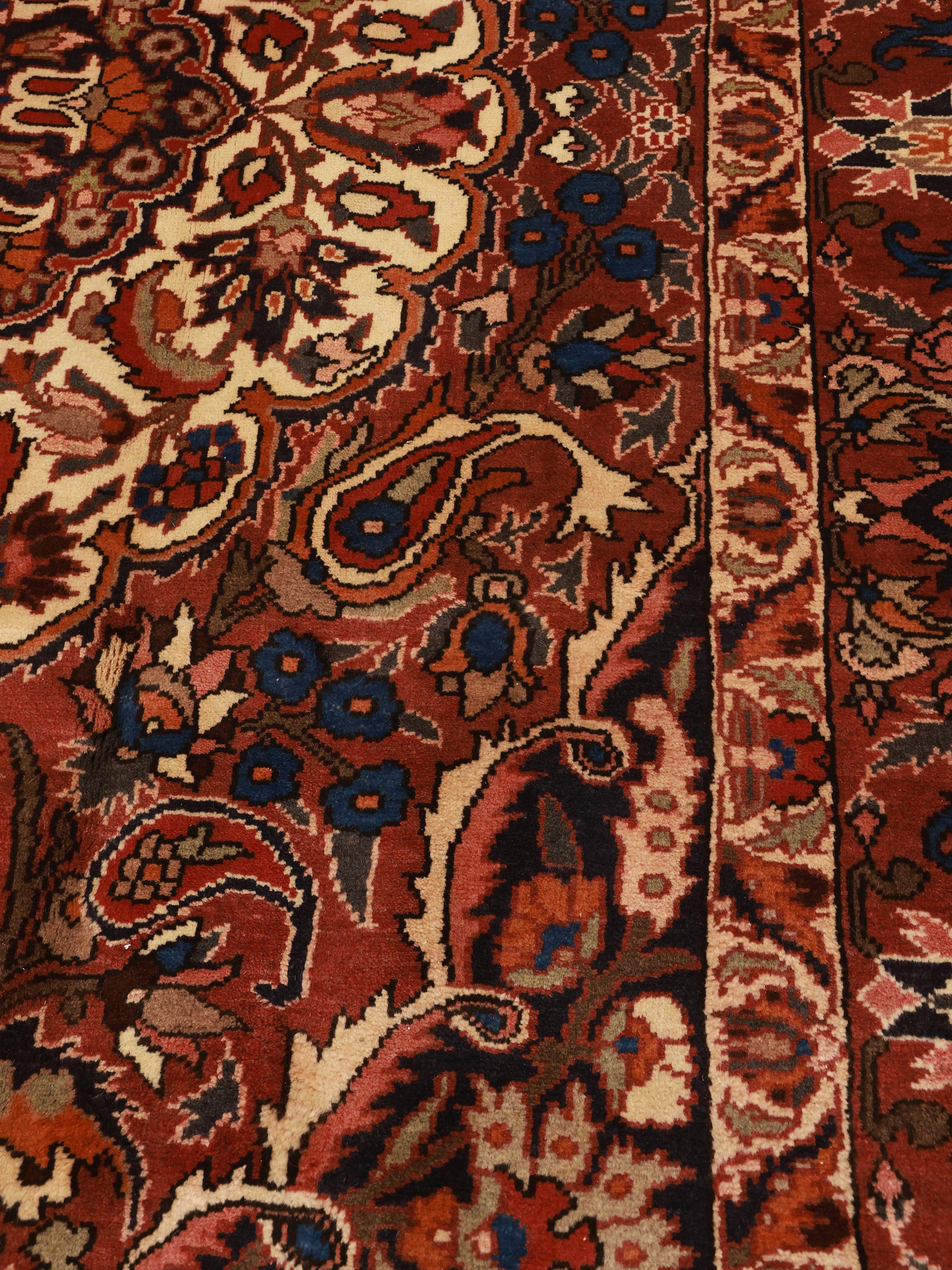
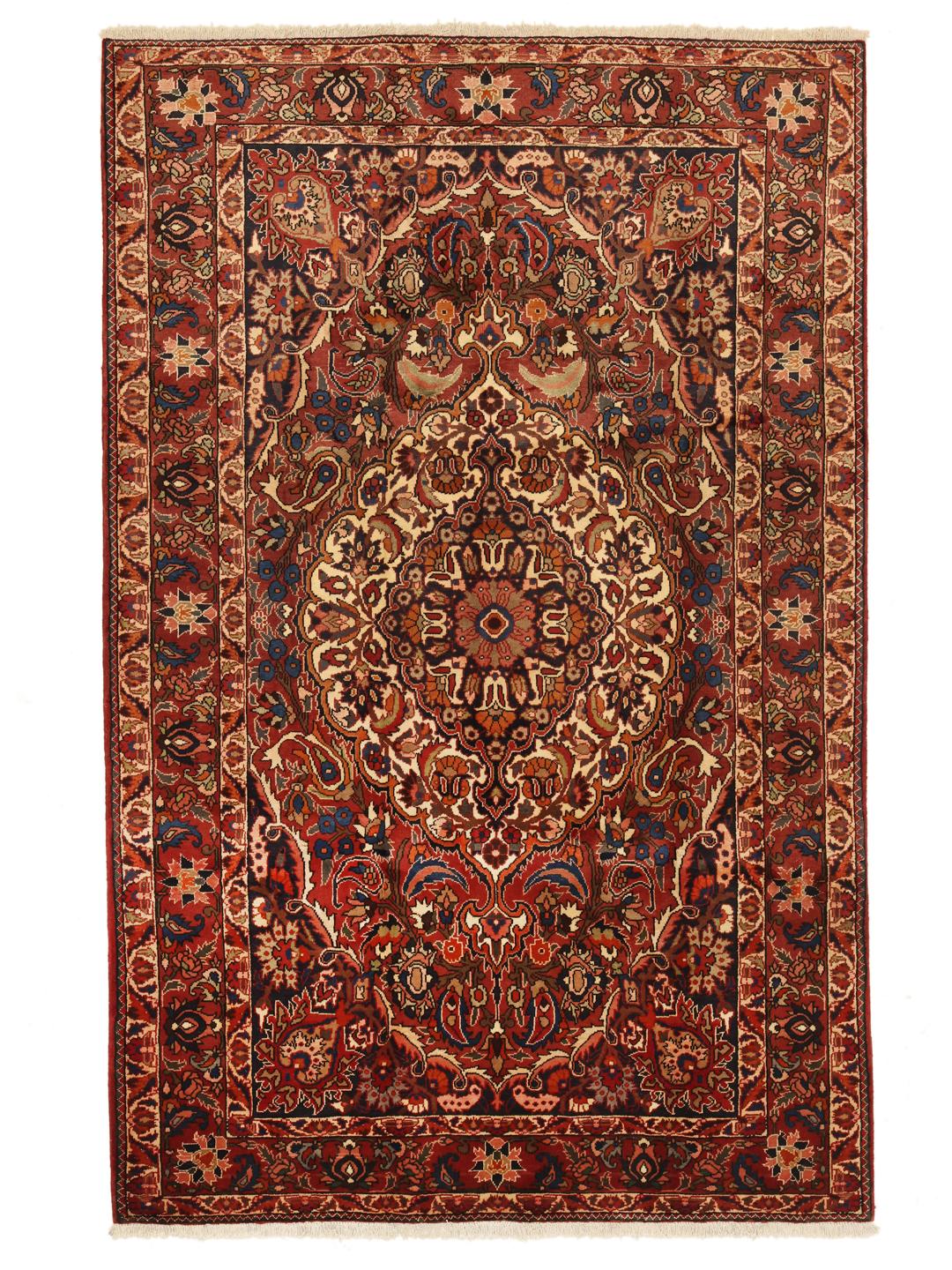
Visually, these rugs are often celebrated for their garden or 'khesti' patterns, though they frequently incorporate central medallions and dense floral arrangements as seen in this piece. The borders are typically wide and filled with intricate, repetitive motifs that frame the central field. The deep red and blue tones are classic hallmarks of the region's natural dyeing traditions, providing a timeless look that bridges the gap between traditional and contemporary interiors.
Collecting a Bakhtiar rug is an investment in a storied craft tradition. These rugs are highly valued for their ability to balance formal design with a rustic, handmade soul. Owning one is a way to bring a piece of Middle Eastern heritage into your home, celebrating the skill of the weavers who continue to pass down these techniques through families. It is a durable, functional piece of art that gains character with every passing year.