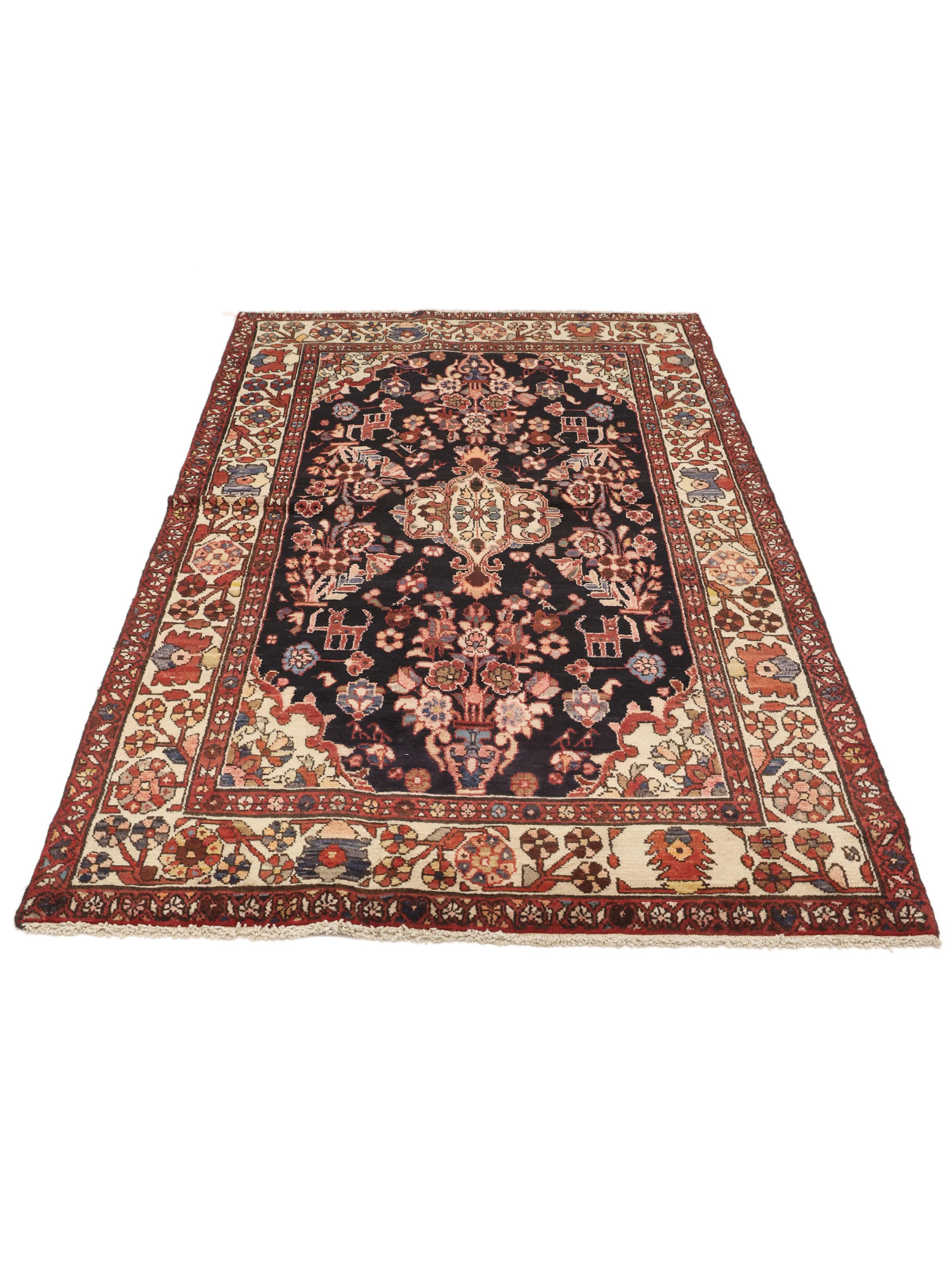
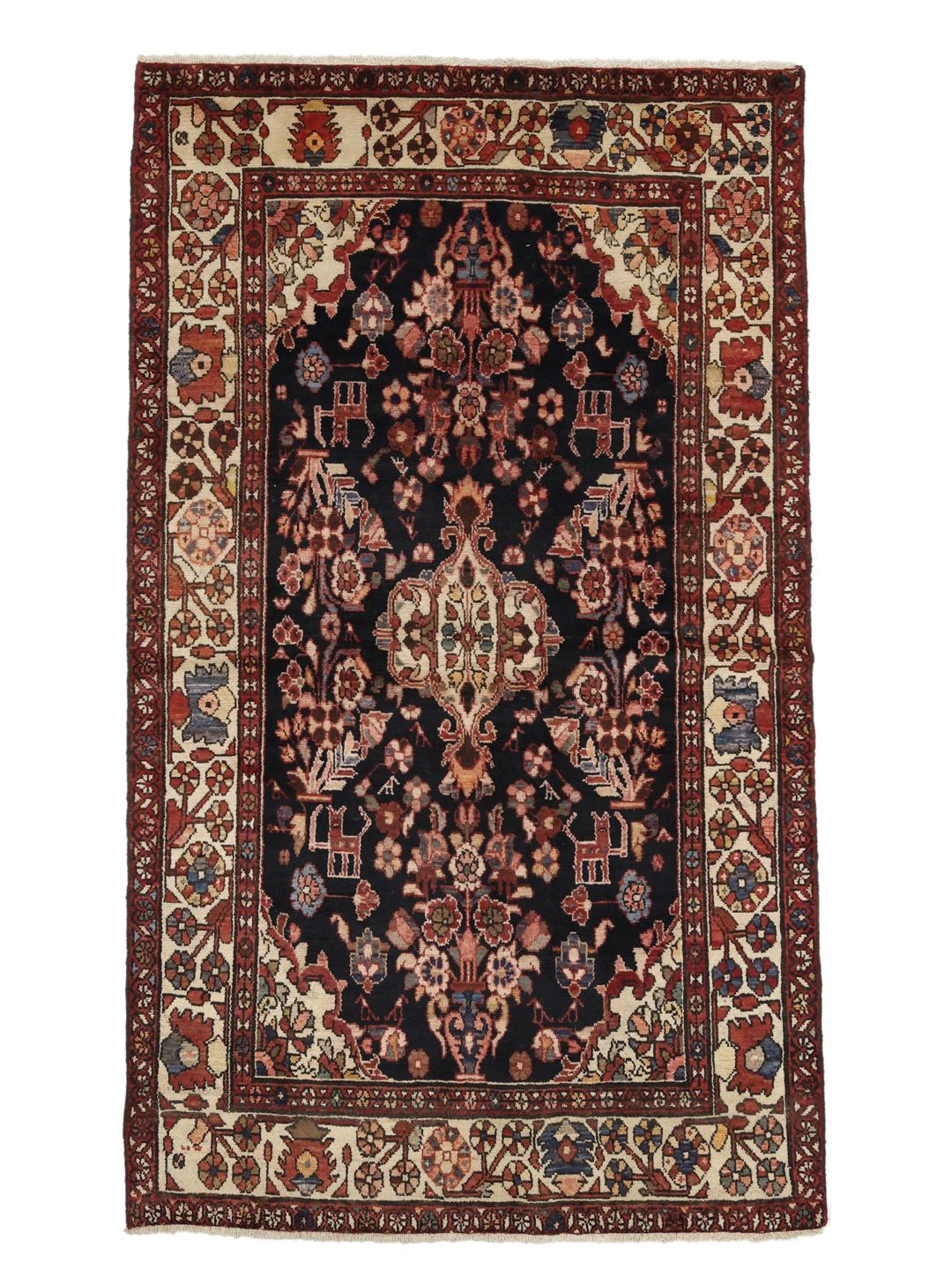
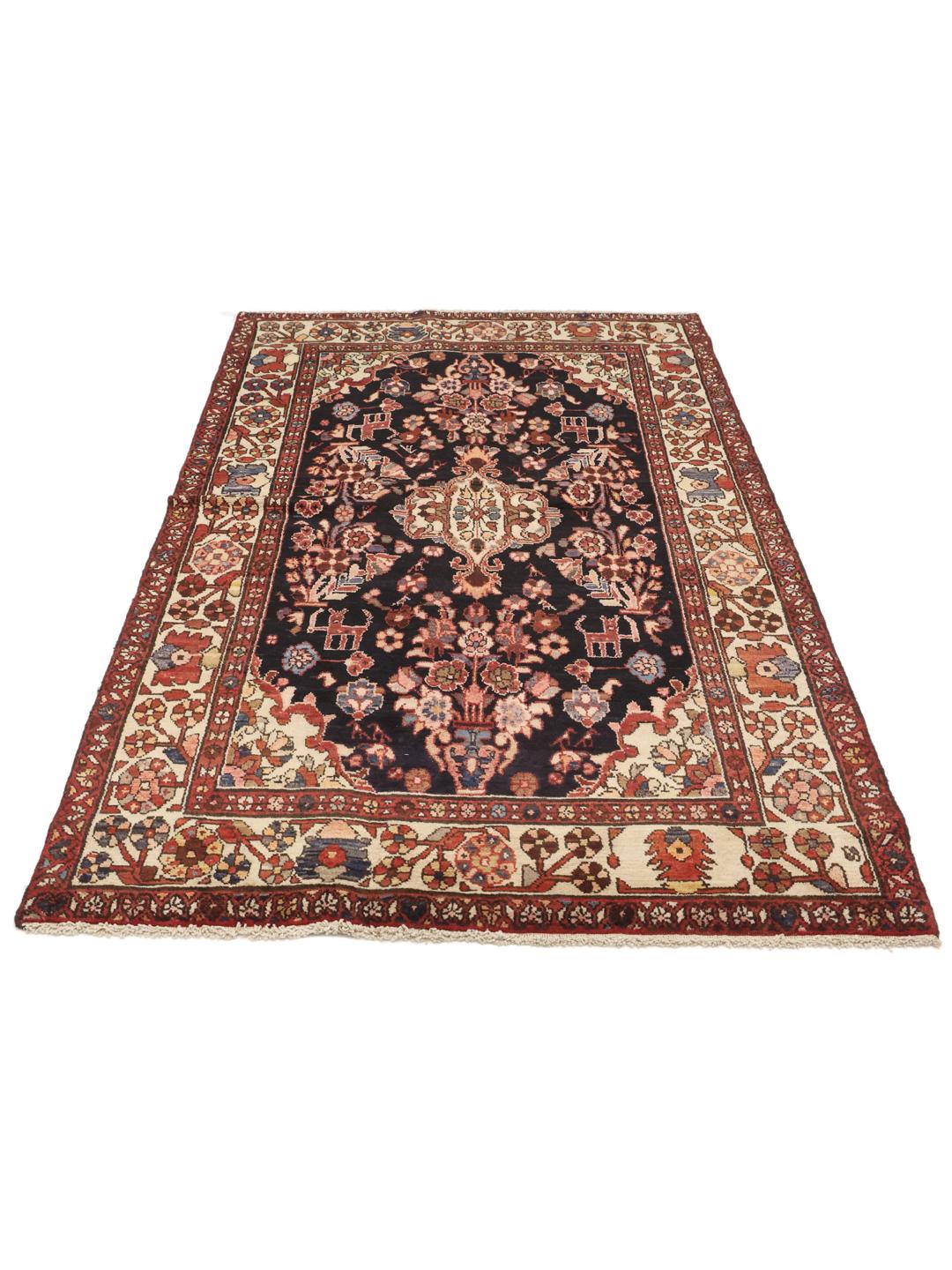
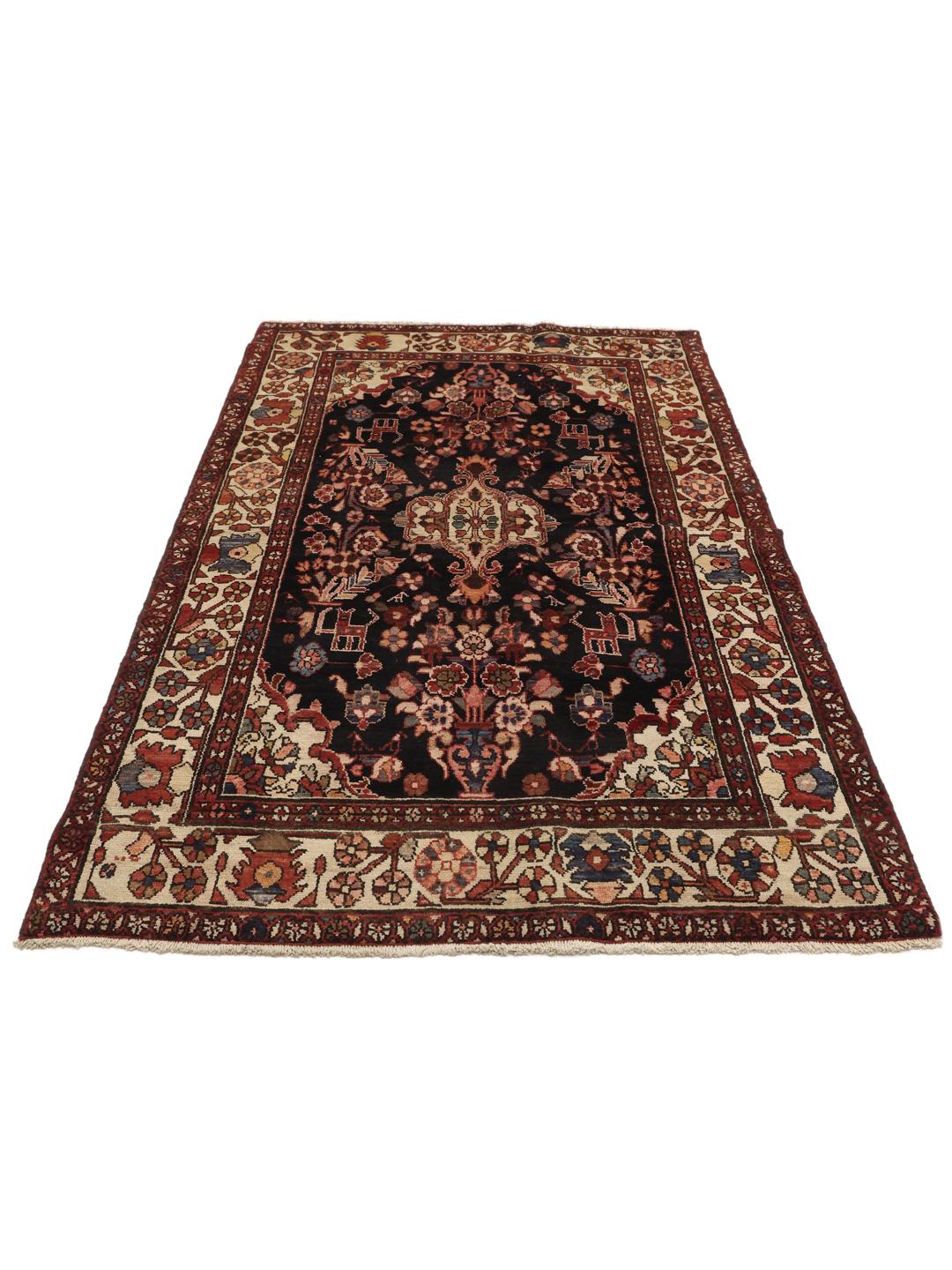
The Bakhtiari region, located in the mountainous territories of the Middle East, is home to a nomadic and semi-nomadic confederation of tribes known for their distinct weaving traditions. These rugs are celebrated for their strength and the bold, often garden-inspired designs that reflect the lush landscapes of their homeland. Unlike many other regional styles, Bakhtiari designs often incorporate a wide array of influences, blending tribal spontaneity with the sophisticated planning of settled weaving centres.
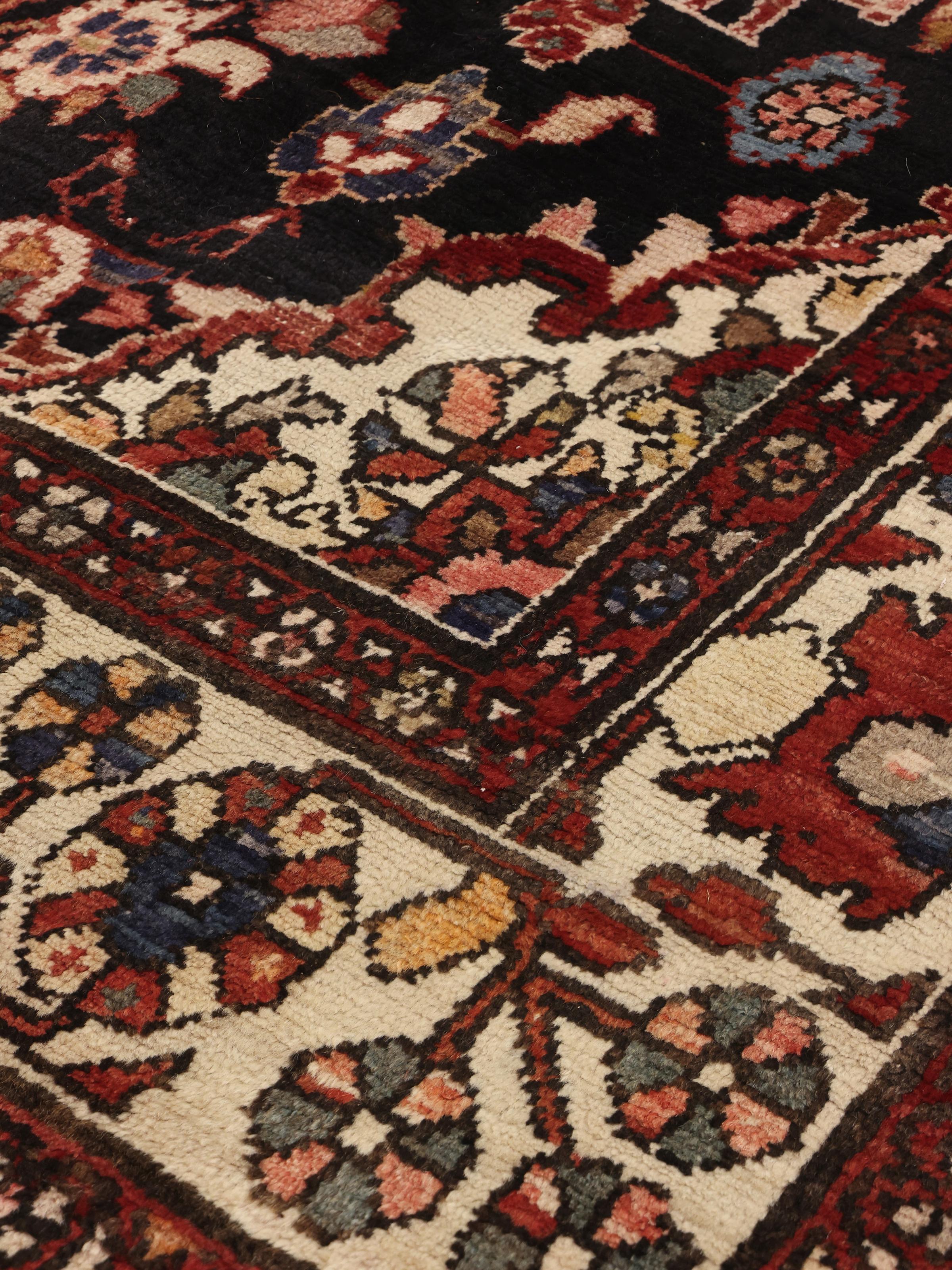
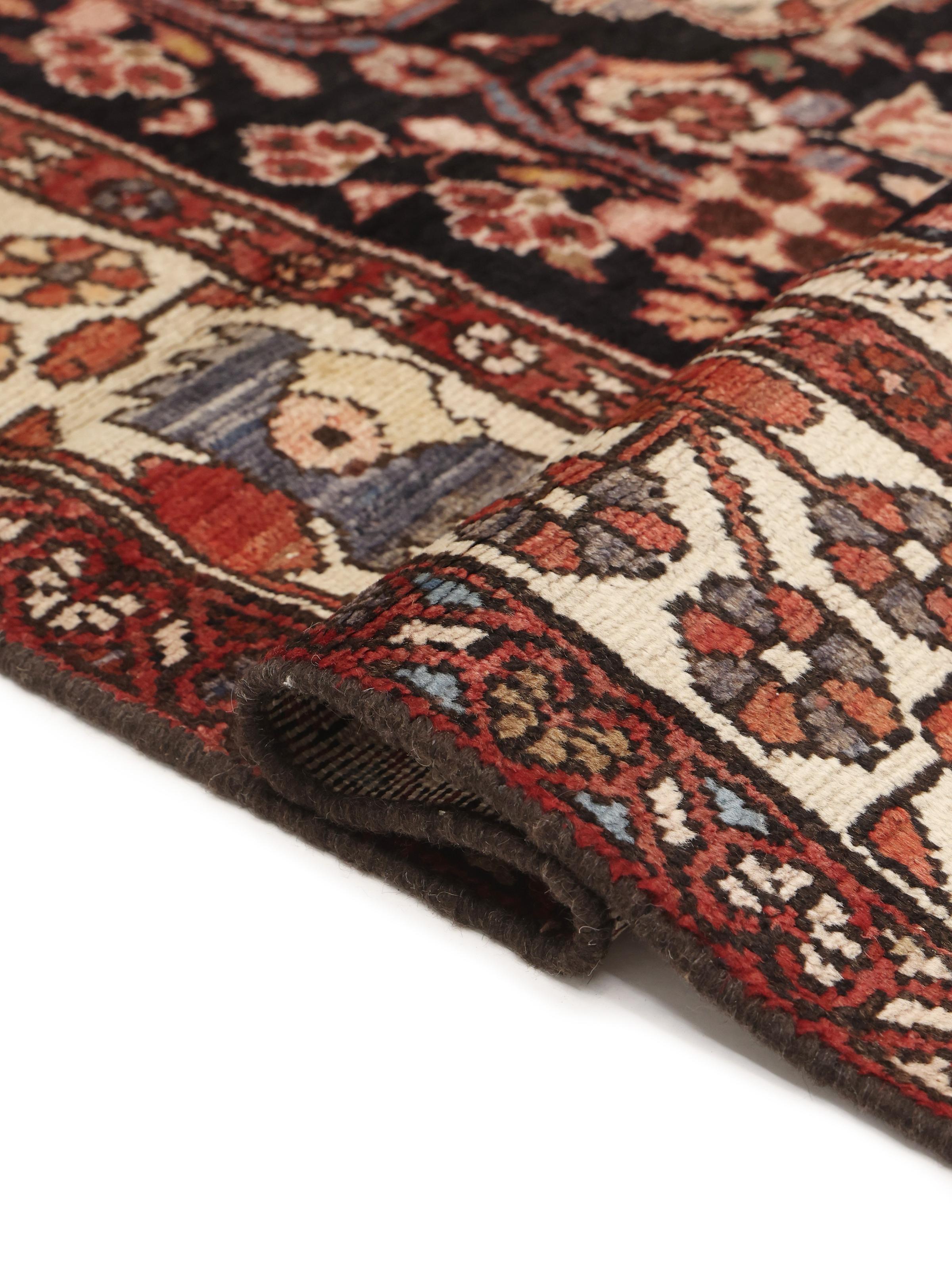
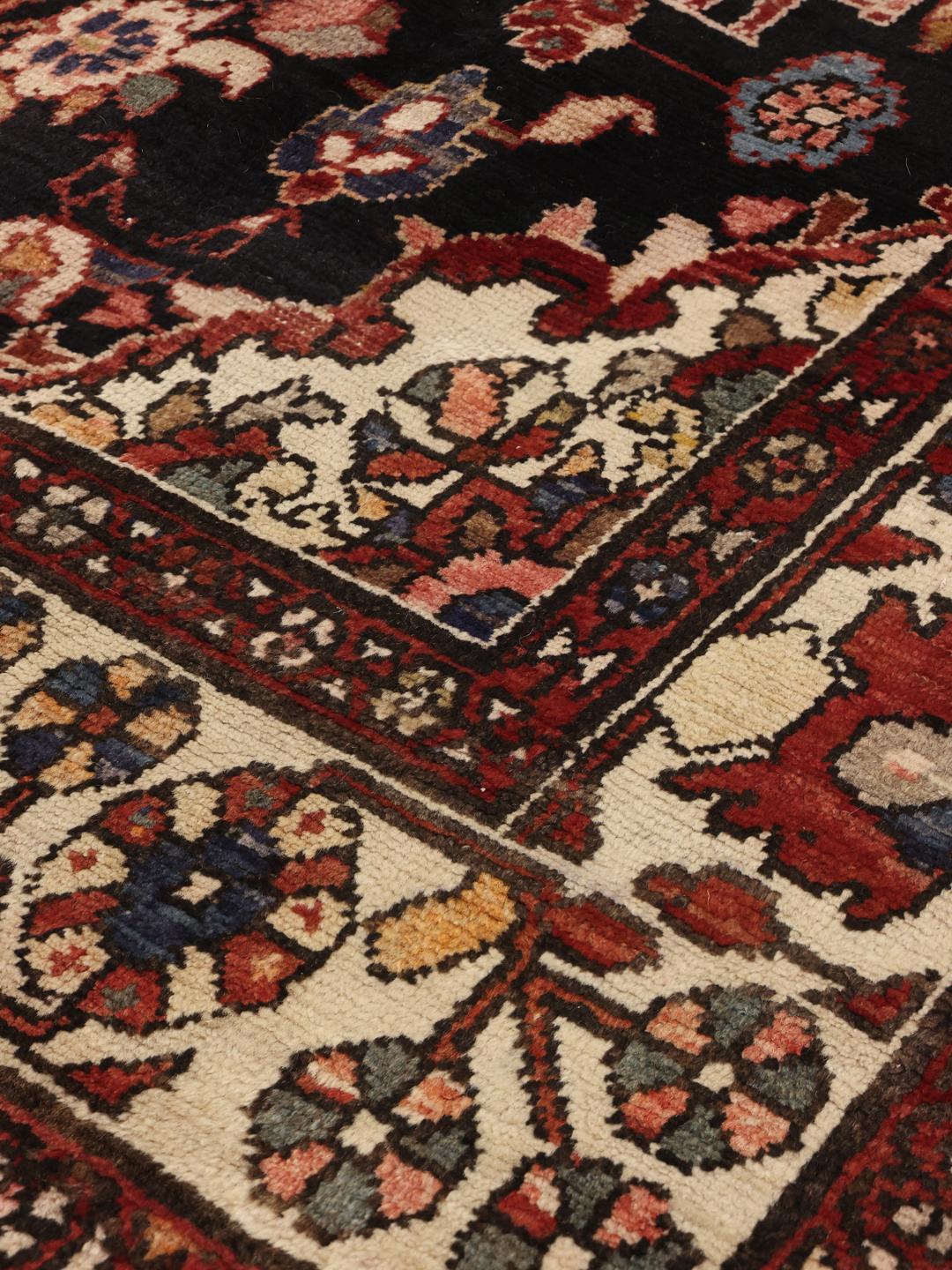
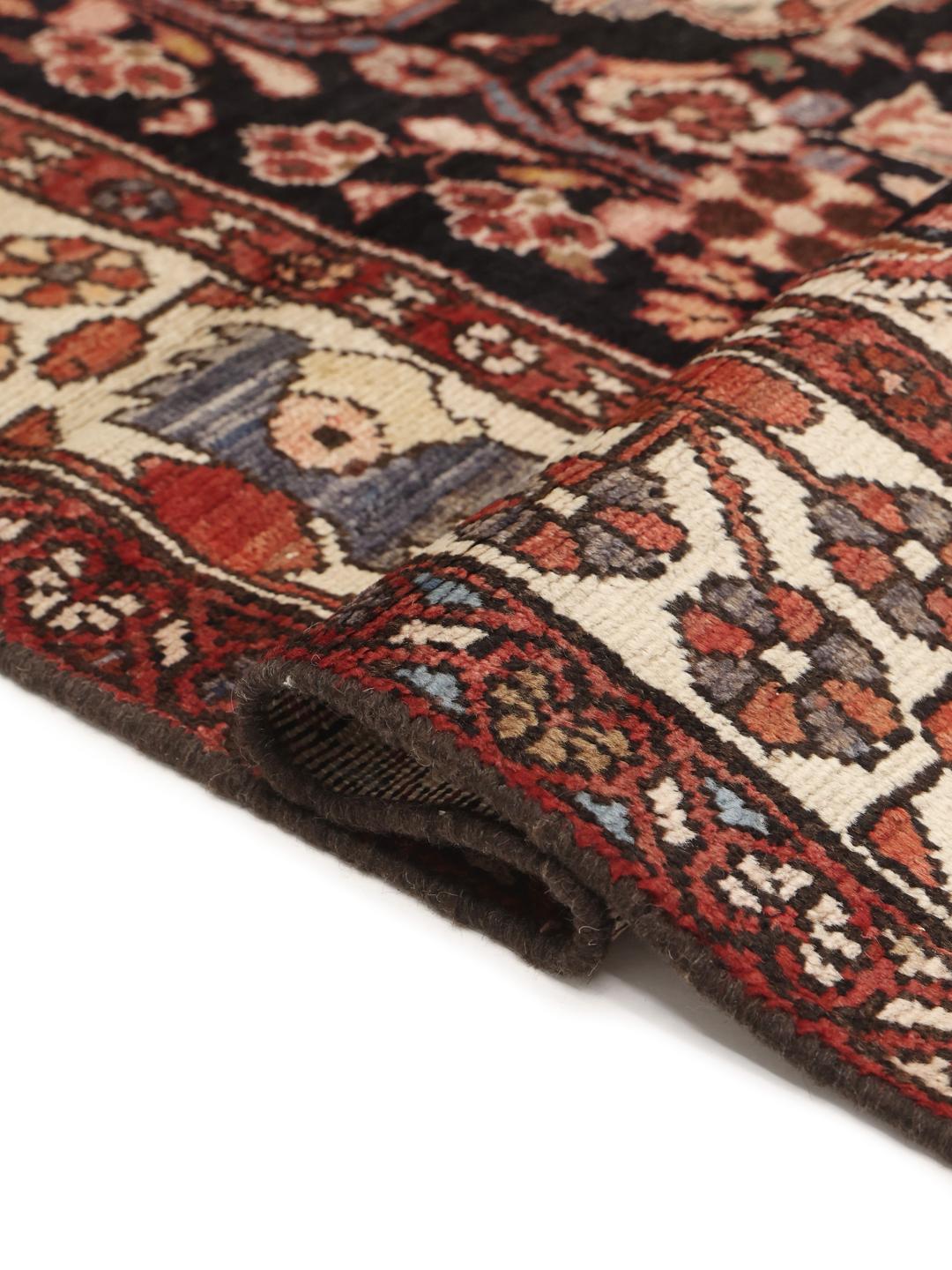
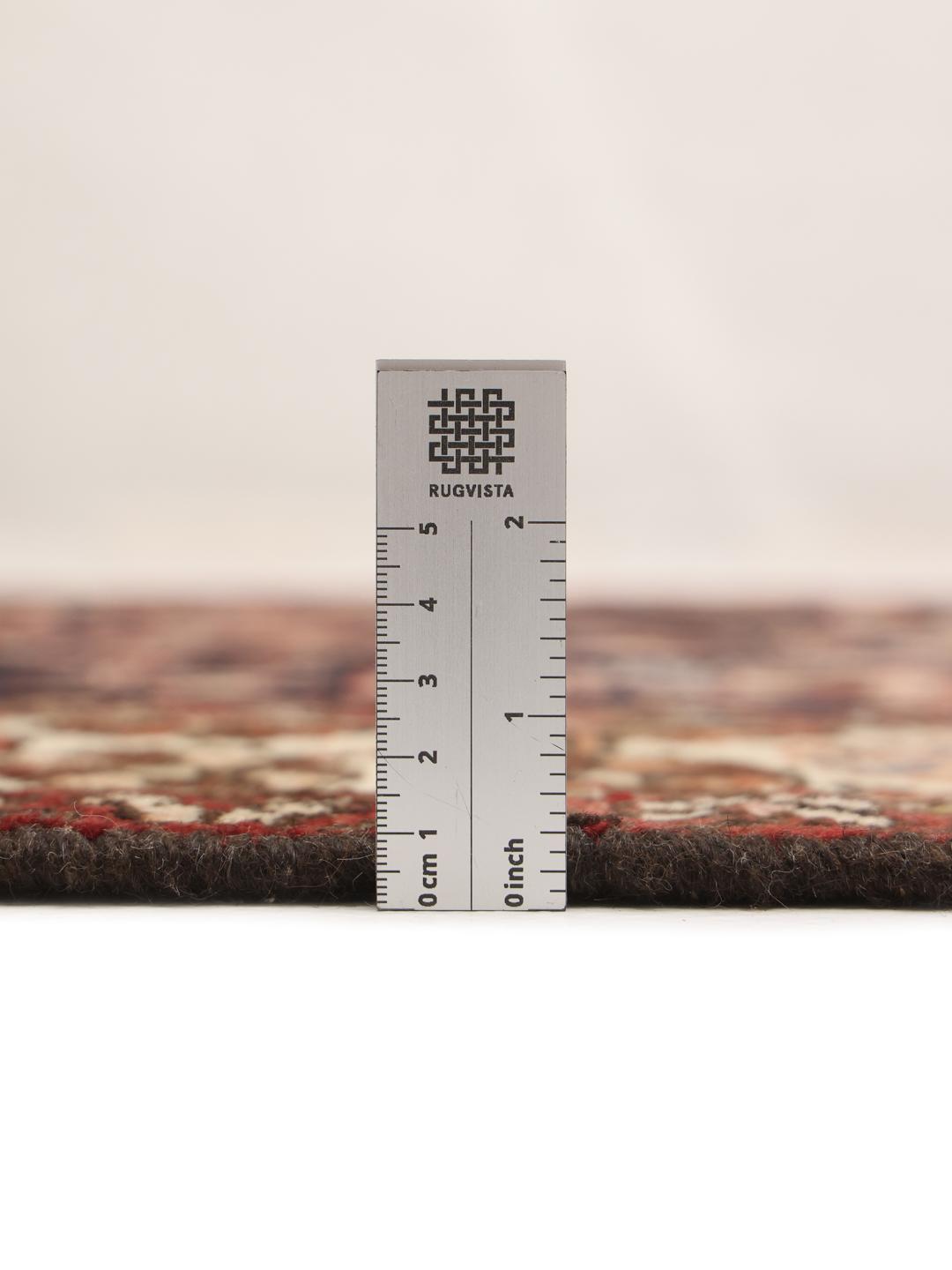
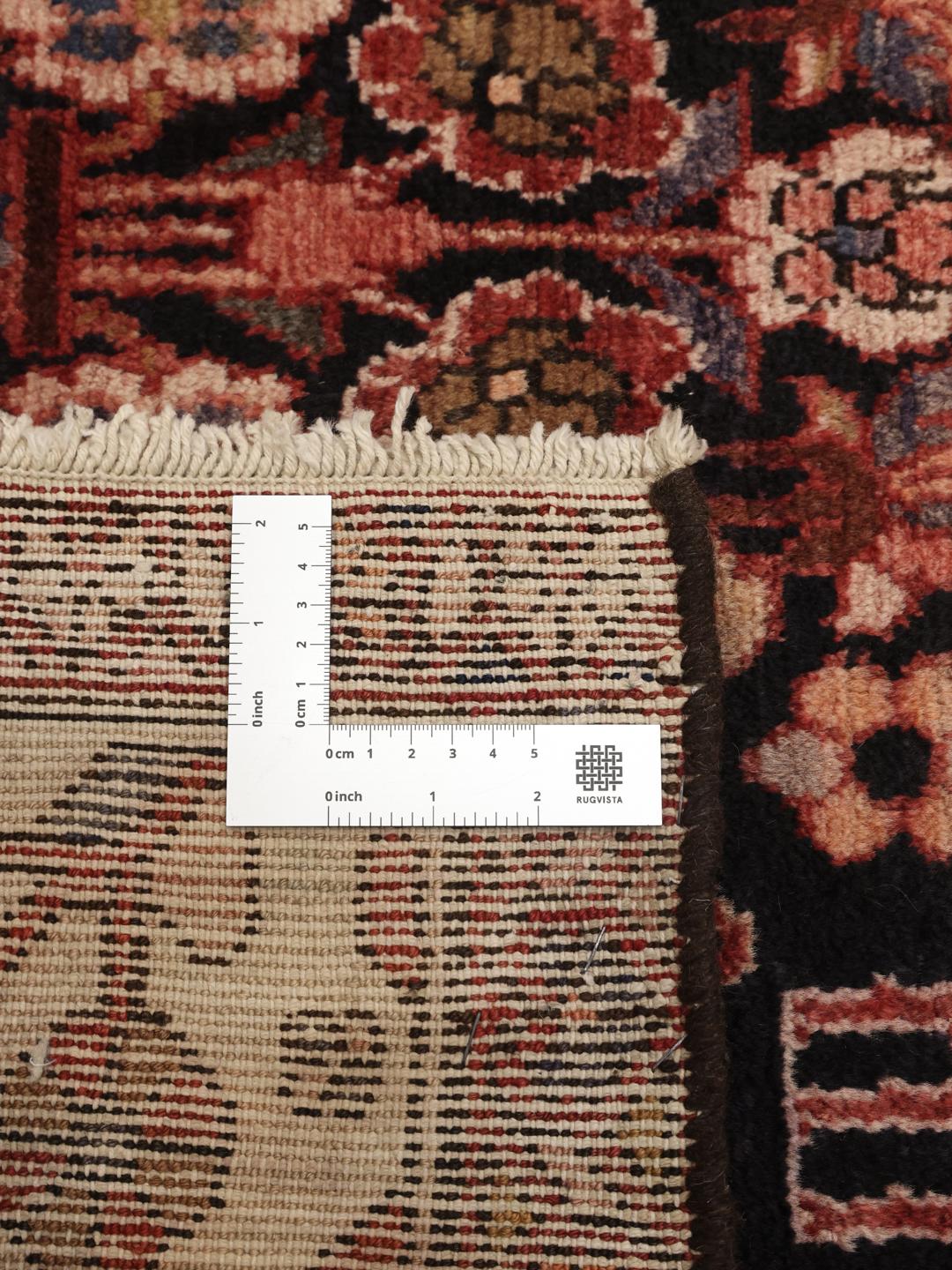
The term Bakhtiar refers to the specific tribal origin of these pieces, which are characterised by their sturdy construction and the use of high-quality, durable wool. This material is chosen for its natural lanolin content, which provides a soft yet resilient pile that is well-suited for the demanding conditions of mountain living. The weaving process is a deeply ingrained cultural practice, passed down through generations, ensuring that each rug retains the technical signatures of its tribe.
Signature designs often feature the 'khesti' or garden panel motif, which segments the rug into various compartments filled with floral, animal, or architectural symbols. While this specific piece may feature a more centralised composition, it retains the classic Bakhtiari focus on rich, saturated colours and dense, storytelling borders. These motifs are not merely decorative but are often symbolic, representing the weaver's connection to nature, prosperity, and their ancestral environment.
Collecting a piece from this tradition is an act of preserving a disappearing art form. Because these rugs are produced in limited quantities and rely on the individual vision of the weaver, they hold significant cultural and collector value. Owning a Bakhtiar rug is an opportunity to connect with a legacy of skill and heritage, bringing a piece of Middle Eastern history into your home that is as durable as it is beautiful.