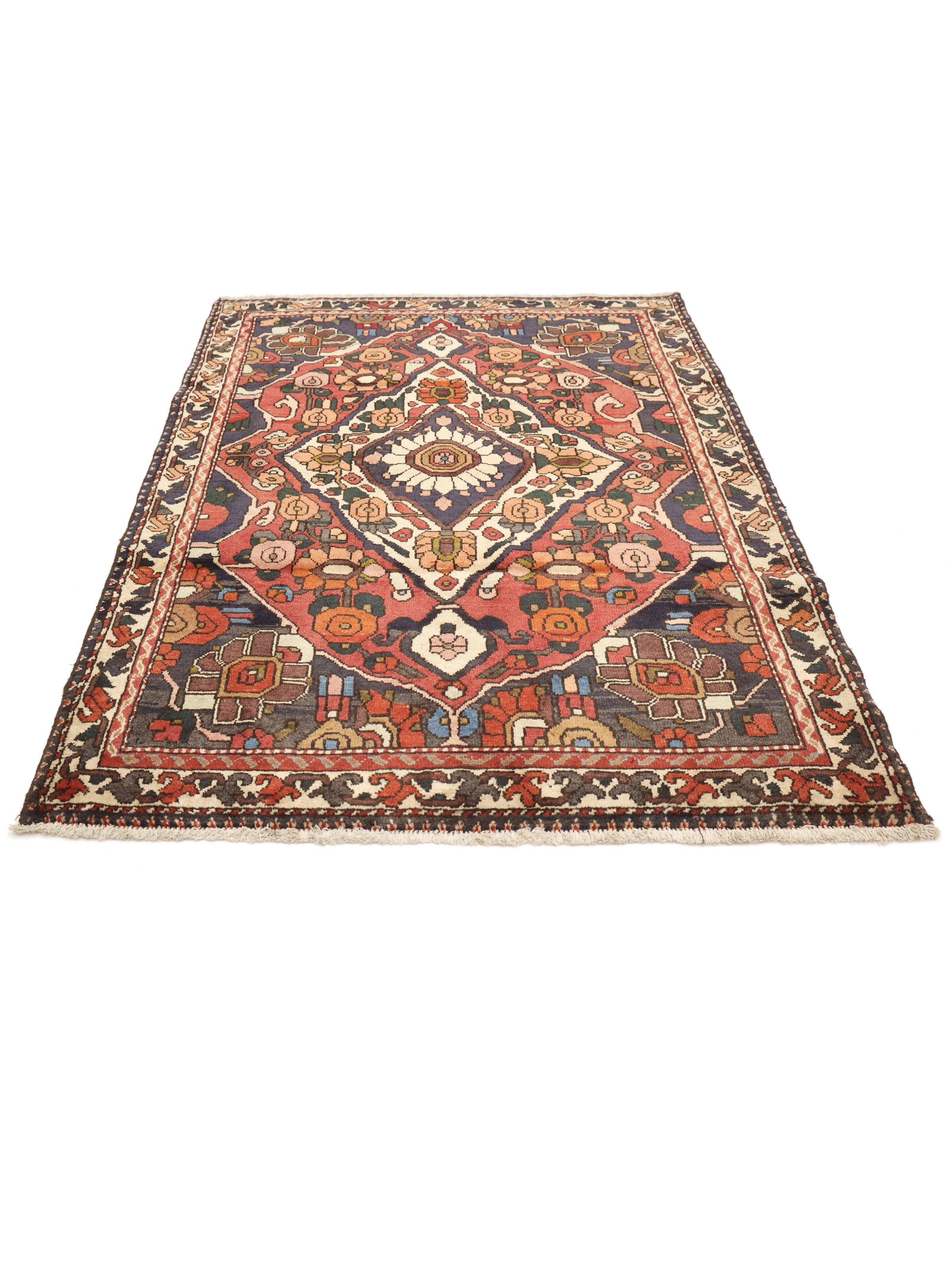
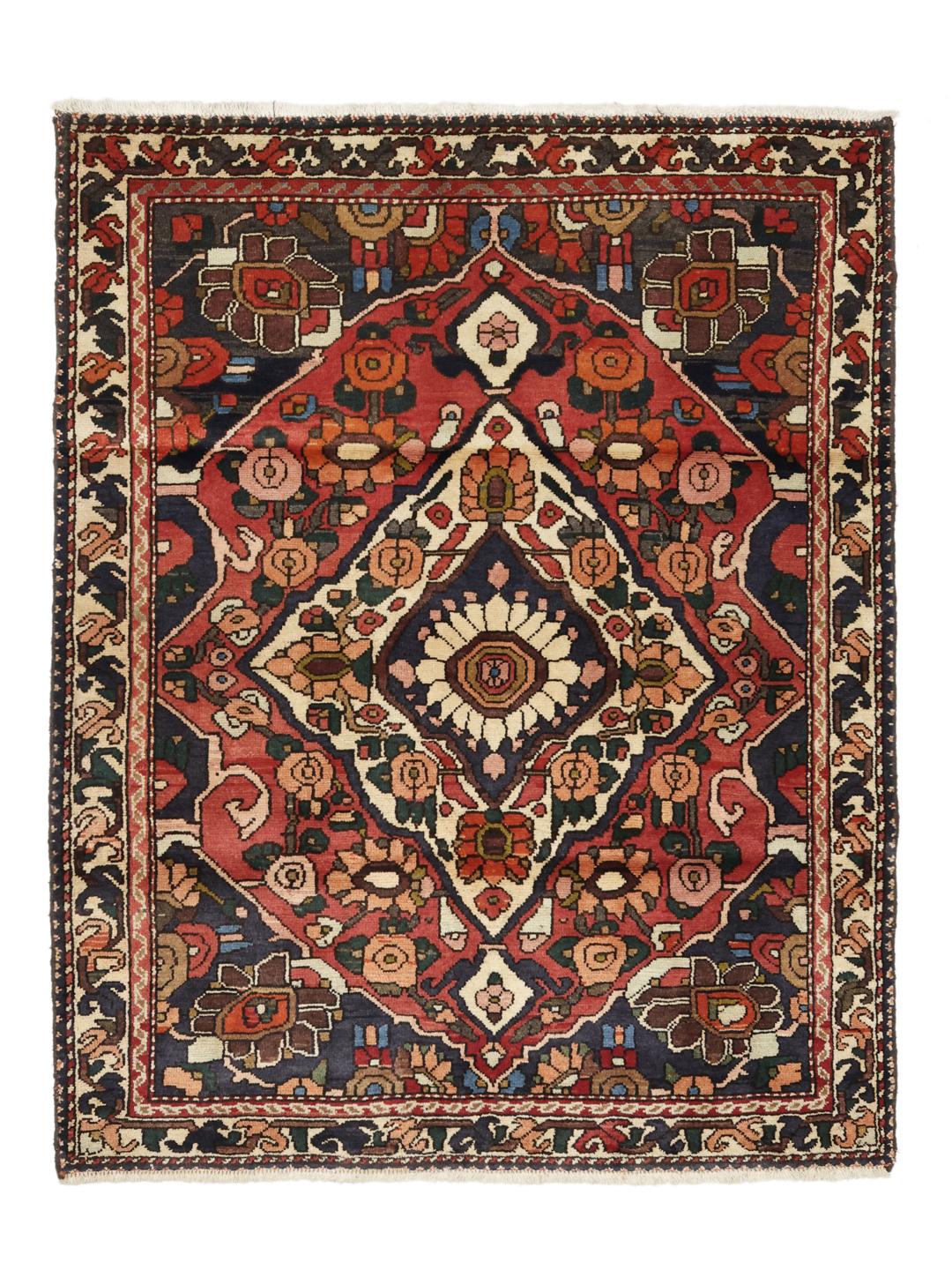
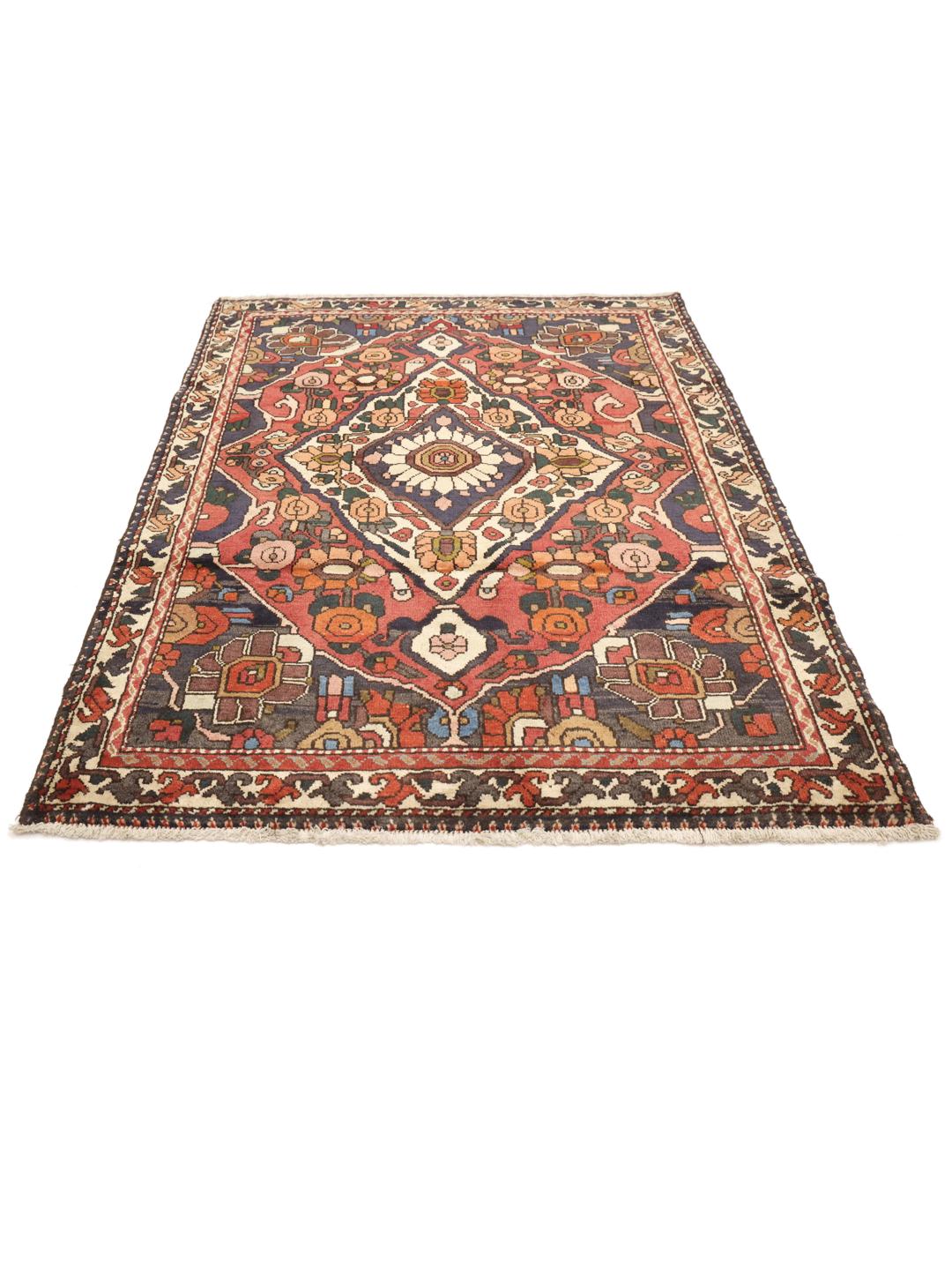
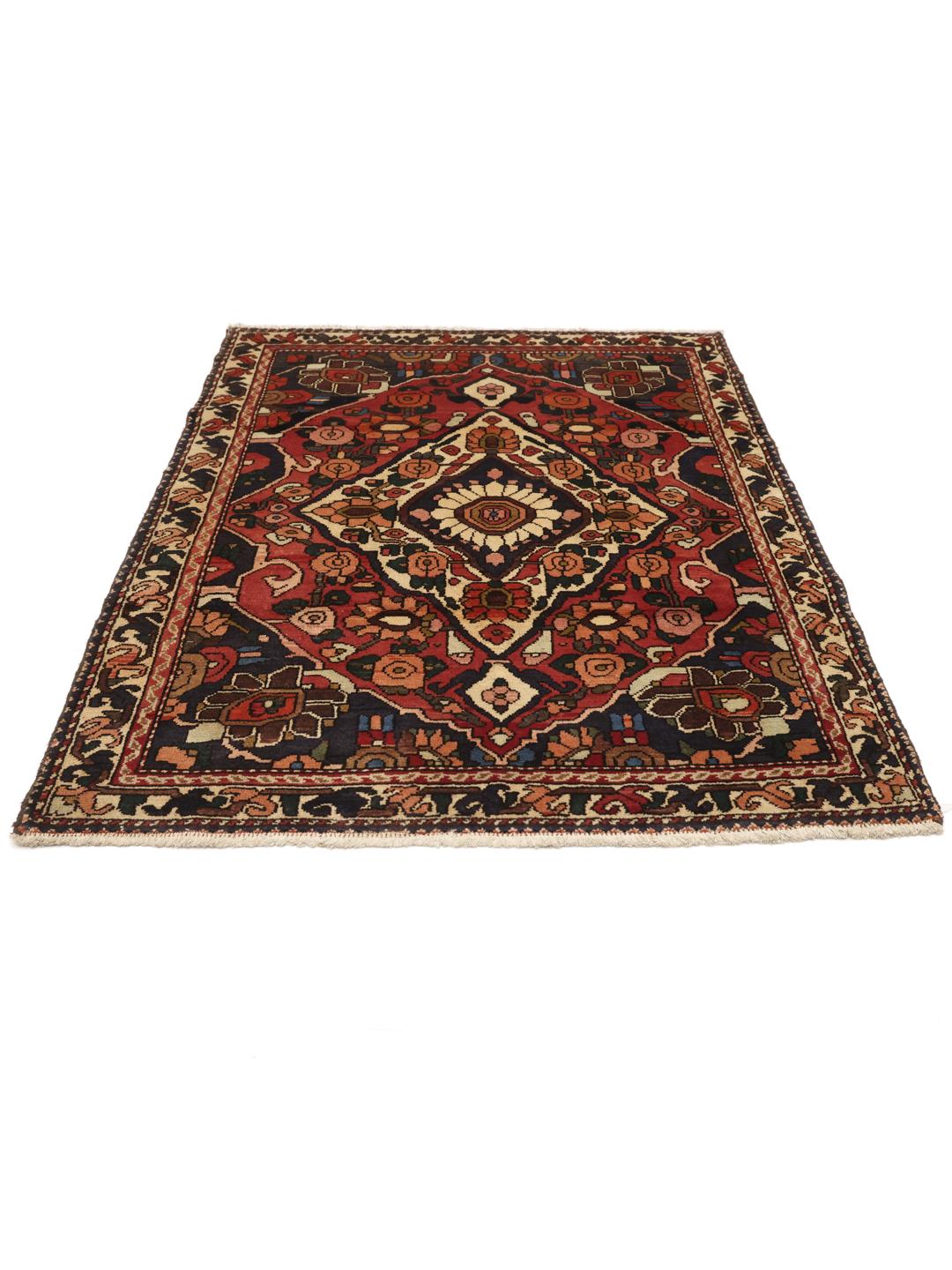
Bakhtiari rugs are named after the Bakhtiari tribe, a nomadic and semi-nomadic group from the mountainous regions of the Middle East. For centuries, these weavers have been celebrated for their ability to translate their natural surroundings—the rugged landscapes, lush gardens, and complex tribal heritage—into vibrant textile art. The rugs from this region are renowned for their strength and their ability to tell stories through complex, geometric, and floral compositions.
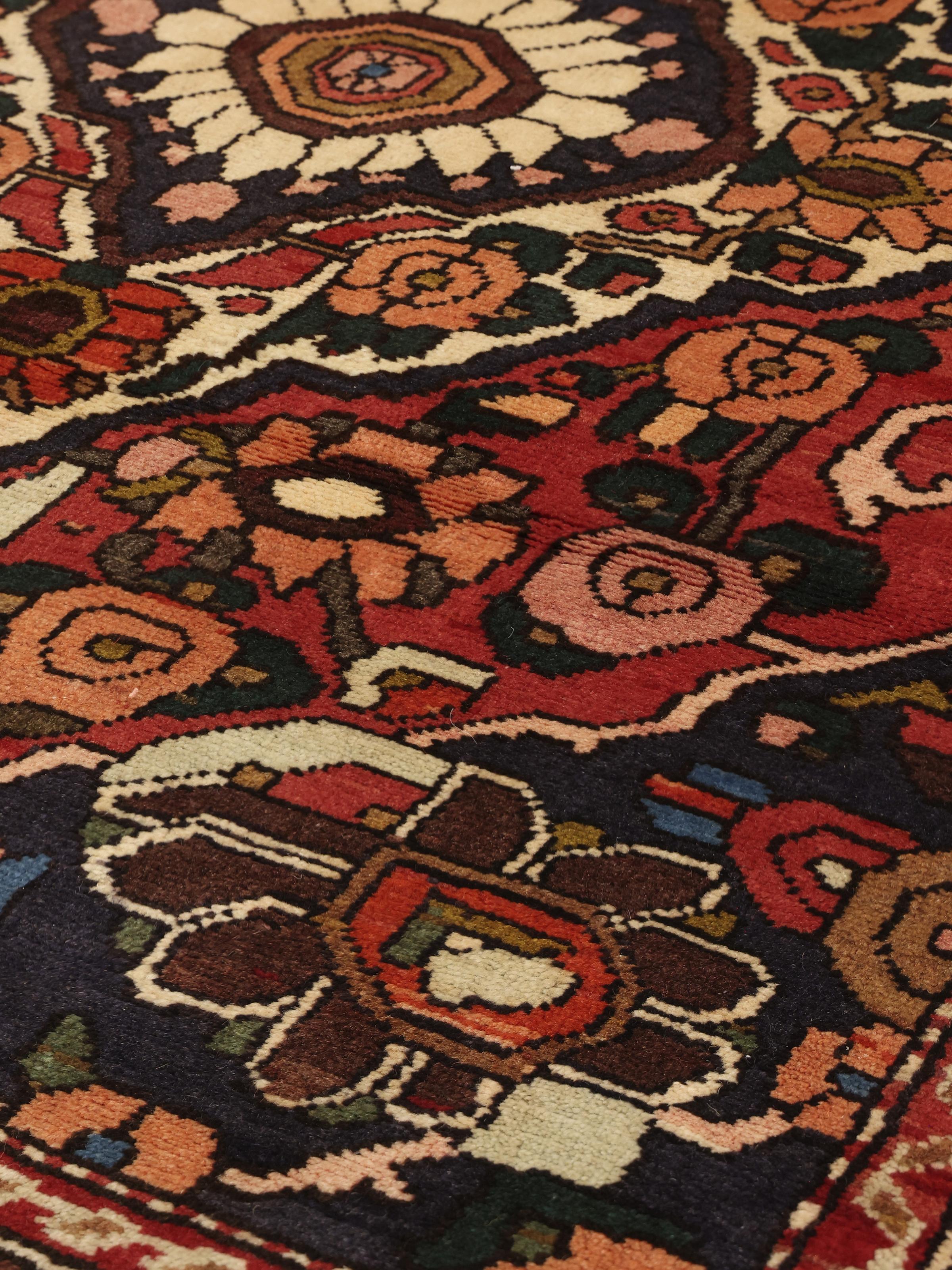
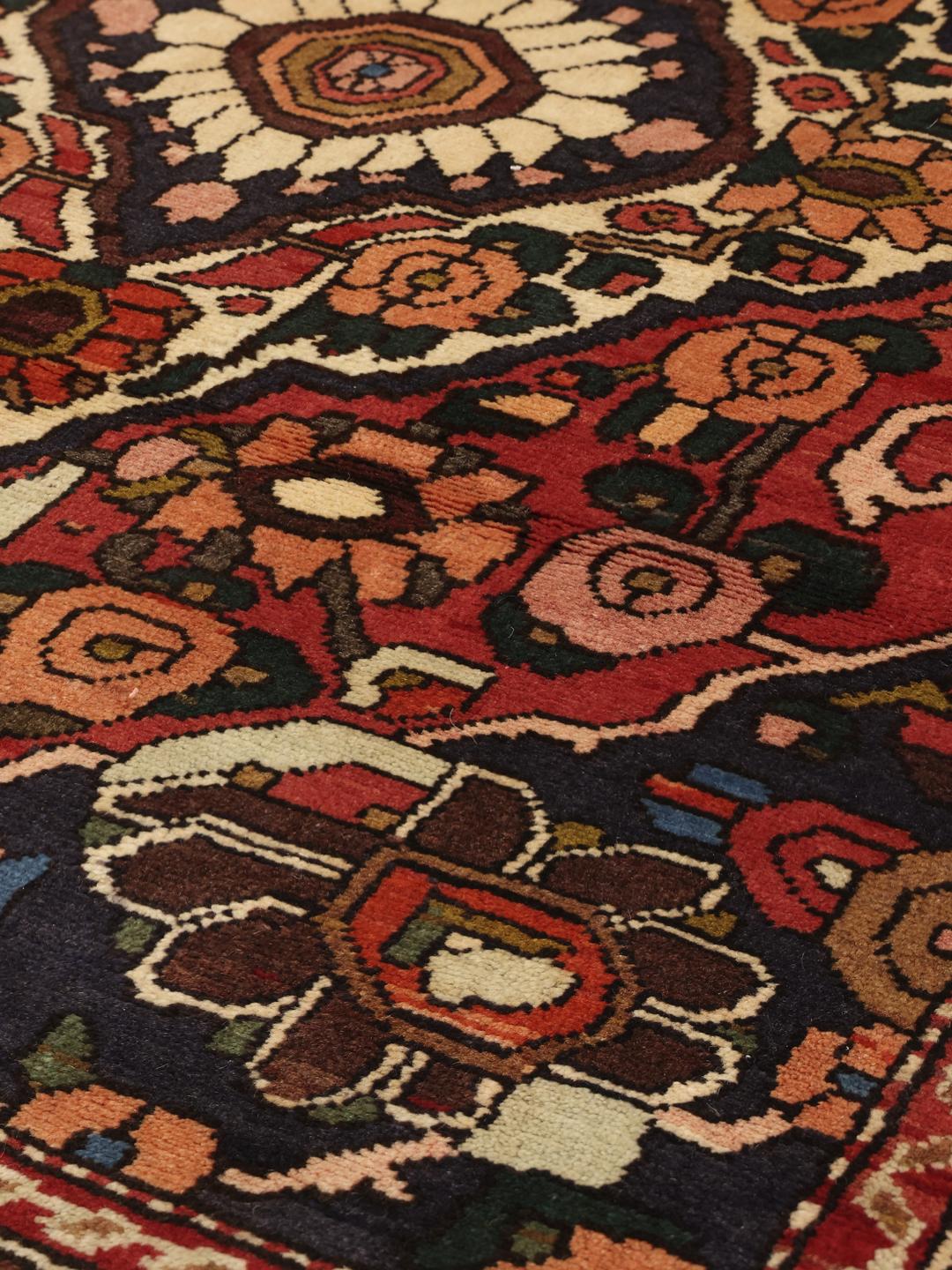
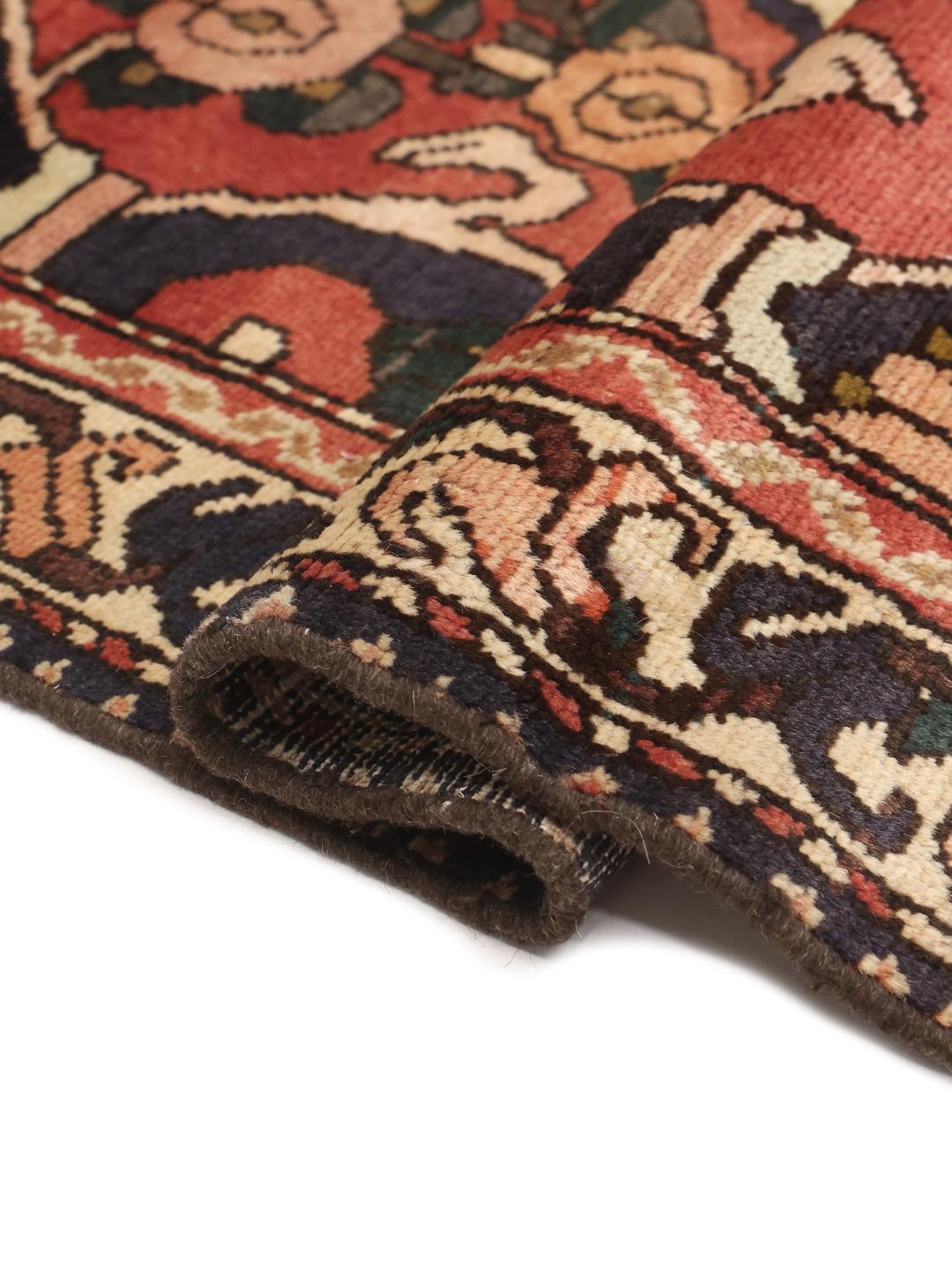
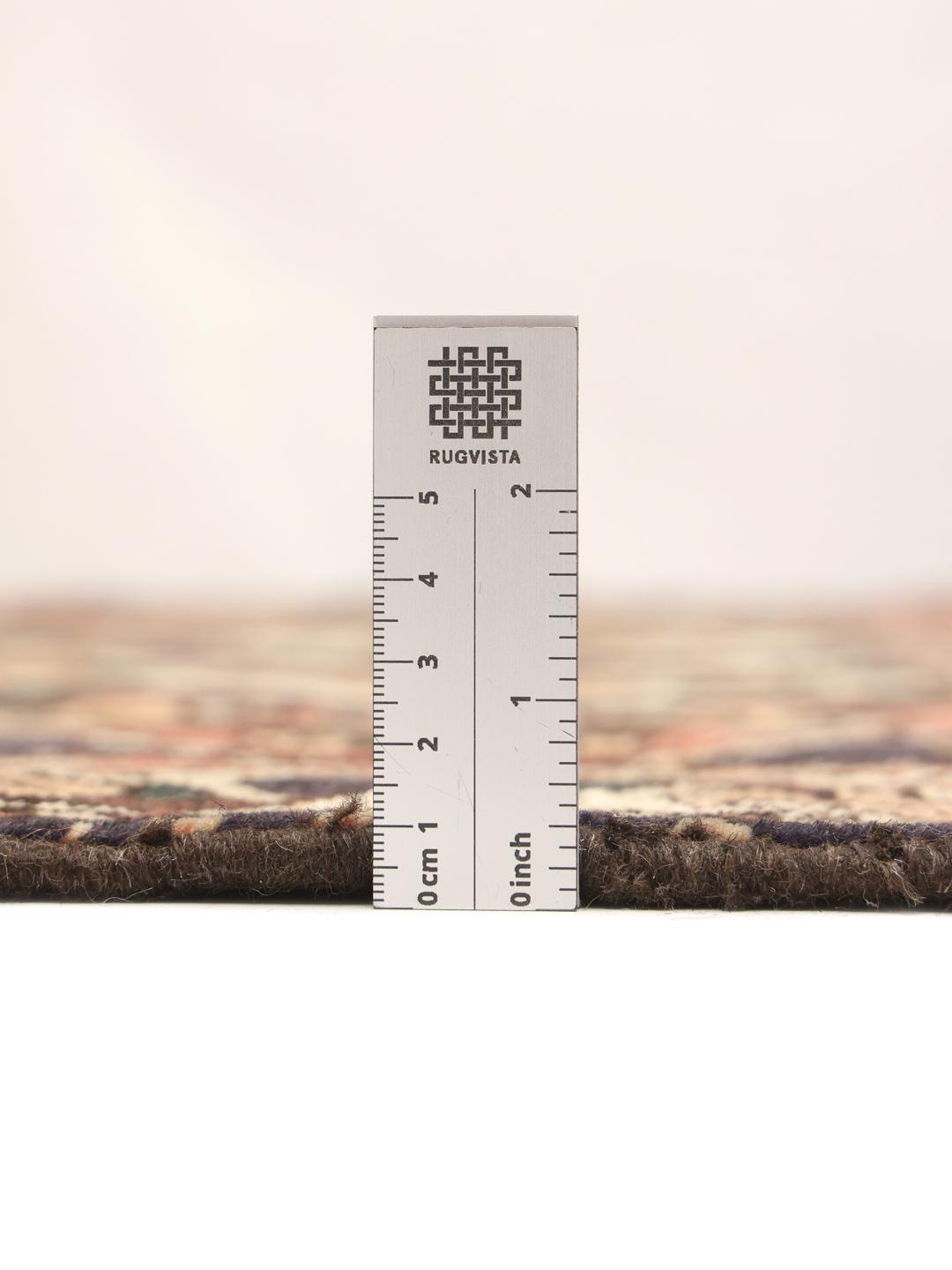
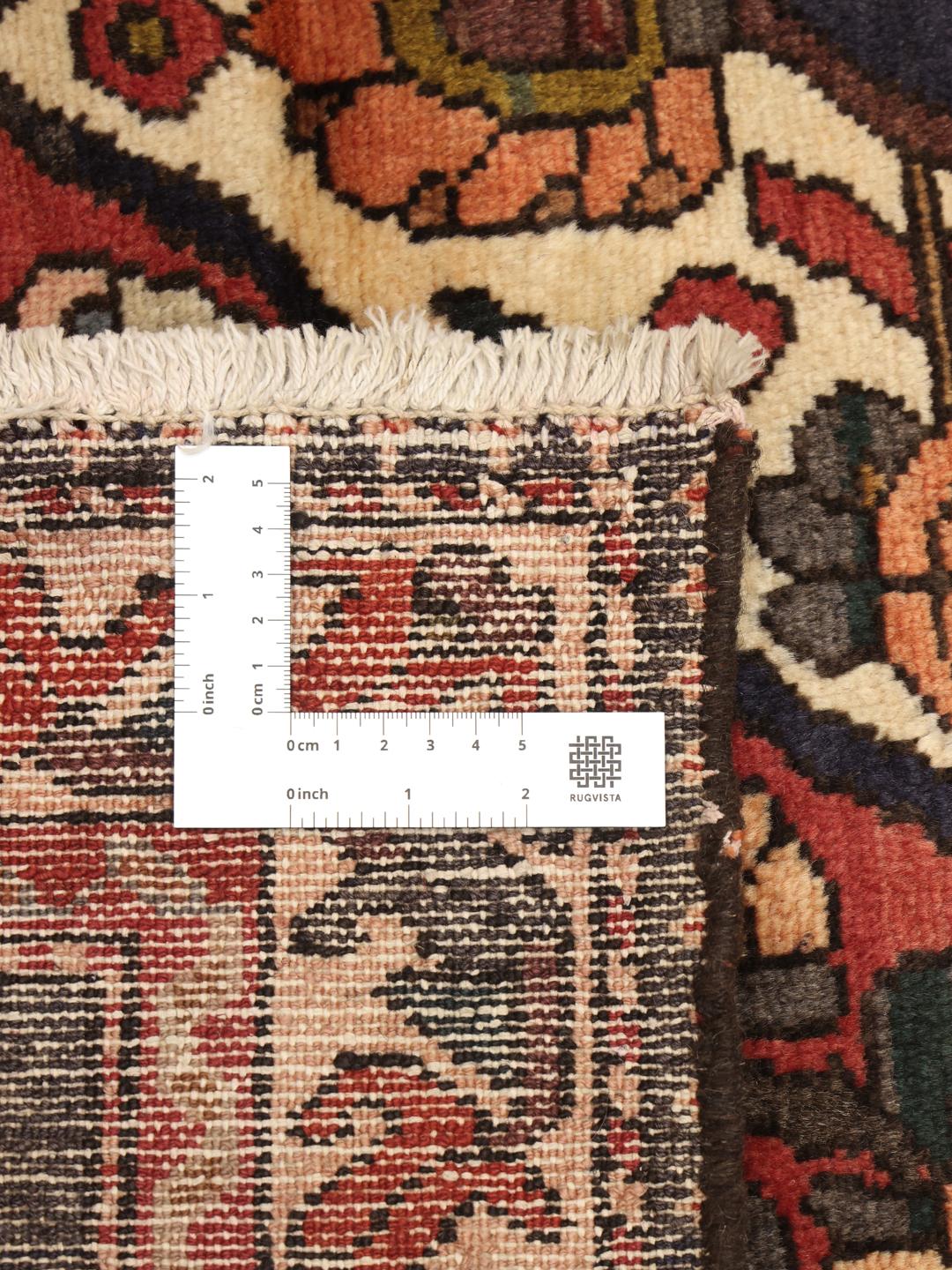
The construction of these rugs relies on a foundation of natural fibres, which provides the stability needed for the complex knotting patterns characteristic of the style. The wool used for the pile is typically sourced locally, often boasting a high lanolin content that gives the rug its signature sheen and soft, inviting feel. This material choice is essential for the durability of the piece, allowing it to age gracefully while maintaining its structural integrity.
Signature design elements of the Bakhtiari tradition often include the 'kheshti' or garden motif, where the field is divided into compartments, or large, bold medallions that draw the eye to the centre. While many rugs follow traditional layouts, it is the individual weaver's interpretation of colour and form that makes each piece a distinct narrative. The use of deep, saturated tones is a hallmark of the tradition, often achieved through natural dyes that soften beautifully over time.
Collecting a rug from this tradition is an investment in cultural heritage. These pieces are valued not only for their aesthetic appeal but for the immense skill required to produce them. Owning a Bakhtiari rug connects your home to a long lineage of artisans who viewed their craft as an essential part of their community identity, ensuring that these rugs remain timeless treasures for those who appreciate authentic, handcrafted quality.