Bakhtiar rugs originate from the mountainous regions of the Middle East, traditionally crafted by the Bakhtiari tribe. These nomadic and semi-nomadic people developed a distinct weaving tradition that reflects the rugged beauty of their environment and the influence of the diverse cultures they encountered along their historical migration routes.
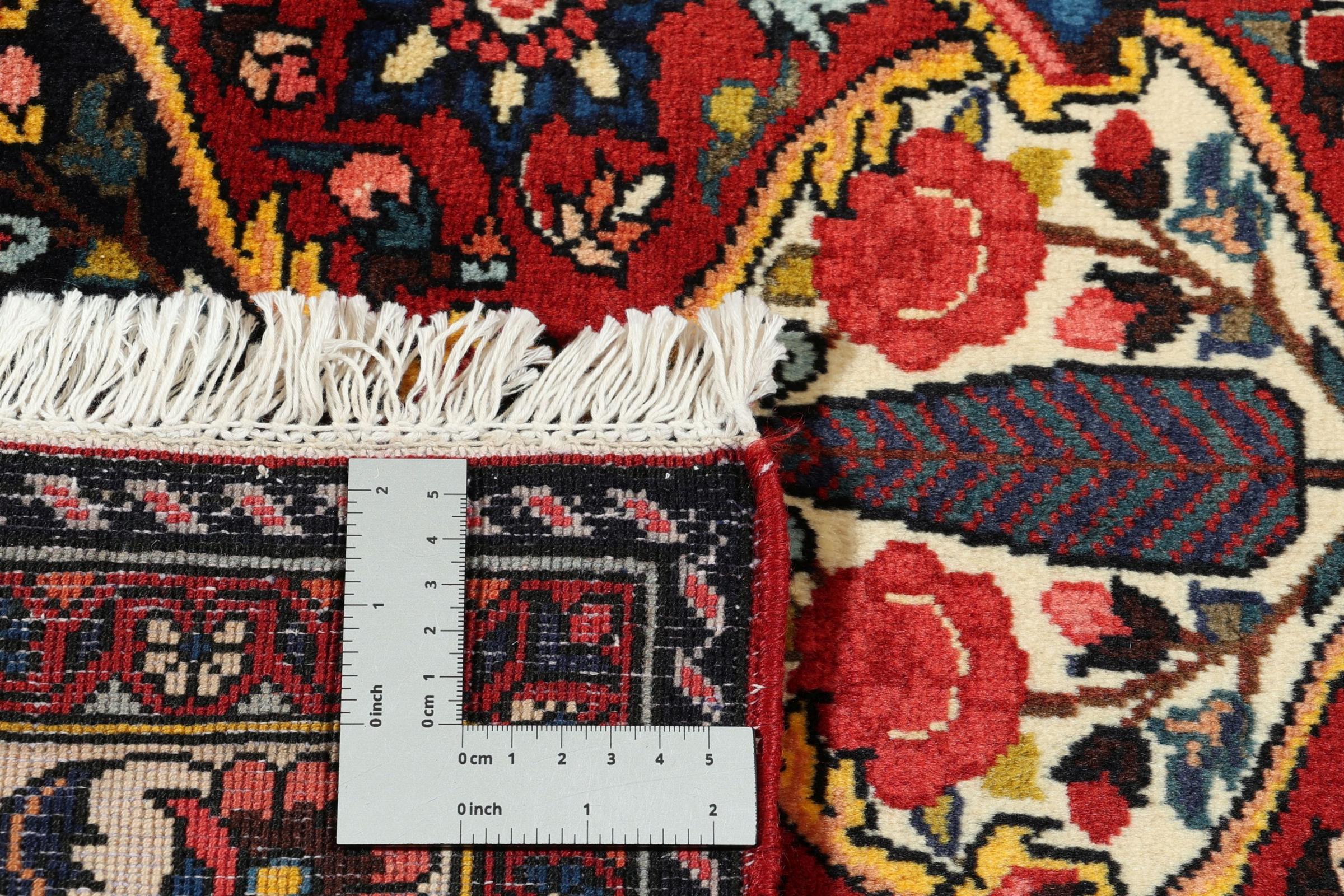
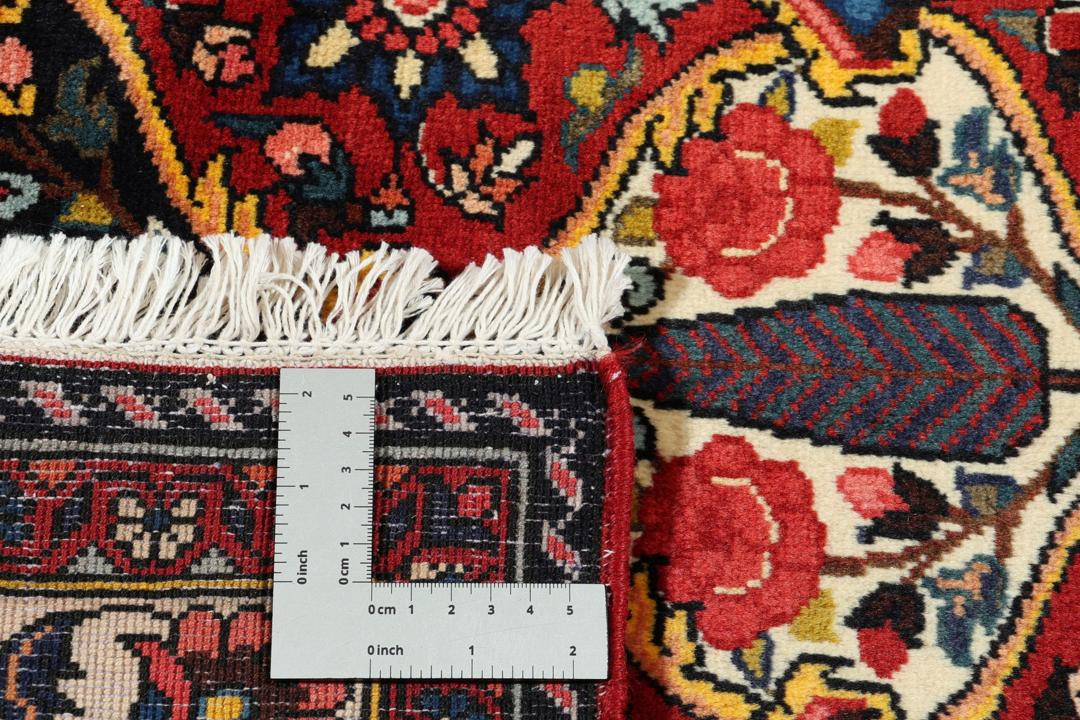
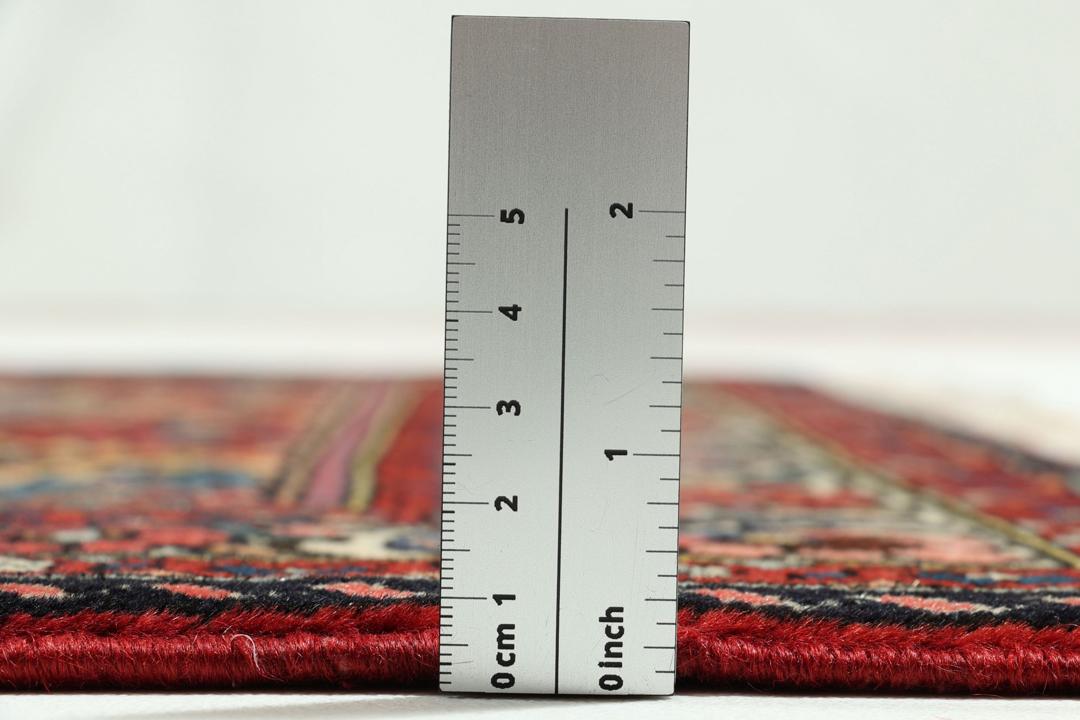
The technical quality of these rugs is defined by their robust construction. Using a durable foundation and high-quality wool, these rugs are built to withstand the rigors of daily life. The term 'Bakhtiar' itself has become synonymous with a specific style of village weaving that prioritises longevity, resulting in a pile that is dense, resilient, and capable of aging gracefully over decades of use.
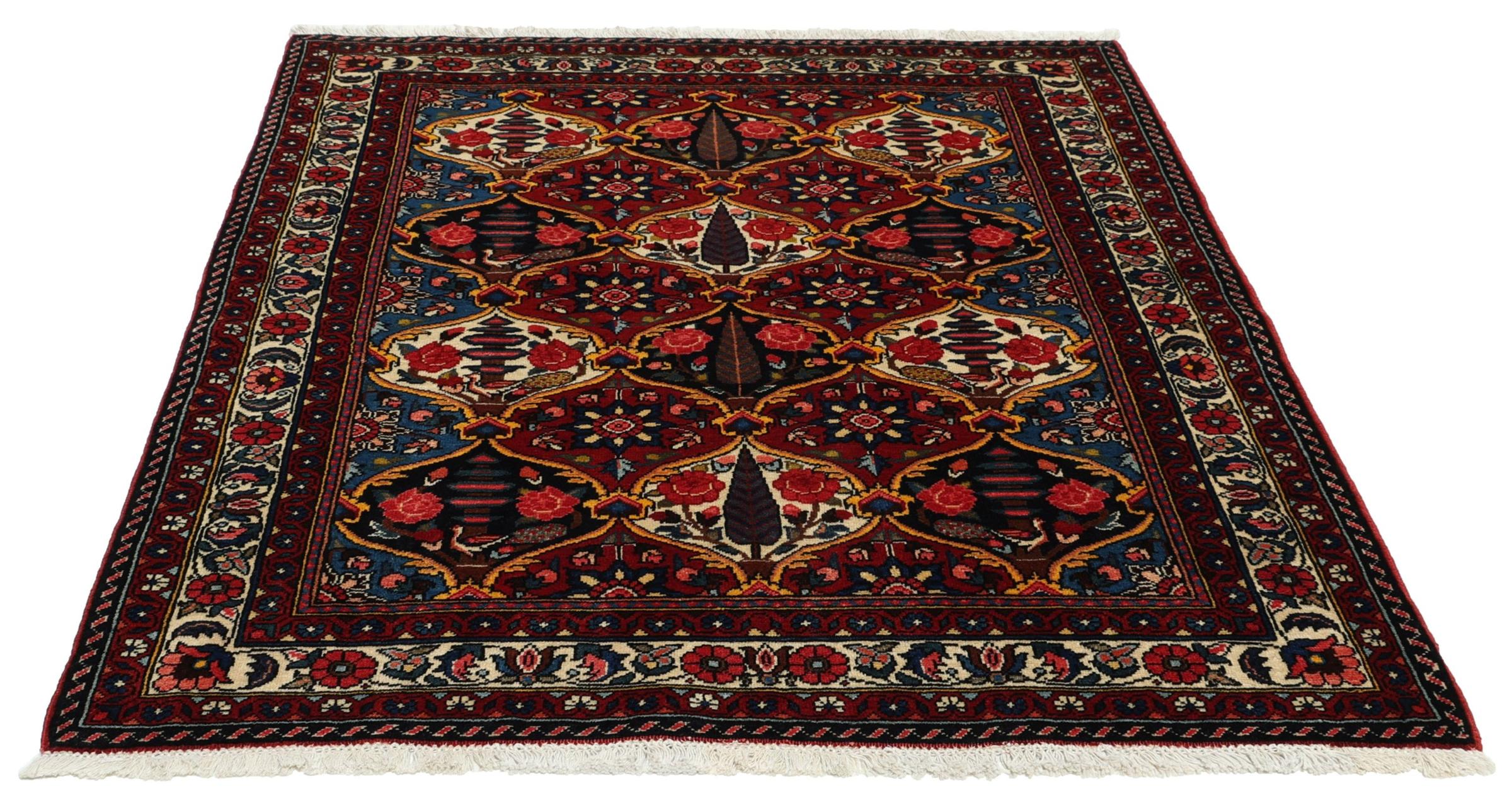
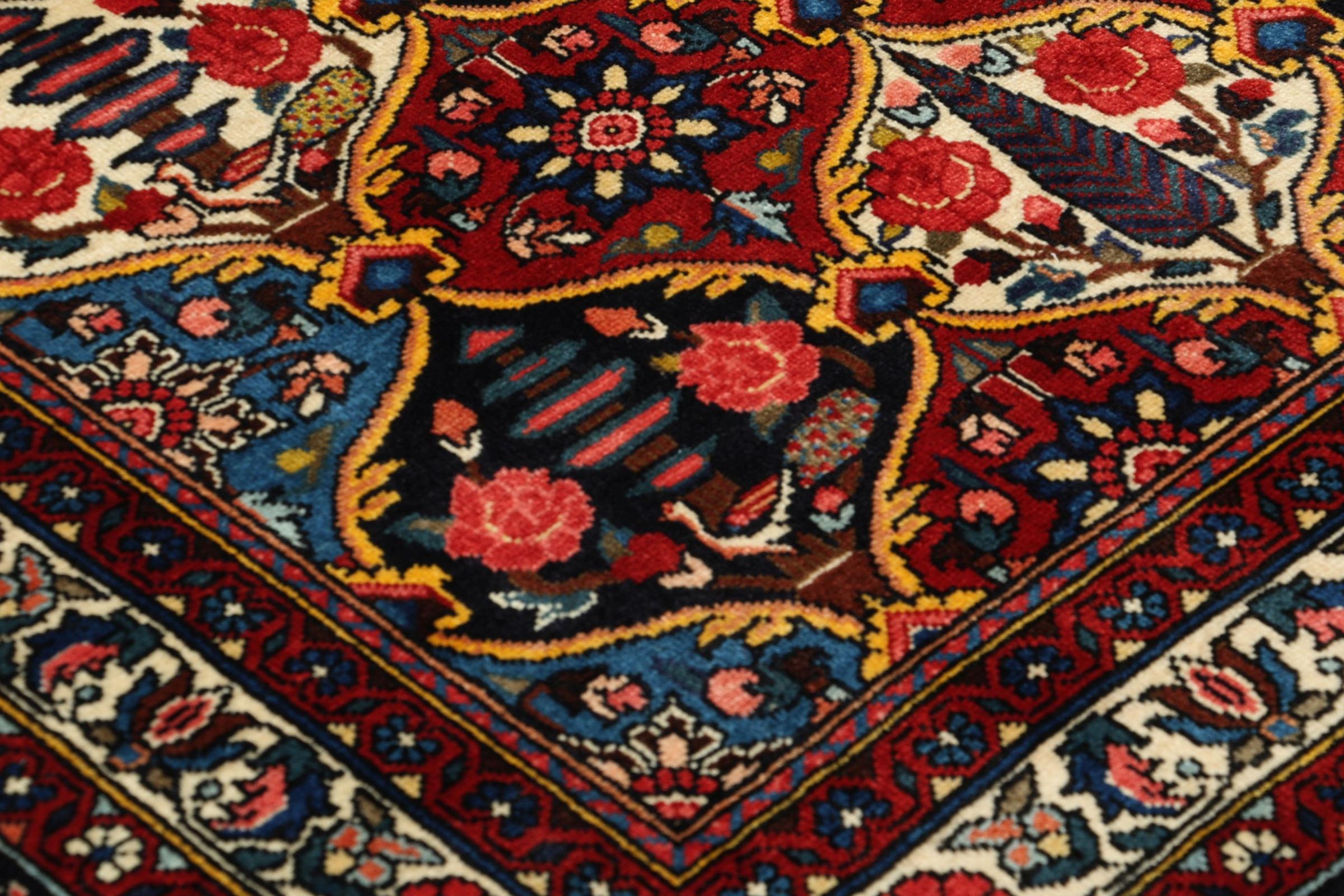
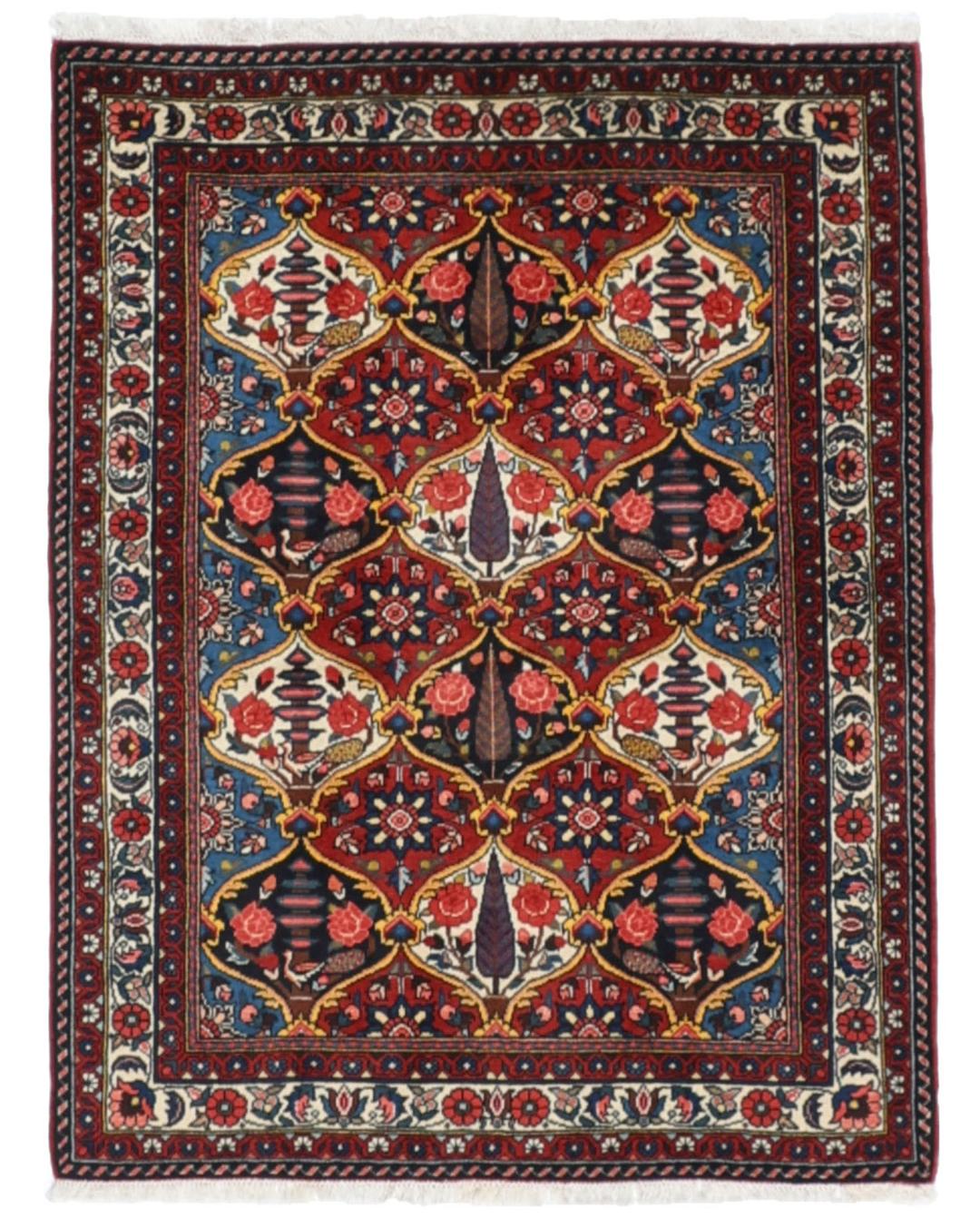
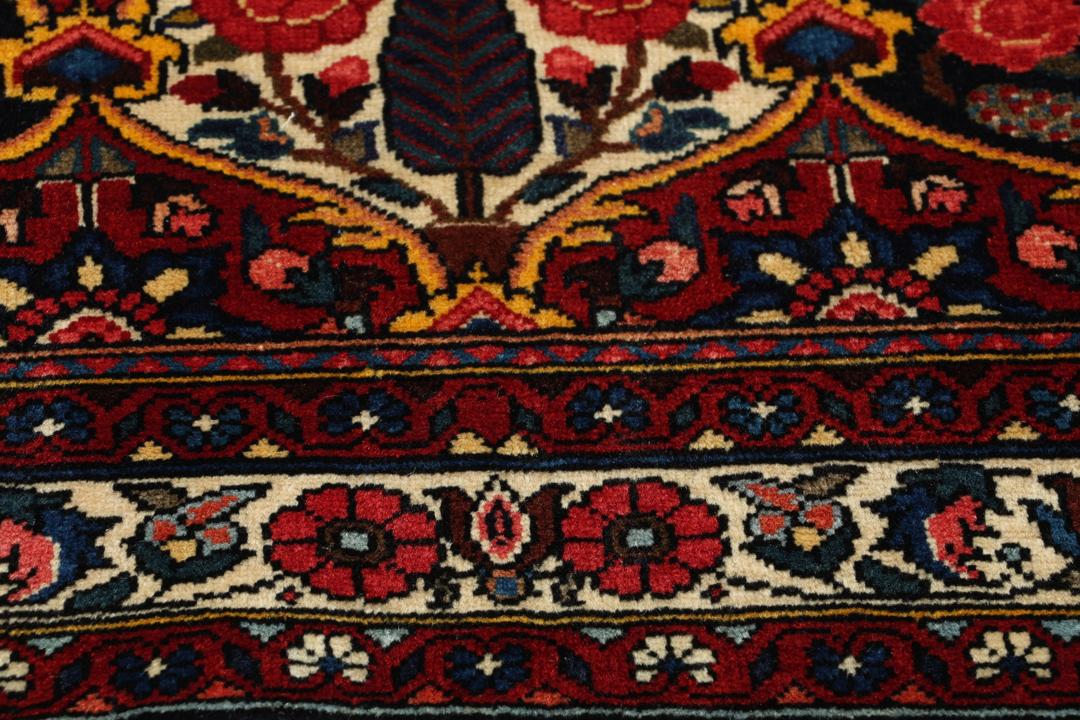
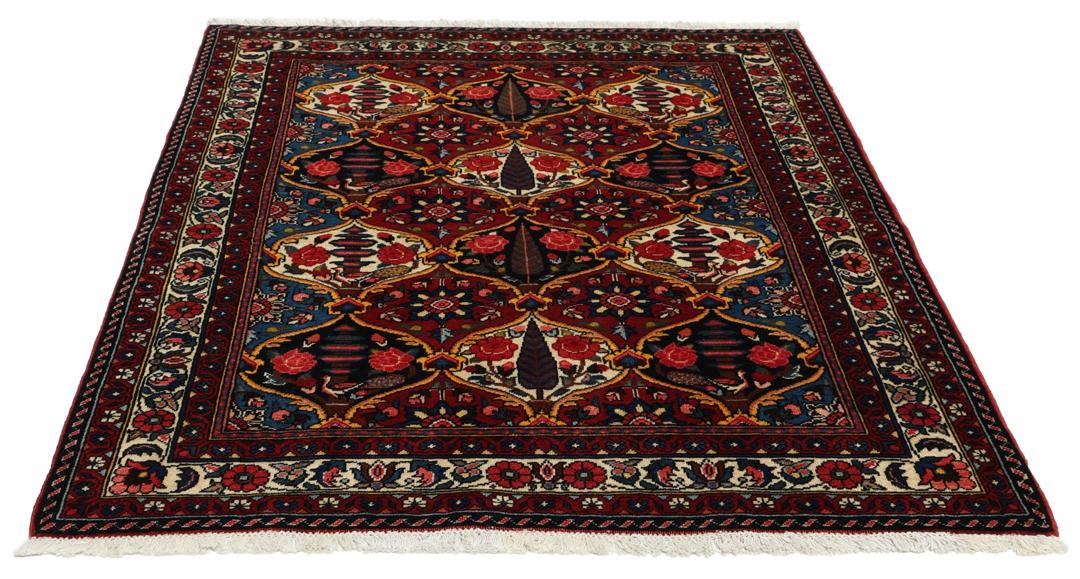
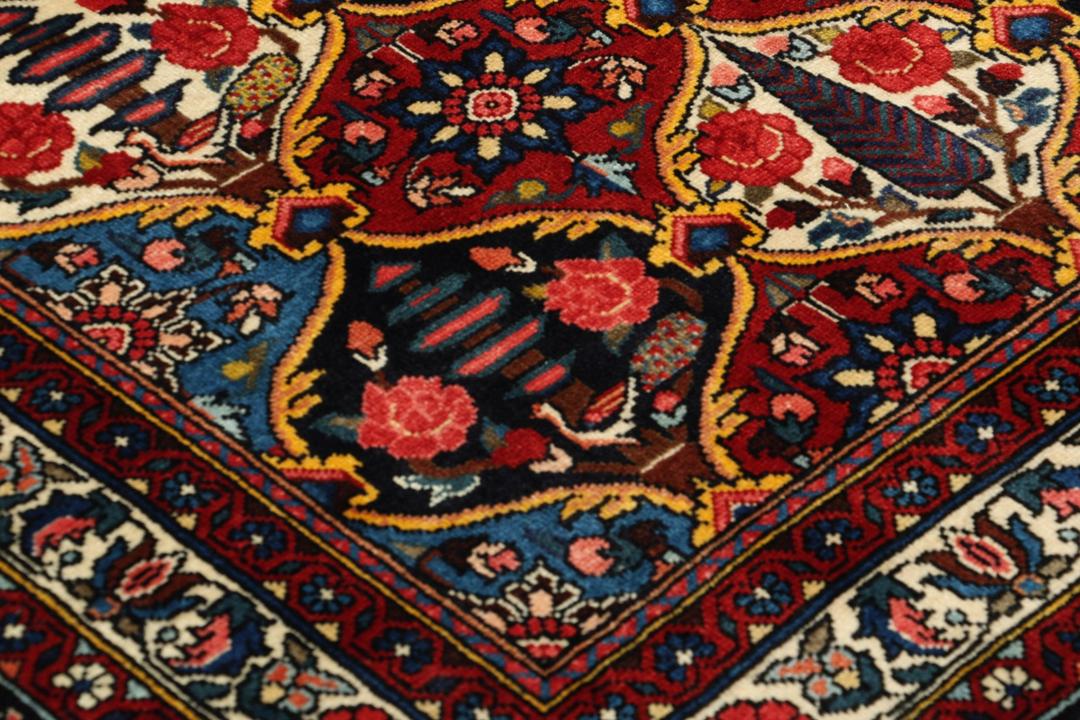
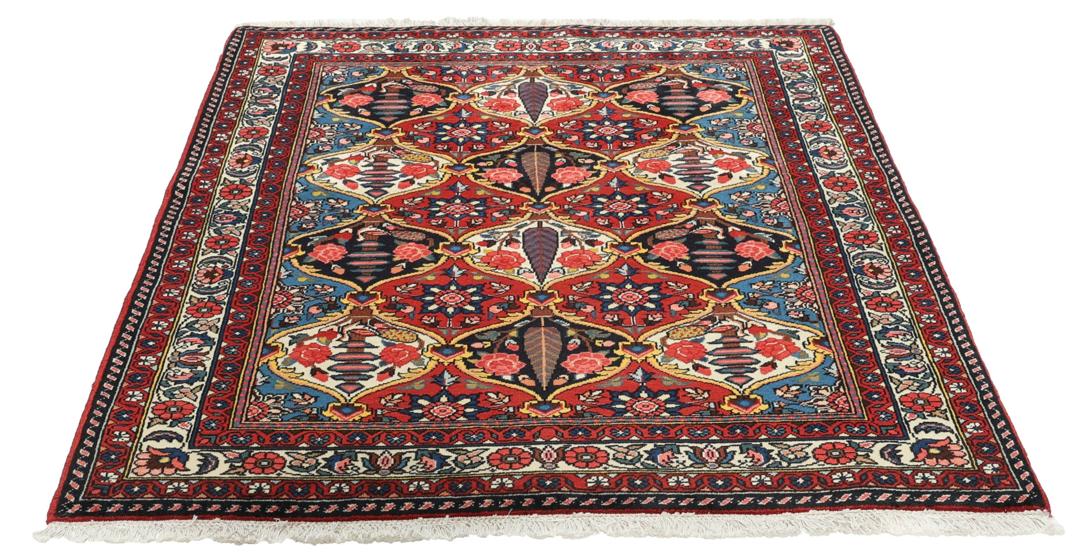
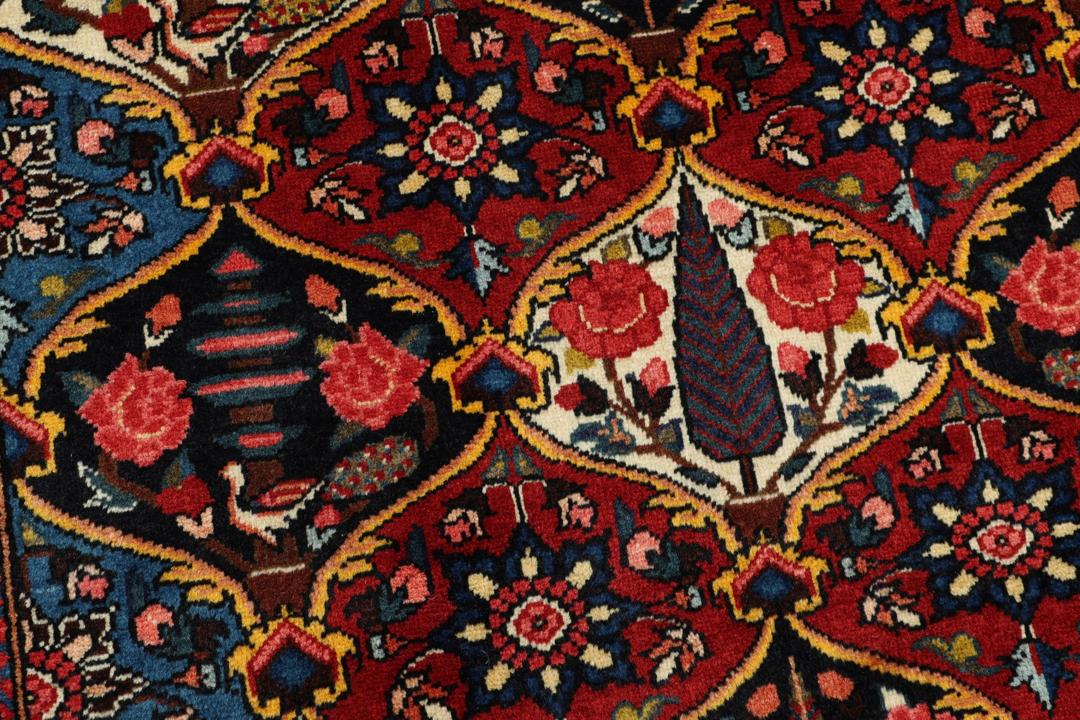
Signature design elements of this tradition often include the 'khesti' or garden panel motif, which divides the rug into distinct compartments filled with stylised flowers, trees, and birds. While this piece showcases a fluid, organic interpretation of floral elements, it remains deeply rooted in the classic Middle Eastern visual language that seeks to capture the paradise of a garden within the borders of a rug.
Collectors value these pieces for their authenticity and the human story woven into every knot. Owning a genuine Bakhtiar rug is a way to connect with a long-standing heritage of craft, where the skill of the weaver is preserved in the final composition. These rugs are not merely floor coverings, but storied objects that anchor a space with cultural weight and artistic depth.