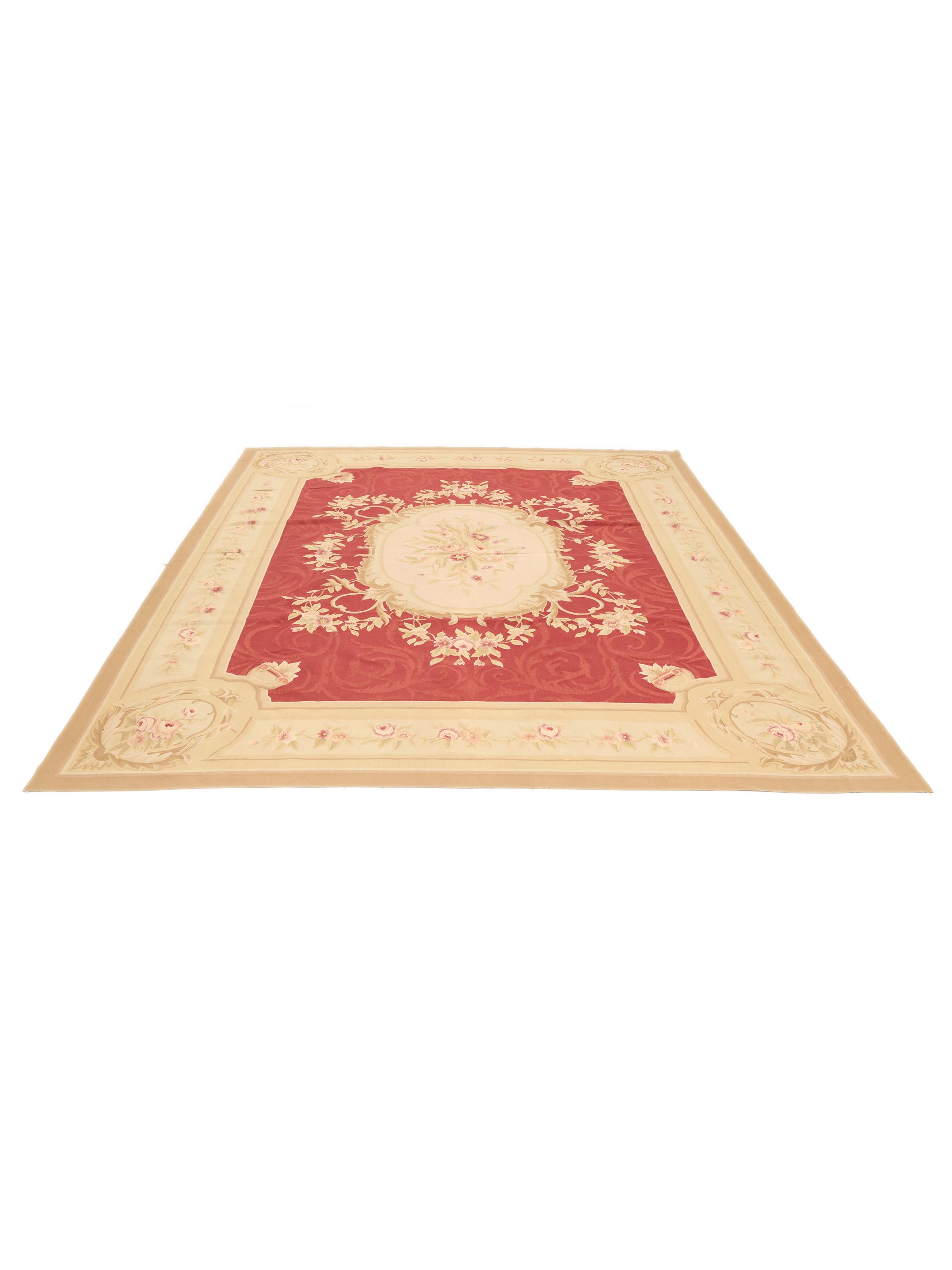
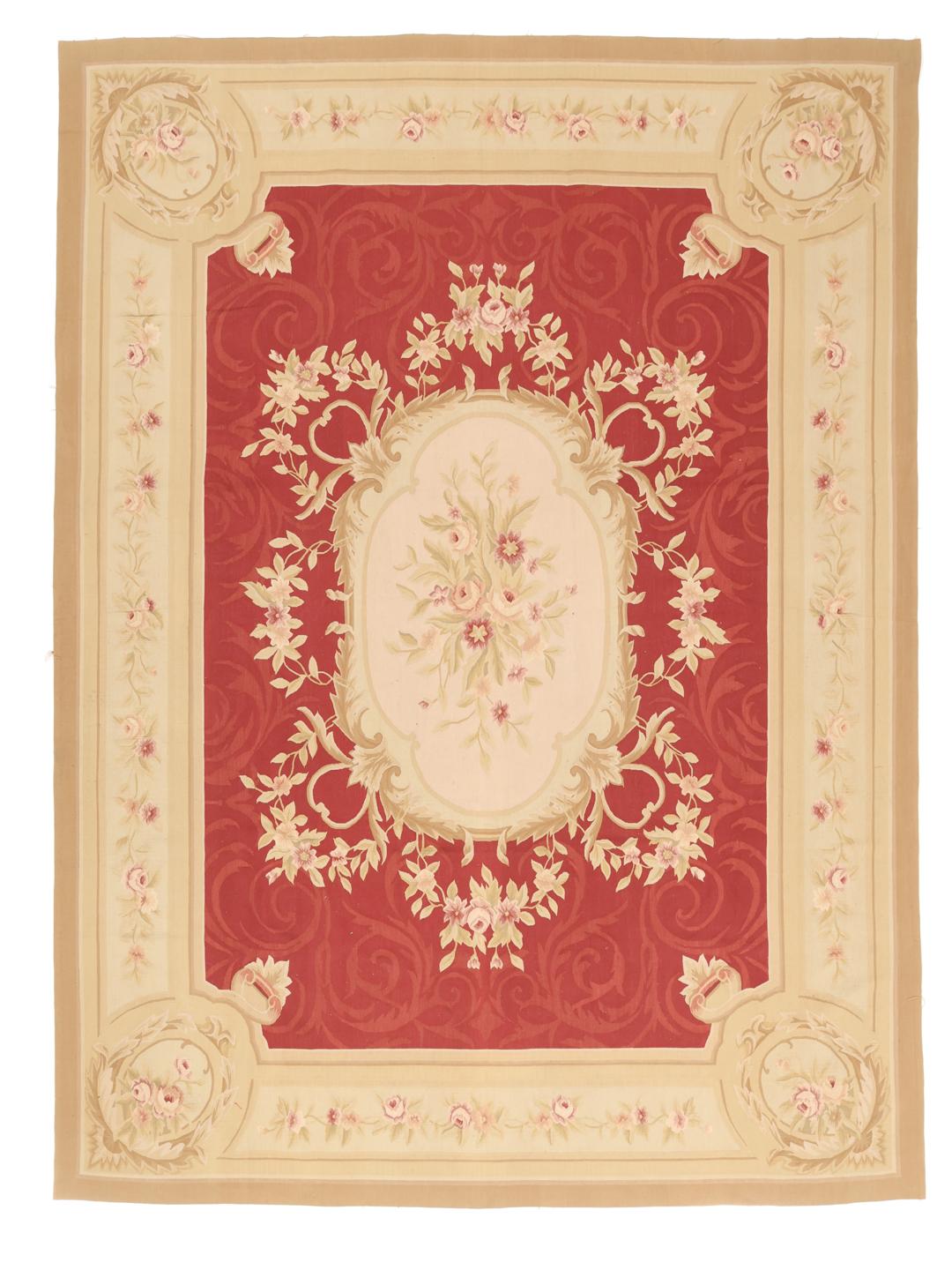
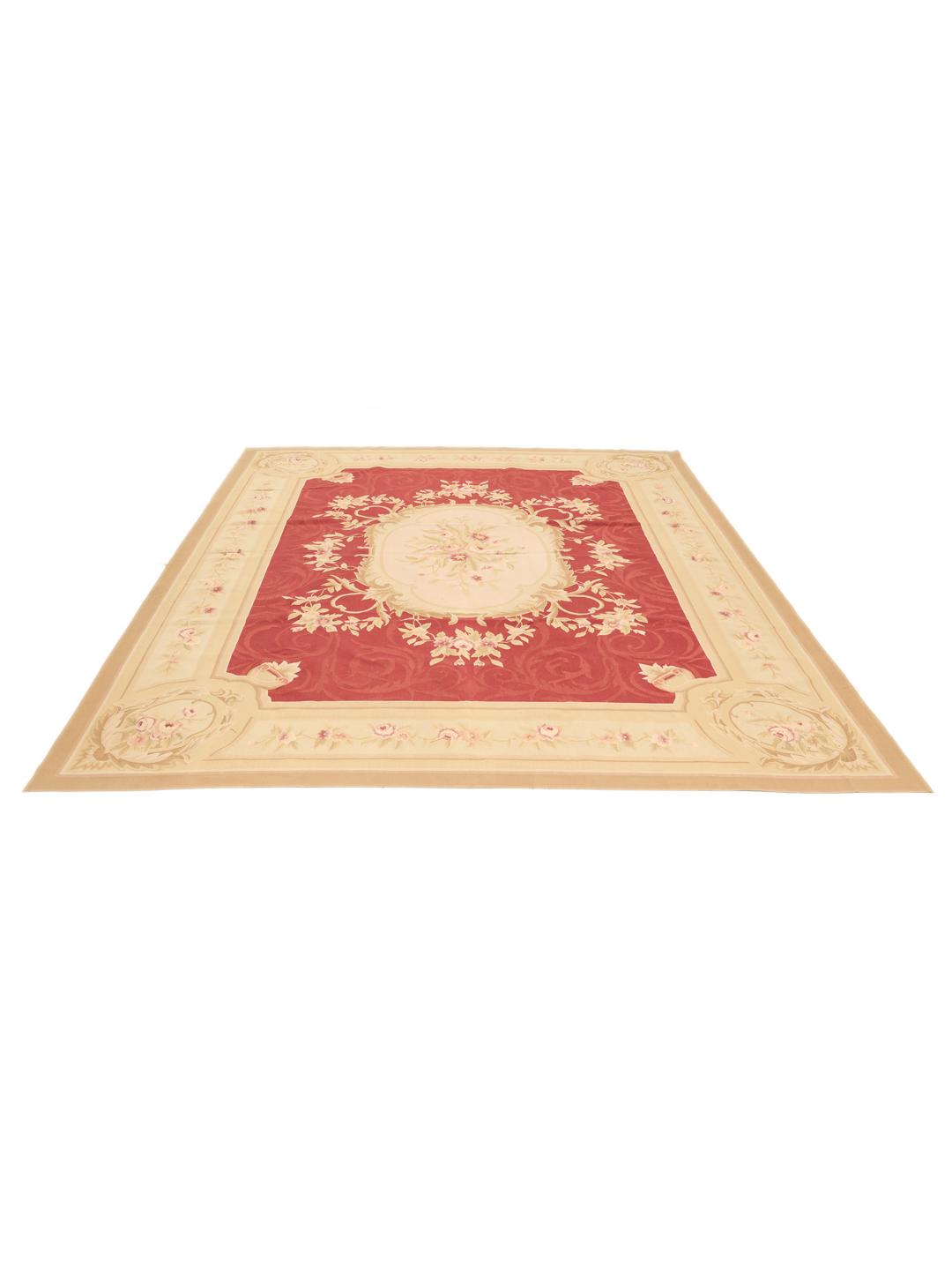
The Aubusson style draws its name from the historic French town of Aubusson, which became world-renowned for its production of intricate tapestries and flat-woven rugs starting in the 17th century. These designs were heavily influenced by the prevailing tastes of the French royal court, featuring neoclassical motifs, floral wreaths, and central medallions that exuded luxury and refinement.
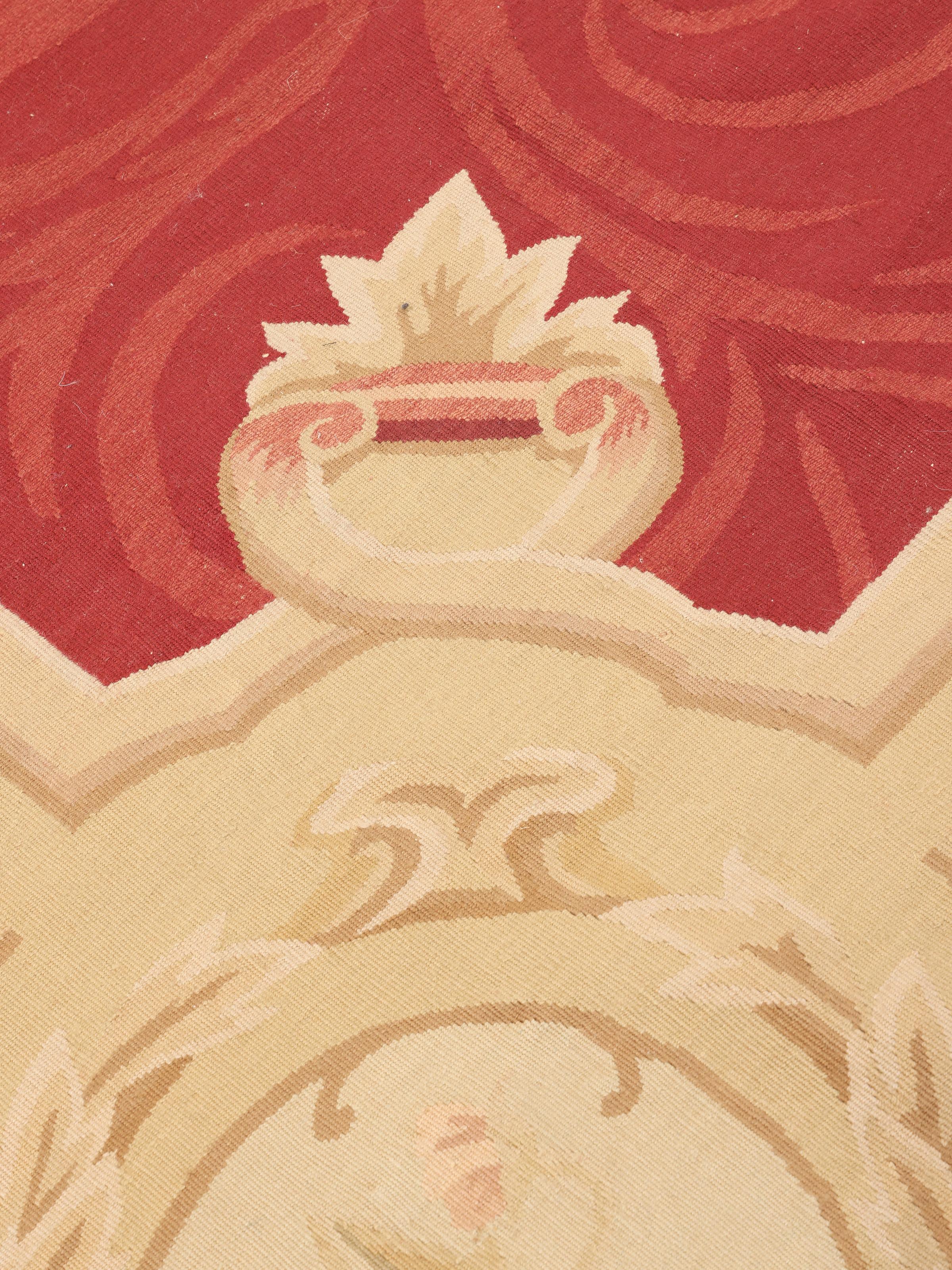
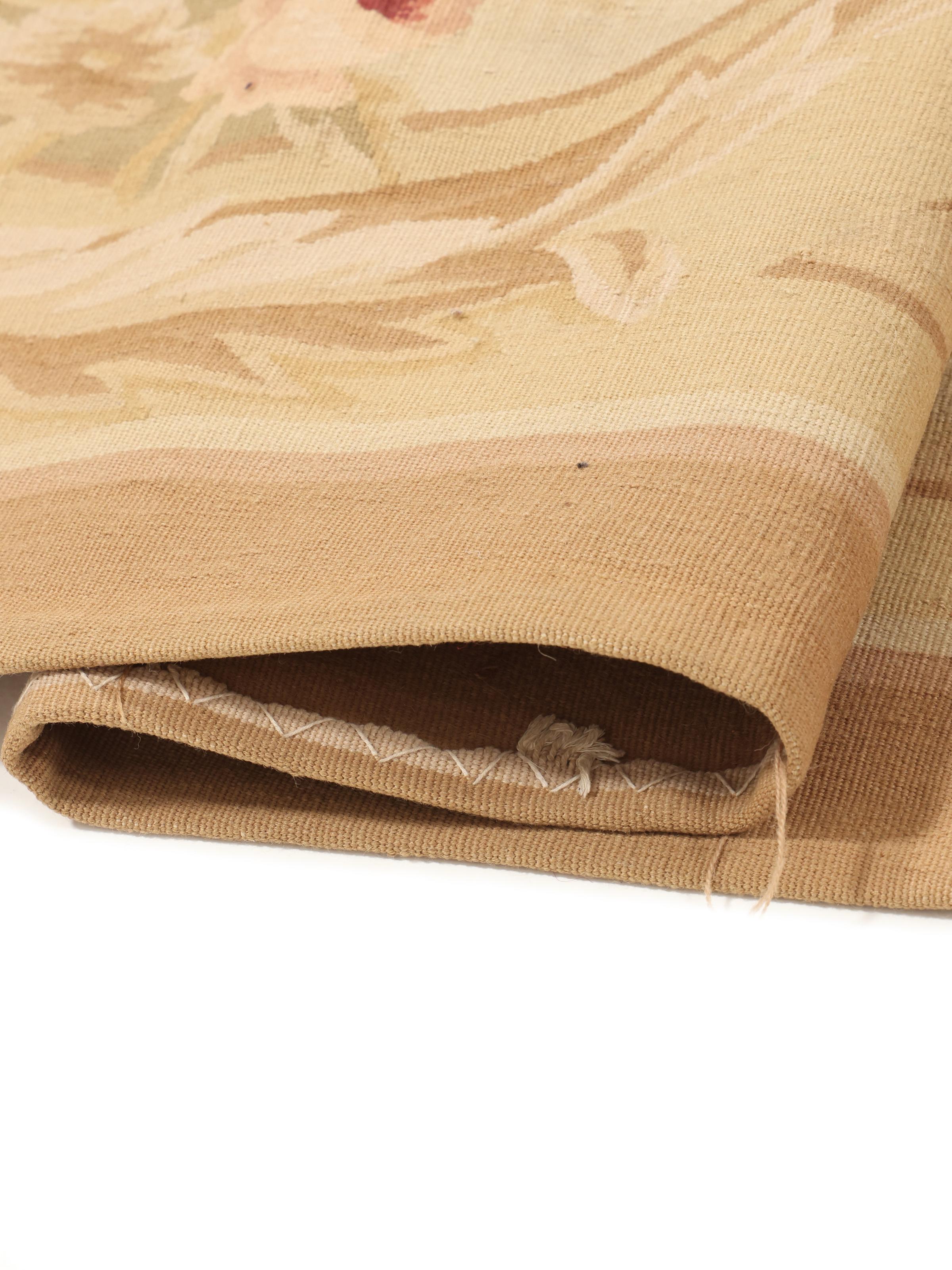
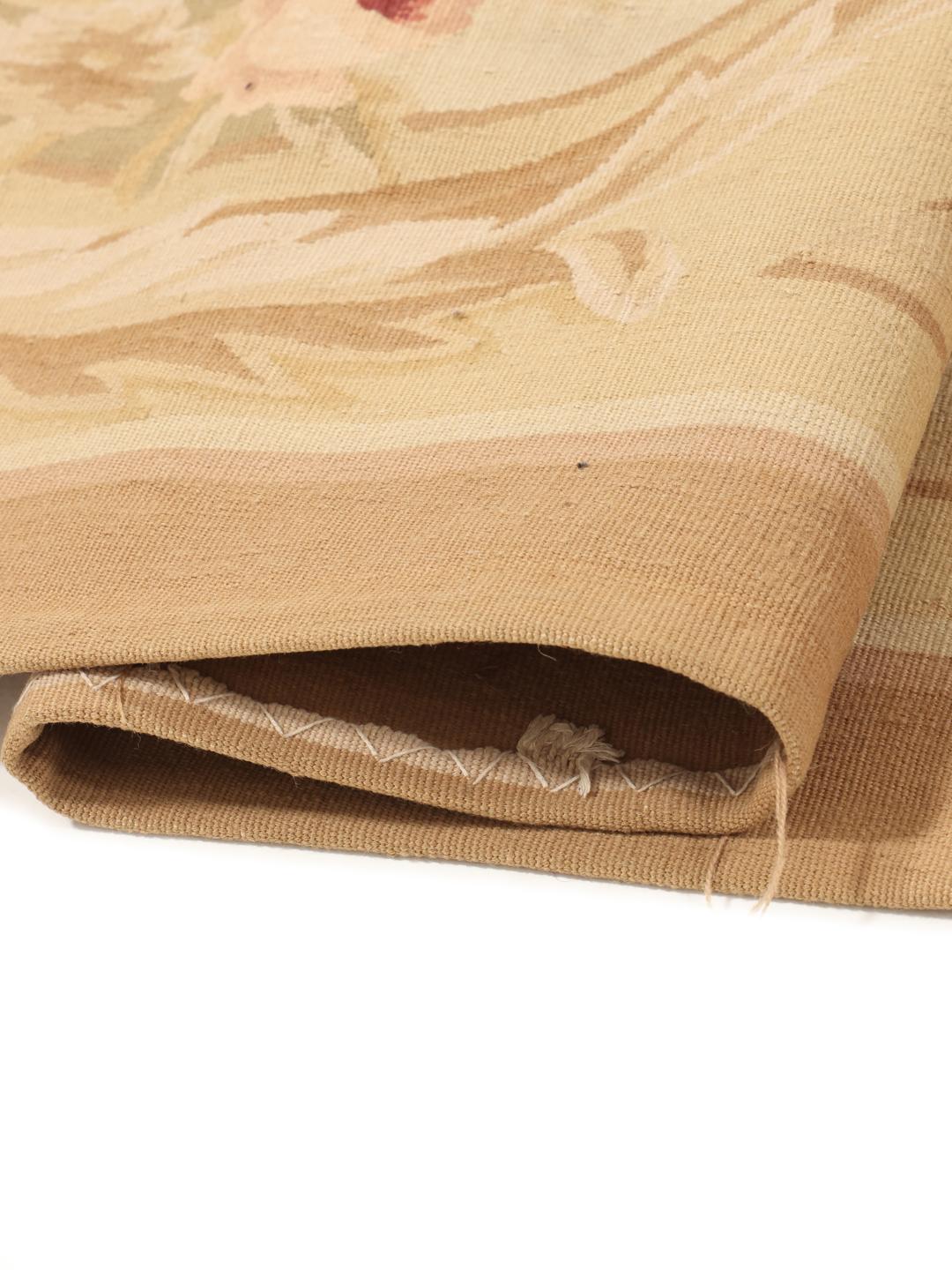
While the style originated in France, the tradition of weaving these flat-woven rugs has spread globally, including to China, where skilled artisans have adapted these classic patterns. The term 'tappissere' refers to the tapestry-like quality of the weave, which is characterised by its flat surface. This construction method allows for very fine detail in the pattern, as the design is woven directly into the fabric rather than being created by a raised pile.
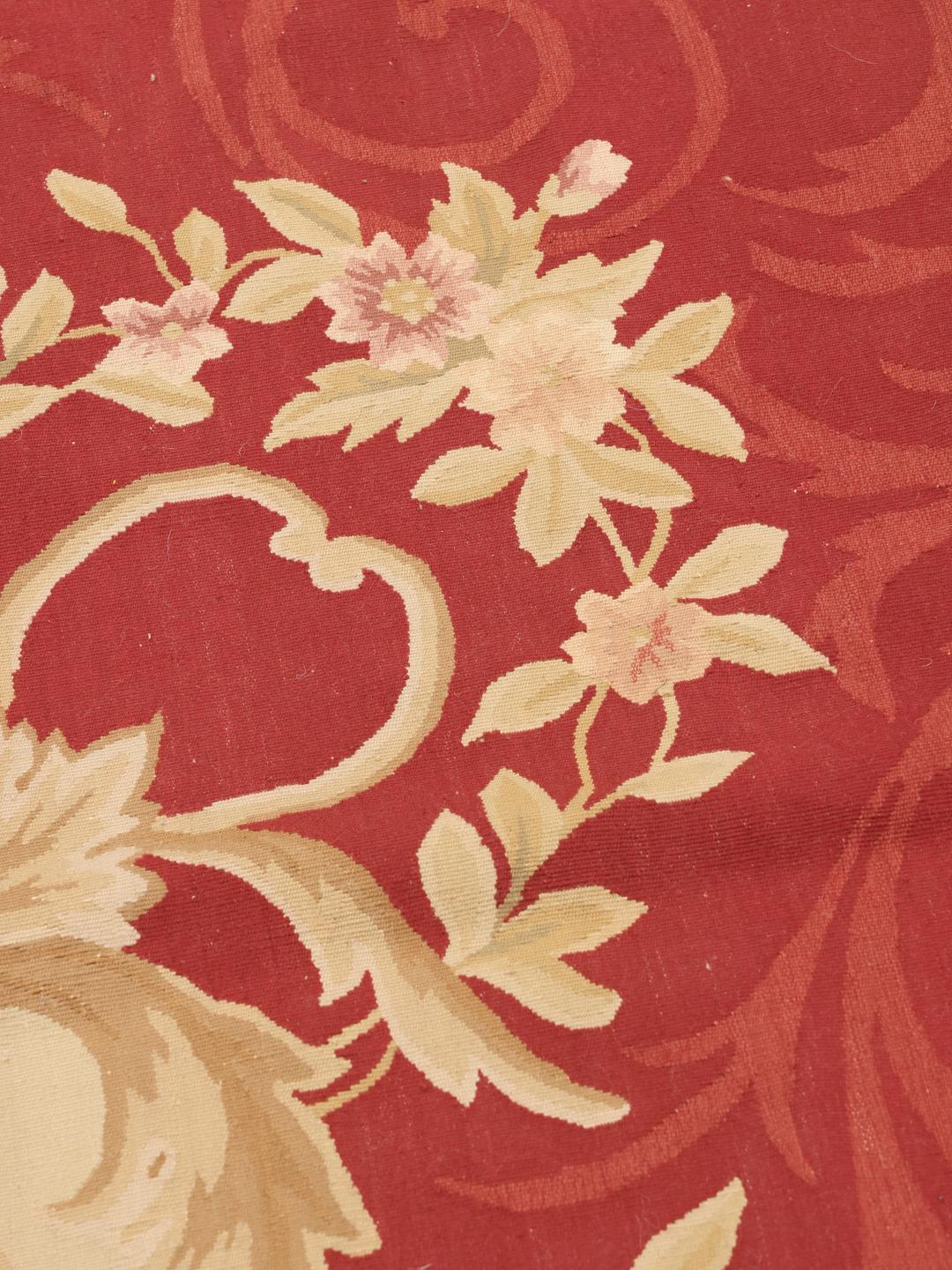
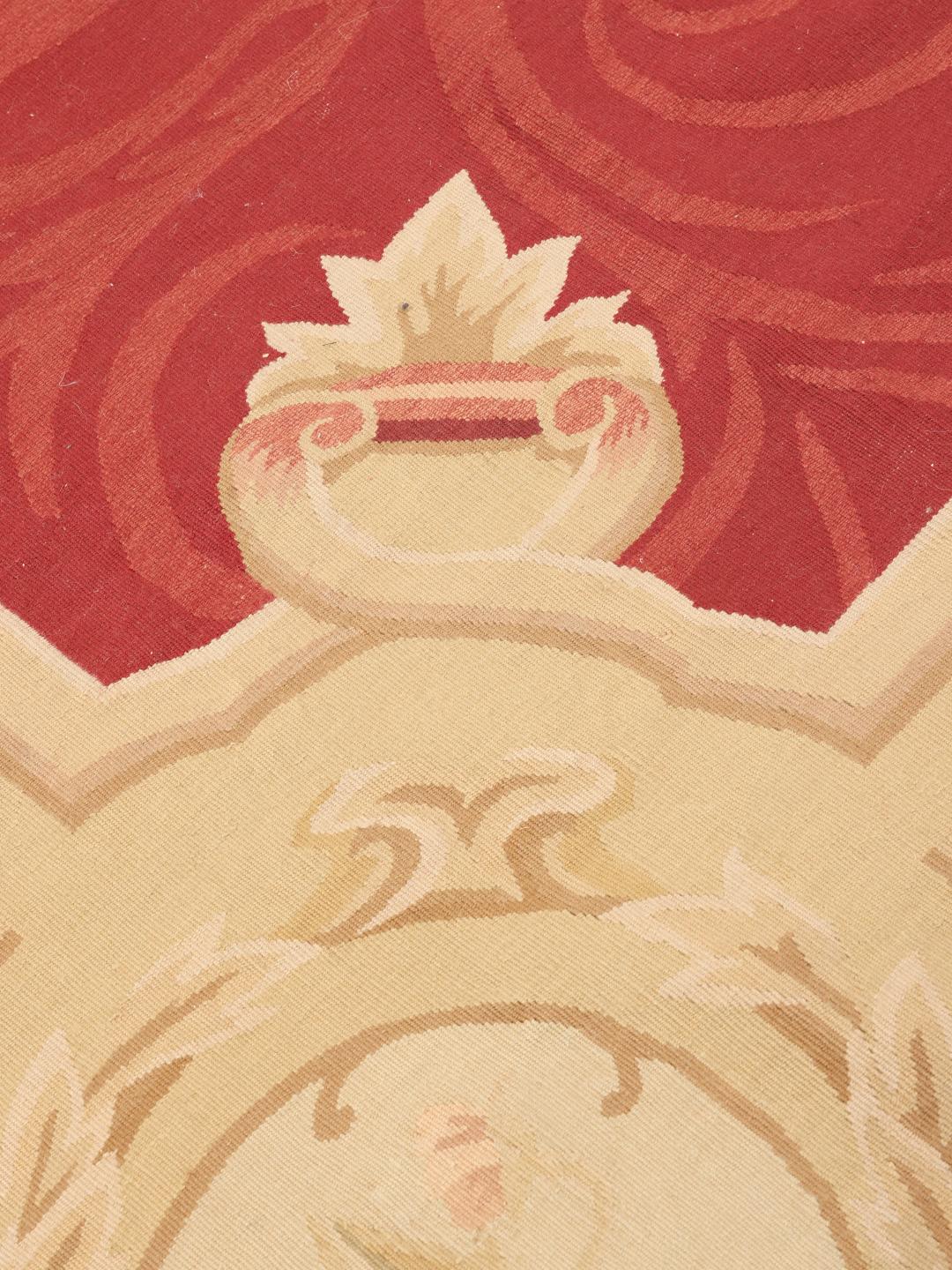
The signature design elements of an Aubusson-style piece typically include a central floral medallion surrounded by a field of scrolling acanthus leaves or flower garlands. The colour palettes are often soft and sophisticated, though this particular piece uses a striking red field to create a more dramatic and engaging visual impact. The borders are almost always elaborate, mirroring the architectural and decorative trends of the period that first inspired them.
Owning an Aubusson-style rug is about connecting with a long history of decorative arts. These pieces are highly valued by collectors for their ability to bring a sense of history and formal beauty into a contemporary home. By choosing this rug, you are honouring a legacy of craft that prioritises balance, symmetry, and the enduring appeal of floral motifs.