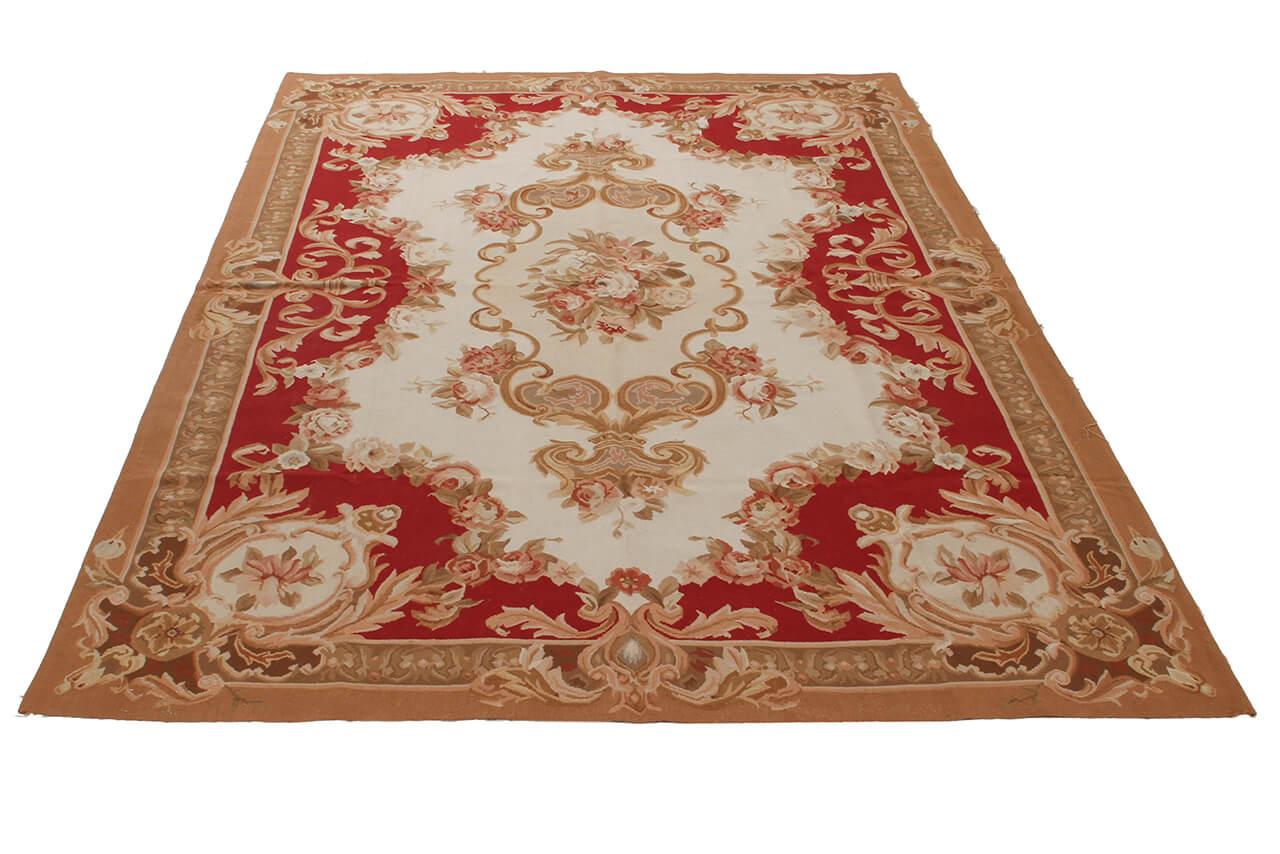
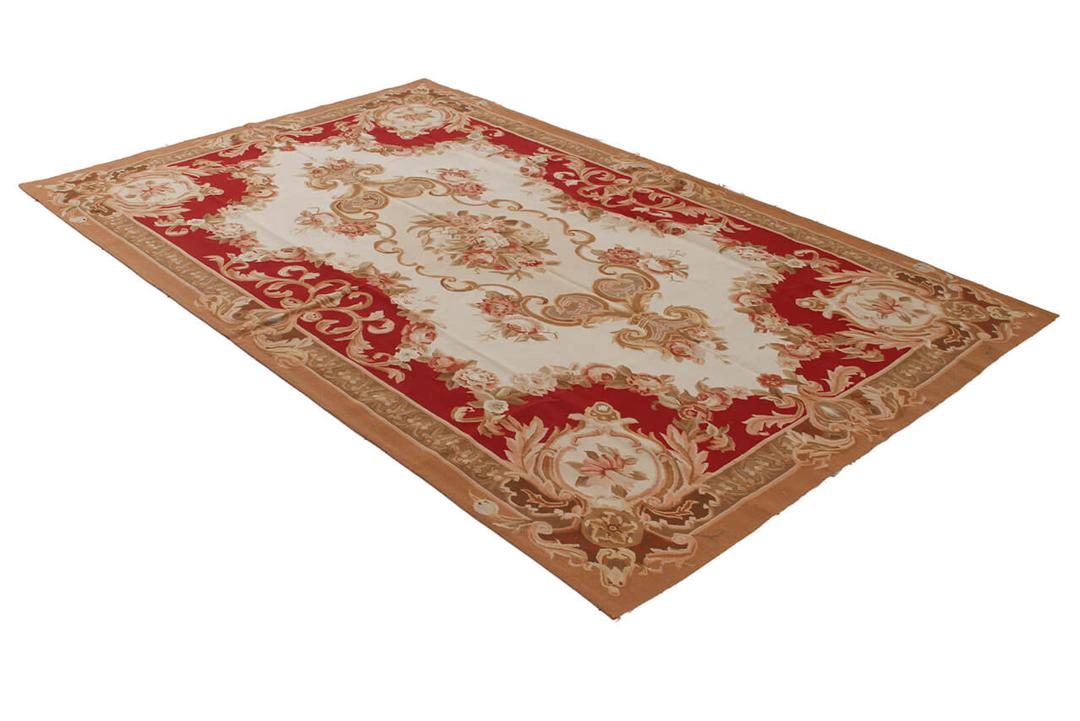
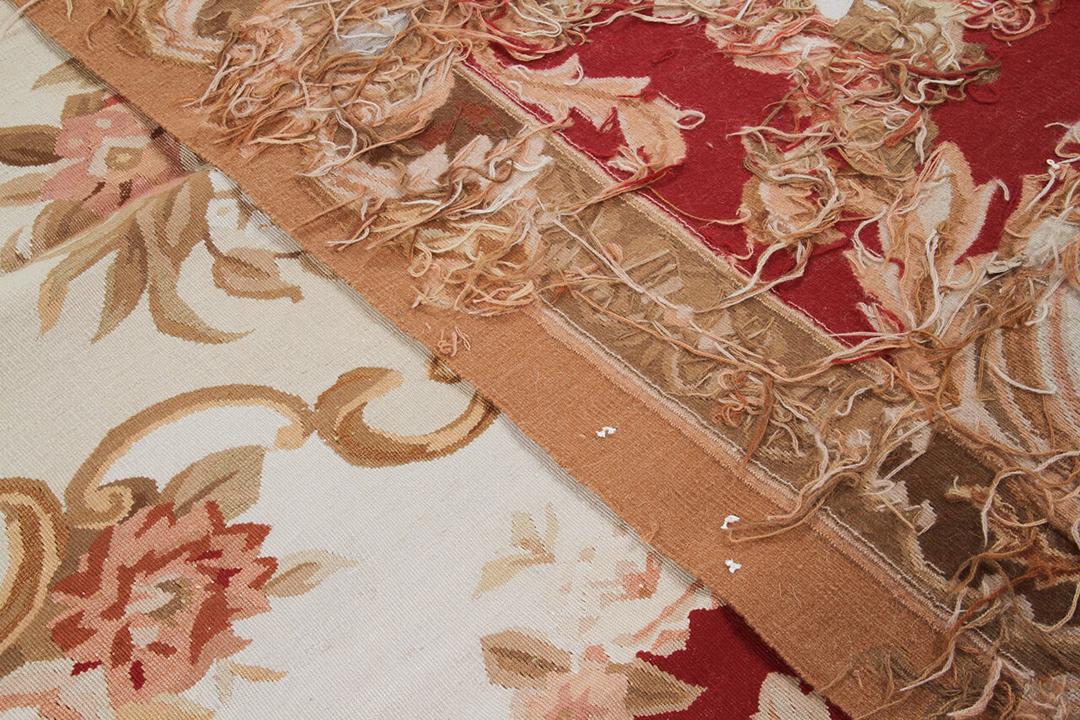
The Aubusson style finds its roots in the 17th-century French tapestry workshops of the Creuse Valley. Originally known for creating luxurious wall hangings for the aristocracy, these designs eventually transitioned into flat-weave floor coverings that mirrored the ornate, classical motifs of the era. Today, this tradition is celebrated globally, with skilled artisans in various regions continuing to uphold the aesthetic legacy of these grand European patterns.
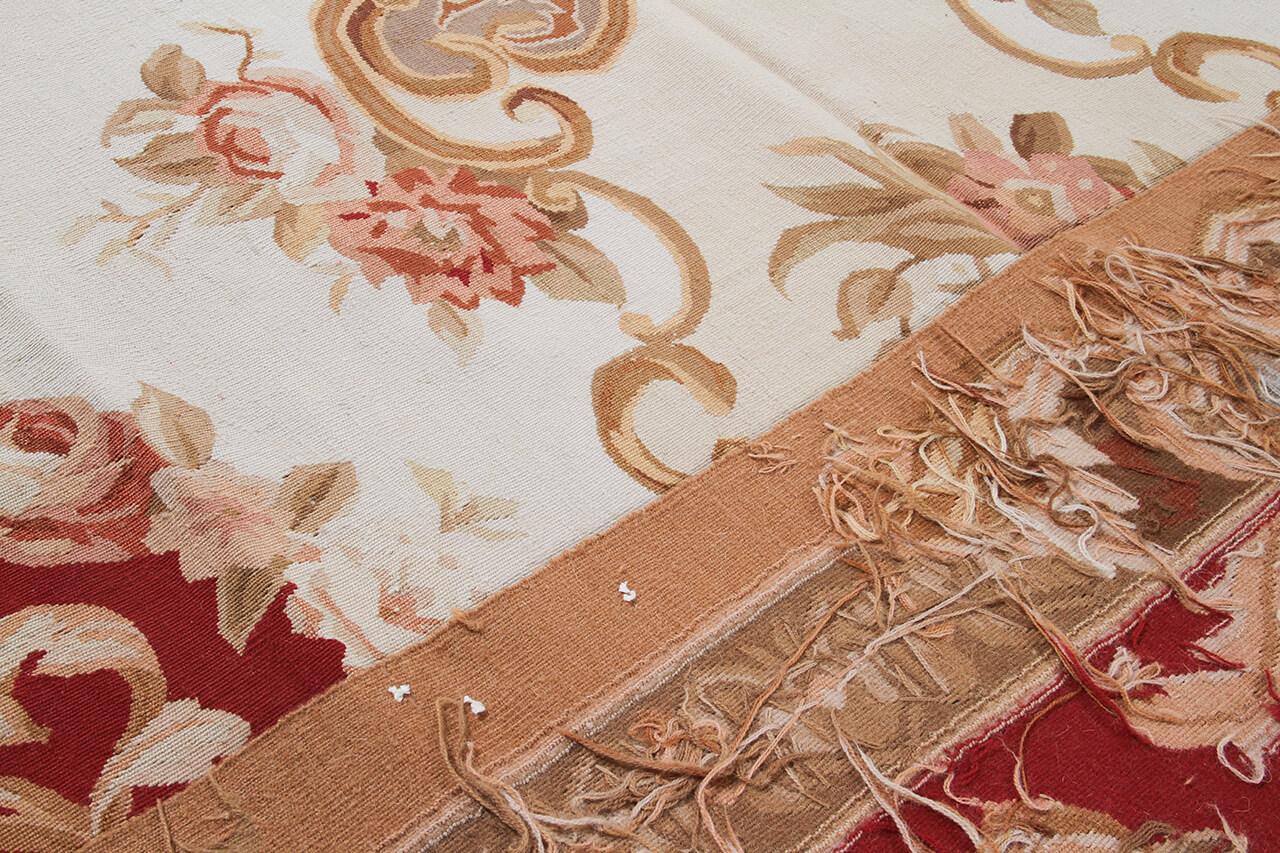
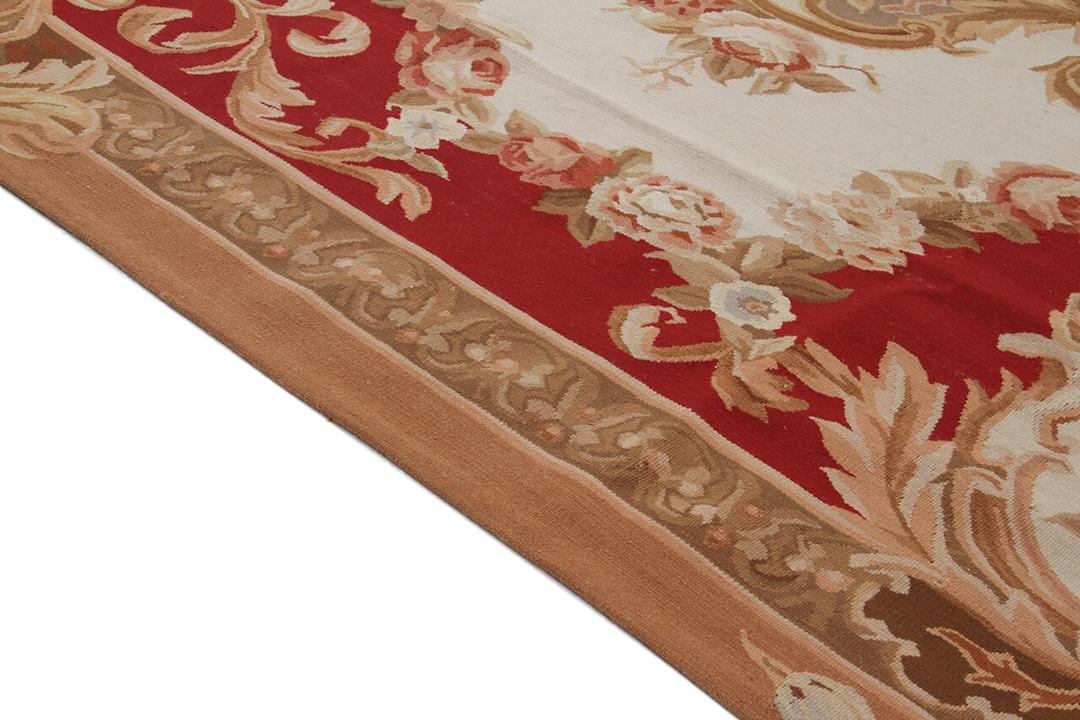
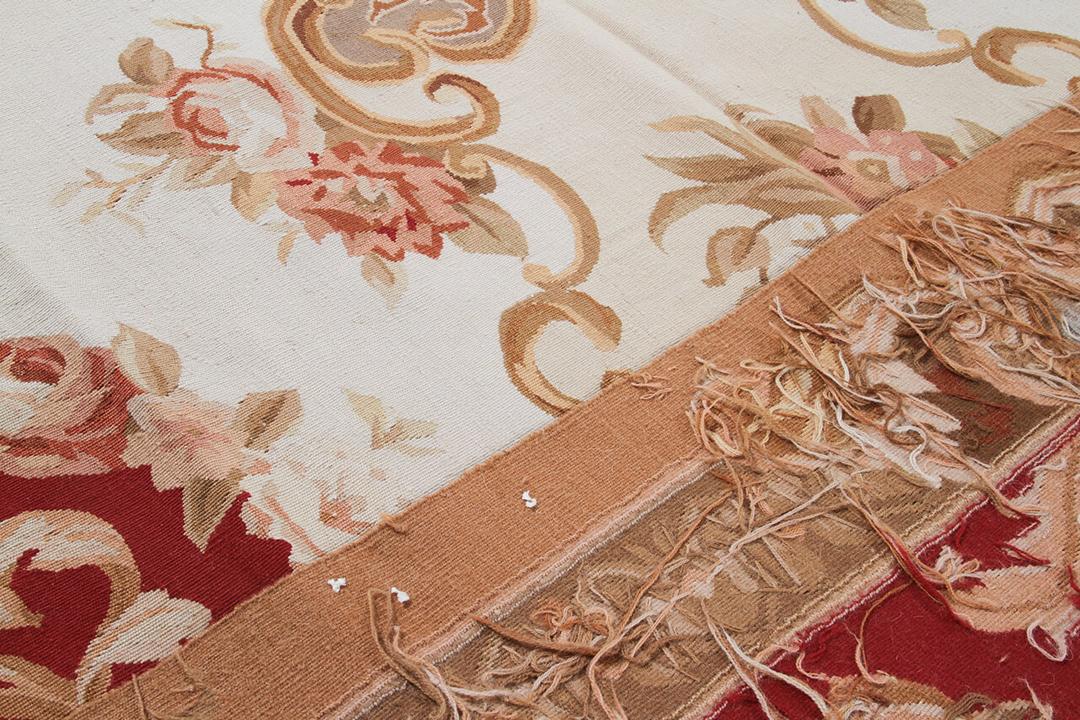
The term 'kilim' describes the flat-weave technique used here, which is distinct from knotted piles. By omitting the pile, the artisan creates a smooth, durable surface that emphasises the clarity of the design and the vibrancy of the colours. This type of construction is highly valued for its ability to showcase complex, pictorial motifs that would otherwise be lost in a thicker, deeper weave.
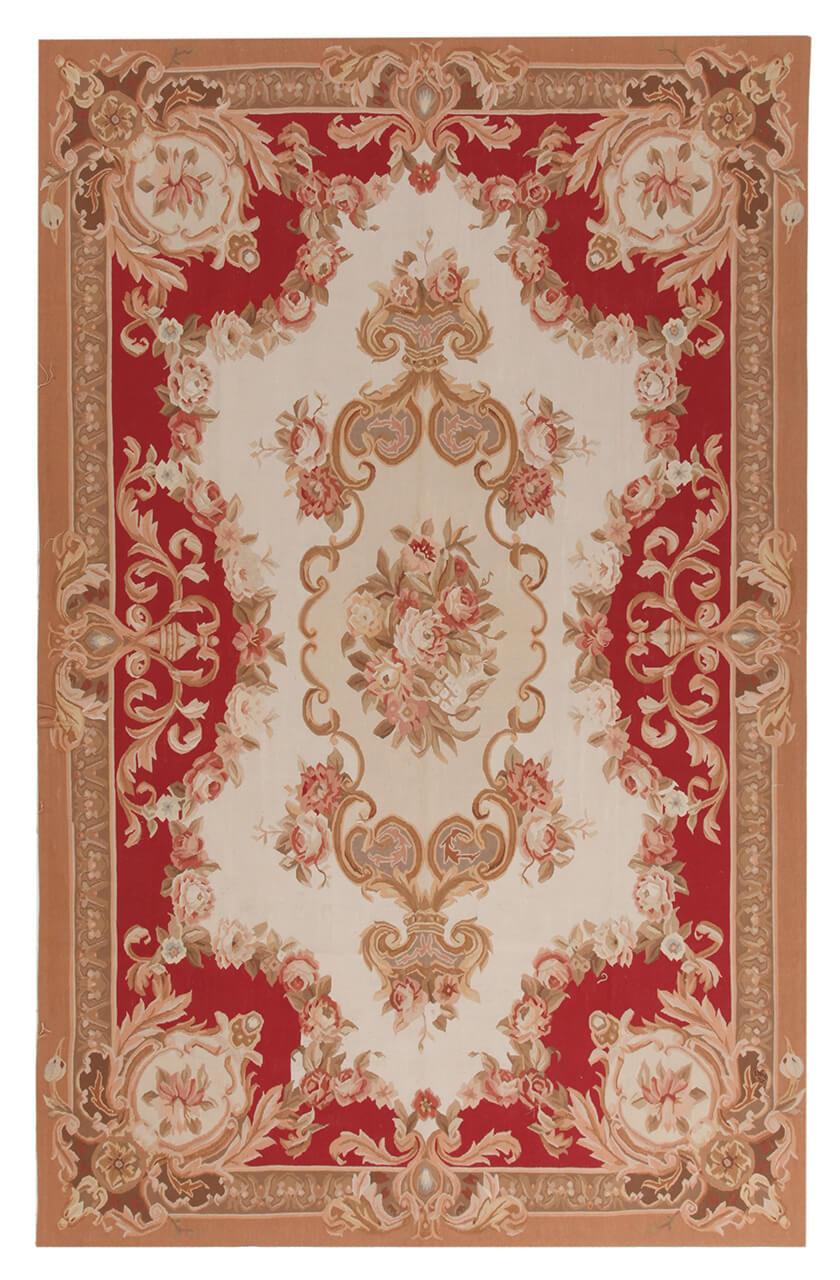
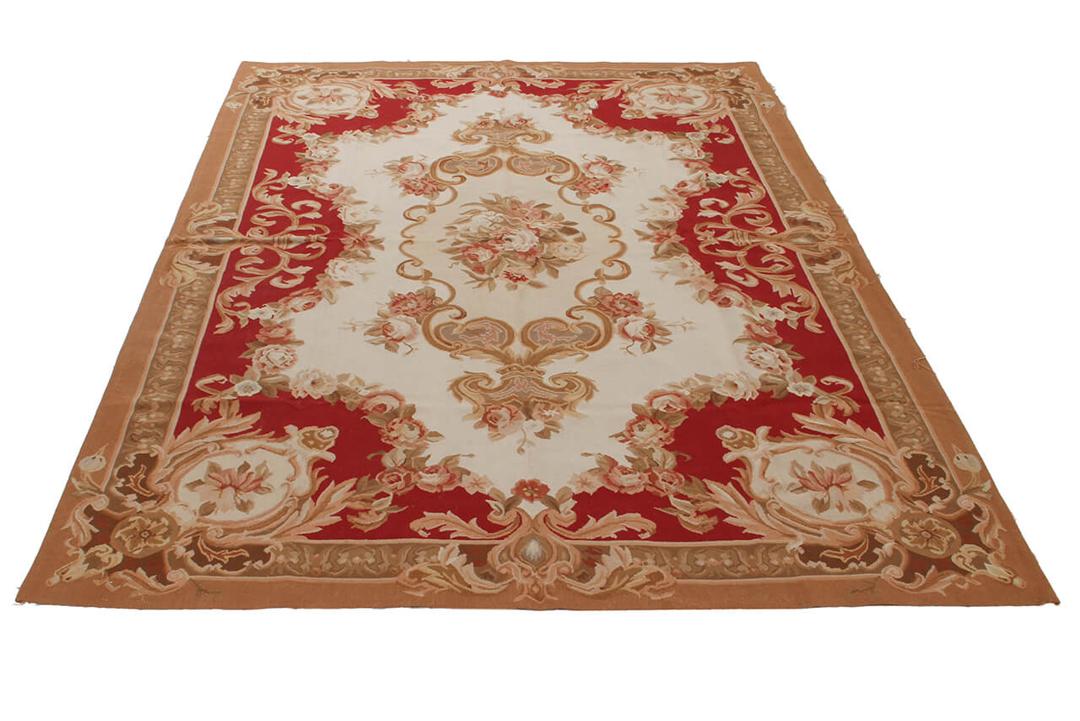
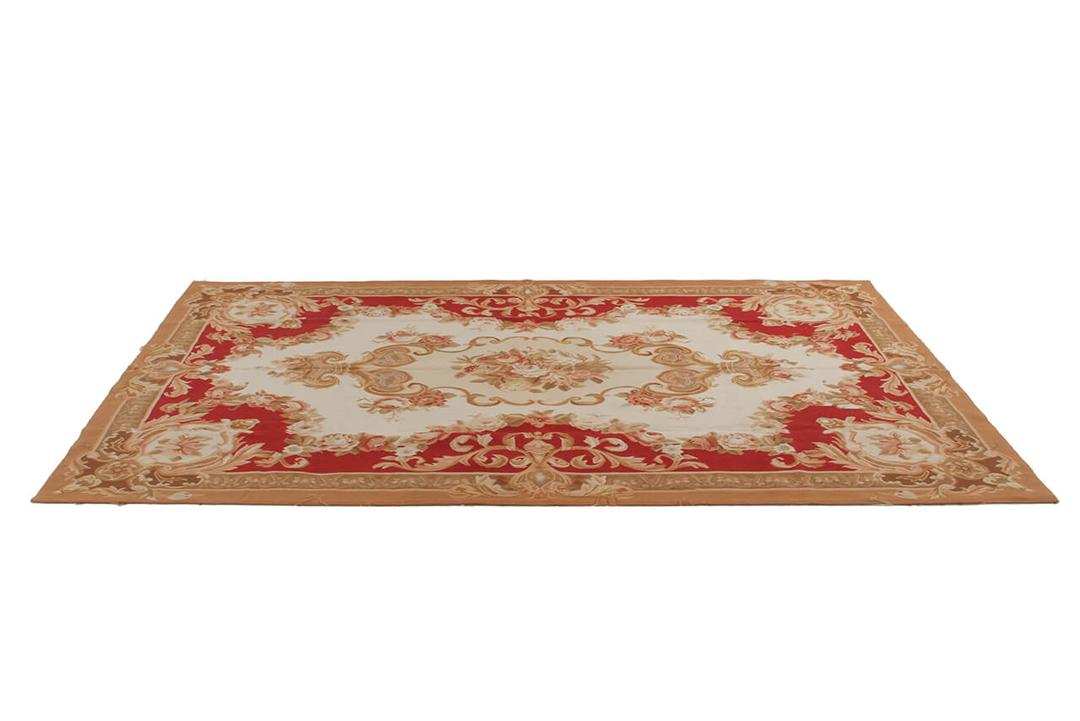
Signature elements of this tradition include the use of lush floral bouquets, scrolling foliage, and balanced, symmetrical arrangements. The ornate, medallion-like focus or the framing with decorative borders are hallmarks of the Aubusson aesthetic. This particular piece honours these roots by utilising a sophisticated, high-contrast palette that draws the eye toward the central botanical artistry.
Owning a rug from this lineage is about more than just decor; it is about preserving a connection to a centuries-old design language. Collectors and enthusiasts value these pieces for their ability to bring a sense of historical narrative and artisanal skill into a modern home, making them meaningful additions to any carefully curated space.