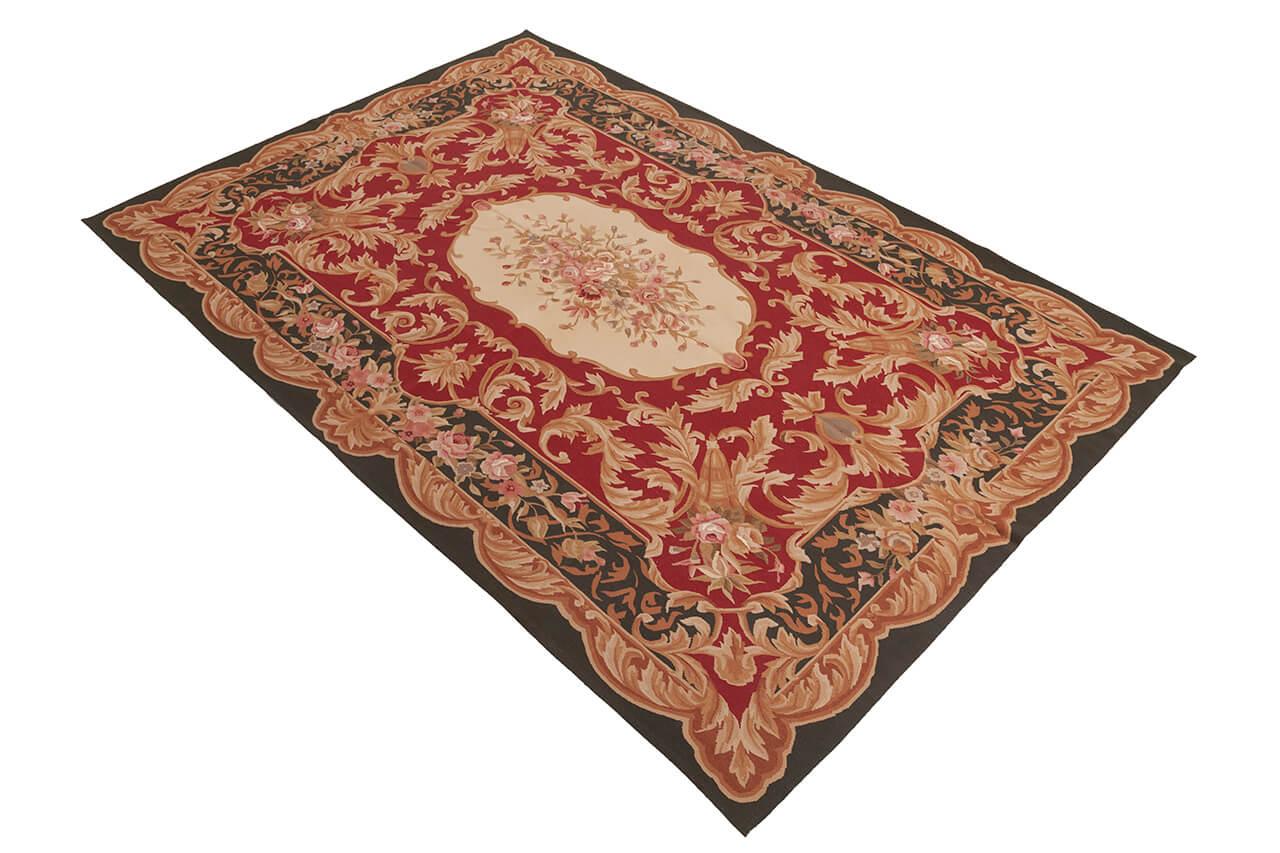
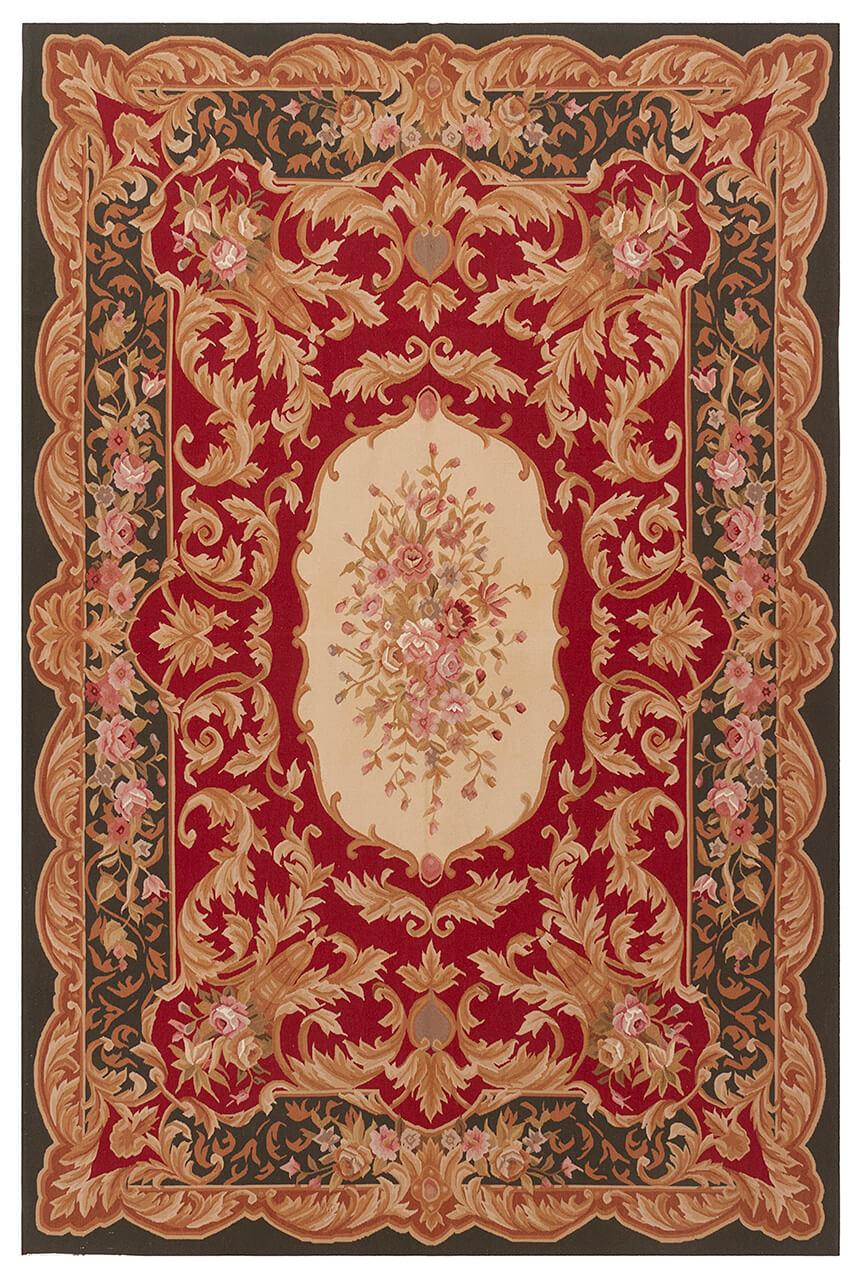
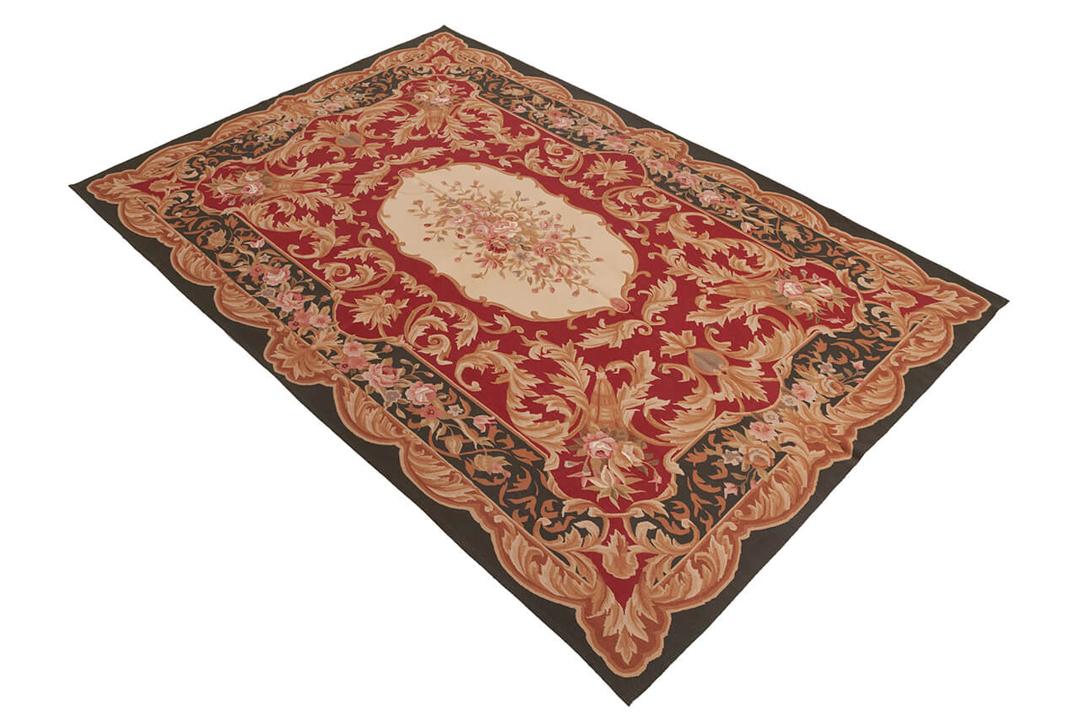
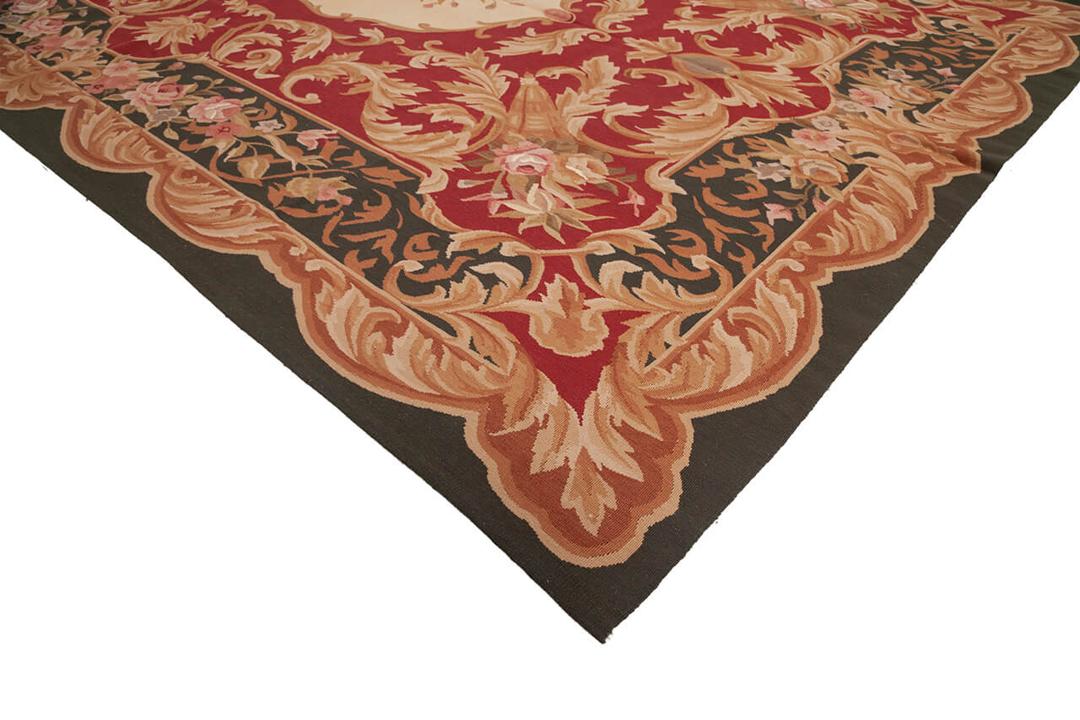
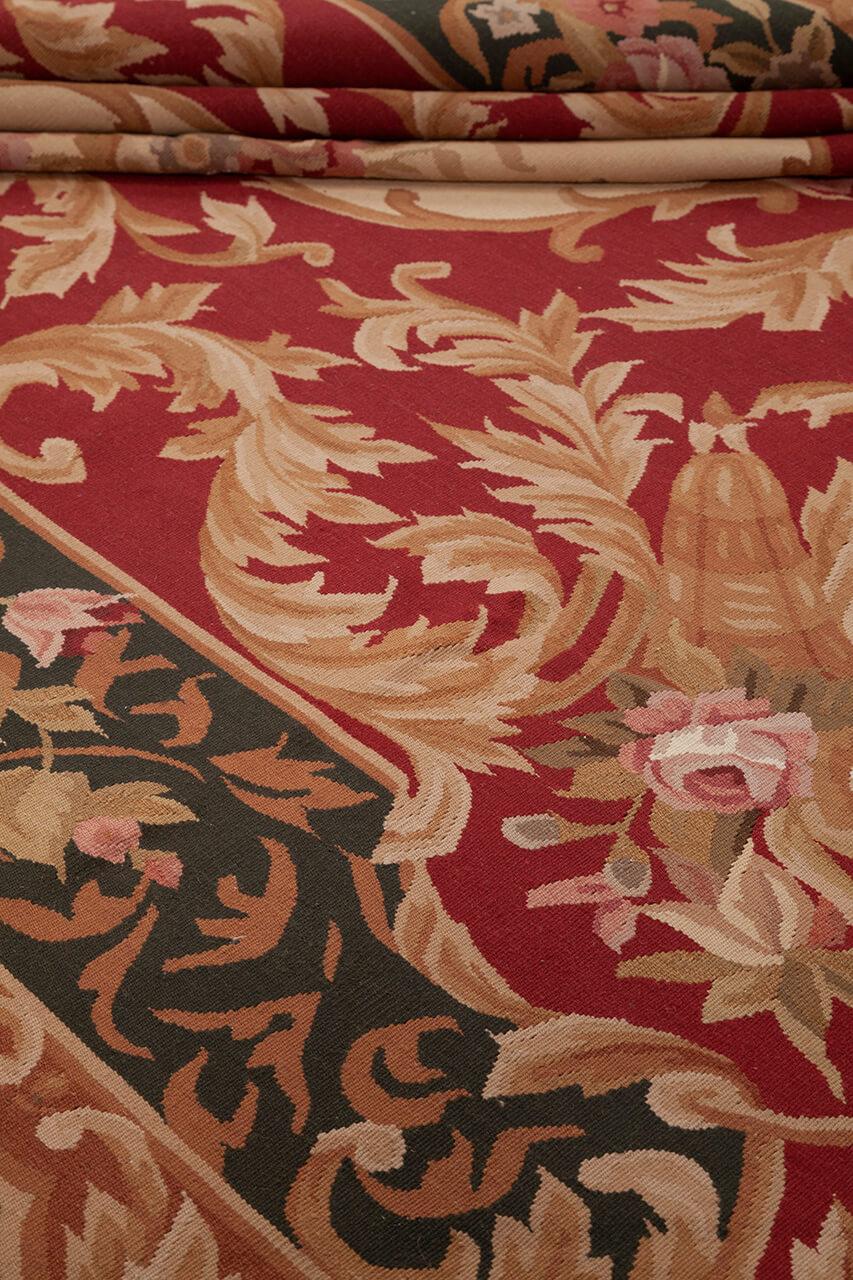
The Aubusson style finds its roots in the town of Aubusson, France, where weavers became world-renowned for creating flat-woven tapestries and rugs for the French aristocracy. These designs were often influenced by the grandeur of the Baroque and Rococo periods, characterised by their lush floral arrangements, scrolling acanthus leaves, and formal architectural borders.
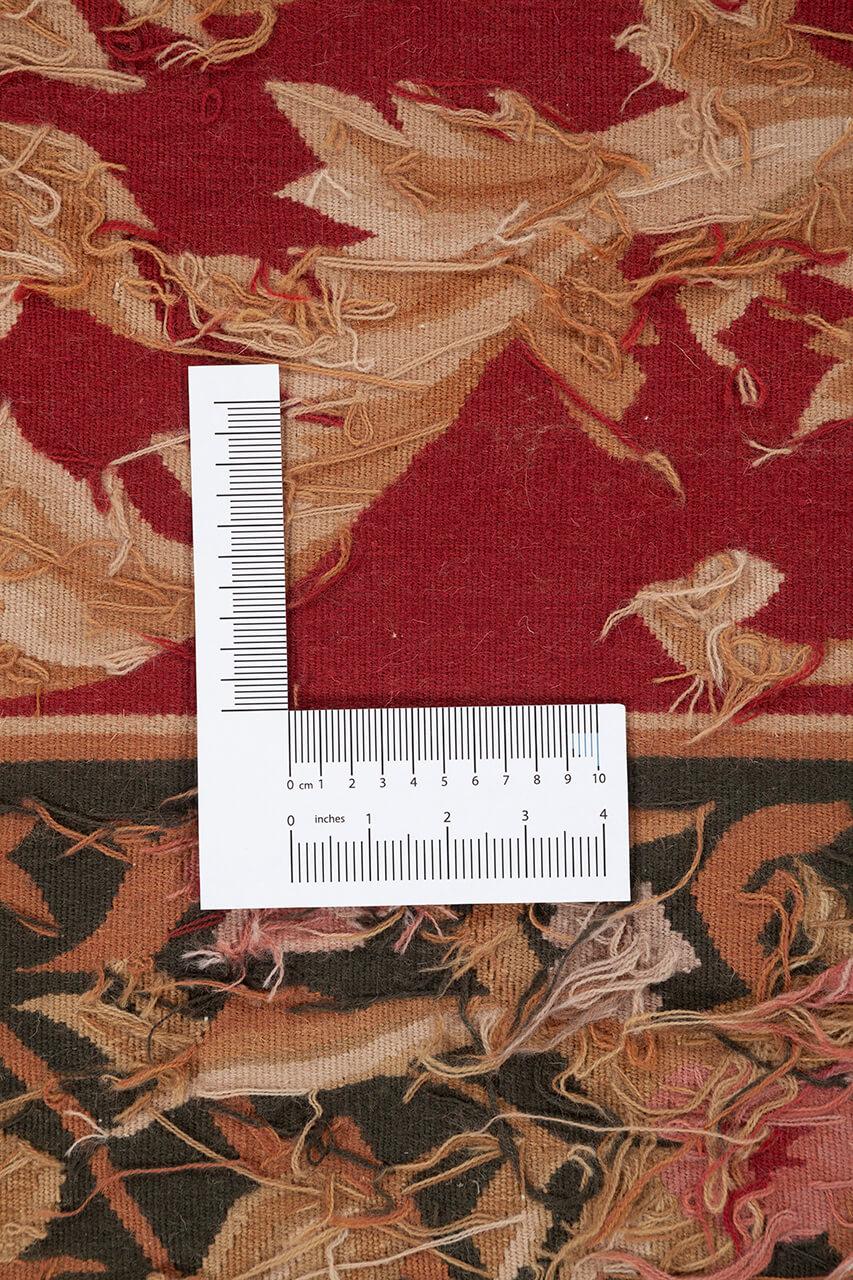
While the tradition originated in Europe, its influence has travelled across the globe, leading to a beautiful evolution of the craft in regions like China. Modern interpretations of this style maintain the hallmark flat-weave construction, which is prized for its versatility and refined texture. This technique produces a thin yet durable surface that allows for incredibly detailed, painterly designs that stand out in any interior.
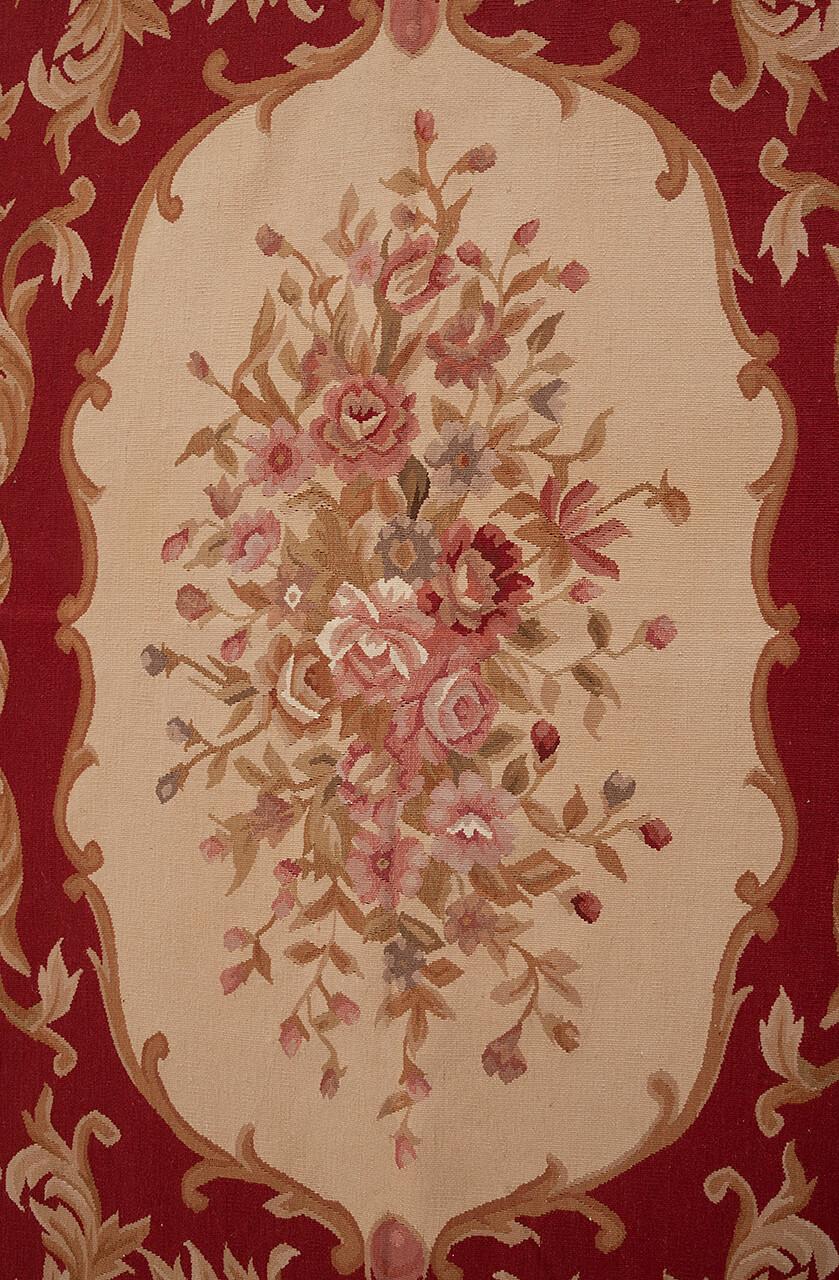
The signature design elements of this tradition include the central medallion, which often frames a realistic bouquet of roses or spring flowers, and the elaborate, sweeping borders. These motifs are designed to create a sense of order and grace. The contrast between the deep, rich fields and the lighter, central motifs is a classic composition intended to highlight the complexity of the weaving.
Collecting a piece in this tradition is a way to connect with centuries of textile history. These rugs are highly valued for their artistic merit and the high level of technical skill required to execute such intricate patterns without the use of a deep pile. Owning one is an investment in cultural heritage, representing a bridge between traditional European design and expert global craftsmanship.