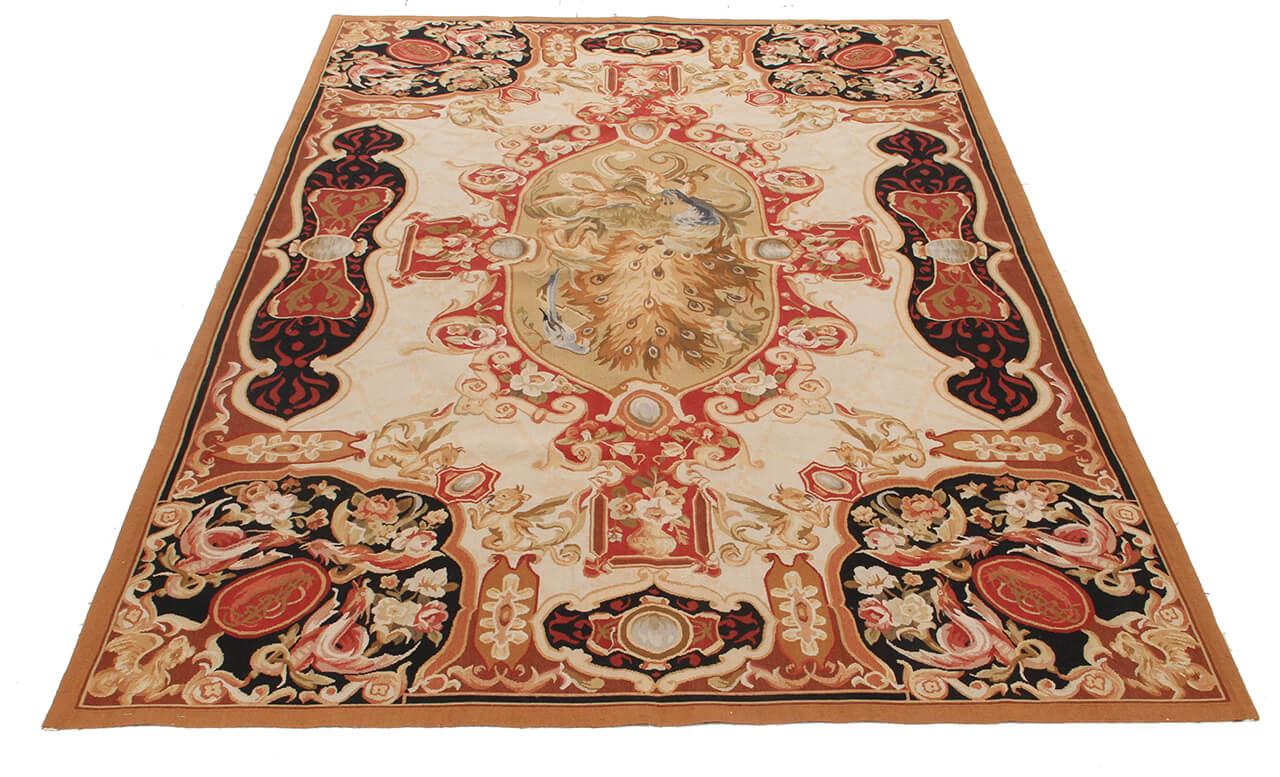
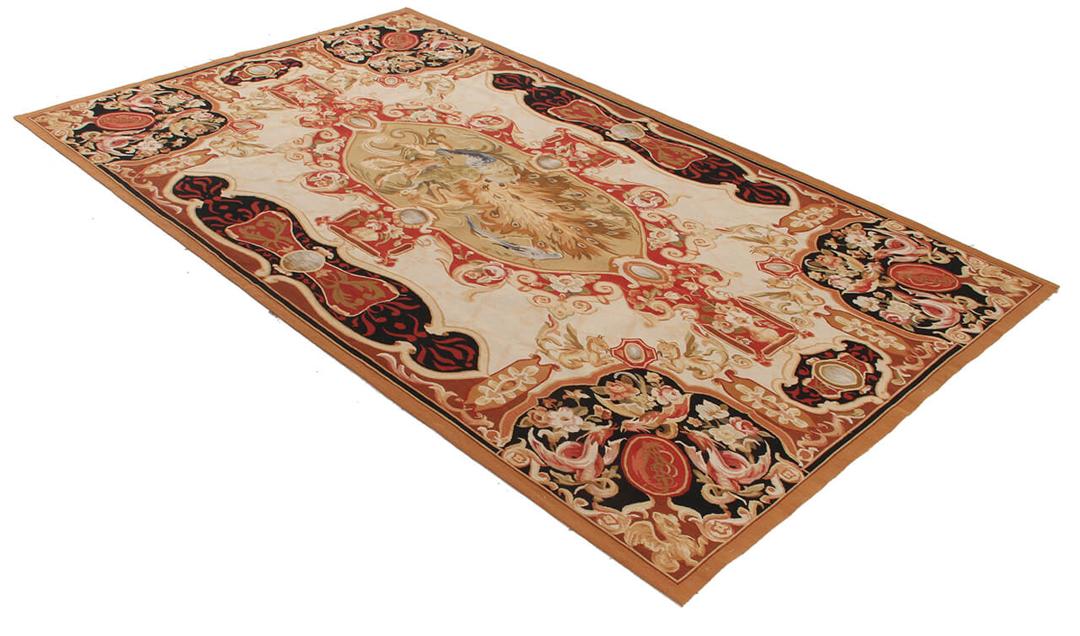
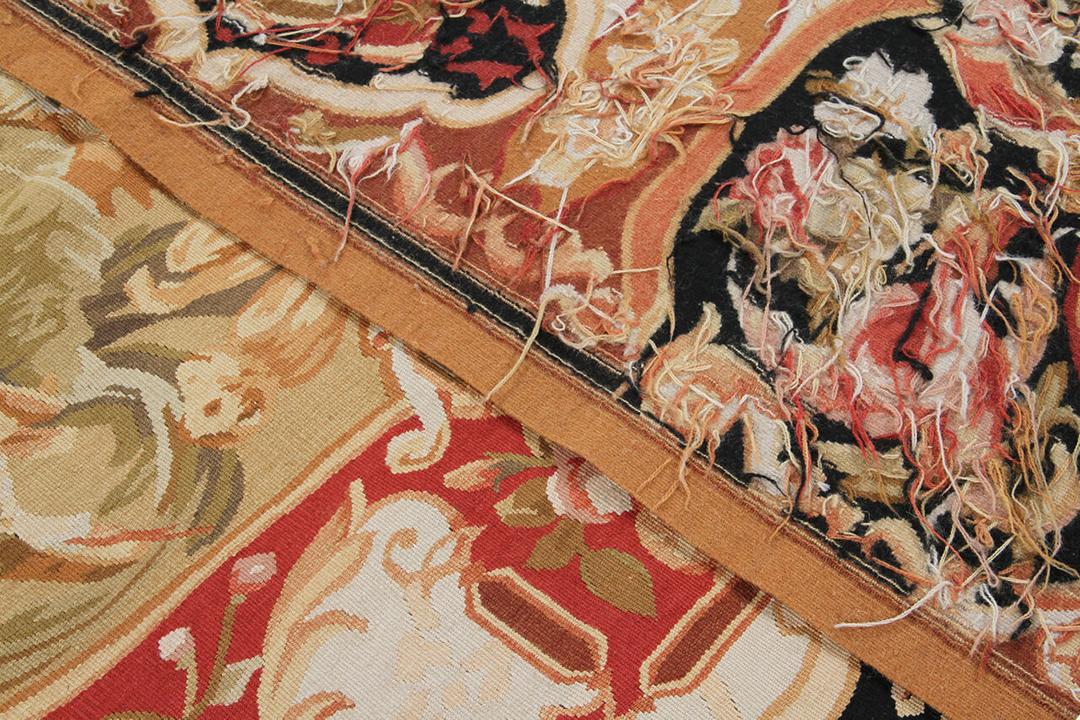
The Aubusson tradition traces its roots back to the 17th century in the Creuse valley of France, where weavers became world-renowned for their flat-woven tapestries and rugs. These pieces were originally commissioned by royalty and the aristocracy to adorn the floors and walls of grand chateaux, serving as both functional insulation and expressions of immense wealth and artistic taste.
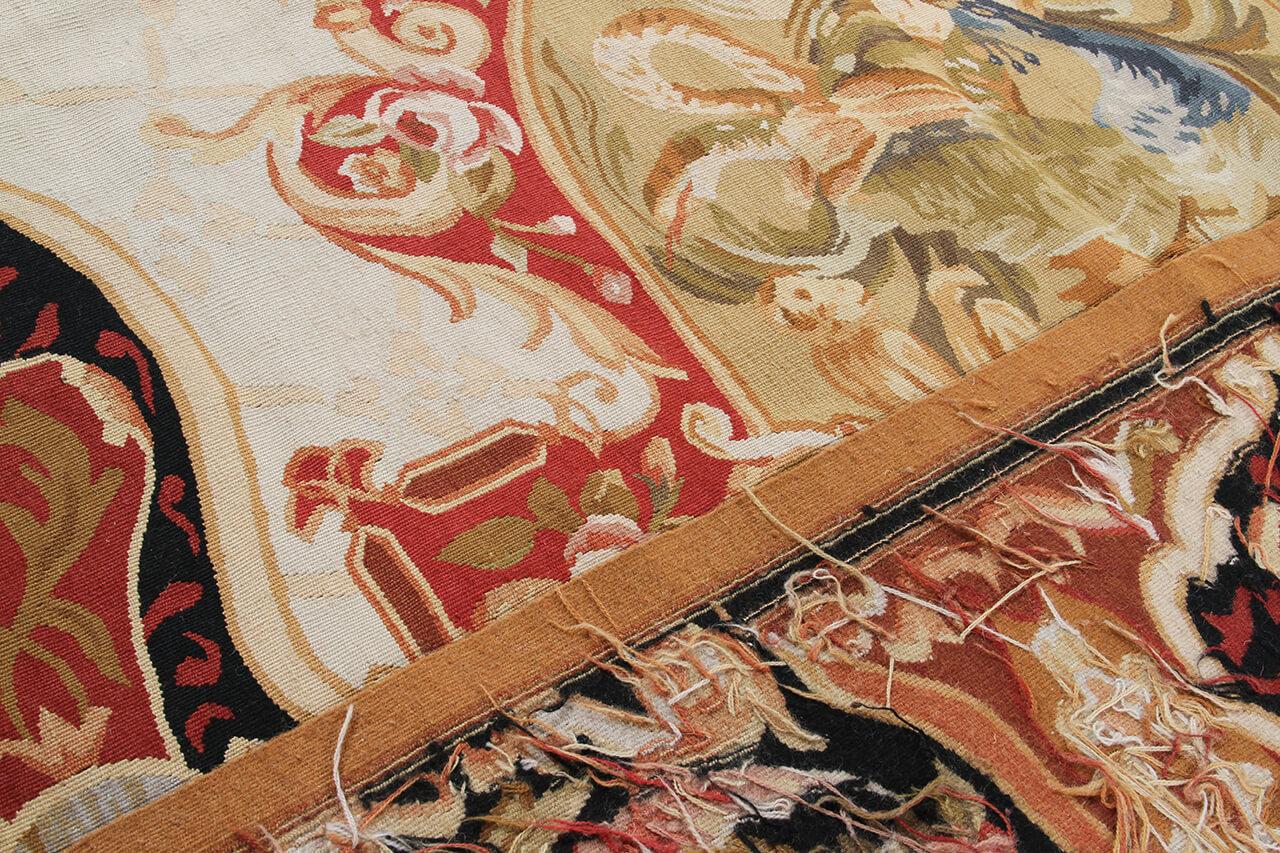
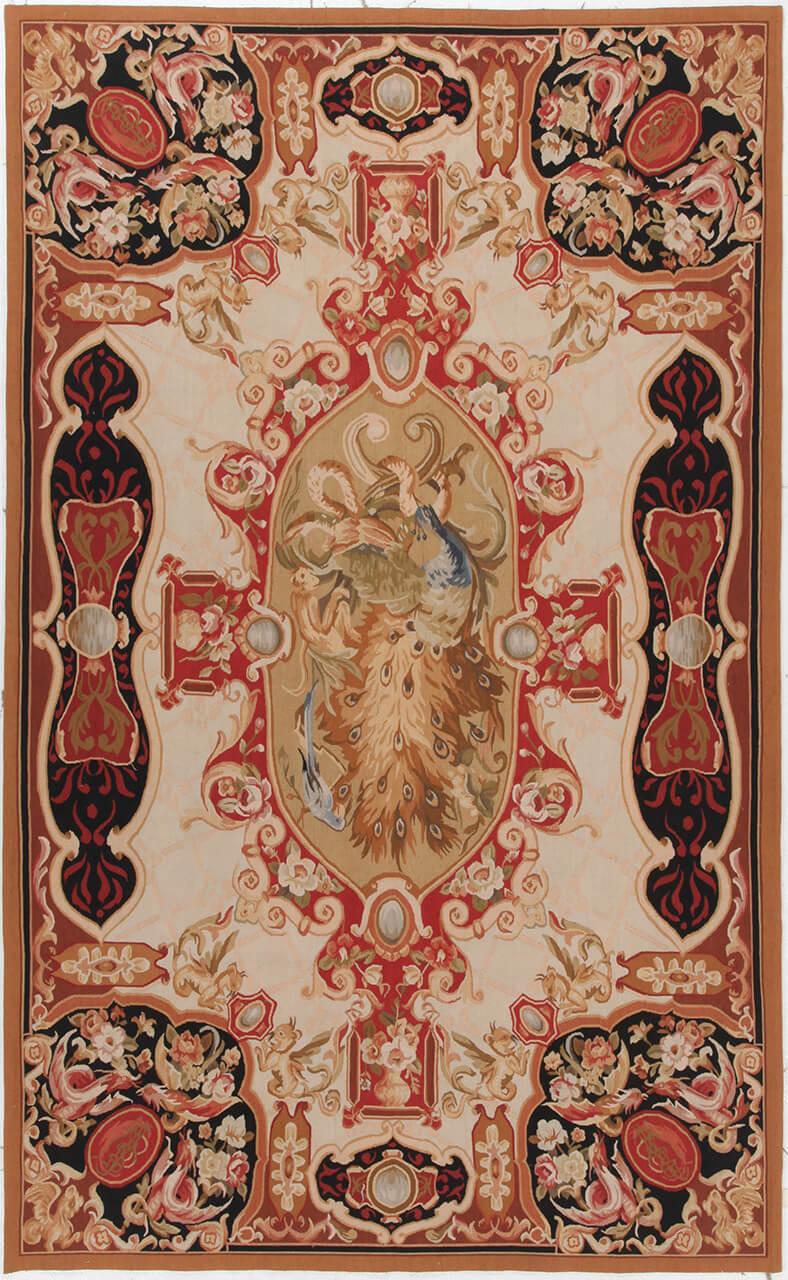
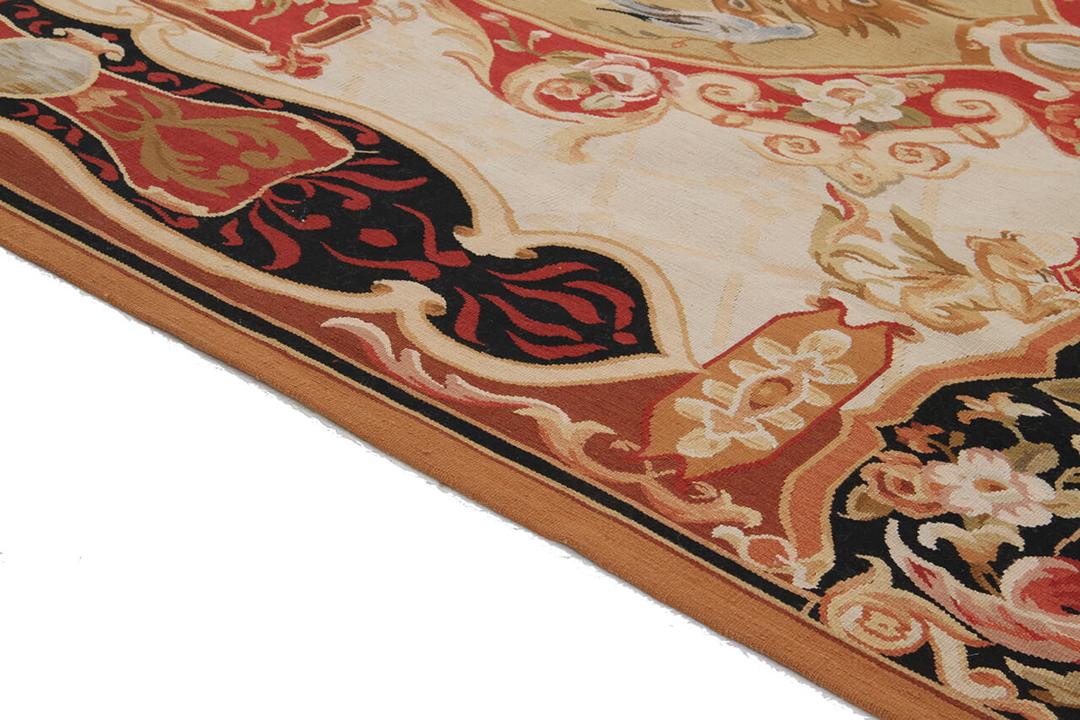
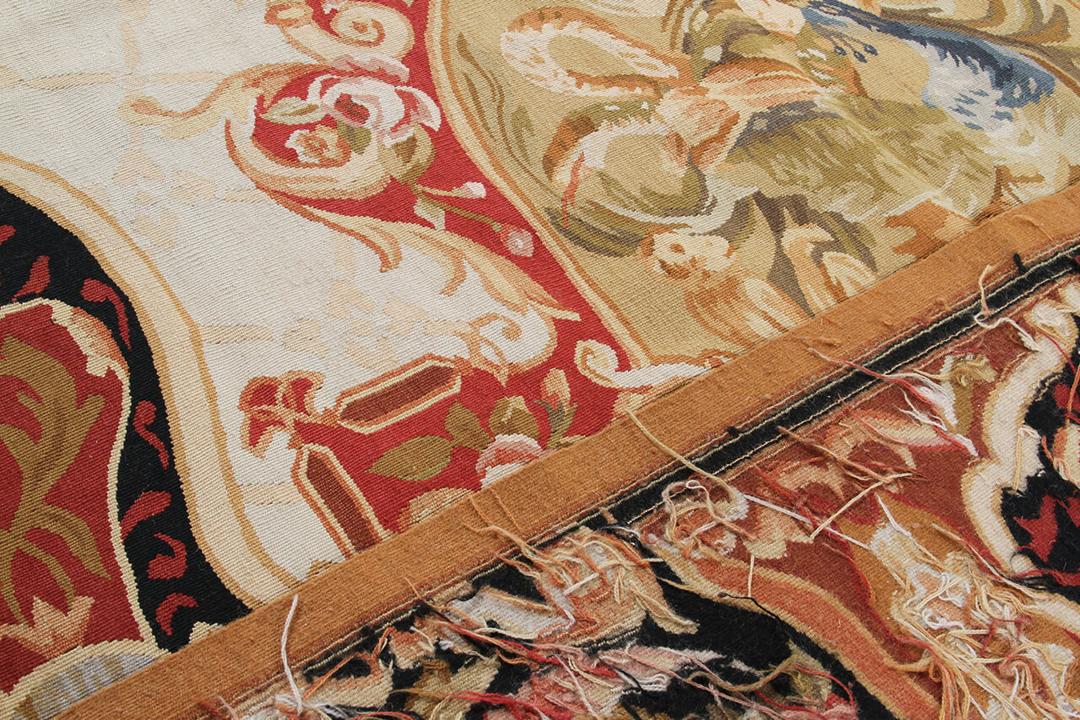
Technically, an Aubusson is defined by its flat-woven construction, which lacks the traditional knotted pile found in many other rug styles. This specific method allows for the creation of delicate, painting-like details and fluid, curved lines that would be much more difficult to achieve with a high pile. The result is a rug that functions almost like a tapestry for the floor, bringing a fine-art sensibility to interior spaces.
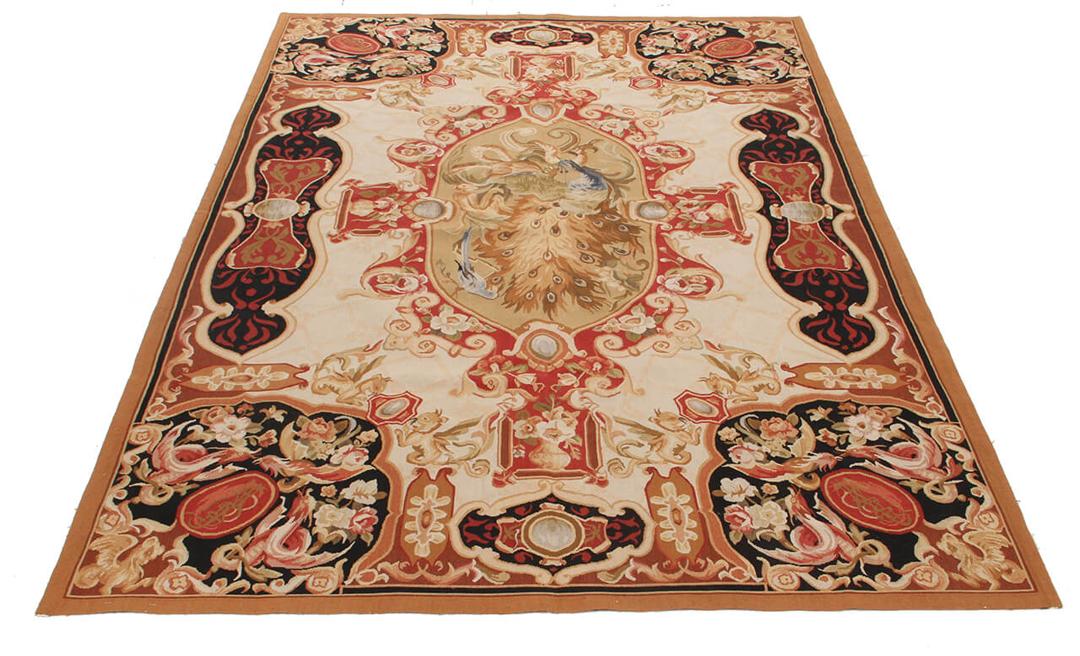
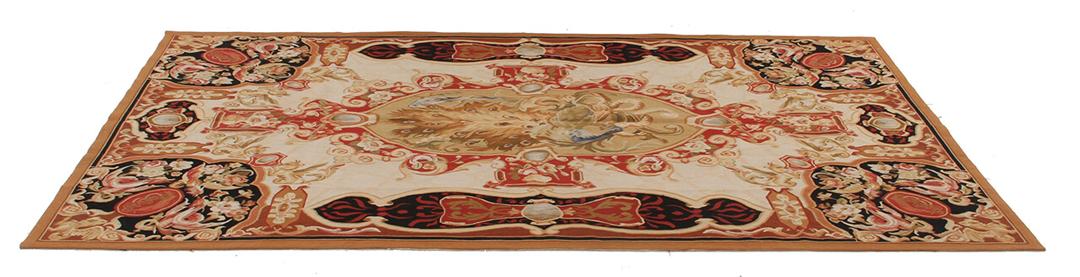
Signature elements of this tradition include elaborate floral bouquets, scrolling acanthus leaves, and central medallions set against soft, neutral fields. These patterns often draw inspiration from neoclassical and rococo architecture, emphasising symmetry, elegance, and a sense of formal harmony. The addition of darker border elements provides a frame that grounds these airy, decorative motifs.
Today, these rugs are highly sought after by collectors who value the intersection of historical design and skilled craftsmanship. Owning an Aubusson-style piece is a way to connect with a centuries-old European aesthetic, bringing a sense of heritage and enduring beauty into the contemporary home environment.