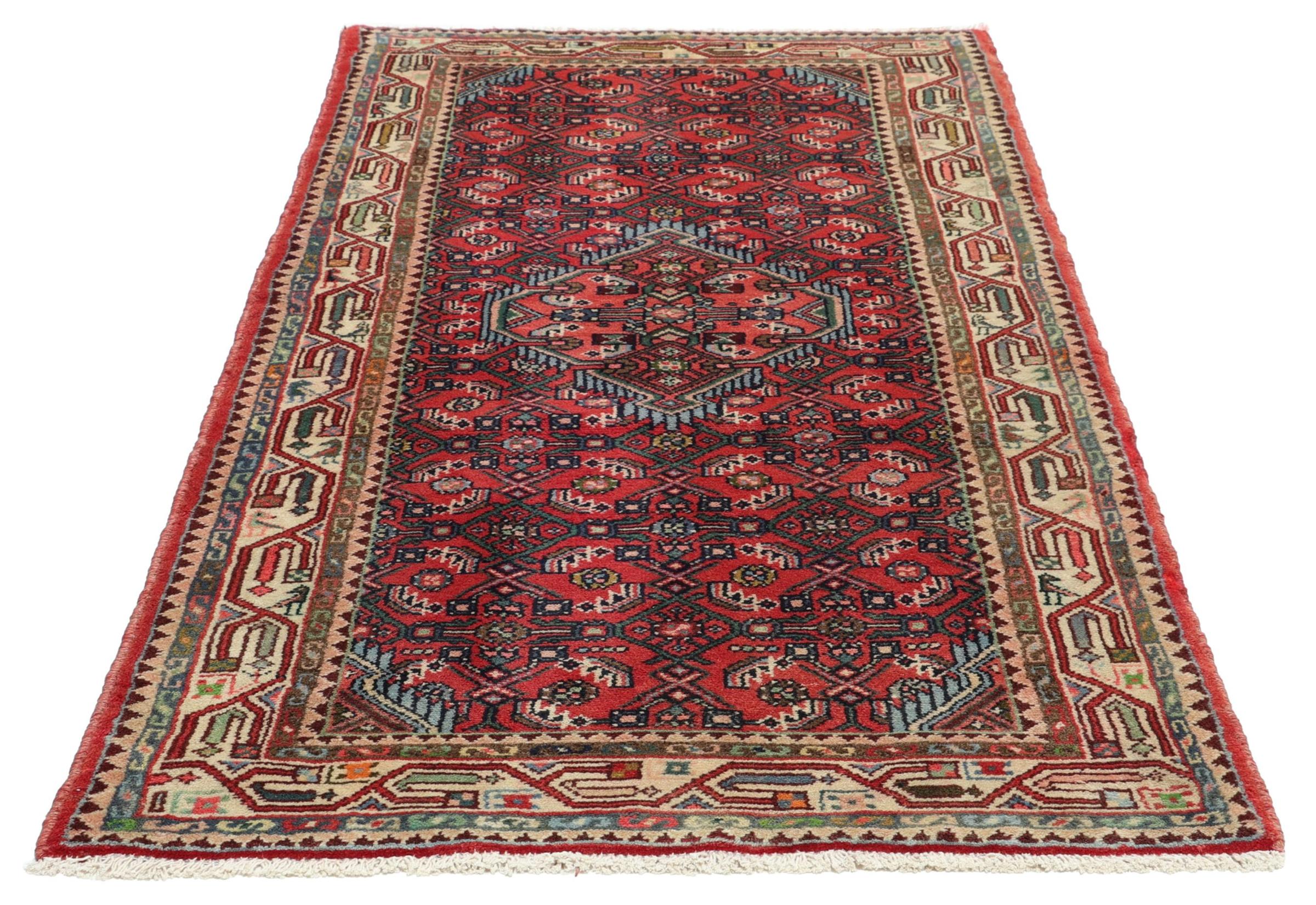
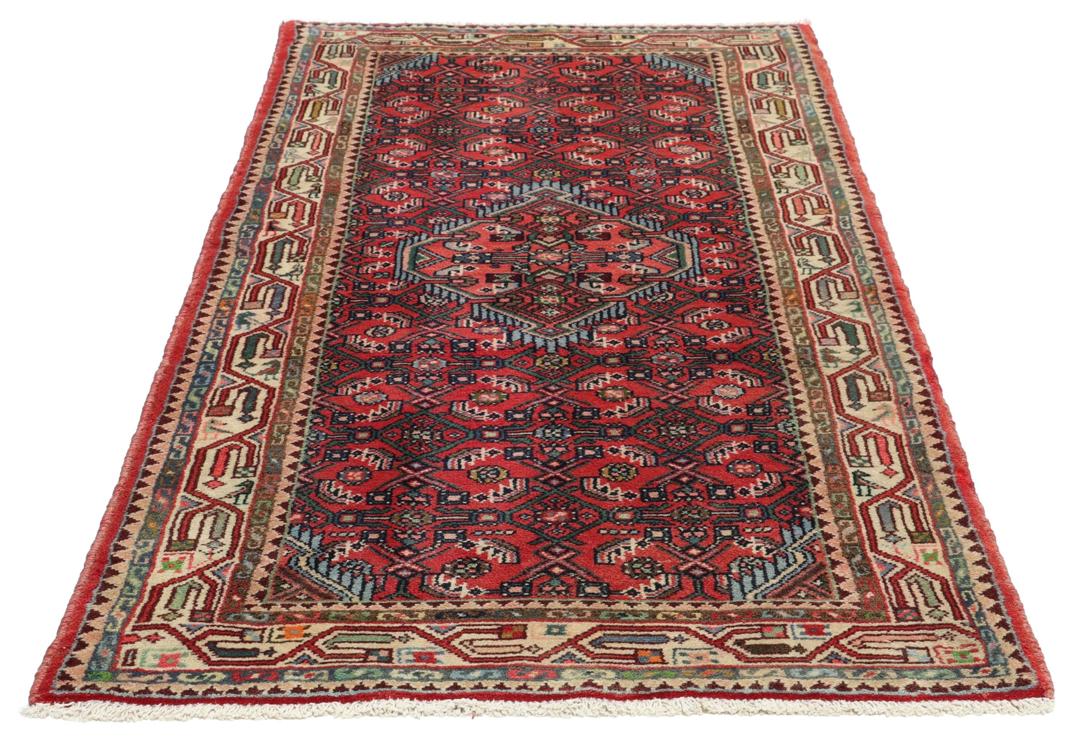
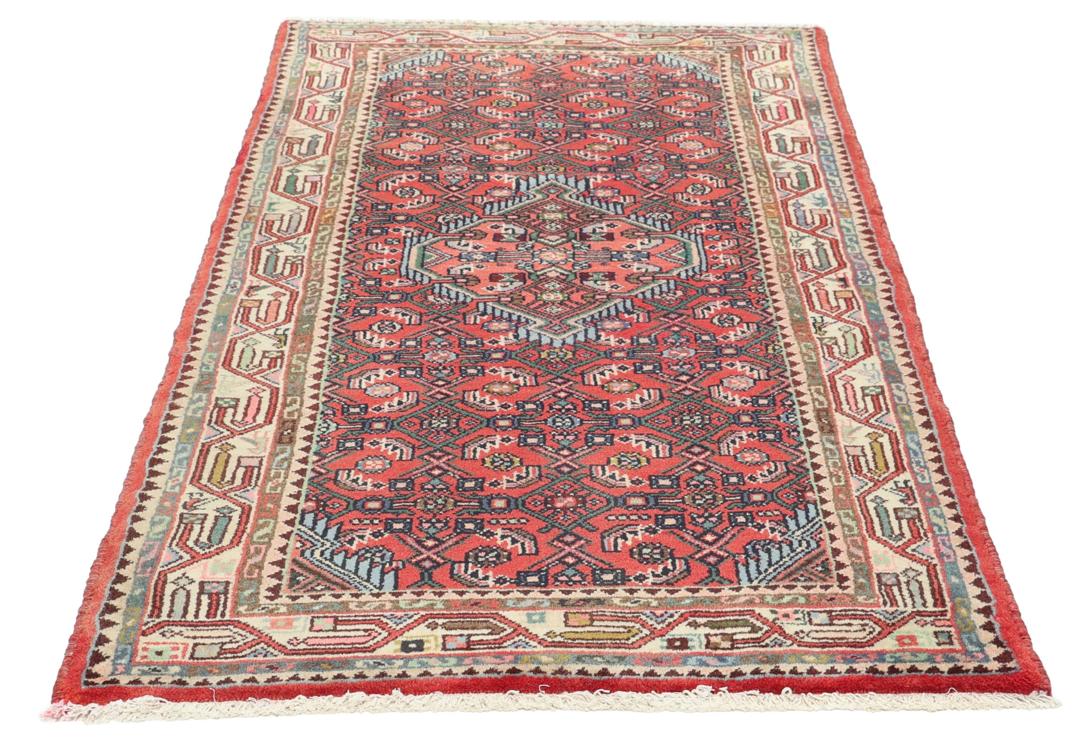
The Hamadan region in the Middle East is renowned for its vast and varied output of hand-knotted rugs, drawing upon centuries of weaving heritage. Rugs from this area, such as the Asadabad, are deeply rooted in the cultural identity of local village communities where weaving is a way of life. These rugs are celebrated for their sturdy construction and their ability to incorporate both tribal influences and more formal, city-inspired designs.
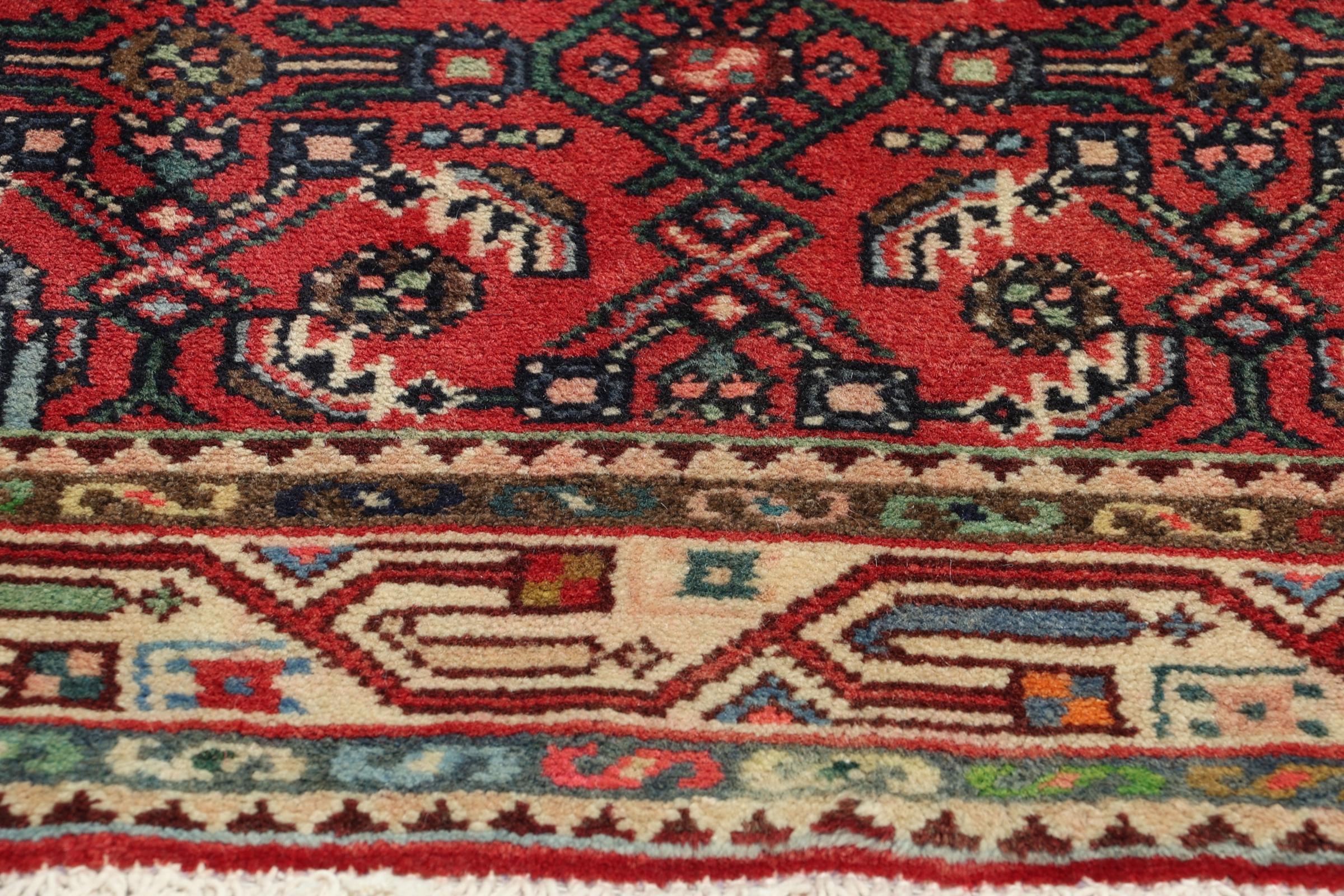
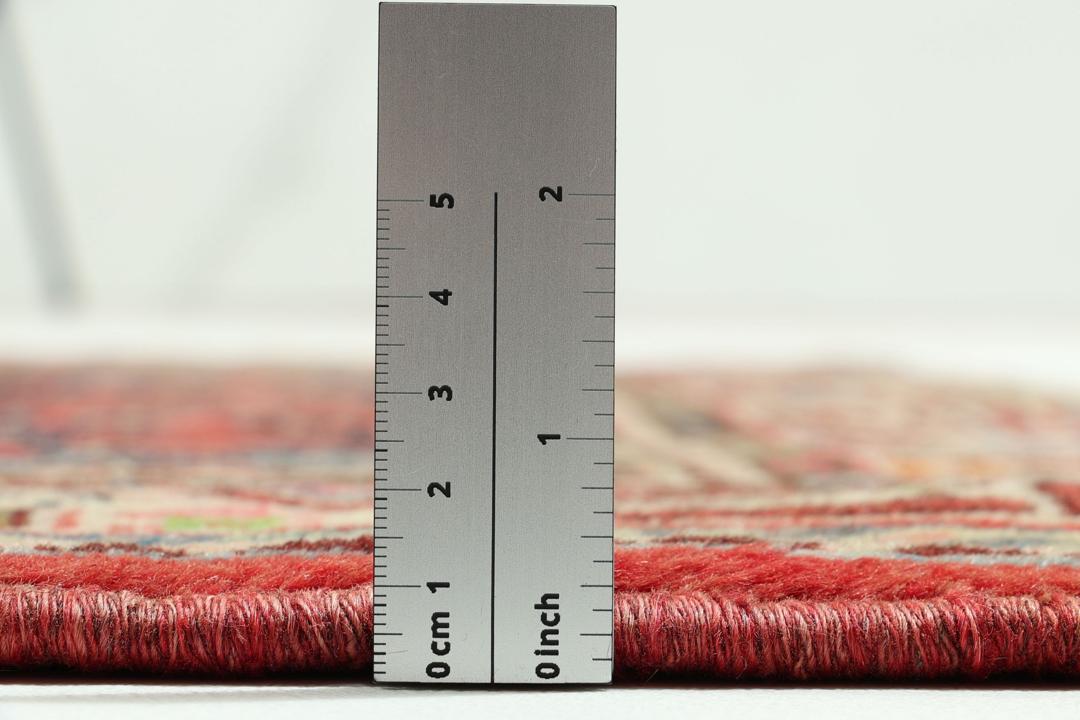
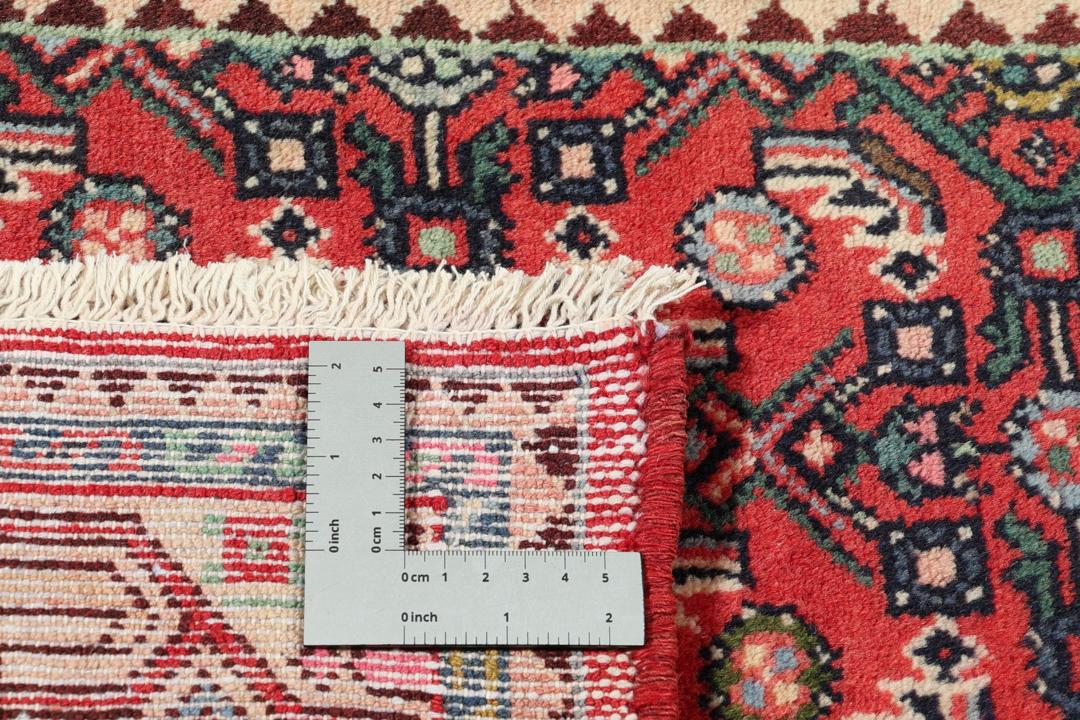
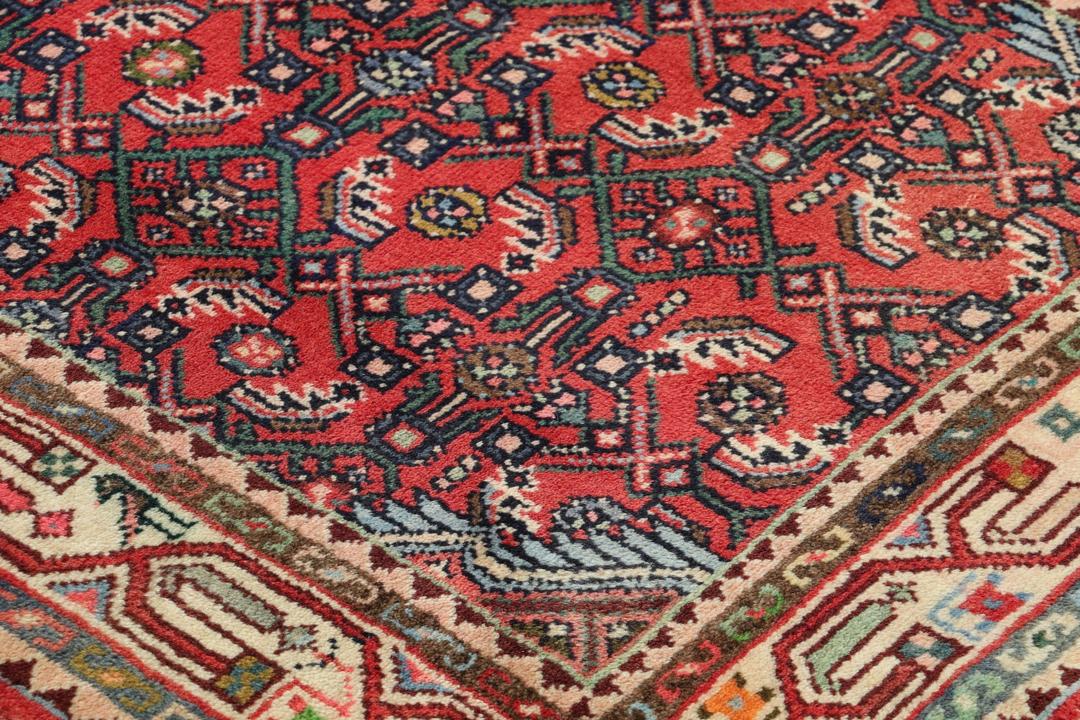
The term hand-knotted refers to the technique where individual lengths of wool are tied to the foundation, a method that is significantly more durable and intricate than other types of construction. In these traditional rugs, the foundation consists of a cotton warp and weft, providing a stable base that allows the wool pile to stand tall and dense. This structural integrity is what allows these rugs to withstand generations of use while maintaining their aesthetic appeal.
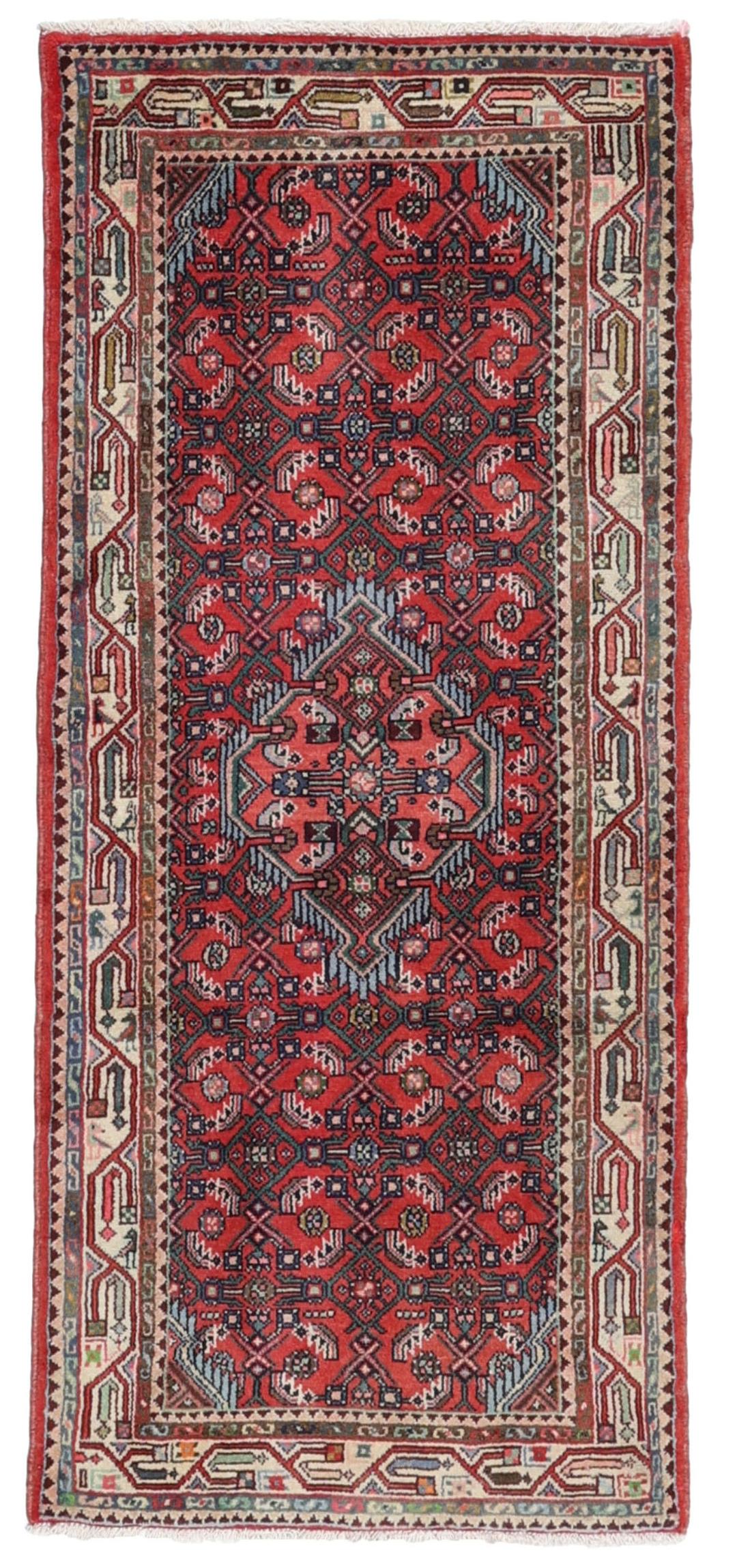
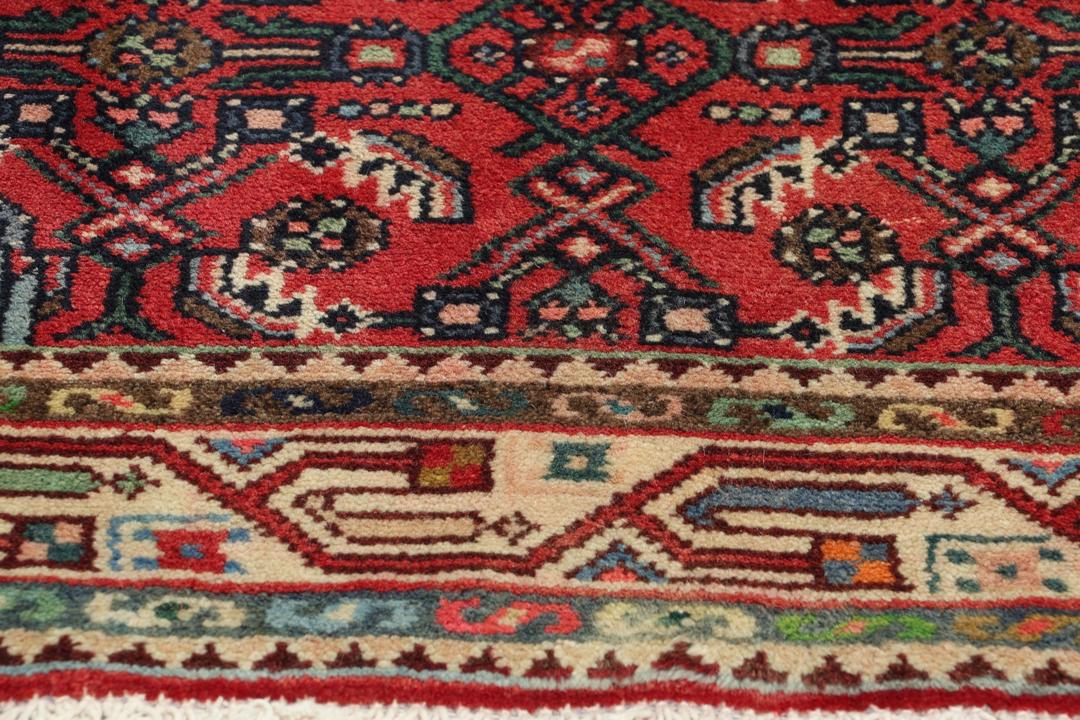
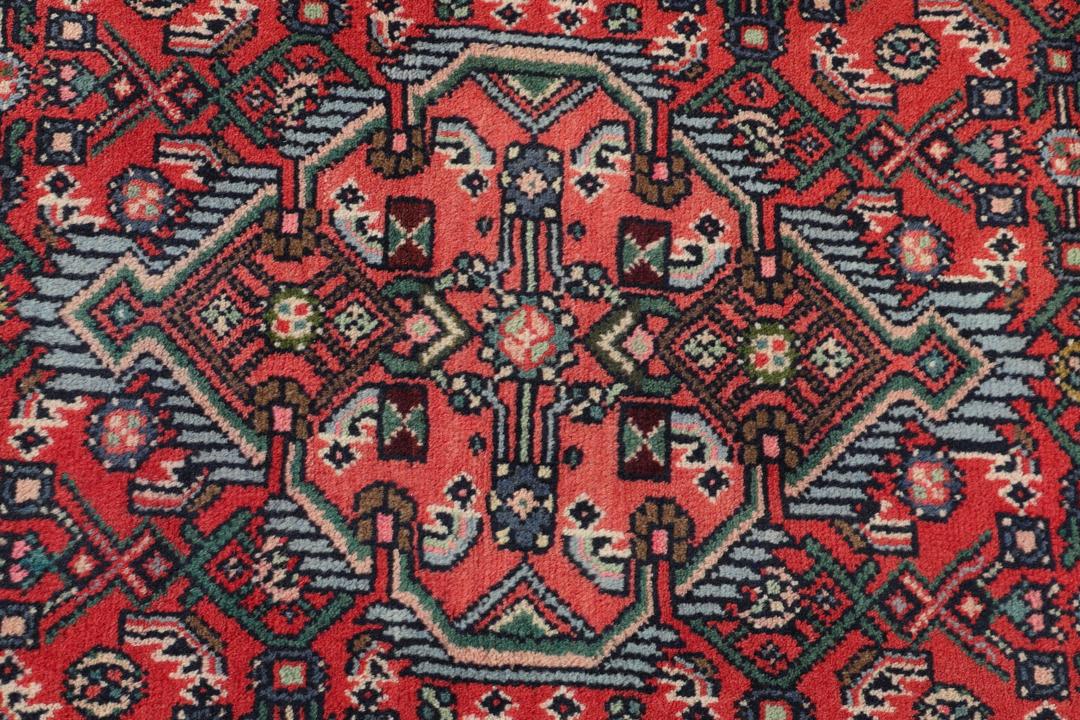
Signature elements of Hamadan-style rugs often include bold, geometric medallions or repeating patterns that cover the field. The Asadabad is known for its strong, symmetrical layout, often framed by a wide, decorative border that anchors the entire design. The use of traditional colour palettes, typically featuring deep reds and blues, is a classic hallmark of the region, designed to create a sense of warmth and visual balance in any room.
Collecting a rug from this tradition is an investment in human skill and historical continuity. These pieces are valued not only for their beauty but for the stories they tell about the communities that created them. Owning a piece like this means you are preserving a craft tradition that has persisted through changing times, bringing an authentic, grounded sense of history into your modern home.