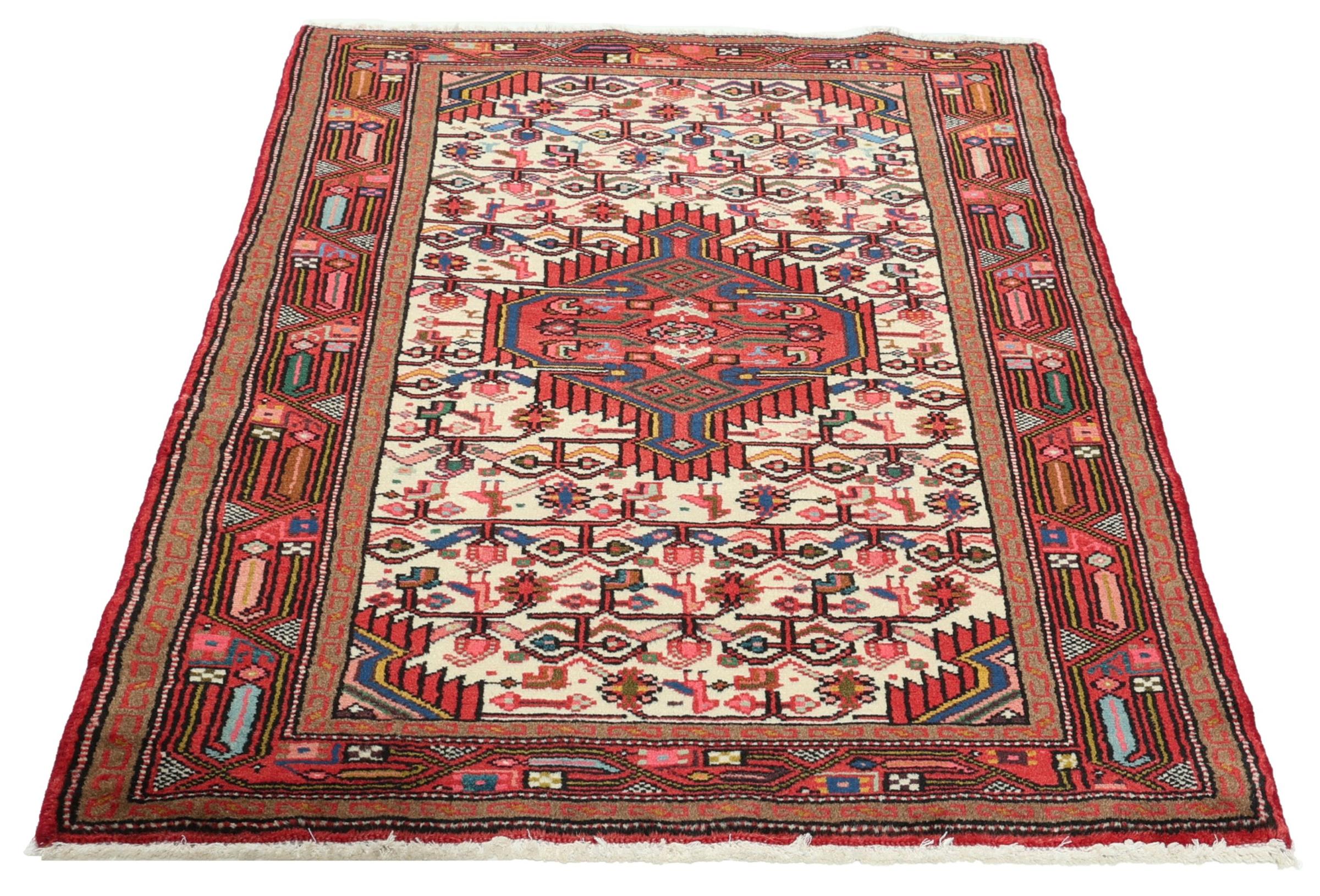
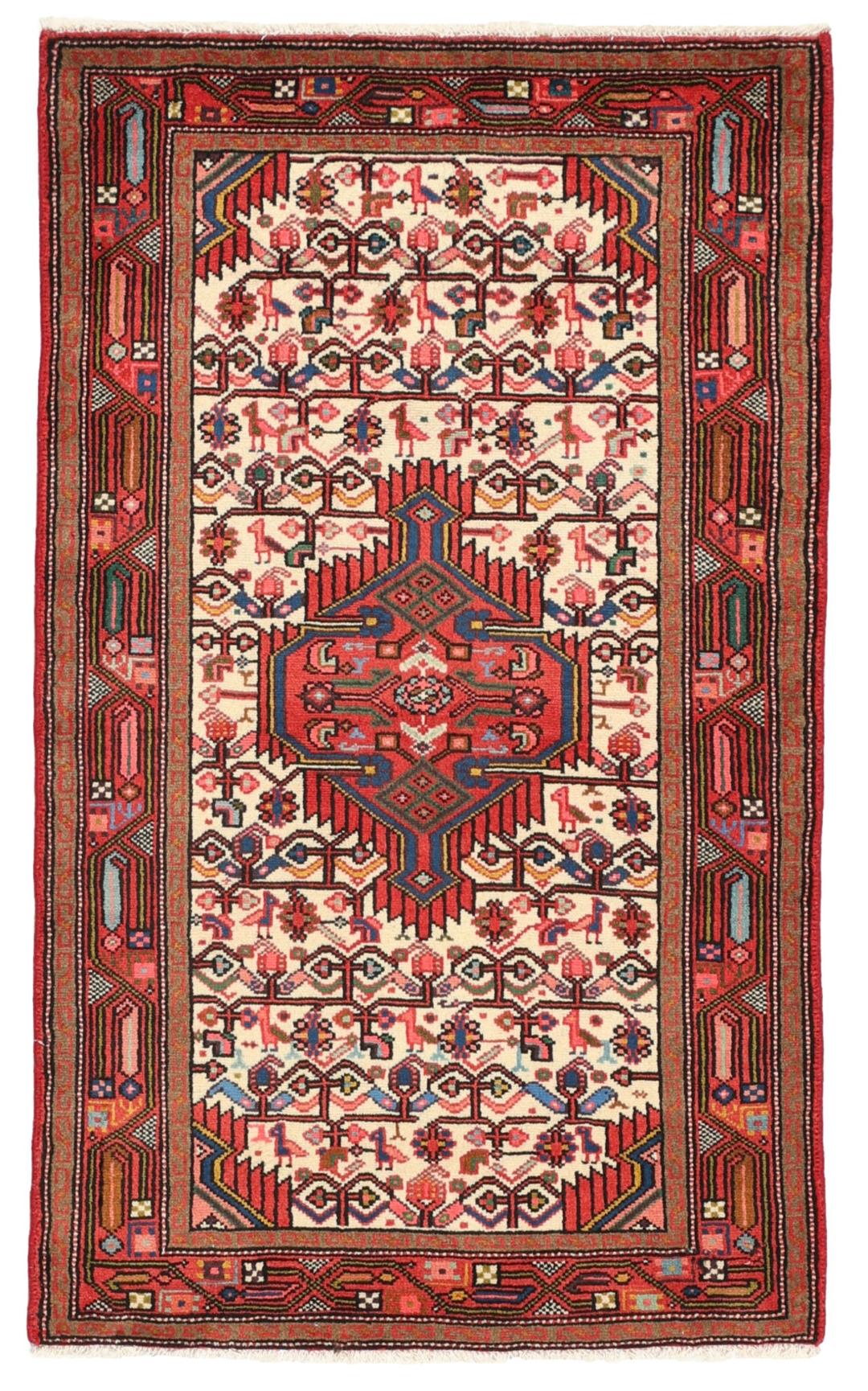
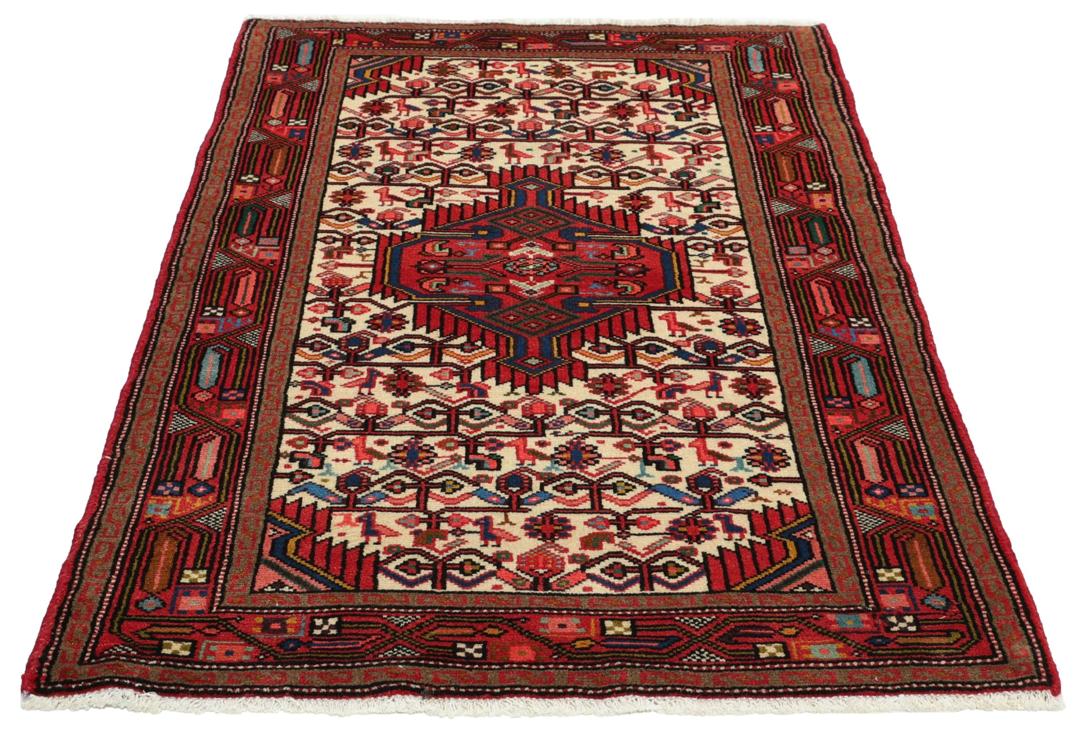
The Asadabad rug originates from the Hamadan region in the Middle East, an area long celebrated for its prolific and diverse weaving heritage. Hamadan is a major hub where many surrounding villages contribute to a vast array of styles, often characterised by their robust construction and individualistic designs. These rugs are deeply rooted in the local culture, reflecting the surroundings and the creative spirit of the weavers who have passed down these techniques through generations.
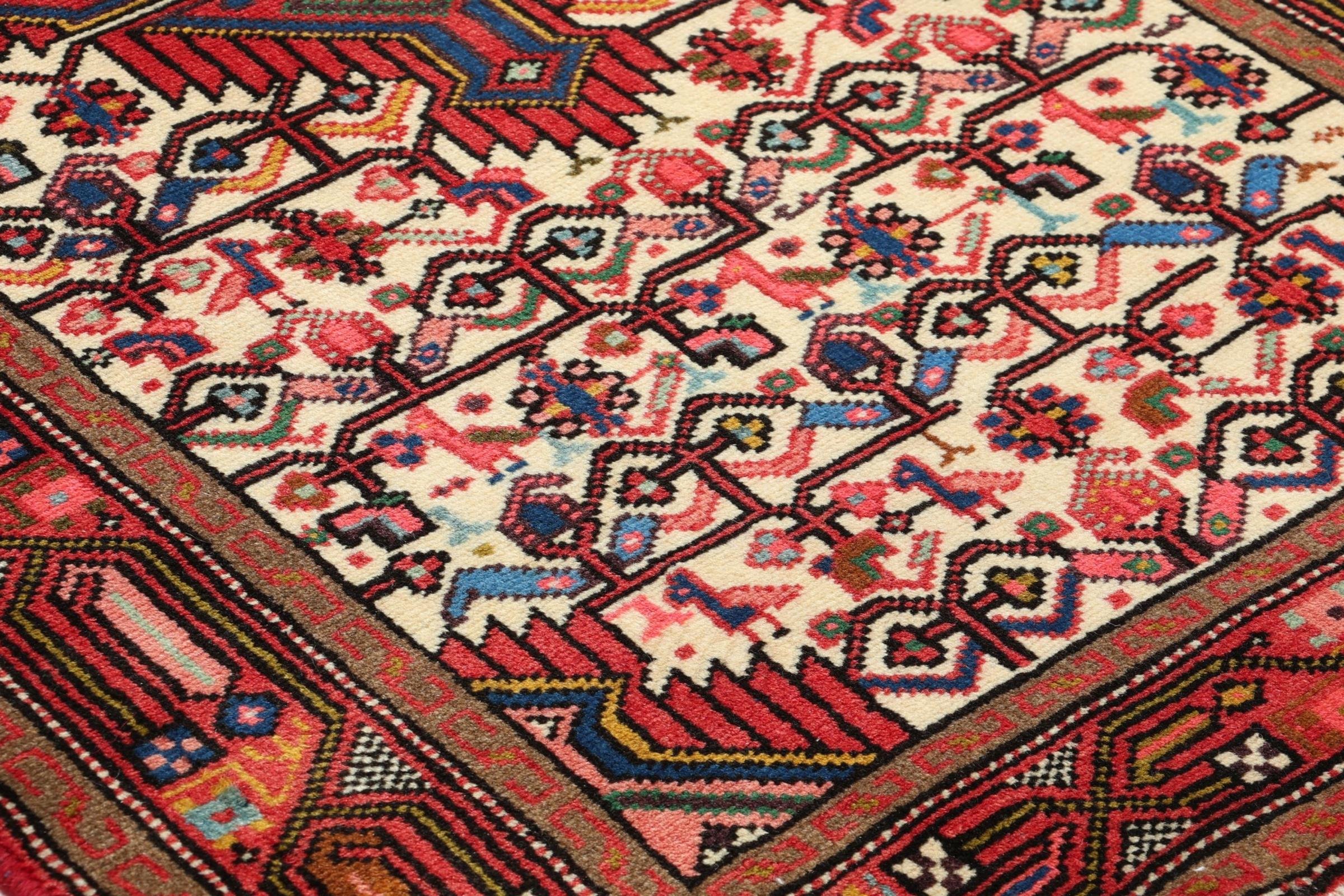
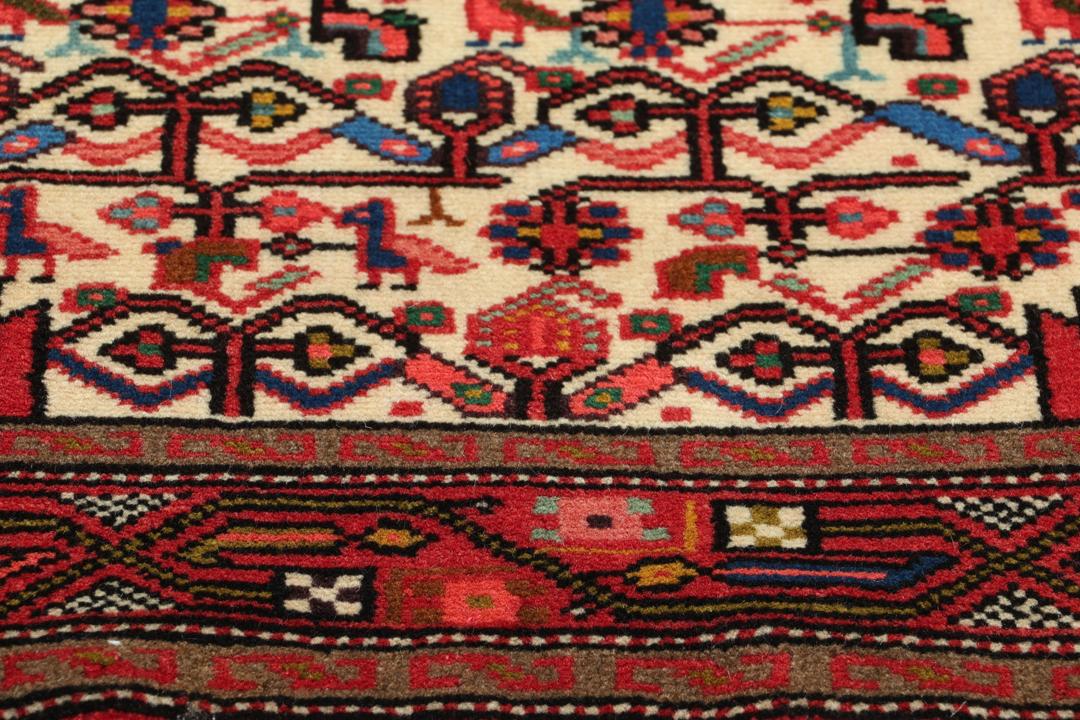
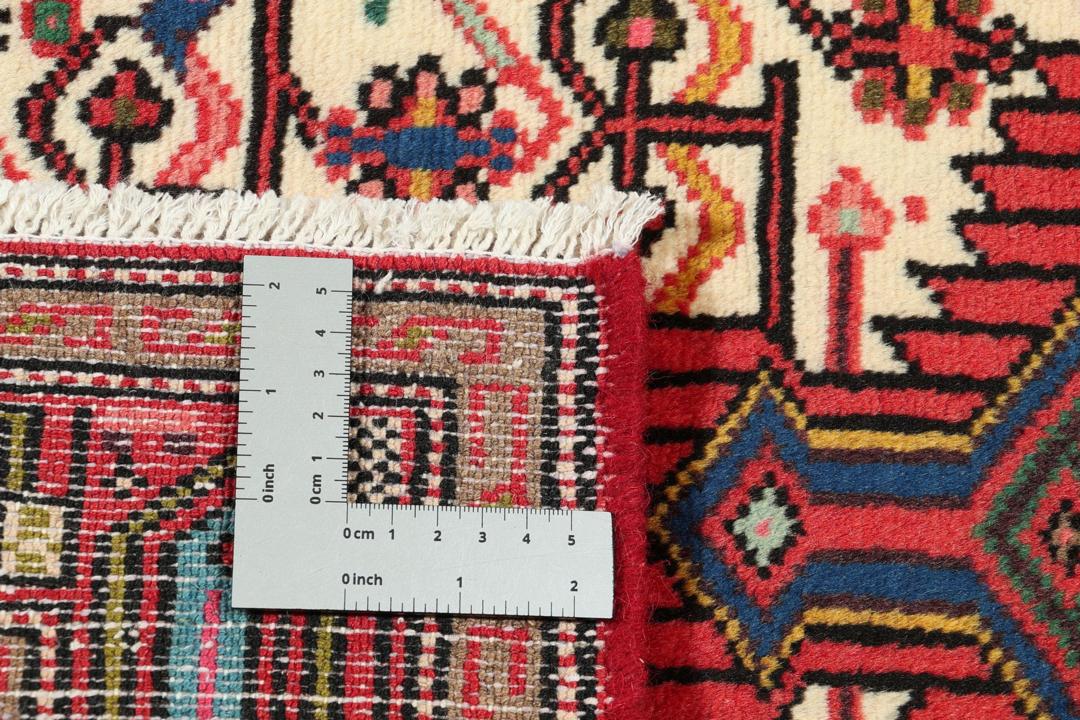
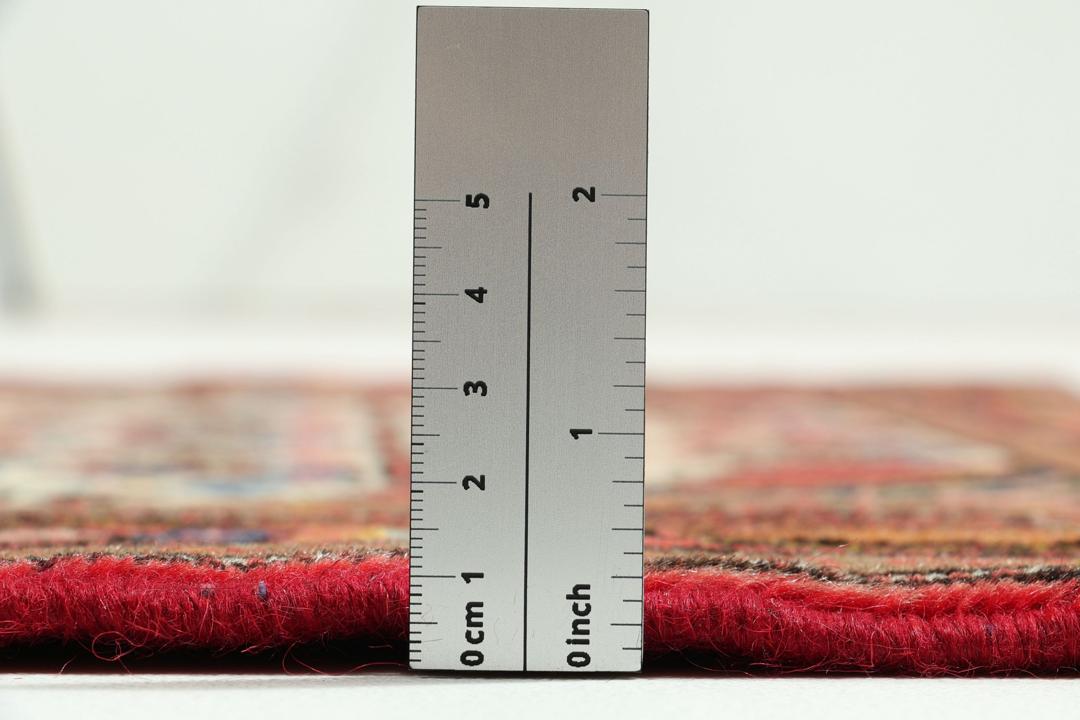
The term hand-knotted refers to the traditional, time-honoured method of creating a rug by tying individual knots of yarn onto a foundation. This technique is essential for the durability and longevity of the piece. Unlike mass-produced alternatives, a hand-knotted rug allows for intricate detailing and a density that provides a luxurious, cushioned feel, ensuring the rug remains a staple in your home for many years.
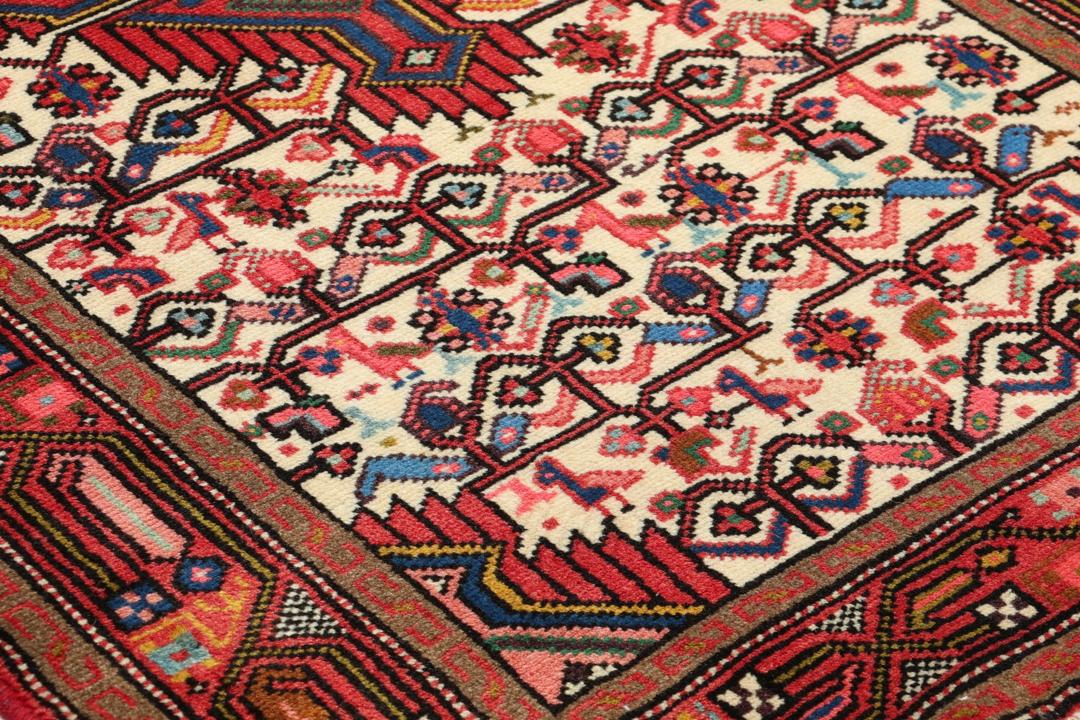
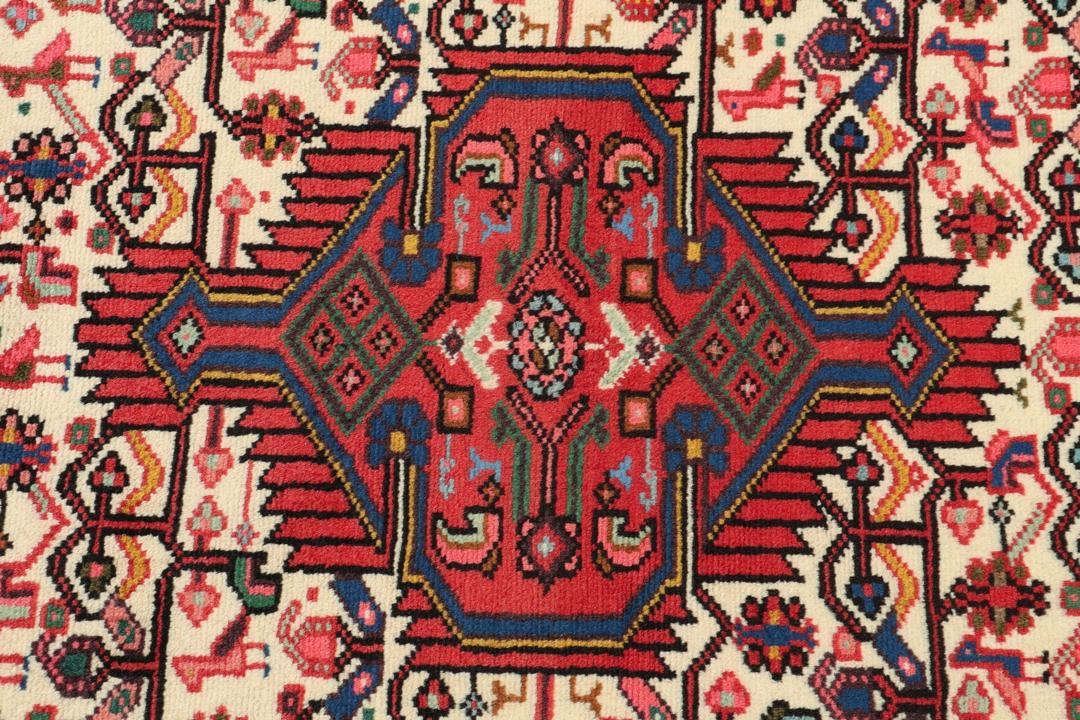
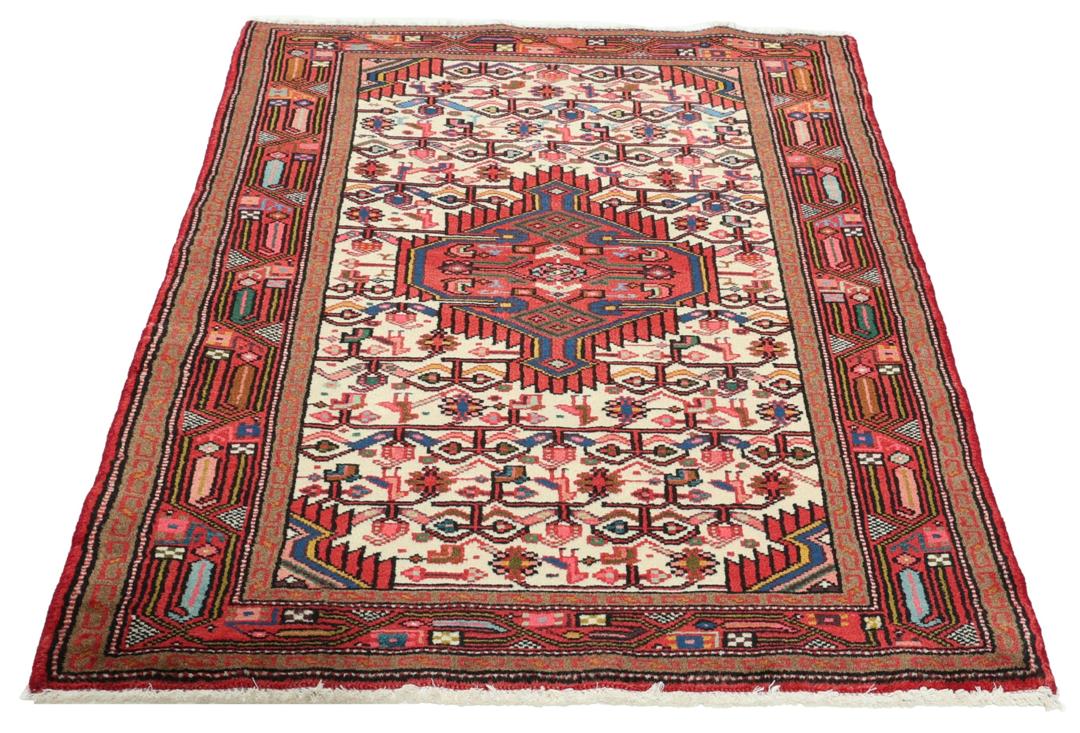
Design-wise, Asadabad rugs often feature bold, geometric medallions and stylised floral motifs, sometimes arranged in a central format that commands attention. The borders are typically well-defined, framing the field with repeating patterns that add a sense of structure and elegance. The use of warm, earthy tones combined with bright accents is a hallmark of this tradition, creating a look that is both timeless and strikingly expressive.
Collecting a rug from this tradition is about more than just floor decor; it is about preserving a piece of cultural history. Each rug tells a story of regional identity and the dedication of the maker. By owning an Asadabad, you are participating in a long-standing legacy of craftsmanship that values quality and artistic expression above all else.