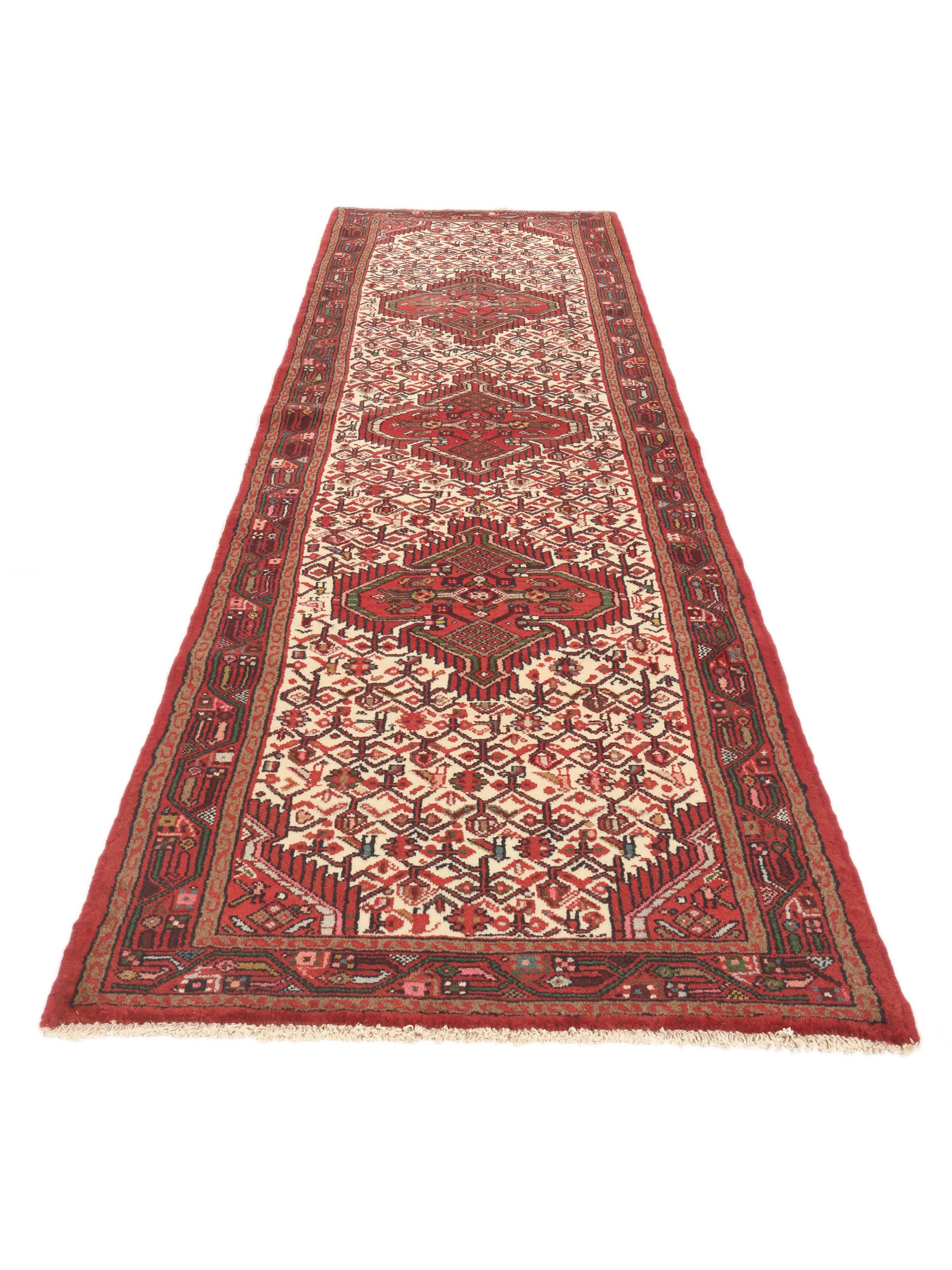
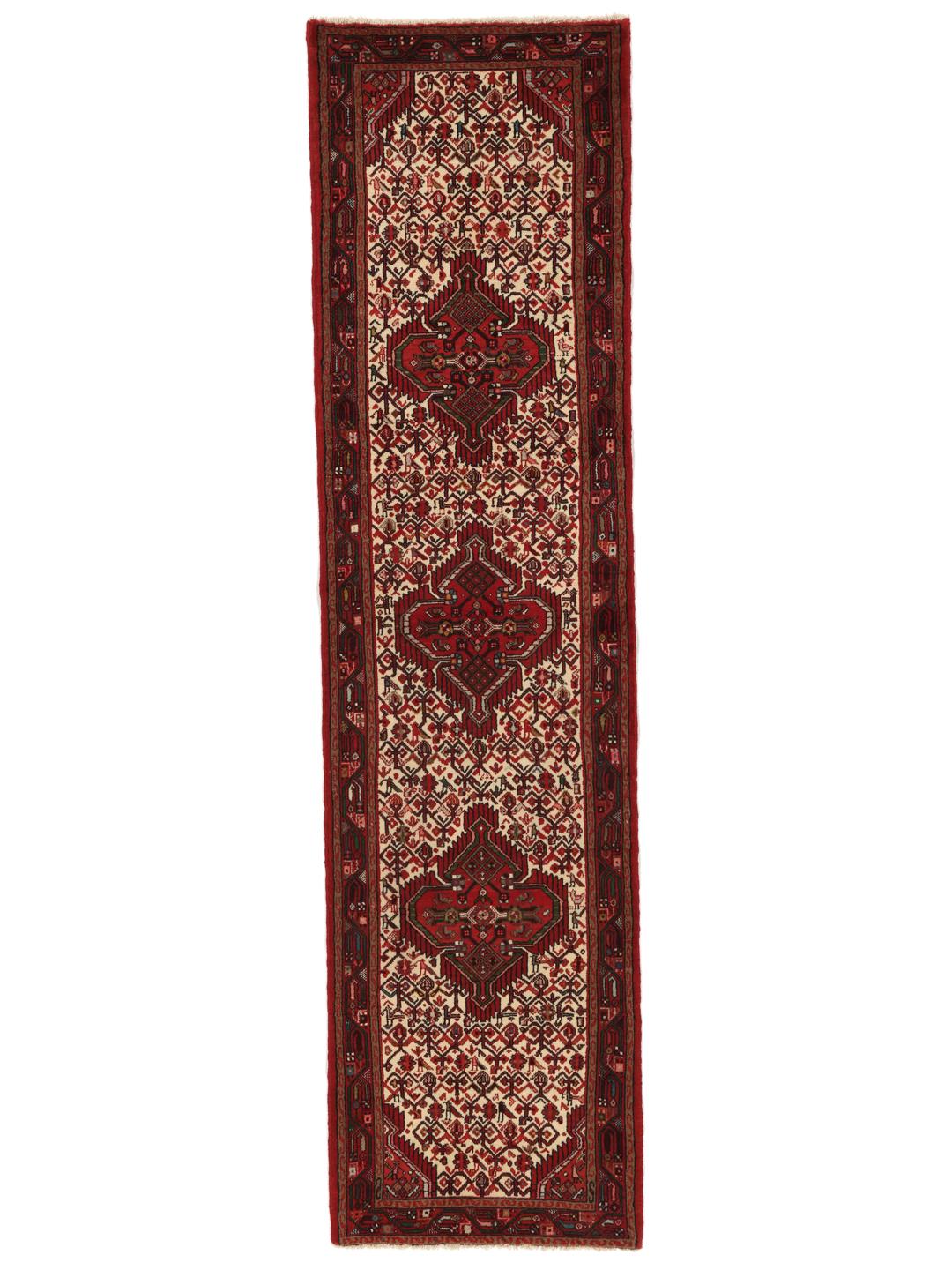
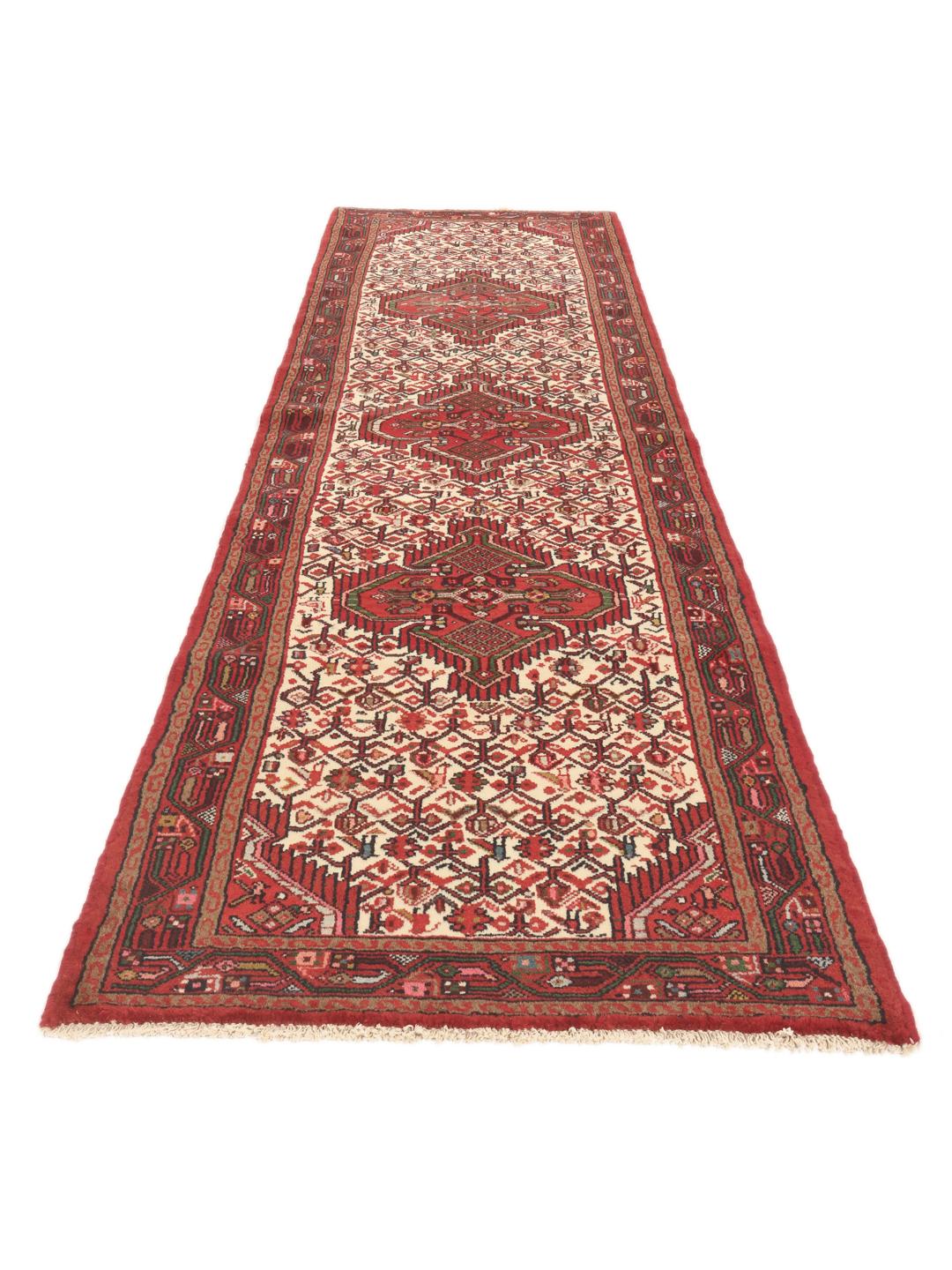
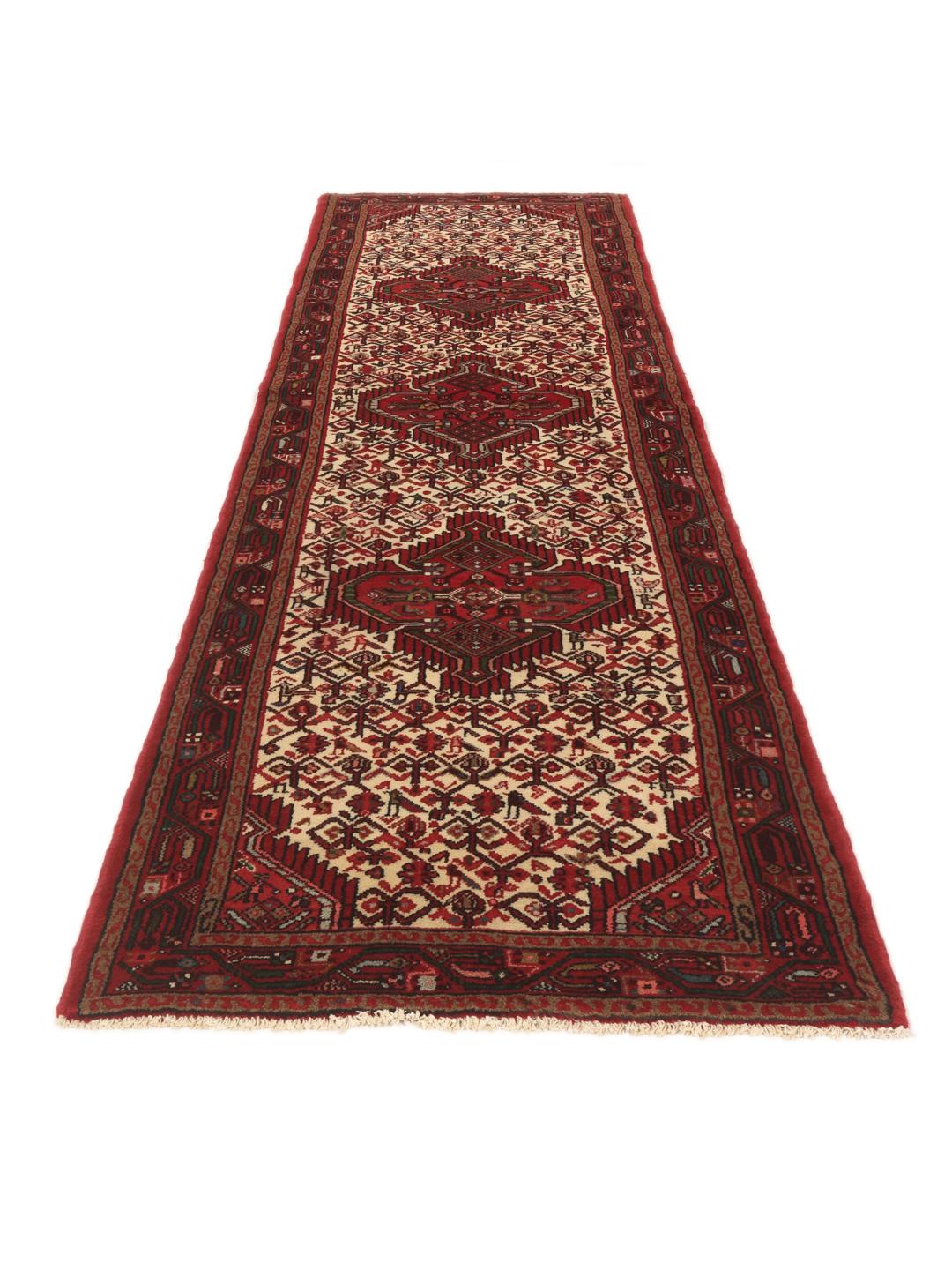
The Asadabad rug tradition originates from the Hamadan region in the Middle East, an area long celebrated for its diverse and prolific weaving heritage. These rugs are deeply connected to the local culture, where weaving has served as a vital form of artistic expression for generations. The region is known for its ability to blend traditional tribal patterns with more formal, structured designs, reflecting the crossroads of nomadic and settled life.
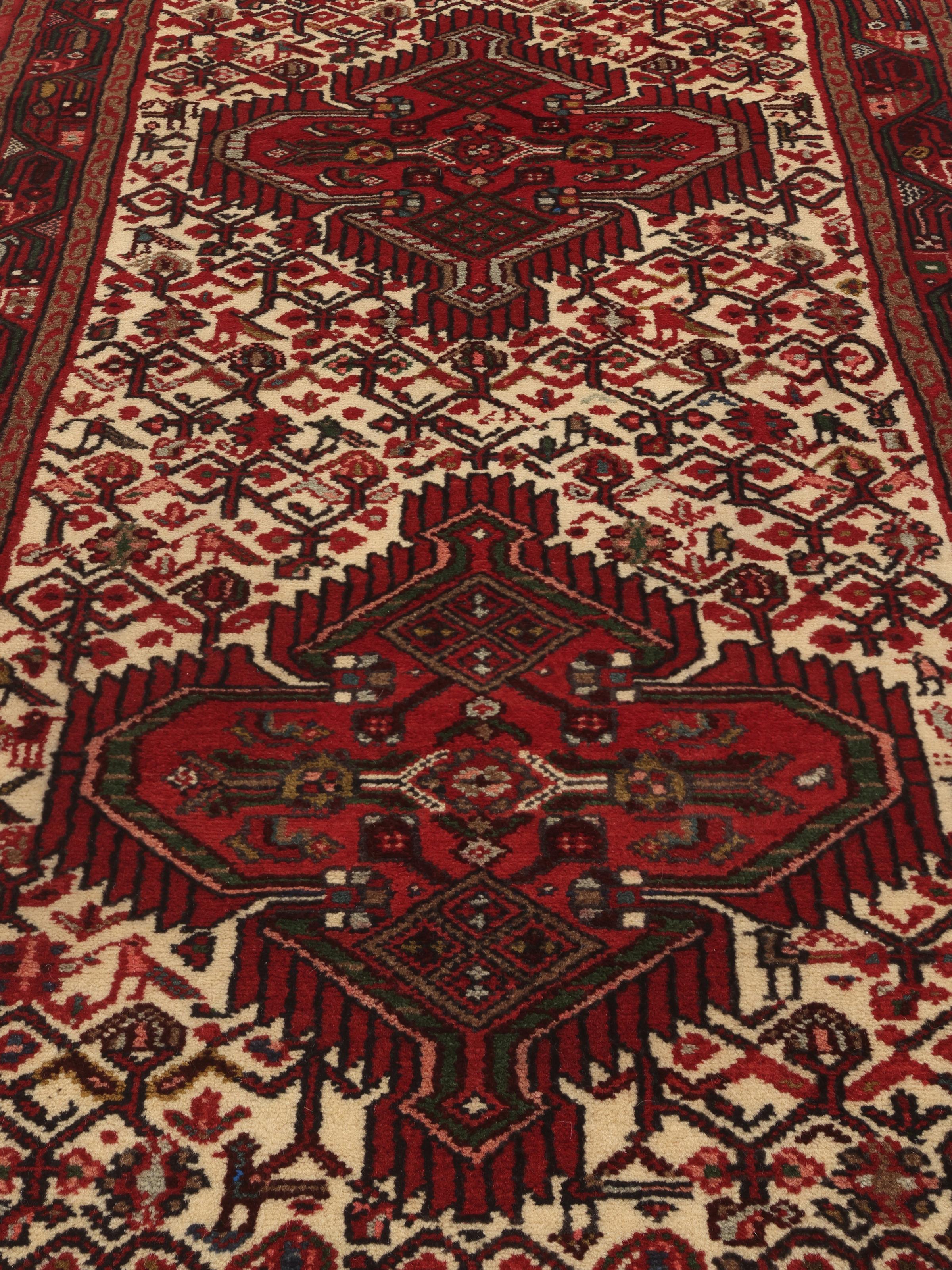
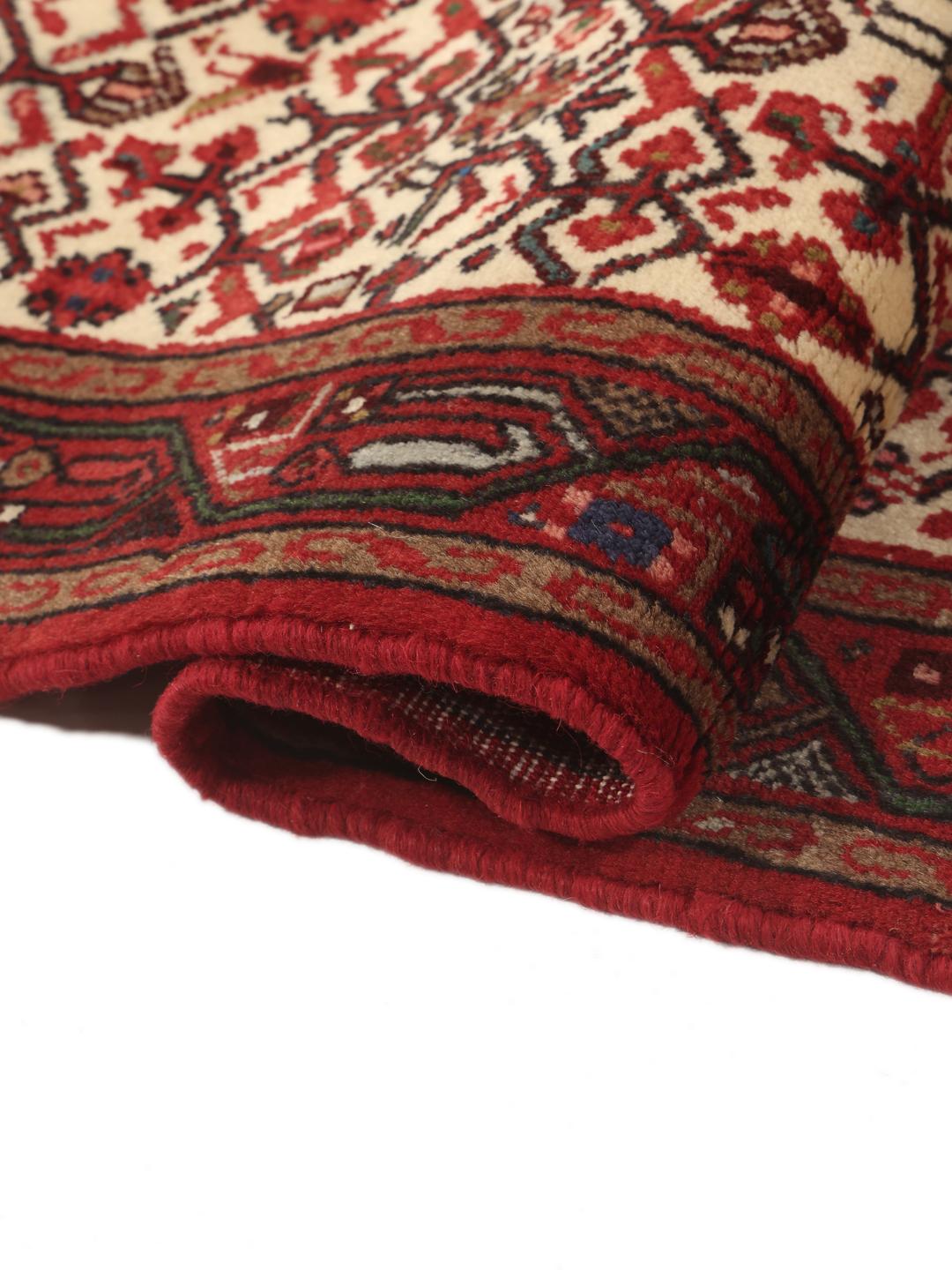
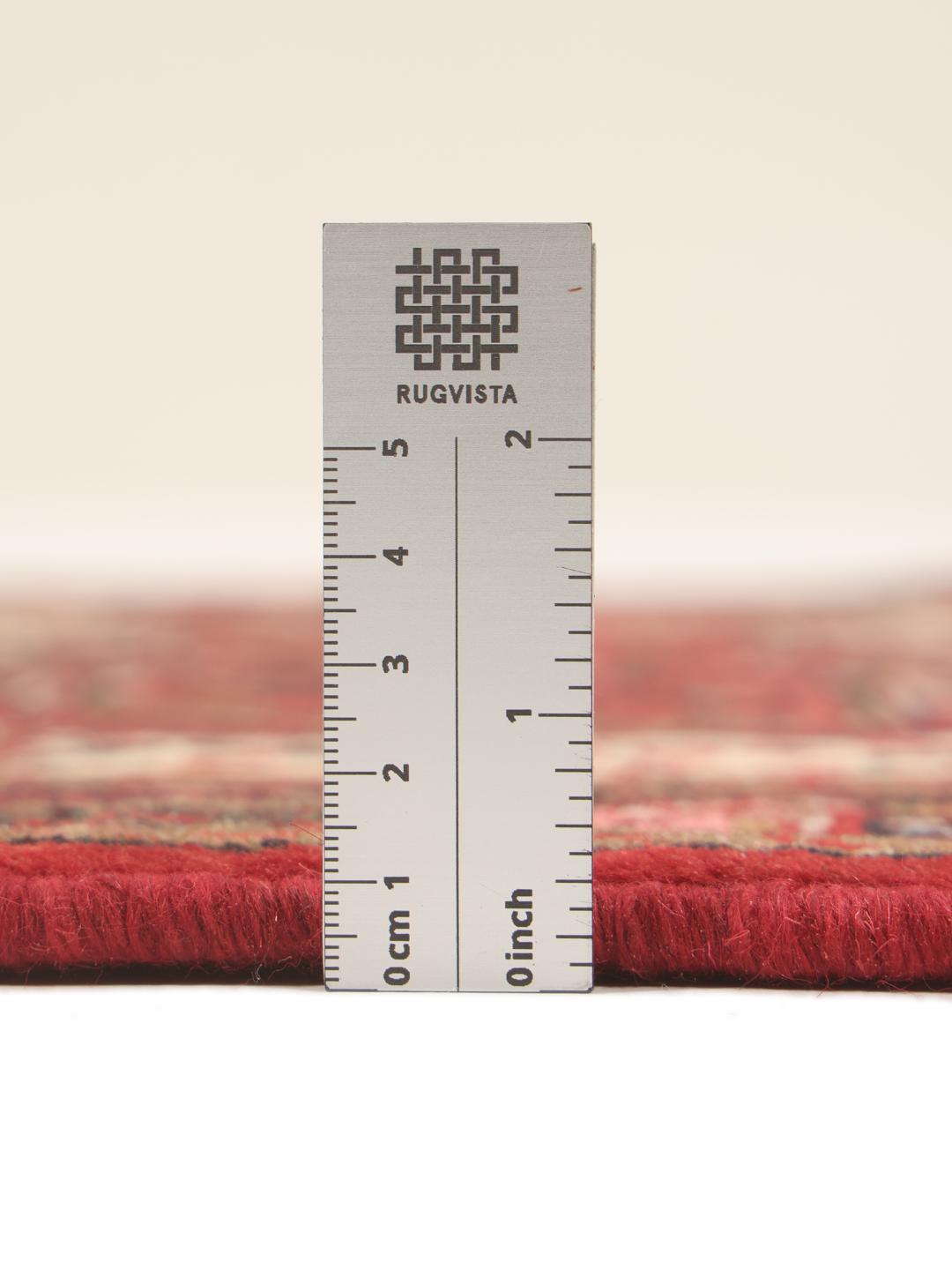
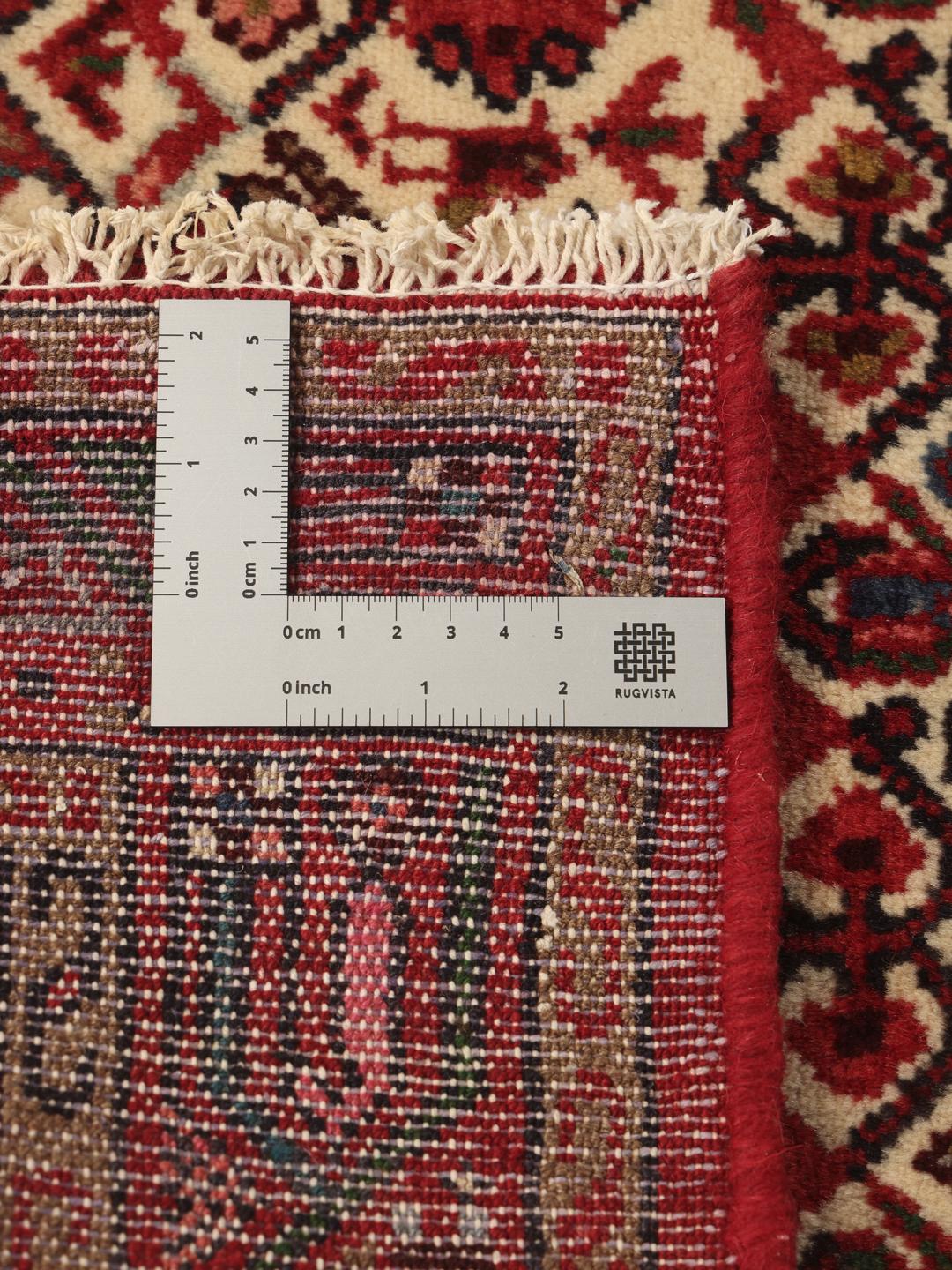
The term 'hand-knotted' in the context of these rugs refers to the ancient, intricate method of tying individual strands of wool onto a foundation. This process is far more than just a technique; it is a labour-intensive craft that requires patience and expertise passed down through families. The result is a pile that is not only dense and luxurious but also remarkably durable, capable of maintaining its structure and pattern clarity for decades.
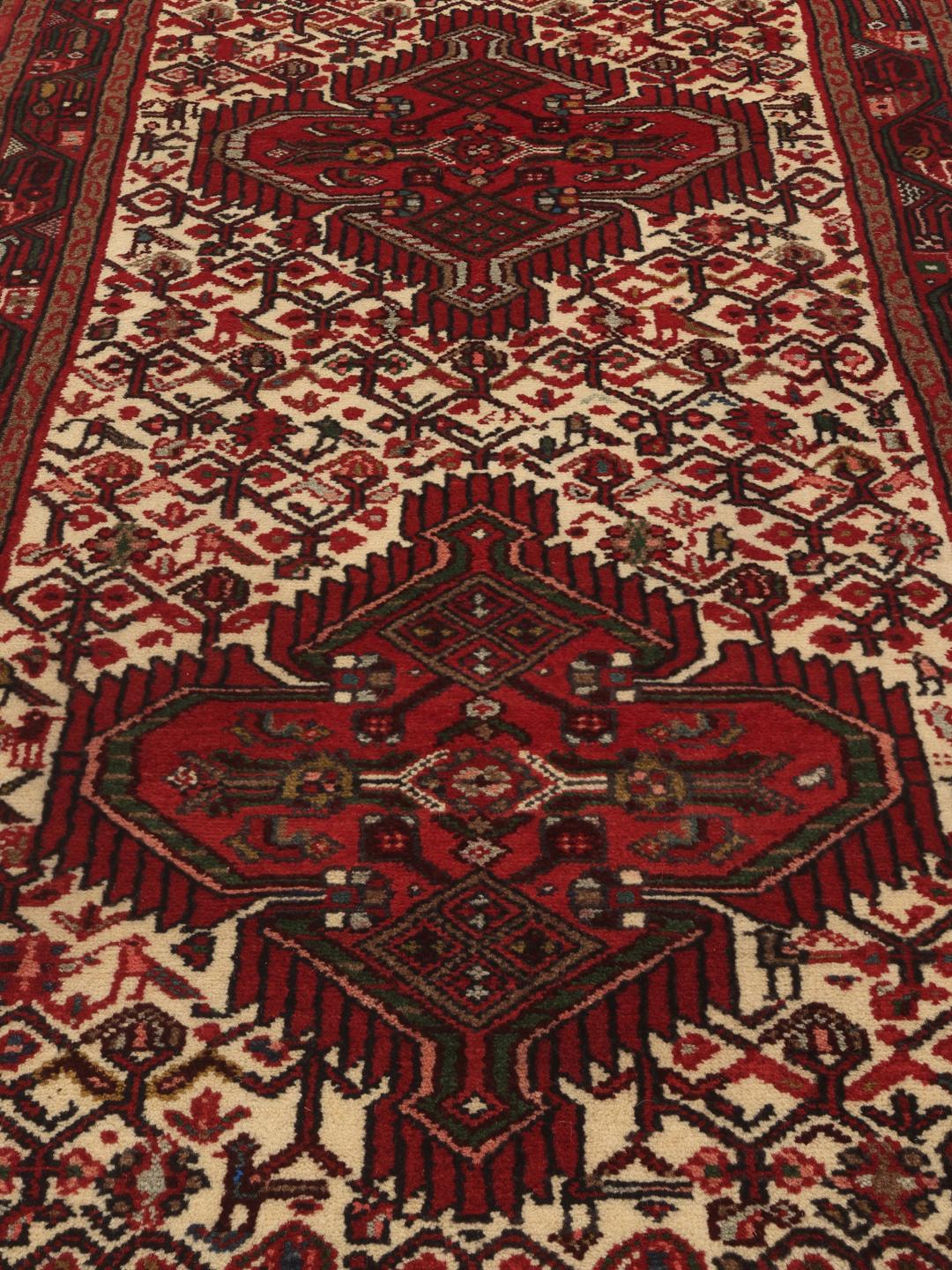
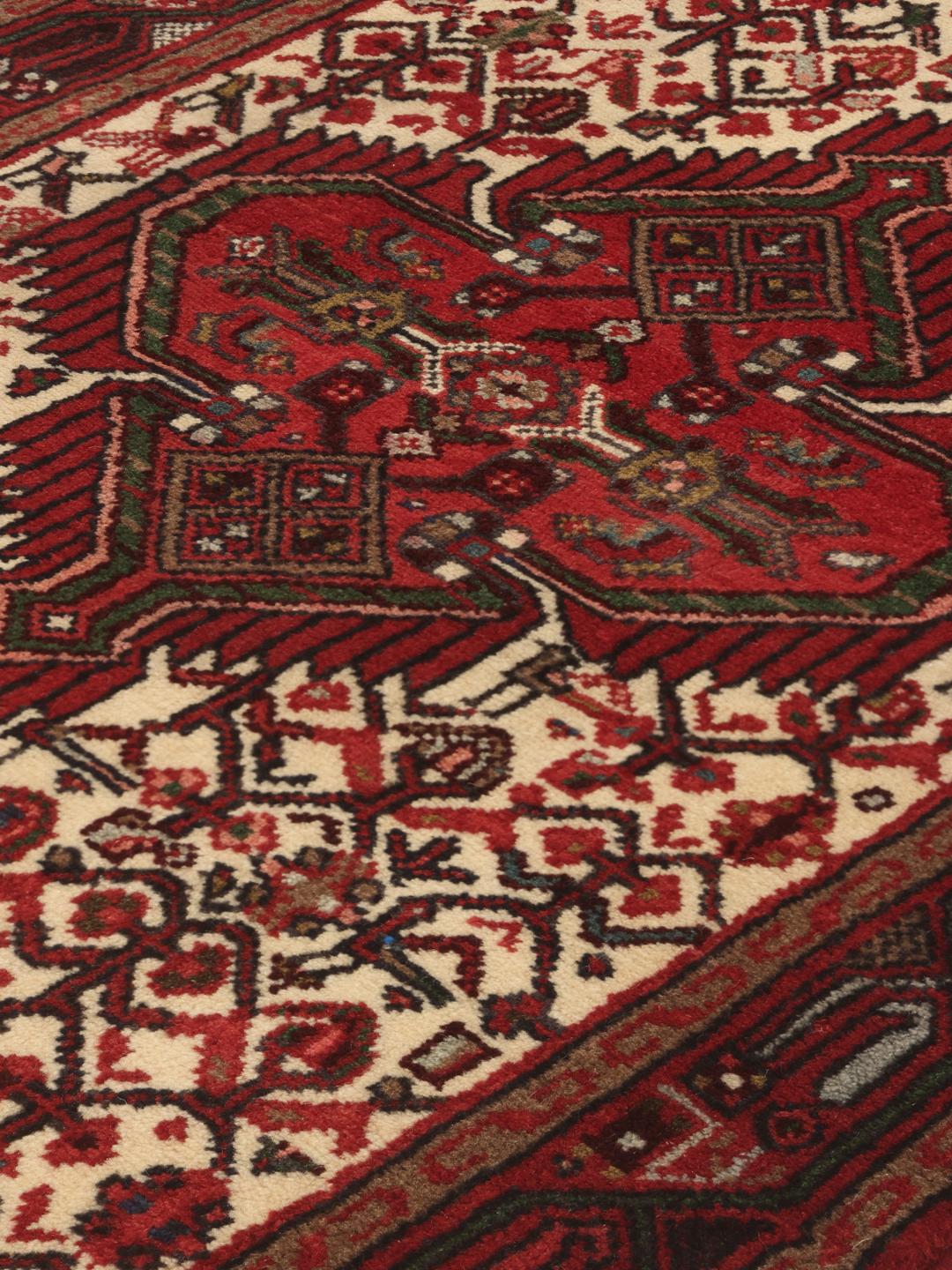
Design-wise, Asadabad rugs are often defined by their bold, geometric medallion motifs and well-proportioned borders. These rugs frequently feature a balanced arrangement of central shapes set against a field of smaller, stylised floral or geometric fillers. The use of natural dyes historically gave these rugs their characteristic depth of colour, a tradition that continues to influence the aesthetic of modern, high-quality pieces.
Owning a piece from this tradition is a way to connect with a storied history of craftsmanship. These rugs are highly valued by collectors and enthusiasts alike, not only for their visual appeal but for the skill and cultural narrative embedded in their construction. By acquiring such a piece, you are not just purchasing a floor covering, but a tangible connection to a legacy of artistry that values precision, heritage, and the enduring beauty of the handmade.