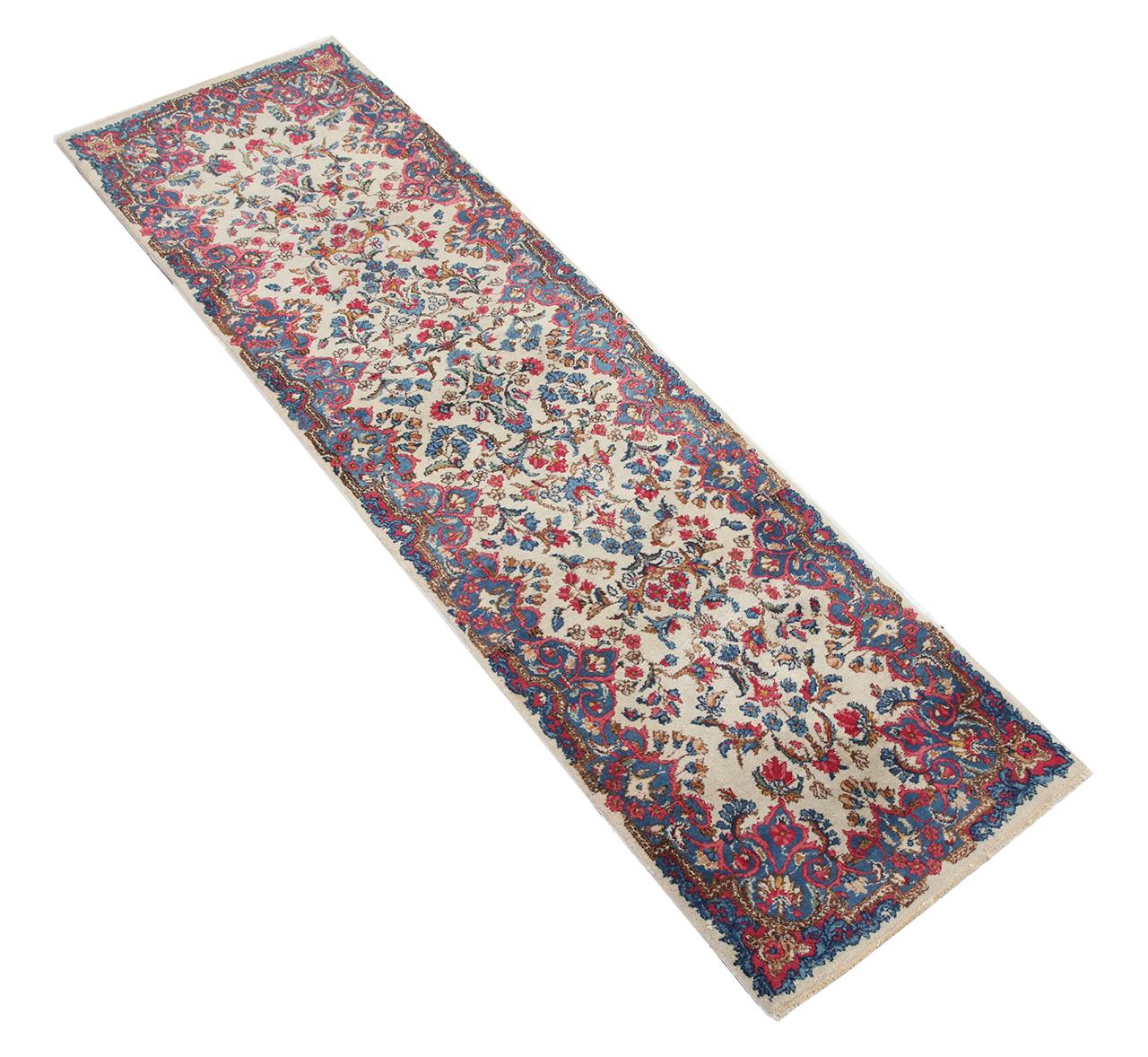
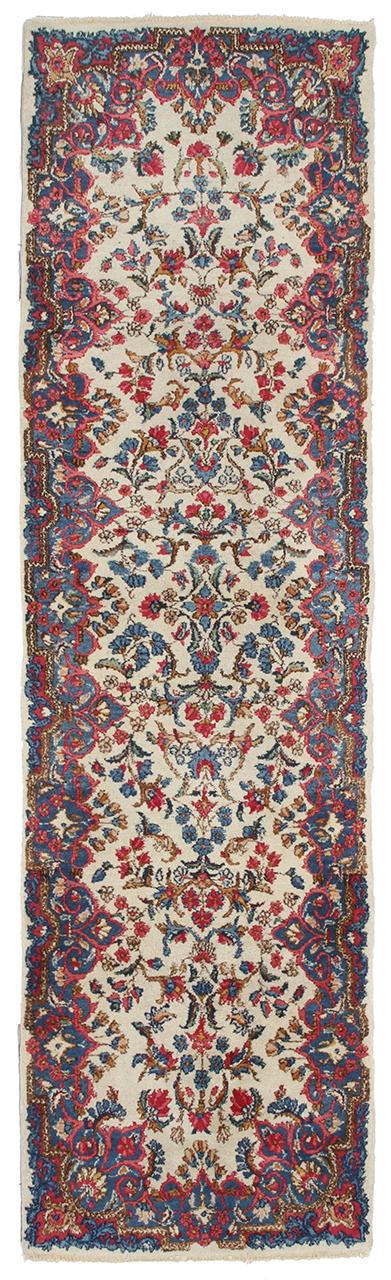
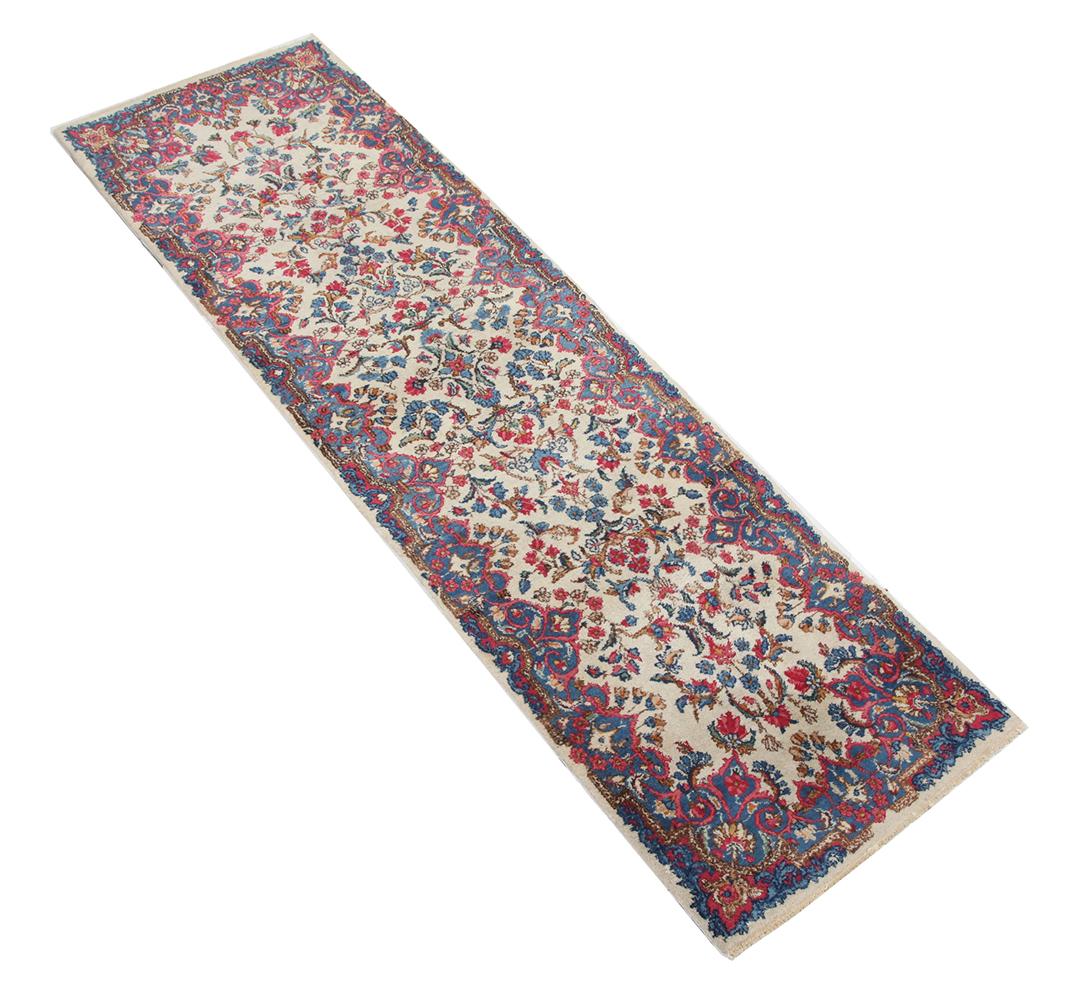
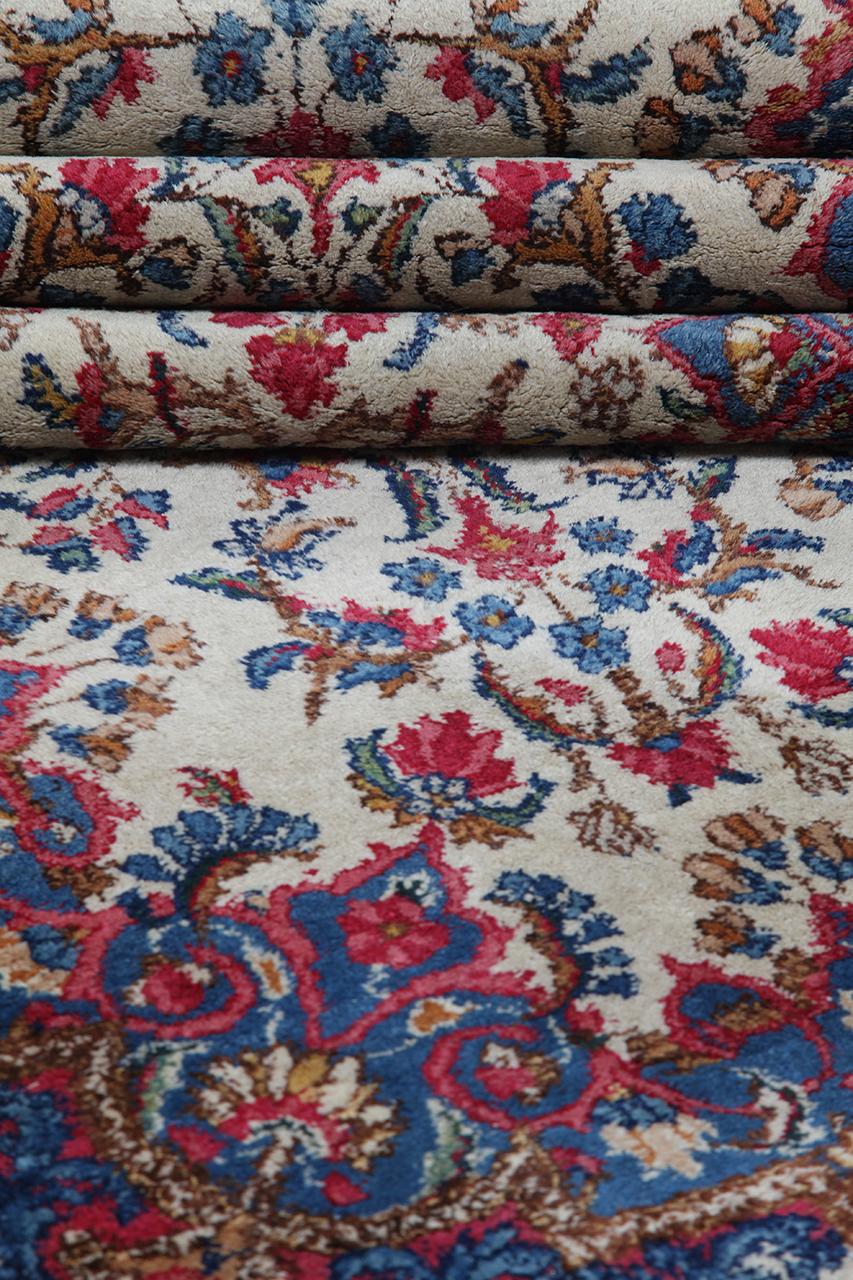
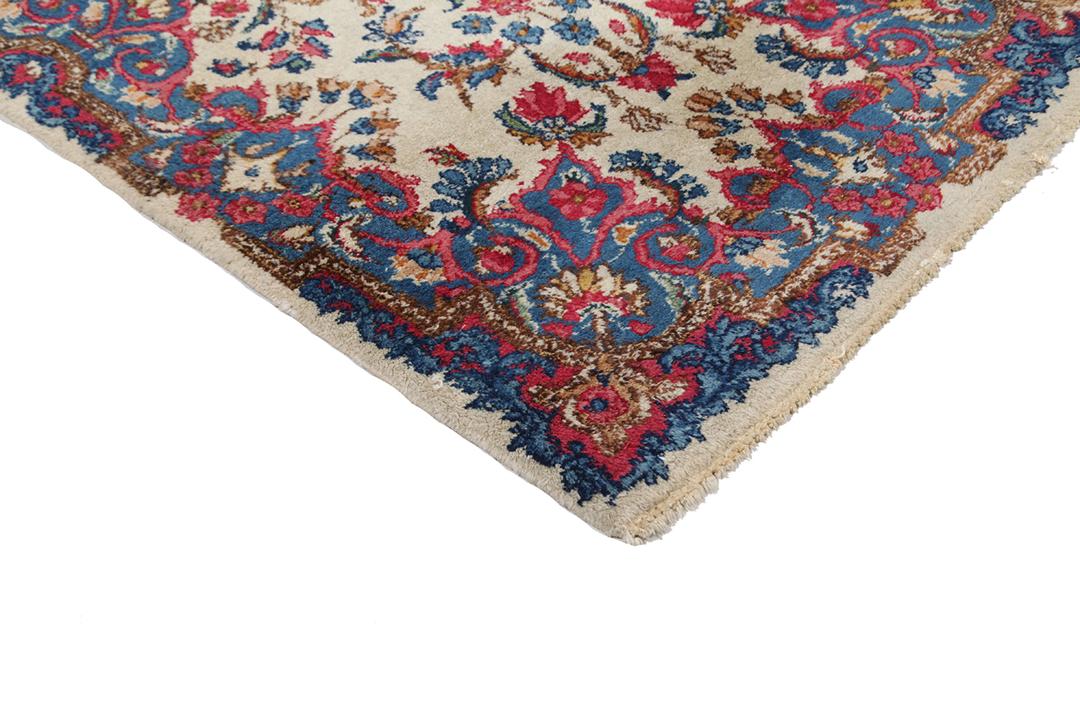
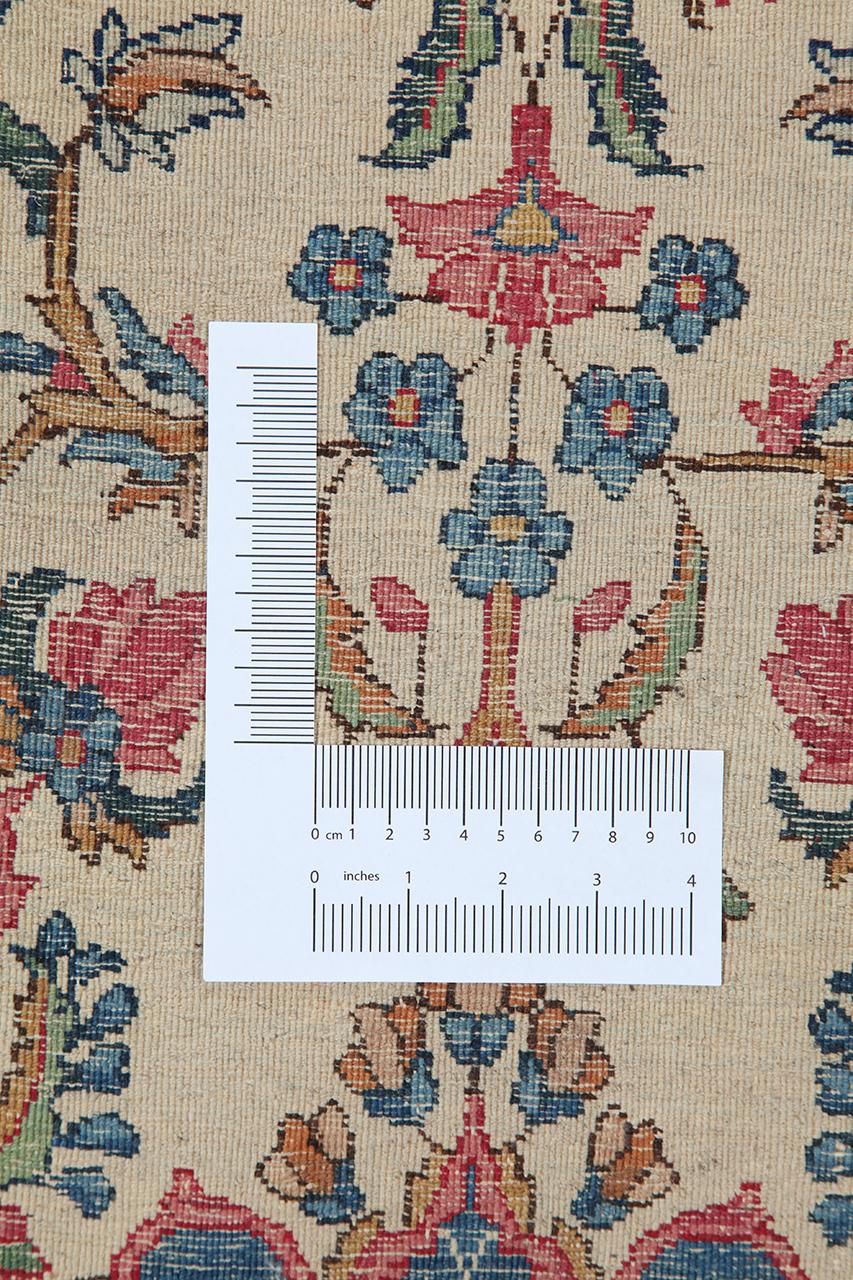
Kerman rugs originate from the desert city of Kerman in the southeastern part of the Middle East. This region has been a legendary centre of weaving for centuries, renowned for its sophisticated design traditions and its ability to attract the most skilled weavers of the era. Historically, Kerman was a vital stop on the trade routes, which allowed the local craft to evolve by incorporating diverse artistic influences.
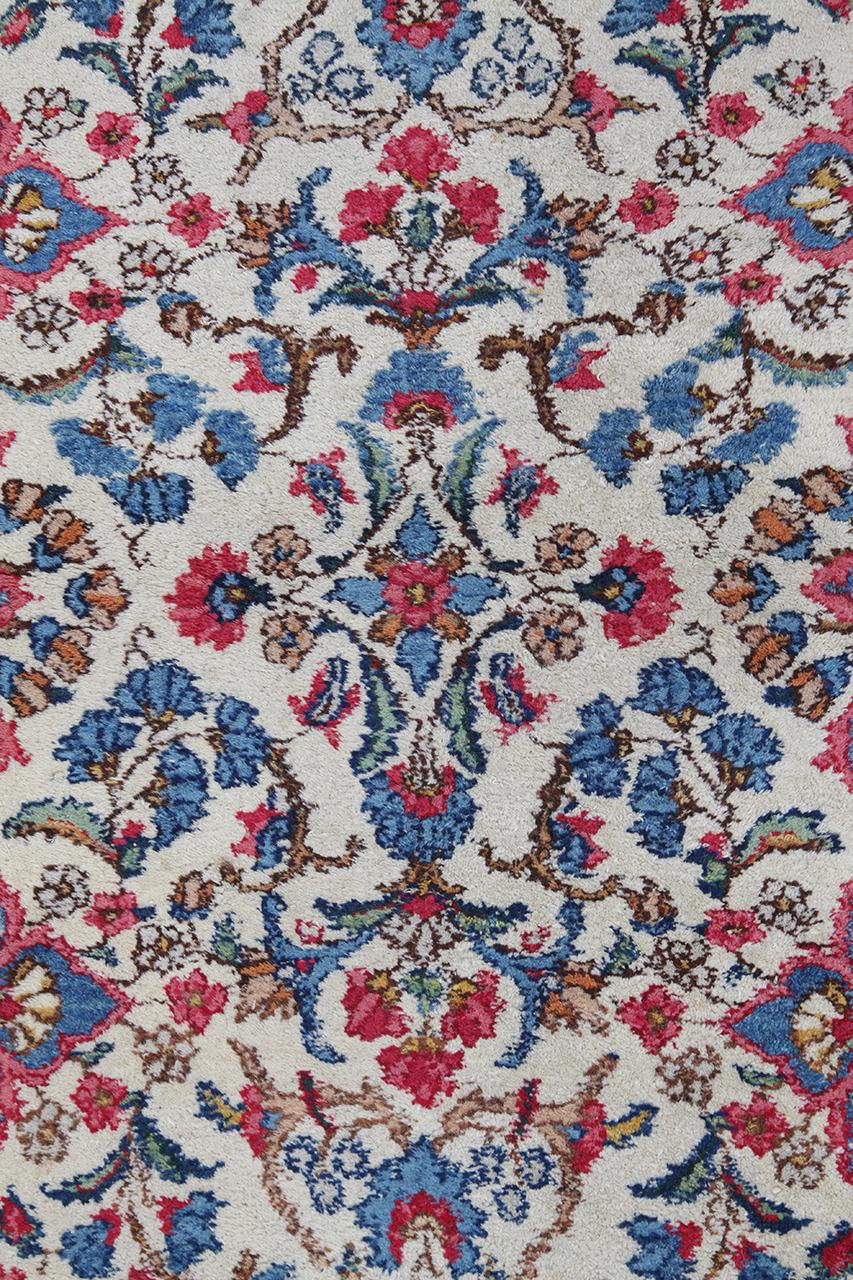
The term Kerman is synonymous with elegance and technical excellence. These rugs are famously known for their wide palette of colours and their elaborate, pictorial, or floral designs. The wool used is often of a superior grade, known for its softness and lustrous sheen, which allows the intricate designs to pop against the background. This quality is what has cemented the reputation of Kerman as one of the most sought-after styles for discerning collectors.
A hallmark of the Kerman style is the 'vase' design or the 'boteh' motif, though they are perhaps best recognised for their expansive, sweeping floral compositions. Unlike rugs from other regions that often rely on geometric patterns, Kerman rugs are celebrated for their naturalistic, flowing lines that mirror the lush gardens often depicted in classical Middle Eastern poetry. The borders are typically as complex as the centre, creating a harmonious and balanced aesthetic.
Owning an antique Kerman is more than just a decorative choice; it is an investment in cultural heritage. These rugs were historically created for the elite and for grand residences, reflecting a level of artistry that represents the height of the weaver's craft. By choosing such a piece, you are preserving a legacy of skill and creativity that has been passed down through generations, ensuring that this tradition remains vibrant in the modern home.