The Karabag region, located in the Caucasus, has long been a crossroads of diverse cultures, which is clearly reflected in its textile heritage. Historically, these rugs are known for their vibrant colour palettes and distinct design vocabulary that often blends local tribal influences with artistic elements borrowed from neighbouring regions. The migration of these weaving traditions across the Caucasus and into surrounding territories has resulted in a style that is both recognisable and highly sought after by collectors.
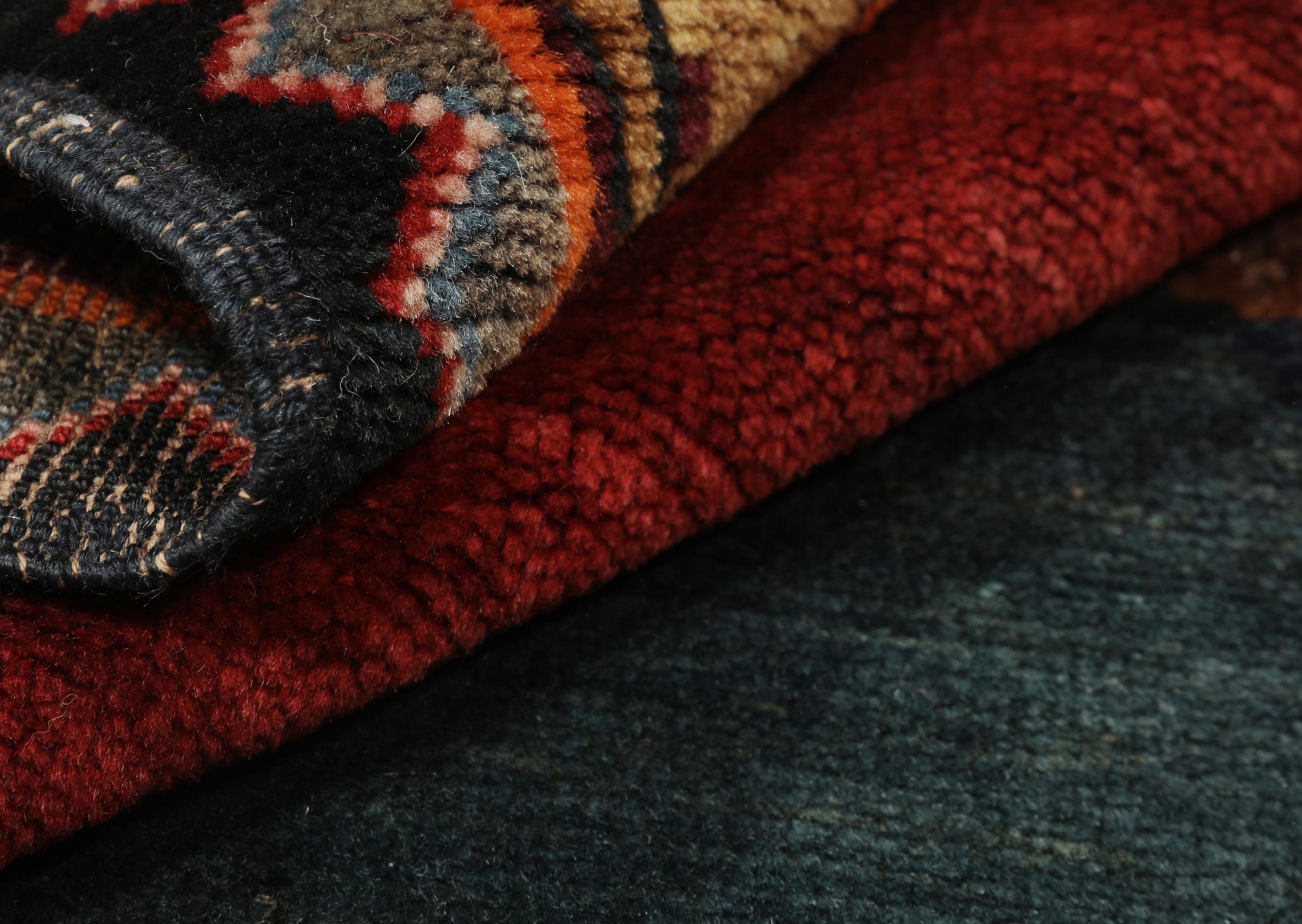
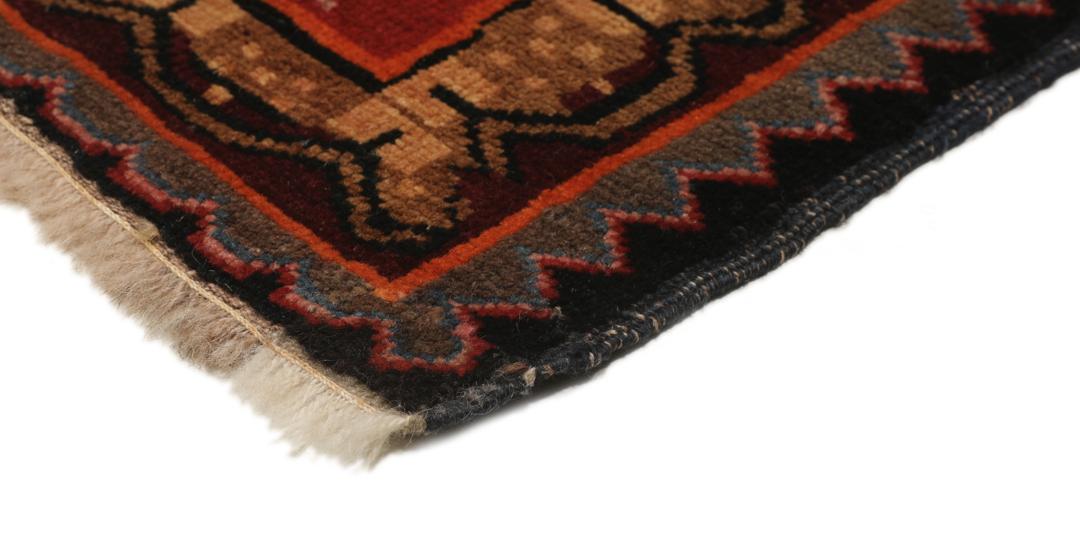
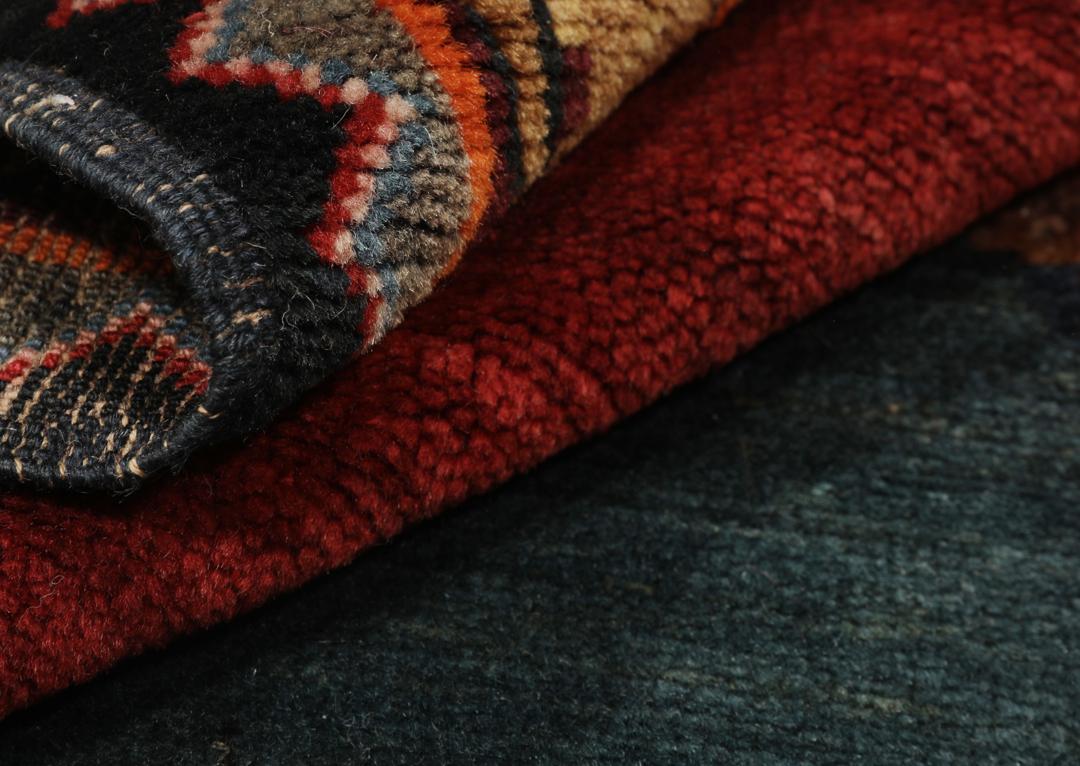
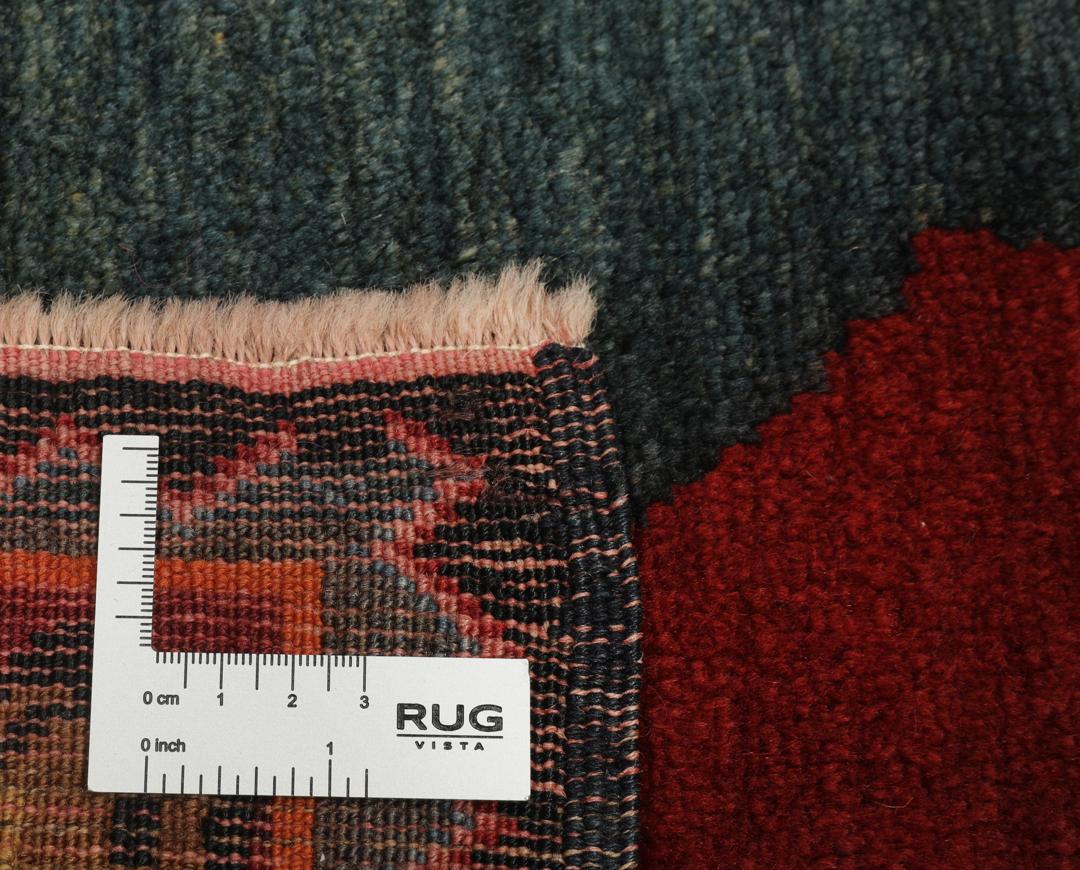
A key characteristic of this tradition is the use of wool, often sourced locally, which provides a high-quality, resilient pile. The term 'hand-knotted' refers to the intricate process where each knot is tied by hand, a hallmark of quality that ensures the rug remains a durable, lasting piece of art. This manual labour is what gives each Karabag rug its unique character and subtle irregularities, which are celebrated as signs of its authentic origin.
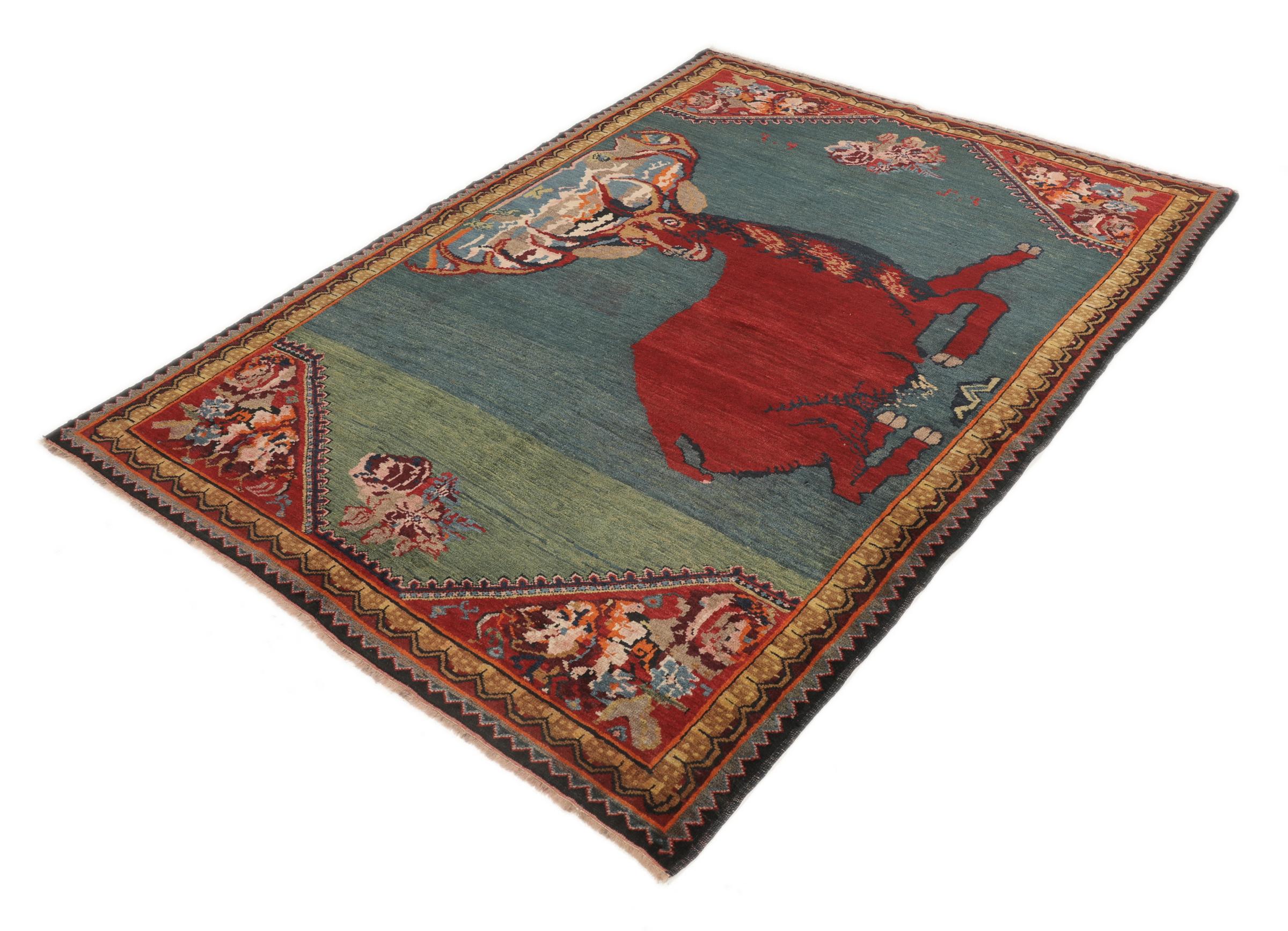
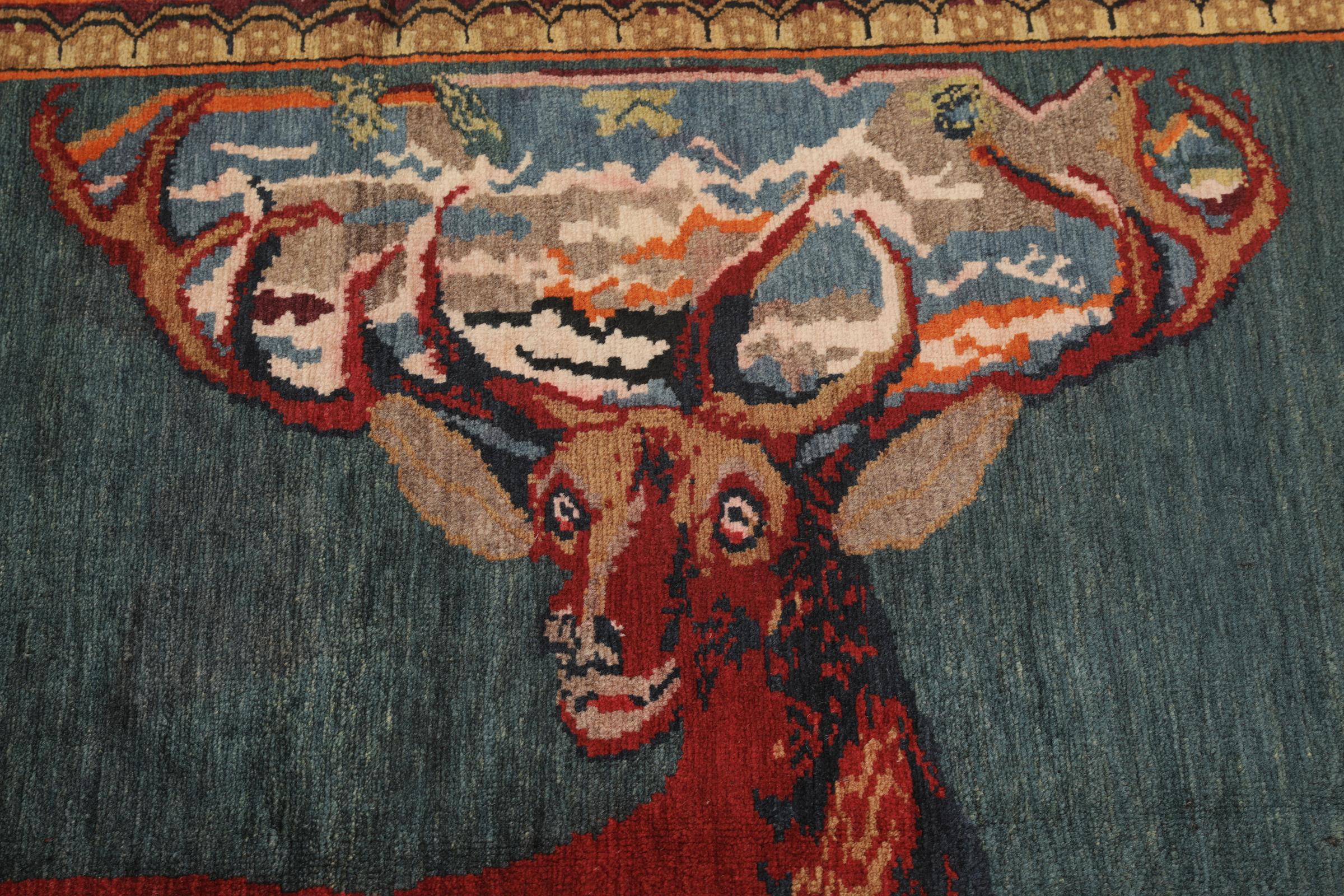
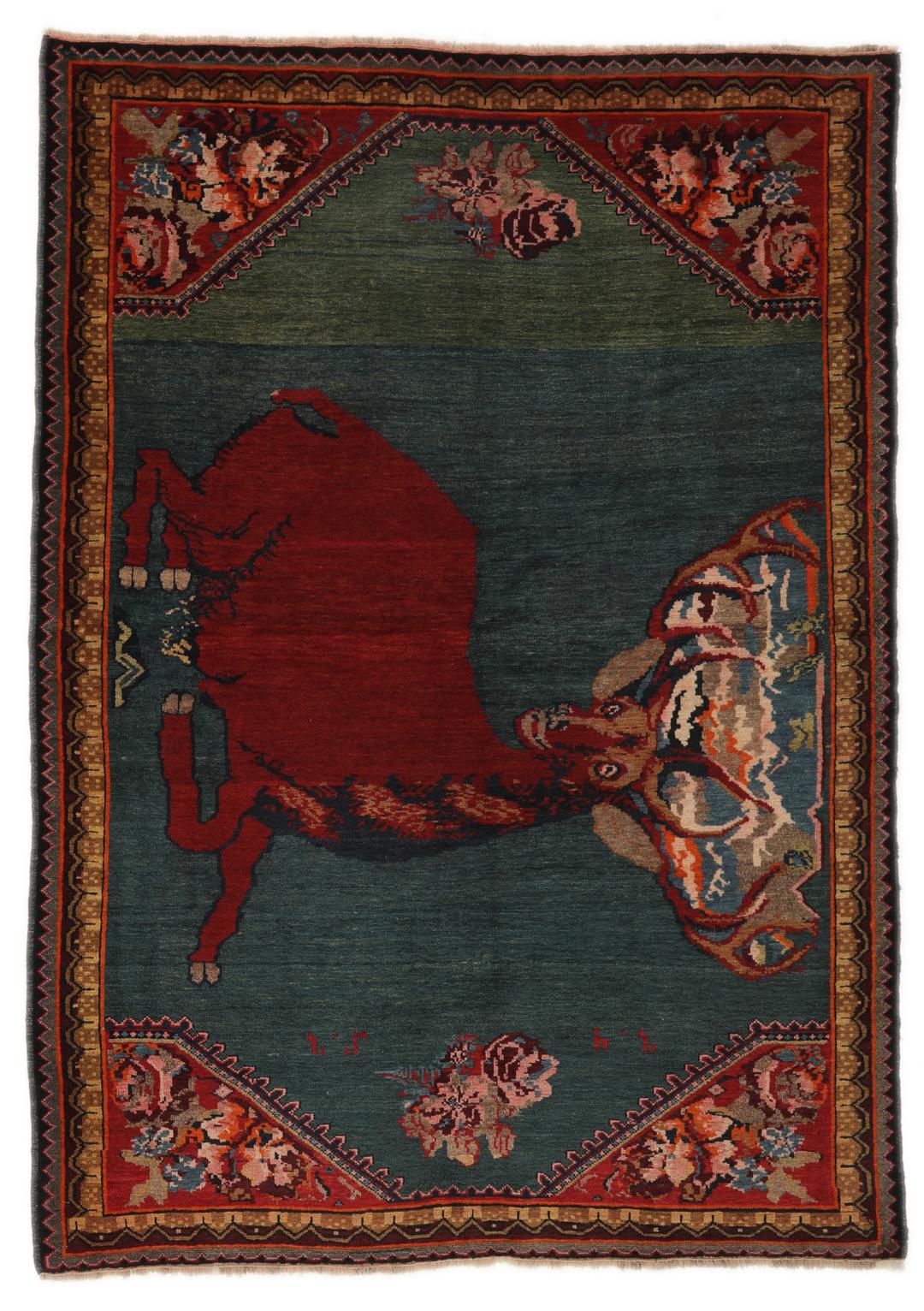
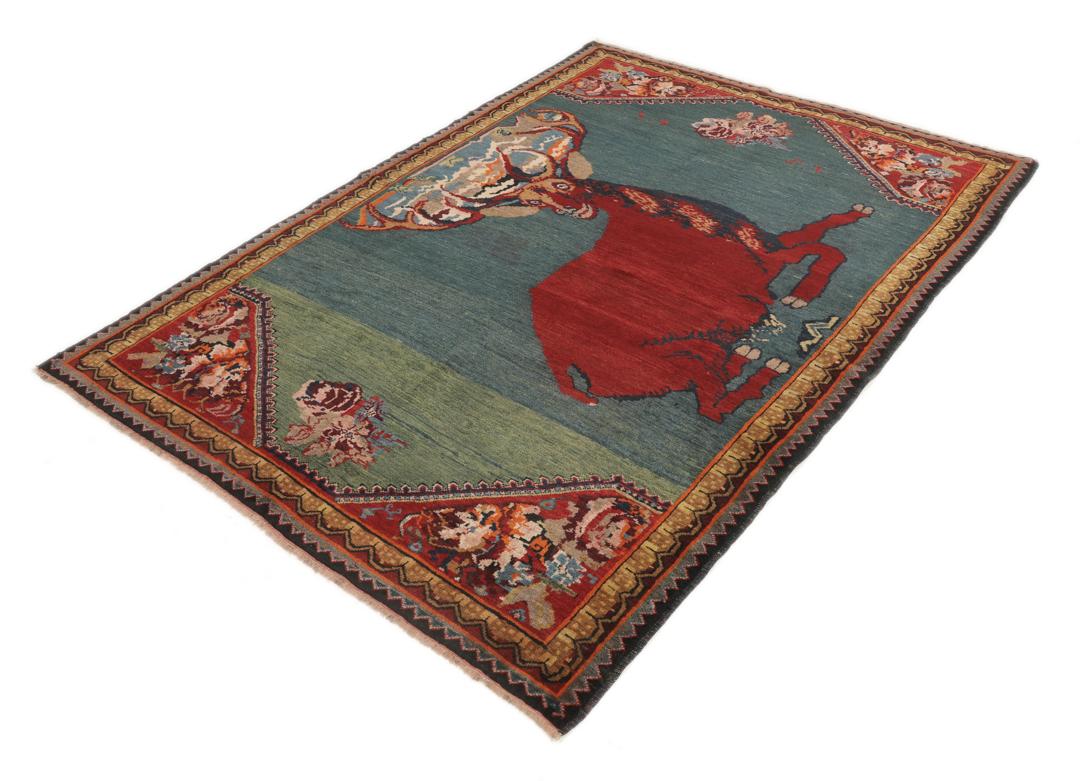
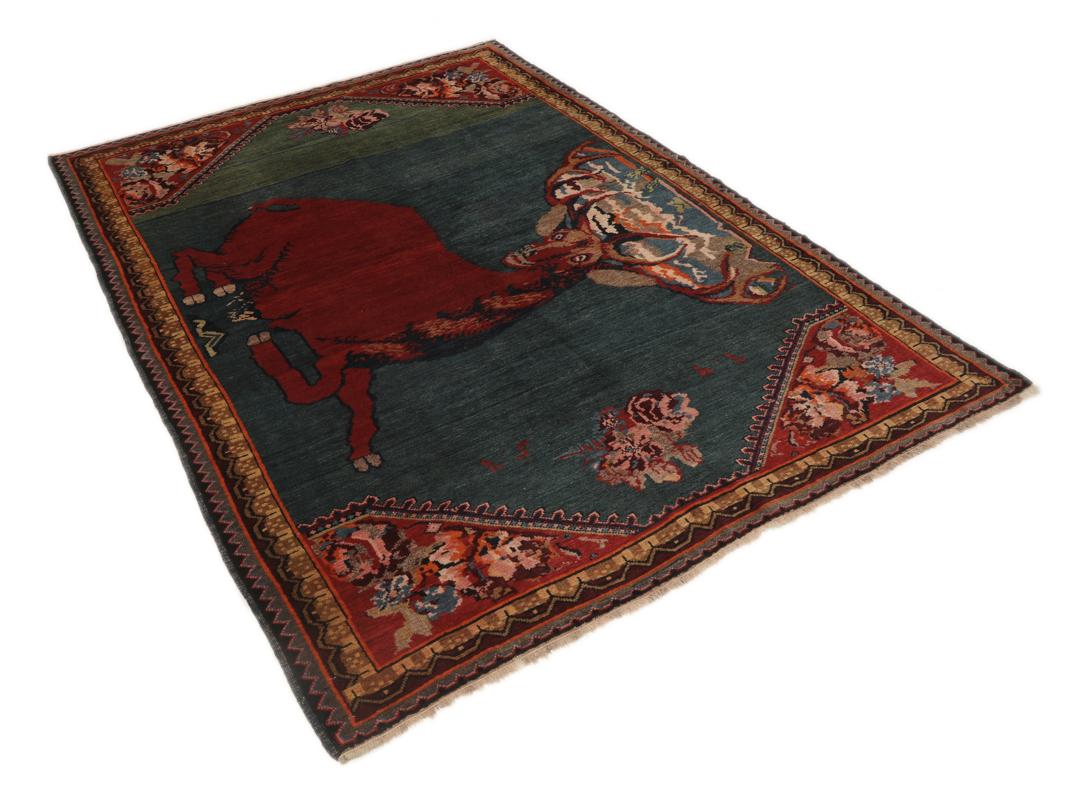
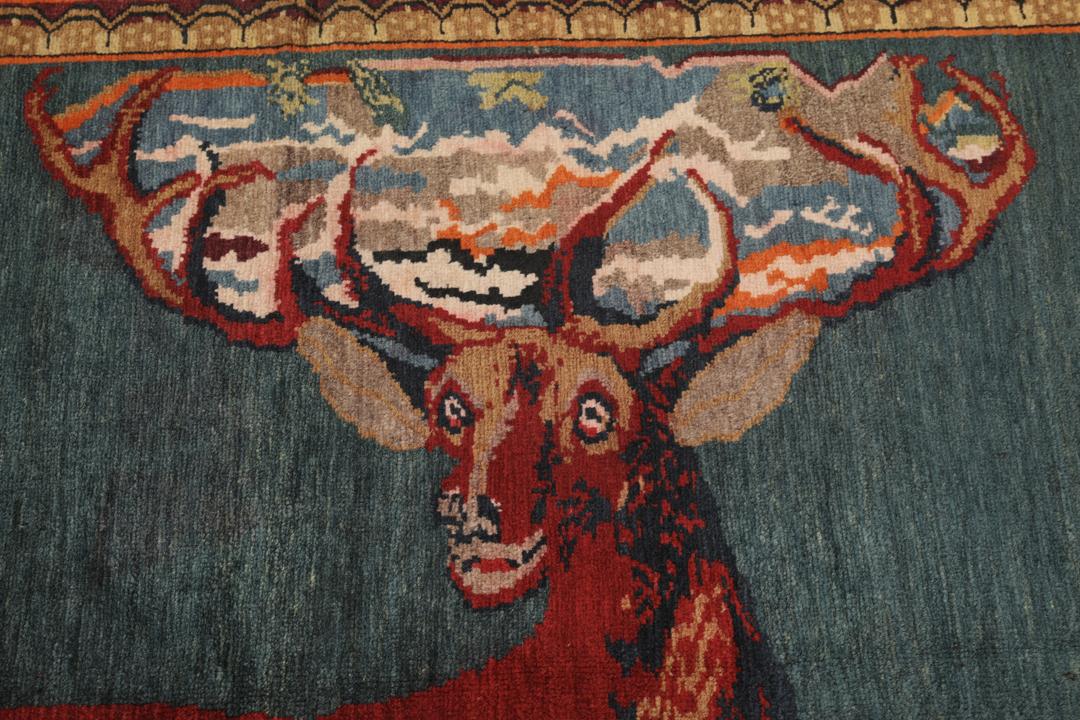
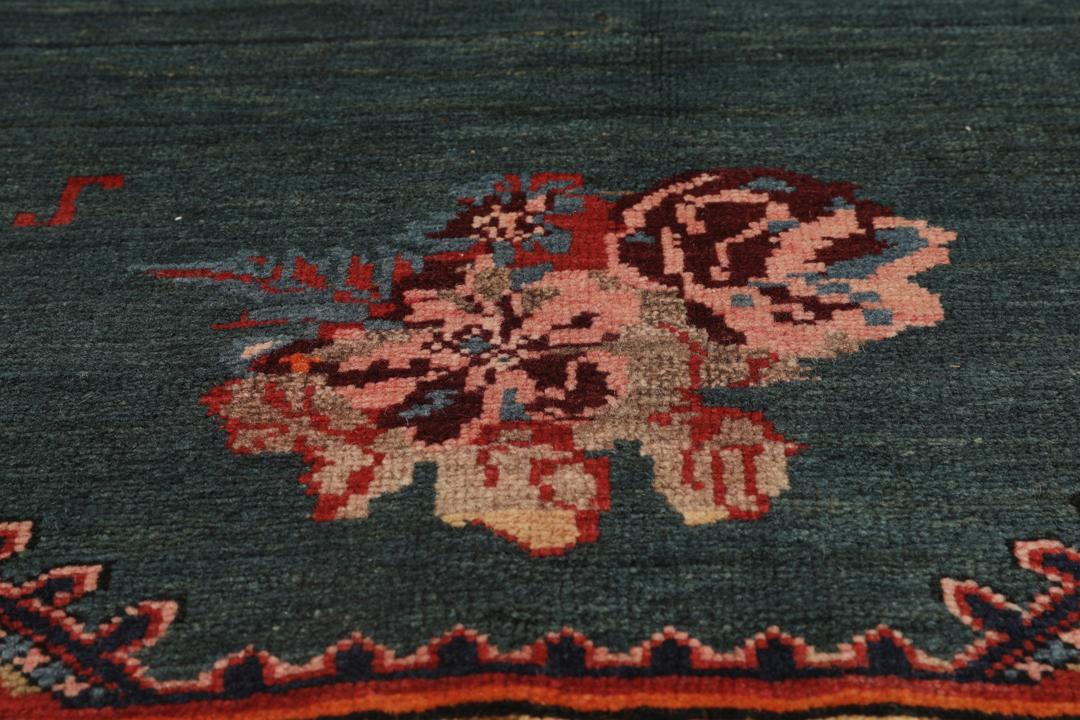
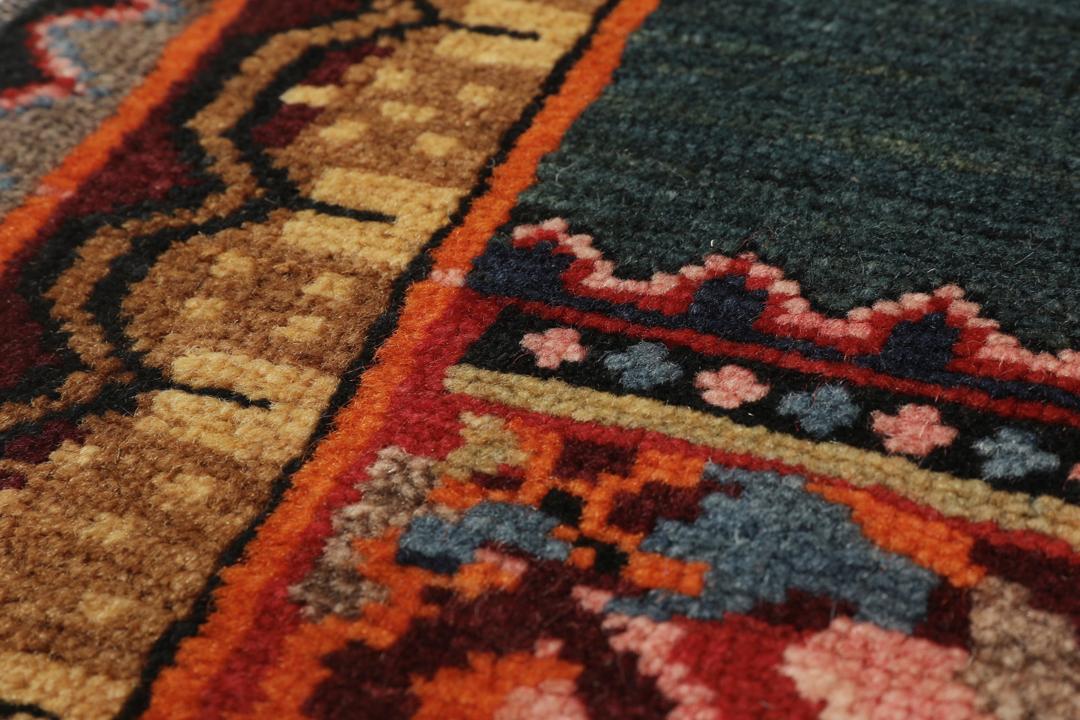
Design-wise, this rug is notable for its pictorial motif, which deviates from the more common geometric or floral patterns found in many Caucasian rugs. The inclusion of representational figures was a way for weavers to tell stories or document their surroundings, making these pieces especially prized. The border, with its formal structure, perfectly frames the central scene, demonstrating a sophisticated sense of composition and balance typical of the finest examples from this era.
Owning an antique from this tradition is about more than just aesthetics; it is about preserving a piece of cultural history. These rugs were woven in a time when every design choice held meaning and every knot was a testament to the artisan's skill. Today, they are valued not only for their beauty but for the connection they provide to a vanishing way of life, making them essential pieces for those who value heritage and craftsmanship.