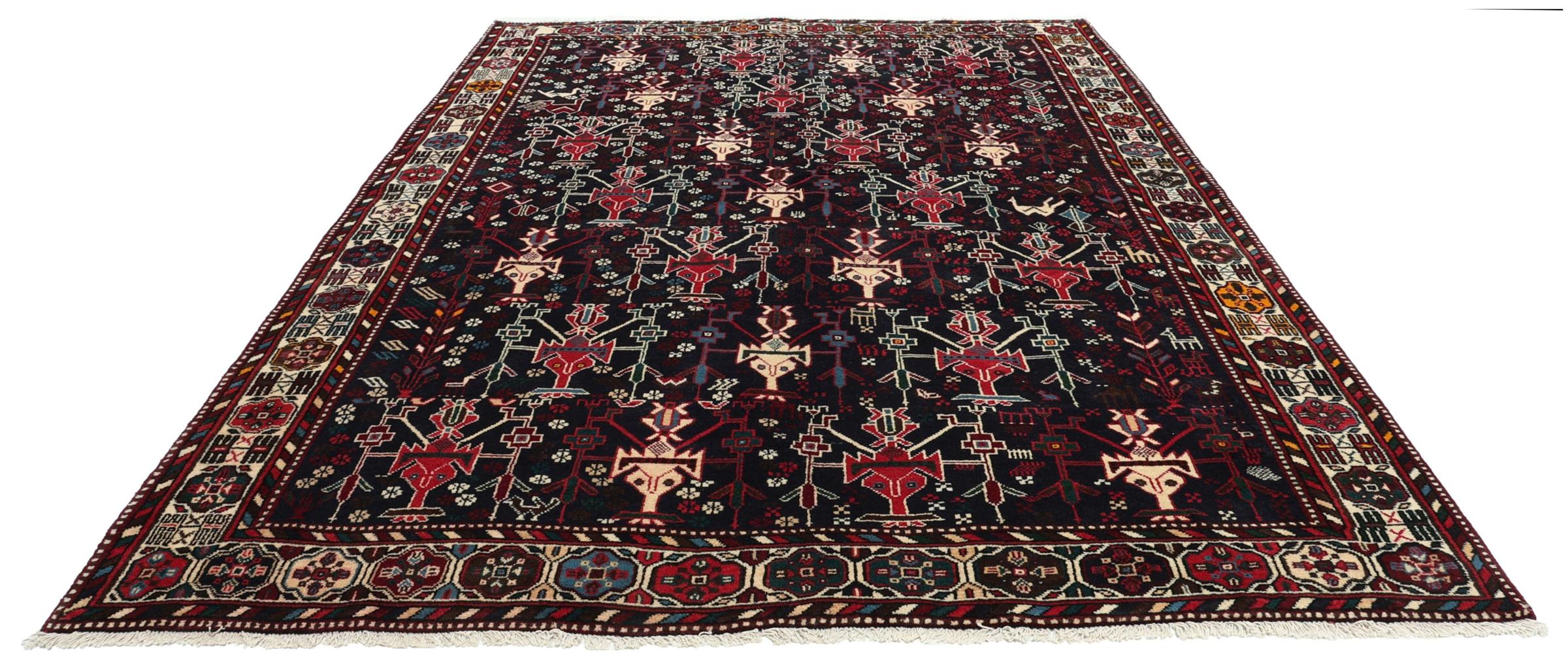
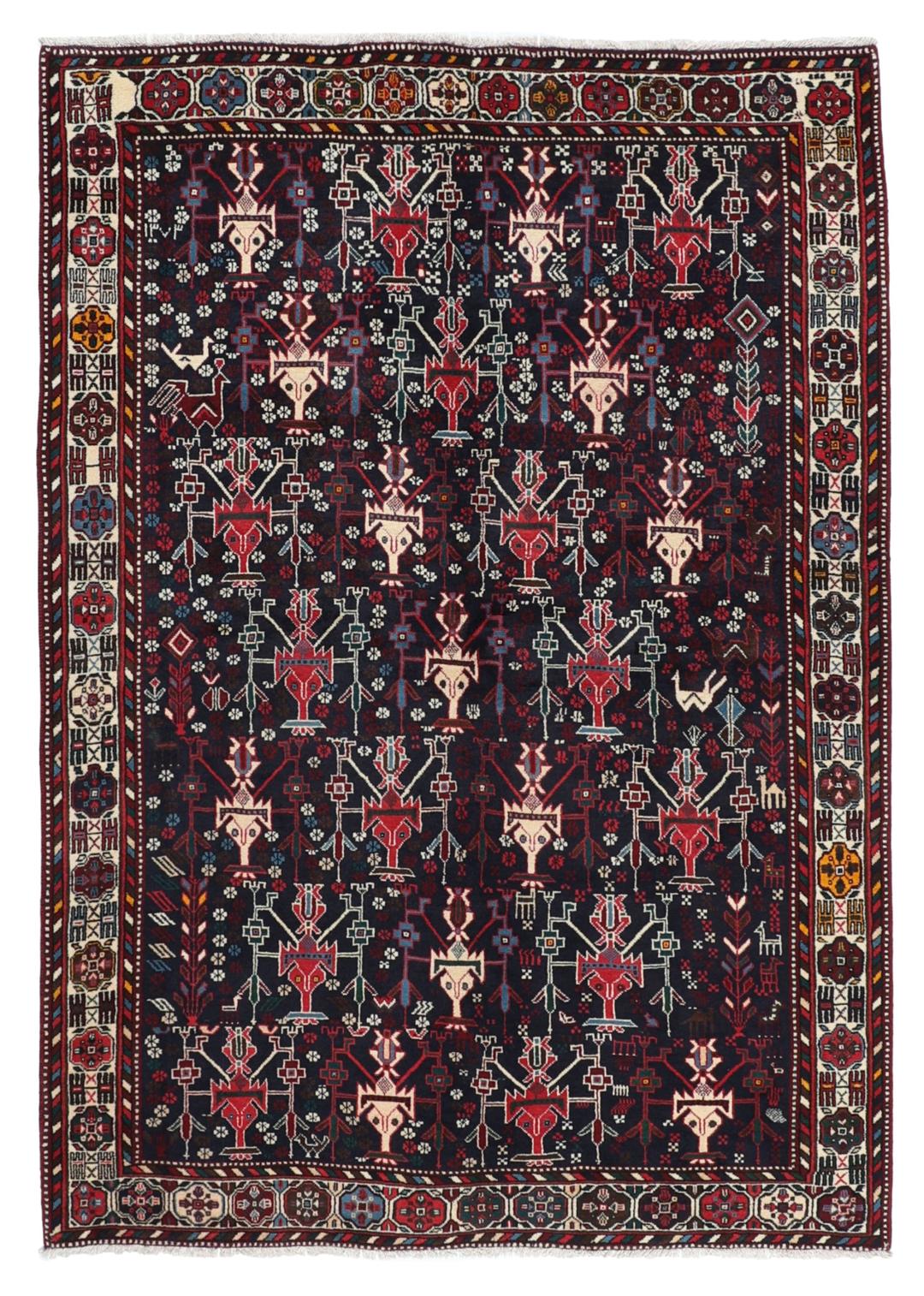
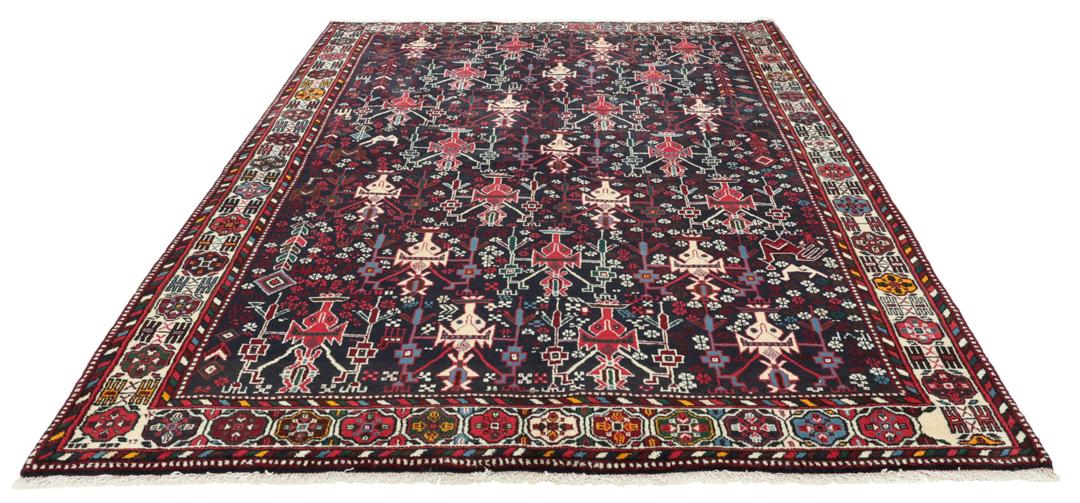
The Afshar rugs originate from the nomadic and semi-nomadic tribes of the Middle East, particularly those settled in the Kerman province. These tribes have a long-standing history of weaving that is deeply intertwined with their migratory lifestyle. The rugs they produce are celebrated for their bold, expressive designs which often mirror the rugged landscapes and cultural symbols of their ancestral home.
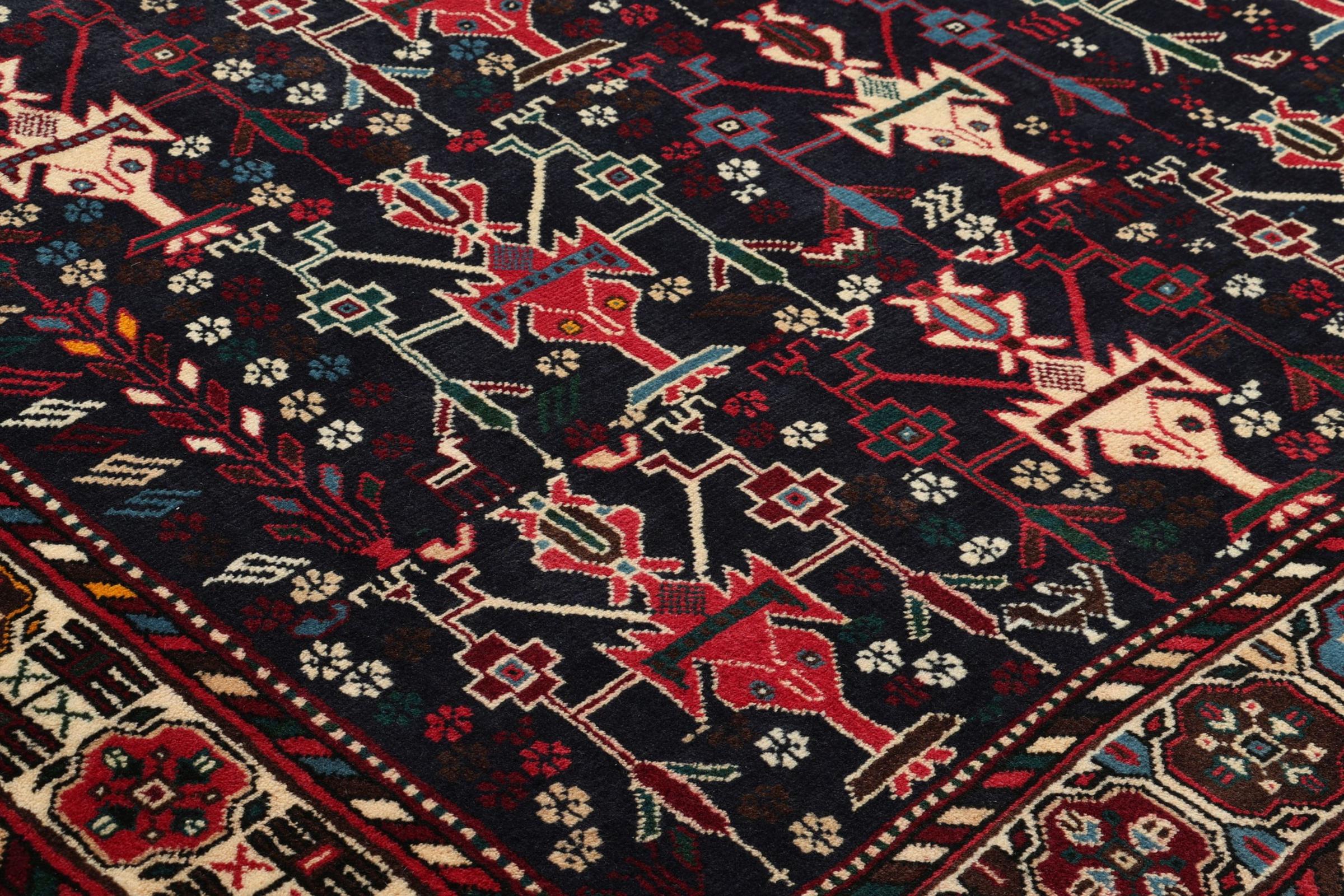
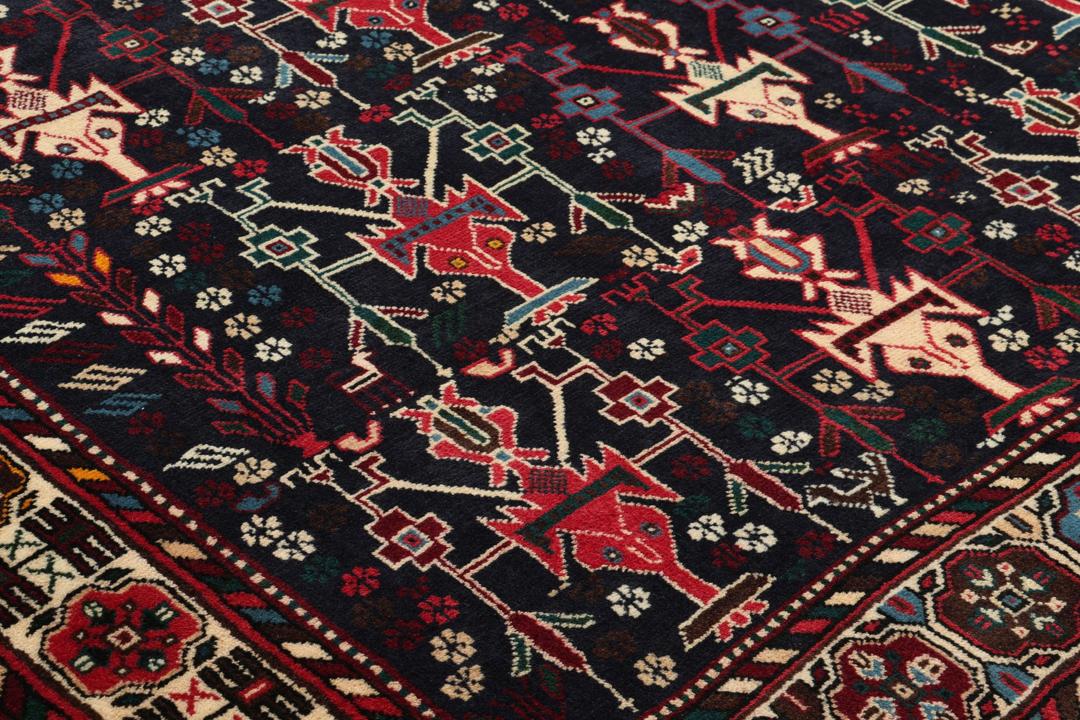
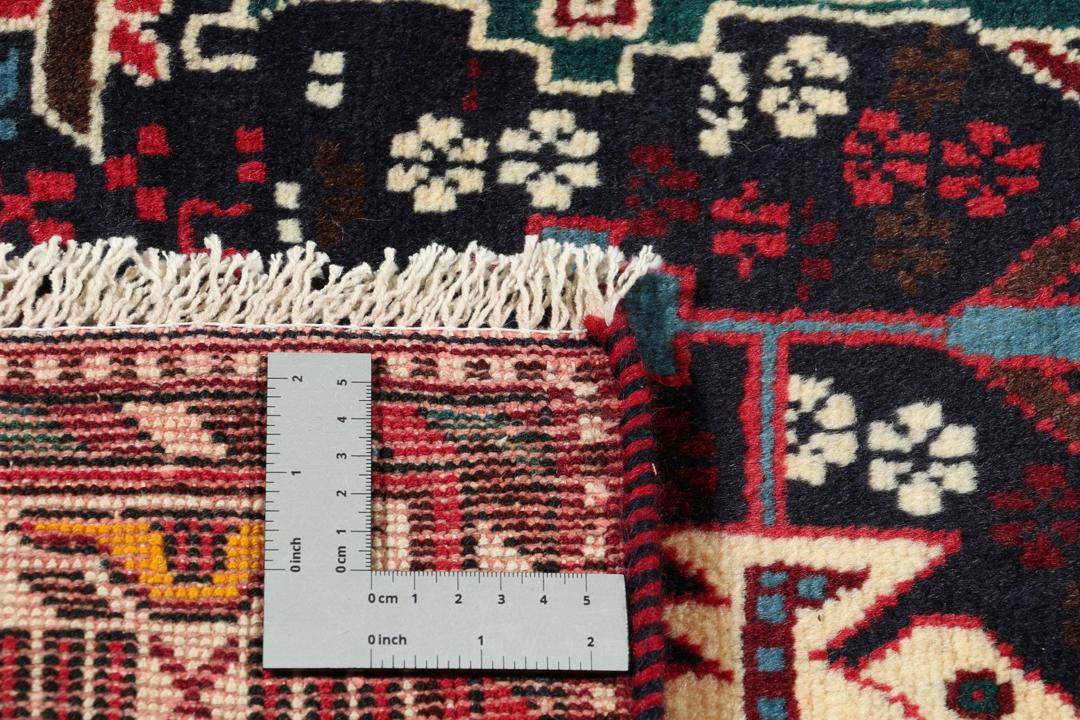
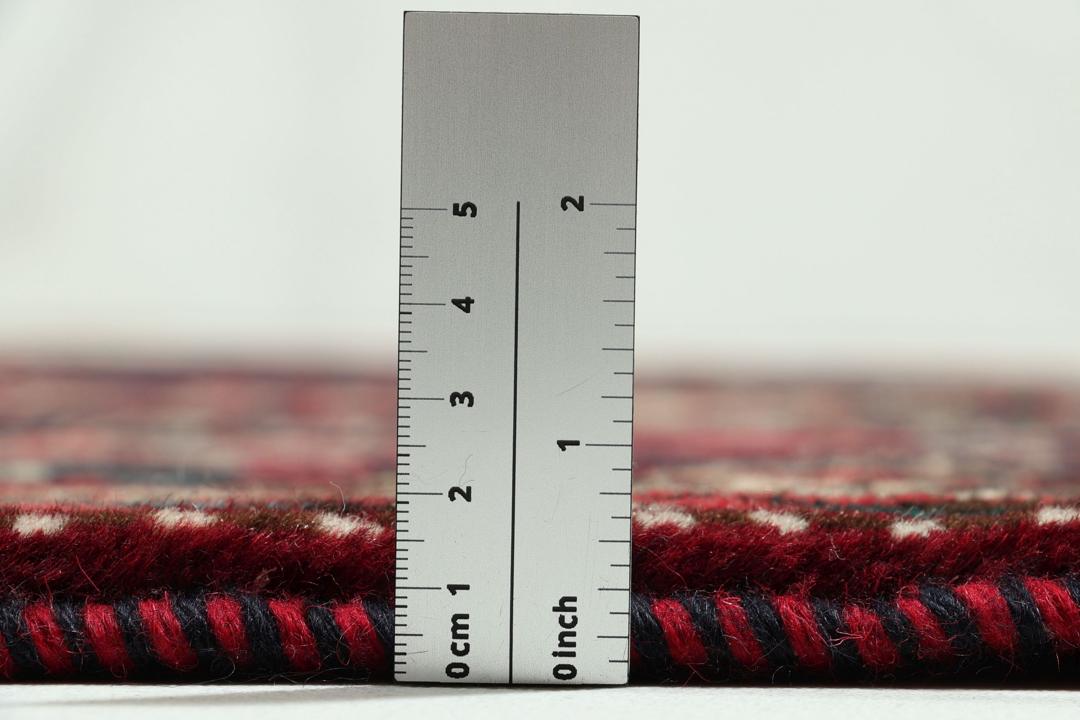
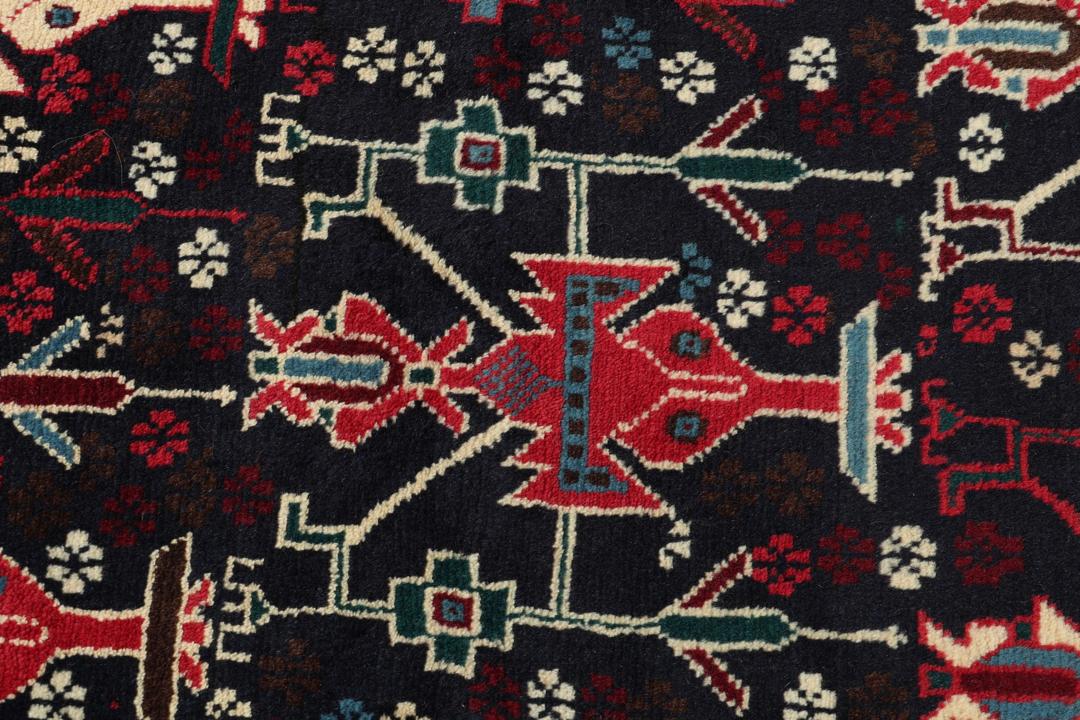
Technically, the Afshar tradition is defined by its robust construction and the use of high-quality wool. The weavers utilise specific, time-honoured knotting techniques that result in a durable, thick pile. This construction is crucial for the longevity of the rugs, as it allows them to withstand the rigours of nomadic life, and now, the demands of a modern household, ensuring the motifs remain clear and the pile stays plush.
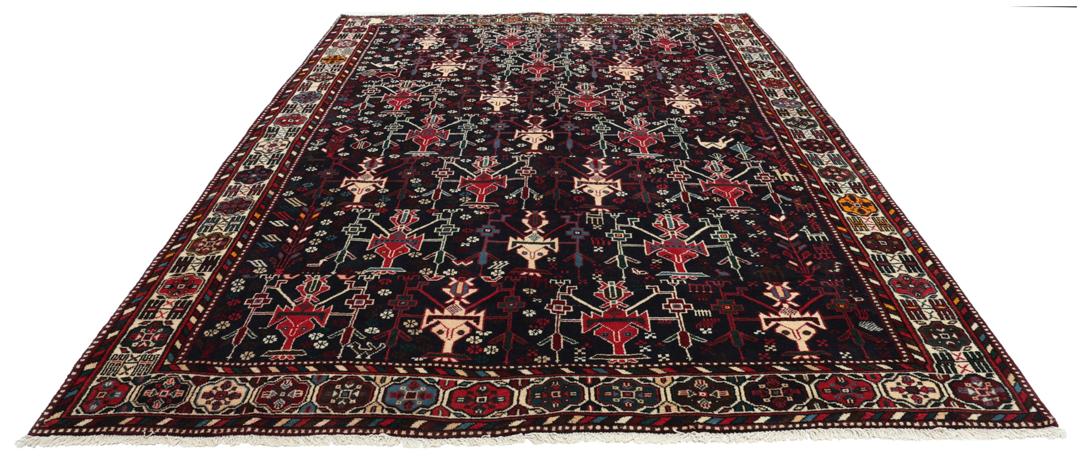
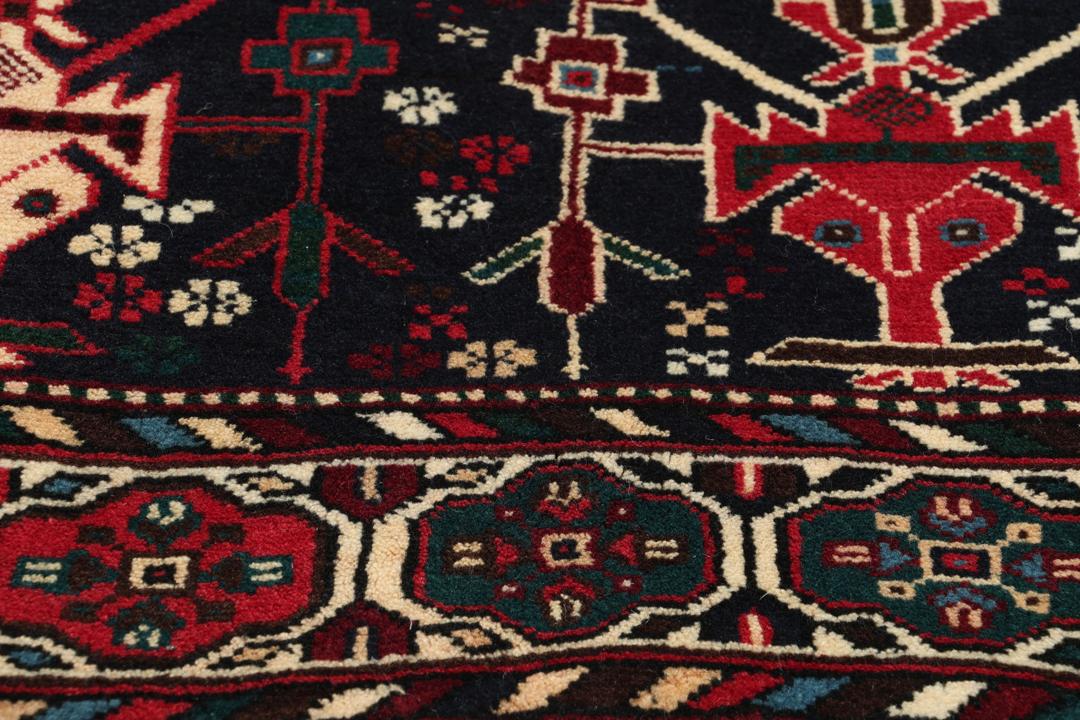
The visual language of an Afshar rug is unmistakably tribal, often featuring geometric medallions and stylised floral or animal motifs. The borders are frequently complex, acting as a frame for the central field. What makes this particular rug special is its unique arrangement of these traditional symbols, which often tell a story of the weaver's environment or family heritage, distinguishing it from more formal, court-style textiles.
Collecting these rugs is an investment in cultural preservation. As modern life changes the traditional ways of the tribes, the number of truly authentic, hand-crafted pieces continues to diminish. Owning an Afshar rug is an act of appreciation for a craft that has been passed down through generations, offering a rare opportunity to bring a piece of living history into your home.