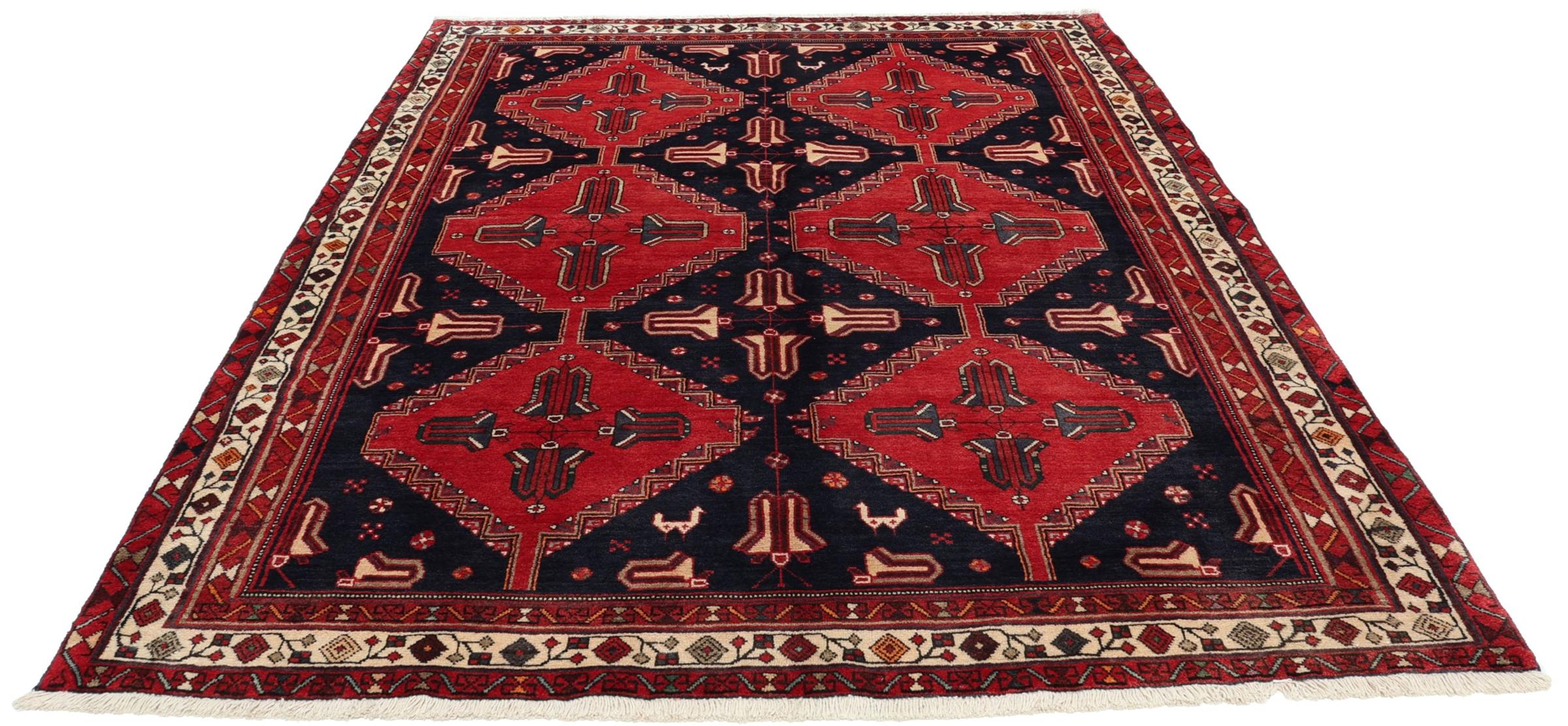
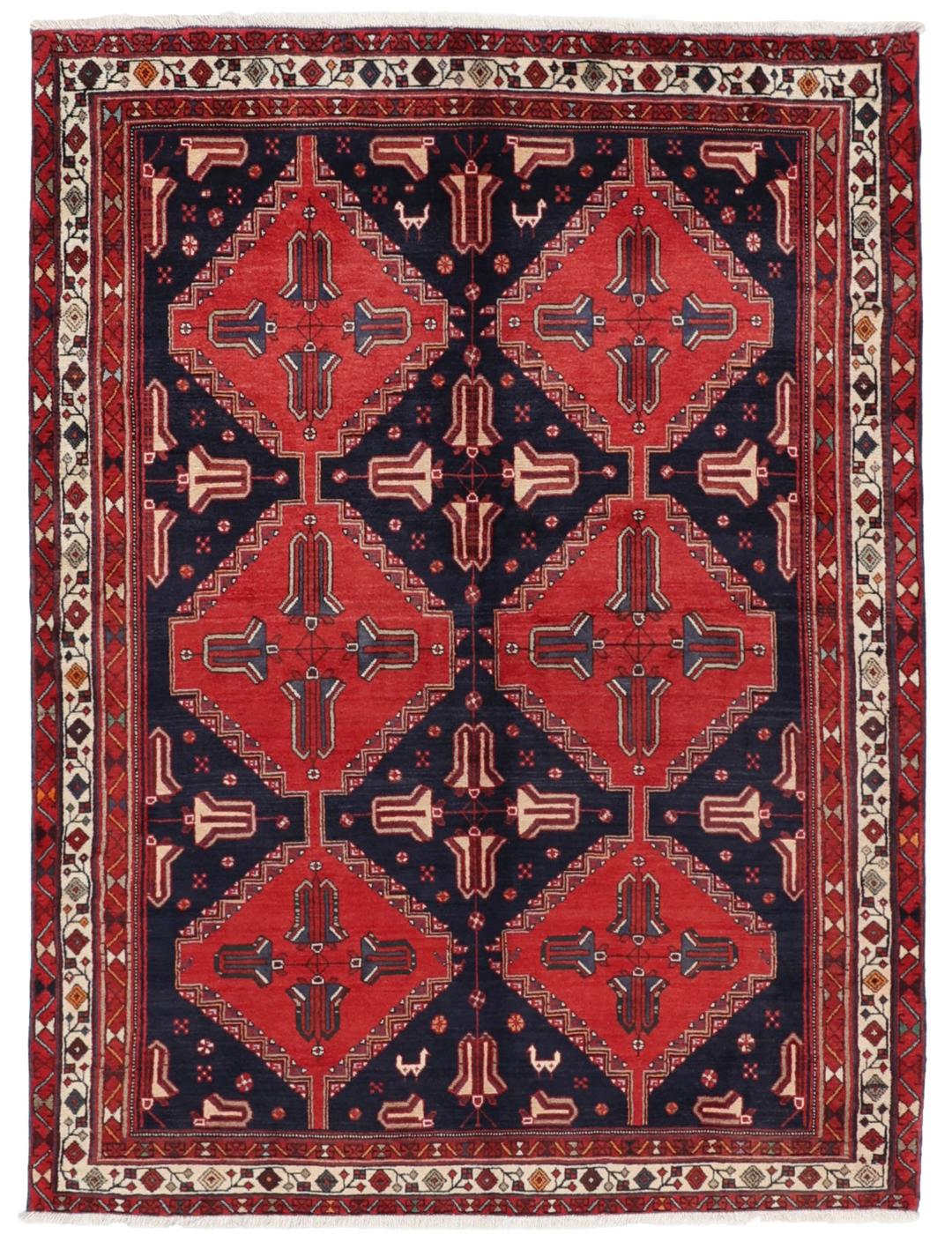
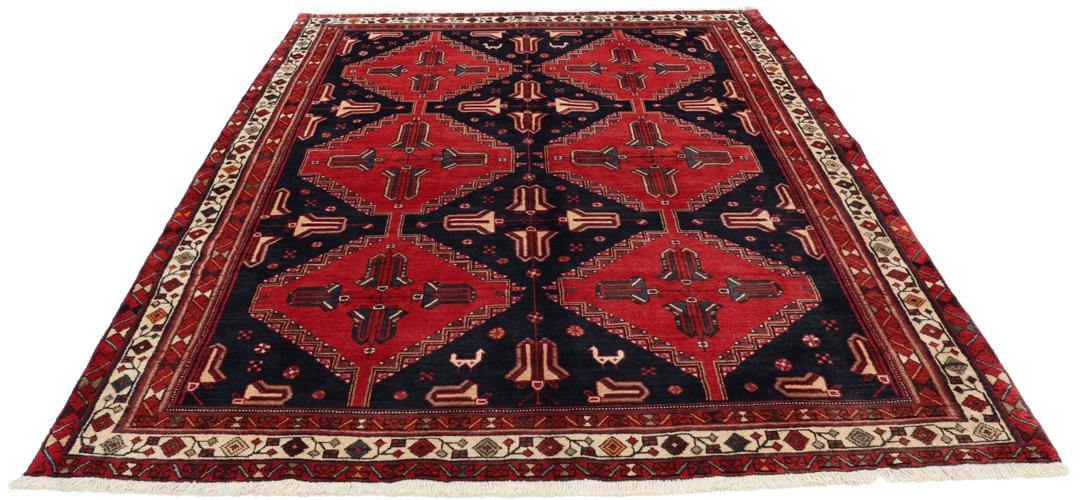
The Afshar rugs originate from the tribal traditions of the Middle East, specifically from the nomadic and semi-nomadic Afshar people. Historically, these groups migrated across various regions, carrying their distinct weaving styles with them. Today, the Sirjan region is particularly renowned for producing some of the most vibrant and technically refined examples of these rugs, blending centuries-old tribal aesthetics with a sophisticated approach to colour and composition.
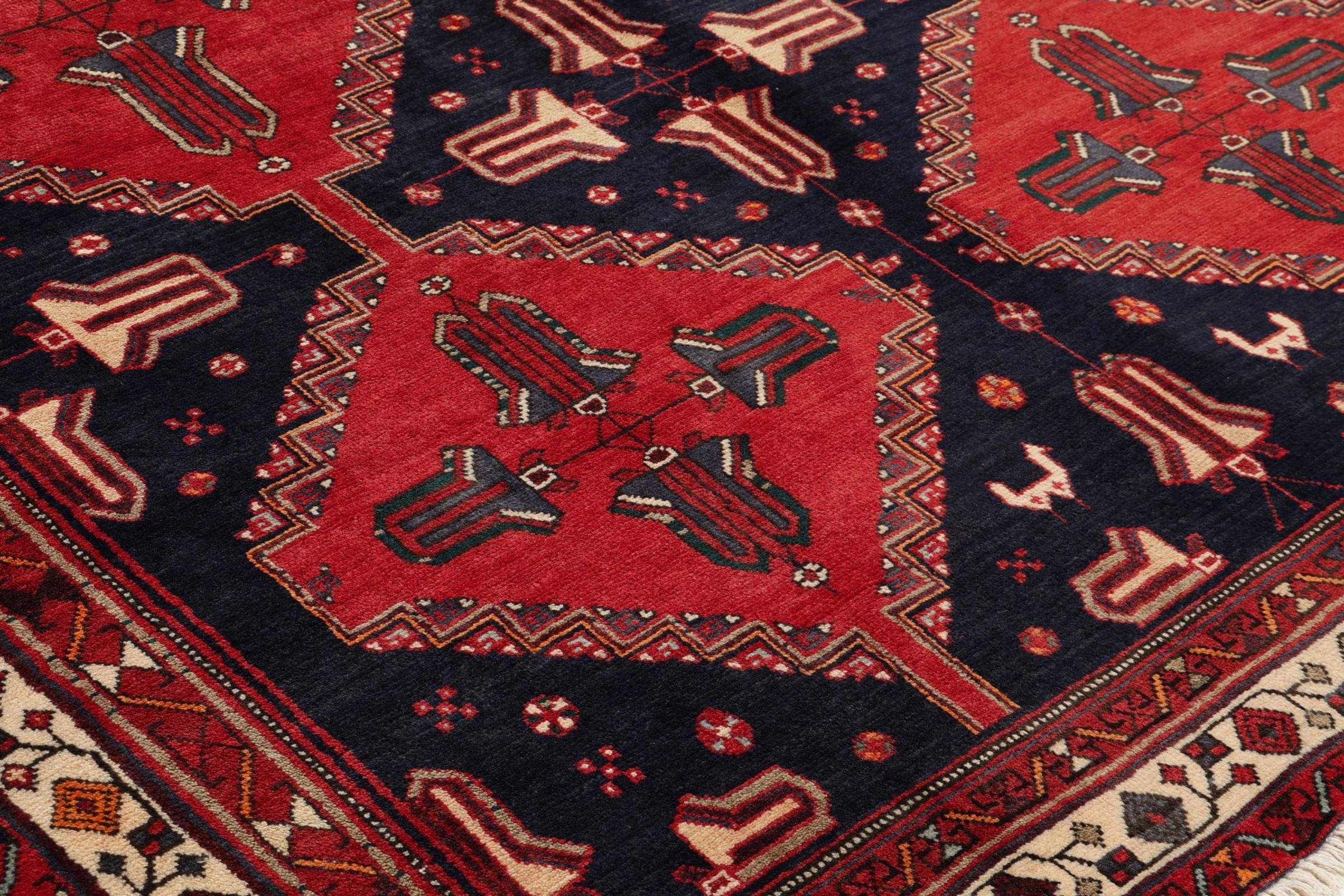
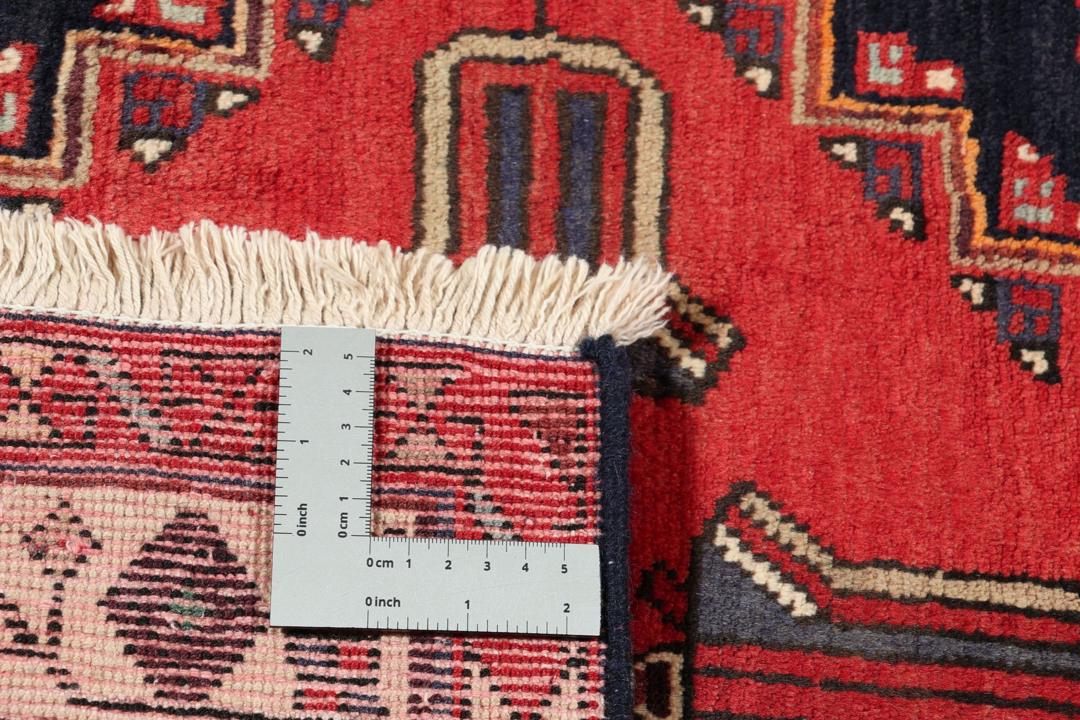
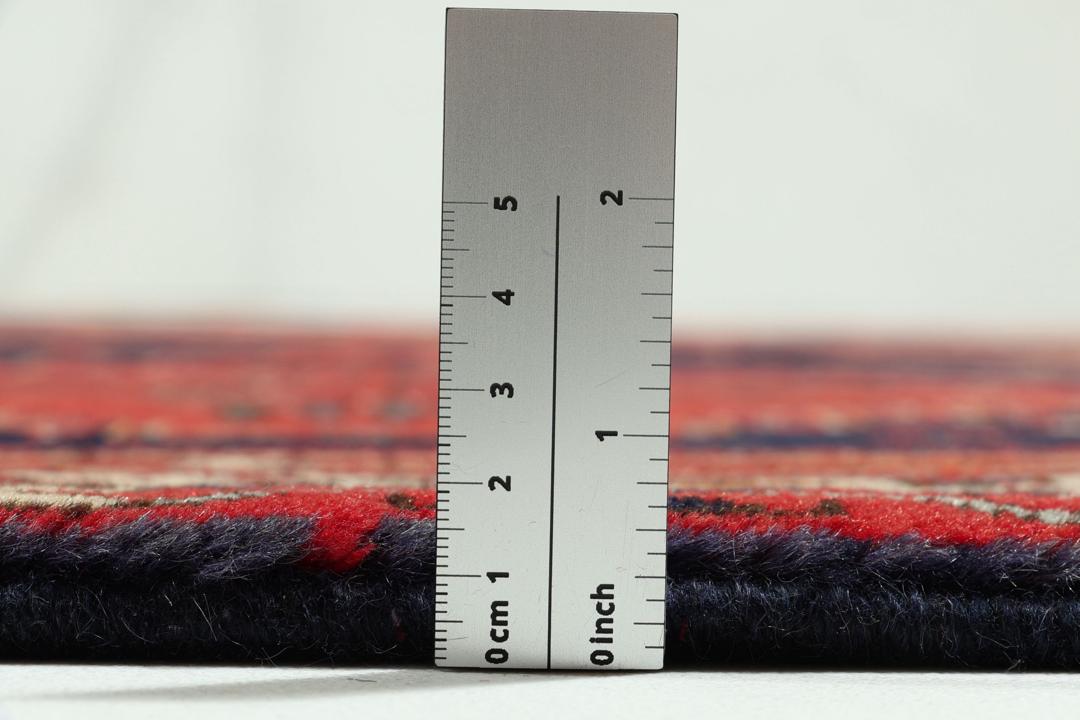
The craftsmanship behind these rugs is deeply rooted in the use of high-quality wool, which is often sourced locally and hand-spun to create a resilient and lustrous pile. The technical skill required to execute the complex geometric patterns is passed down through generations, ensuring that the traditional methods of construction remain intact. This dedication to craft results in a rug that is not only visually striking but also built to withstand the demands of daily life.
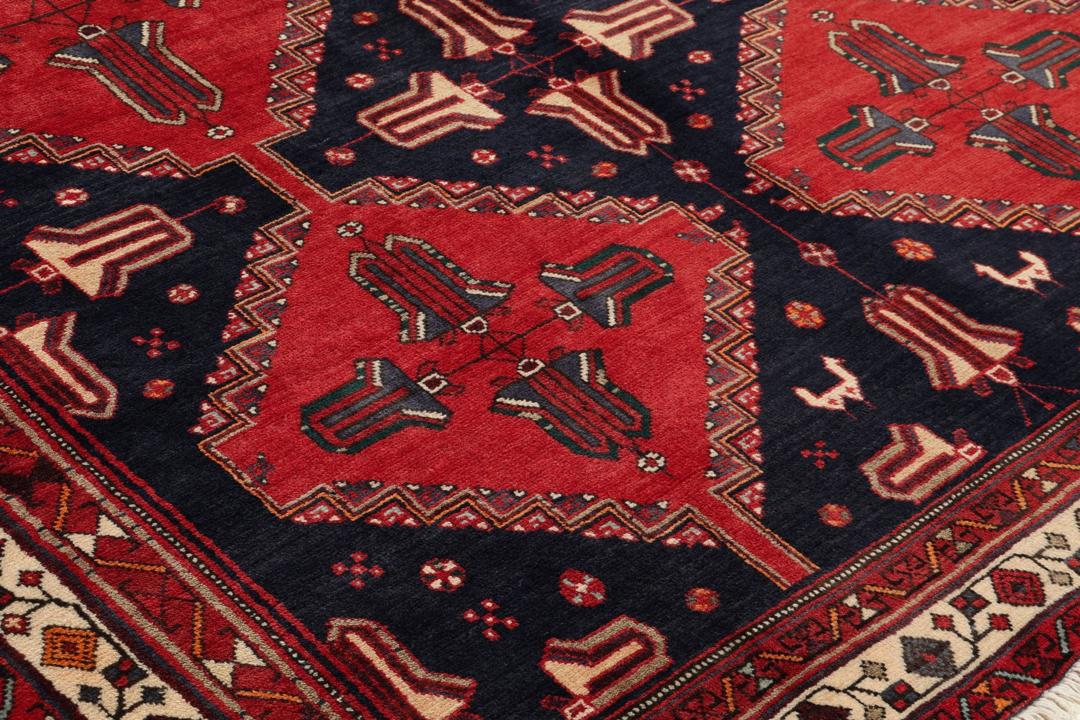
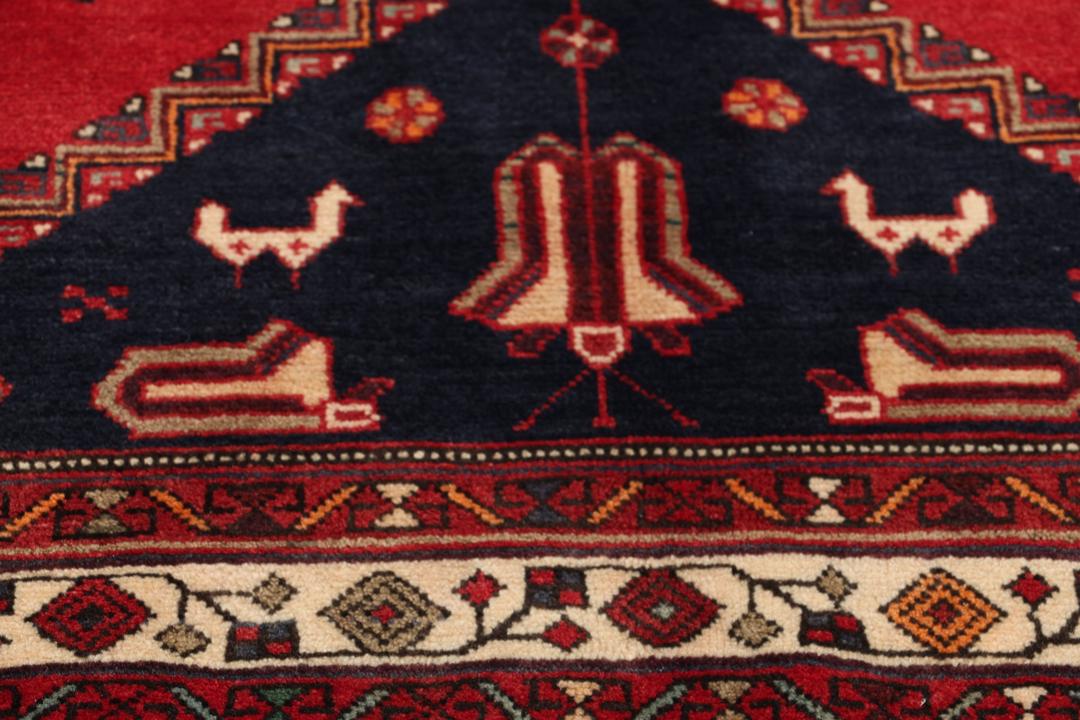
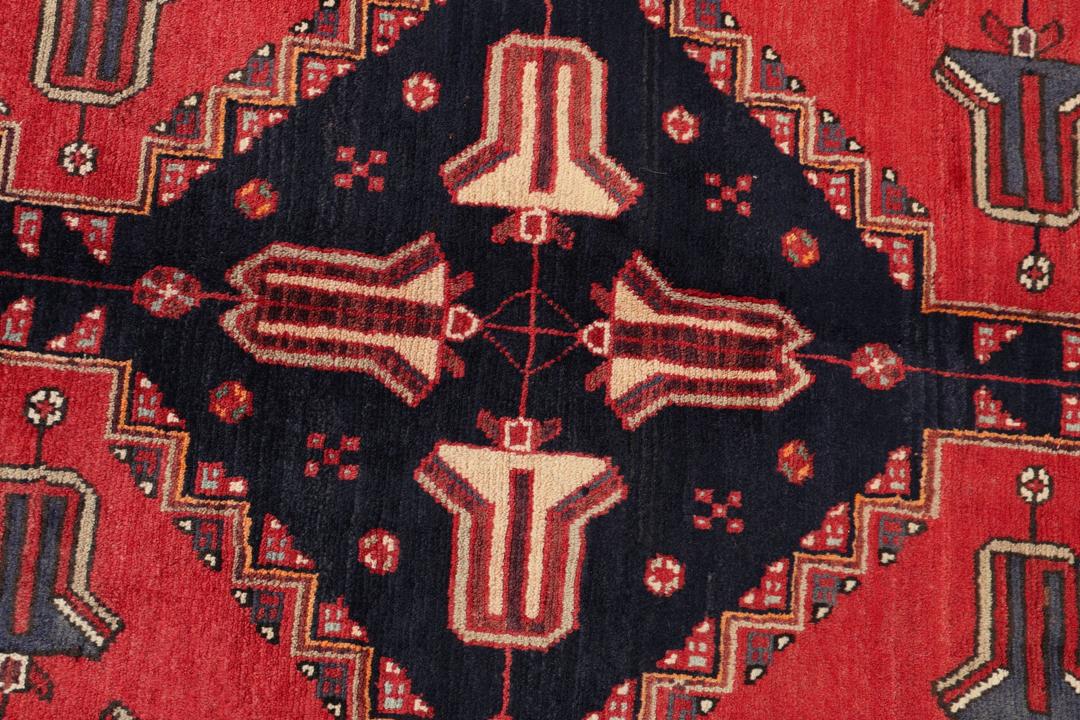
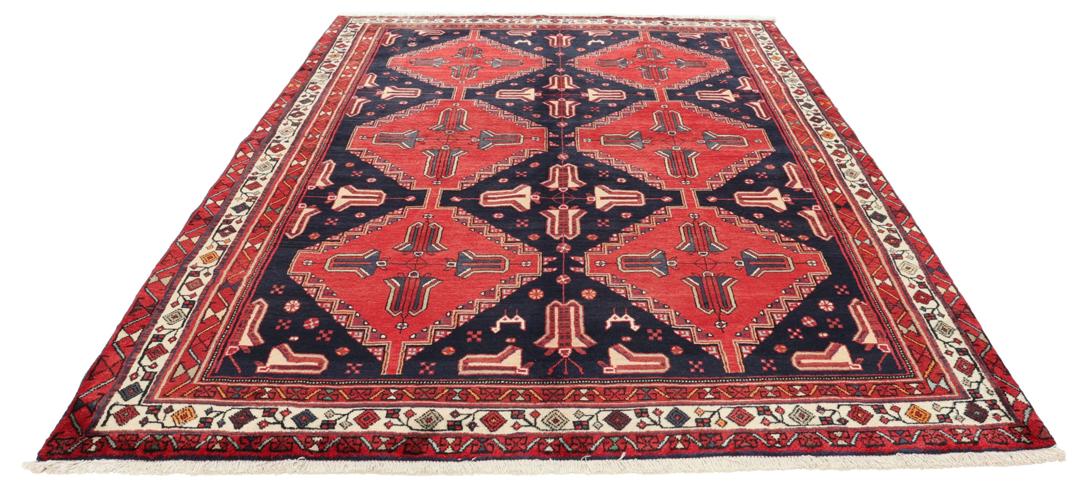
Signature design elements of the Afshar tradition include the use of bold, stylised motifs such as large diamonds or medallions, often filled with intricate geometric details. The colour palette typically leans toward deep, earthy reds and intense blues, creating a high-contrast look that is instantly recognisable. While the patterns follow a structured format, the weaver's personal touch often introduces subtle irregularities that add to the rug's character and authenticity.
Collecting an Afshar rug is an investment in cultural heritage and human skill. These pieces are highly valued not just for their aesthetic appeal, but for the story of the nomadic lifestyle they represent. By choosing a piece like this, you are preserving a craft tradition that has survived for generations, ensuring that the artistry of the Middle Eastern tribal weavers continues to be appreciated and enjoyed in modern homes across the world.