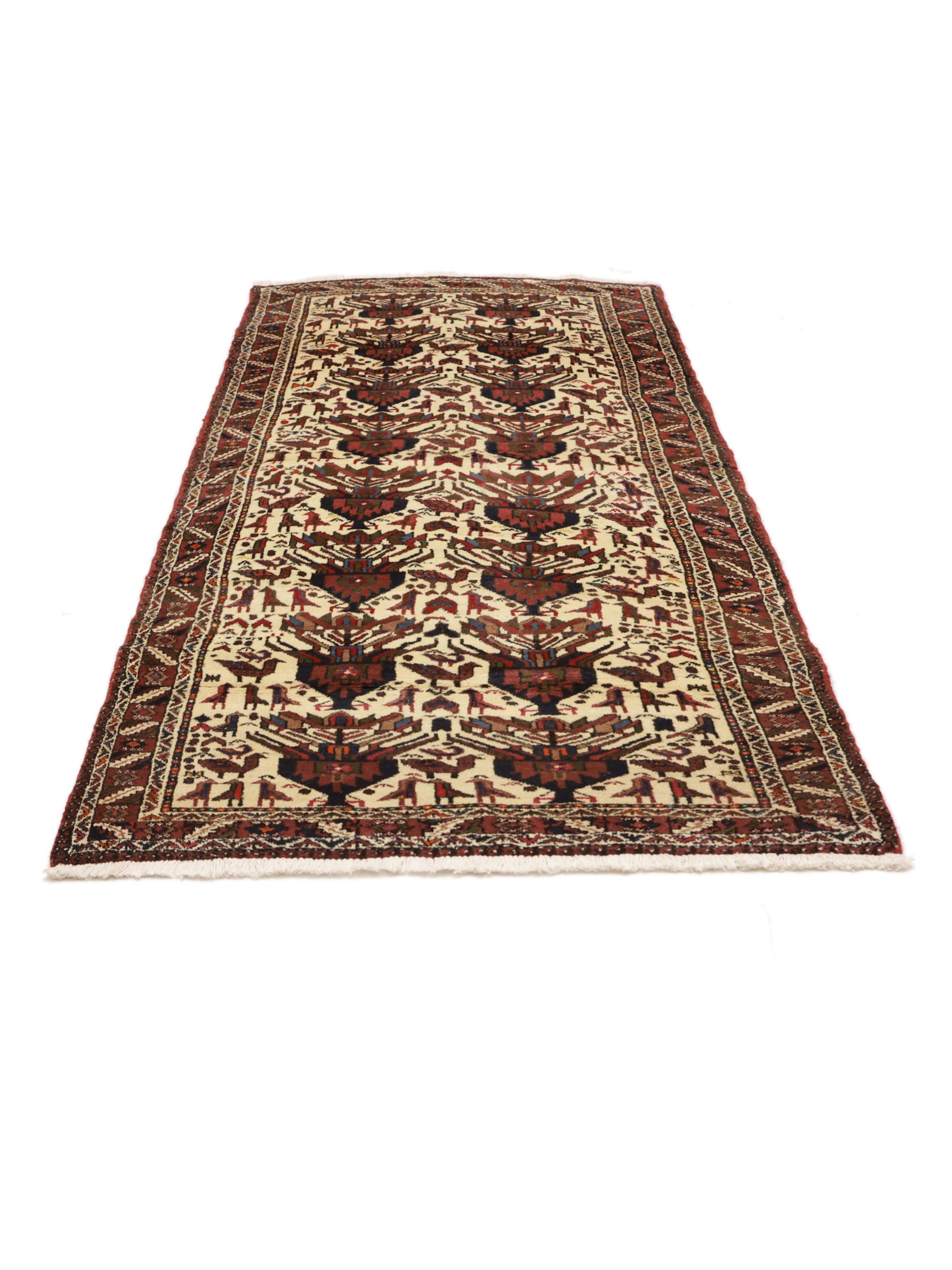
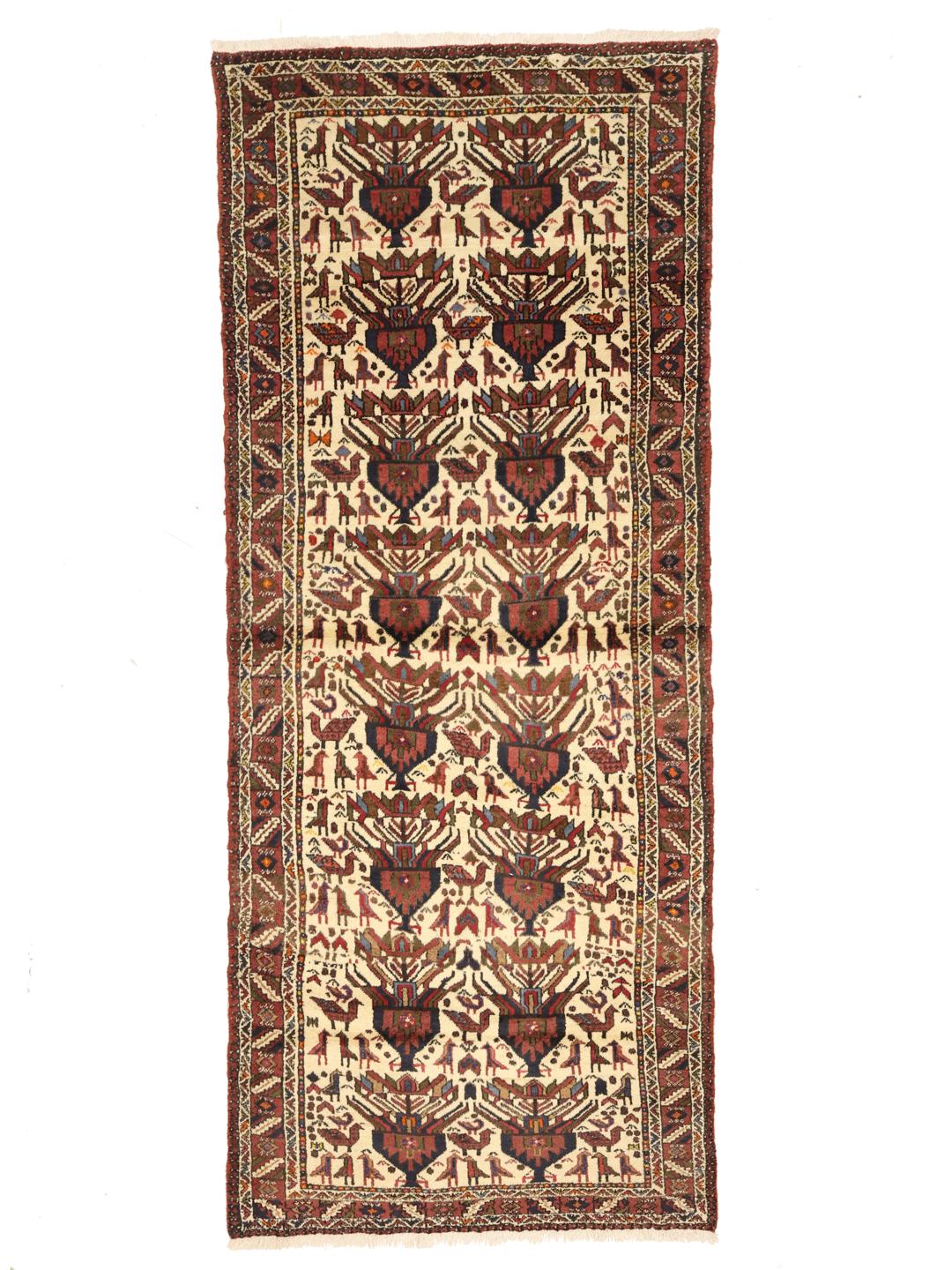
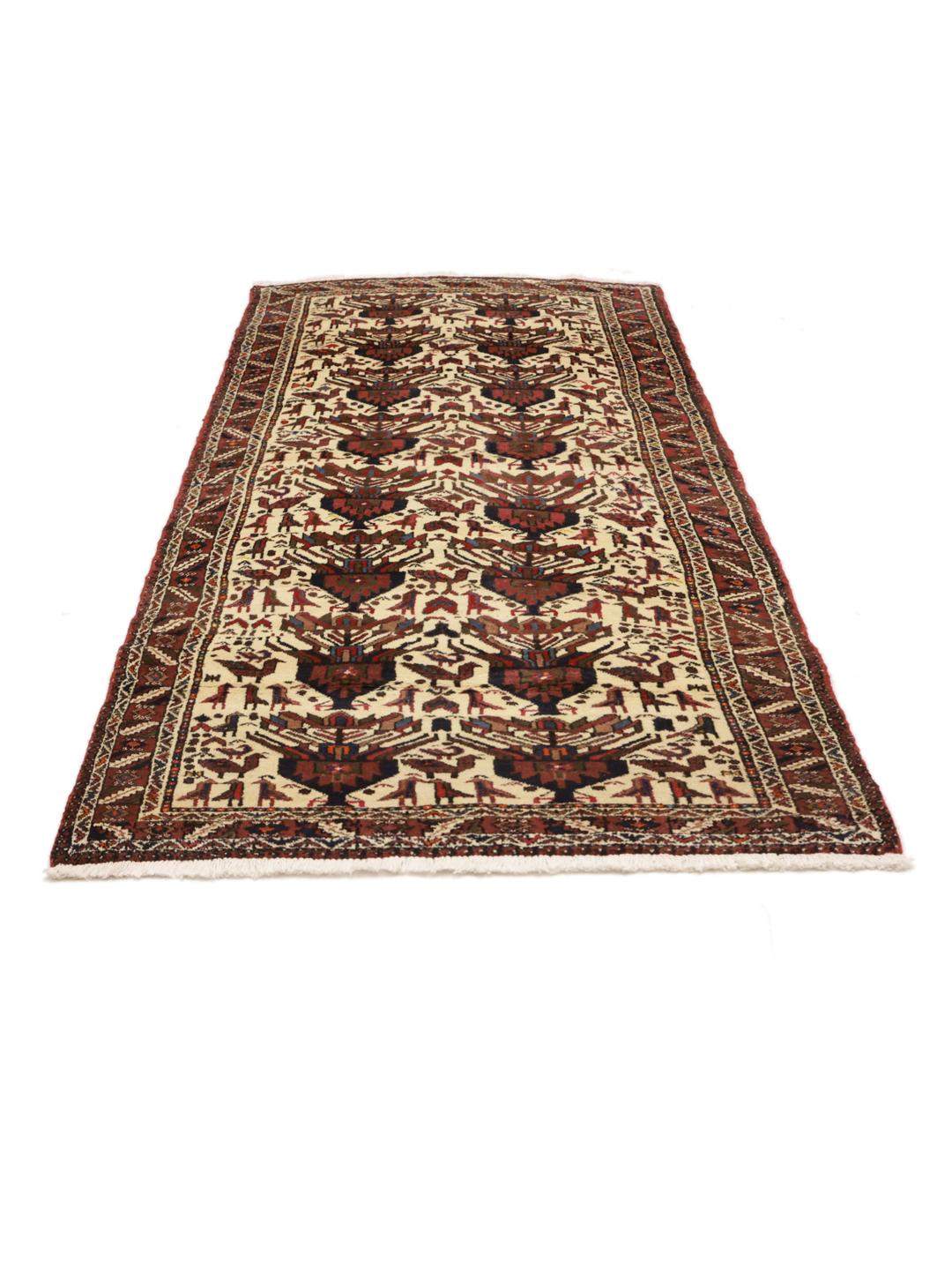
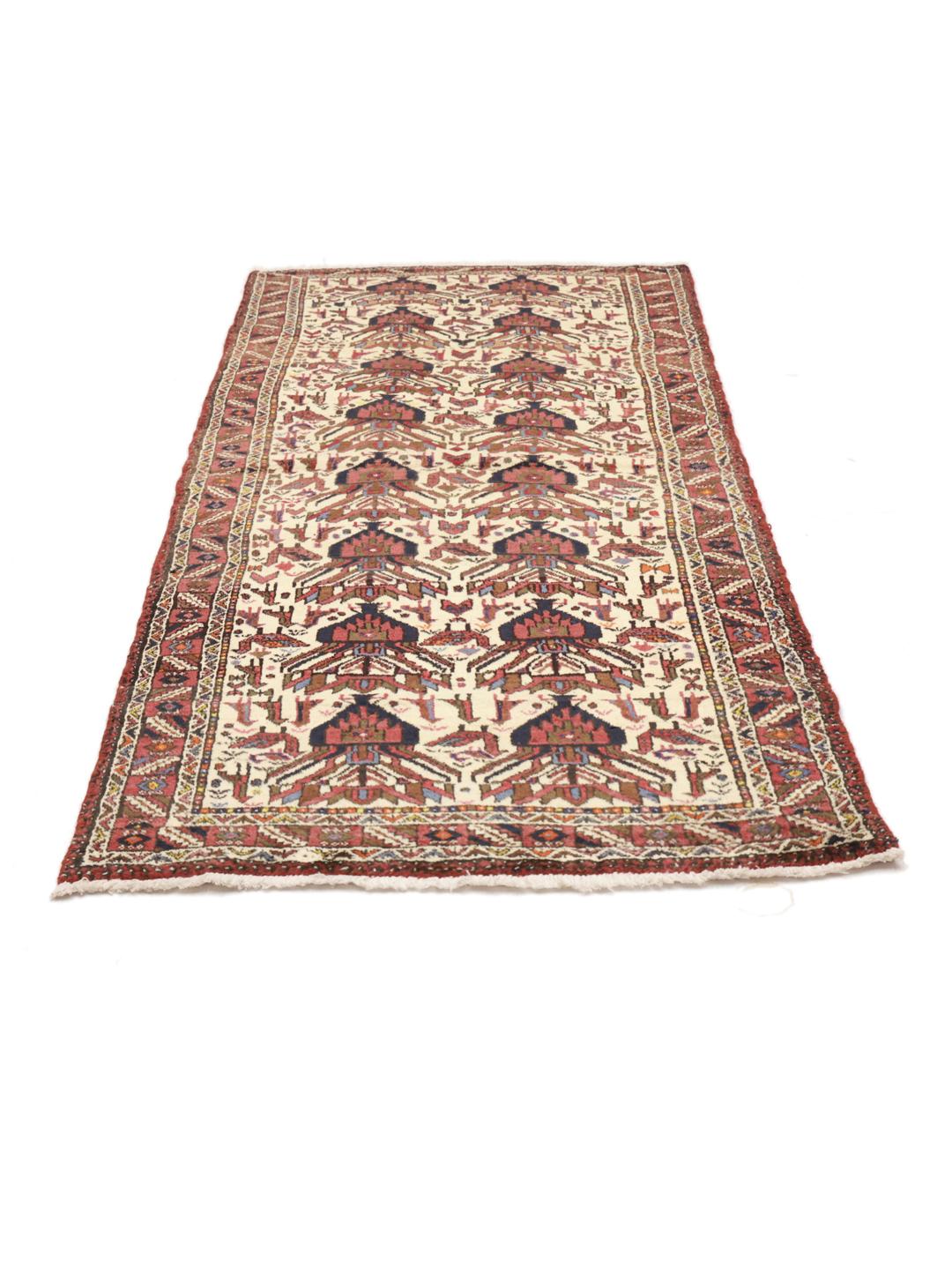
The Afshar Shahre Babak rugs originate from the nomadic and semi-nomadic tribes of the Middle East, particularly the Afshar people. These rugs are historically celebrated for their expressive, tribal aesthetic which often incorporates traditional motifs passed down through generations. The region of Shahre Babak is renowned for its specific weaving heritage, producing pieces that act as a visual narrative of the people, their landscape, and their cultural identity.
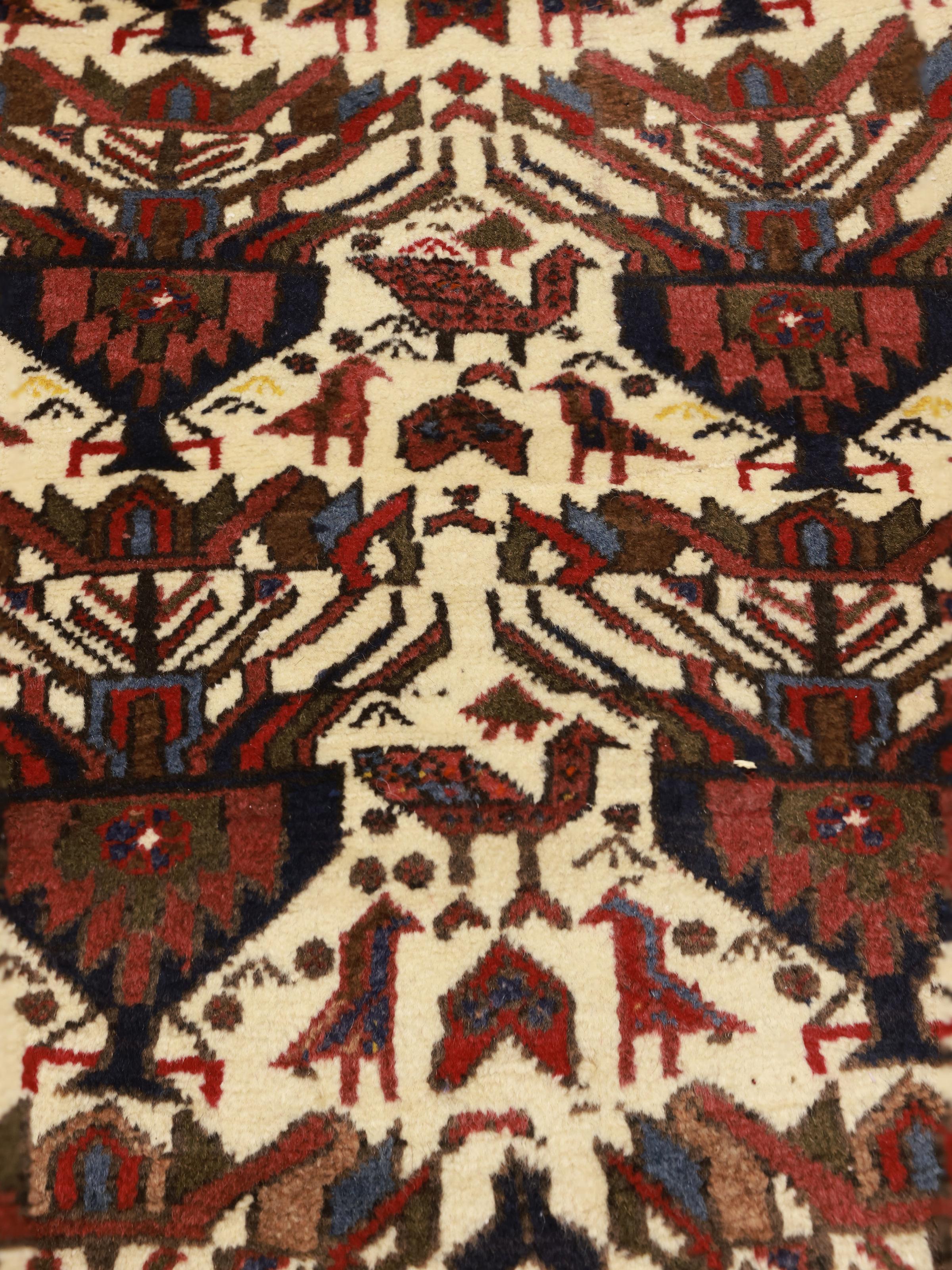
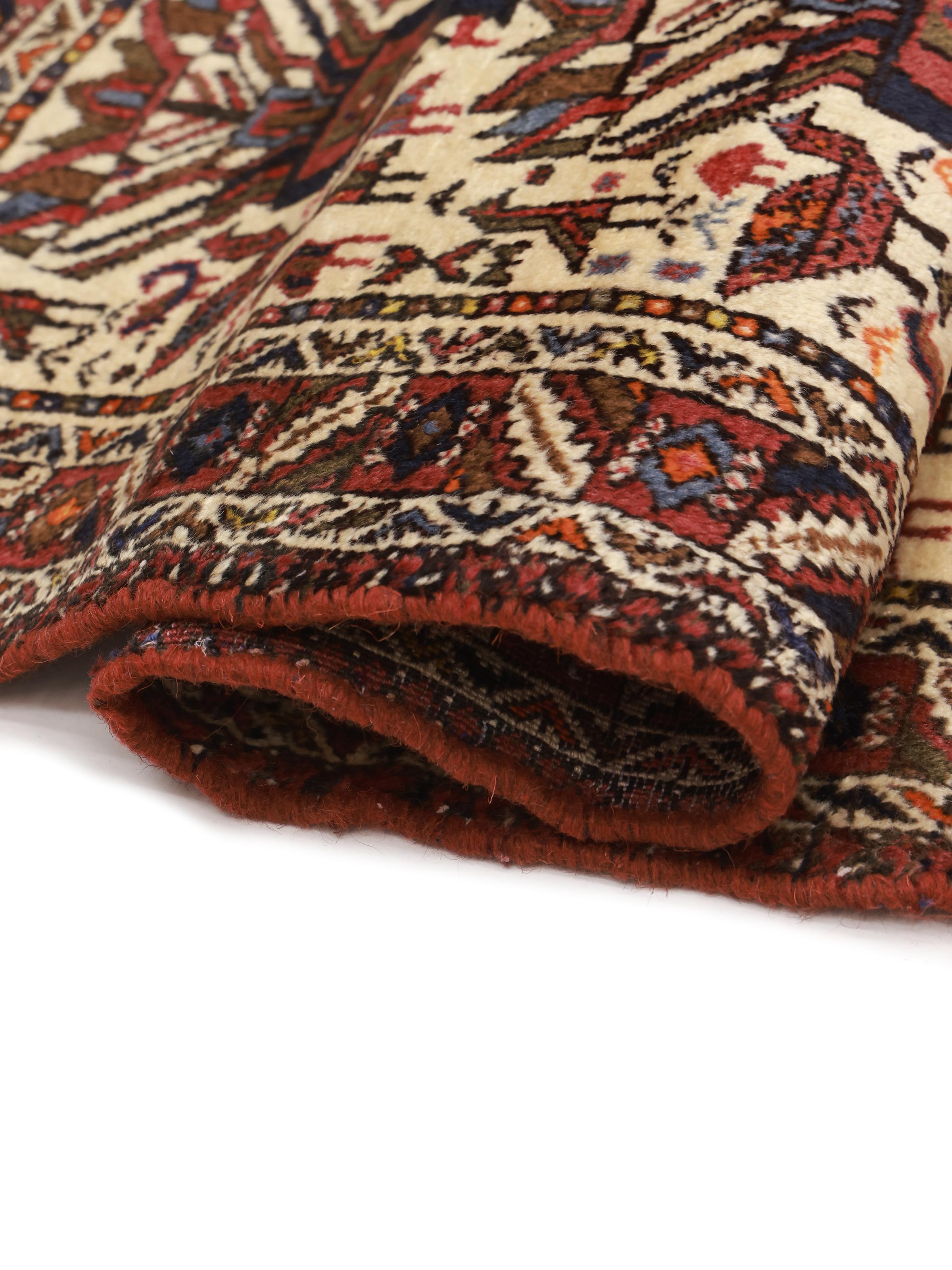
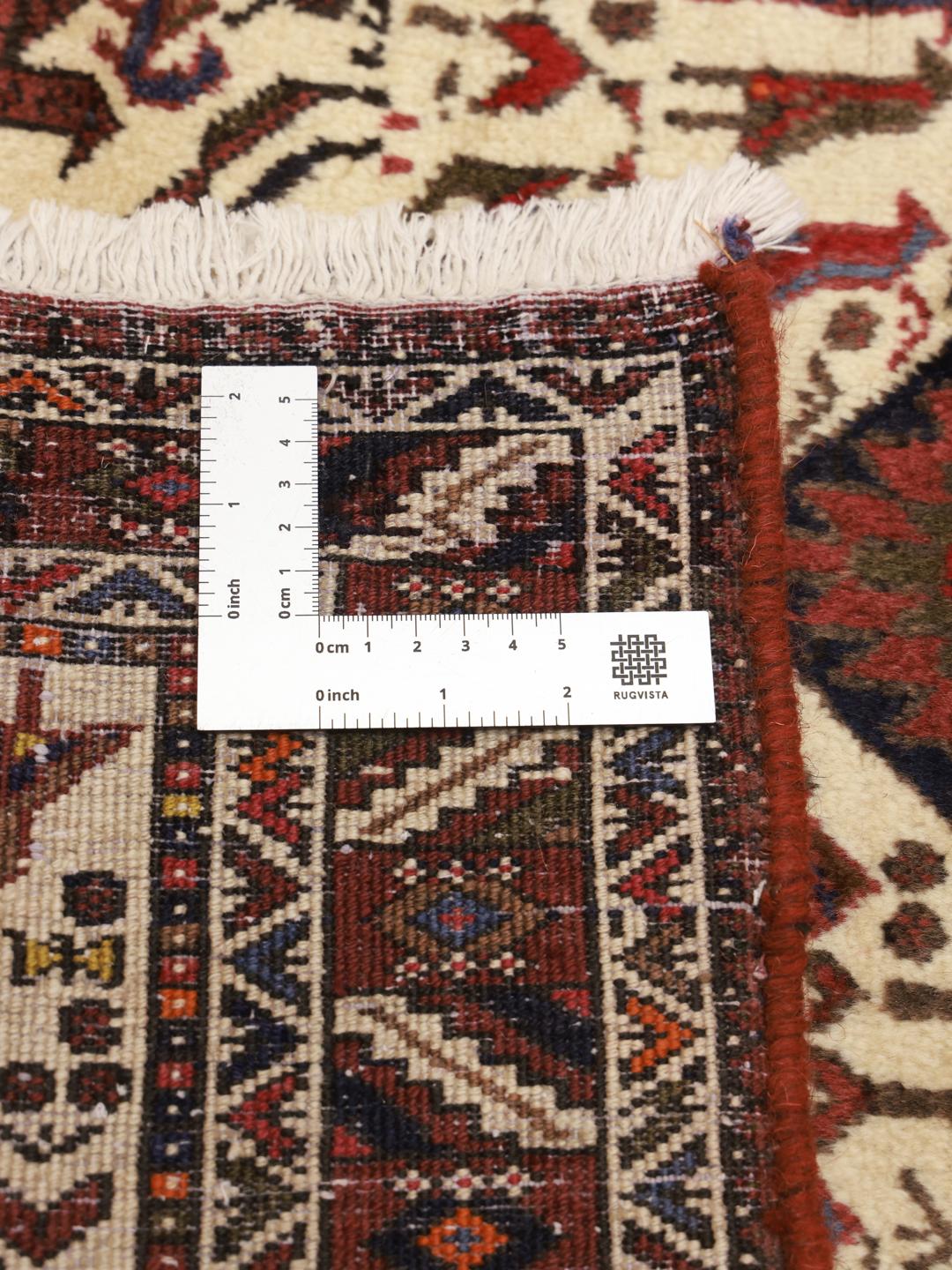
The term hand-knotted refers to the laborious technique where each individual knot is tied by hand onto the foundation. This method is the hallmark of professional rug-making, as it allows for intricate pattern work and creates a pile that is significantly more durable and lustrous than machine-made alternatives. For the collector, this means a rug that does not just look beautiful, but also possesses the strength to age gracefully over time.
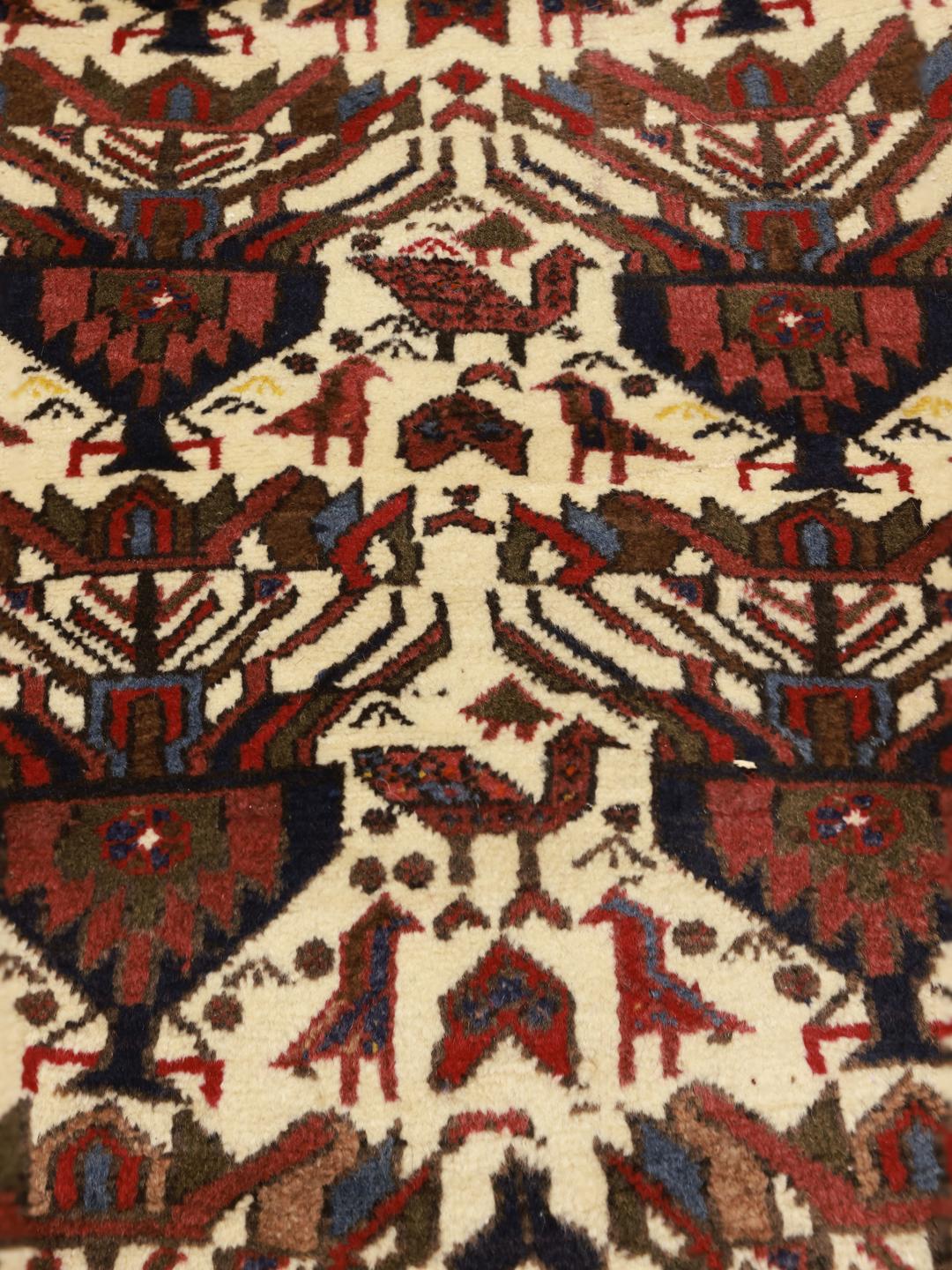
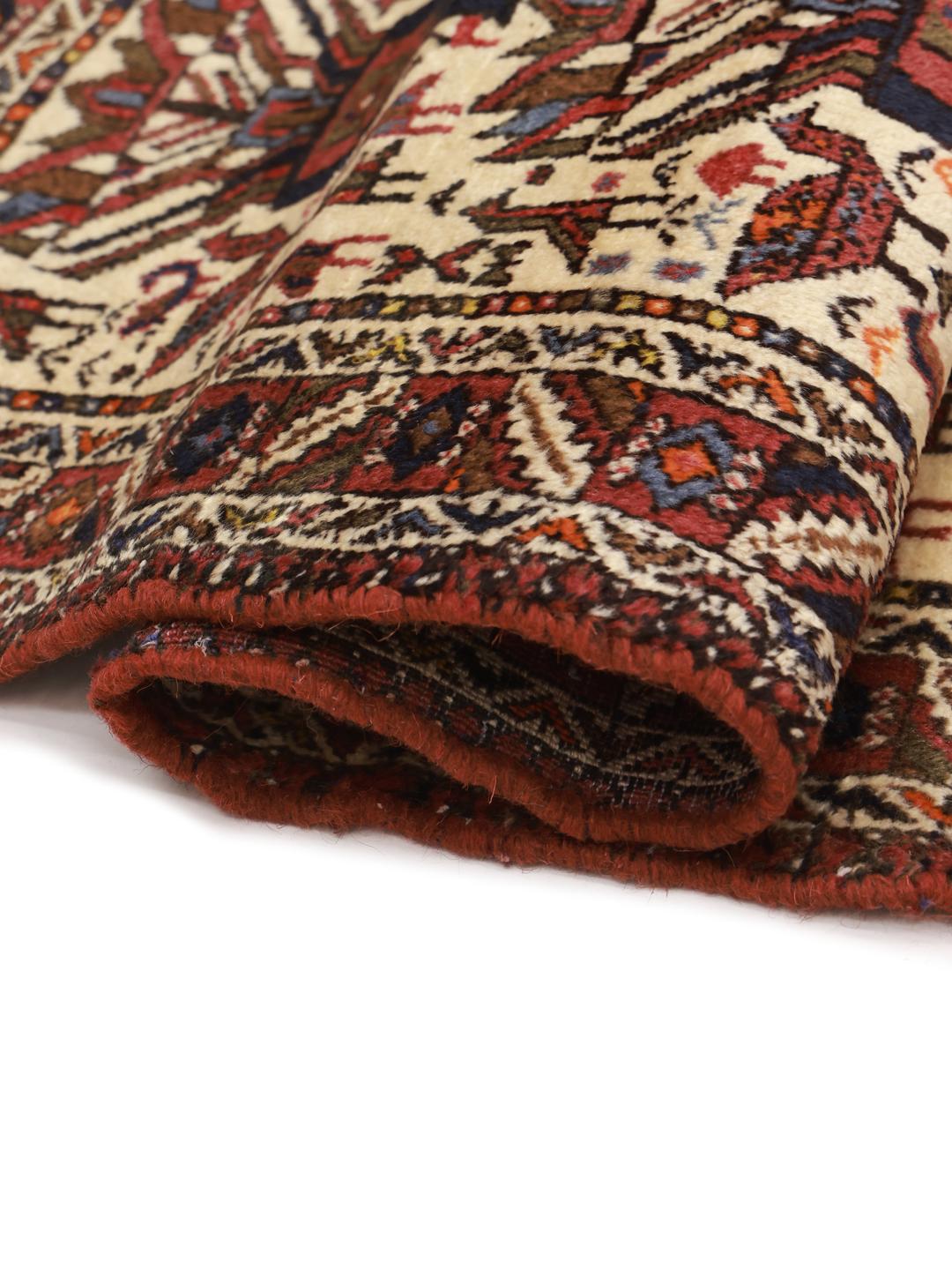
Signature design elements in these rugs often include a mix of geometric shapes and pictorial motifs, such as stylized birds, flowers, or animals. The borders are typically bold and decorative, framing the field with a balanced complexity. In this specific piece, the repeating motifs are arranged with a rhythmic quality that is characteristic of the best tribal weaving, showcasing a masterful use of space and colour that is both traditional and striking.
Owning an Afshar Shahre Babak rug is more than just purchasing a floor covering; it is acquiring a piece of heritage. These rugs are highly valued by collectors for their authenticity and the human effort required to bring them to life. By choosing such a piece, you are supporting a legacy of craft that prioritises quality and artistic expression over mass production, ensuring your home is decorated with items that have real cultural weight.