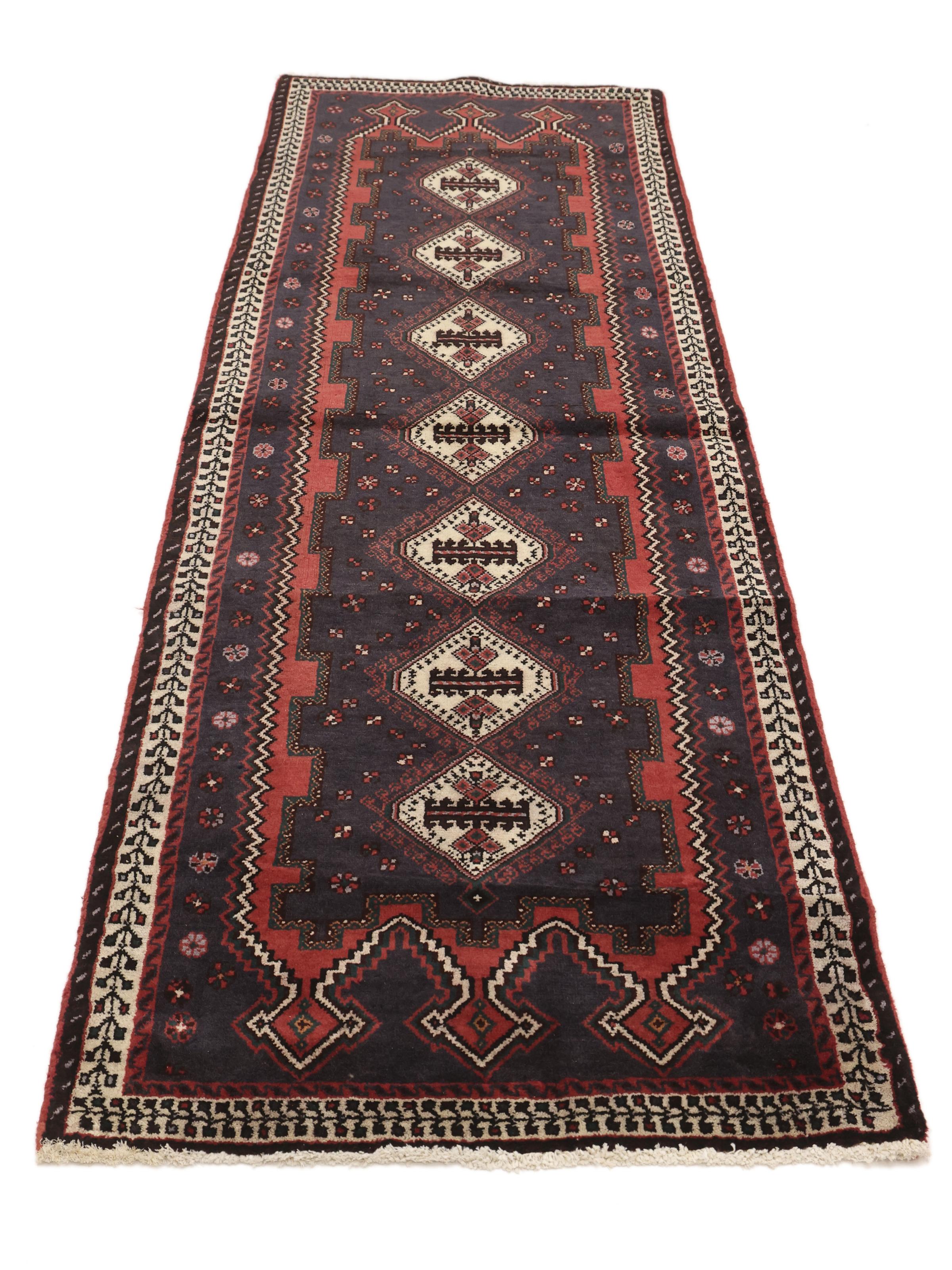
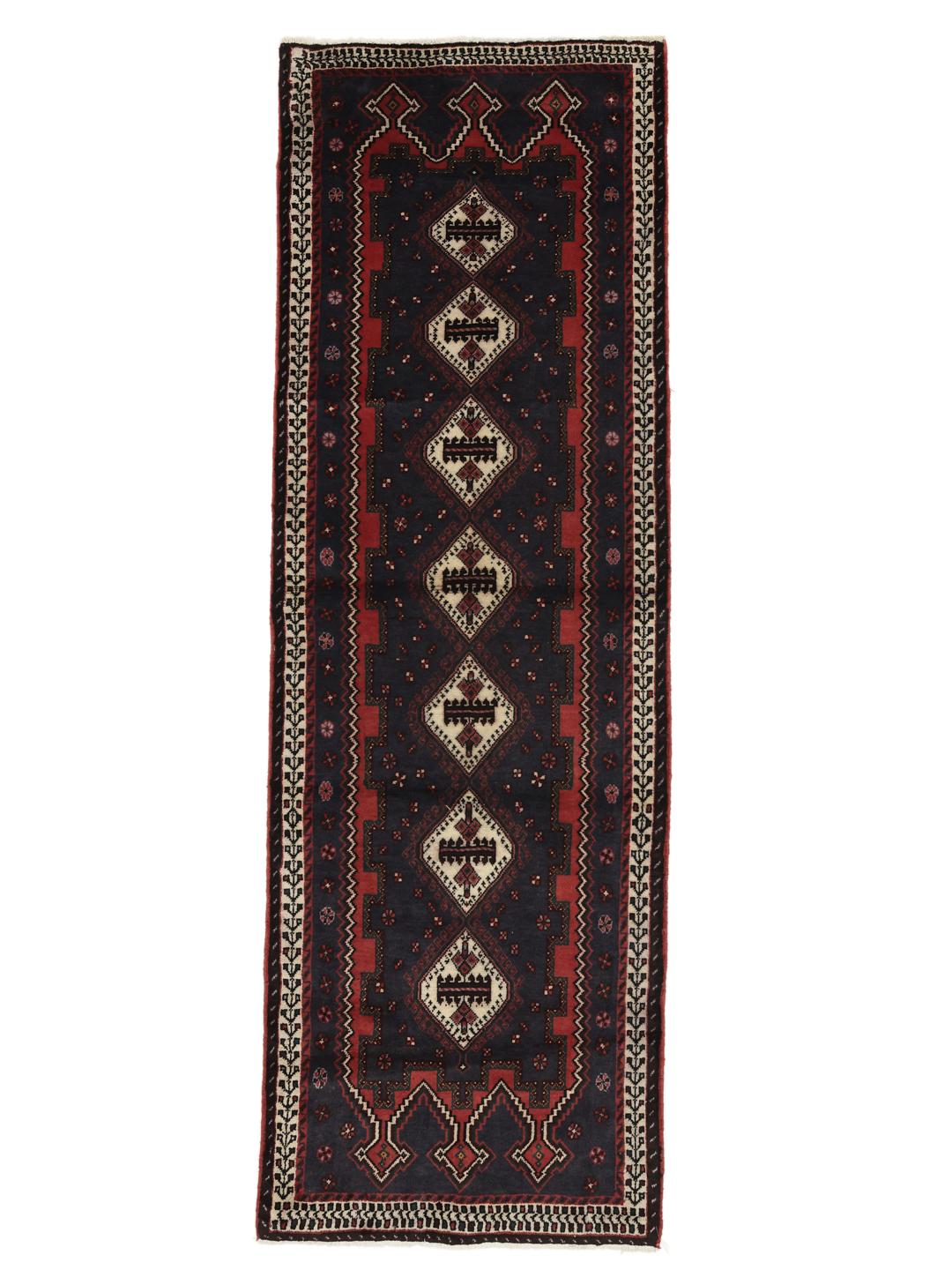
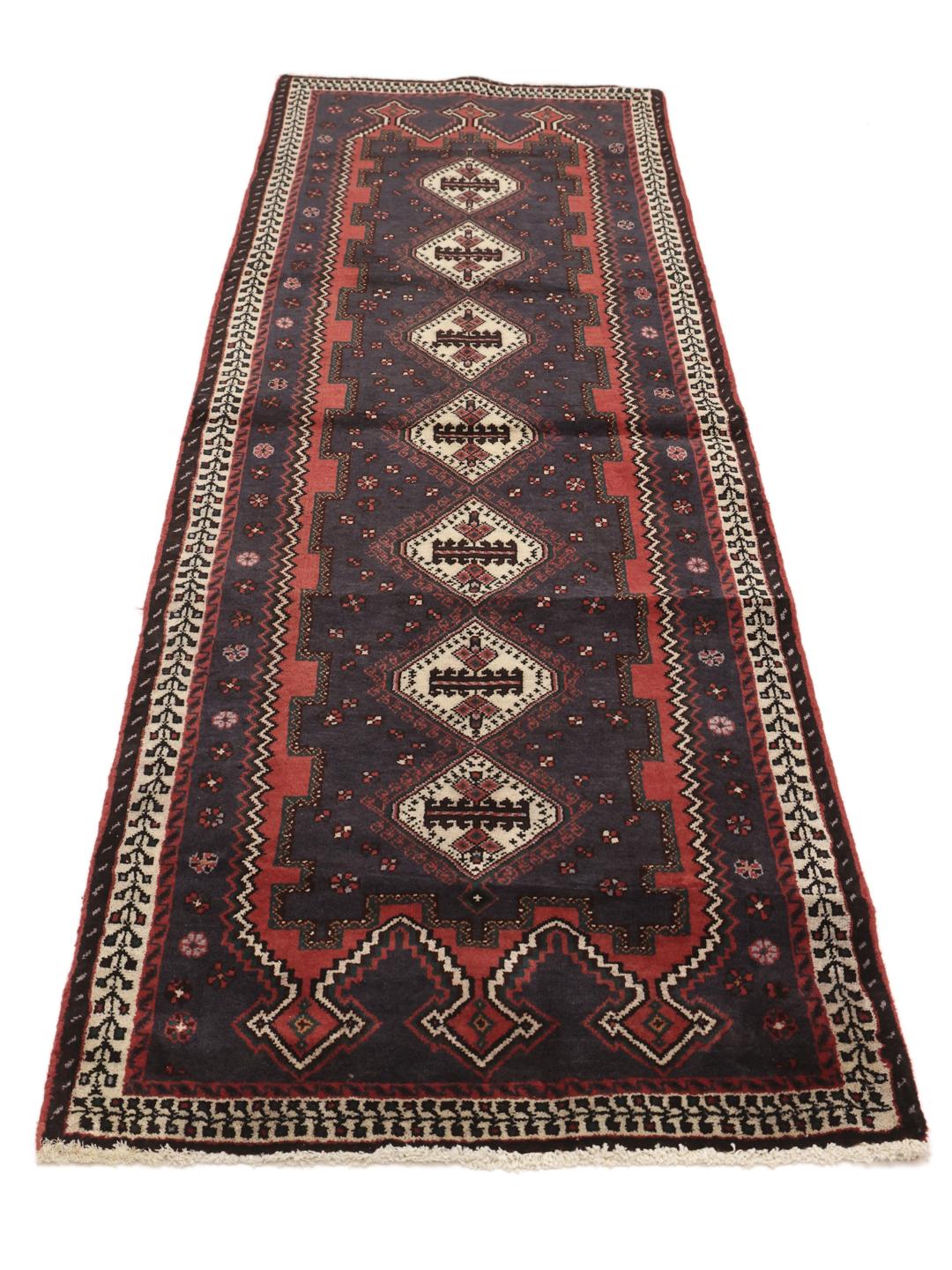
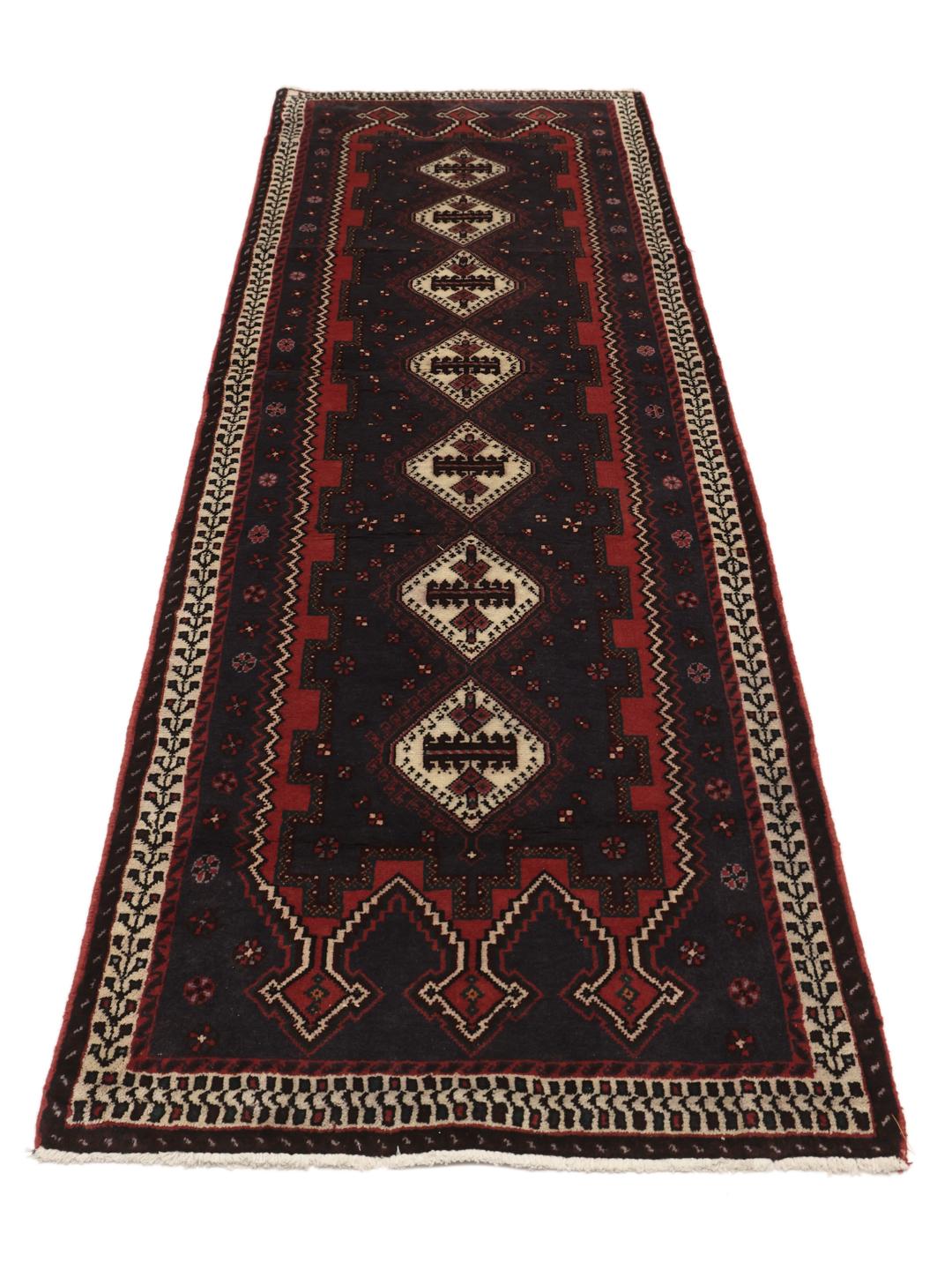
Afshar rugs are traditionally crafted by the Afshar people, a semi-nomadic group whose heritage has long been associated with the southern regions of the Middle East. Over centuries, these weavers have developed a distinct visual language that sets their work apart from other regional styles. Their migration patterns and deep-rooted cultural practices have influenced the development of these rugs, resulting in a tradition that prioritises bold, symbolic geometry.
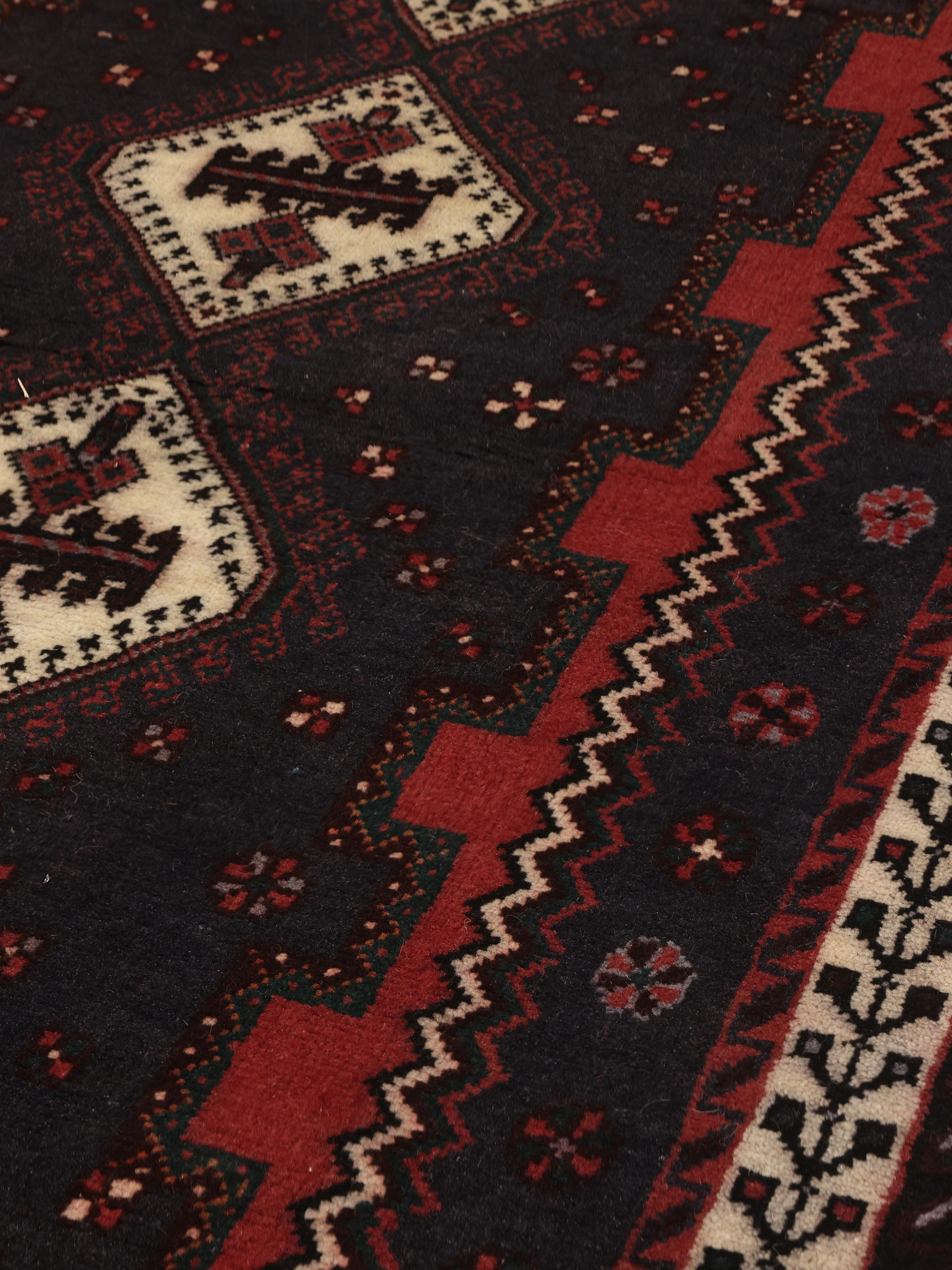
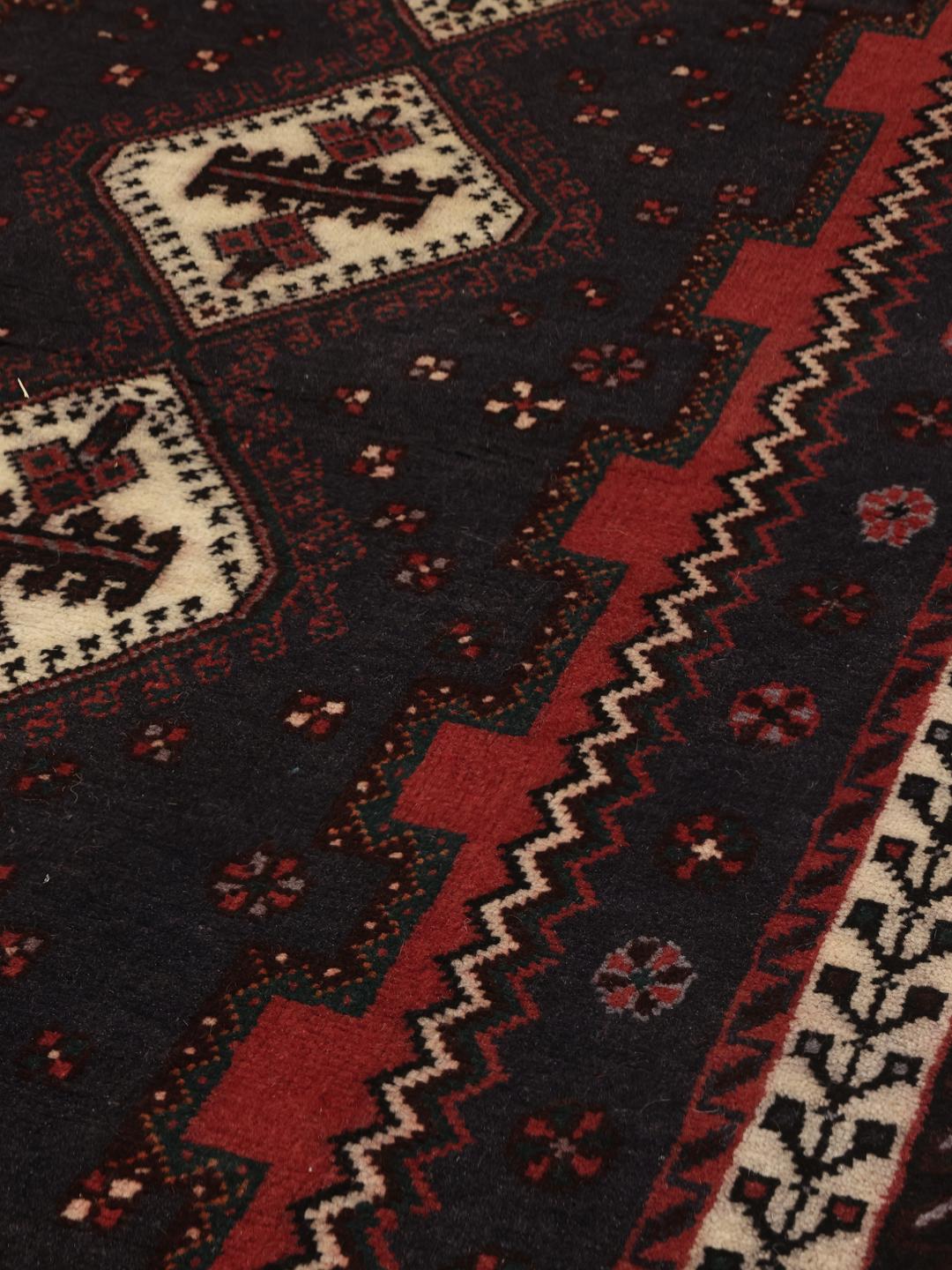
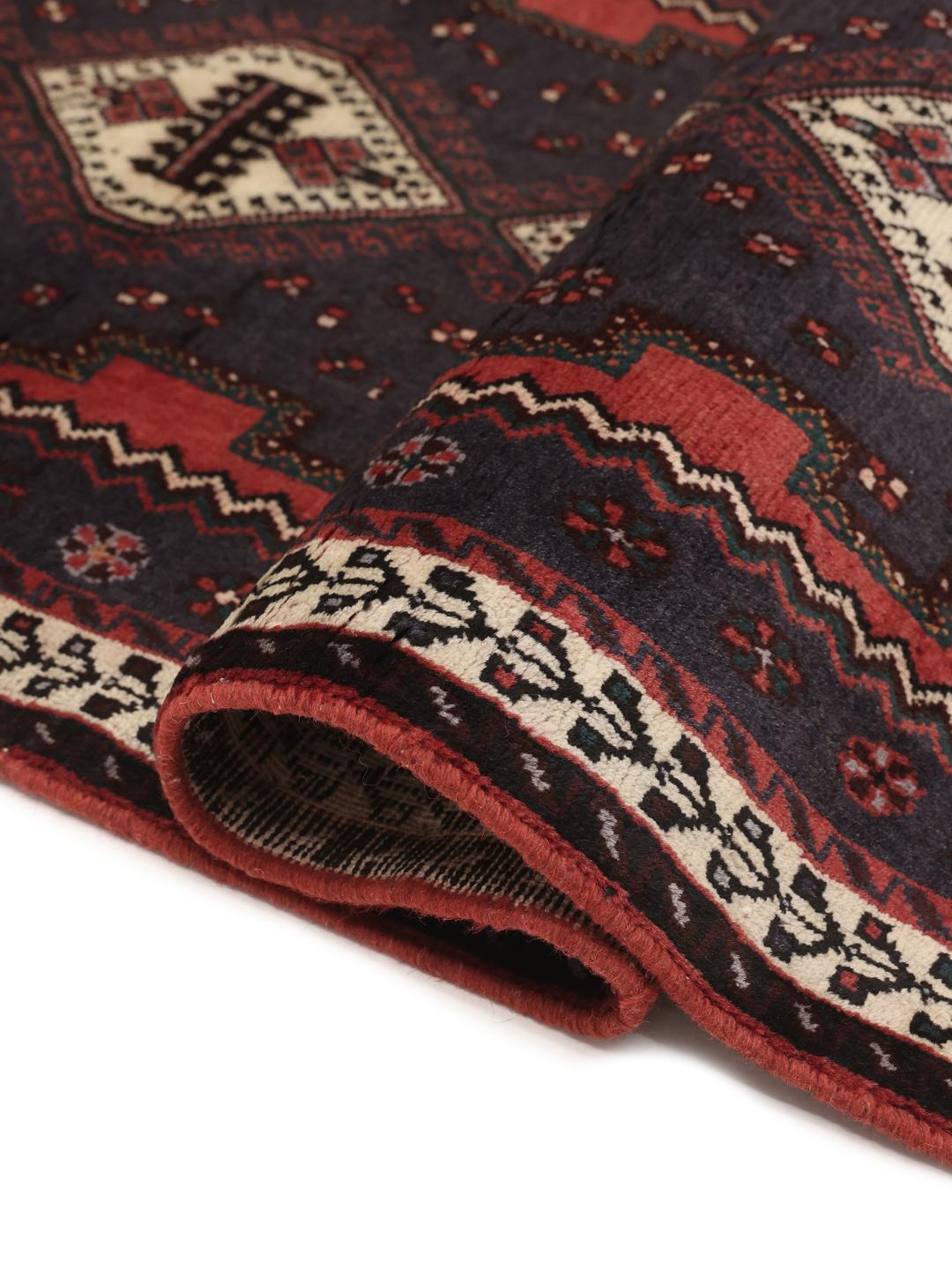
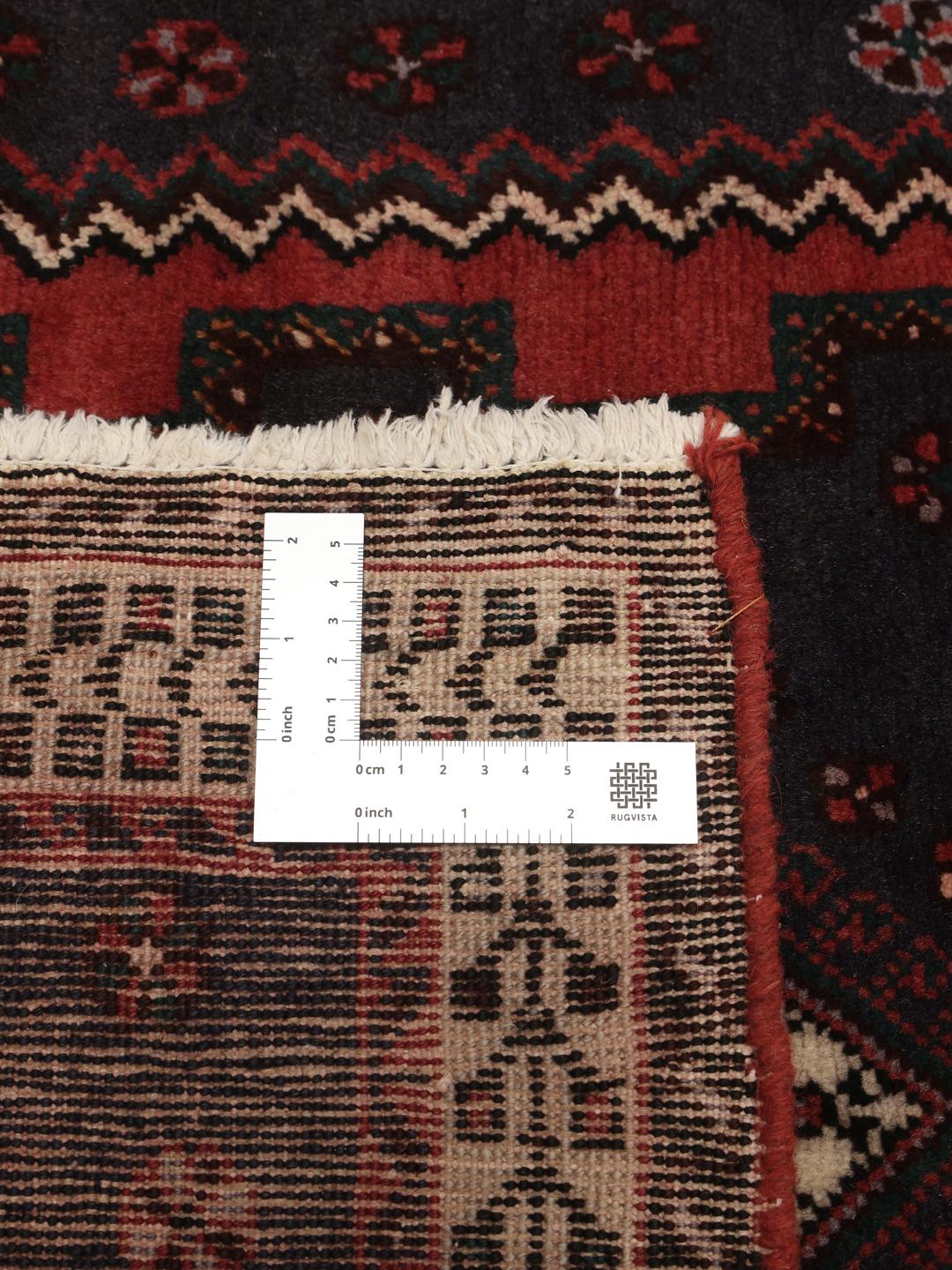
The craft of these rugs relies on a specific approach to knotting that emphasises density and resilience. The term 'hand-knotted' refers to the technique where each pile yarn is individually tied around the foundation threads. This creates a secure, long-lasting structure that allows for intricate pattern work and ensures the rug stays flat and firm on the floor. It is this technical precision that gives these pieces their legendary durability.
Visually, Afshar rugs are defined by their preference for geometric medallions and stylised floral motifs. Unlike more fluid, curvilinear designs, these rugs often feature sharp, angular shapes like diamonds or stepped polygons. The borders are typically filled with complex geometric guards that frame the central field. It is common to see a deep, dark field contrasted with vibrant accent colours, which makes the central motifs appear to pop with extra clarity.
These rugs are highly sought after by those who value the intersection of tribal heritage and artistic skill. Owning an Afshar piece is an act of preserving a dying art form, as the specific motifs and colour palettes are often passed down through generations of weavers. The rug acts as a historical document, capturing the aesthetic values and technical prowess of a culture that has maintained its unique identity through centuries of change.