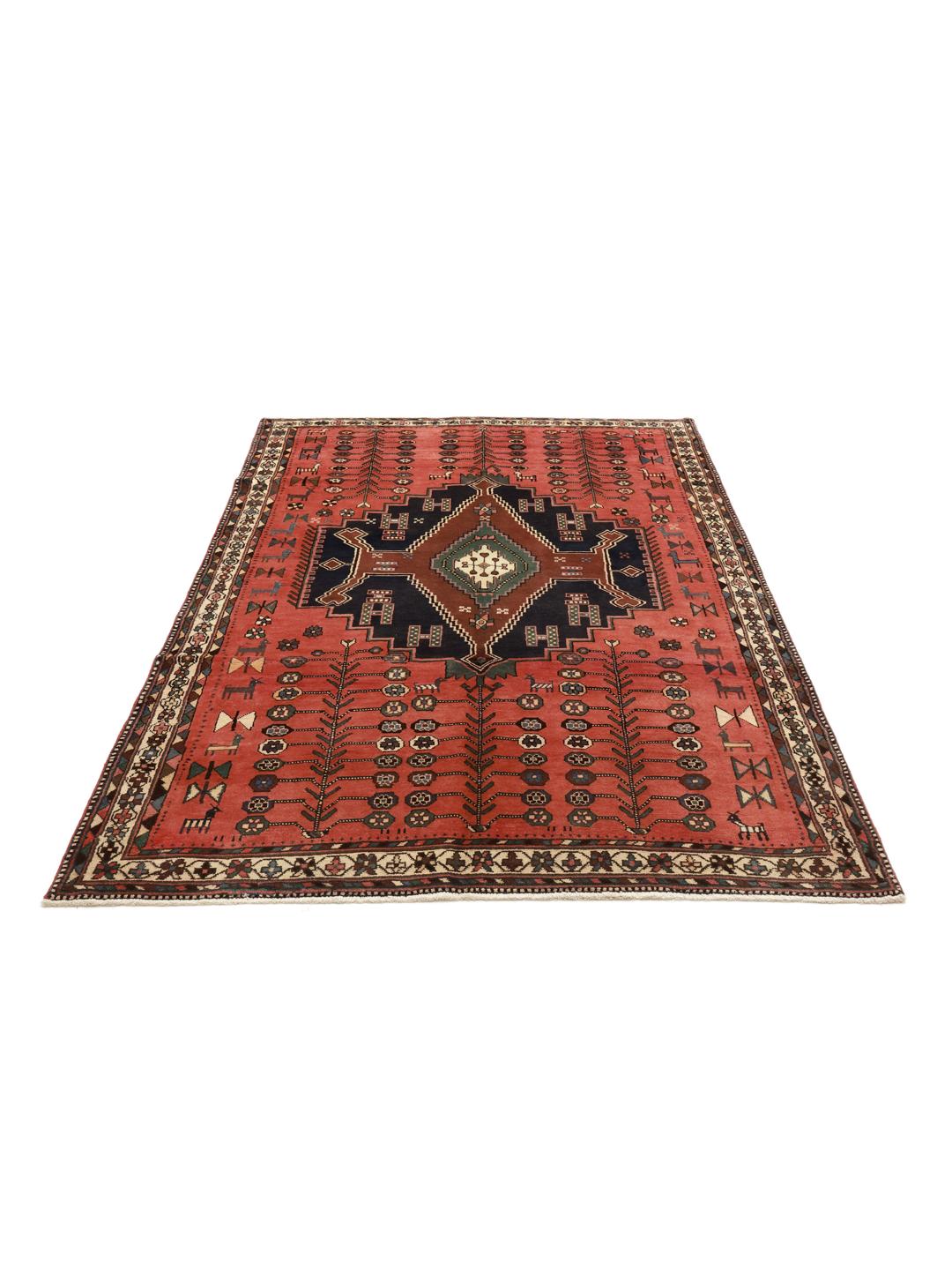
Afshar rugs originate from the nomadic and semi-nomadic Afshar tribes of the Middle Eastern region. Historically, these tribes were known for their resilience and movement, which is reflected in the bold, geometric, and often dramatic aesthetics of their weaving traditions. These rugs are highly regarded for their ability to blend rustic tribal energy with a sophisticated sense of design balance.
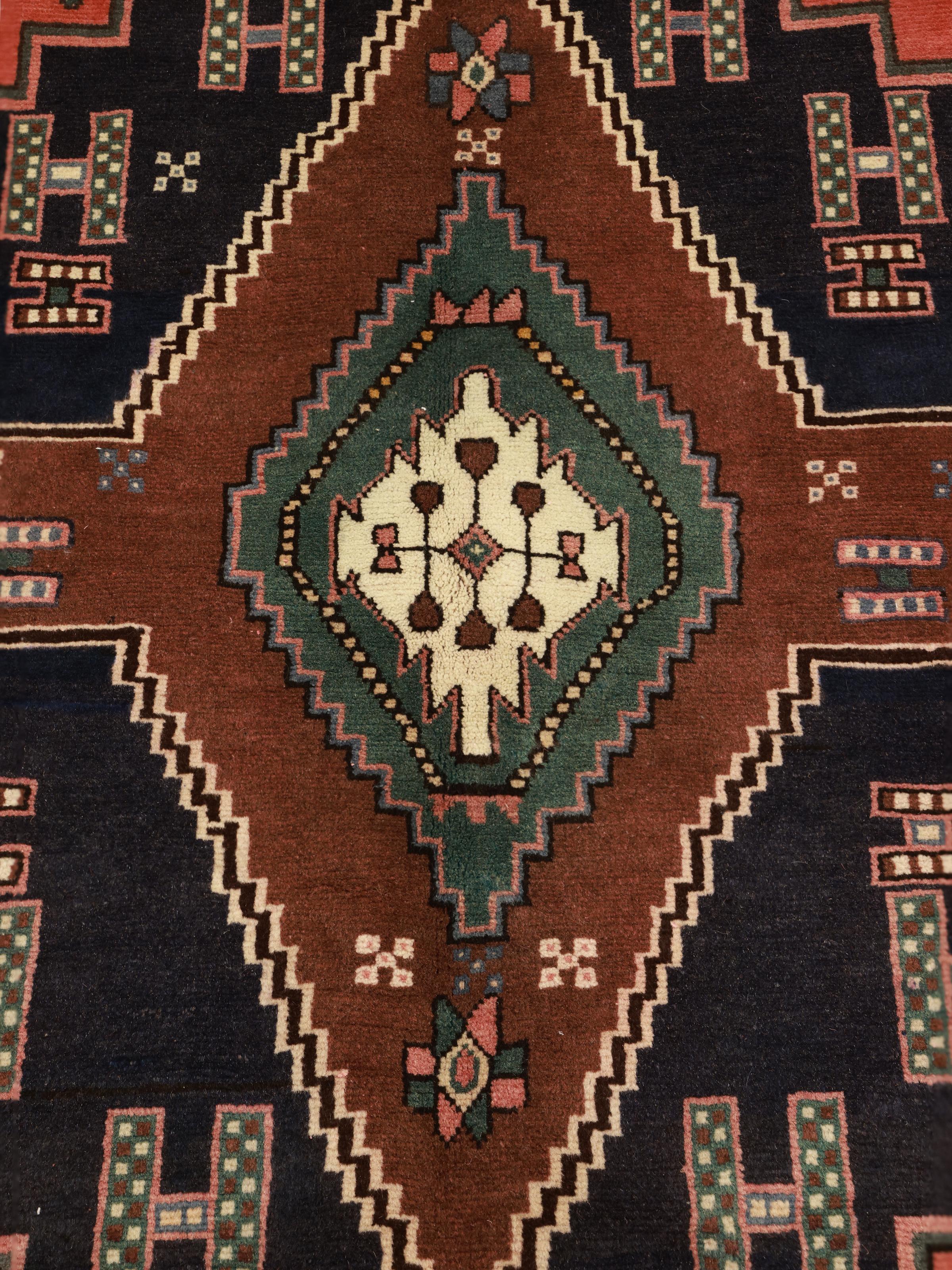
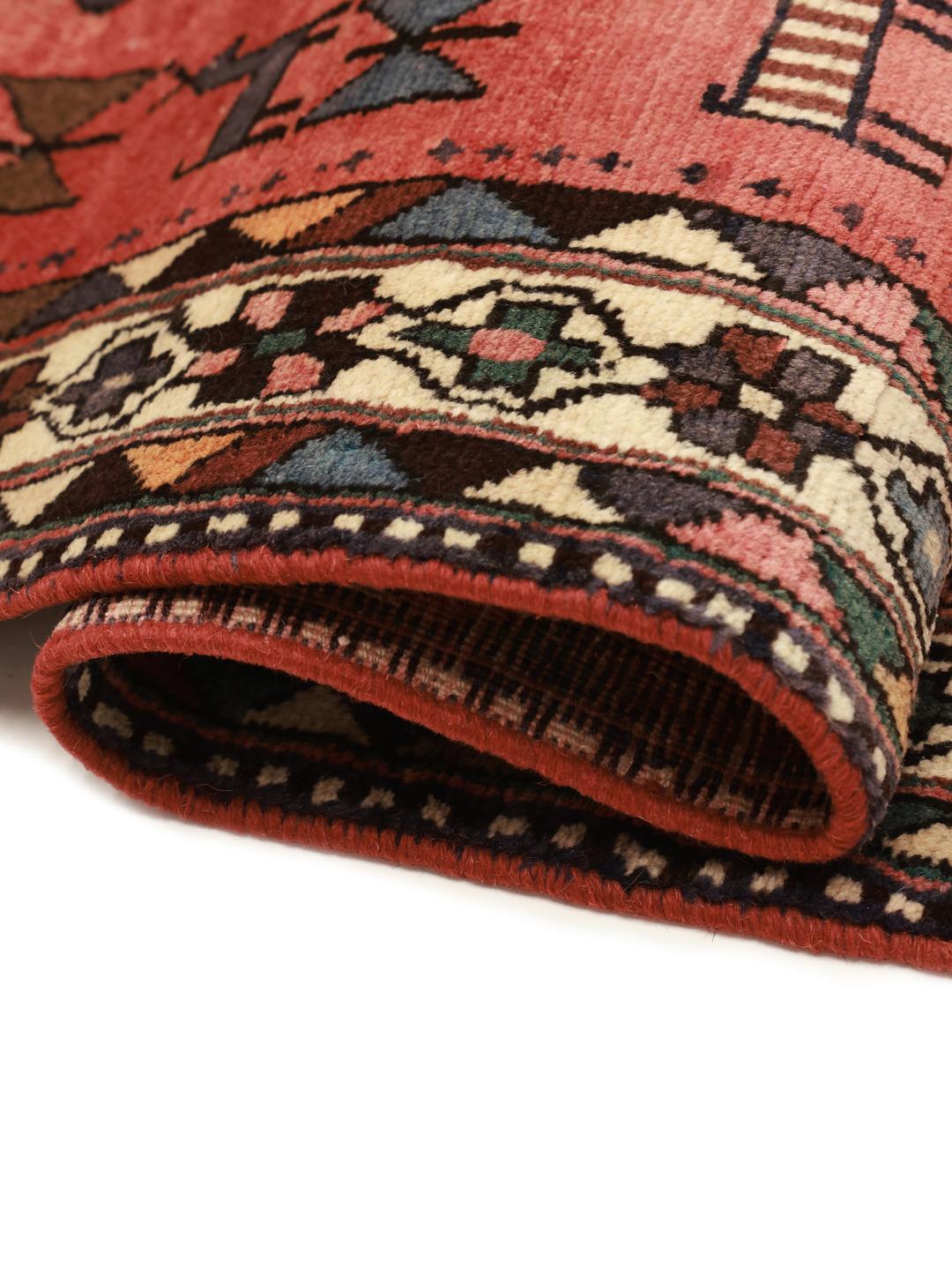
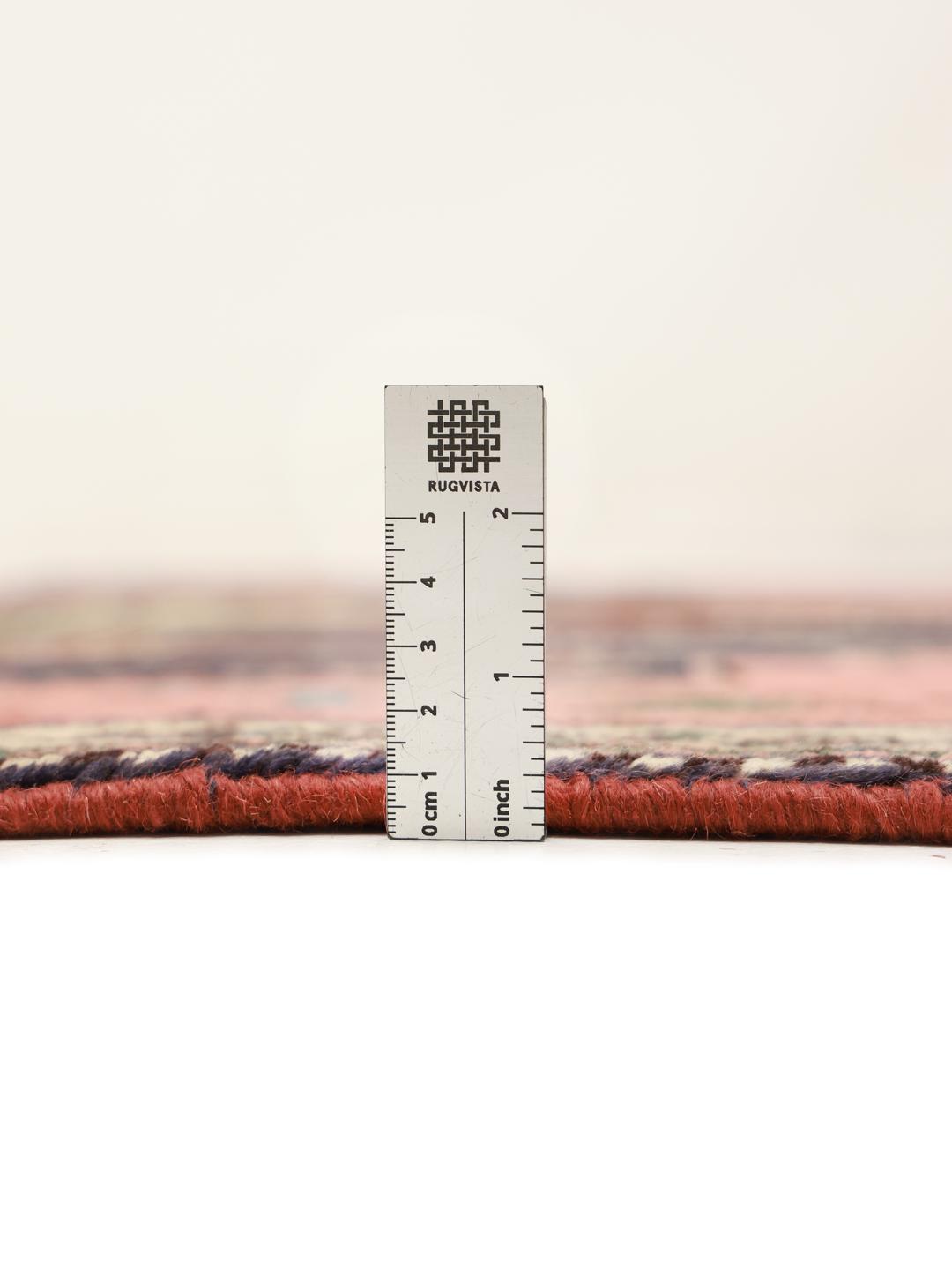
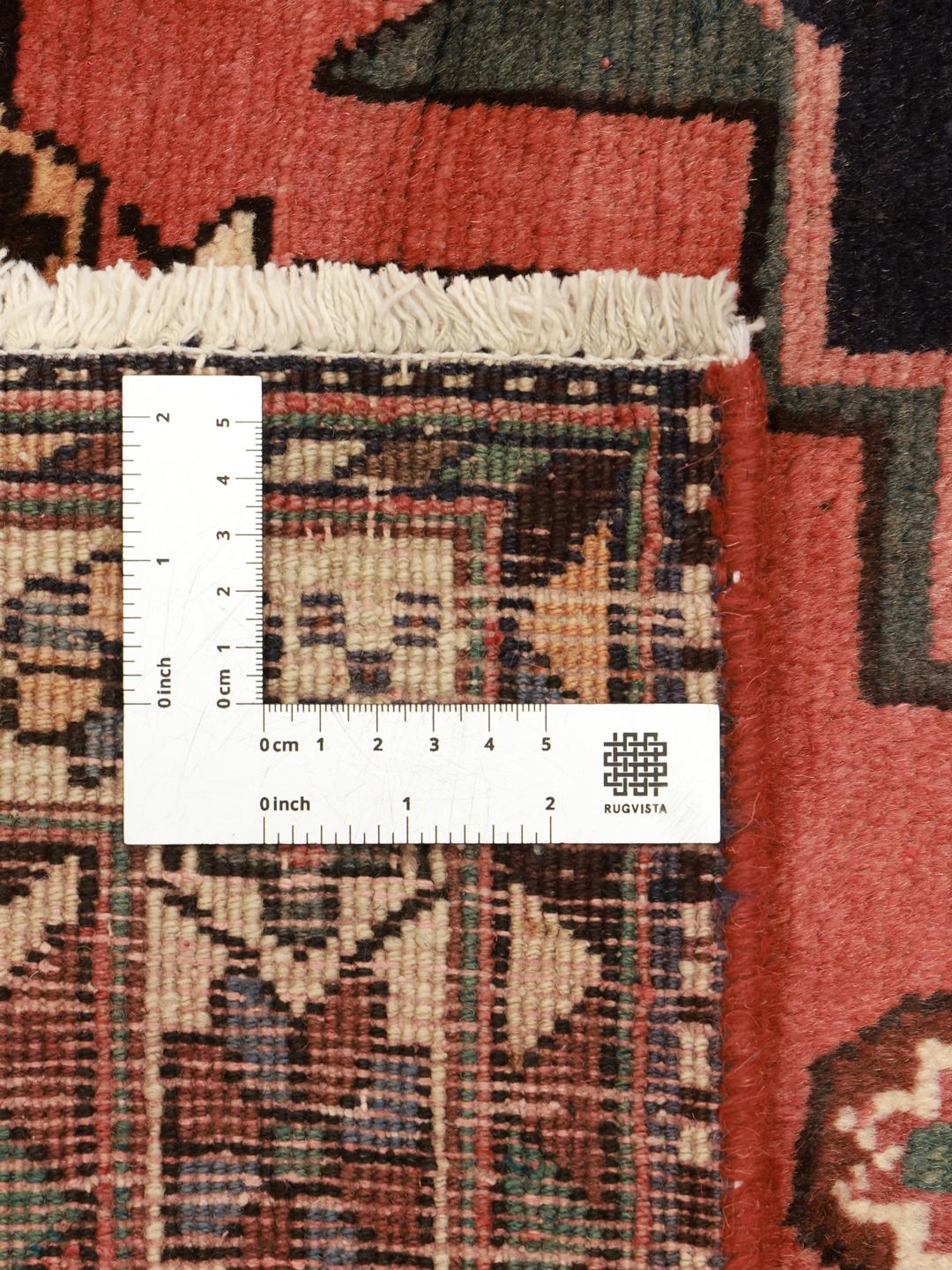
The term 'hand-knotted' refers to the traditional method of looping strands of wool around the foundation threads, a technique that has been passed down through generations. This process creates a robust, long-lasting structure that protects the rug from heavy wear. The density of the knots is a primary indicator of quality, as it allows for sharper, more intricate patterns and a more durable, lush pile that ages gracefully over time.
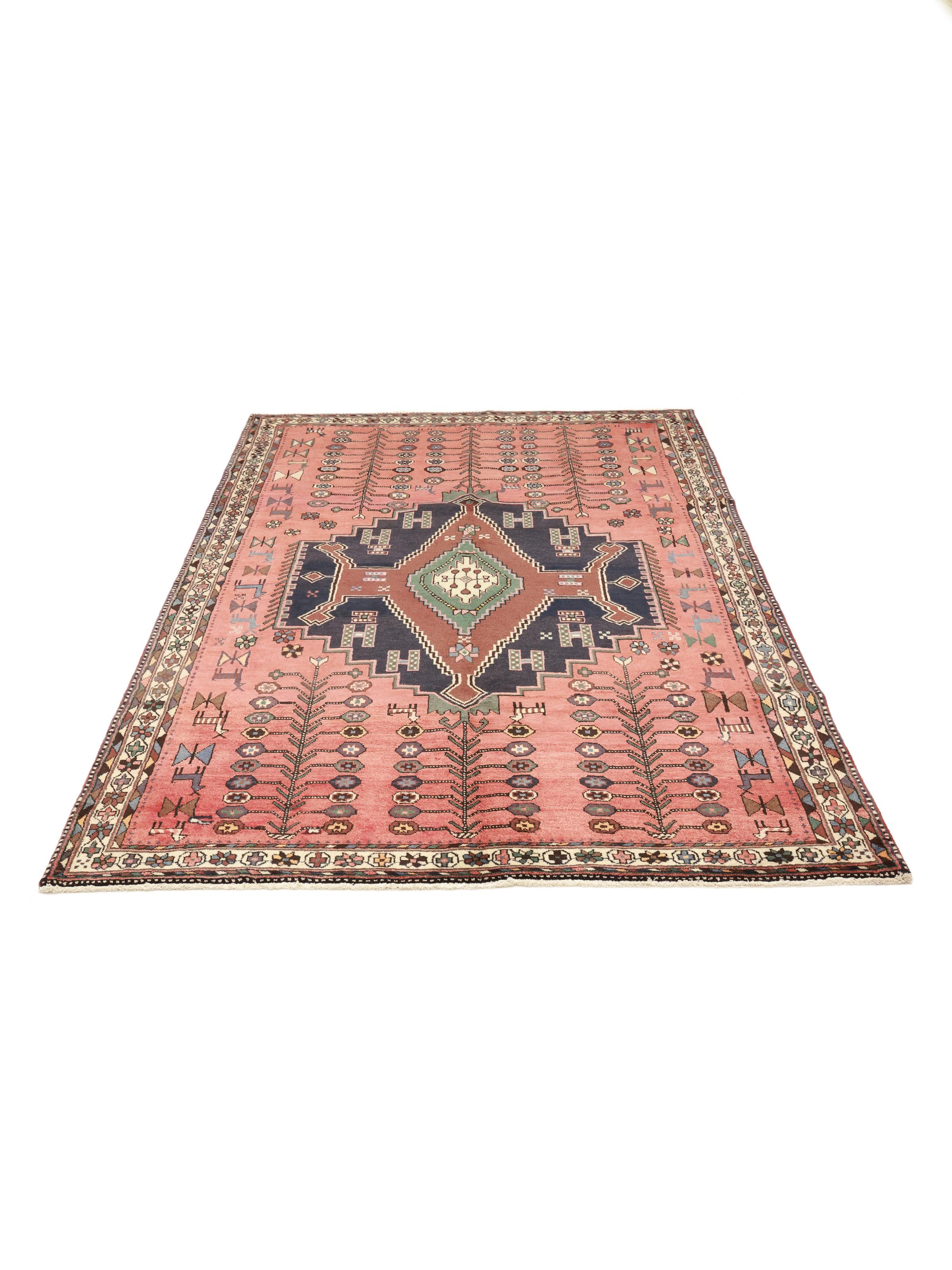
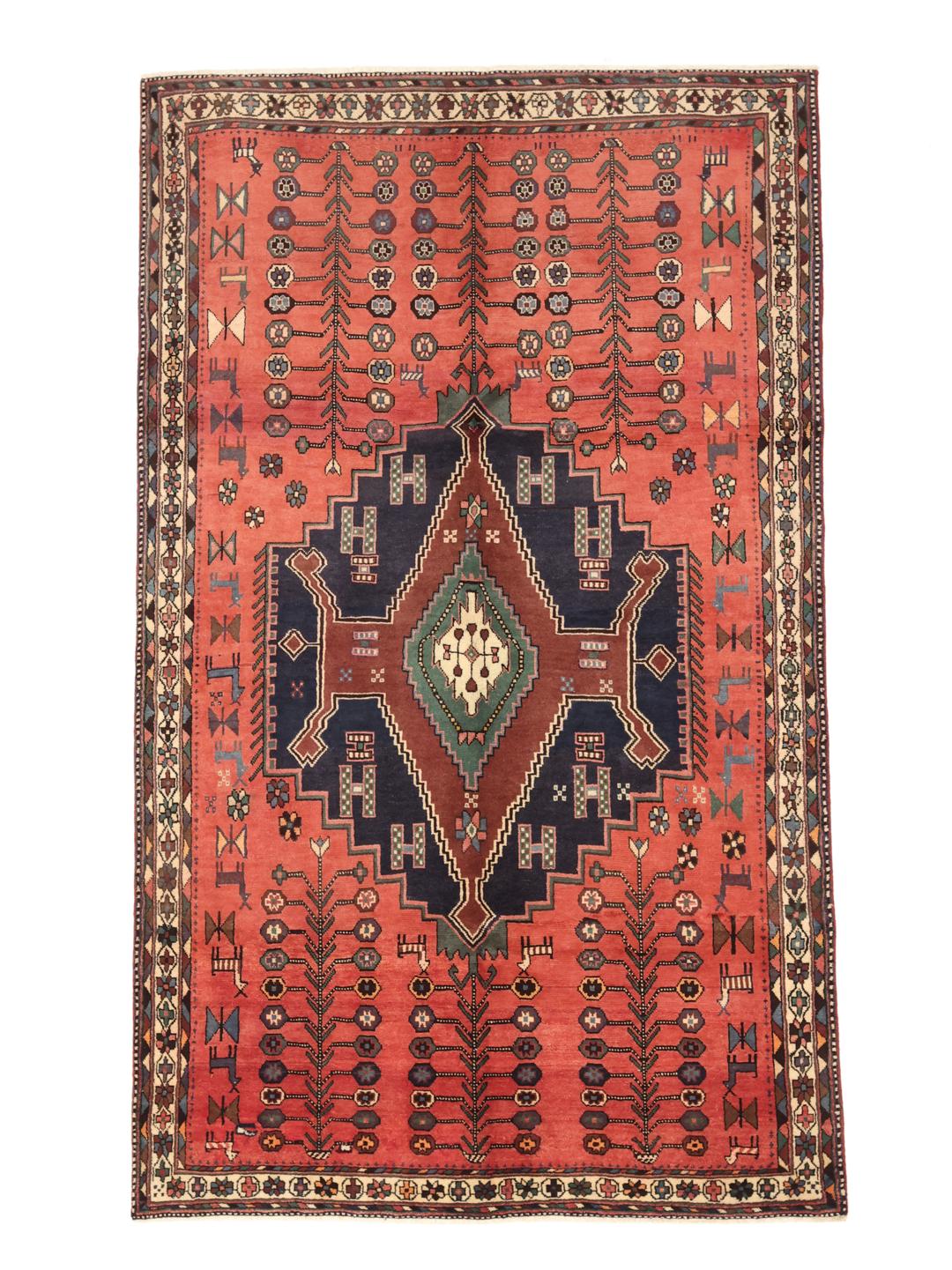
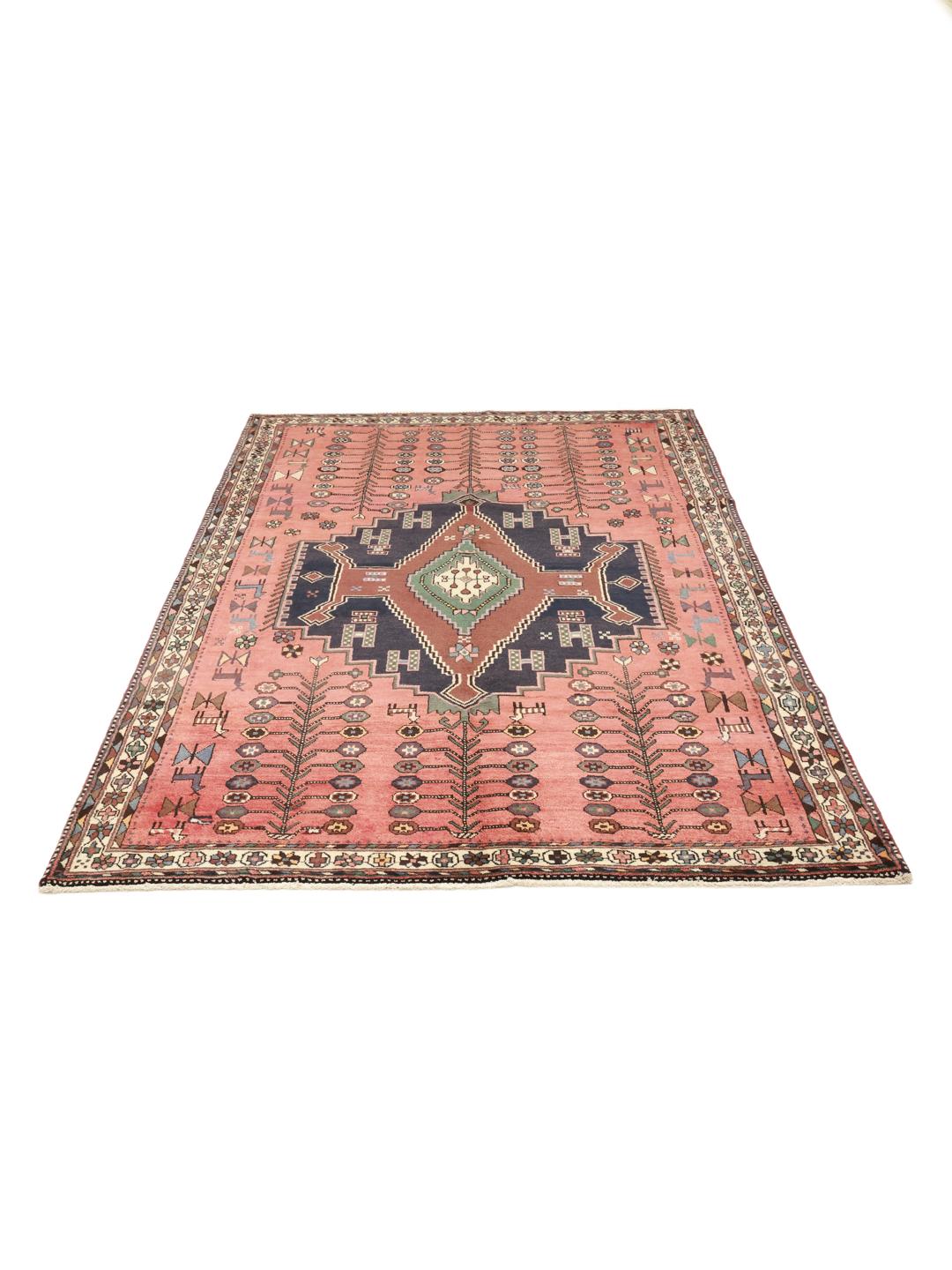
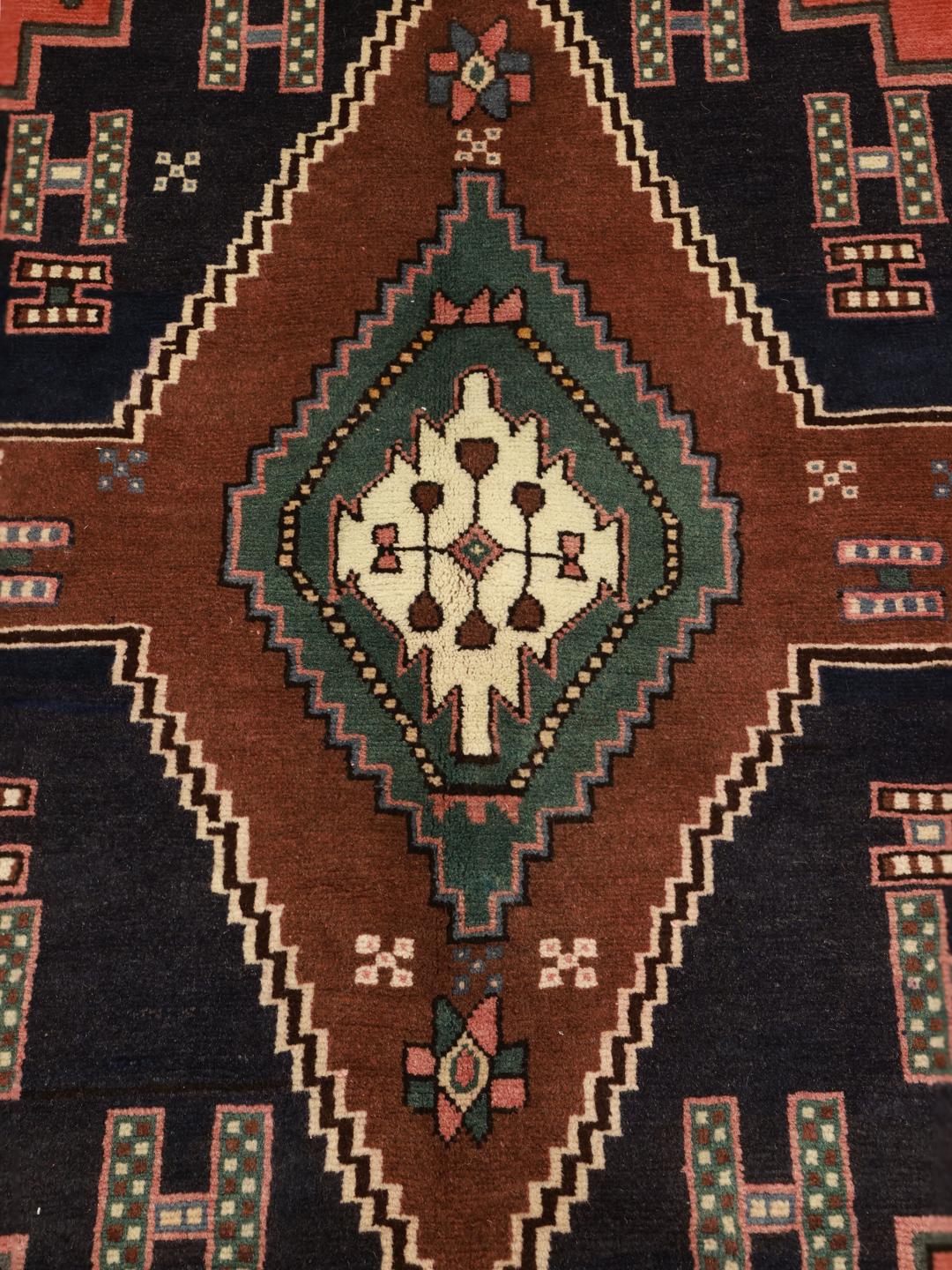
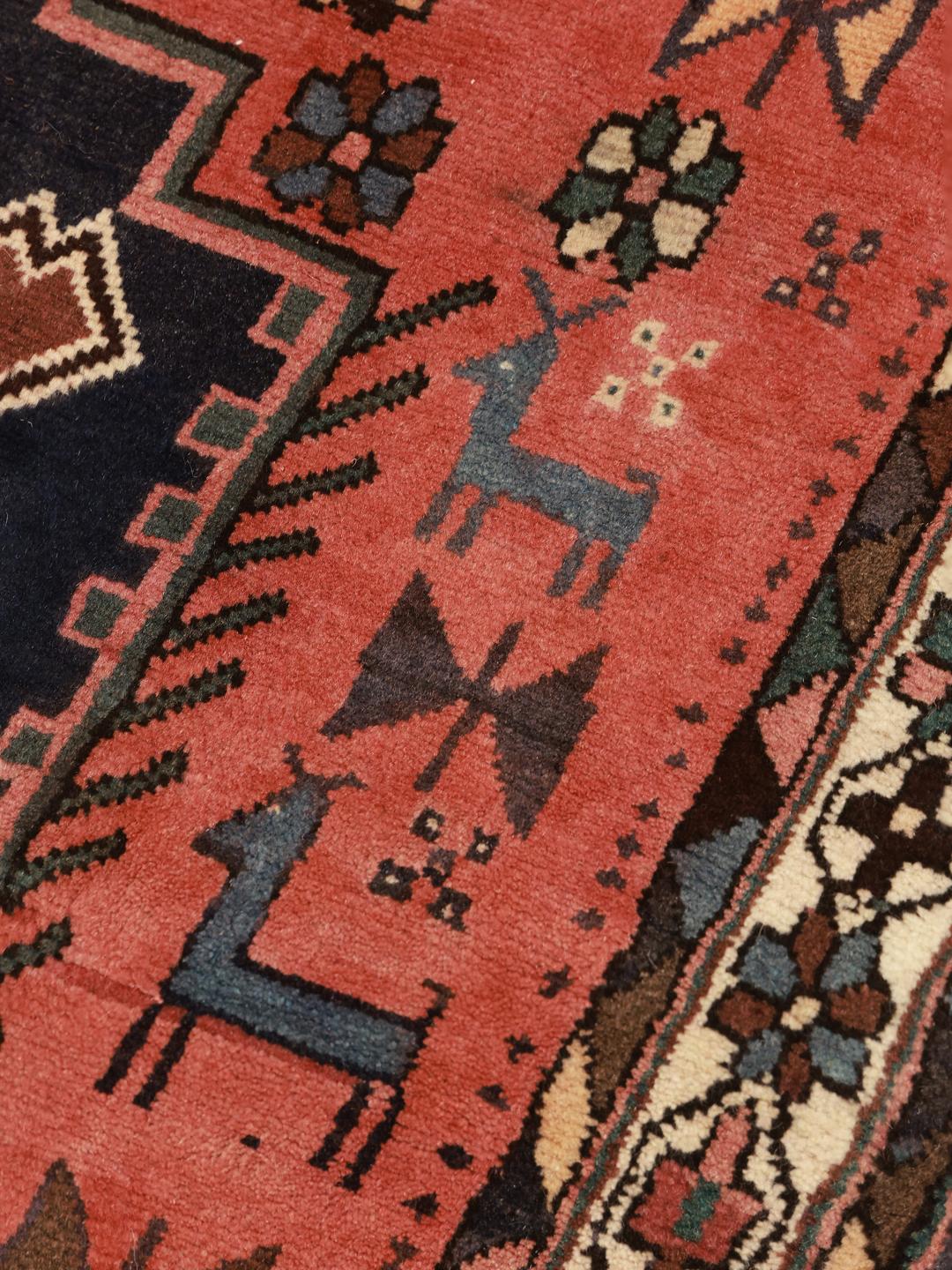
Signature design elements of Afshar rugs often include large, central diamond-shaped medallions, as seen here, surrounded by stylized floral or tribal motifs. The borders are frequently complex, framed by multiple guards that frame the central field perfectly. The use of deep reds, blues, and earthy tones is a hallmark of the style, grounding the design in the natural dyes historically derived from the region's native plants and minerals.
Owning an Afshar rug is an act of preserving a cultural legacy. These pieces are more than just floor coverings; they are historical documents that carry the stylistic markers of the tribe that produced them. Collectors value these rugs for their authenticity, the skill required to maintain such complex symmetry by hand, and the vibrant, storytelling nature of their patterns.