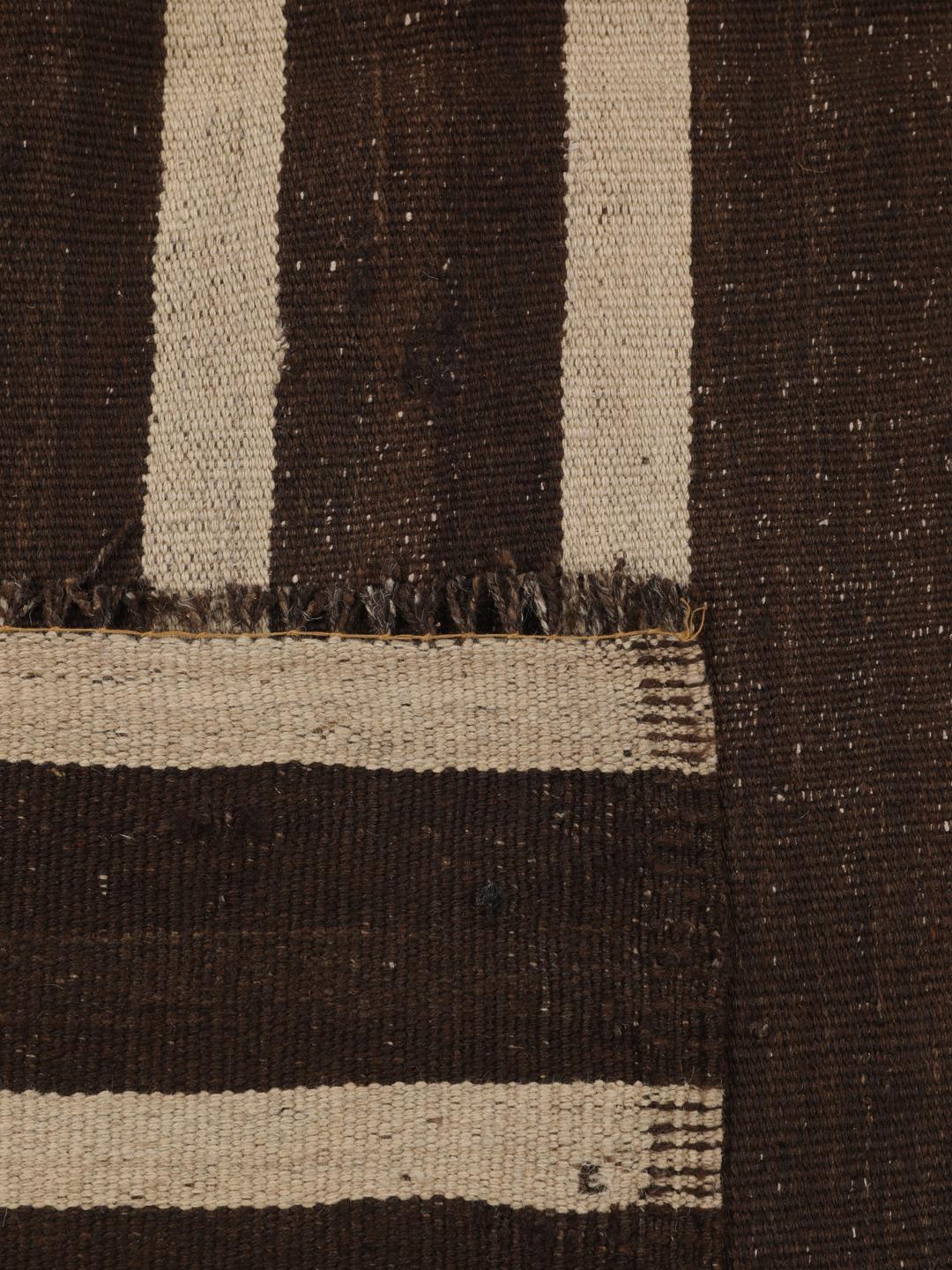
The tradition of kelim weaving is deeply rooted in the history of the Middle East and Central Asia. These rugs, known for their flat-weave construction, were originally created by nomadic tribes as functional, portable floor coverings, storage sacks, and wall hangings. The Afghan tradition, in particular, is celebrated for its robust Wool and earthy tones, which reflect the rugged landscapes and rich cultural heritage of the region.
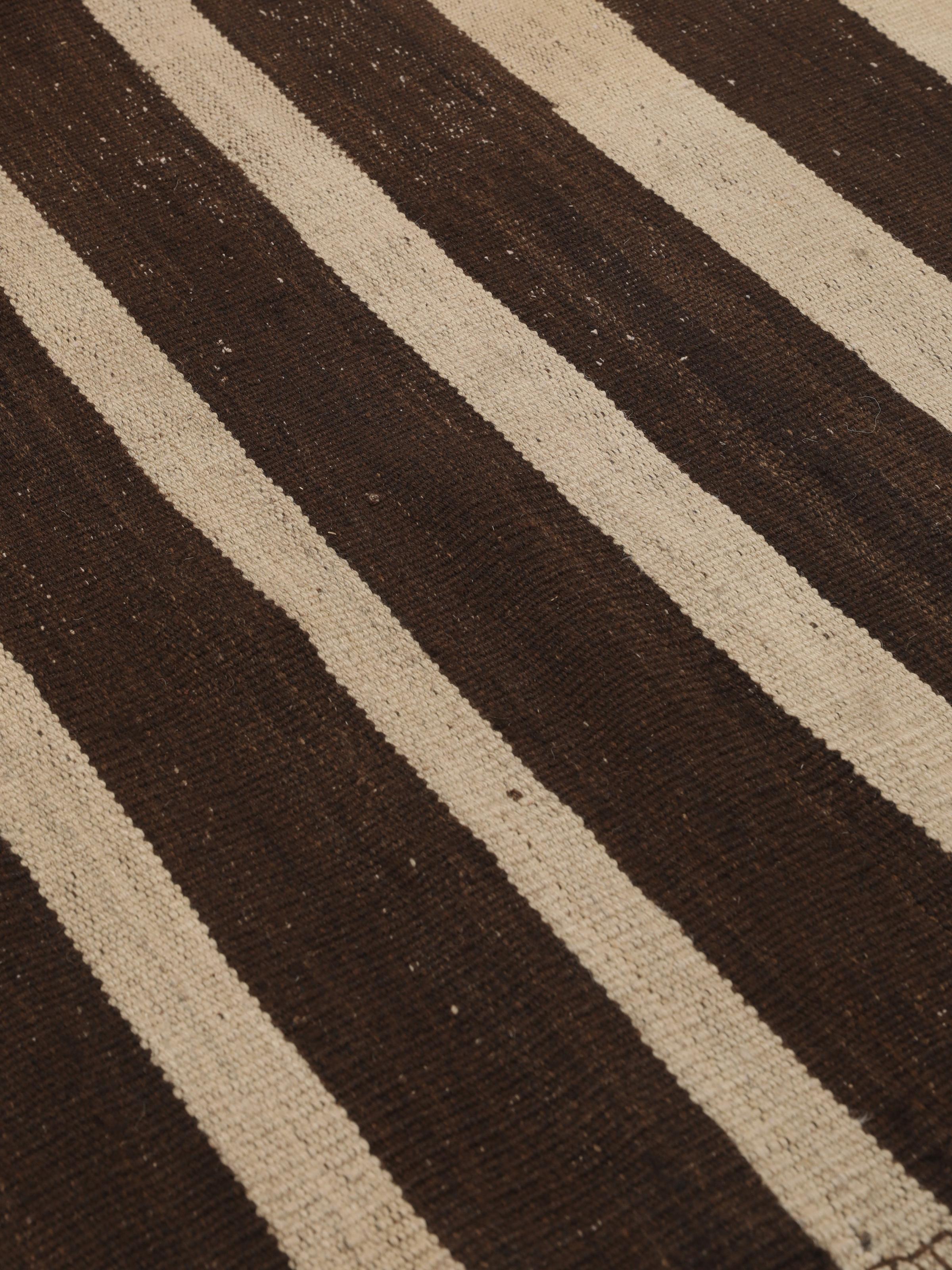
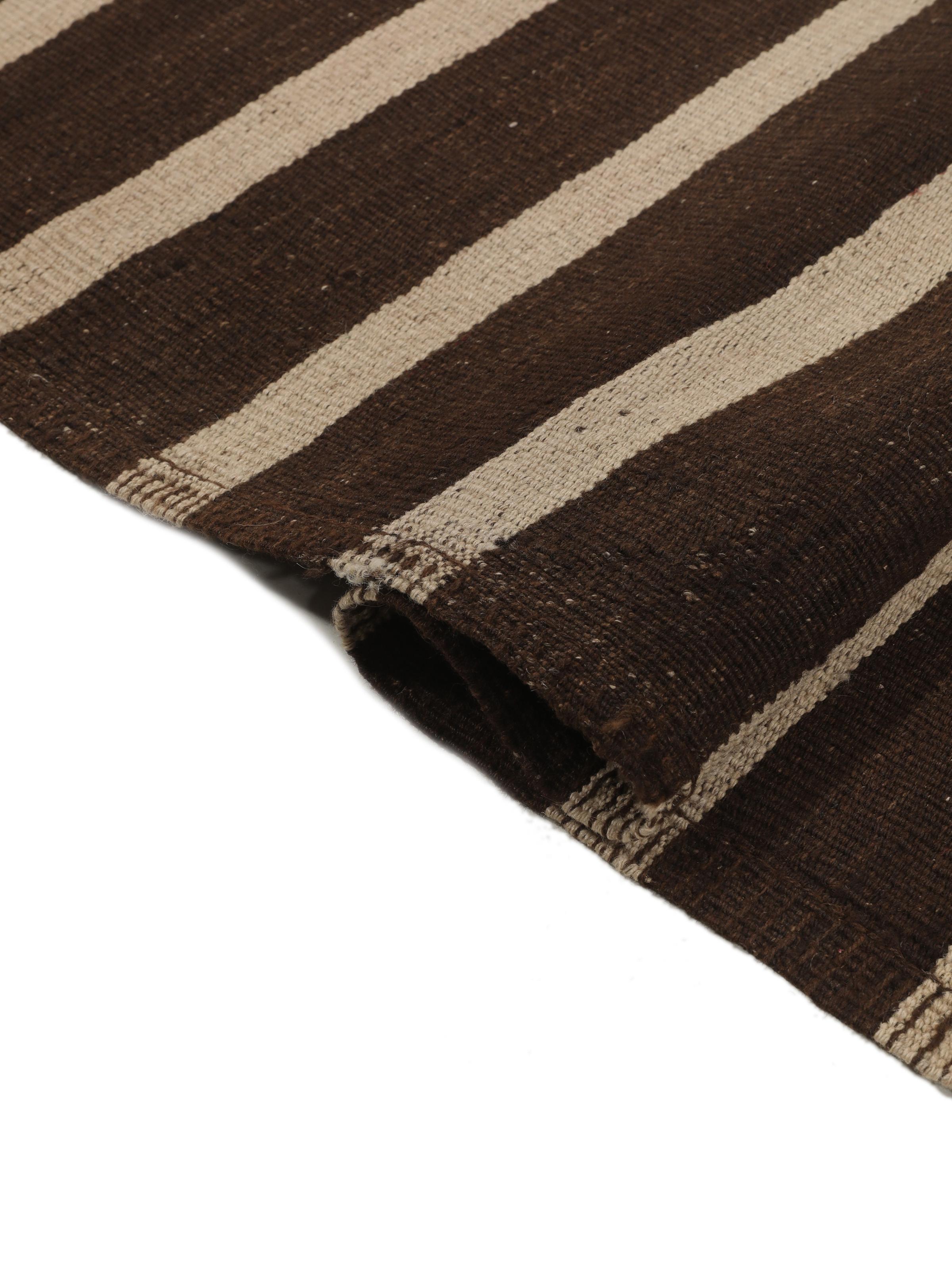
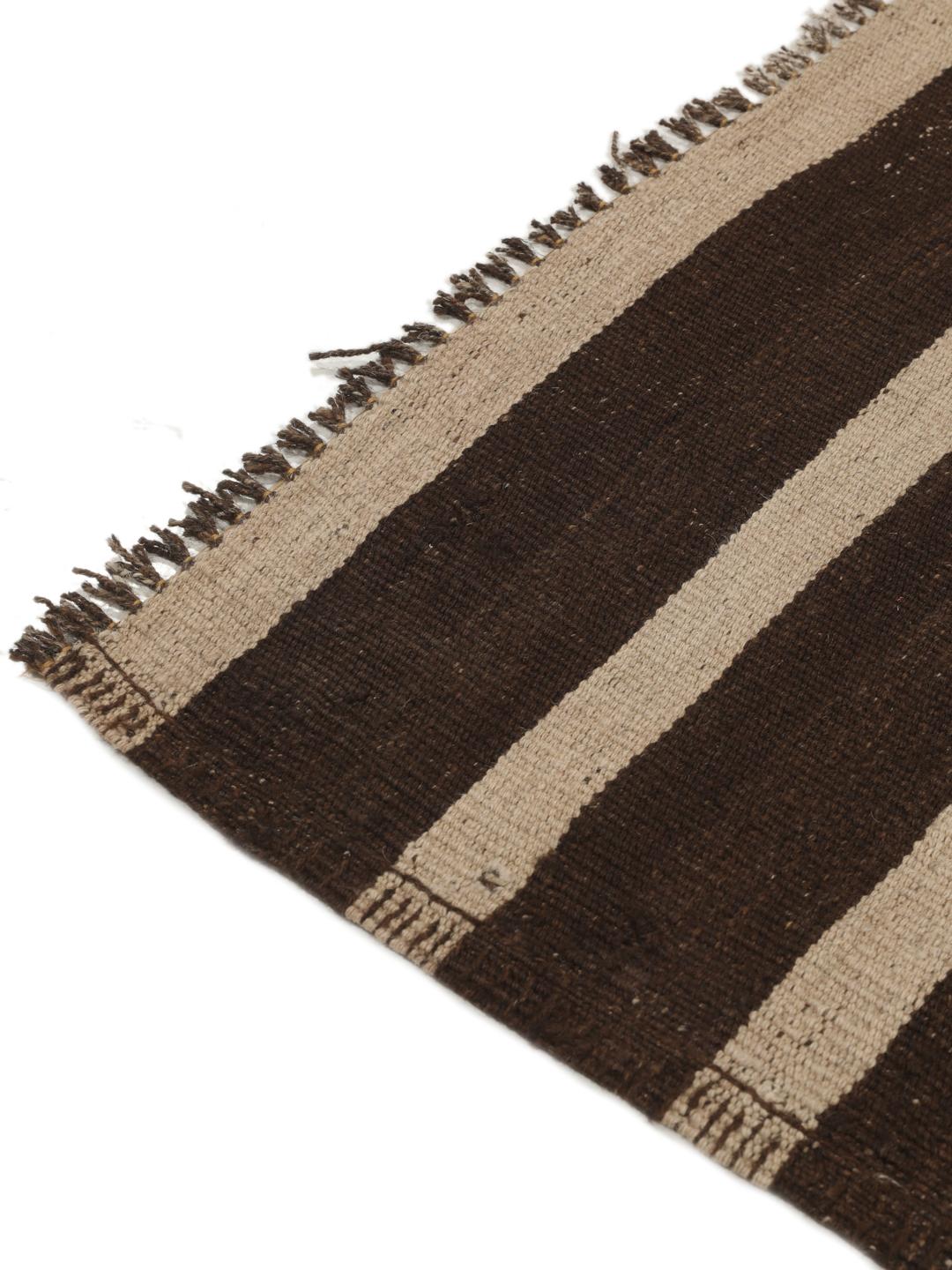
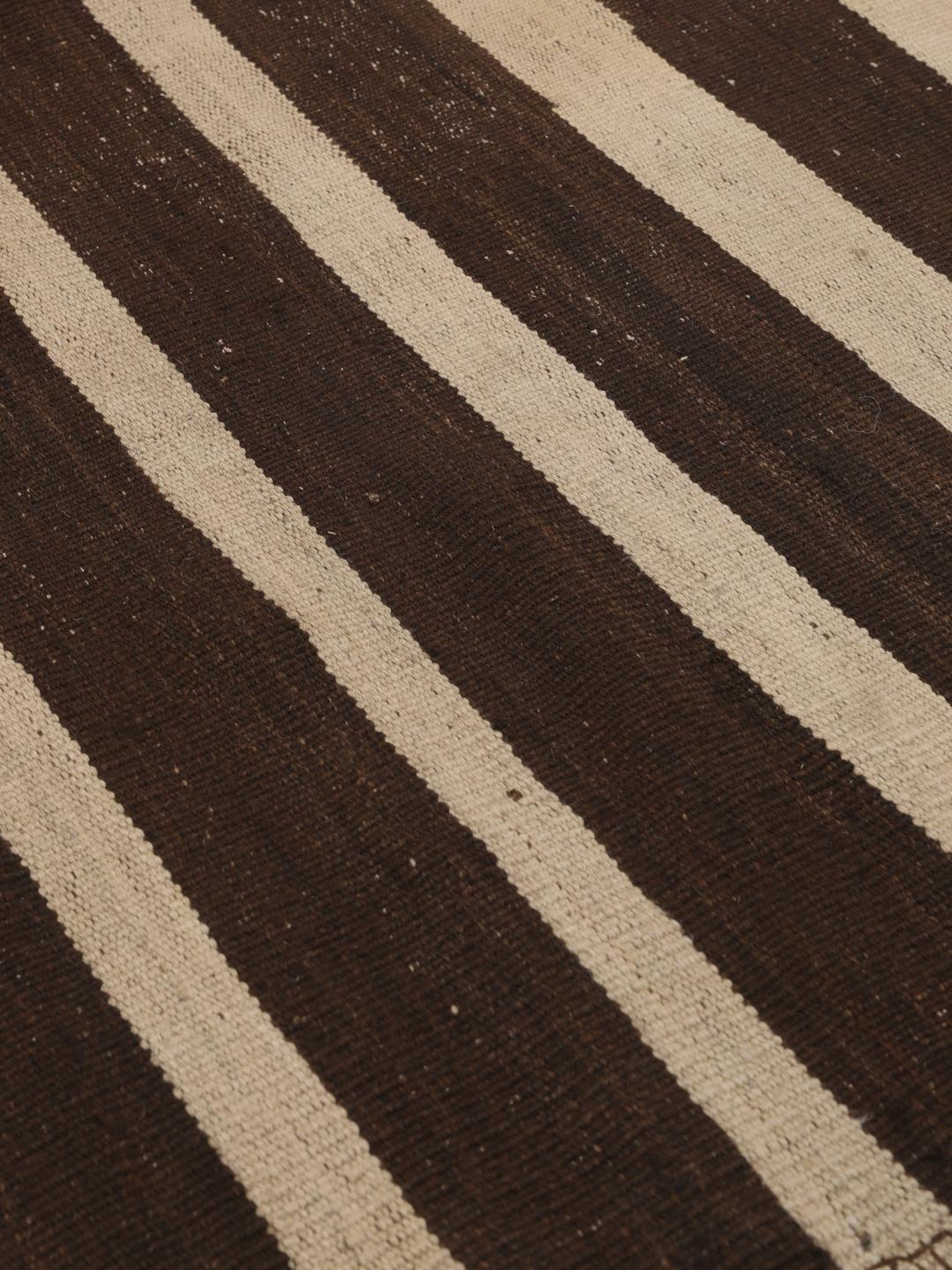
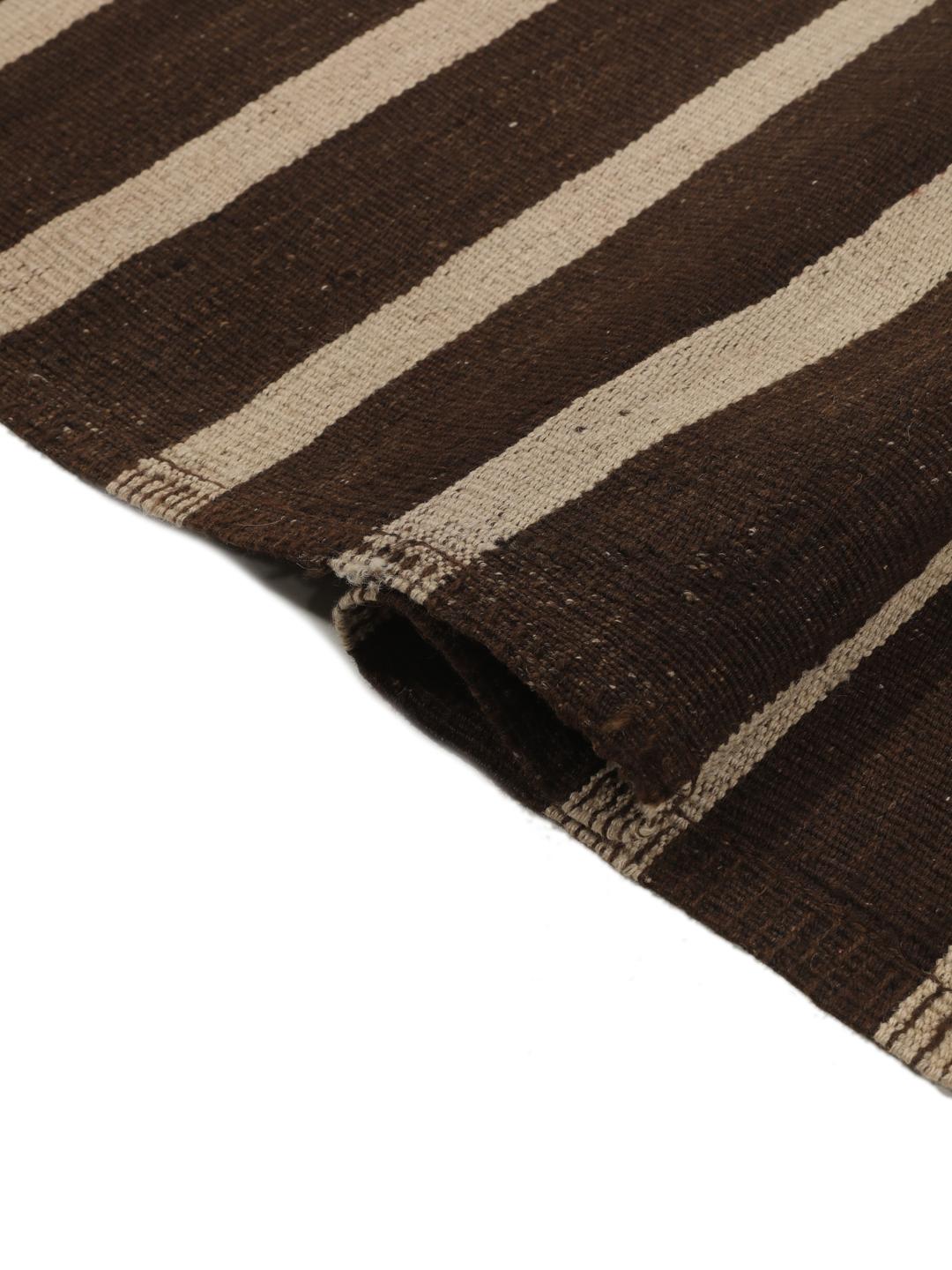
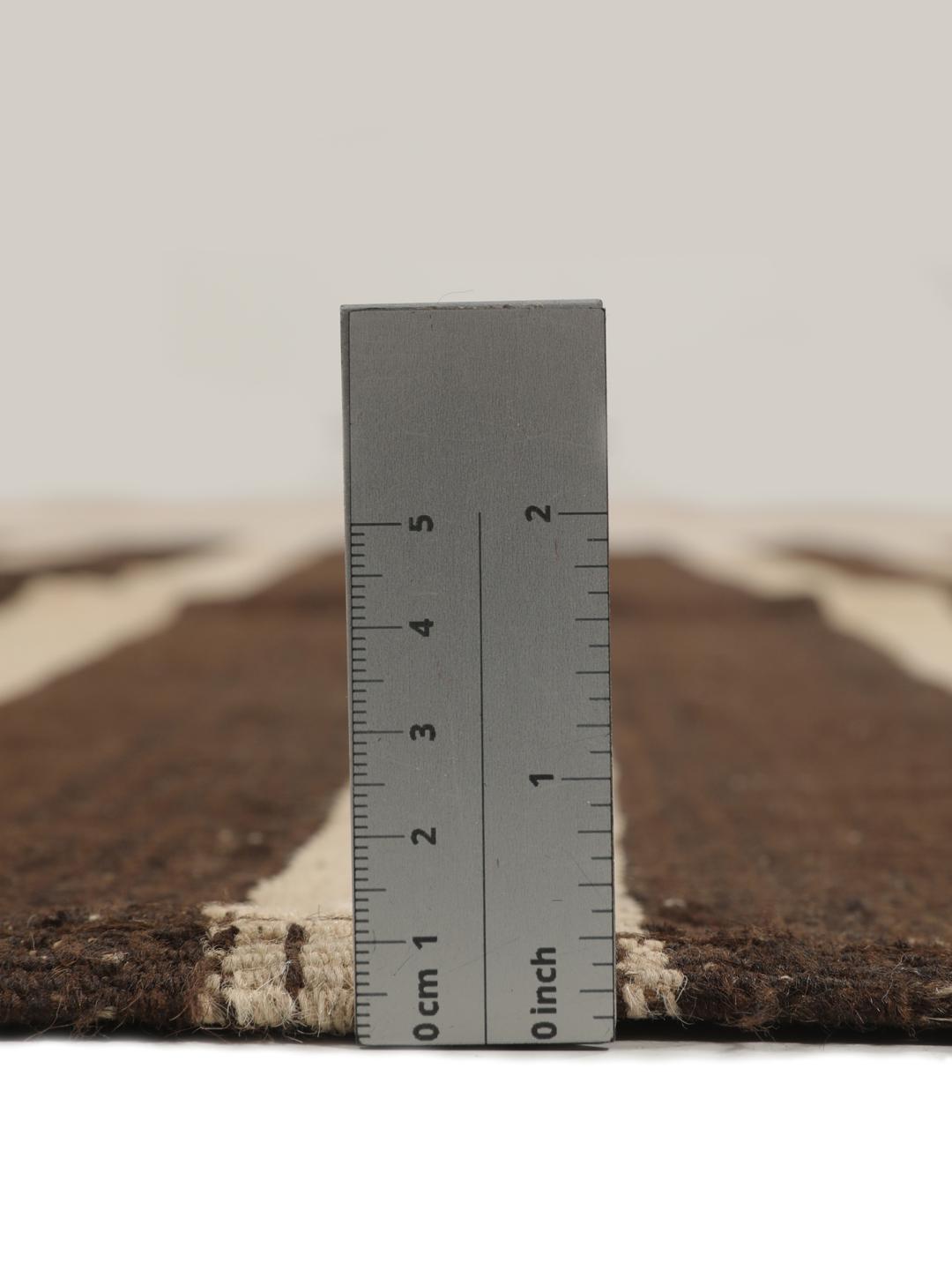
A kelim is distinguished by its lack of pile, as the design is created by interweaving the coloured weft threads with the warp threads. This technique results in a thin, light, and durable rug that is reversible and highly versatile. The quality of the Wool is essential in these pieces, as it provides the necessary strength to create a tight weave that can withstand the rigours of nomadic life and daily use.
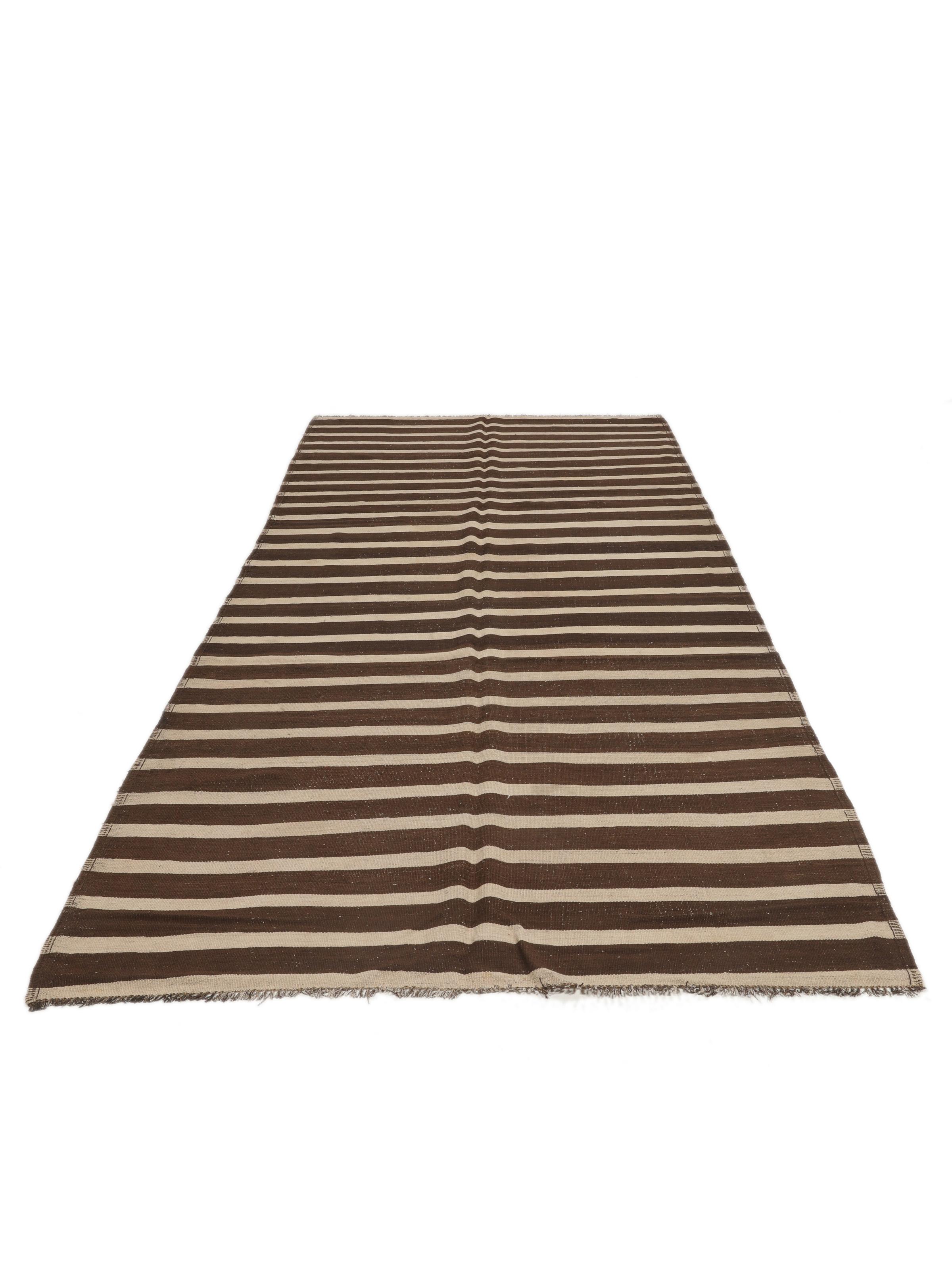
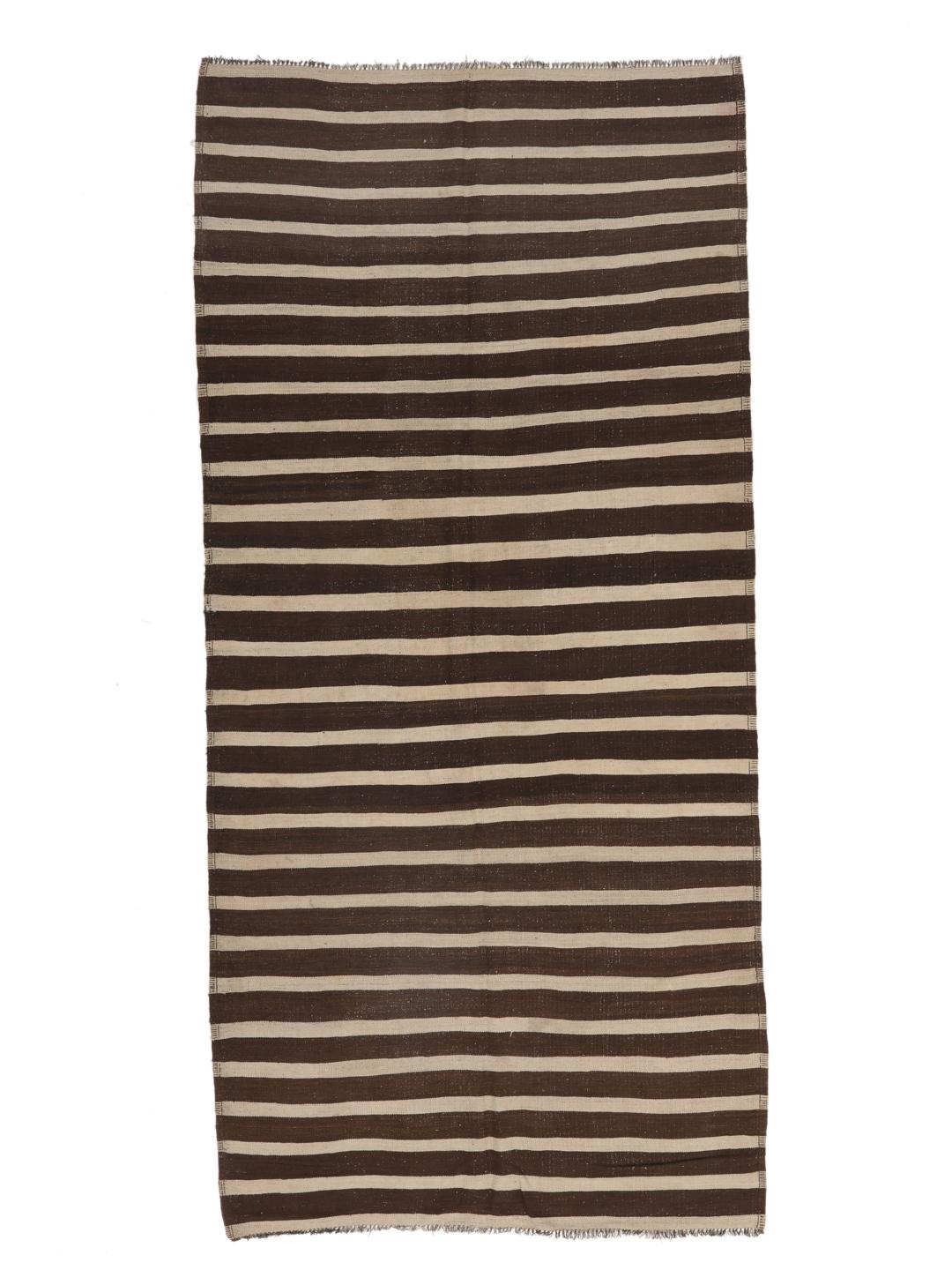
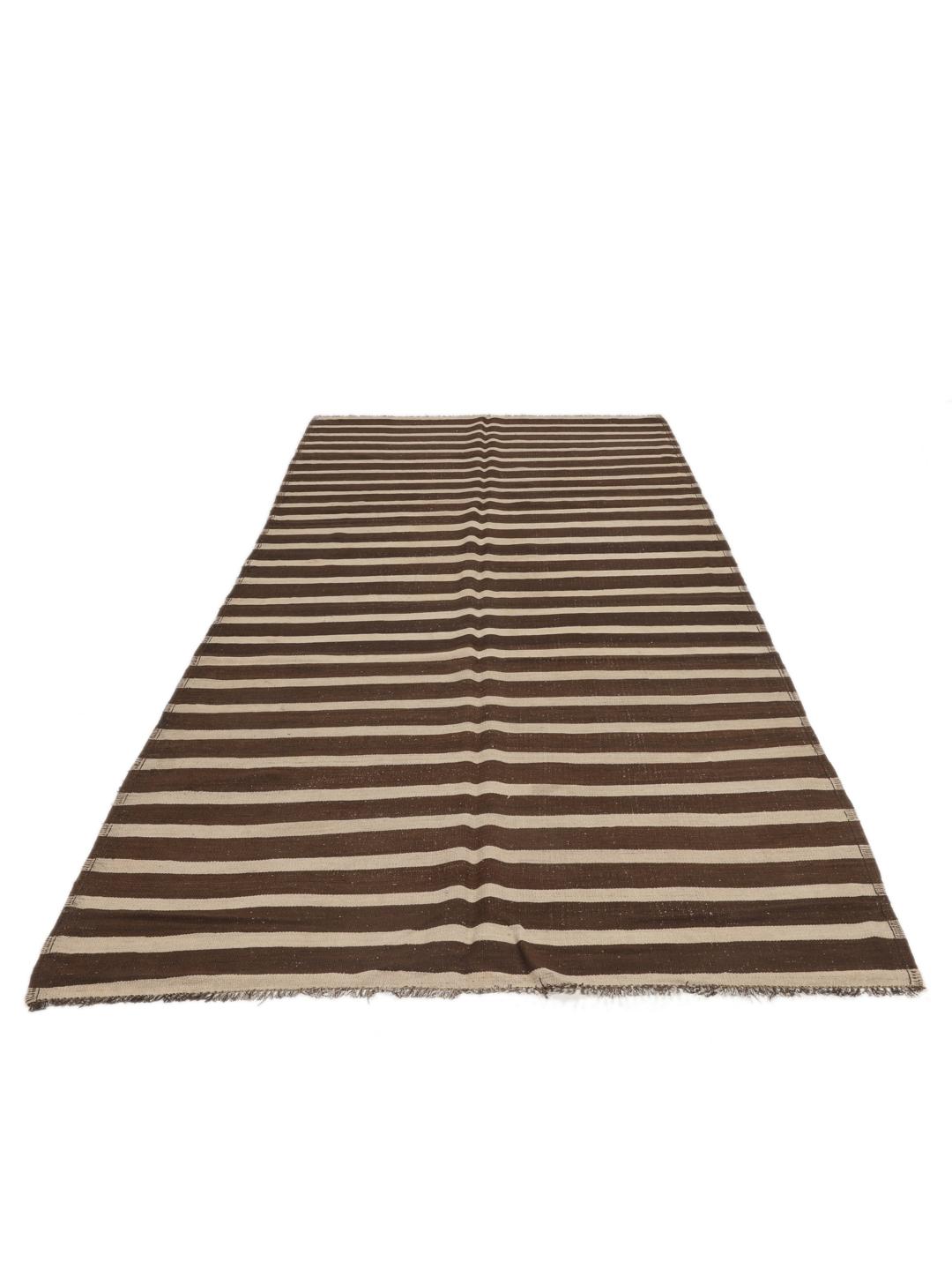
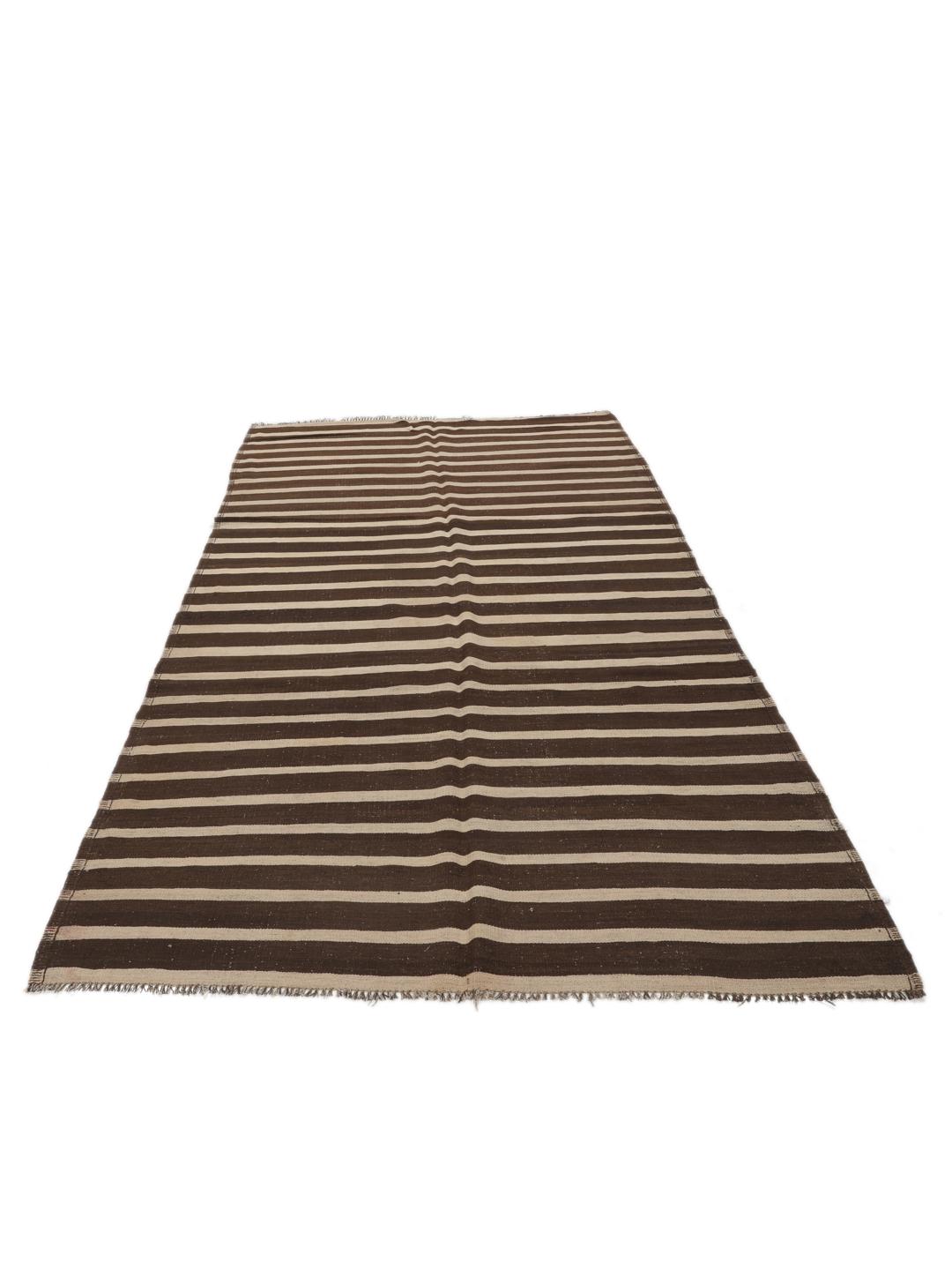
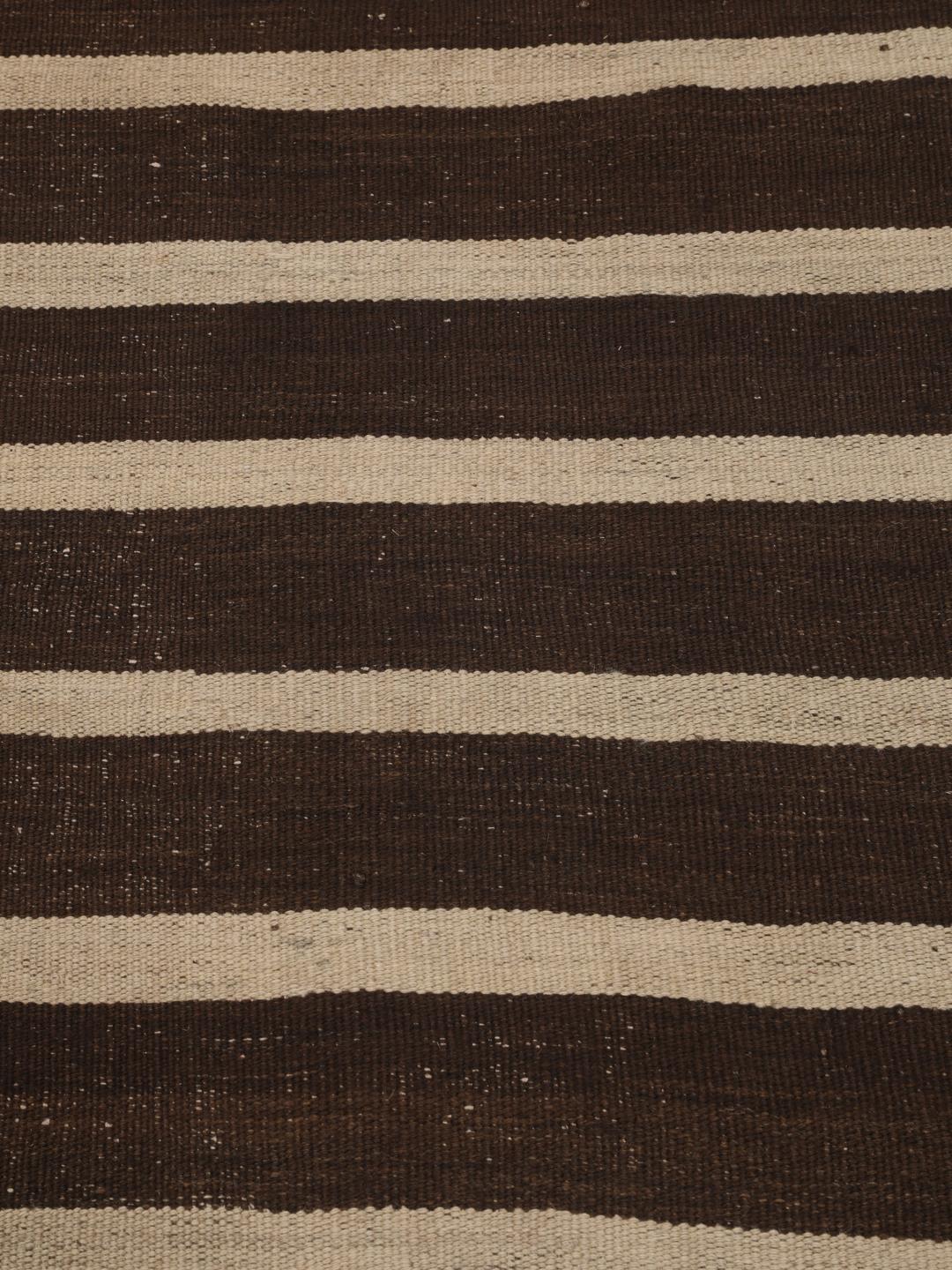
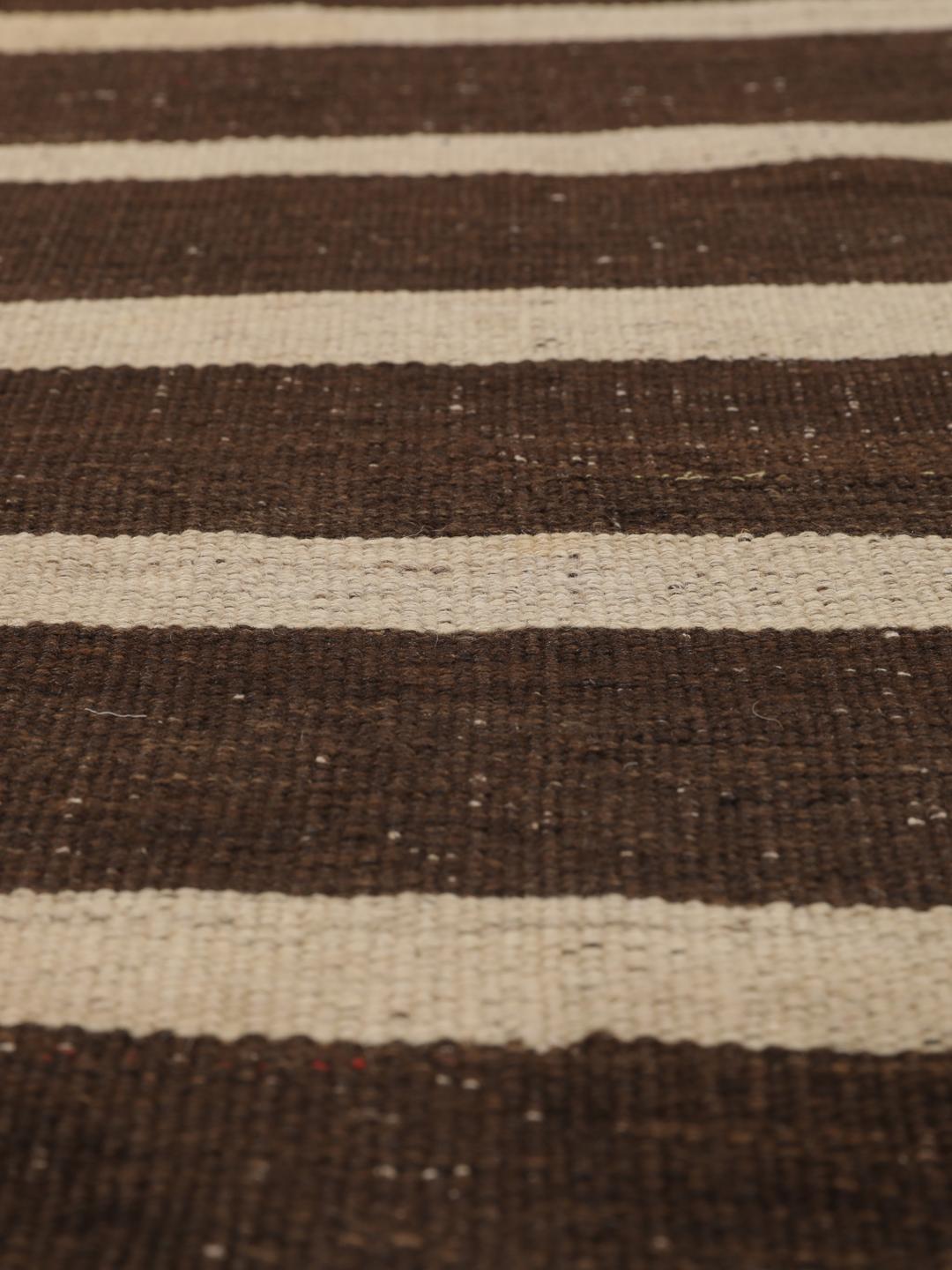
The striped pattern found on this piece is a classic motif in the kelim tradition, often representing the simplicity and beauty of nomadic aesthetics. While ornate medallions and complex geometric patterns are common, the striped design highlights the natural variations in the Wool and the skill of the weaver in maintaining perfect alignment. It is a timeless, minimalist approach that emphasises the texture and material quality of the piece.
Owning an antique or vintage Afghan kelim is an opportunity to preserve a piece of history. These rugs are highly sought after by collectors and interior enthusiasts alike for their authenticity, the skill required to produce them, and the way they age gracefully over time. By incorporating such a piece into your home, you are connecting with a long lineage of artisans who have transformed simple, raw materials into enduring works of art.