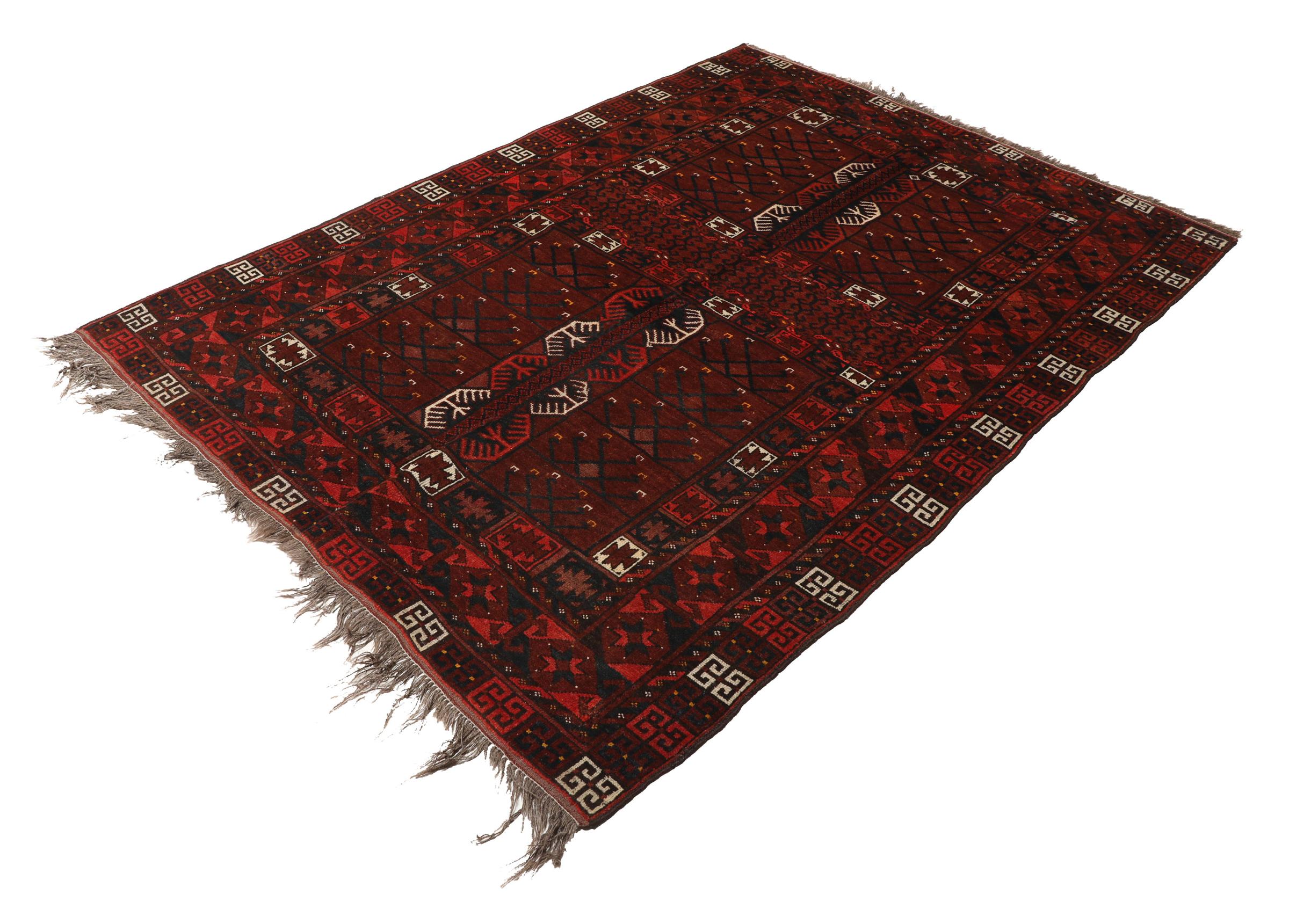
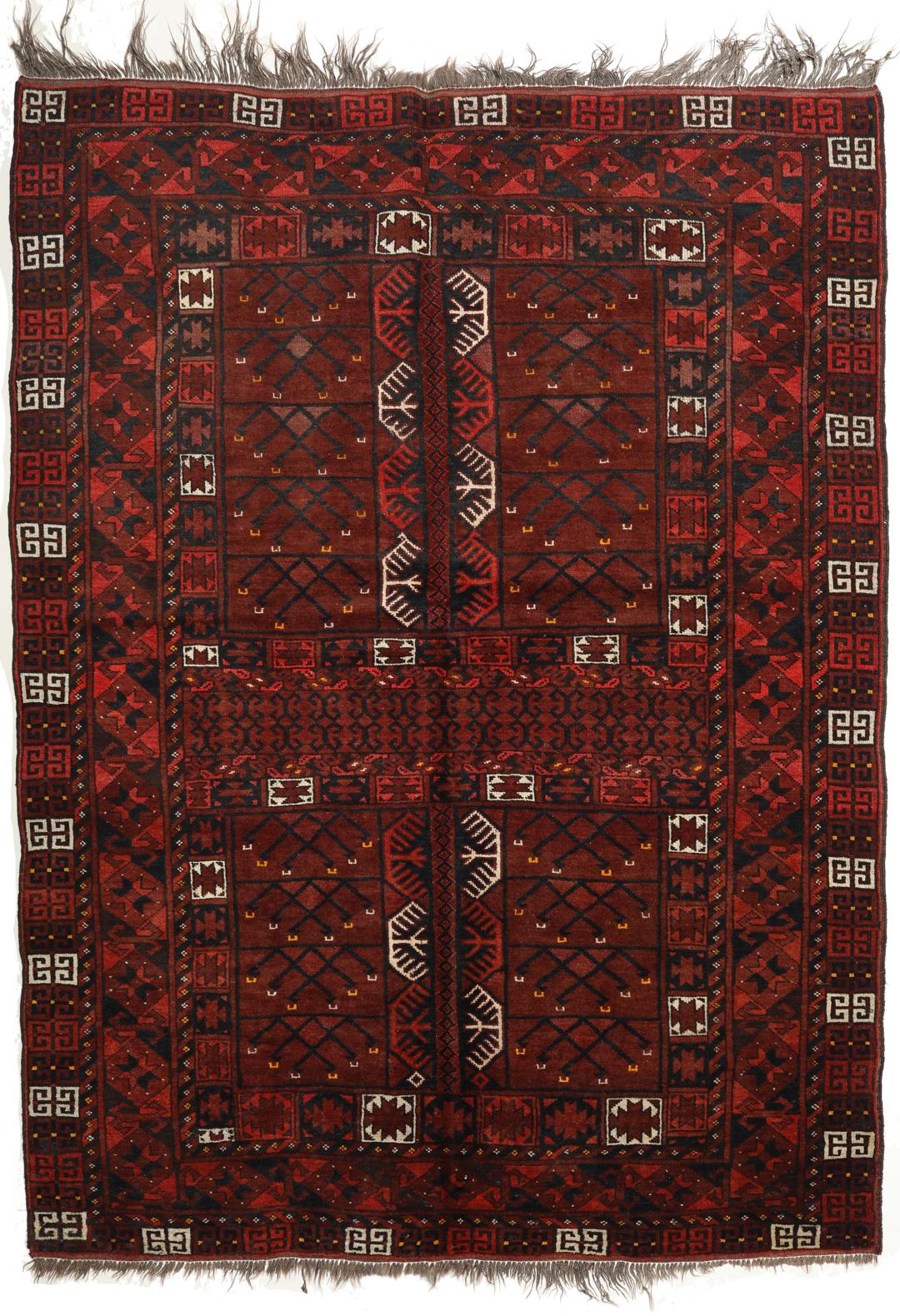
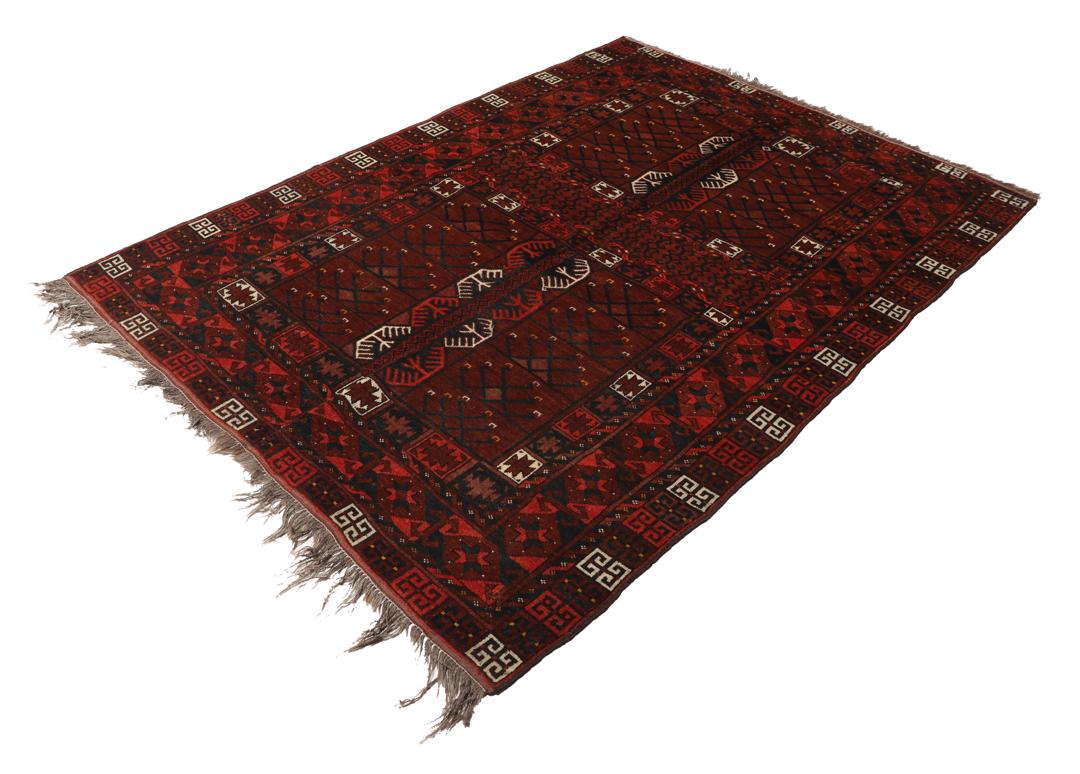
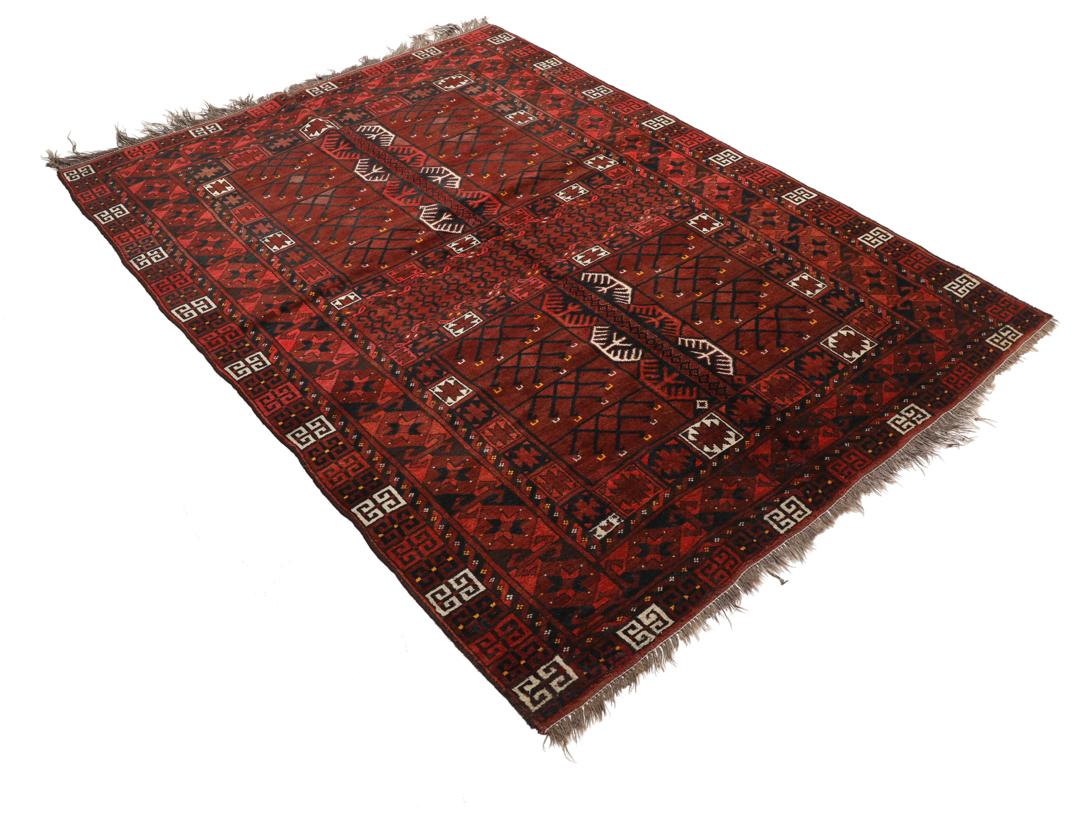
The Khal Mohammadi rug traces its origins to the northern regions of the Middle East, where it has evolved into one of the most recognisable and respected styles in the world of hand-knotted textiles. Named after the legendary weaver Khal Mohammad, who pioneered the specific aesthetic in the 1960s, these rugs represent a transition from older tribal weaving customs to a more refined, standardised artistic expression that retains its nomadic soul.
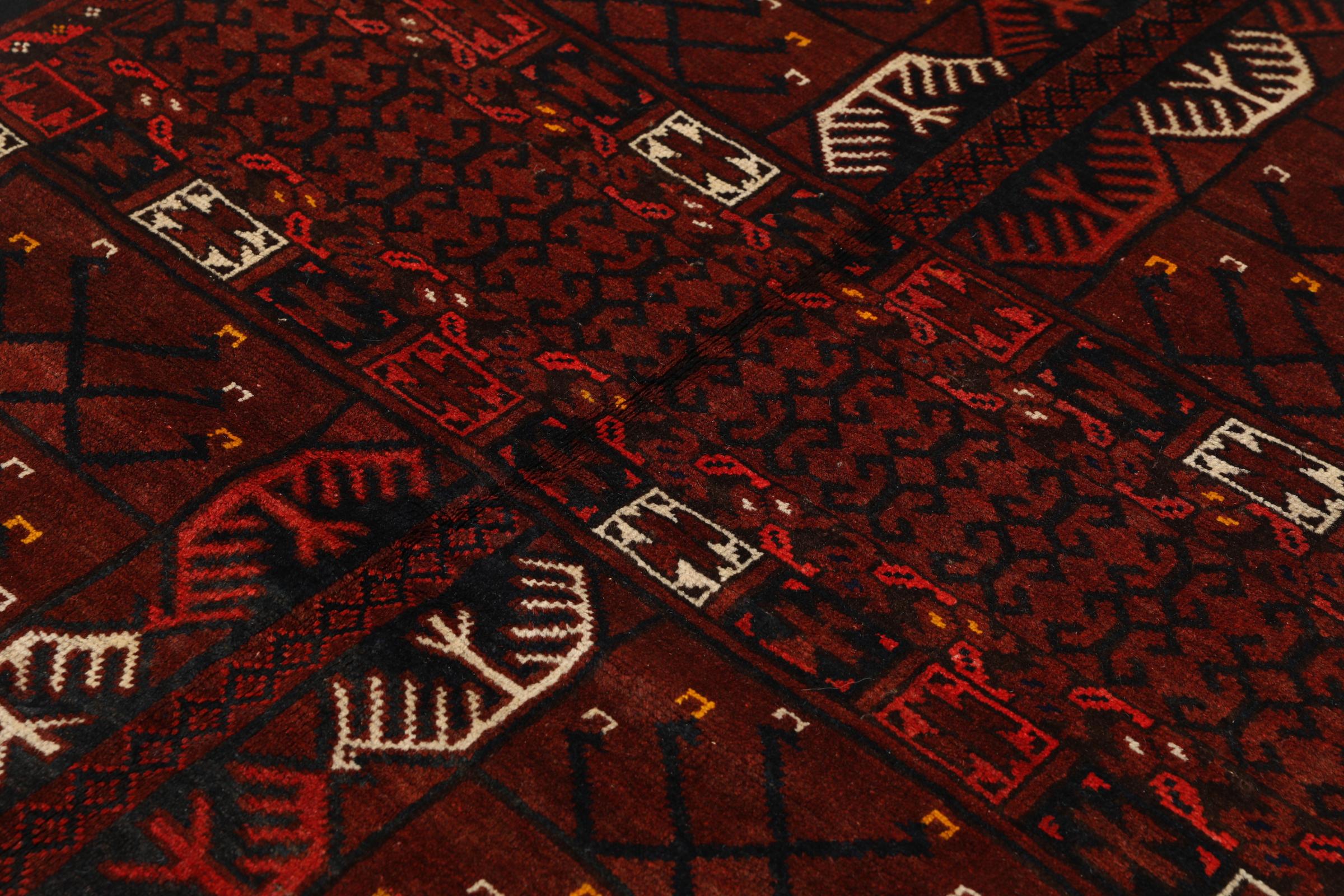
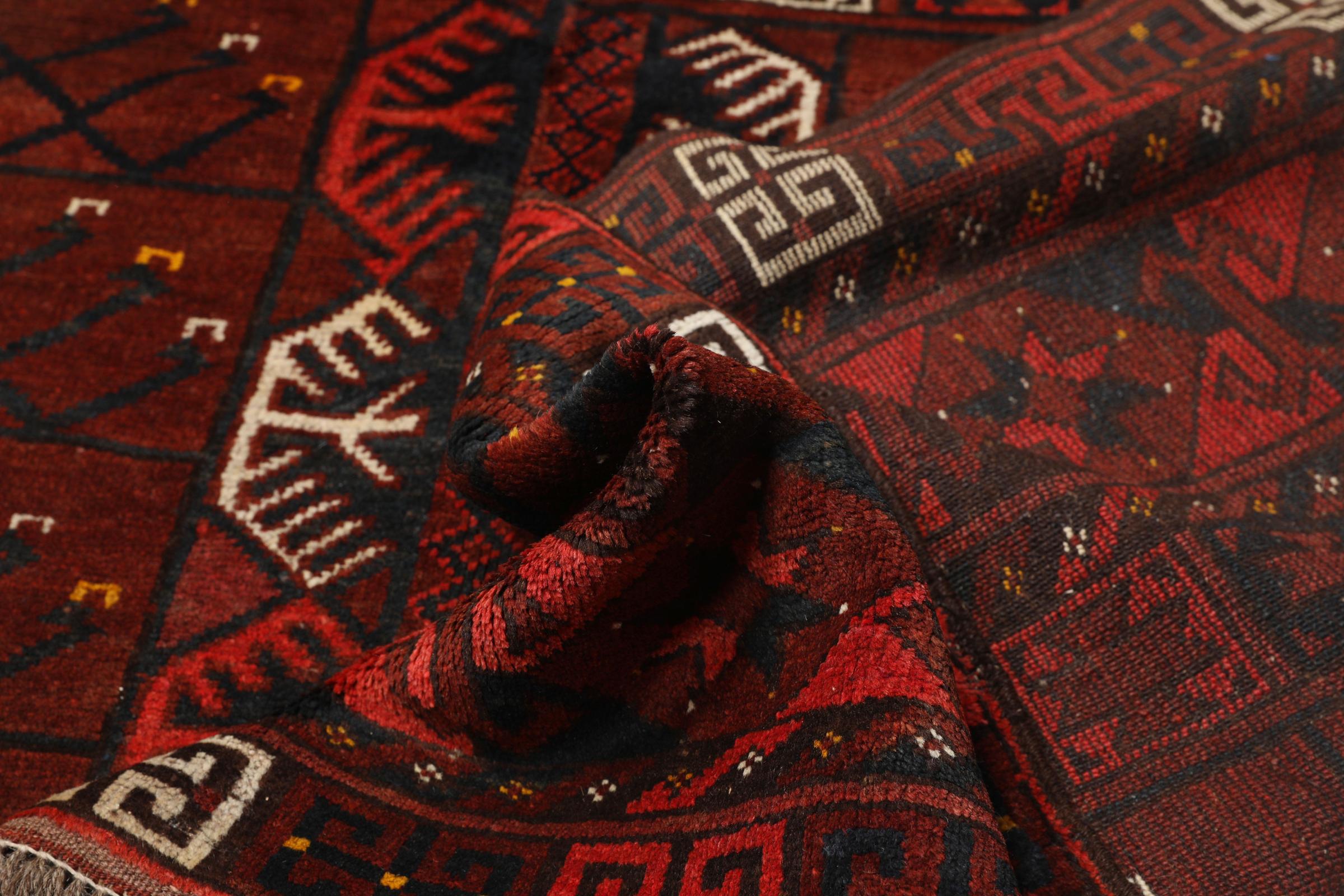
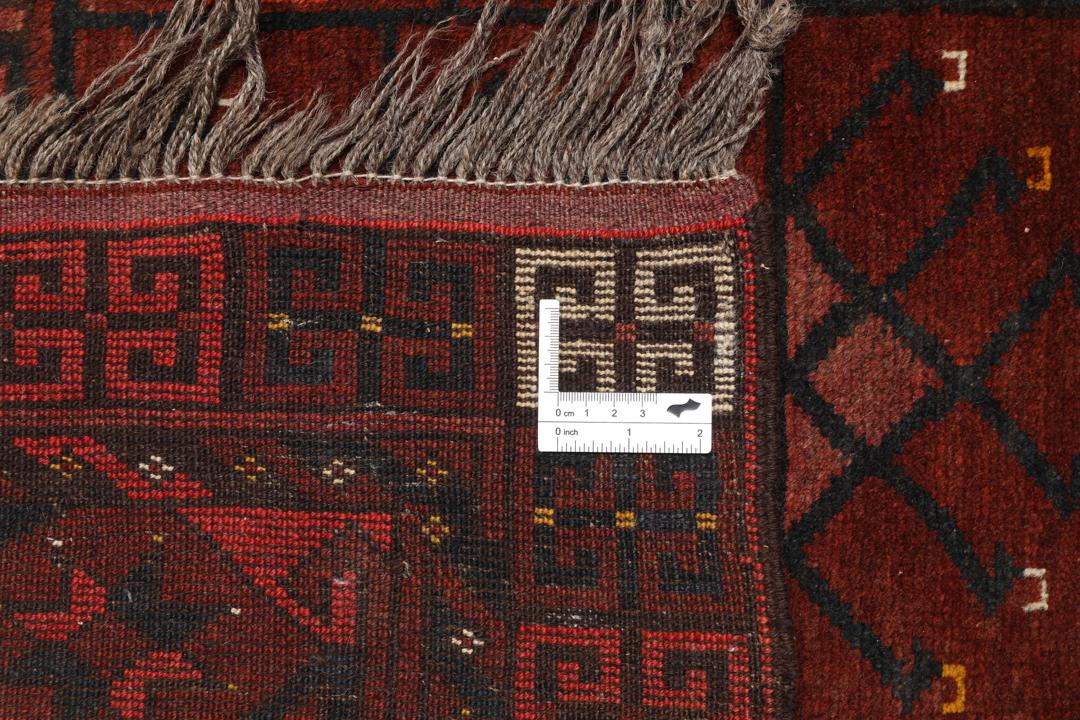
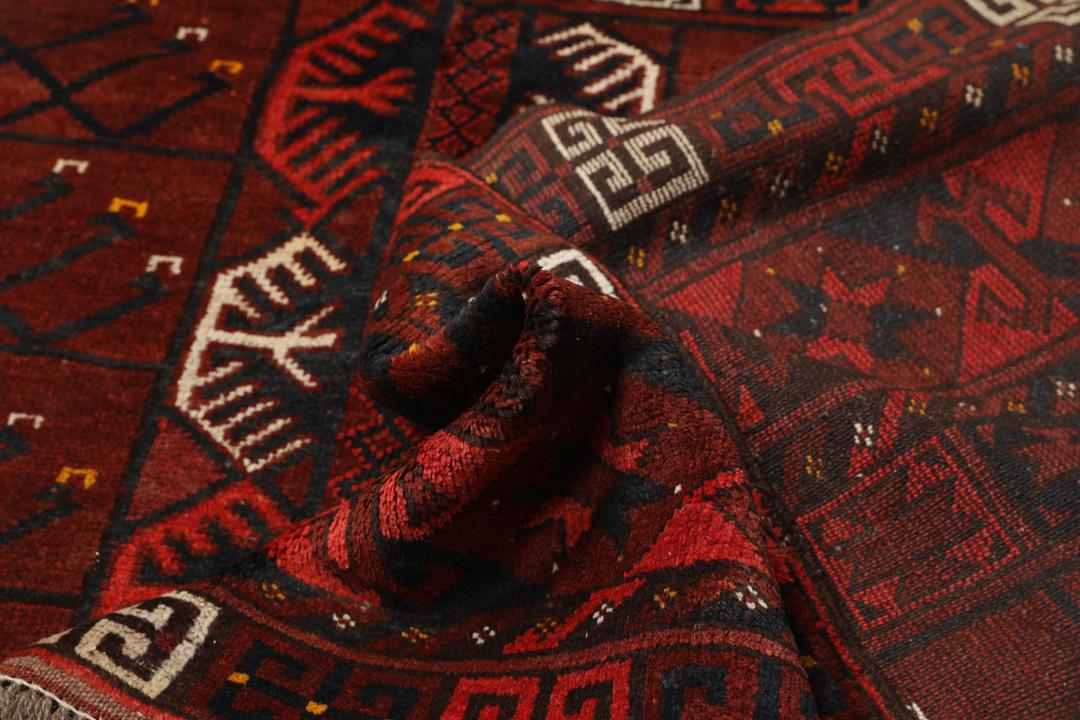
Central to the quality of these rugs is the use of high-quality wool, often sourced from local sheep, which is known for its natural lustre and durability. The wool is typically dyed in deep, saturated tones, particularly the signature dark red shades that define the Khal Mohammadi look. This dyeing process is a traditional craft in itself, often resulting in subtle variations in colour known as abrash, which add depth and character to the finished piece.
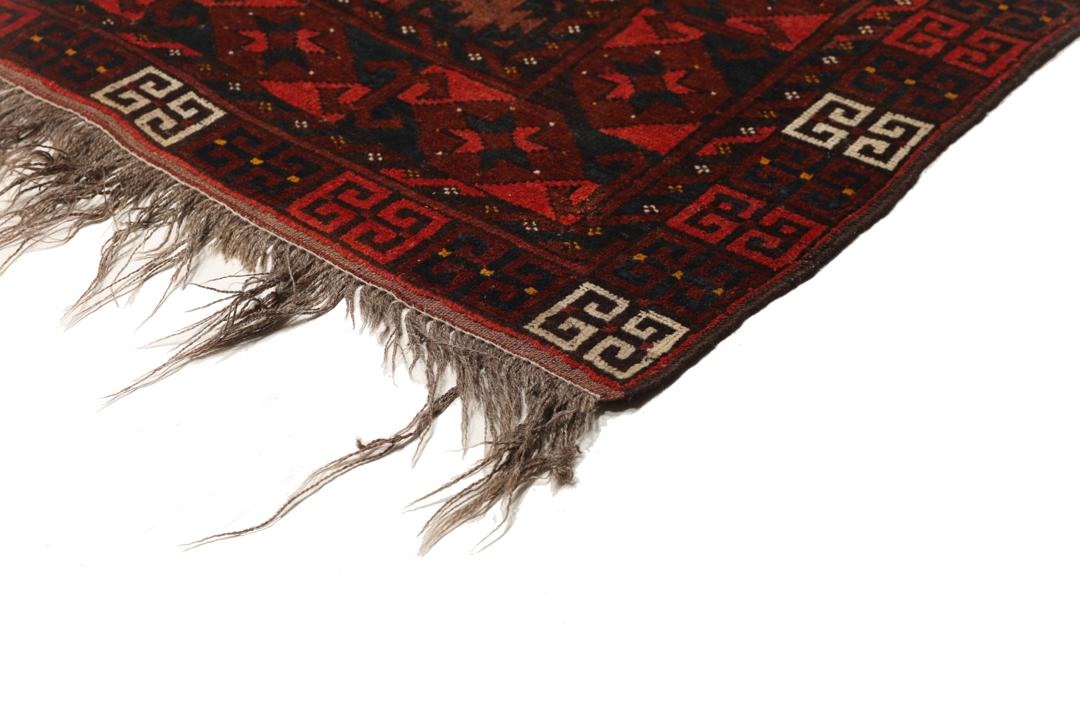
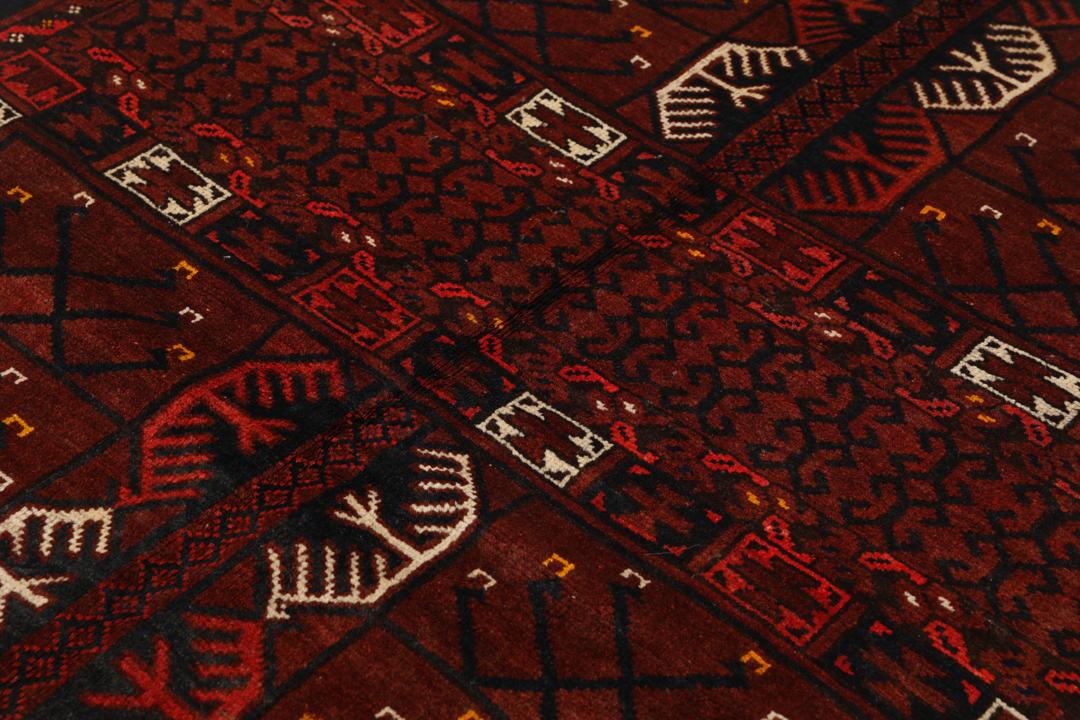
Visually, these rugs are characterised by their repeating geometric motifs, often featuring variations of the gul—a stylised medallion that holds deep cultural significance in Central Asian weaving. The borders are usually formal and intricate, providing a strong frame for the central field. While red is the dominant colour, it is almost always contrasted with dark blues, blacks, or ivories, creating a sophisticated play of light and shadow within the pattern.
Collecting a Khal Mohammadi rug is an investment in a living heritage that bridges the past and the present. These rugs are highly valued for their ability to bring a sense of warmth and history into contemporary interiors. They are not merely floor coverings, but symbols of the skill and cultural identity of the people, representing a commitment to preserving traditional craft in a rapidly changing world.