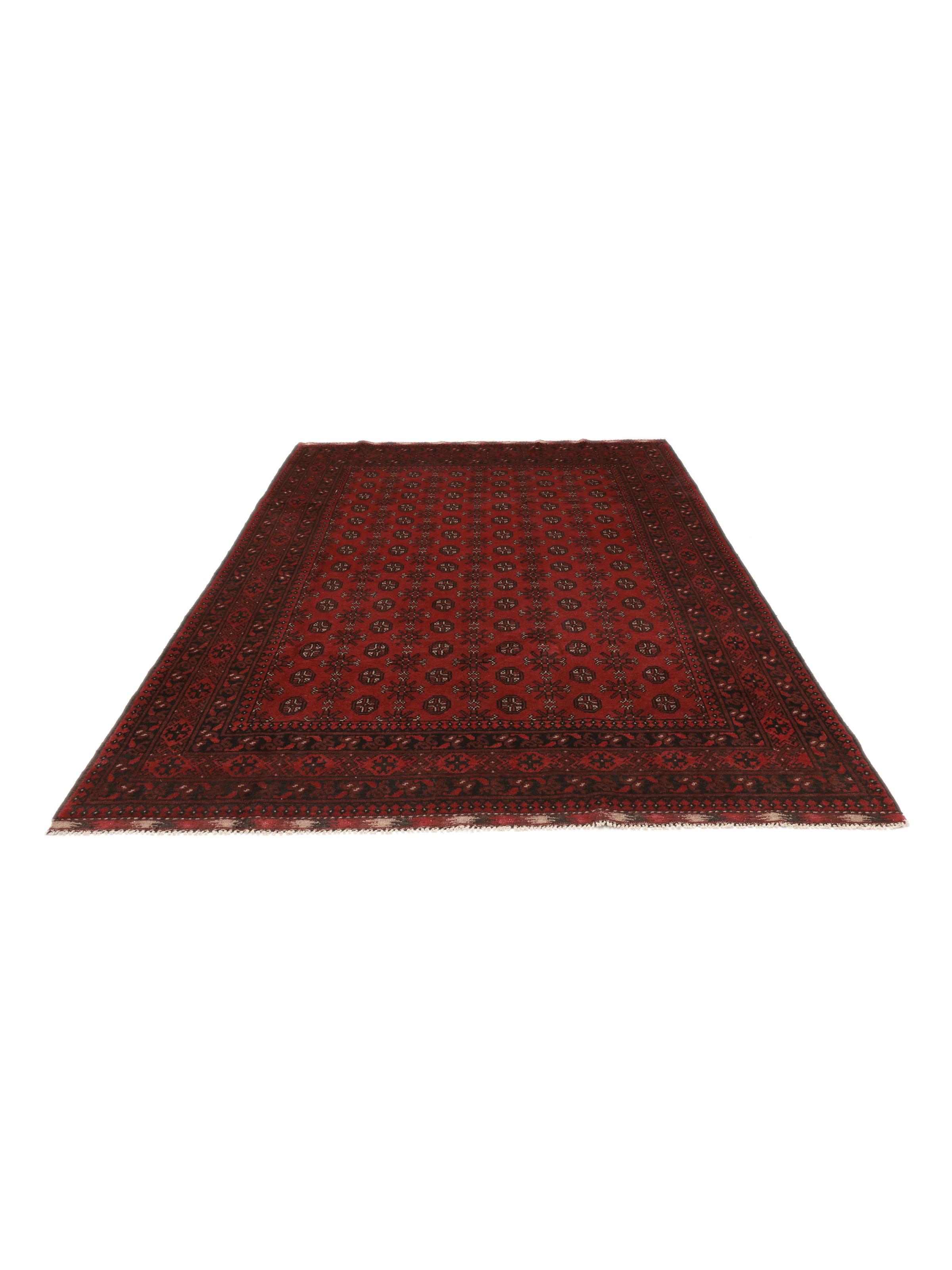
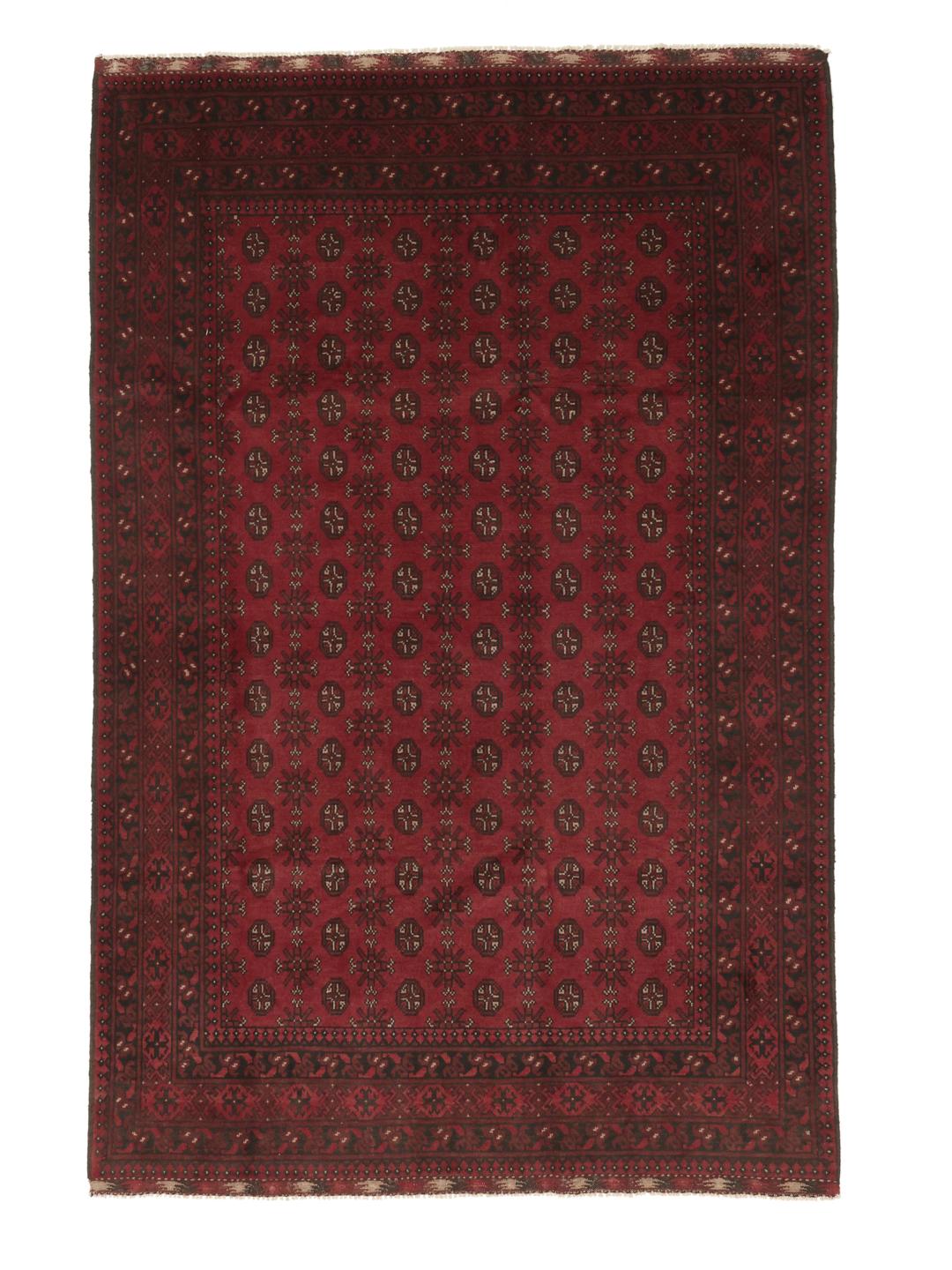
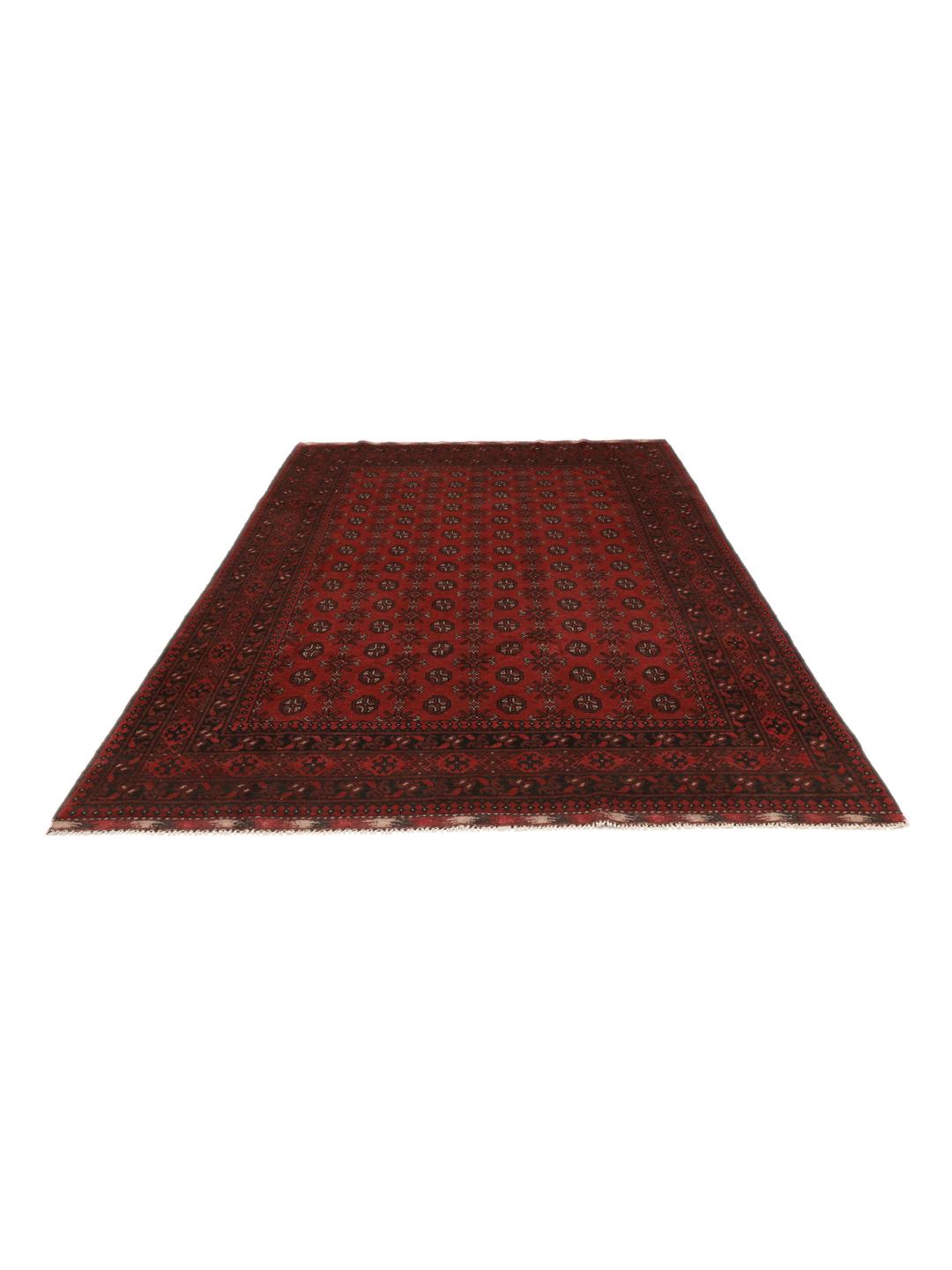
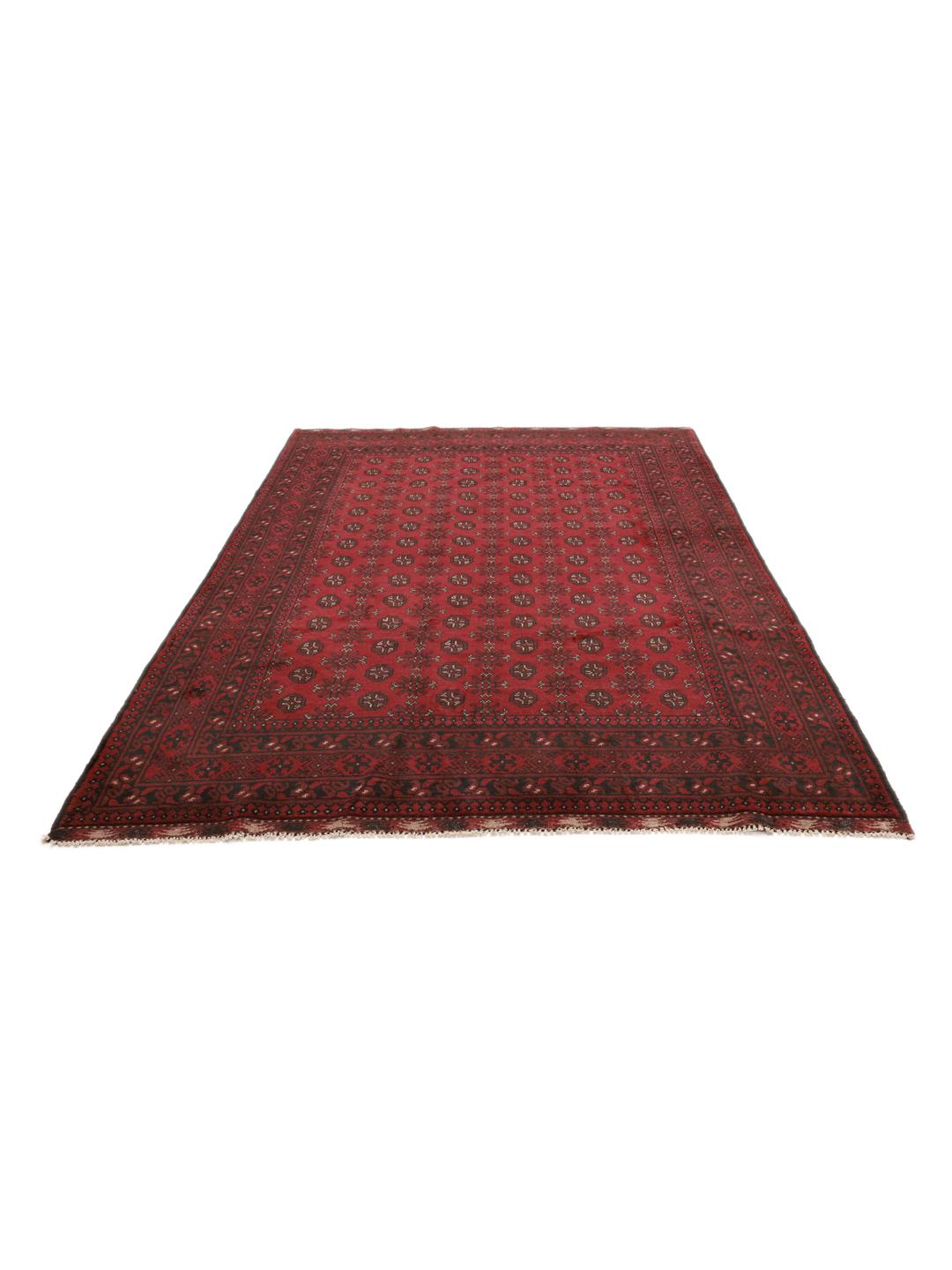
The Afghan Akhche rug tradition finds its roots in the northern regions of Afghanistan, where centuries of nomadic and semi-nomadic weaving culture have converged. These rugs are deeply influenced by the historical trade routes that crisscrossed Central Asia, blending local tribal aesthetics with the formal structure of regional weaving centres. The Akhche style is particularly renowned for its deep, saturated colour palettes that often lean into earthy and regal tones.
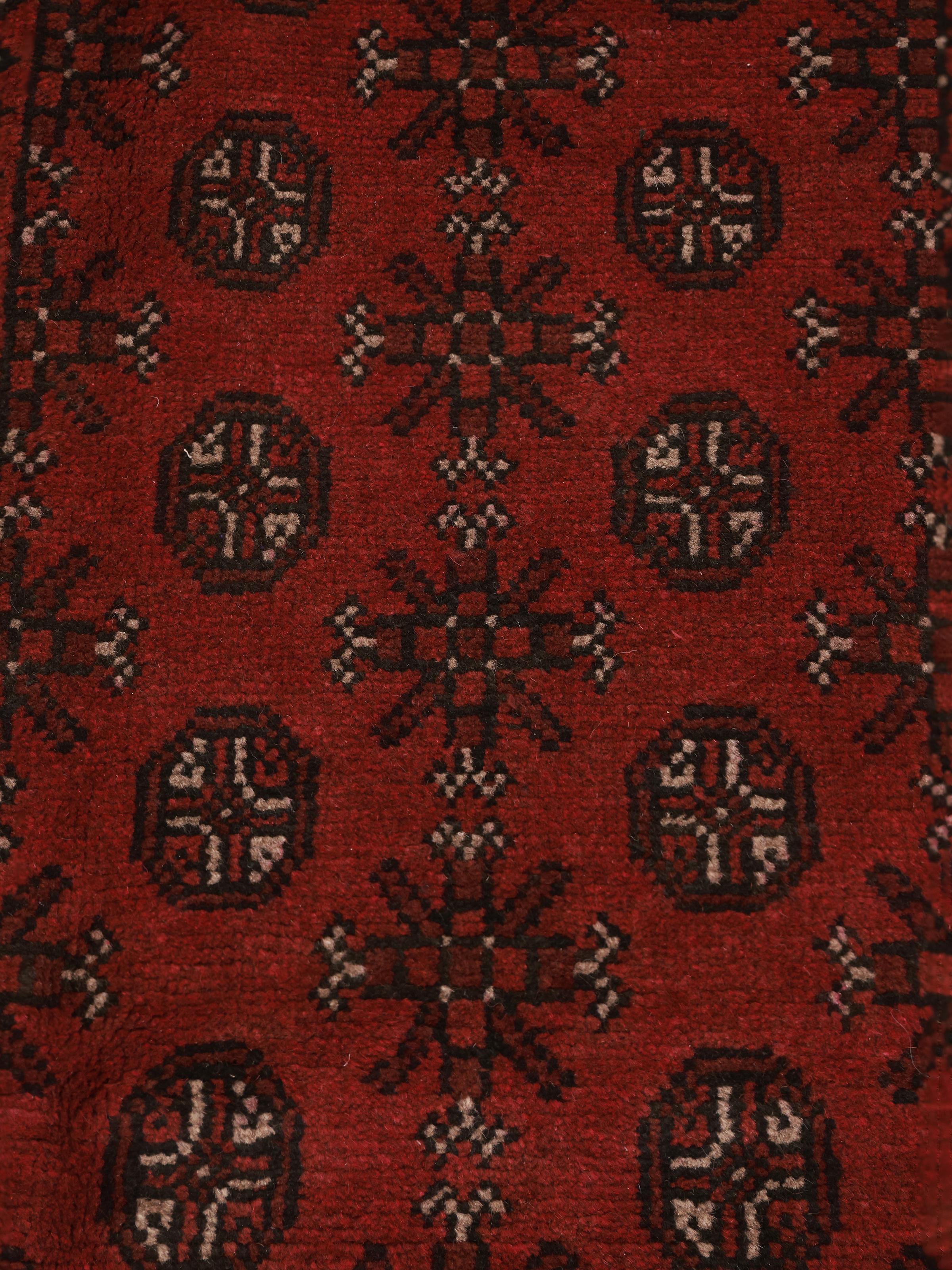
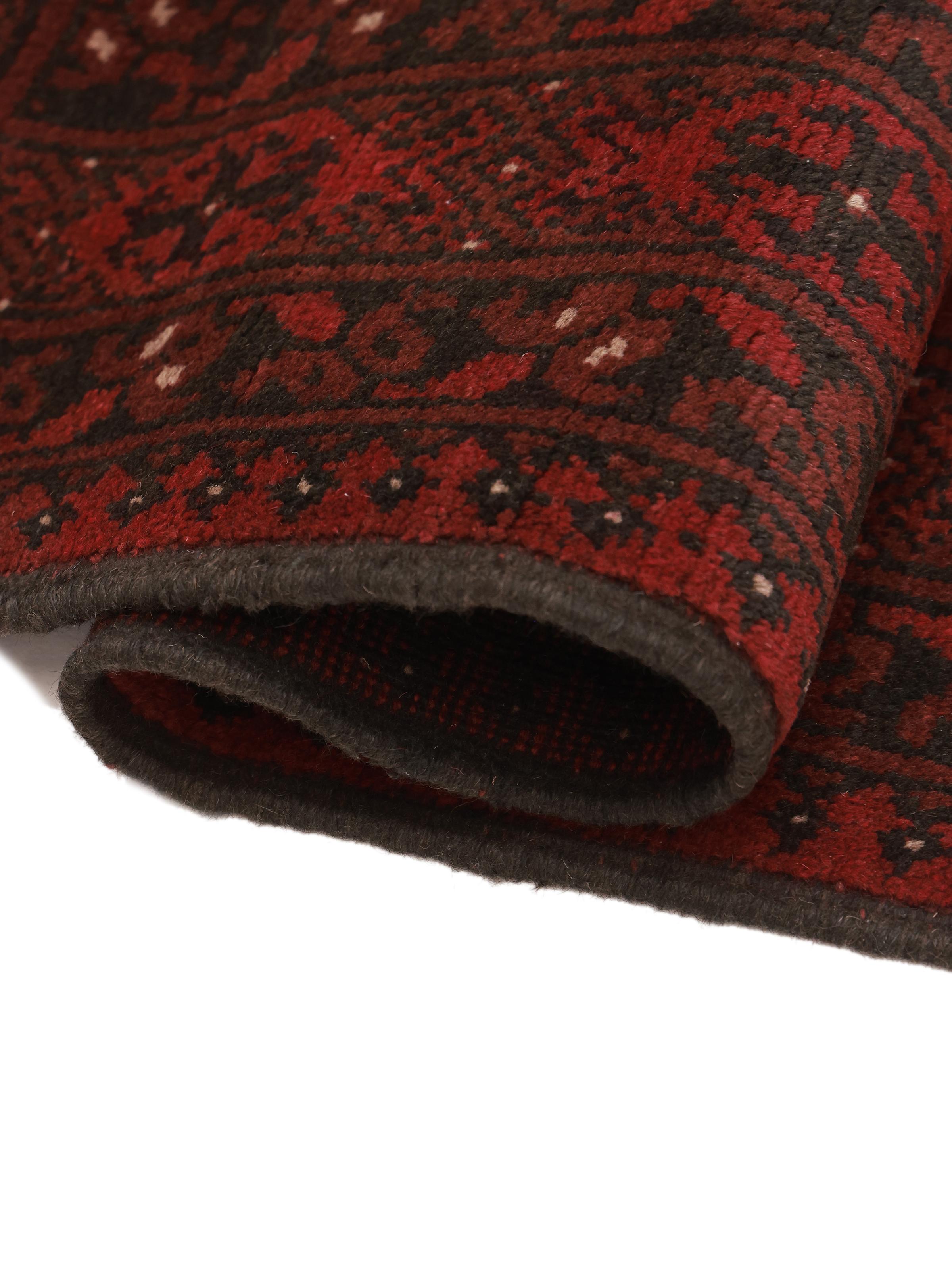
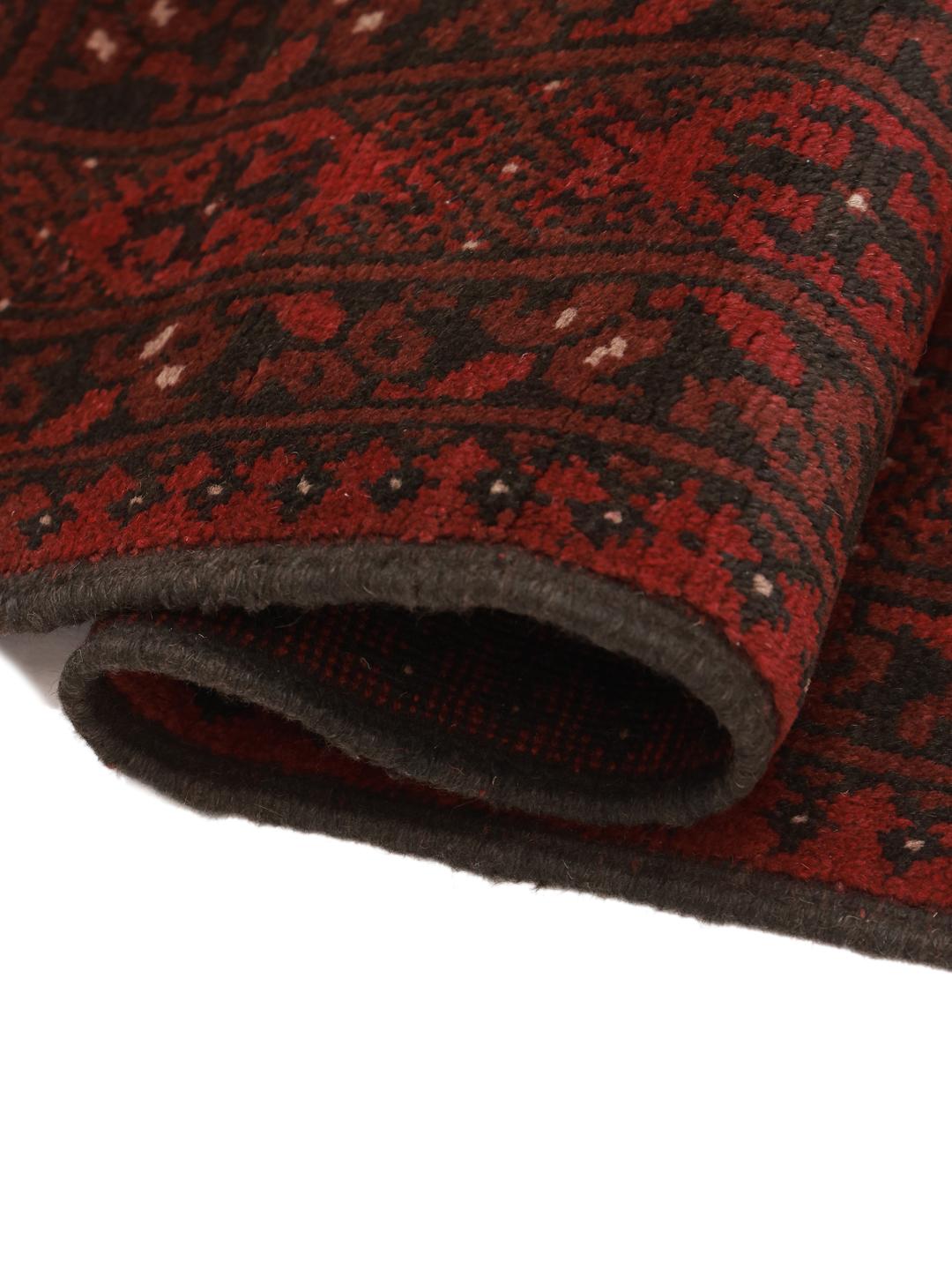
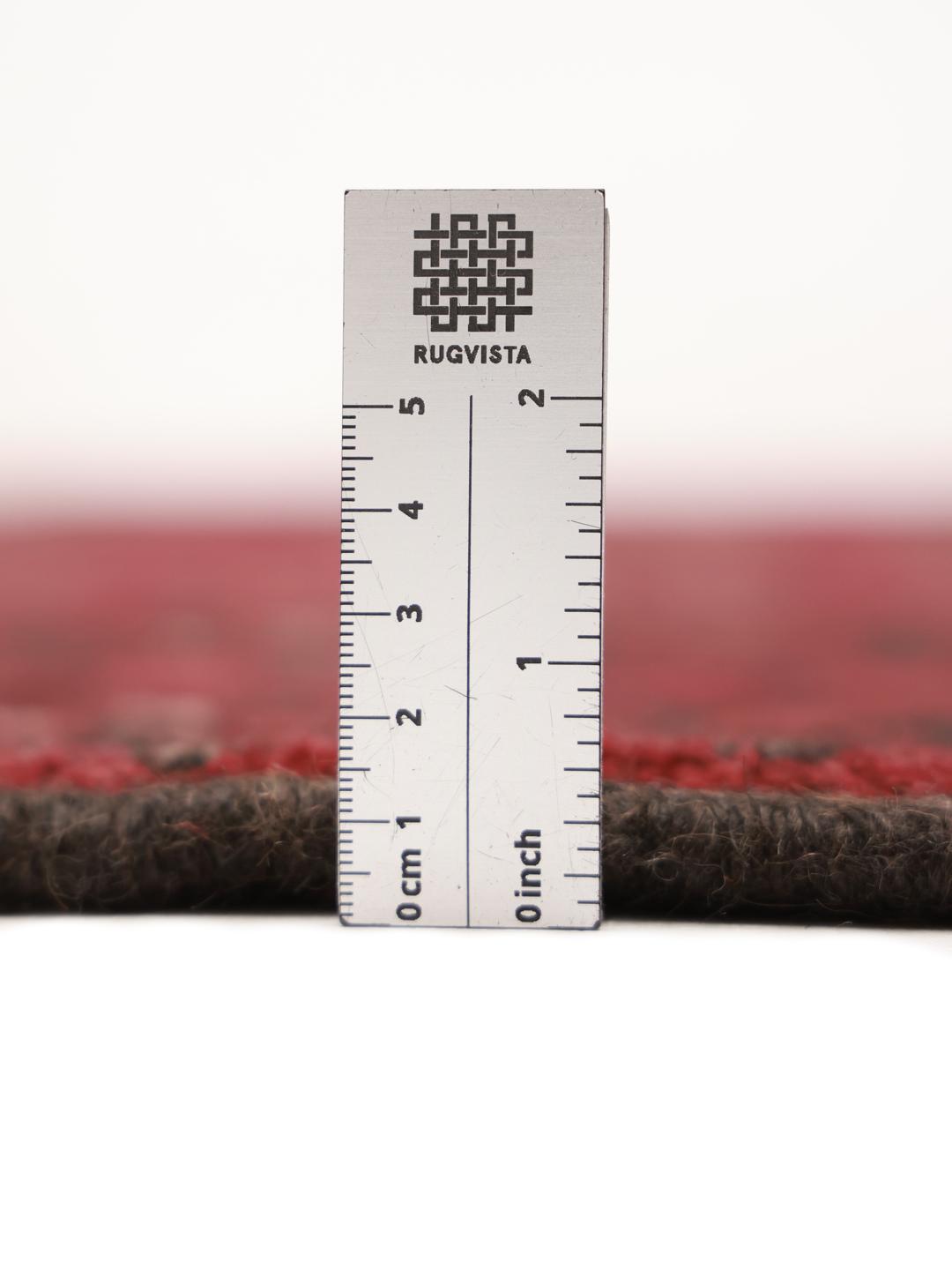
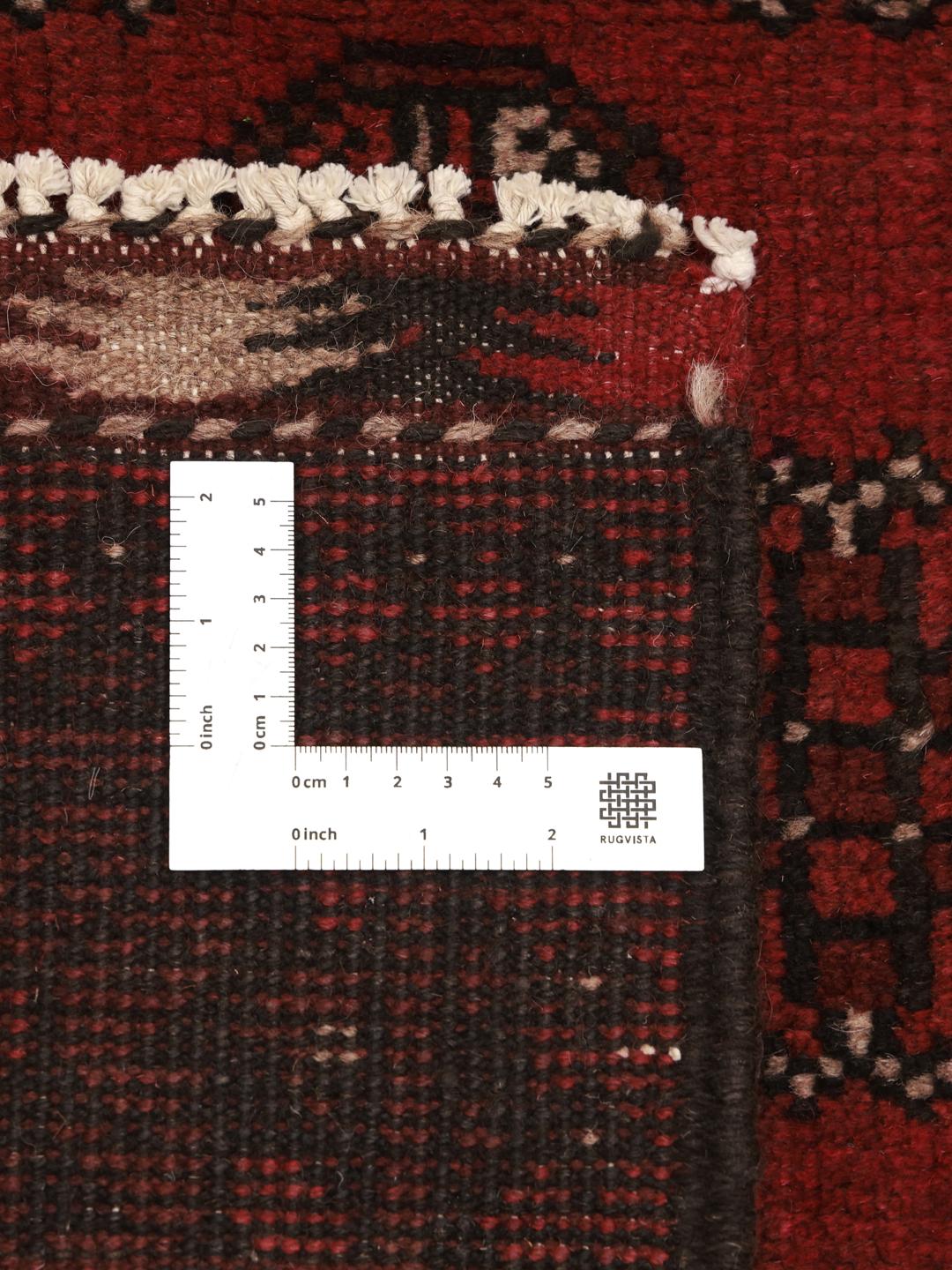
The technical construction of these pieces relies on a foundation that prioritises longevity and stability. The use of robust materials for the base provides a firm structure that allows the pile to sit upright, creating a dense and lustrous finish. This construction is highly valued because it ensures the rug remains flat and stable on the floor, while also protecting the integrity of the intricate knots over many years of use.
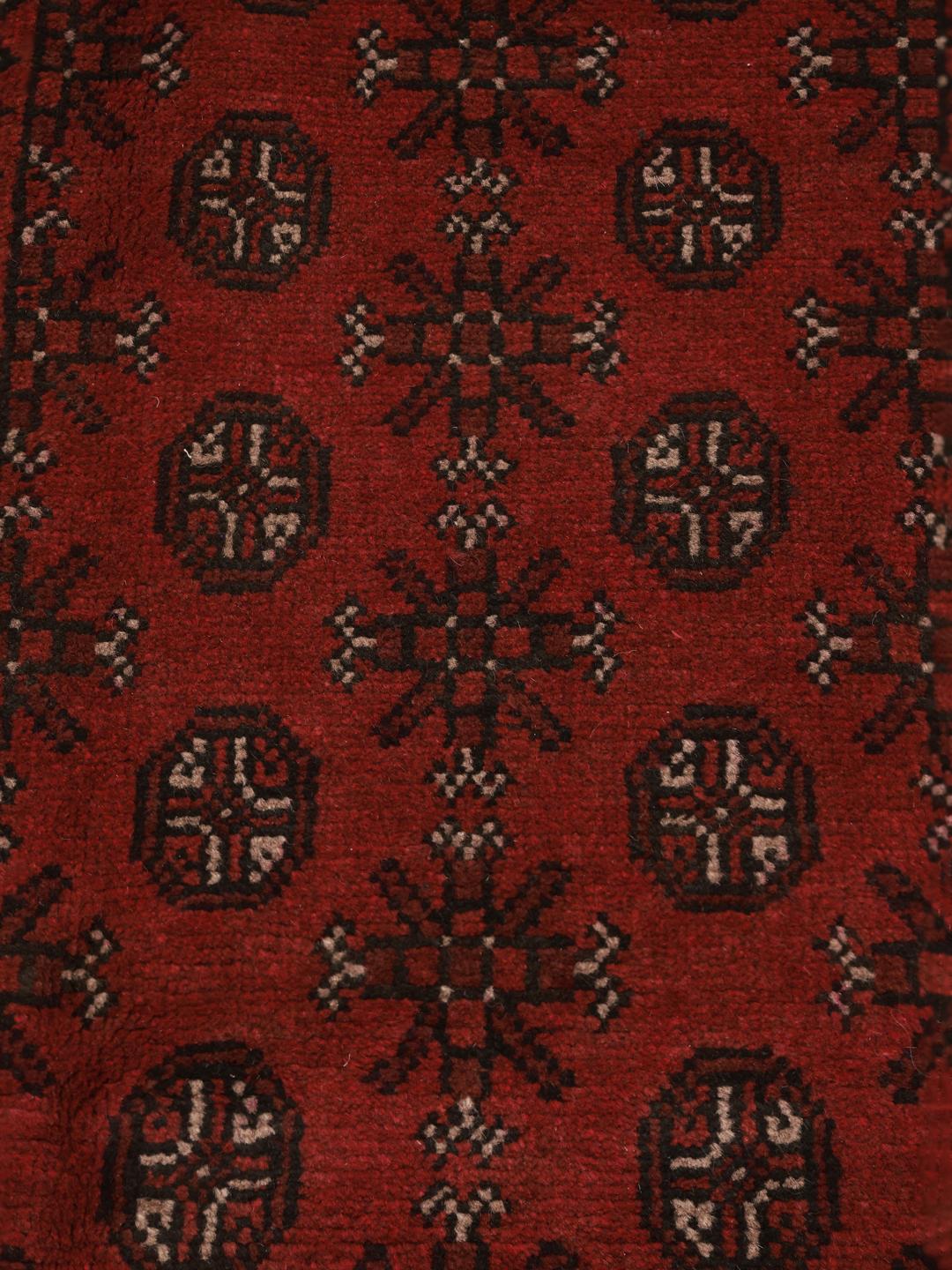
Visually, these rugs are defined by their use of recurring geometric motifs, which often draw inspiration from the surrounding natural world and tribal symbols. The borders are typically formal and structured, acting as a frame for the more expressive and repetitive patterns found in the field. This specific rug showcases a depth of colour that is characteristic of the finest examples, where the red tones are achieved through traditional dyeing practices.
Collecting a piece from this tradition is an act of preserving a living craft. These rugs are highly sought after by those who appreciate the intersection of cultural heritage and functional design. By bringing such a rug into your home, you are not just adding a decorative element, but a piece of history that embodies the skill, patience, and artistic vision of Afghan weavers.